

Richmond Park Rd, London Travel Guide
Free Guide: London’s largest Royal Park combines free-roaming deer, open grassland, historic lodges and long walking routes far from the city’s usual pace.


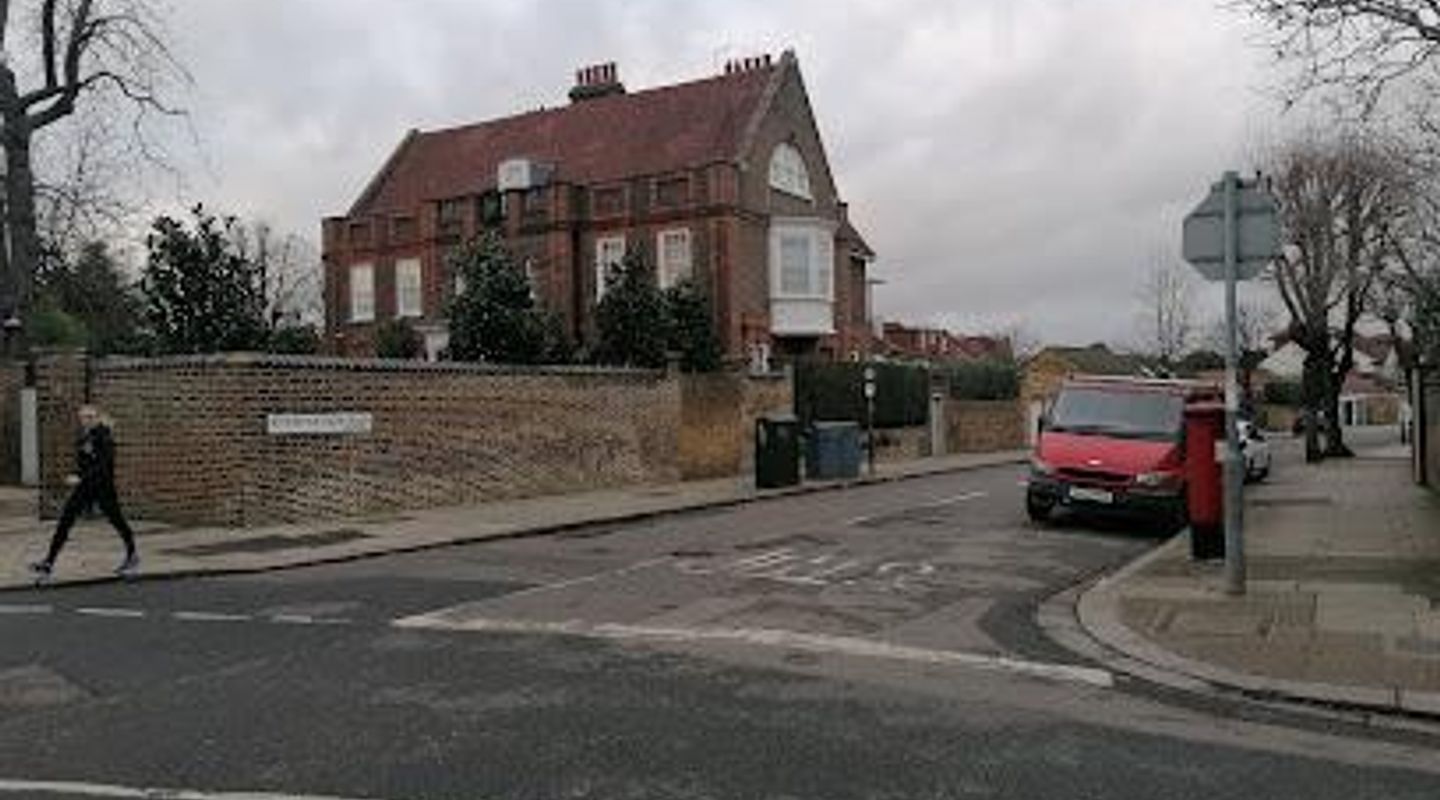
A brief summary of Richmond Park Rd
London’s largest Royal Park combines free-roaming deer, open grassland, historic lodges and long walking routes far from the city’s usual pace.
Richmond Park is London at its least urban: a vast royal park of grassland, ancient trees, ponds and free-roaming deer. It feels spacious and measured, with long walking and cycling routes, quiet corners, and busy pinch points near popular gates, lodges and gardens. Most visitors come for wildlife, views and a few unrushed hours outdoors.
On-site amenities
 Restrooms
 Drink options
 Food options
 Seating areas
 Sheltered areas
 Picnic areas
 Trash bins
 Information boards
- Address
- London
Getting there
Rail and Underground
Bus
Cycle
Car
Discover more about Richmond Park Rd
What it is
Richmond Park is London’s largest Royal Park and one of the city’s most distinctive outdoor spaces: a broad, enclosed landscape of grassland, woodland, ponds and long sightlines, managed as both public park and protected nature reserve. It began as a royal hunting park in the 17th century, and that history still shapes the place today. The deer herd remains central to the park’s identity, and the scale of the open ground gives it a semi-rural feel that is unusual anywhere inside the capital.
What visitors experience
A visit usually unfolds at an easy pace. You enter through one of several gates, then choose between a walk, a cycle on permitted routes, a stop at a café, or a longer loop that links different parts of the park. There is no single route to follow, which is part of the appeal: many people come for a short wildlife stop, while others spend half a day moving between viewpoints, gardens and open grassland. Deer sightings are the main draw, but the park also rewards slower attention to birds, mature trees, seasonal planting and the changing light across the open ground.The atmosphere is calm rather than polished. Paths can feel busy near Richmond Gate, Pembroke Lodge, Isabella Plantation and car parks, but the park quickly opens out into quieter stretches where the city drops away. It suits walkers, runners, cyclists, photographers and families who want space rather than attractions packed close together.
Landscape and heritage
The park’s character comes from its scale and restraint. Wide horizons, scattered oaks, rough grass, ponds and woodland edges create a landscape that feels managed but not over-designed. Historic features are present, but they do not dominate the experience; instead, they sit within a working conservation landscape. The long brick wall, the deer herd and the park’s royal associations give it a strong sense of continuity, while protected habitat designations underline that this is also an important ecological site, not just a leisure ground.
Practical expectations
Richmond Park is easy enough to reach from southwest and central London by rail, Underground, bus or bike, but it is large enough that moving around inside it can take time. Walking from a station or gate may take 15 to 25 minutes before you even begin a proper circuit. Facilities are useful but uneven: toilets, cafés, parking and some accessible options are available, yet the park remains mostly open-air and weather-exposed. Bring water, plan for distance, and keep clear of deer, especially during sensitive periods. The best visits are unhurried ones, built around a loop, a picnic, or a few hours of roaming rather than a quick photo stop.
Evendo Review Centre
 Google
Guest reviews
Best time to go
Quietest: Jan, Feb & Dec · before 7am or from 9pm
Busy times are Evendo estimates for a typical year, to help you plan. Actual crowds vary with events, school holidays and the weather.
Explore Richmond Park Rd on the map
A handpicked selection of must-see spots near Richmond Park Rd, mapped for you.
Get your free copy of our complete guide to Richmond Park Rd, delivered straight to you.
Everything on this page, from opening hours and how to get there to Eve’s tips and the best time to go, in one PDF you can read offline, print or share.
Already have an account? Sign in
Your Richmond Park Rd guide is ready.
We'll send it to · Not you? Sign out

Getting your guide ready…
We are putting together a fresh copy of the Richmond Park Rd guide. This can take up to a minute.
This can take a few moments. If your browser asks, choose Allow so the download can start. You'll find the guide in your Downloads folder.
Nothing happened? Download it again
Sorry, the guide is taking longer than usual. Please try again in a minute, or get it by email instead.
Unlock the best of Richmond Park Rd
Skip-the-line tickets, guided tours with entry, and walking tours of the area, booked in a few clicks.

Other nearby places you may find interesting
The closest places of the same kind, if this one is not quite what you had in mind.
-
-
-
-
-


Swipe for more places
More to explore near Richmond Park Rd

 Best experiences near Richmond Park Rd
 Best hotels near Richmond Park Rd
 Best landmarks near Richmond Park Rd
 Best attractions near Richmond Park Rd
 Best shops near Richmond Park Rd
 Best restaurants near Richmond Park Rd
 Best bars near Richmond Park Rd
Do you manage this location?
Take control to get all the benefits, like improved information, better appearance, and stronger visibility across AI-powered discovery.
Explore more

Explore more of London
Explore London: A city of iconic landmarks, rich history, vibrant culture, and endless attractions that cater to every taste, making it a must-visit destination.
Explore London
Explore more of United Kingdom
Discover the United Kingdom: A blend of rich history, stunning landscapes, and vibrant cities, offering a unique travel experience for every visitor.
Explore United Kingdom
