
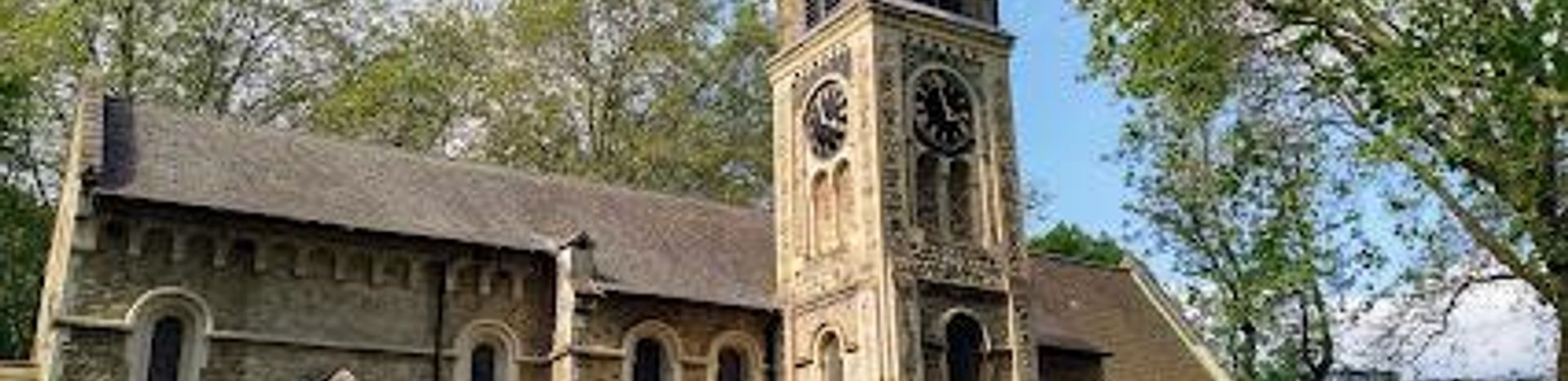
St Pancras Old Church: A Millennia of Sacred History in London
Explore one of London’s oldest Christian sites, where Roman roots meet medieval charm and Victorian restoration in a tranquil historic churchyard.
St Pancras Old Church, located on Pancras Road in London, is one of the oldest Christian worship sites in England, with origins dating back to the 4th century. The church’s fabric reveals layers of history, from Roman tiles to Norman masonry, and it houses significant monuments including the Grade I listed mausoleum of architect Sir John Soane. The surrounding churchyard holds a rich and sometimes grisly history, having served as a burial ground for tens of thousands until the mid-19th century.
A brief summary to St Pancras Old Church
- Pancras Rd, London, NW1 1UL, GB
- +442074240724
- Visit website
- Duration: 0.5 to 1.5 hours
- Free
-
 Outdoor
- Mobile reception: 4 out of 5
Local tips
- Look for the Roman tiles embedded in the church walls, a rare glimpse into the site’s ancient origins.
- Visit the Sir John Soane mausoleum, one of only two Grade I listed burial monuments in London.
- Take time to explore the churchyard’s memorials and imagine the thousands of burials that once took place here.
- Notice the restored 7th-century altar stone inside the church, a remarkable relic of early Christian worship.

For the on-the-go comforts that matter to you
- Restrooms
- Seating Areas
- Information Boards
Getting There
-
London Underground
Take the Northern Line to King’s Cross St Pancras station, then walk approximately 10 minutes along Pancras Road to reach the church. The station is well served with frequent trains; fares typically range from £2.50 to £5 depending on the ticket type.
-
Bus
Several London bus routes stop near St Pancras Old Church, including routes 73, 91, and 205. Bus travel times vary from 15 to 30 minutes depending on traffic. Single bus fares are around £1.75 with an Oyster or contactless card.
-
Taxi or Ride-Hailing
A taxi or ride-hailing service from central London to St Pancras Old Church typically takes 15–25 minutes depending on traffic, with fares ranging from £10 to £20.
St Pancras Old Church location weather suitability
-
 Any Weather
-
 Clear Skies
-
 Mild Temperatures
-
 Rain / Wet Weather
Discover more about St Pancras Old Church
Ancient Origins and Roman Legacy
St Pancras Old Church stands on a site reputed to have been a place of worship since at least 314 AD, making it one of the oldest Christian sites in Europe. Historians believe the location was originally a Roman compitum—a rural shrine or public meeting place—that was adapted for Christian use shortly after the legalization of Christianity in the Roman Empire. Fragments of Roman tiles and bricks are embedded in the church’s medieval walls, testifying to this ancient heritage. The church is dedicated to Saint Pancras, a Roman teenage martyr beheaded in 304 AD for his Christian faith, whose story inspired the church’s early Christian identity.Medieval to Victorian Transformations
The current structure largely dates from the 11th to 12th centuries, with significant modifications over time. The church was mentioned in the Domesday Book of 1085 and witnessed expansions such as the 19th-century Victorian restoration that replaced the original tower and extended the nave. During the English Civil War, the church was repurposed as a barracks, and valuables including a precious altar stone were hidden to protect them. This altar stone, dated to the 7th century, was rediscovered during Victorian renovations and is now a treasured feature inside the church. The church’s architecture blends Norman elements with Victorian Gothic revival influences, reflecting its layered history.The Churchyard’s Storied Past
The surrounding churchyard was an active burial ground from Saxon times until 1854, accommodating an estimated 88,000 burials. It served diverse communities, including Catholic refugees from the French Revolution. The graveyard’s history is marked by epidemics and mass burials, and in the 1860s, thousands of graves were exhumed to make way for the construction of St Pancras railway station, a controversial event managed by architect Arthur Blomfield and overseen by Thomas Hardy, who later became a famous novelist. The churchyard also contains notable monuments, such as the Grade I listed mausoleum of Sir John Soane, a pioneering architect whose design influenced iconic British design elements.Architectural and Cultural Highlights
Inside, visitors can observe Norman masonry alongside reused Roman materials, and monuments that span centuries, including the striking Soane family tomb. The church’s simple yet historic interior houses relics such as the restored 11th-century altar stone and medieval fragments. The churchyard and gardens offer a tranquil green space amidst bustling London, with plaques and memorials commemorating its rich history and notable figures associated with the site.Continuity and Resilience Through Time
Despite periods of neglect and damage, including during World War II, St Pancras Old Church has endured as a place of worship and historical significance. It provides a peaceful respite from the city’s pace and remains a testament to London’s long religious and cultural heritage. The churchyard and gardens continue to be places of reflection, with ongoing connections to the community and the city’s evolving story.Modern Recognition and Preservation
Today, the church is recognized not only for its spiritual role but also as a heritage landmark. It has undergone various restorations, notably in the 19th and 20th centuries, preserving its ancient fabric and monuments. The site attracts historians, architecture enthusiasts, and those interested in London’s layered past. Its proximity to St Pancras International station juxtaposes ancient history with modern travel, making it a unique historical oasis in central London.Iconic landmarks you can’t miss

Caithness House
0.8 km
Experience the vibrant residential life of London at Caithness House, a modern flat complex perfect for tourists seeking comfort and convenience.
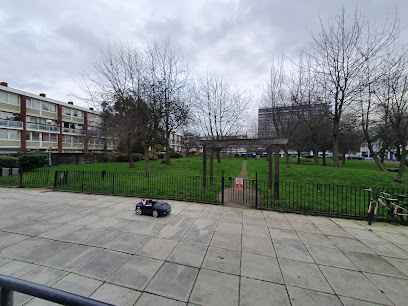
St Pancras New Church
0.9 km
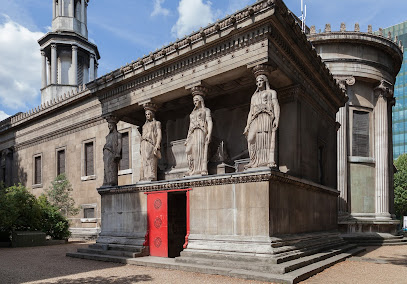
A majestic Greek Revival church in London, blending ancient Athenian design with rich history and vibrant community life.
Euston War Memorial
0.9 km
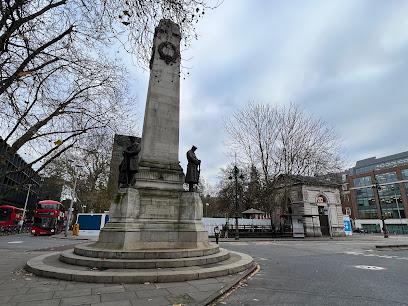
A solemn 13-meter obelisk and bronze statues honor London’s railway workers who sacrificed their lives in World War I.
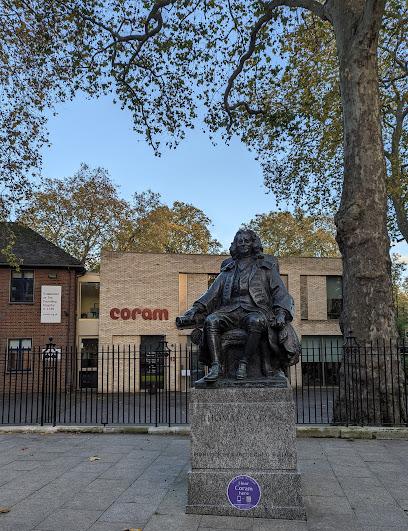
Statue of Thomas Coram
1.3 km
A seated bronze tribute to the philanthropist who saved thousands of abandoned children from London's streets.
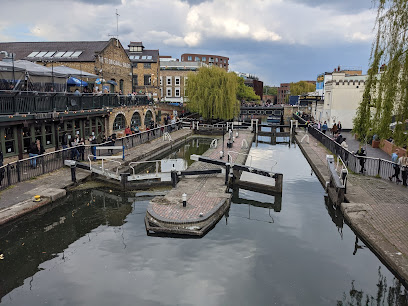
Iron Footbridge over Regent’s Canal (Camden)
1.3 km
Historic iron footbridge offering scenic canal views and vibrant access to Camden’s lively markets and cultural heart.
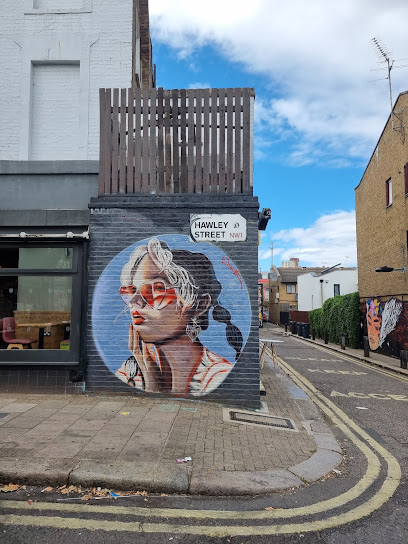
Hawley Street Art
1.4 km
Discover Camden’s vibrant Hawley Street Art, a dynamic outdoor gallery celebrating creativity, culture, and iconic urban murals.
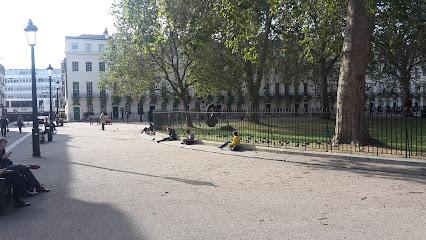
Fitzroy Square
1.5 km
Discover the serene beauty of Fitzroy Square, a historic garden square in London, where elegance meets tranquility amidst the city's vibrant energy.
1 Queen Square
1.6 km
A historic London garden square, blending Georgian elegance, medical legacy, and tranquil green space in the heart of Bloomsbury.
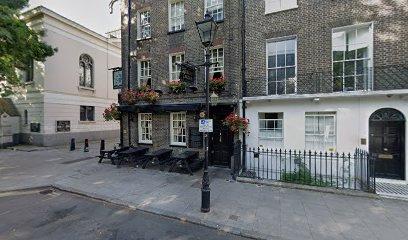
Smallest Street in London
1.7 km
Discover Emerald Court, London's famously narrow 26-inch alley in Bloomsbury, a hidden historic gem weaving through Georgian and modern London.
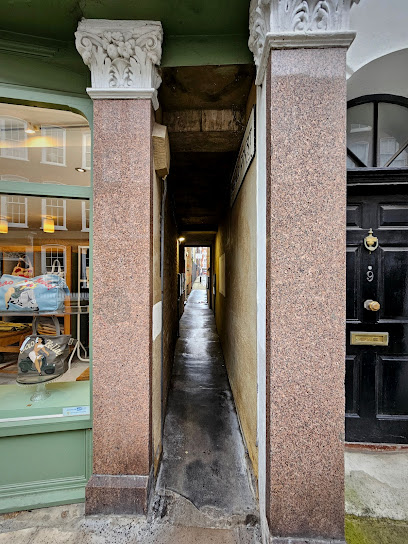
Bedford Square & Montague Pl
1.7 km
Discover Bedford Square & Montague Place, a serene Georgian oasis in Bloomsbury with elegant architecture and rich cultural heritage.
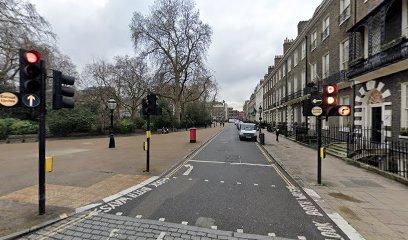
Middlesex House
1.7 km
Experience the blend of modern business and historical charm at Middlesex House in London, a vibrant hub for tourists and professionals alike.

Goodge St
1.7 km
Discover the charm of Goodge Street in London, where history meets vibrant culture, shopping, and diverse dining options.
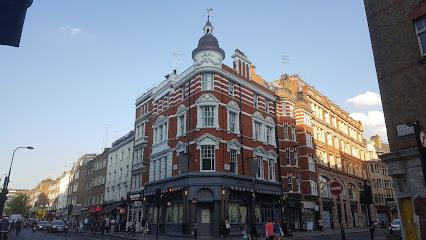
Roundhouse
1.8 km
Experience the vibrant arts scene at the Roundhouse, a historic venue in London offering diverse performances and cultural events.
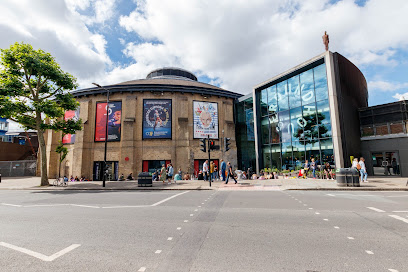
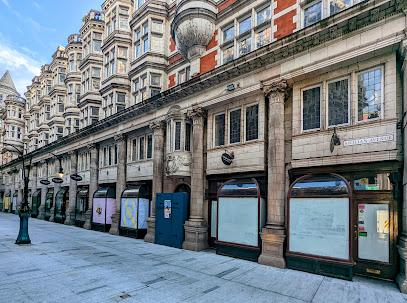
Sicilian Avenue
1.9 km
Discover Sicilian Avenue, a serene Edwardian pedestrian street in London blending Italianate architecture with charming shops and tranquil ambiance.
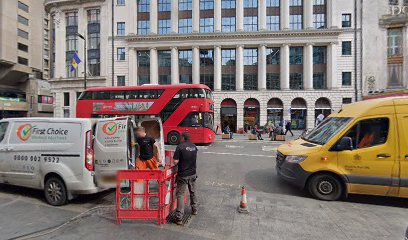
Hasdan
2.0 km
Discover the vibrant heart of London at Hasdan, where shopping, culture, and history meet on Tottenham Court Road.
Unmissable attractions to see

Coal Drops Yard
0.3 km
Where Victorian industrial heritage meets innovative design in a vibrant shopping and dining destination by London’s King’s Cross canal.
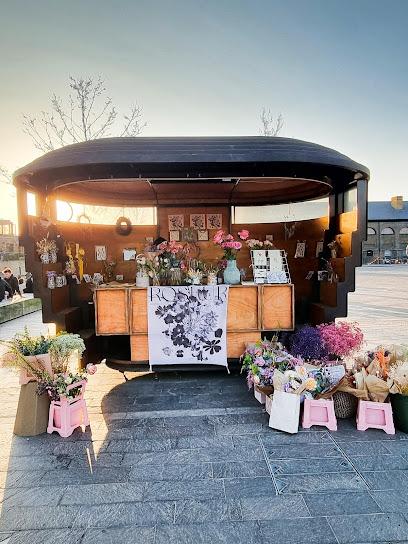
Canopy Market
0.5 km
Discover fresh food, artisan crafts, and vibrant culture beneath a historic Victorian canopy in the heart of King's Cross.
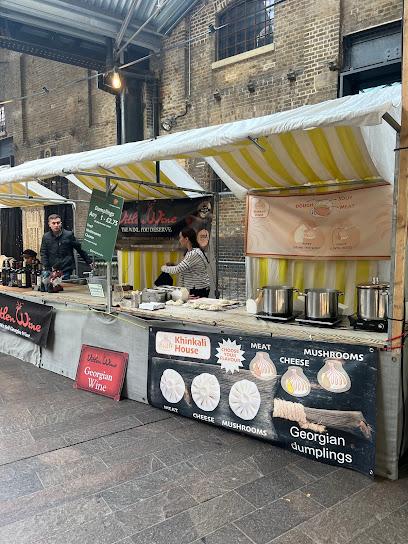
The Parcel Yard, King's Cross
0.5 km
Experience the heart of London at The Parcel Yard, a historic pub in King's Cross with a delightful menu and a vibrant atmosphere perfect for tourists.
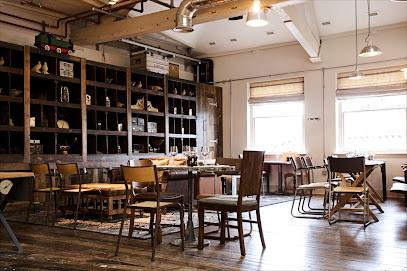
The Harry Potter Shop at Platform 9 ¾
0.5 km
Step into the wizarding world at King's Cross with magical merchandise and the iconic Platform 9 ¾ photo experience.
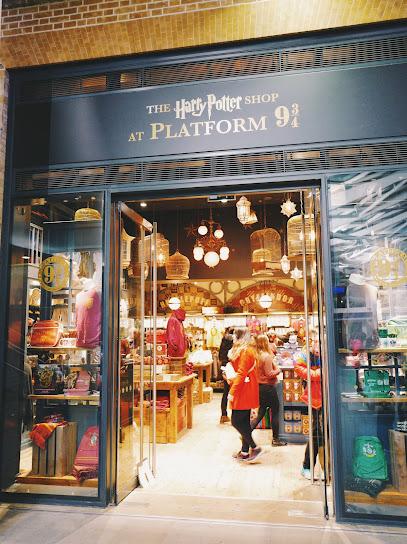
Platform 9¾ at King's Cross Station
0.5 km
Step through the magical wall at King's Cross to the iconic Platform 9¾, a must-see for Harry Potter fans and photo enthusiasts alike.
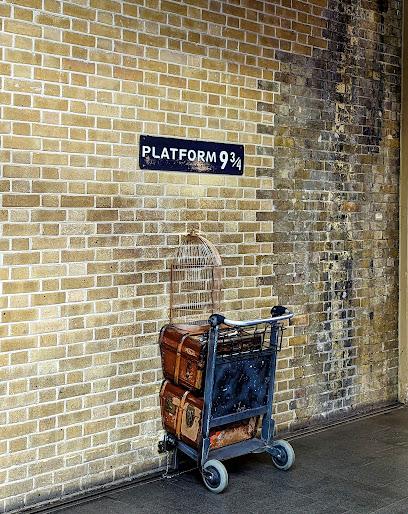
Comedy Carnival Camden
0.5 km
Award-winning international stand-up comedy in the heart of Camden—guaranteed laughs from world-class comedians.

KOKO
0.6 km
Koko is Camden Town’s iconic live music venue blending historic theatre charm with cutting-edge concerts and legendary nightlife.
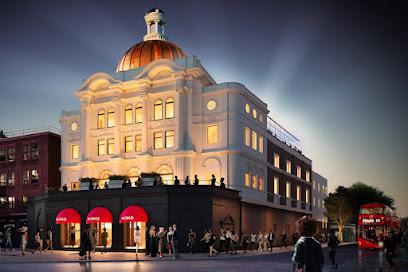
The British Library
0.6 km
Explore the UK’s national library, a vast cultural treasure trove with iconic manuscripts, exhibitions, and welcoming spaces in central London.

Kings Place
0.6 km
A vibrant cultural hub in King’s Cross, Kings Place offers world-class music, art, and dining in a dynamic, welcoming setting.
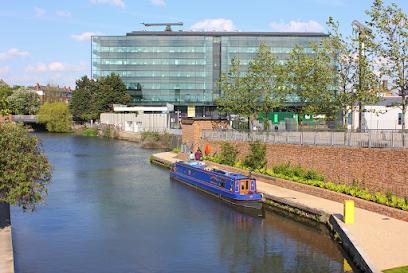
London Canal Museum
0.7 km
Discover London's rich canal heritage and Victorian ice trade in a historic warehouse with immersive boat trips and fascinating exhibits.
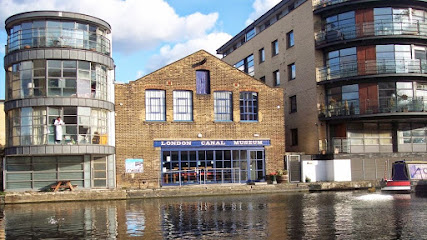
Elizabeth Garrett Anderson Gallery
0.8 km
Explore the legacy of Britain’s first female doctor through interactive exhibits in a beautifully restored historic hospital gallery in London.
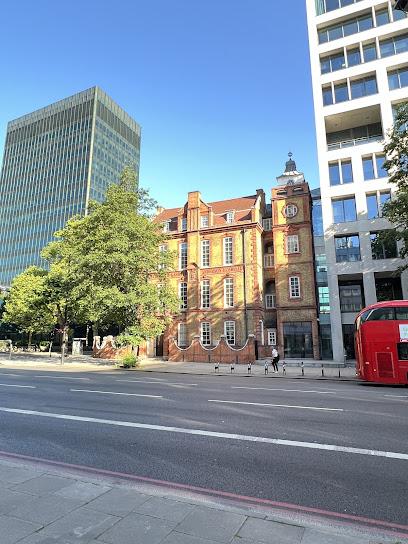
Saint Martin's Gardens
0.8 km
A peaceful Camden garden with historic gravestones, family playgrounds, and tranquil green spaces just steps from the vibrant town center.
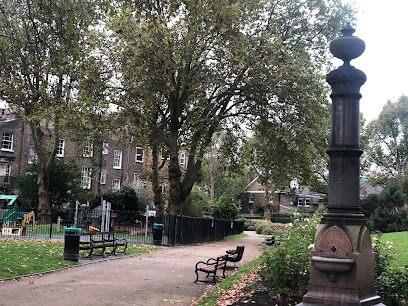
Euston Square Gardens
0.9 km
A serene Victorian-era garden oasis nestled beside London’s bustling Euston Road and transport hub.
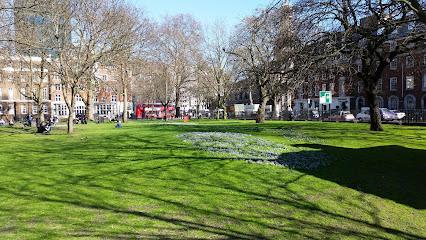
Camden High St
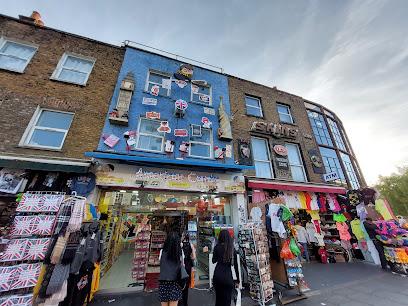
0.9 km
Camden High Street pulses with vibrant markets, eclectic shops, and a rich cultural vibe that defines London’s alternative spirit.
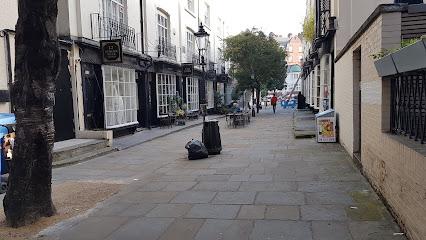
Woburn Walk
0.9 km
Step into a Regency-era pedestrian street in Bloomsbury, where history, architecture, and literary legacy converge in a tranquil urban retreat.
Essential places to dine

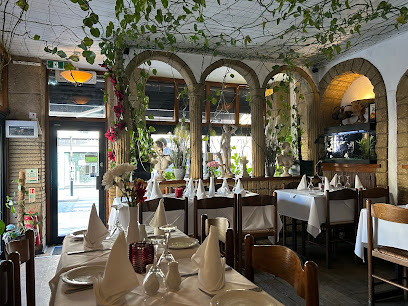
Alexander The Great Restaurant
0.6 km
Experience authentic Greek hospitality and generous Mediterranean flavors in the heart of Camden’s vibrant dining scene.
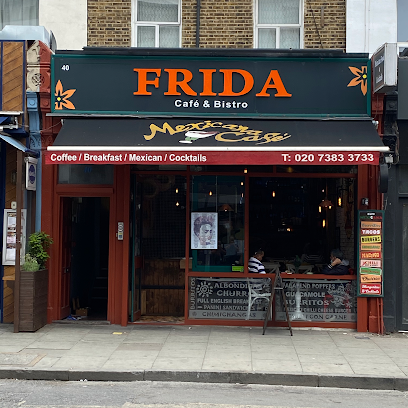
Frida Camden
0.6 km
Authentic Mexican cuisine with vibrant flavors and a lively atmosphere in the heart of Camden, London.
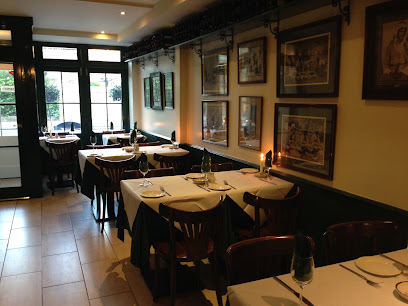
Daphne Restaurant
0.8 km
Authentic Greek-Cypriot dining in Camden with warm hospitality, cozy ambiance, and generously portioned traditional dishes.
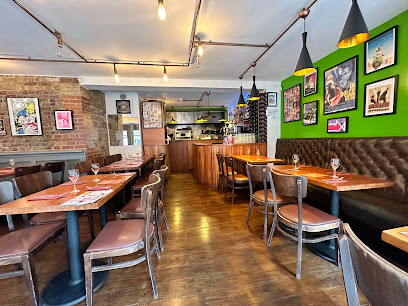
Il Sugo
0.8 km
A cozy family-run Italian restaurant in Camden serving hearty, authentic dishes with generous portions and warm hospitality.
Laz @Camden
1.0 km
Discover authentic Turkish cuisine and warm hospitality in Camden’s cozy Laz restaurant, where tradition meets vibrant London vibes.
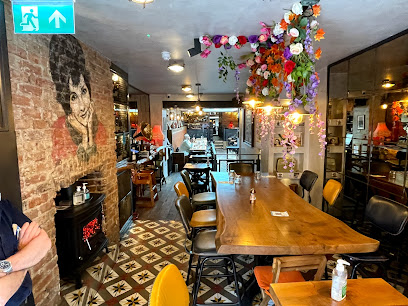
Goodfare Italian Restaurant
1.0 km
Cozy Camden Italian eatery serving authentic pizzas, pastas, and seafood with warm hospitality and a lively street-side vibe.
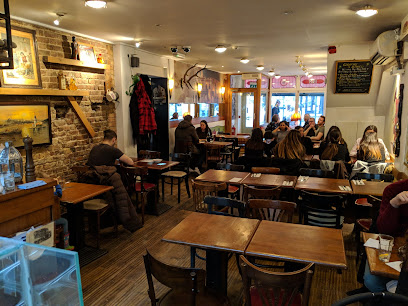
Jamon Jamon
1.1 km
Experience authentic Spanish tapas and vibrant Mediterranean flavors in a lively NW1 London setting with rustic charm and inviting atmosphere.
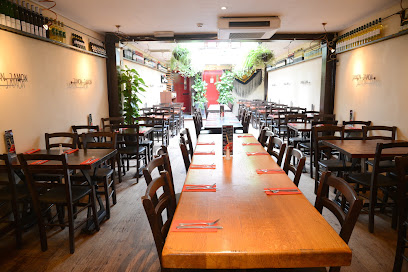
Mildreds Camden
1.2 km
Discover vibrant international vegan cuisine and lively atmosphere at Mildreds Camden, a cornerstone of London’s plant-based dining scene.
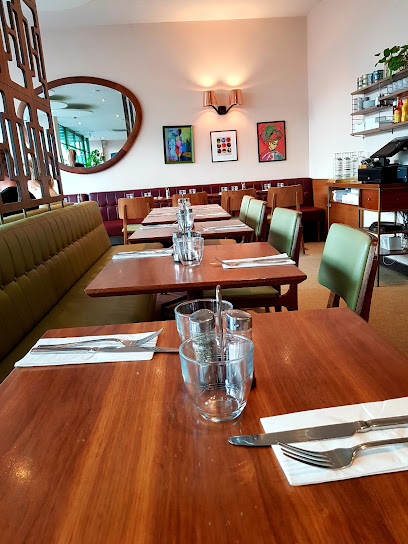
wagamama camden
1.2 km
Fresh Japanese-inspired dishes and vibrant communal dining in the heart of Camden’s eclectic market scene.
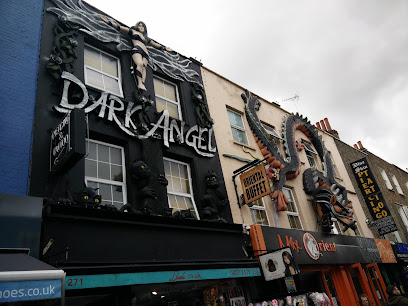
Rossopomodoro Camden
1.2 km
Experience authentic Neapolitan pizza and classic Italian dishes in the vibrant heart of Camden, London.
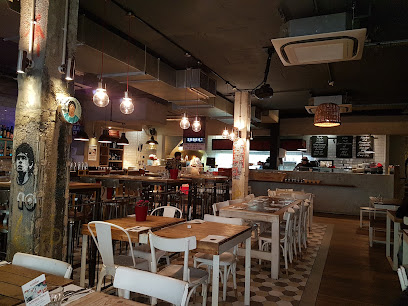
The Ninth
1.8 km
Michelin-starred modern French cuisine with Mediterranean flair in Fitzrovia’s chic and relaxed dining hotspot.
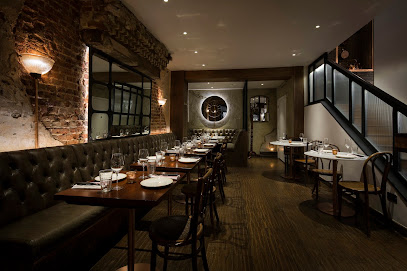
Portland
1.9 km
Michelin-starred modern European dining in Fitzrovia, blending seasonal British ingredients with refined, creative flavors in an intimate setting.
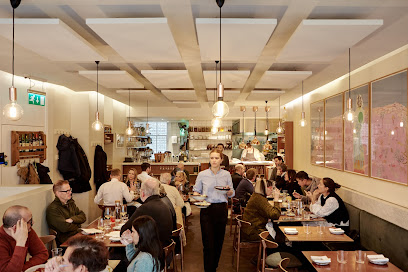
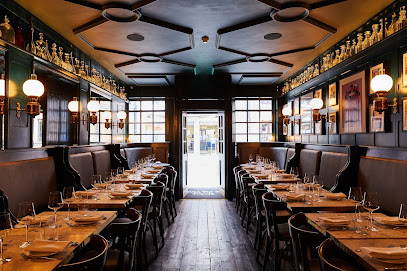
Noble Rot Soho
2.2 km
A Soho gem blending historic charm with modern European cuisine and an exceptional, accessible wine list in a cozy, clubby setting.
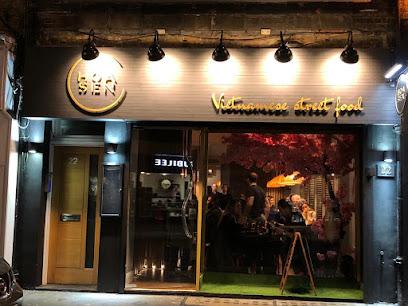
Hoa Sen Vietnamese Street Food Restaurant
2.2 km
Authentic Vietnamese street food in the heart of Covent Garden, blending vibrant flavors with a lively, cozy atmosphere.
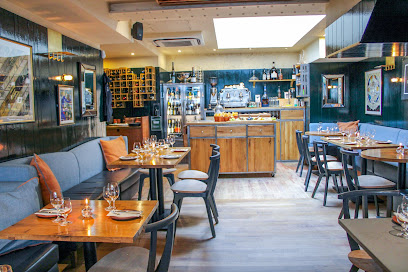
Sussex Bar & Restaurant
2.3 km
A vibrant Soho bistro blending Sussex countryside flavors with London’s energy, featuring seasonal British dishes and curated wines.
Markets, malls and hidden boutiques

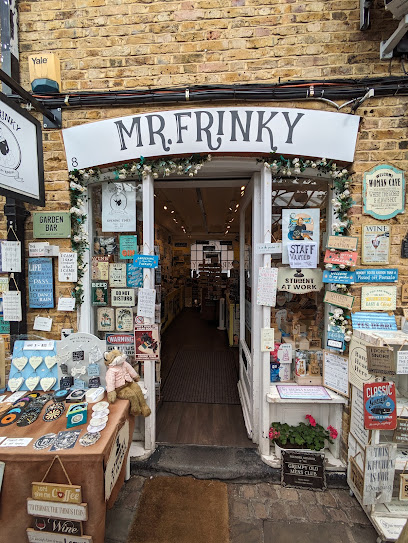
Mr Frinky
1.3 km
Compact, colourful and cheeky — a Camden Lock stall for witty signs, magnets and small‑batch souvenirs with retro flair.
KESKIN GIFT
1.3 km
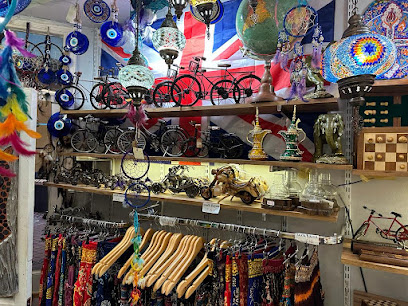
Discover handmade wonders at Keskin Gift, where Camden's craft spirit shines through chess sets, masks, and artisanal jewelry in the iconic Lock Market.
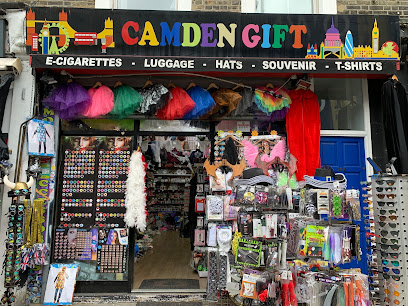
Camden Gift
1.3 km
Quirky Camden souvenirs, stylish gear, and luggage relief on vibrant Chalk Farm Road—a slice of alternative London in one eclectic stop.
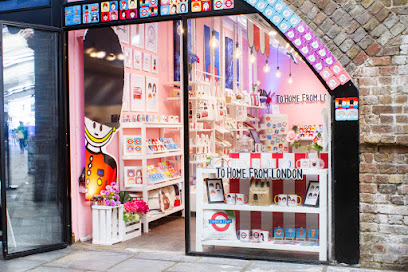
To Home From London
1.4 km
Camden's go-to for handcrafted London souvenirs: witty mugs, sturdy totes, and homewares that pack whimsy and quality into every piece.
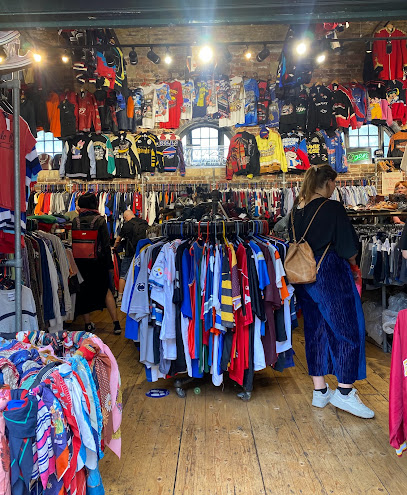
What Goes Around Comes Around
1.4 km
Dive into Camden's retro Americana vault at What Goes Around Comes Around, where vintage varsity jackets, Levi’s, and 80s tracksuits await in the Stables Market.
Camden Threads - An online shop for the best independent brands and vintage boutiques
1.4 km
Discover curated vintage and indie fashion treasures in Camden Stables Market's historic heart – where retro meets rebellious style. (112 characters)
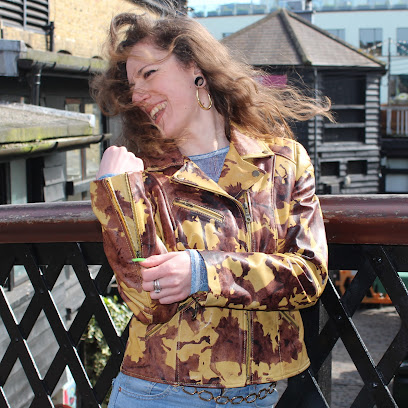
Cyberdog
1.4 km
Step into Cyberdog, Camden’s neon-lit rave shop where futuristic fashion meets pounding techno beats in a vibrant club-like setting.
Zakka Camden
1.5 km
Discover artist-designed cushions and design-led gifts at this quirky Camden Market gem, blending Japanese zakka charm with London's creative pulse.

Shop
1.5 km
A compact, ever-changing Camden Market shop serving eclectic vintage, designer finds and small-run curios in the Stables’ maze-like atmosphere.
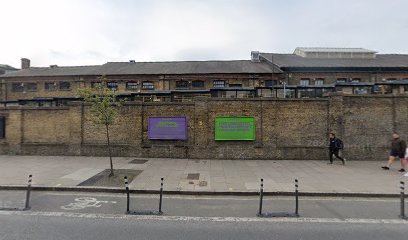
Persephone books
1.6 km
Discover the hidden treasures of 20th-century women’s literature at Persephone Books, a Bloomsbury gem celebrating forgotten female voices.
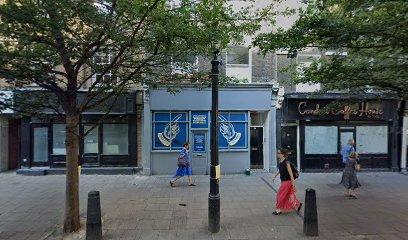
Exmouth Market
1.8 km
Discover Exmouth Market, London’s vibrant street of eclectic eateries, lively bars, and independent shops in the heart of Clerkenwell.
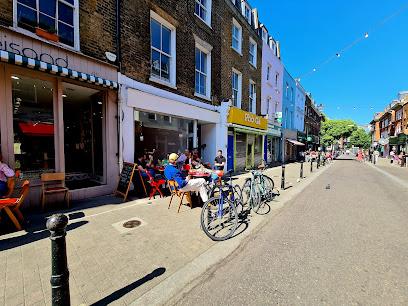
Goodge Place Market
1.8 km
A vibrant street food market in the heart of Fitzrovia, offering diverse flavors and a relaxed atmosphere just steps from central London.
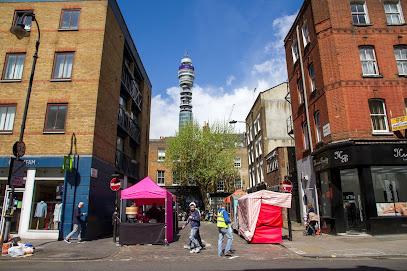
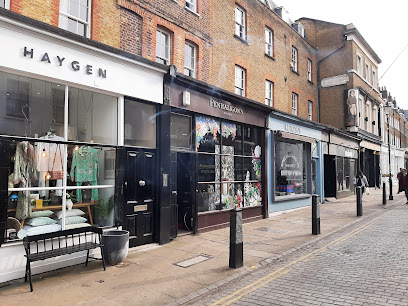
Camden Passage, Islington
1.8 km
Explore Camden Passage in Islington: A Vintage Market Paradise with Unique Shops, Cafes, and Artisanal Food Delights.
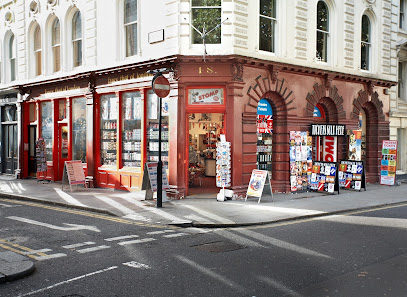
Fancy That of London
1.9 km
Discover unique London souvenirs and charming keepsakes in a warm, inviting shop just opposite the British Museum on Great Russell Street.
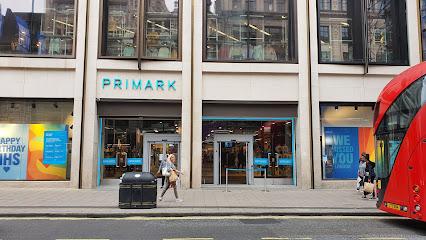
Primark
2.0 km
Discover unbeatable fashion and homeware bargains across multiple floors at Primark Oxford Street, London’s premier budget shopping destination.
Essential bars & hidden hideouts

Spiritland
0.4 km
Immerse yourself in exceptional sound, creative cocktails, and a vibrant music culture at Spiritland King's Cross.
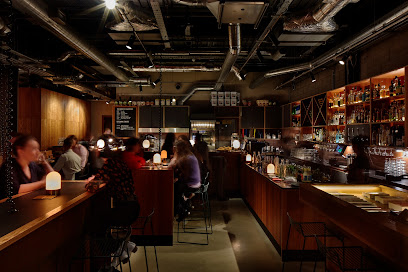
Cosy Cocktail Bar
0.6 km
A stylish speakeasy in King's Cross offering expertly crafted cocktails in a warm, intimate setting perfect for evenings and private events.
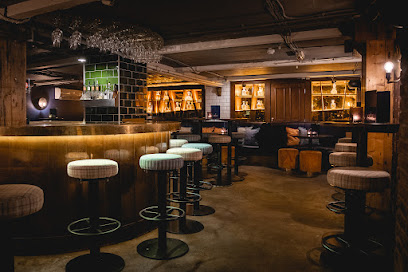
Be At One - Camden
0.7 km
Ignite your night with 100+ cocktails, 2-for-1 happy hours, and Camden's fiercest bartenders shaking up classics and wild inventions.
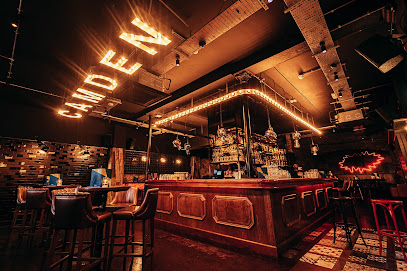
Simmons Bar | Kings Cross
0.8 km
A quirky, retro-inspired cocktail bar in Kings Cross with lively music, creative drinks, and unbeatable happy hour deals.
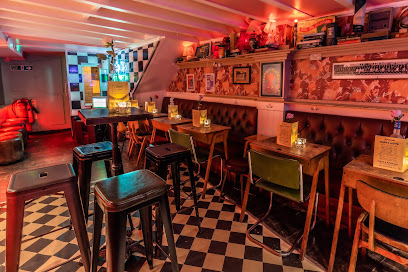
Camden Head
0.8 km
A Victorian‑charm pub on Camden High Street — hearty plates, rotating ales and comedy‑night energy that turns lively after dark.
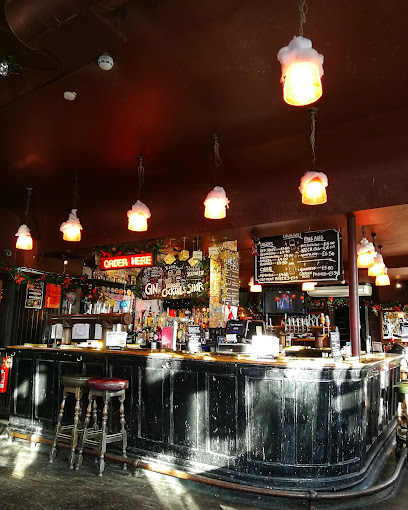
The World's End
1.0 km
Camden’s legendary pub and live music venue blending rich history, vibrant nightlife, and authentic local spirit in the heart of London.
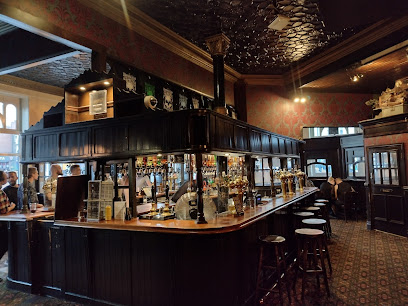
Sunlight Lounge
1.0 km
An intimate Camden Road lounge serving relaxed drinks in a softly lit, conversational setting for small groups and neighbourhood evenings.
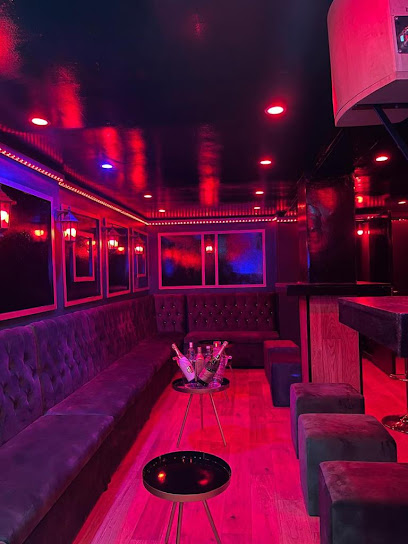
Simmons Bar | Camden Town
1.0 km
Neon-lit, budget-friendly cocktail bar in Camden with teapot cocktails, karaoke and a chaotic, retro-packed interior for groups and nights out.
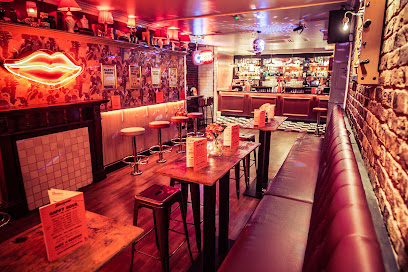
The Devonshire Arms
1.1 km
A cosy NW1 pub where grilled dishes and small rock gigs meet—intimate evenings, unpolished energy and classic pub bones in the heart of Kentish Town Road.
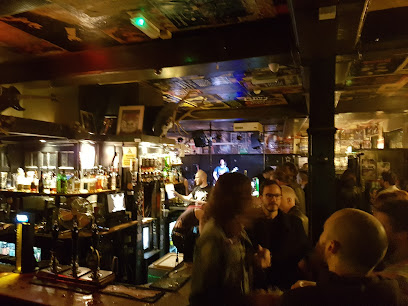
Bucks Head
1.1 km
Lively Camden pub with roof terrace views, pub grub, real ales, and festive vibes opposite Buck Street Market—perfect for soaking up the neighborhood's electric energy.
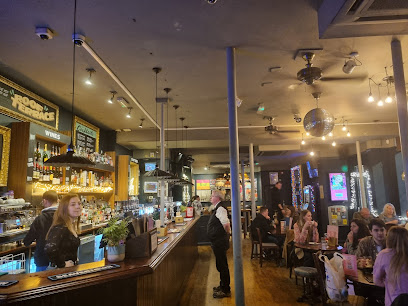
The Elephants Head
1.1 km
Scruffy Victorian boozer on Camden High Street: jukebox rock anthems, Full English feasts, and late-night singalongs in London's alternative epicenter.
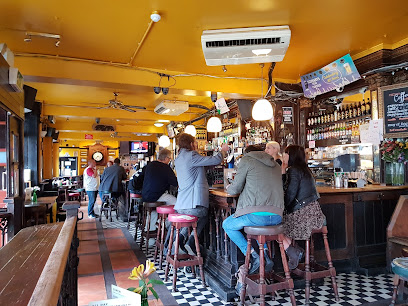
All About Eve
1.2 km
1950s cocktail glamour meets Camden's karaoke chaos in this retro-inspired bar with inventive drinks and heated terrace vibes.
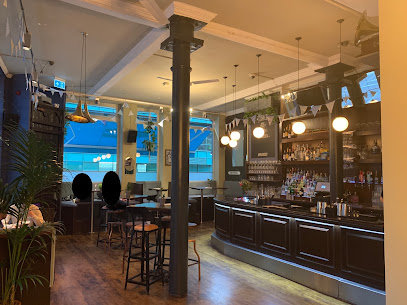
Canalside Bar
1.2 km
Sip cocktails by the Regent's Canal in King's Cross, where trendy lounge vibes meet waterside serenity in London's revitalized heart.
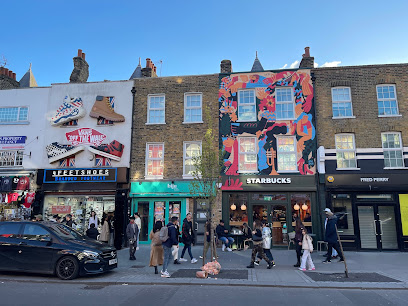
The Hawley Arms
1.3 km
Camden’s intimate music pub — cosy sofas, punters and live gigs in a scuffed, music-filled setting.
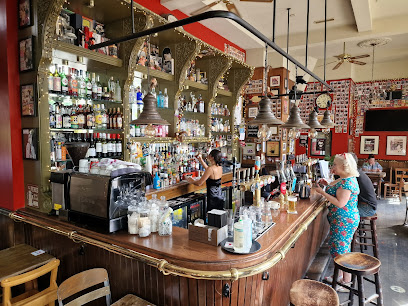
Fitz's Russell Sq.
1.4 km
Discover Fitz's Russell Square, a glamorous cocktail bar blending Victorian elegance with modern British cuisine in the heart of Bloomsbury.
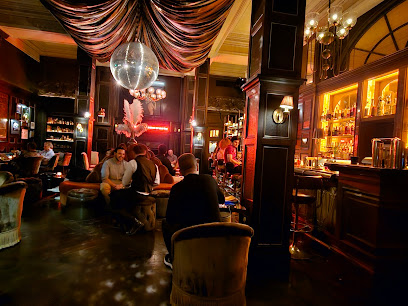
Nightclubs & after hour spots

Max's Other Flat
0.7 km
Discover a vibrant nightlife experience at Max's Other Flat, a must-visit nightclub in London offering electrifying music and unforgettable moments.
Egg London Nightclub
0.9 km
Experience marathon electronic music sessions in a converted Victorian warehouse with vibrant terraces and world-class DJs at Egg London Nightclub.

Club Swizzle
1.0 km
Dive into acrobatic cabaret mayhem at the Roundhouse: Swizzle Boys flip chairs, Reuben Kaye slays with wit, and the bar becomes your front-row thrill ride in Camden's hottest 2018 spectacle.
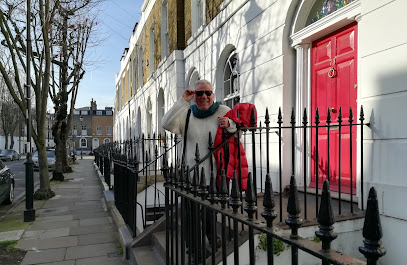
Soul City
1.0 km
A Saturday-night Camden basement party celebrating soul, disco and funk with DJ-led, record-minded sets in The Jazz Cafe’s atmospheric room.
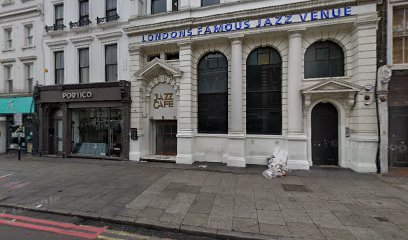
Lockside
1.3 km
Canal views, craft cocktails, and DJ-fueled nights atop Camden Market's vibrant West Yard—a daytime diner turned electric nightlife escape.
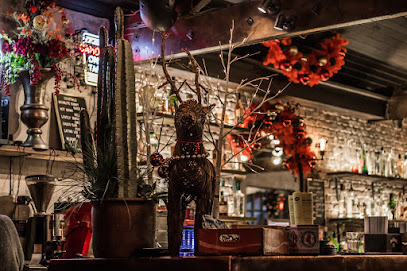
Club Stable
1.5 km
Historic Camden stables turned electrifying nightclub: dance in Victorian horse stalls amid live music, cabaret, and pulsing beats in London's nightlife epicenter.
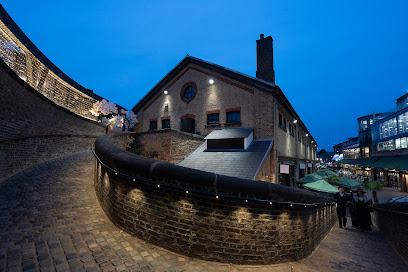
Monster Queen
1.6 km
Dive into Camden's dark heart at Monster Queen: intimate club nights pulsing with goth electronica, historic vibes, and non-stop energy till dawn.

101 Nightclub London
2.2 km
Soho's raw Saturday night pulse: intimate beats, crowded floors, and unfiltered London club energy on Wardour Street.
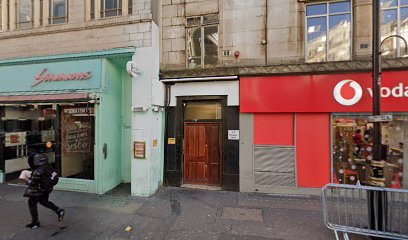
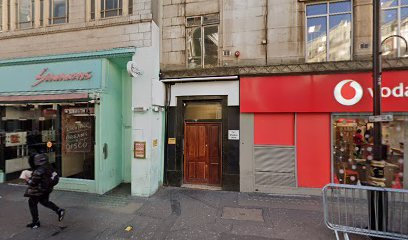
Bordello London
2.2 km
Dive into Soho's seductive basement beats at Bordello London, where Wardour Street's nightlife legacy ignites late-night frenzy on weekends.
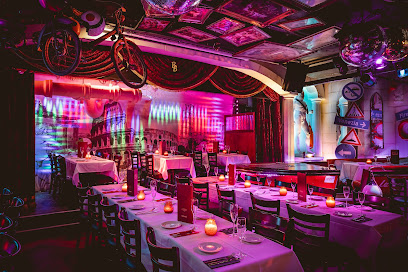
Bunga Bunga Covent Garden
2.2 km
A neon-soaked, pizza-and-karaoke supper club under Drury Lane — 90s nostalgia, stage shows and shareable Italian feasts.
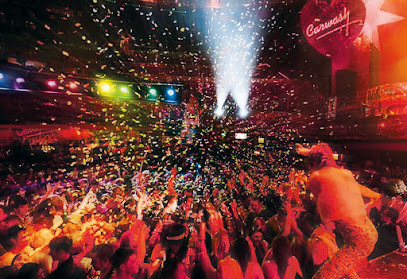
Carwash Nightclub
2.3 km
Experience Europe’s longest-running disco club in London’s West End, where retro beats, vibrant crowds, and themed parties create unforgettable nights.
St Moritz Club
2.3 km
Soho's retro basement nightclub: 1960s vibes meet modern beats in an intimate, wood-paneled haven beneath a Swiss chalet restaurant.
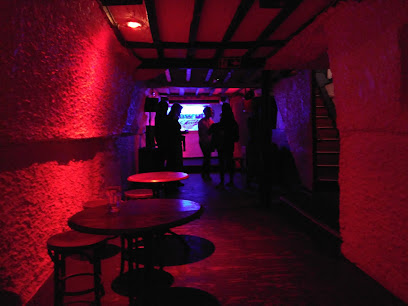
The Roxy
2.3 km
Soho's unbeatable happy hour cocktail bar by day, pulsing nightclub with live music and DJ nights till 3am—affordable vibes in London's nightlife heart.
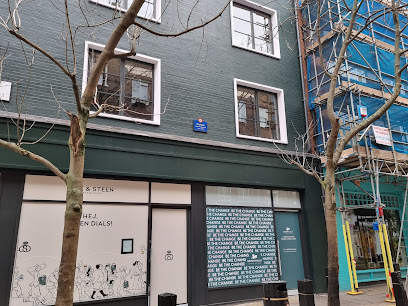
La Capannina Club
2.3 km
Discover Soho's discreet gentlemen's club: seductive stage shows, cosy vibes, and late-night allure in London's nightlife heart.
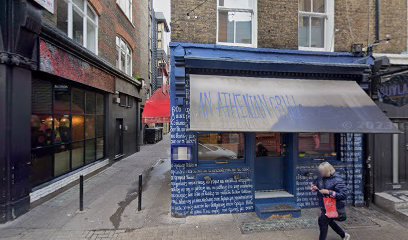
London Best Night Clubs
2.3 km
Experience London’s legendary Ministry of Sound, where cutting-edge sound meets dynamic club culture in a multi-room dance haven.
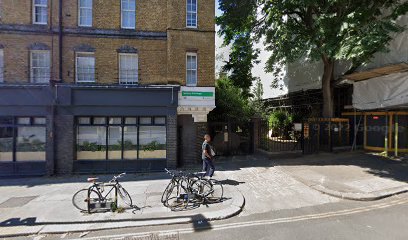
For the vibe & atmosphere seeker
- Tranquil
- Scenic
- Unique
- Relaxing
For the design and aesthetic lover
- Vintage Styles
- Rustic Designs
For the architecture buff
- Historic
- Sacred Sites
For the view chaser and sunset hunter
- Iconic Views
For the social media creator & influencer
- Instagrammable
- Photo Spots
For the eco-conscious traveler
- Public-Transport Accessible
- Locally Managed
For the kind of experience you’re after
- Cultural Heritage
- Mindfulness
- Photowalk
- Day Trip
For how adventurous you want the journey to be
- Easy Access
Location Audience
- Family Friendly
- Senior Friendly
- Child Friendly
- Solo Friendly
- Couple Friendly
- Vegetarian Friendly
- Vegan Friendly


