Woburn Walk, London Travel Guide
Step into a Regency-era pedestrian street in Bloomsbury, where history, architecture, and literary legacy converge in a tranquil urban retreat.
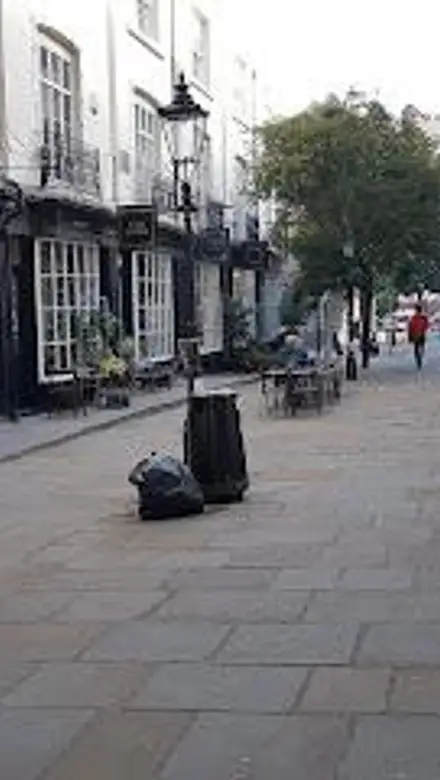
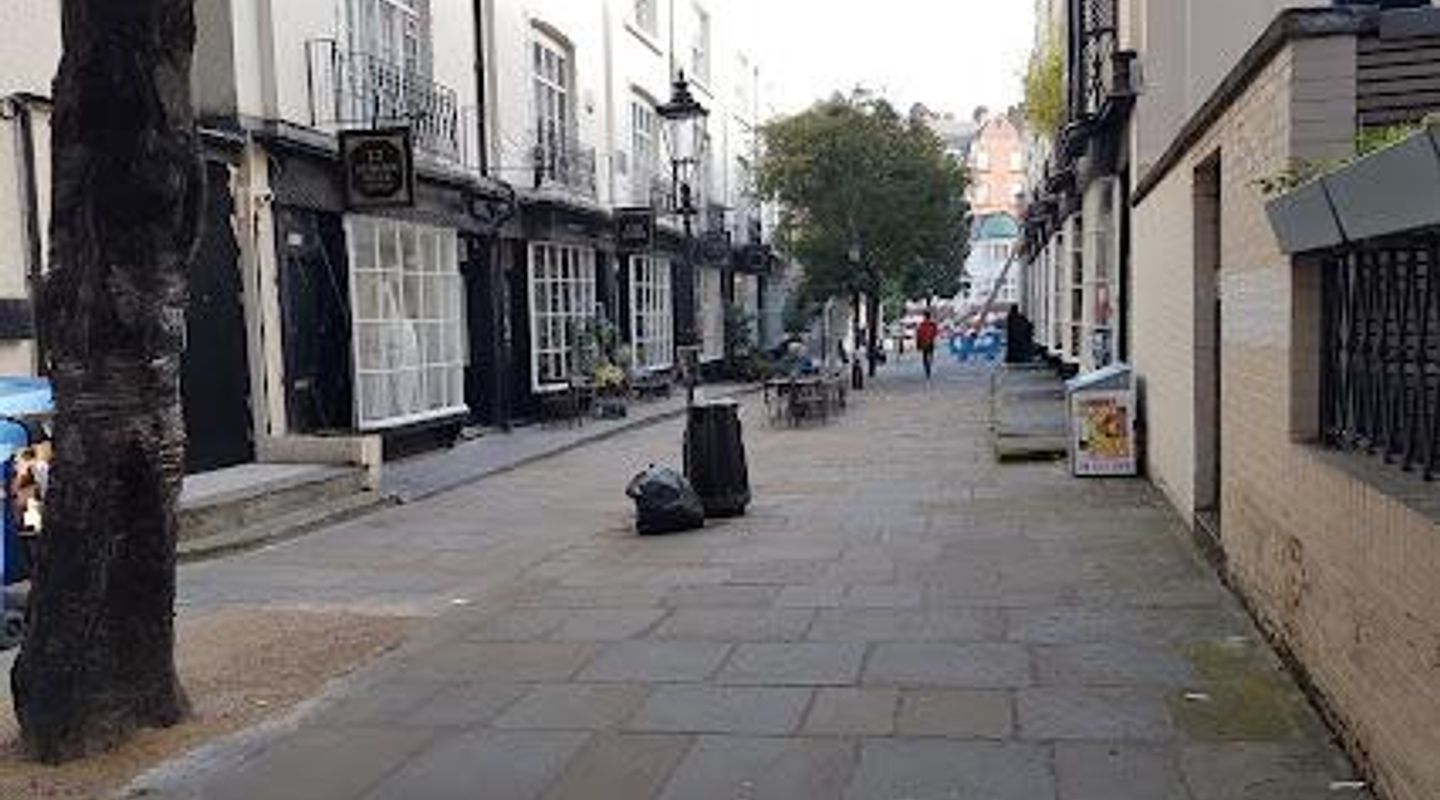
Woburn Walk is a charming pedestrian street in Bloomsbury, London, renowned for its well-preserved Regency architecture and literary history. Designed by Thomas Cubitt in 1822, it was London’s first purpose-built pedestrian shopping street. The street features elegant stucco-fronted shops, original gas lamps, and a tranquil atmosphere, making it a delightful escape from the city’s bustle. Famous residents include W. B. Yeats and Dorothy Richardson, and several buildings are Grade II listed.
A brief summary to Woburn Walk
- London, GB
- Duration: 0.5 to 1.5 hours
- Mid ranged
-
 Outdoor
- Mobile reception: 5 out of 5

Know before you go
Hi, I'm Eve. Here are a few practical things to know before exploring Woburn Walk.
- Visit in the late afternoon for the best light and a quieter atmosphere, perfect for photography and reflection.
- Look for the plaque commemorating W. B. Yeats’s residence at number 5, a must-see for literary enthusiasts.
- Explore the boutique shops and cafes lining the street for a taste of local charm and unique finds.
- Take a moment to appreciate the original gas lamps and architectural details that make Woburn Walk a true gem of Regency London.
Do you manage this location?
Take control to get all the benefits, like improved information, better appearance, and stronger visibility across AI-powered discovery. Learn more about listing your business on Evendo
Activate your presenceOther nearby places you may find interesting
The closest places of the same kind, if this one is not quite what you had in mind.
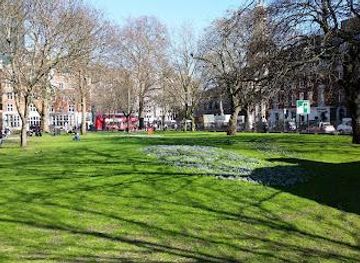
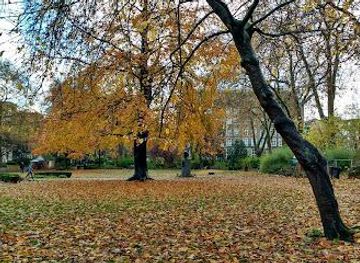

Explore Woburn Walk on the Map
A handpicked selection of must-see spots near Woburn Walk, mapped for you.
Unlock the Best of Woburn Walk
Buy tickets
-
No tickets available
Book tours with entry
-
No tours available


Getting There
-
Walking
Woburn Walk is easily accessible on foot from nearby landmarks such as Russell Square or Euston Station, with a pleasant 10–15 minute walk through Bloomsbury’s historic streets.
-
Public Transport
Take the London Underground to Russell Square (Piccadilly Line) or Euston Square (Circle, Hammersmith & City, Metropolitan Lines), both within a 10-minute walk of Woburn Walk.
-
Bus
Several bus routes, including the 10, 14, 24, 29, 73, 134, and 390, stop near Russell Square or Euston Station, providing convenient access to Woburn Walk.
For the on-the-go comforts that matter to you
-
 Restrooms
-
 Drink Options
-
 Food Options
-
 Seating Areas
-
 Information Boards
Woburn Walk location weather suitability
-
 Any Weather
-
 Mild Temperatures
Discover more about Woburn Walk
A Georgian Gem in the Heart of Bloomsbury
Woburn Walk stands as a rare survivor of early 19th-century urban planning, offering a glimpse into London’s Regency past. Designed by master builder Thomas Cubitt in 1822, this pedestrian street was conceived as a private, controlled retail enclave, distinct from the bustling main roads of the time. Its symmetrical rows of stucco-fronted shops, with their distinctive black-painted bow windows and ornate architectural details, reflect the elegance and craftsmanship of the era. The street’s name pays homage to Woburn Abbey, the country seat of the Dukes of Bedford, who played a pivotal role in developing much of Bloomsbury.Architectural Heritage and Preservation
Woburn Walk is exceptional for its architectural coherence and the care taken in its original design. The shopfronts feature delicate glazing bars, curved window sills enriched with guilloche ornament, and a continuous entablature that follows the window curves. Twin pilasters and a single-moulded cornice add to the street’s visual harmony. The original gas lamps, now Grade II listed, contribute to its historic ambiance. The street’s preservation is a testament to early conservation efforts, with both rows of shops separately Grade II listed and protected by a Building Preservation Order, ensuring its significance endures for future generations.Literary Connections and Cultural Legacy
Woburn Walk has been home to notable literary figures, most famously the Irish poet and Nobel laureate W. B. Yeats, who lived at number 5 from 1895 to 1919. The novelist Dorothy Richardson also resided here, adding to the street’s cultural cachet. These associations have cemented Woburn Walk’s place in London’s literary history, attracting visitors interested in the lives and works of these influential writers. The street’s intimate scale and historic charm provide a fitting backdrop for literary exploration and reflection.A Tranquil Urban Retreat
Today, Woburn Walk remains a peaceful haven in the heart of London, offering a respite from the city’s hustle and bustle. The street is lined with boutique shops and cafes, maintaining its original purpose as a pedestrian shopping destination. Its tranquil atmosphere, combined with the beauty of its architecture, makes it a popular spot for leisurely strolls and quiet contemplation. The street’s unique blend of history, culture, and charm continues to captivate locals and visitors alike, ensuring its enduring appeal.












Your all‑in‑one travel companion app
Explore expert travel guides, compare and book tours, experiences, hotels, and more—all from the palm of your hand. Download now for seamless trip planning wherever your wanderlust takes you.


Explore More of London
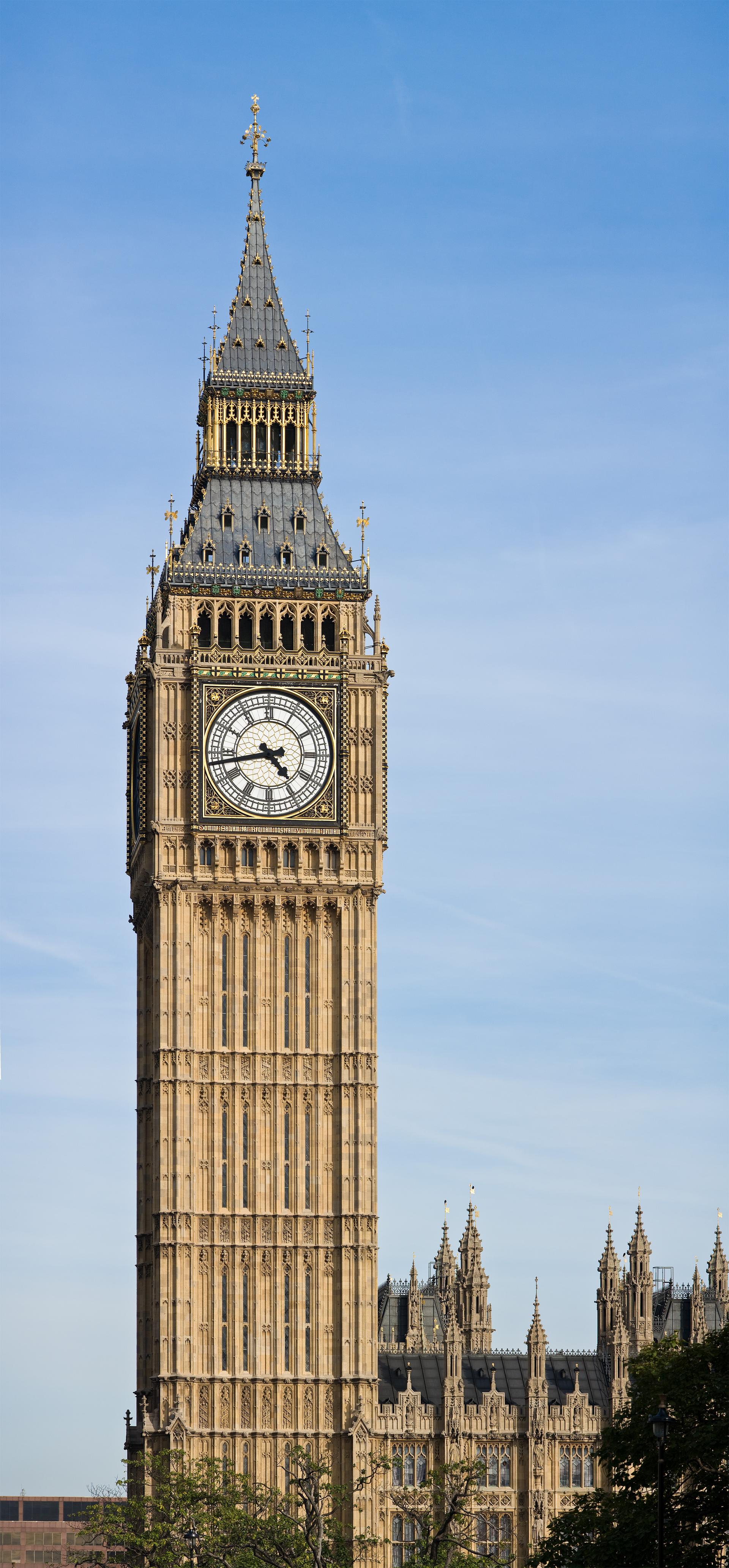
Looking beyond Woburn Walk? Discover London for broader travel guides, local hot-spots, and regional highlights.
Explore London
Dickens’s former Bloomsbury home, with restored rooms, manuscripts and a compact, quietly absorbing look at Victorian literary life.
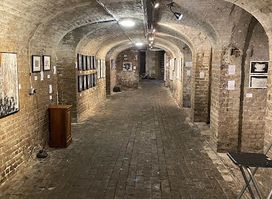
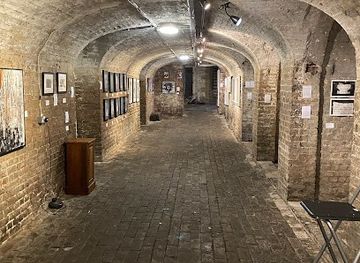
An underground gallery in a former church crypt, where temporary art shows meet stone vaults, subdued light and a distinctly London heritage setting.