

Statue of Thomas Coram
A seated bronze tribute to the philanthropist who saved thousands of abandoned children from London's streets.
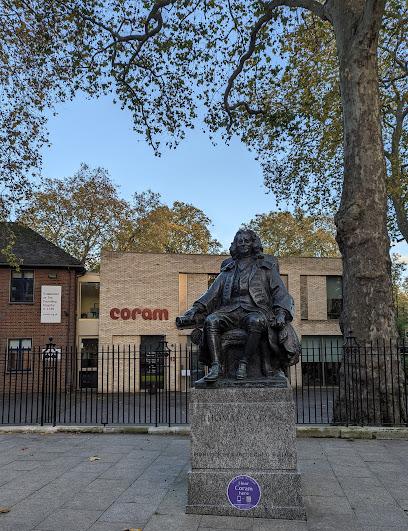
A seated bronze statue of Thomas Coram, the philanthropist who founded the Foundling Hospital, stands in Brunswick Square in Bloomsbury. Designed by sculptor William Macmillan and unveiled in 1963, the statue depicts Coram holding a scroll, based on a portrait by William Hogarth. The figure sits on a granite base inscribed with Coram's dates and his pioneering role in child welfare. Located near the Foundling Museum and Coram's Fields, this monument honours a man whose 17-year campaign transformed the lives of thousands of abandoned children in 18th-century London.
A brief summary to Statue of Thomas Coram
- Brunswick Square, London, WC1N 1AZ, GB
- Visit website
- Duration: 0.25 to 1 hours
- Free
-
 Outdoor
- Mobile reception: 5 out of 5
Local tips
- Use your smartphone to scan the blue sign at the statue's base and hear actor Simon Callow speak as Thomas Coram, bringing the philanthropist's story to life through an interactive audio experience.
- Visit the adjacent Foundling Museum at 40 Brunswick Square to explore the hospital's history, see original artifacts, and view works by William Hogarth and other artists who supported Coram's vision.
- Walk through Coram's Fields, the adjacent children's playground built on part of the original Foundling Hospital site, to experience the landscape where thousands of vulnerable children found refuge.
- The statue's seated pose was deliberately chosen to mirror William Hogarth's portrait of Coram—look for the scroll in his right hand, symbolizing the Royal Charter he fought 17 years to obtain.

For the on-the-go comforts that matter to you
- Seating Areas
- Information Boards
- Visitor Center
Getting There
-
London Underground
Take the Northern Line or Circle Line to King's Cross St Pancras station. Exit towards Bloomsbury and walk northwest through the residential streets for approximately 8–10 minutes to reach Brunswick Square. The journey takes around 15–20 minutes total from central London.
-
Bus
Multiple buses serve the Bloomsbury area, including routes 7, 17, 45, 214, and 390. Alight at stops near Great Ormond Street or Guilford Street and walk to Brunswick Square, approximately 3–5 minutes on foot. Journey times vary from 20–40 minutes depending on traffic and starting location.
-
Walking
From the British Museum (15 minutes), head north through Bloomsbury's tree-lined streets. From St Pancras station (12 minutes), walk south and west through the neighbourhood. The area is flat and pedestrian-friendly with clear signage. Coram's Fields and the Foundling Museum are immediately adjacent.
-
Taxi or Ride-Share
Request a ride to Brunswick Square, Bloomsbury, London WC1N 1AZ. Journey times from central London typically range from 10–25 minutes depending on traffic. Fares vary but expect approximately £8–18 from nearby areas.
Statue of Thomas Coram location weather suitability
-
 Any Weather
Discover more about Statue of Thomas Coram
A Monument to Compassion and Determination
The statue of Thomas Coram stands as a tribute to one of history's most determined philanthropists. Unveiled on 8 May 1963 by Princess Mary, President of the Coram charity, this bronze seated figure was sculpted by William Macmillan and captures Coram in a moment of quiet dignity. The choice of a seated pose was deliberate and historically significant—it mirrors a portrait painted by William Hogarth, the celebrated artist and fellow supporter of Coram's vision. Coram holds a scroll in his right hand, symbolizing the Royal Charter he fought so hard to obtain. The granite base bears the inscription "Thomas Coram 1668-1751. Pioneer in the cause of child welfare," while a more detailed bronze plaque on the reverse recounts his achievements and the statue's dedication by the Governors of the charity.The Man Behind the Monument
Thomas Coram was a sea captain and merchant whose experiences trading with the American colonies shaped his worldview and compassion. When he returned to England in 1720 with his American wife, Eunice, he was horrified by the sight of destitute and dying children abandoned on London's streets. Each year, approximately one thousand babies—many born to unmarried mothers or families crushed by poverty—were left to perish. Coram resolved to change this tragedy, conceiving the idea of a foundling hospital where these vulnerable children could be cared for and educated. Yet his path was far from straightforward. Initially, influential men in society refused to support his petition, fearing that such a charity would encourage immorality among the poor. Undeterred, Coram turned to the wives and daughters of the nobility—the "21 Ladies of Quality and Distinction"—whose signatures lent respectability and momentum to his cause. After 17 years of tireless campaigning, King George II signed the Royal Charter in October 1739, formally establishing the "Hospital for the Maintenance and Education of Exposed and Deserted Young Children."Artistic Patronage and Cultural Legacy
The Foundling Hospital became far more than a refuge for abandoned children; it transformed into a beacon of artistic and musical patronage. William Hogarth, whose portrait of Coram now hangs in the hospital, rallied fellow artists to donate their work, establishing the institution as London's first permanent public art gallery. George Frideric Handel, the court composer, organized benefit concerts and donated the manuscript of the Hallelujah Chorus to support the hospital's work. The second performance of Handel's Messiah at the hospital raised £7,000—an extraordinary sum at the time. These contributions ensured that supporting the Foundling Hospital became fashionable among the aristocracy, securing both financial stability and cultural prestige for Coram's vision.The Statue's Modern Context
The statue itself is relatively recent, installed nearly 60 years ago in 1963, yet it honours a legacy stretching back nearly three centuries. The sculpture was created by Morris Singer Founders, a renowned London foundry, and bears their maker's mark on its side. Interestingly, an earlier standing statue of Coram once stood at the entrance to Coram's Fields, erected in 1752 shortly after his death. That statue was gifted to Taunton, Massachusetts in 1927, honouring Coram's early fortune-making in America. The current seated figure has become the primary public memorial to Coram in Bloomsbury, positioned near the Foundling Museum at 40 Brunswick Square—a building constructed in 1937 in Georgian style to recreate the appearance and interior decoration of the original hospital that was demolished in the 19th century.Interactive Remembrance
A small blue sign on the statue's front invites visitors to hear Thomas Coram's voice through their smartphones—an innovative touch that brings history to life. The words are spoken by actor Simon Callow, performing a text written by Kiran Benawra, allowing modern visitors to connect directly with Coram's story and legacy. This blend of 18th-century philanthropy and 21st-century technology creates a unique experience that bridges centuries.Enduring Impact
During its two centuries of operation, the Foundling Hospital cared for approximately 25,000 children, providing them with shelter, education, and a chance at life. Though the hospital eventually relocated and transformed into the Thomas Coram Foundation for Children, Coram's original vision continues to guide child welfare work today. The statue in Brunswick Square stands as a permanent reminder of one man's unwavering commitment to protecting society's most vulnerable members, and of the power of compassion to overcome institutional resistance and social prejudice.Iconic landmarks you can’t miss

Statue of Thomas Coram
0.0 km
A seated bronze tribute to the philanthropist who saved thousands of abandoned children from London's streets.
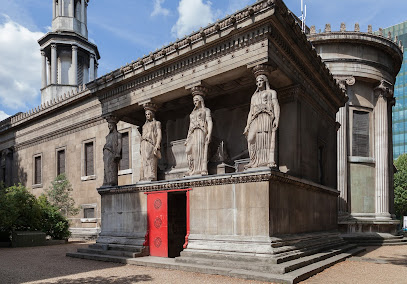
St Pancras New Church
0.6 km
A majestic Greek Revival church in London, blending ancient Athenian design with rich history and vibrant community life.
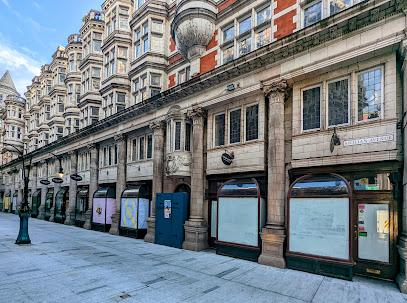
Sicilian Avenue
0.7 km
Discover Sicilian Avenue, a serene Edwardian pedestrian street in London blending Italianate architecture with charming shops and tranquil ambiance.
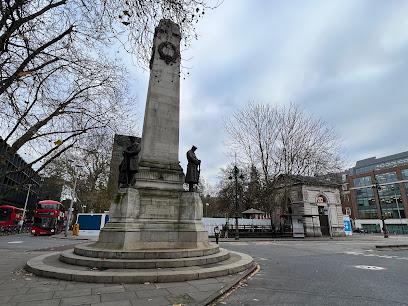
Euston War Memorial
0.8 km
A solemn 13-meter obelisk and bronze statues honor London’s railway workers who sacrificed their lives in World War I.
190 High Holborn
0.9 km
A modern office landmark in central London, blending contemporary design with strategic connectivity near historic Holborn.
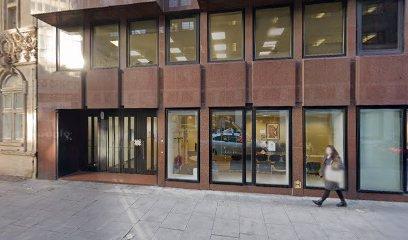
Hasdan
1.1 km
Discover the vibrant heart of London at Hasdan, where shopping, culture, and history meet on Tottenham Court Road.
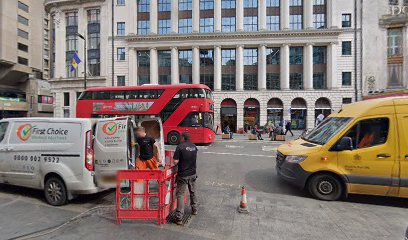
Goodge St
1.1 km
Discover the charm of Goodge Street in London, where history meets vibrant culture, shopping, and diverse dining options.
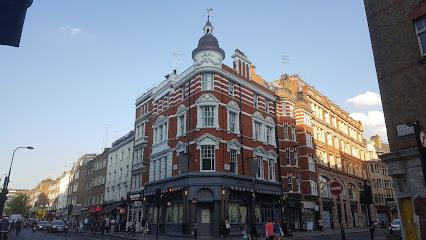
The Honourable Society of Lincoln's Inn
1.2 km
Explore the rich history and serene beauty of The Honourable Society of Lincoln's Inn, a cornerstone of London's legal heritage.
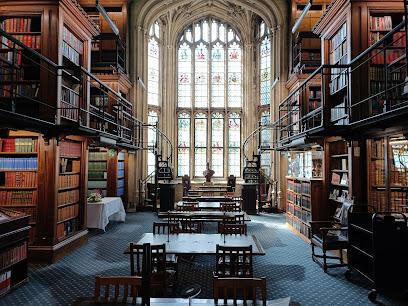
covent Garden ,
1.2 km
Explore Covent Garden's vibrant atmosphere filled with shopping, dining, and entertainment in the heart of London.
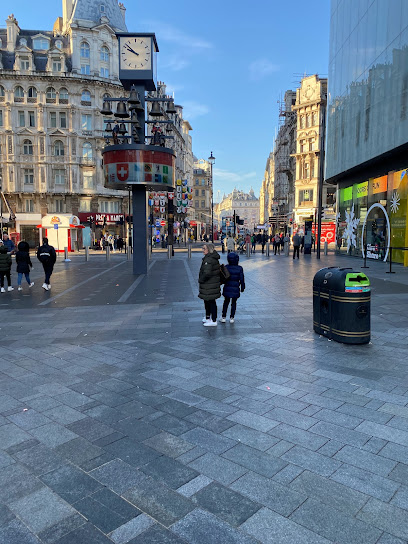
St Giles in the Fields
1.2 km
Medieval leper hospital turned Palladian masterpiece—nearly 1000 years of London's sacred and troubled history
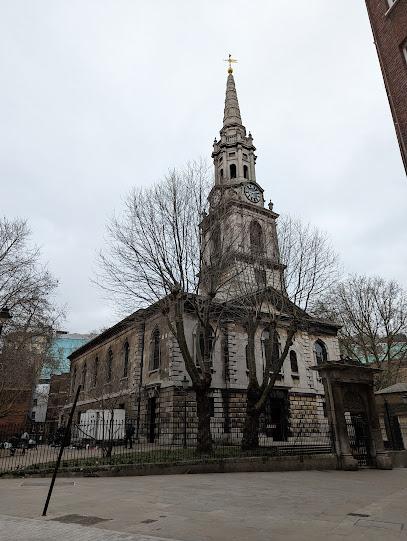
Bleeding Heart Yard
1.2 km
London's most haunted courtyard, where Gothic legend meets gritty Victorian history beneath ancient cobblestones.
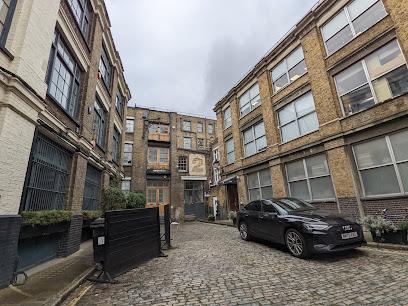
1 Soho Place
1.2 km
Explore 1 Soho Place: A vibrant business park in London's Soho, surrounded by eclectic eateries, shops, and cultural landmarks.
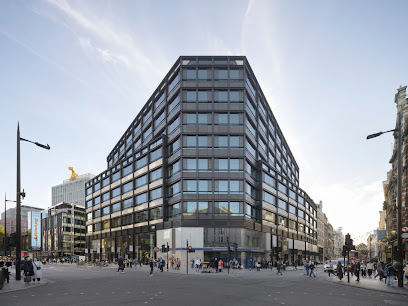
Denmark St
1.2 km
Britain's legendary Tin Pan Alley where rock and roll history was written in every studio, café, and guitar shop.
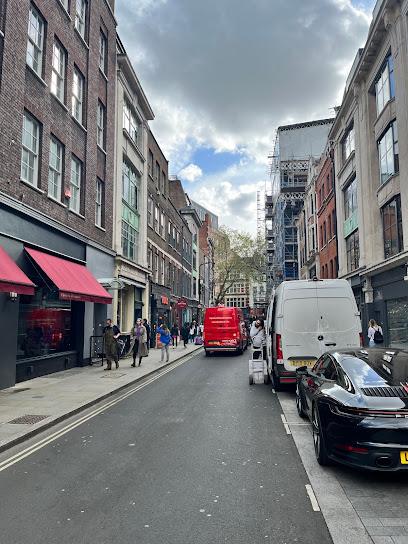
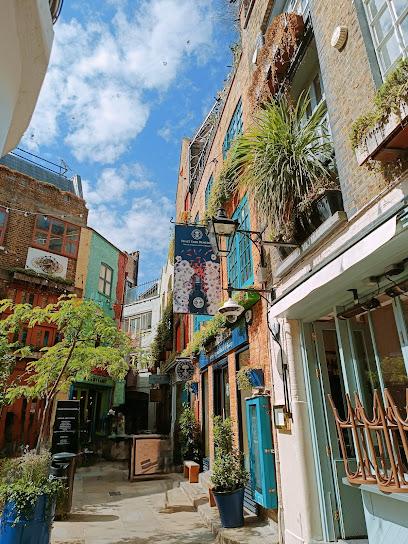
Neal’s Yard (Courtyard)
1.2 km
Discover Neal’s Yard, a colorful hidden courtyard in Covent Garden transformed from dereliction into a thriving hub of community, sustainability, and alternative culture.
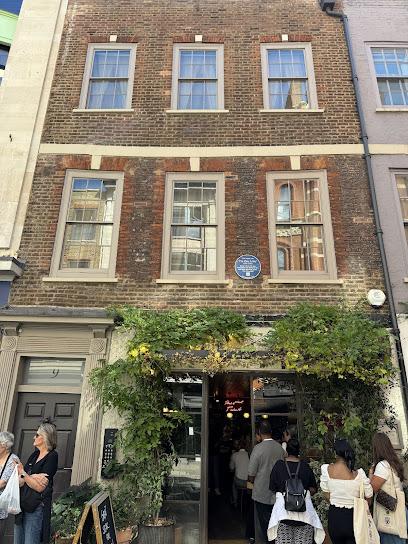
Plaque: Tin Pan Alley & La Giaconda cafe
1.2 km
Discover the legendary Tin Pan Alley and La Giaconda Cafe at 9 Denmark Street, the historic heart of London’s music scene and creative spirit.
Unmissable attractions to see

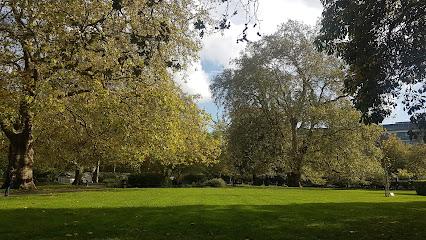
Brunswick Square Gardens
0.1 km
Historic Bloomsbury garden where literary giants walked beneath ancient plane trees and bohemian dreams took root.
Curzon Bloomsbury
0.2 km
Discover world-class arthouse cinema and documentary premieres at Curzon Bloomsbury, nestled in the iconic Brunswick Centre.
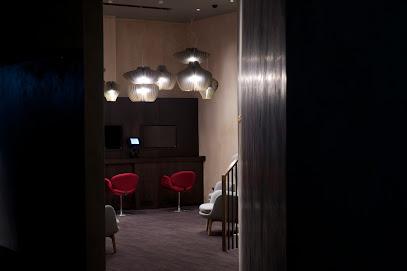
The Brunswick Centre
0.2 km
A Grade II listed modernist residential and shopping complex blending architecture, community, and culture in Bloomsbury, London.
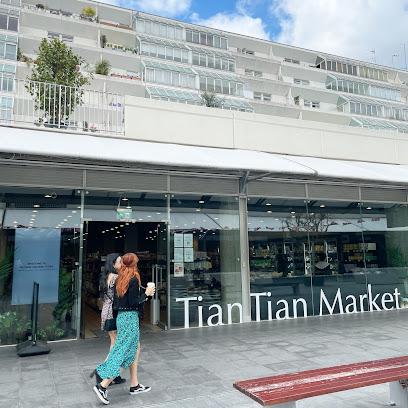
Coram's Fields
0.2 km
A historic seven-acre playground and community hub in London dedicated exclusively to children and young people.
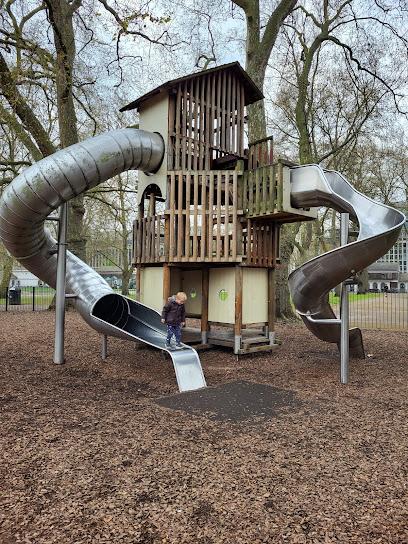
The Lamb
0.3 km
Step into The Lamb on Lamb's Conduit Street, a Georgian gem with Victorian charm, famed for its snob screens, real ales, and literary heritage.
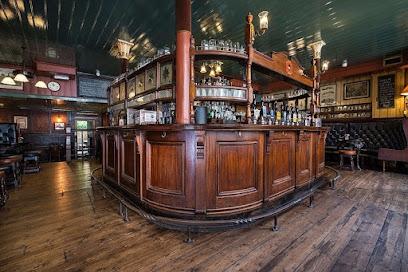
Persephone books
0.4 km
Explore the unique literary treasures of Persephone Books, a London bookshop dedicated to uncovering forgotten works by women authors.
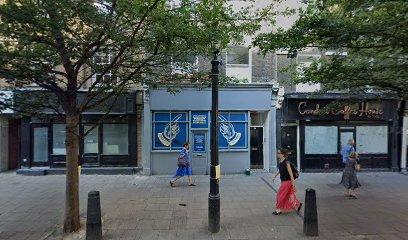
Charles Dickens Museum
0.4 km
Step into the Victorian world of Charles Dickens at his only surviving London home, where literary history and personal stories come alive.
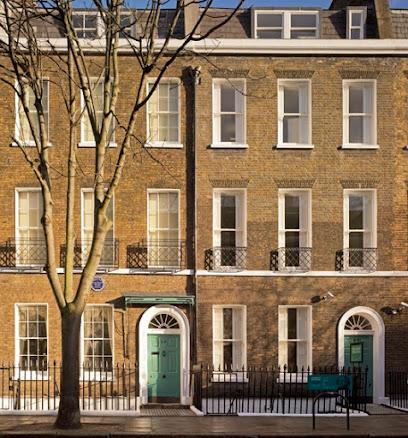
Queen Square
0.4 km
A historic Bloomsbury square blending Georgian charm, royal ties, and a world-renowned medical heritage in tranquil garden surroundings.
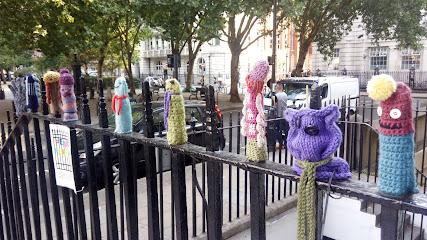
Russell Sq
0.4 km
A peaceful Georgian garden square in Bloomsbury, blending historic charm with serene green spaces in central London.
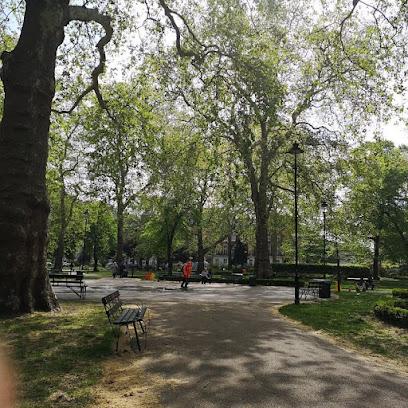
Smallest Street in London
0.4 km
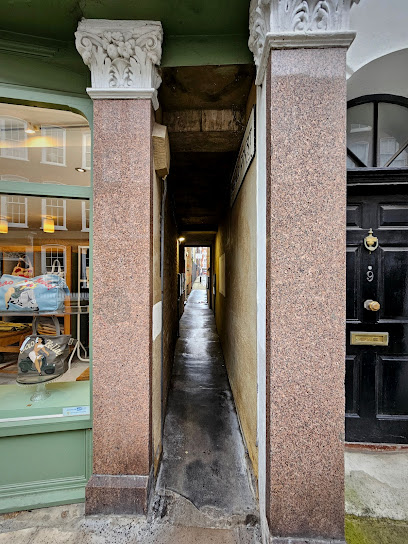
Discover Emerald Court, London’s famously narrow alley, a hidden passage steeped in history and architectural contrasts in Bloomsbury.
1 Queen Square
0.4 km
Historic Bloomsbury garden square renowned for medical heritage, tranquil gardens, and Georgian architecture.
The Postal Museum
0.5 km
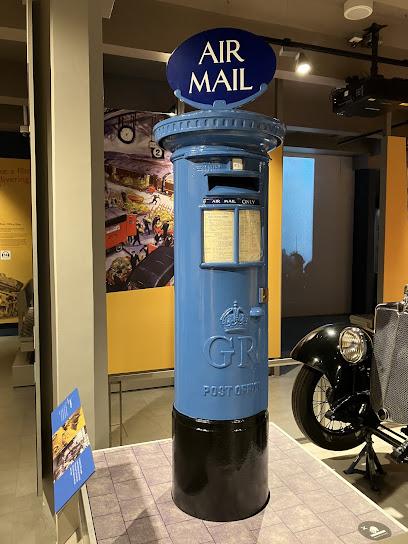
Discover five centuries of postal history and ride London’s secret underground Mail Rail at The Postal Museum in Clerkenwell.
Woburn Walk
0.6 km
Step into a Regency-era pedestrian street in Bloomsbury, where history, architecture, and literary legacy converge in a tranquil urban retreat.
Tavistock Square
0.6 km
A tranquil Georgian square in Bloomsbury, rich in literary history and peace memorials, embodying resilience and reflection in central London.

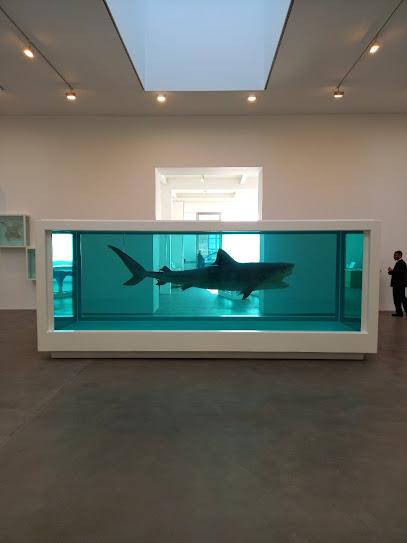
Gagosian Gallery
0.6 km
A premier contemporary art gallery in London showcasing world-class exhibitions and iconic artists in a spacious, industrial setting.
Essential places to dine

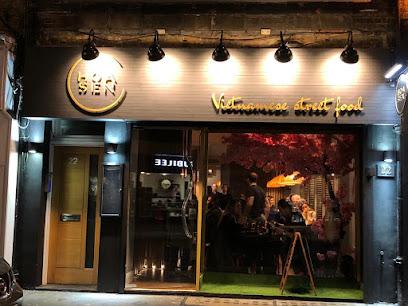
Hoa Sen Vietnamese Street Food Restaurant
1.1 km
Authentic Vietnamese street food in the heart of Covent Garden, blending vibrant flavors with a lively, cozy atmosphere.
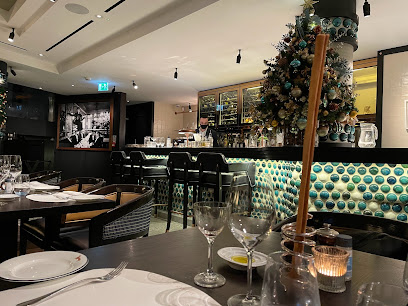
Margot
1.2 km
Sophisticated Italian dining with classic charm and an extensive wine list in the heart of Covent Garden, London.
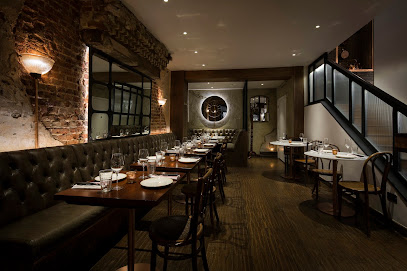
The Ninth
1.2 km
Michelin-starred modern French cuisine with Mediterranean flair in Fitzrovia’s chic and relaxed dining hotspot.
Circus
1.2 km
Experience Covent Garden’s vibrant Asian fusion dinner theatre where culinary artistry meets captivating live performances.
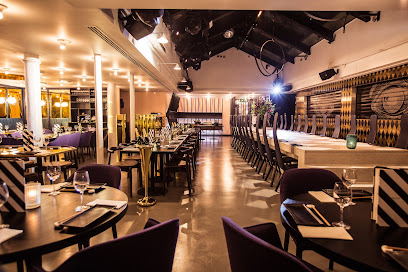
Sarastro
1.3 km
Experience vibrant Mediterranean flavors and live musical theatre in the heart of Covent Garden’s most theatrical restaurant.
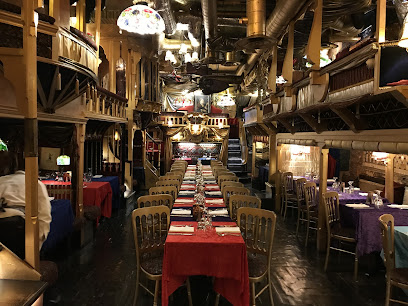
Flesh & Buns Covent Garden
1.3 km
Lively Japanese izakaya in Covent Garden famed for its signature bao buns, vibrant atmosphere, and innovative pan-Asian small plates.
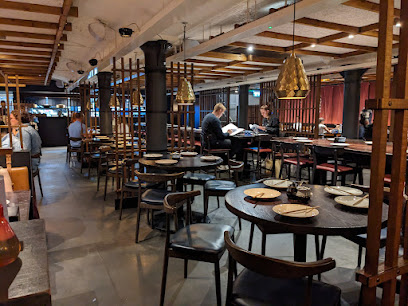
Inamo Covent Garden
1.3 km
A futuristic Pan-Asian restaurant in Covent Garden where interactive tables meet bold Asian flavours in a sleek, tech-forward space.
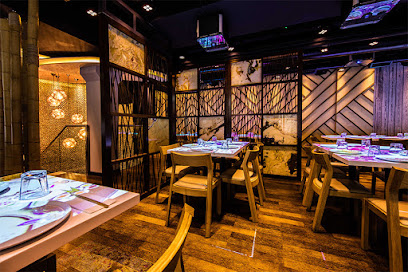
Noble Rot Soho
1.3 km
A Soho gem blending historic charm with modern European cuisine and an exceptional, accessible wine list in a cozy, clubby setting.
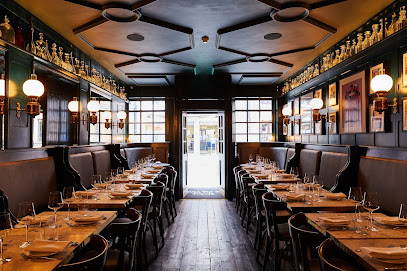
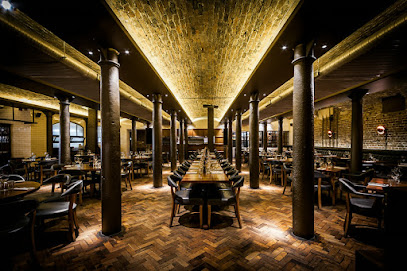
Hawksmoor Seven Dials
1.3 km
Savor expertly grilled British steaks and vibrant seafood in a historic Covent Garden brewery setting with atmospheric charm and refined cocktails.
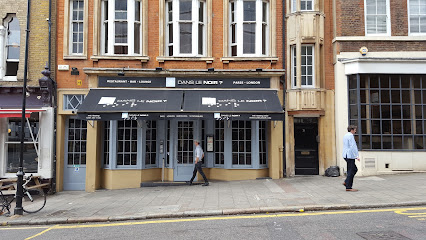
Dans le Noir ? London Restaurant
1.4 km
Experience dining like never before in total darkness, guided by visually impaired waitstaff in a sensory adventure at Dans le Noir ? London.
La Bodega Negra Restaurant
1.4 km
Experience daring Mexican cuisine and vibrant nightlife in Soho’s provocative La Bodega Negra, where edgy ambiance meets inventive flavors.
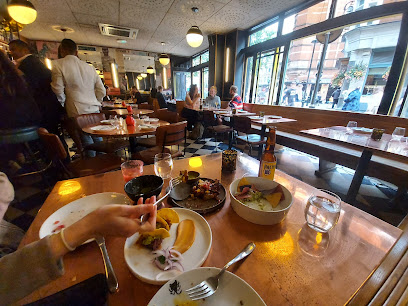
Sussex Bar & Restaurant
1.4 km
A vibrant Soho bistro blending Sussex countryside flavors with London’s energy, featuring seasonal British dishes and curated wines.
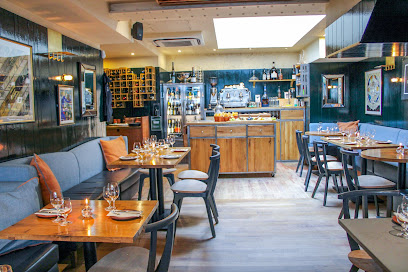
Balthazar
1.4 km
Experience the lively charm of a Parisian brasserie with classic French cuisine in the heart of Covent Garden, London.
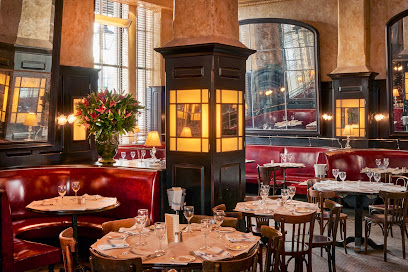
Cicchetti by San Carlo - London Covent Garden
1.4 km
Experience authentic Venetian small plates and seasonal Italian flavors in a stylish, lively Covent Garden setting.
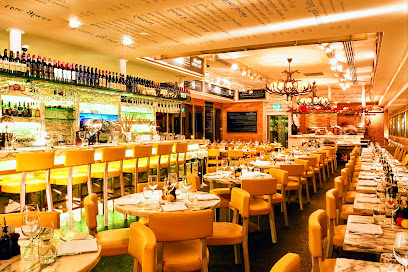
Quo Vadis
1.5 km
An iconic Soho dining destination blending refined modern British cuisine with elegant historical charm and a lively, convivial atmosphere.
Markets, malls and hidden boutiques

Fancy That of London
0.8 km
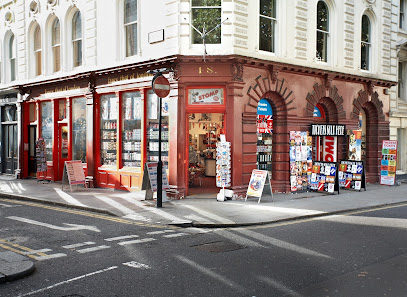
Discover unique London souvenirs and charming keepsakes in a warm, inviting shop just opposite the British Museum on Great Russell Street.
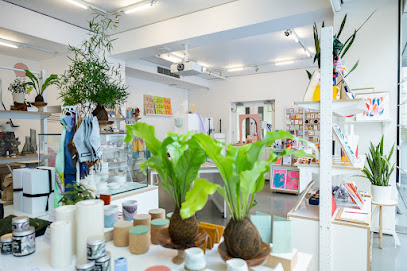
not just a shop
0.9 km
Discover unique, handcrafted art and design by UAL’s students and alumni at this creative retail hub in central London.
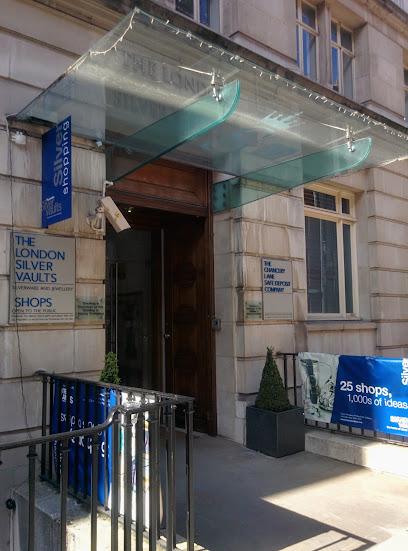
London Silver Vaults
1.1 km
The world's largest underground marketplace for fine antique and contemporary silver, hidden beneath historic Chancery Lane.
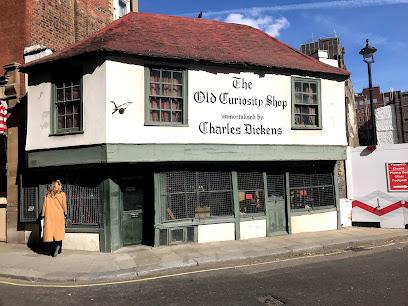
The Old Curiosity Shop
1.2 km
Step into a Tudor-era timbered cottage steeped in Dickensian lore, nestled amidst the vibrant heart of modern London.
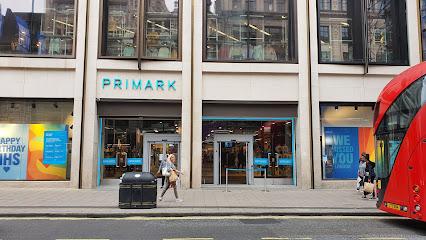
Primark
1.2 km
Discover unbeatable fashion and homeware bargains across multiple floors at Primark Oxford Street, London’s premier budget shopping destination.
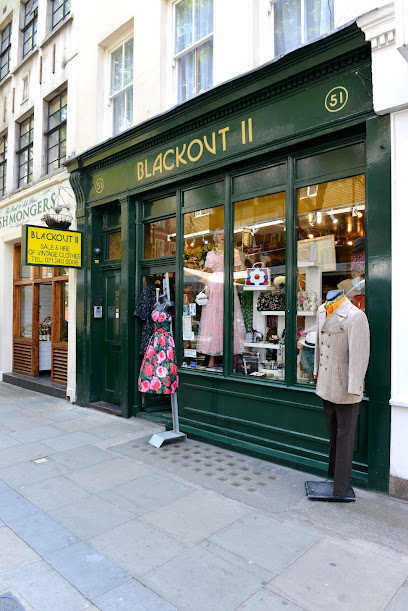
Blackout II - Vintage Clothing London
1.2 km
Discover timeless vintage fashion treasures from the 1920s to the 1980s in Covent Garden’s iconic Blackout II boutique.
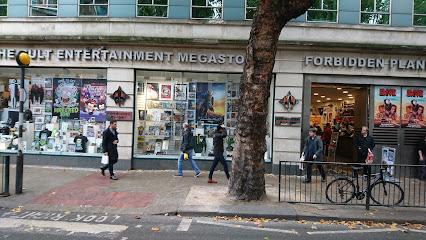
Forbidden Planet London Megastore
1.2 km
London’s ultimate destination for comics, collectibles, and cult pop culture treasures in the heart of the West End.
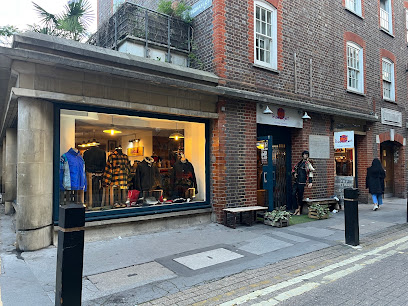
Pop Boutique
1.2 km
Discover authentic vintage fashion treasures from the 50s to 90s in a colorful, retro boutique at London’s vibrant Seven Dials.
Canopy Market
1.2 km
Historic Victorian market hall reviving King's Cross with independent food, craft, and community every weekend.
Oxford Street Gift Shop
1.2 km
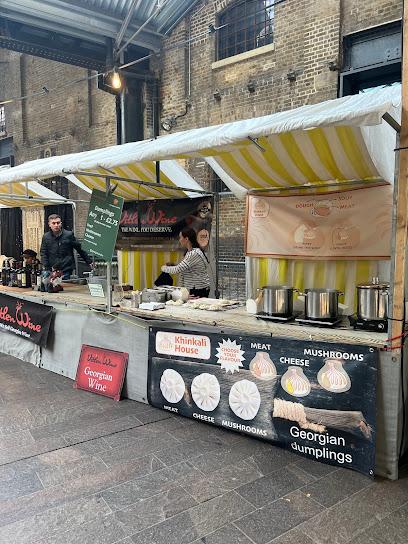
A lively and colorful gift shop on Oxford Street offering quintessential London souvenirs with a vibrant atmosphere and a hint of retail adventure.
Goodge Place Market
1.2 km
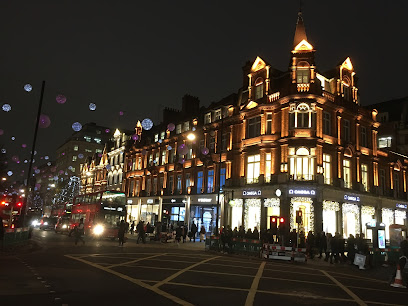
A vibrant street food market in the heart of Fitzrovia, offering diverse flavors and a relaxed atmosphere just steps from central London.
Rokit Covent Garden
1.2 km
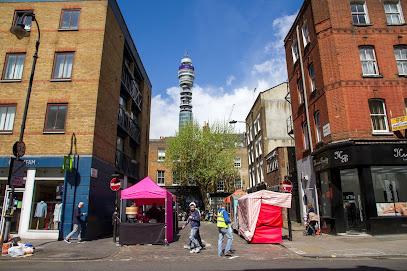
Dive into retro treasures at Rokit Covent Garden, where sustainable vintage fashion meets London's vibrant street style heritage on Shelton Street.
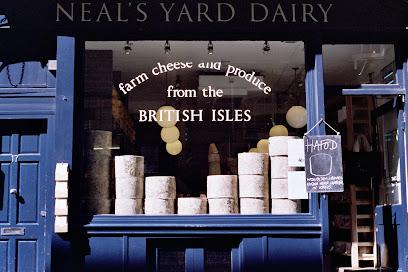
Neal's Yard Dairy (Covent Garden Shop)
1.3 km
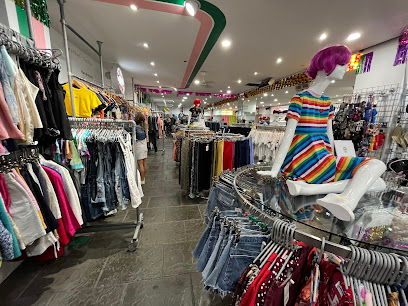
Discover the finest British and Irish farmhouse cheeses matured to perfection in the heart of Covent Garden’s vibrant Neal’s Yard.
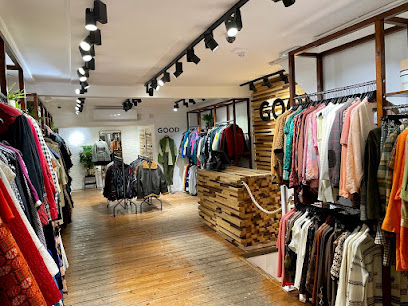
Good
1.3 km
Discover sustainable style with curated preloved vintage and designer fashion at Good London’s Seven Dials shop.
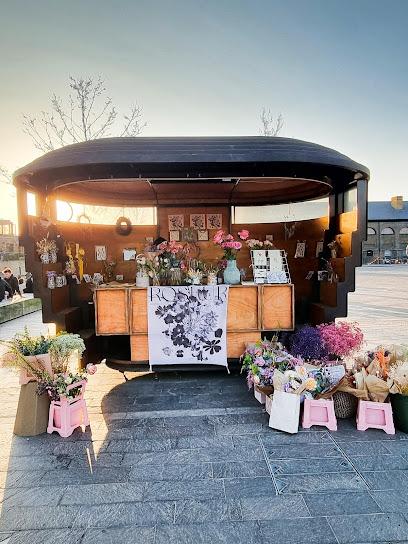
Coal Drops Yard
1.3 km
Where Victorian industrial heritage meets contemporary shopping and dining in the heart of King’s Cross.
Essential bars & hidden hideouts

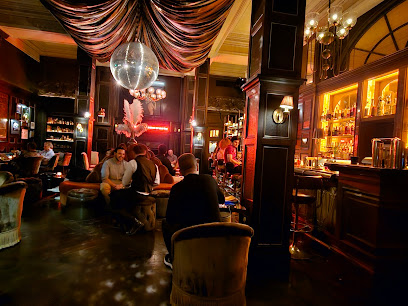
Fitz's Russell Sq.
0.4 km
Discover Fitz's Russell Square, a glamorous cocktail bar blending Victorian elegance with modern British cuisine in the heart of Bloomsbury.
The Duke
0.4 km
A classic Bloomsbury pub offering warm hospitality, traditional drinks, and hearty British fare in a cozy setting.
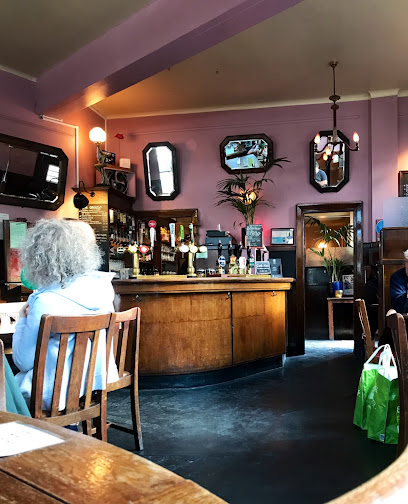
Simmons Bar | Kings Cross
0.8 km
A quirky, retro-inspired cocktail bar in Kings Cross with lively music, creative drinks, and unbeatable happy hour deals.
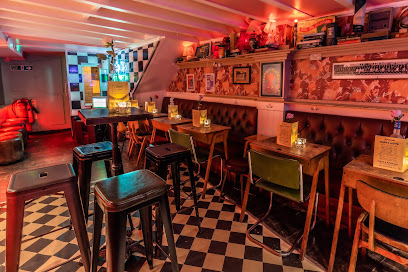
Cosy Cocktail Bar
0.8 km
A stylish speakeasy in King's Cross offering expertly crafted cocktails in a warm, intimate setting perfect for evenings and private events.
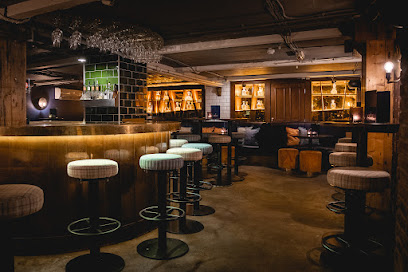
The Coral Room
1.0 km
Experience 1920s-inspired glamour and expertly crafted cocktails in the vibrant coral-hued heart of Bloomsbury Hotel.
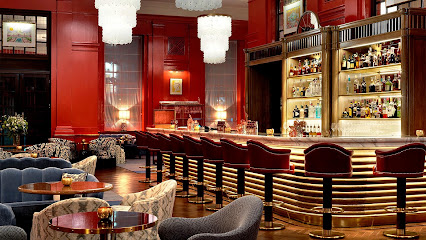
Ye Olde Mitre, Holborn
1.2 km
Discover Ye Olde Mitre, a hidden Tudor-era pub in Holborn where history, legend, and cozy charm converge in a secret London alley.
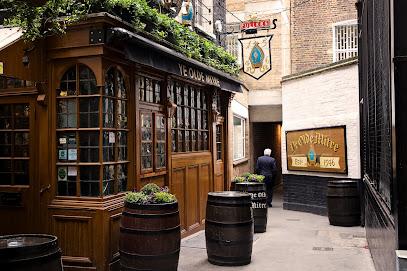
The Black Horse - Pub & Cocktail Bar
1.2 km
Experience the perfect blend of traditional pub charm and stylish cocktails in the heart of Soho’s vibrant nightlife.
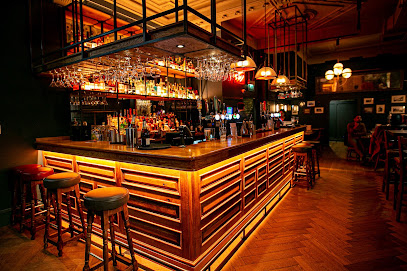
The Cocktail Club - Cocktail Bar in Fitzrovia
1.3 km
A vibrant, punk-inspired basement bar in Fitzrovia serving inventive cocktails and lively nights with flair and fun.
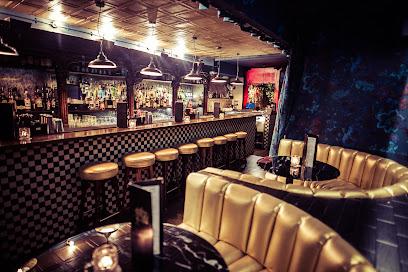
Spiritland
1.3 km
Immerse yourself in exceptional sound, creative cocktails, and a vibrant music culture at Spiritland King's Cross.
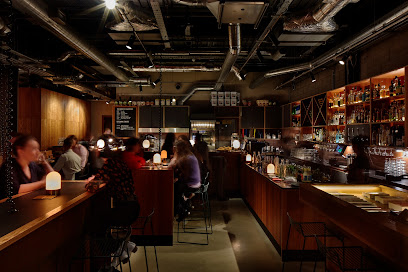
The Escapologist Bar
1.3 km
Step into a Victorian-inspired underground bar in Covent Garden where theatrical cocktails and lively entertainment create unforgettable nights.
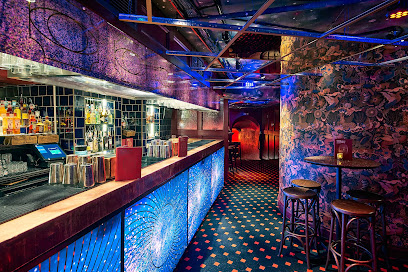
Be At One - Russell Street
1.3 km
Covent Garden’s vibrant cocktail bar with 100+ drinks, late-night parties, and unbeatable 2-for-1 happy hours in a stylish basement setting.
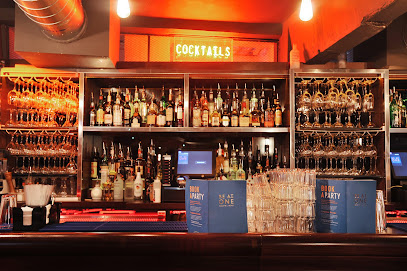
The Little Scarlet Door
1.4 km
Step through the scarlet door to a playful Soho loft bar alive with inventive cocktails, secret rooms, and a lively house party vibe.
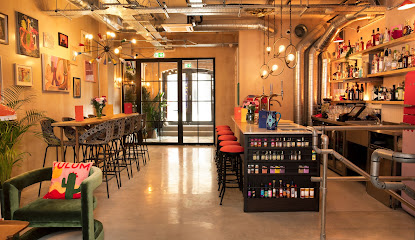
Punch Room
1.4 km
An exclusive Fitzrovia cocktail bar where historic punch traditions meet innovative craft mixology in a cozy, club-like setting.
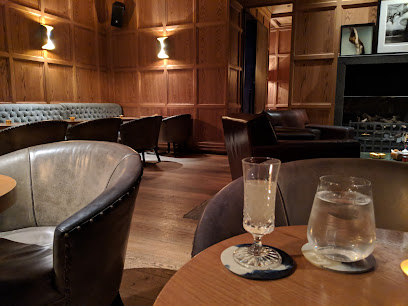
Thirst Bar Soho
1.4 km
Compact Soho cocktail bar by day, pulsing DJ‑led club by night—cheap cocktails, leather booths and a lively basement scene.
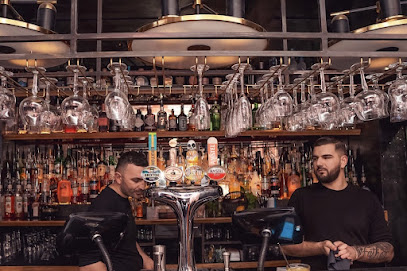
Swift Soho
1.4 km
Soho's split-level cocktail gem: aperitivo elegance upstairs, whisky-laced intimacy below, with live jazz and legendary mixes drawing night owls to Old Compton Street.
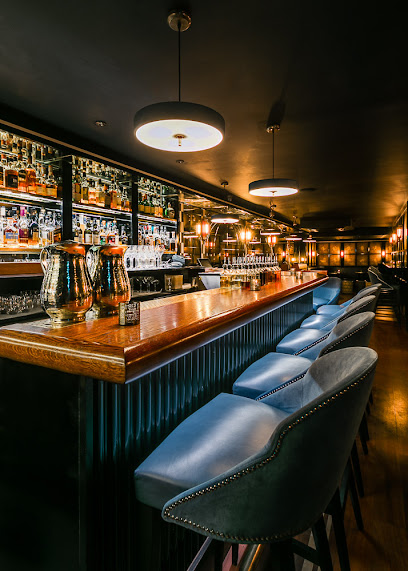
Nightclubs & after hour spots

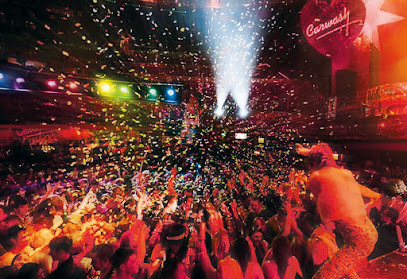
Carwash Nightclub
1.1 km
Experience Europe’s longest-running disco club in London’s West End, where retro beats, vibrant crowds, and themed parties create unforgettable nights.
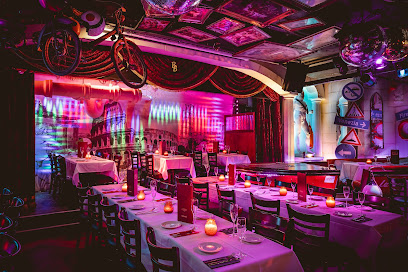
Bunga Bunga Covent Garden
1.1 km
A neon-soaked, pizza-and-karaoke supper club under Drury Lane — 90s nostalgia, stage shows and shareable Italian feasts.
The Roxy
1.2 km
Soho's unbeatable happy hour cocktail bar by day, pulsing nightclub with live music and DJ nights till 3am—affordable vibes in London's nightlife heart.
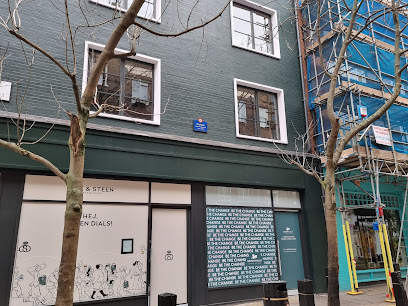
Comedy Carnival Covent Garden
1.3 km
London's premier stand-up comedy venue showcasing bold, award-winning international comedians in vibrant Covent Garden.

London Best Night Clubs
1.3 km
Experience London’s legendary Ministry of Sound, where cutting-edge sound meets dynamic club culture in a multi-room dance haven.
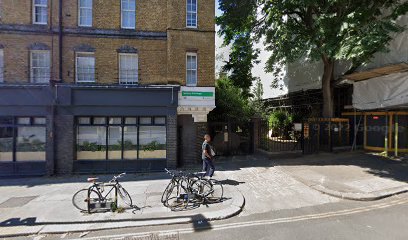
La Capannina Club
1.4 km
Discover Soho's discreet gentlemen's club: seductive stage shows, cosy vibes, and late-night allure in London's nightlife heart.
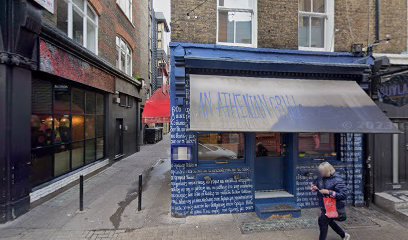
Club49Soho
1.4 km
Soho's stylish cocktail haven with DJ-fueled dancefloor energy, blending upscale drinks and classy nightlife vibes until 3am.
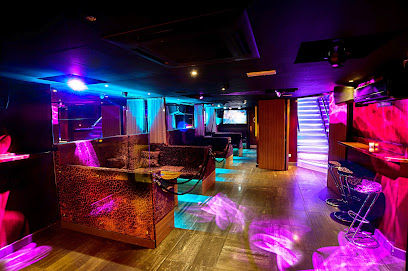
The Ivy Club
1.4 km
Art-Deco‑tinged members’ club above The Ivy — piano bars, discreet private dining and polished West End glamour.
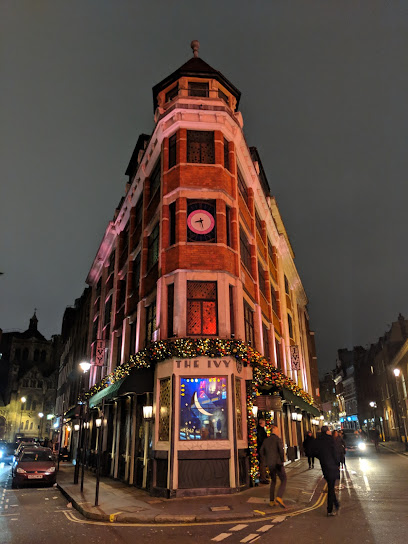
101 Nightclub London
1.5 km
Soho's raw Saturday night pulse: intimate beats, crowded floors, and unfiltered London club energy on Wardour Street.
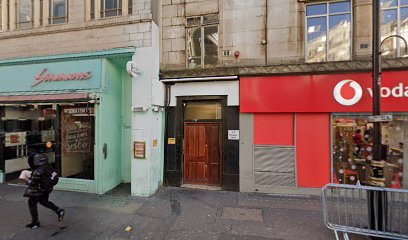
Bordello London
1.5 km
Dive into Soho's seductive basement beats at Bordello London, where Wardour Street's nightlife legacy ignites late-night frenzy on weekends.
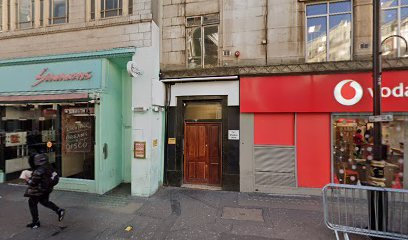
St Moritz Club
1.5 km
Soho's retro basement nightclub: 1960s vibes meet modern beats in an intimate, wood-paneled haven beneath a Swiss chalet restaurant.
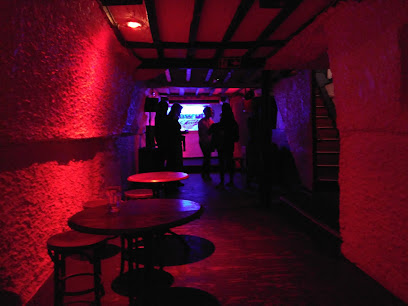
Whatdafunk Presents West End Urban Disco
1.5 km
Dive into London's grooviest urban disco beats at Whatdafunk, where Covent Garden's streets pulse with funk, soul, and non-stop dance energy in the heart of the West End.
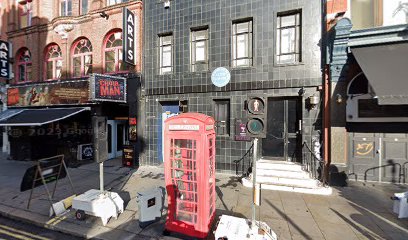
Sophisticats Soho
1.6 km
An intimate, late‑night Soho gentlemen’s club on Brewer Street offering staged performances, VIP seating and an upmarket, discreet atmosphere.
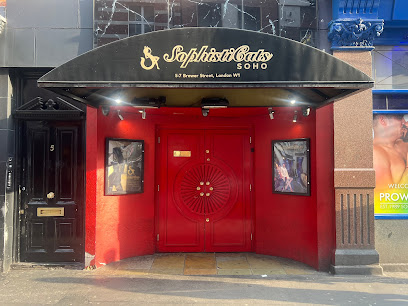
The Box Soho
1.6 km
A clandestine Soho cabaret where decadent staging, provocative shows and high‑end cocktails collide in an intense late‑night theatre.
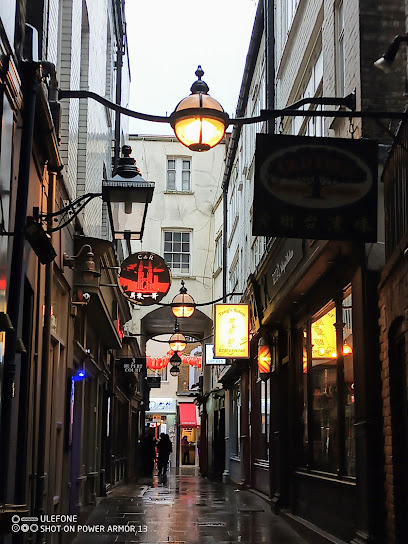
Max's Other Flat
1.6 km
Discover a vibrant nightlife experience at Max's Other Flat, a must-visit nightclub in London offering electrifying music and unforgettable moments.
For the vibe & atmosphere seeker
- Romantic
- Unique
- Scenic
For the design and aesthetic lover
- Vintage Styles
- Art Deco Styles
For the architecture buff
- Historic
- Landmarks
- Heritage Neighborhoods
For the view chaser and sunset hunter
- Iconic Views
For the social media creator & influencer
- Instagrammable
- Photo Spots
- Architectural Shots
For the eco-conscious traveler
- Public-Transport Accessible
For the kind of experience you’re after
- Cultural Heritage
- Photowalk
- Day Trip
- Myth & Legends
For how adventurous you want the journey to be
- Easy Access
Location Audience
- Family Friendly
- Senior Friendly
- Child Friendly
- Wheelchair Access
- Solo Friendly
- Couple Friendly
- Solo Female Friendly


