
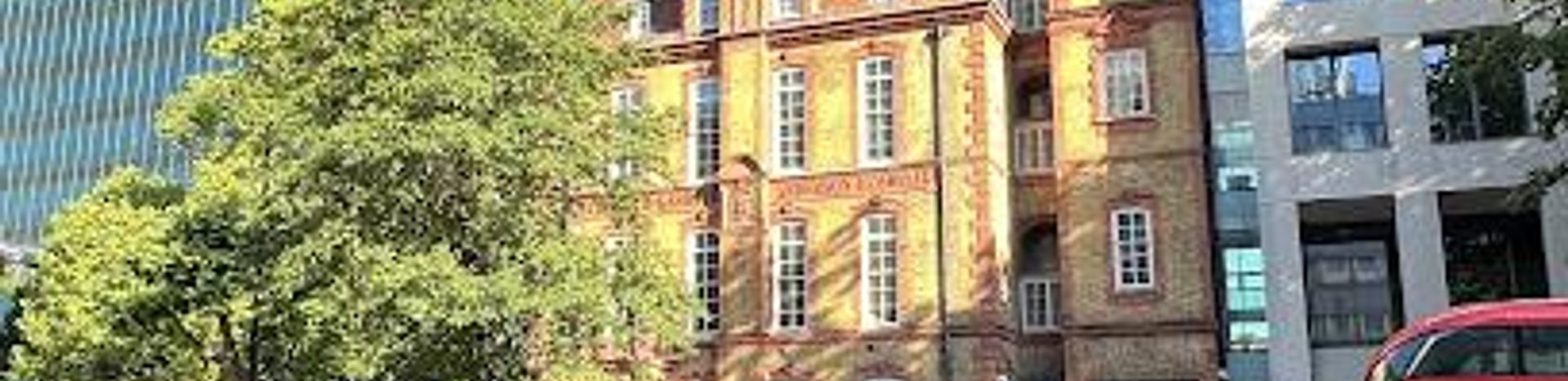
Elizabeth Garrett Anderson Gallery, London
Explore the legacy of Britain’s first female doctor through interactive exhibits in a beautifully restored historic hospital gallery in London.
The Elizabeth Garrett Anderson Gallery in London commemorates the pioneering first female doctor in Britain. Housed in the former Elizabeth Garrett Anderson Hospital building on Euston Road, the gallery uses interactive displays, multimedia, and restored historic interiors to tell the story of Elizabeth Garrett Anderson’s groundbreaking medical career and the social history of women's healthcare and rights from the Victorian era to modern times.
A brief summary to Elizabeth Garrett Anderson Gallery
- 130 Euston Rd., London, NW1 2AS, GB
- +448000857857
- Visit website
- Duration: 0.5 to 1.5 hours
- Budget
-
 Indoor
- Mobile reception: 4 out of 5
Local tips
- Visit the quiet reading corner to explore books on medical women and social reformers for deeper context.
- Interact with the digital displays to learn about Elizabeth Garrett Anderson’s life and the wider women’s rights movement.
- Note the restored Entrance Hall and original interior features designed by Agnes Garrett, Elizabeth’s sister.
- Check ahead for temporary closures as the gallery is sometimes closed to the public.

For the on-the-go comforts that matter to you
- Restrooms
- Information Boards
- Seating Areas
Getting There
-
London Underground
Take the Northern or Victoria Line to Euston Station, approximately a 10-minute walk to 130 Euston Road. Services run frequently, and the station is wheelchair accessible. No additional cost beyond standard Tube fare applies.
-
Bus
Several bus routes, including 10, 18, 30, 73, and 205, stop near Euston Road. Travel times vary from 15 to 25 minutes depending on traffic. Buses are accessible, and standard London bus fares apply.
-
Taxi or Rideshare
Taxis and rideshare services are available throughout London. Travel time from central London is about 15 minutes depending on traffic. Expect fares from £8 to £15.
Elizabeth Garrett Anderson Gallery location weather suitability
-
 Any Weather
-
 Rain / Wet Weather
-
 Mild Temperatures
Discover more about Elizabeth Garrett Anderson Gallery
A Tribute to a Medical Trailblazer
The Elizabeth Garrett Anderson Gallery is housed in the former Elizabeth Garrett Anderson Hospital, originally opened in 1890 as the New Hospital for Women and later renamed in her honor in 1918. Elizabeth Garrett Anderson was the first woman to qualify as a doctor in Britain, breaking through the barriers of a male-dominated medical profession in the 19th century. Her relentless determination led to the establishment of a hospital staffed entirely by women, for women, setting a precedent in healthcare and women's rights. The gallery preserves this legacy, celebrating her pioneering role in medicine and social reform.Historic Architecture and Interior Design
The building itself is a significant part of the gallery experience. Designed with advice from Florence Nightingale and others, the hospital featured well-ventilated wards and a domestic, cheerful atmosphere inspired by the Arts and Crafts movement. Agnes Garrett, Elizabeth’s sister and a notable designer, contributed to the interior decoration, including a dado of blue tiles and decorative casts. The gallery includes the restored original Entrance Hall and a library/meeting room once used by the Association of Registered Medical Women, featuring a fireplace designed by Agnes Garrett and recreated historic wallpaper.Interactive and Multimedia Exhibits
The gallery employs modern technology to bring history to life through interactive displays, touch screens, video, and sound. Visitors can explore themes such as ambition, leadership, equality, and social justice through detailed biographies, historical context, and contemporary perspectives. The space also highlights the ongoing importance of trade unions and women’s rights, connecting Elizabeth Garrett Anderson’s story to present-day issues. A quiet corner stocked with books about medical women and social reformers offers a reflective space within the gallery.Women’s Healthcare and Social History
Beyond Elizabeth Garrett Anderson’s biography, the gallery explores the broader social and political history of women’s healthcare in Victorian and Edwardian Britain. It showcases the hospital’s role in training women doctors and nurses at a time when mainstream medical institutions excluded them. The gallery also documents the evolution of women’s roles in medicine and society, including the suffrage movement and campaigns for equality, providing a comprehensive view of the challenges and achievements of women in this era.Legacy and Continuing Impact
Though the hospital closed in 2001, the gallery stands as a lasting memorial to Elizabeth Garrett Anderson’s groundbreaking work. It continues to serve as a platform for dialogue and education about women’s health, rights, and contributions to medicine. The gallery’s location within the UNISON Centre also links it to contemporary labor and social justice movements, highlighting the ongoing relevance of Anderson’s legacy.Accessibility and Visitor Experience
The gallery is designed to be accessible, with interactive technology suitable for disabled visitors and a calm, contemplative atmosphere. While small and unstaffed, it offers a rich, immersive experience through digital storytelling and historical restoration. Its location on Euston Road places it within a vibrant area of London, inviting visitors to engage with a unique blend of history, culture, and social activism.Iconic landmarks you can’t miss

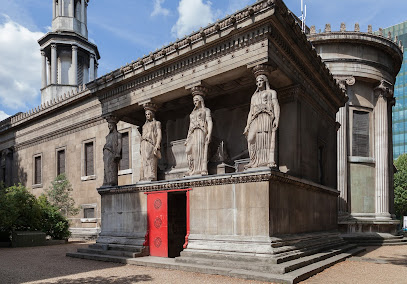
St Pancras New Church
0.1 km
A majestic Greek Revival church in London, blending ancient Athenian design with rich history and vibrant community life.
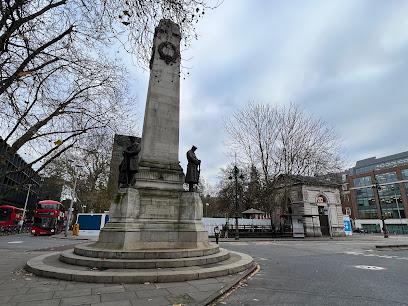
Euston War Memorial
0.2 km
A solemn 13-meter obelisk and bronze statues honor London’s railway workers who sacrificed their lives in World War I.
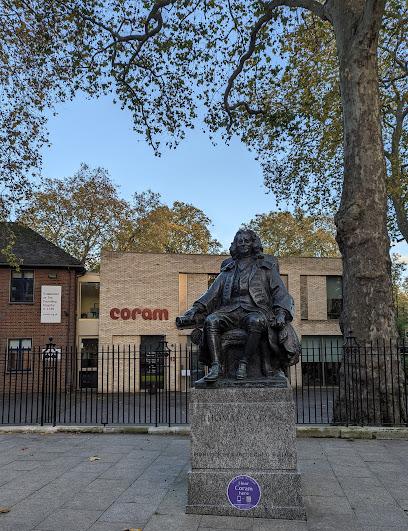
Statue of Thomas Coram
0.6 km
A seated bronze tribute to the philanthropist who saved thousands of abandoned children from London's streets.
Sicilian Avenue
1.2 km
Discover Sicilian Avenue, a serene Edwardian pedestrian street in London blending Italianate architecture with charming shops and tranquil ambiance.
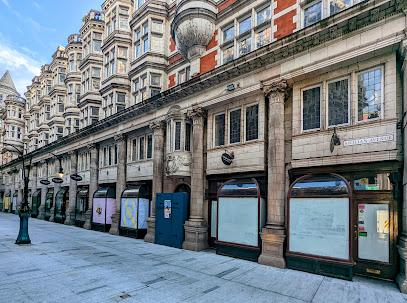
Hasdan
1.3 km
Discover the vibrant heart of London at Hasdan, where shopping, culture, and history meet on Tottenham Court Road.
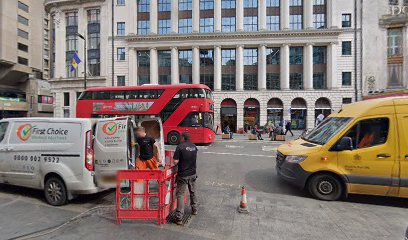
Caithness House
1.3 km
Experience the vibrant residential life of London at Caithness House, a modern flat complex perfect for tourists seeking comfort and convenience.
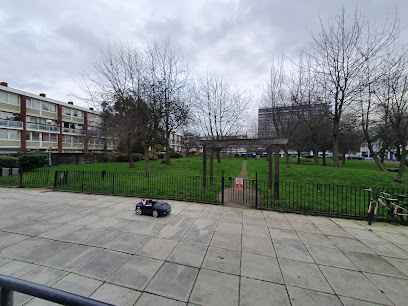
190 High Holborn
1.3 km
A modern office landmark in central London, blending contemporary design with strategic connectivity near historic Holborn.
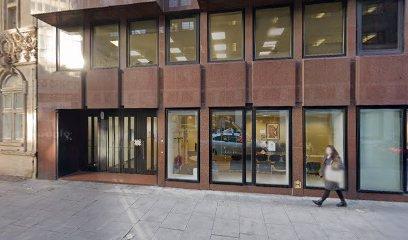
1 Soho Place
1.4 km
Explore 1 Soho Place: A vibrant business park in London's Soho, surrounded by eclectic eateries, shops, and cultural landmarks.
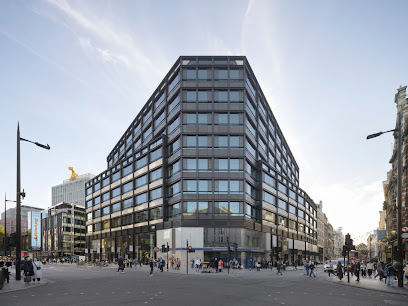
Saint Martin's Gardens
1.4 km
Experience the serene beauty of Saint Martin's Gardens, a hidden gem in Camden, London, where lush landscapes meet captivating monuments.
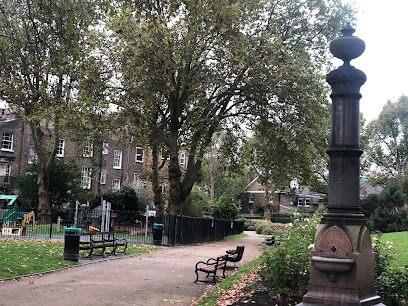
St Giles in the Fields
1.4 km
Medieval leper hospital turned Palladian masterpiece—nearly 1000 years of London's sacred and troubled history
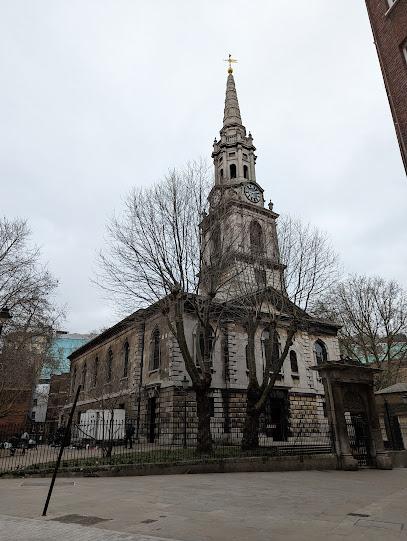
Denmark St
1.4 km
Britain's legendary Tin Pan Alley where rock and roll history was written in every studio, café, and guitar shop.
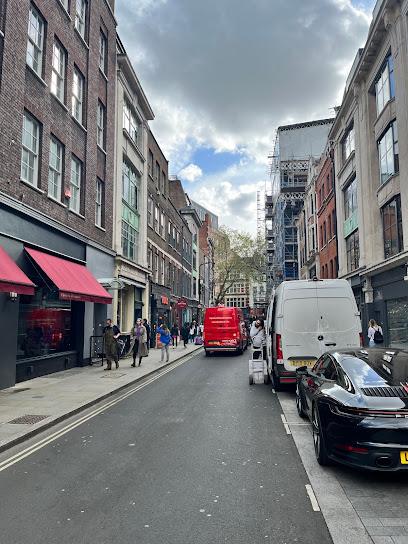
Soho Square
1.4 km
Historic Georgian square where aristocrats, scientists, and artists shaped London's cultural legacy
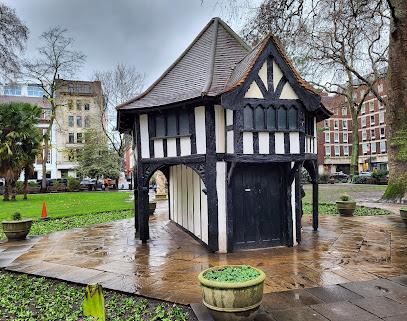
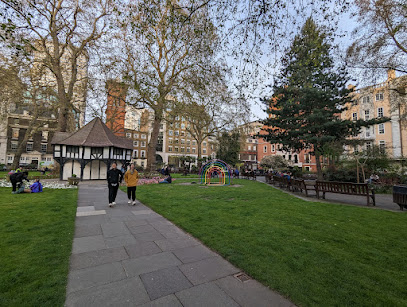
Soho Square Gardens
1.4 km
Explore the calming beauty of Soho Square Gardens, a lush park in the heart of London, perfect for relaxation and socializing.
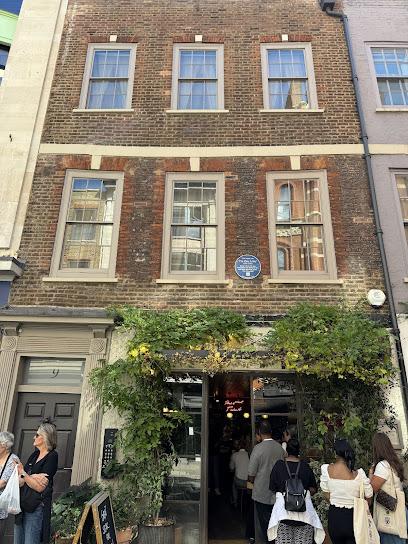
Plaque: Tin Pan Alley & La Giaconda cafe
1.5 km
Discover the legendary Tin Pan Alley and La Giaconda Cafe at 9 Denmark Street, the historic heart of London’s music scene and creative spirit.
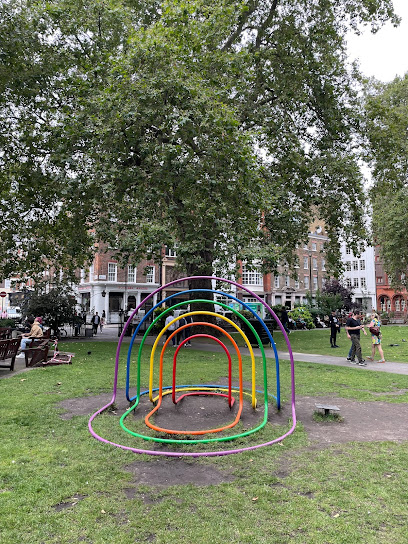
#O hello sunshine Public Art Sculpture
1.5 km
Discover the vibrant O Hello Sunshine sculpture in London, a historical landmark that embodies creativity and community spirit amidst the city's artistic landscape.
Unmissable attractions to see

Woburn Walk
0.2 km
Step into a Regency-era pedestrian street in Bloomsbury, where history, architecture, and literary legacy converge in a tranquil urban retreat.
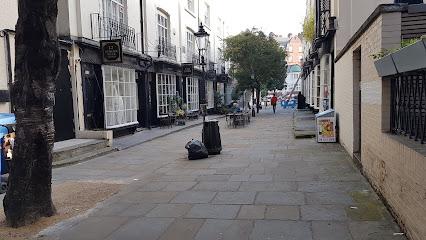
The British Library
0.2 km
Explore the UK’s national library, a vast cultural treasure trove with iconic manuscripts, exhibitions, and welcoming spaces in central London.

Euston Square Gardens
0.3 km
A serene Victorian-era garden oasis nestled beside London’s bustling Euston Road and transport hub.
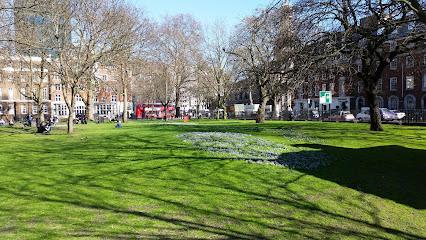
Tavistock Square
0.4 km
A tranquil Georgian square in Bloomsbury, rich in literary history and peace memorials, embodying resilience and reflection in central London.
Gordon Sq
0.4 km
Tranquil Bloomsbury garden square steeped in literary history and academic heritage in central London.
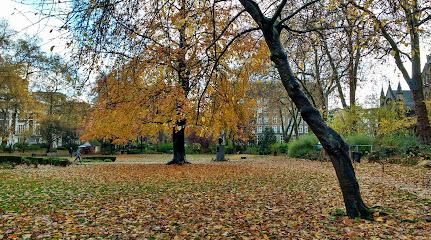
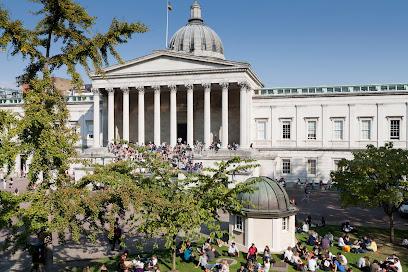
University College London
0.5 km
Explore UCL's historic Bloomsbury campus, a beacon of innovation and inclusivity at the heart of London’s cultural and academic life.
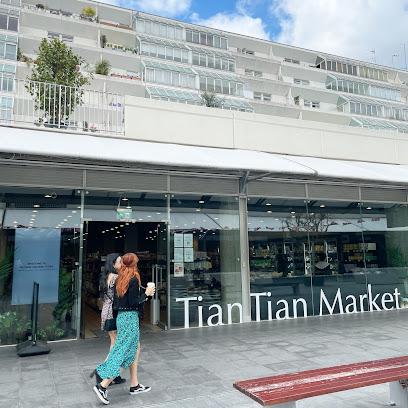
The Brunswick Centre
0.5 km
A Grade II listed modernist residential and shopping complex blending architecture, community, and culture in Bloomsbury, London.
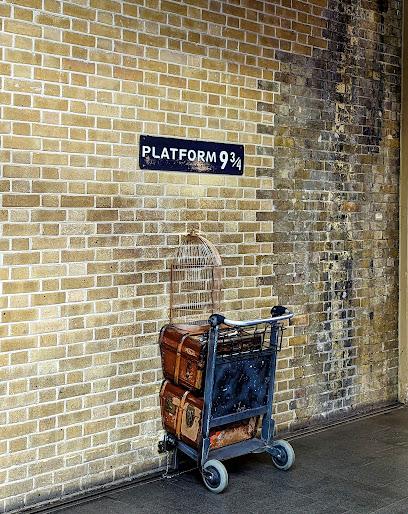
Platform 9¾ at King's Cross Station
0.6 km
Step through the magical wall at King's Cross to the iconic Platform 9¾, a must-see for Harry Potter fans and photo enthusiasts alike.
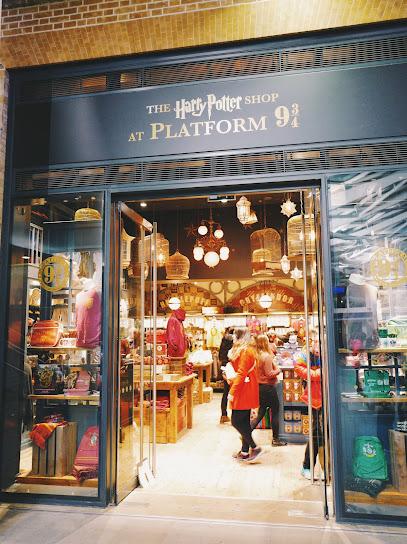
The Harry Potter Shop at Platform 9 ¾
0.6 km
Step into the wizarding world at King's Cross with magical merchandise and the iconic Platform 9 ¾ photo experience.
The Parcel Yard, King's Cross
0.6 km
Experience the heart of London at The Parcel Yard, a historic pub in King's Cross with a delightful menu and a vibrant atmosphere perfect for tourists.
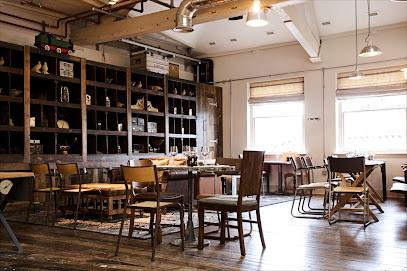
Foundling Museum
0.6 km
Explore the Foundling Museum, where art, music, and history unite to tell the story of Britain’s first children’s charity and its enduring legacy.
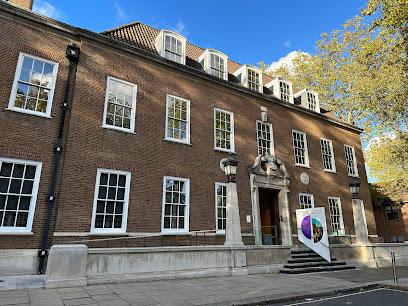
Curzon Bloomsbury
0.6 km
Discover world-class arthouse cinema and documentary premieres at Curzon Bloomsbury, nestled in the iconic Brunswick Centre.
Torrington Square
0.6 km
A tranquil university-owned garden square in Bloomsbury blending historic heritage with academic vibrancy and green respite.
Brunswick Square Gardens
0.7 km
Historic Bloomsbury garden where literary giants walked beneath ancient plane trees and bohemian dreams took root.
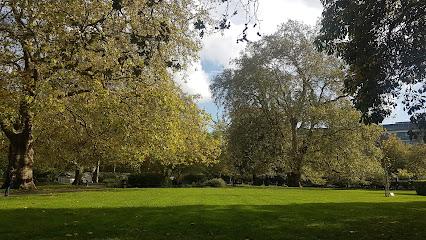
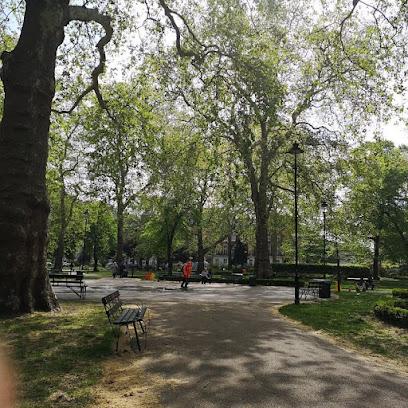
Russell Sq
0.7 km
A peaceful Georgian garden square in Bloomsbury, blending historic charm with serene green spaces in central London.
Essential places to dine

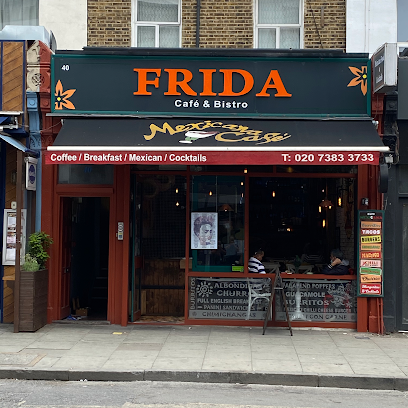
Frida Camden
1.1 km
Authentic Mexican cuisine with vibrant flavors and a lively atmosphere in the heart of Camden, London.
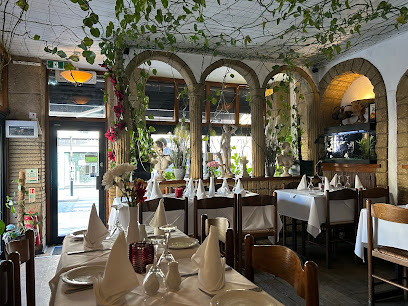
Alexander The Great Restaurant
1.1 km
Experience authentic Greek hospitality and generous Mediterranean flavors in the heart of Camden’s vibrant dining scene.
The Ninth
1.1 km
Michelin-starred modern French cuisine with Mediterranean flair in Fitzrovia’s chic and relaxed dining hotspot.
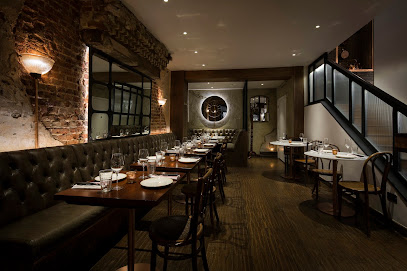
Il Sugo
1.3 km
A cozy family-run Italian restaurant in Camden serving hearty, authentic dishes with generous portions and warm hospitality.
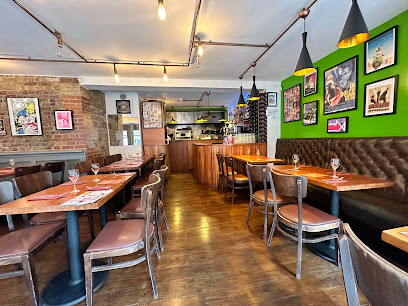
Daphne Restaurant
1.3 km
Authentic Greek-Cypriot dining in Camden with warm hospitality, cozy ambiance, and generously portioned traditional dishes.
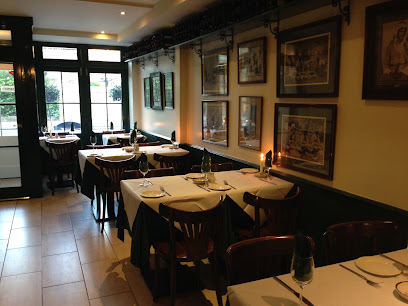
Portland
1.3 km
Michelin-starred modern European dining in Fitzrovia, blending seasonal British ingredients with refined, creative flavors in an intimate setting.
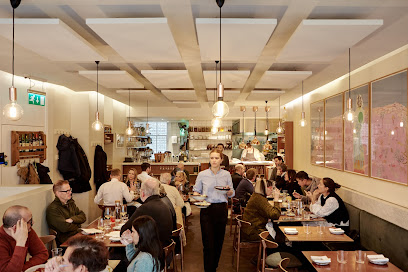
Noble Rot Soho
1.5 km
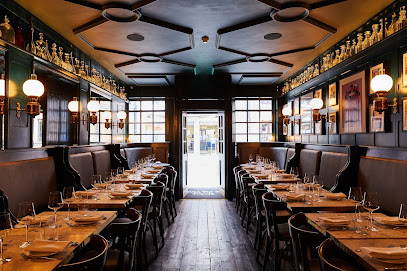
A Soho gem blending historic charm with modern European cuisine and an exceptional, accessible wine list in a cozy, clubby setting.
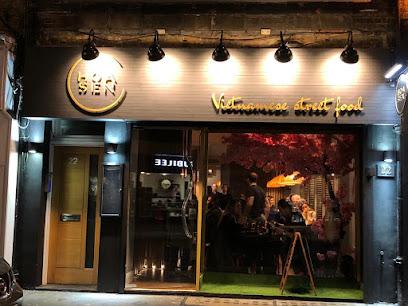
Hoa Sen Vietnamese Street Food Restaurant
1.5 km
Authentic Vietnamese street food in the heart of Covent Garden, blending vibrant flavors with a lively, cozy atmosphere.
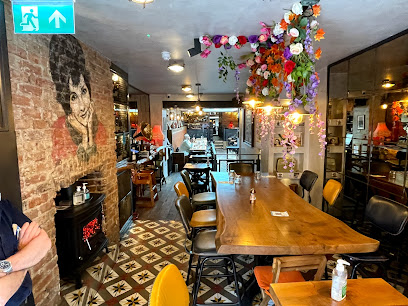
Laz @Camden
1.5 km
Discover authentic Turkish cuisine and warm hospitality in Camden’s cozy Laz restaurant, where tradition meets vibrant London vibes.
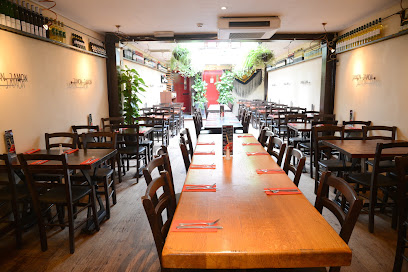
Jamon Jamon
1.5 km
Experience authentic Spanish tapas and vibrant Mediterranean flavors in a lively NW1 London setting with rustic charm and inviting atmosphere.
Sussex Bar & Restaurant
1.5 km
A vibrant Soho bistro blending Sussex countryside flavors with London’s energy, featuring seasonal British dishes and curated wines.
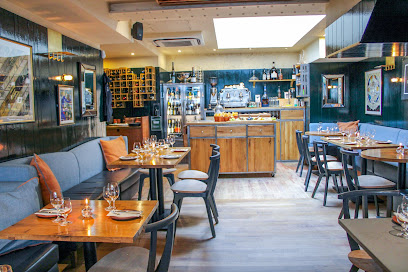
Goodfare Italian Restaurant
1.5 km
Cozy Camden Italian eatery serving authentic pizzas, pastas, and seafood with warm hospitality and a lively street-side vibe.
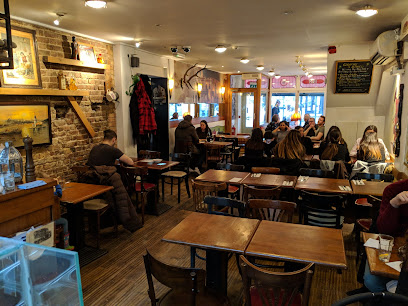
Circus
1.6 km
Experience Covent Garden’s vibrant Asian fusion dinner theatre where culinary artistry meets captivating live performances.
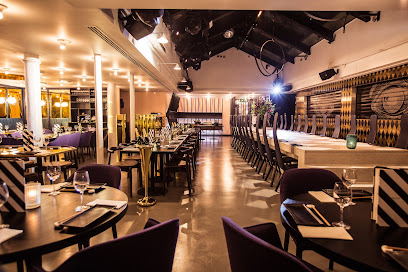
Inamo
1.6 km
Experience futuristic Asian fusion dining with interactive tables and vibrant sharing plates in the heart of London’s Covent Garden.
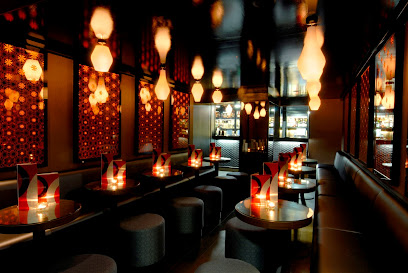
Blanchette
1.6 km
Cozy Soho French bistro serving modern small plates, charcuterie, and exquisite cheese and honey pairings in a Parisian-inspired setting.
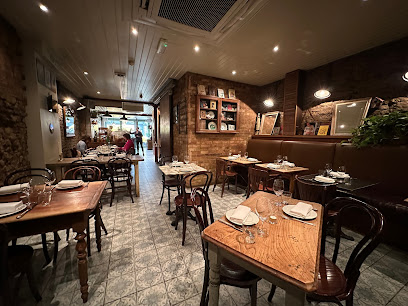
Markets, malls and hidden boutiques

Fancy That of London
1.1 km
Discover unique London souvenirs and charming keepsakes in a warm, inviting shop just opposite the British Museum on Great Russell Street.
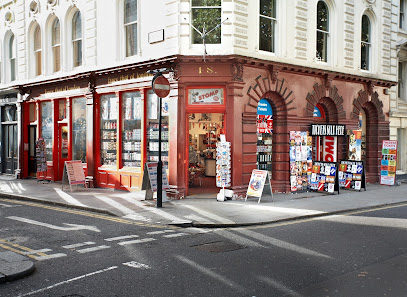
Primark
1.3 km
Discover unbeatable fashion and homeware bargains across multiple floors at Primark Oxford Street, London’s premier budget shopping destination.
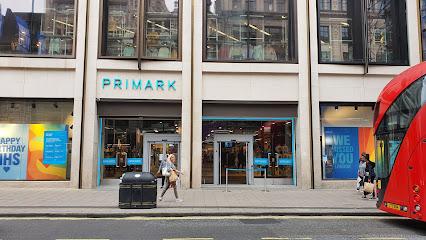
Oxford Street Gift Shop
1.3 km
A lively and colorful gift shop on Oxford Street offering quintessential London souvenirs with a vibrant atmosphere and a hint of retail adventure.
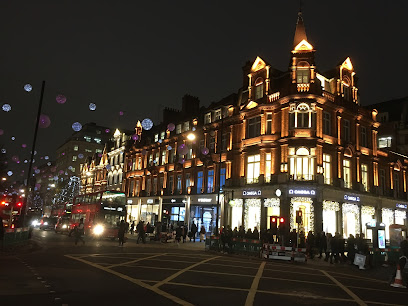
Souvenir Shop
1.4 km
Discover authentic British souvenirs in the heart of London’s iconic Oxford Street.
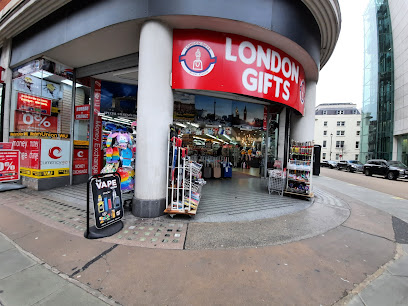
Radha's Boutique
1.4 km
A small, curated Soho boutique offering tactile womenswear and accessories with friendly, personalised service in the heart of central London.
Exmouth Market
1.4 km
Discover Exmouth Market, London’s vibrant street of eclectic eateries, lively bars, and independent shops in the heart of Clerkenwell.
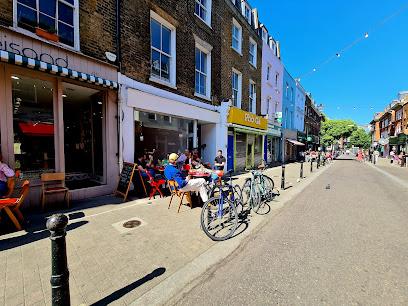
Camden High St
1.4 km
Experience Camden High Street’s vibrant markets, rich culture, and eclectic shops in the heart of London’s most iconic alternative district.
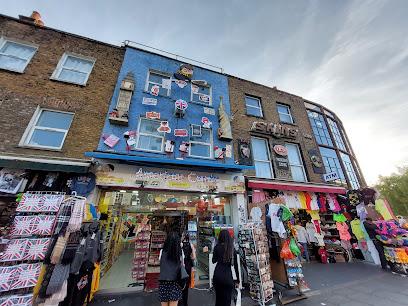
not just a shop
1.5 km
Discover unique, handcrafted art and design by UAL’s students and alumni at this creative retail hub in central London.
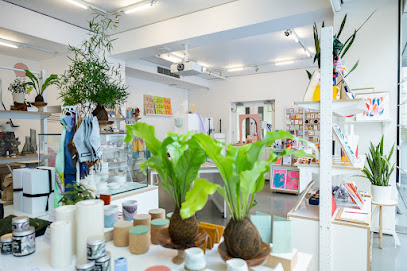
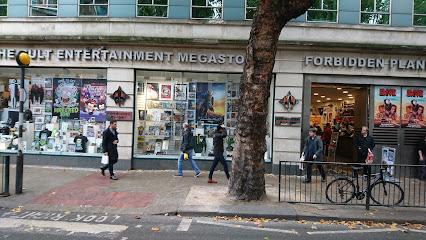
Forbidden Planet London Megastore
1.5 km
London’s ultimate destination for comics, collectibles, and cult pop culture treasures in the heart of the West End.
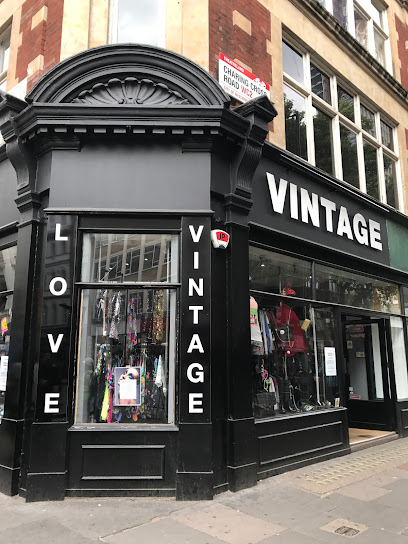
Goldsmith Vintage
1.5 km
Iconic Soho vintage shop since 1990: two floors of handpicked retro dresses, blazers, bags & accessories from decades past, with sales from £10.95.
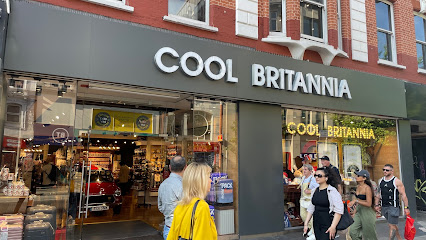
Cool Britannia Oxford Street
1.5 km
Discover authentic British souvenirs and capture timeless memories in the heart of London at Cool Britannia Oxford Street.
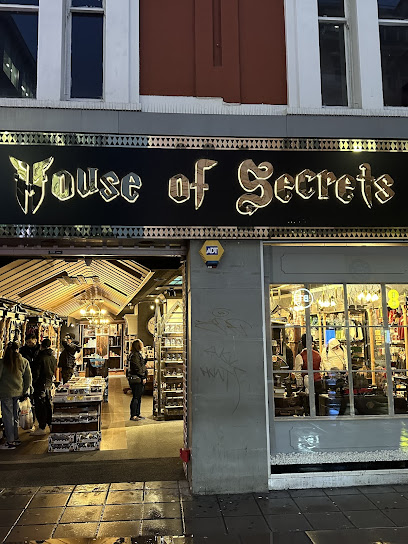
House of secrets
1.5 km
Step into House of Secrets on Oxford Street and discover a magical world of Harry Potter collectibles and enchanting souvenirs in the heart of London.
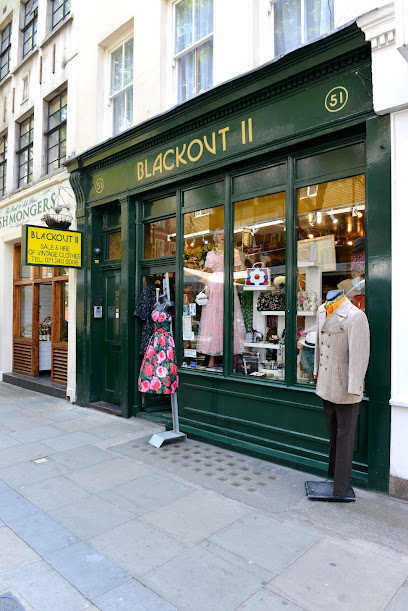
Blackout II - Vintage Clothing London
1.5 km
Discover timeless vintage fashion treasures from the 1920s to the 1980s in Covent Garden’s iconic Blackout II boutique.
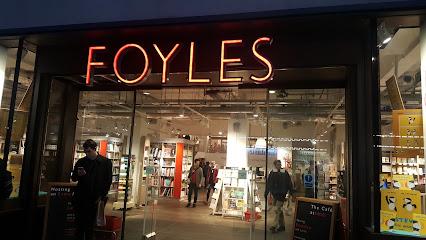
Foyles
1.5 km
London's legendary independent bookshop where literary heritage meets contemporary retail excellence.
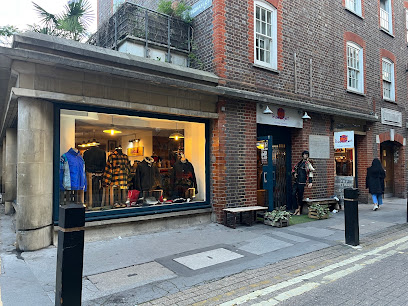
Pop Boutique
1.5 km
Discover authentic vintage fashion treasures from the 50s to 90s in a colorful, retro boutique at London’s vibrant Seven Dials.
Essential bars & hidden hideouts

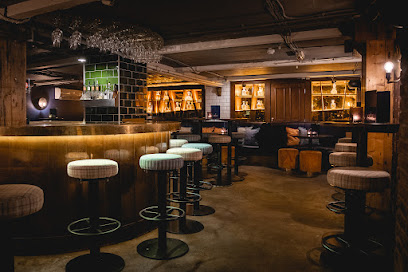
Cosy Cocktail Bar
0.2 km
A stylish speakeasy in King's Cross offering expertly crafted cocktails in a warm, intimate setting perfect for evenings and private events.
Fitz's Russell Sq.
0.7 km
Discover Fitz's Russell Square, a glamorous cocktail bar blending Victorian elegance with modern British cuisine in the heart of Bloomsbury.
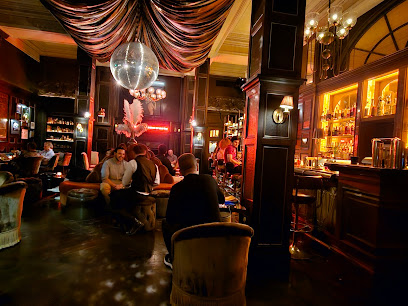
Simmons Bar | Kings Cross
0.7 km
A quirky, retro-inspired cocktail bar in Kings Cross with lively music, creative drinks, and unbeatable happy hour deals.
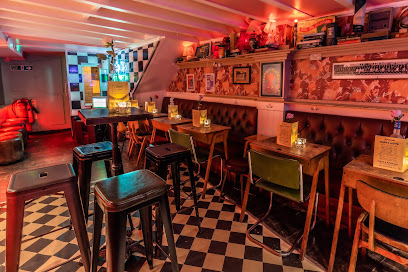
Spiritland
1.0 km
Immerse yourself in exceptional sound, creative cocktails, and a vibrant music culture at Spiritland King's Cross.
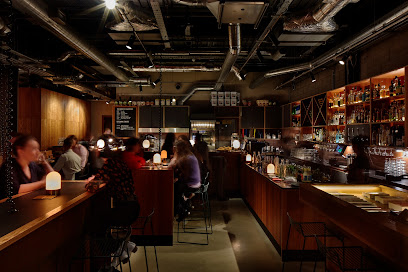
The Duke
1.1 km
A classic Bloomsbury pub offering warm hospitality, traditional drinks, and hearty British fare in a cozy setting.
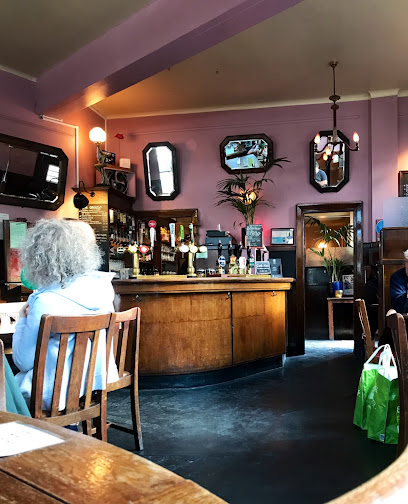
Be At One - Camden
1.1 km
Ignite your night with 100+ cocktails, 2-for-1 happy hours, and Camden's fiercest bartenders shaking up classics and wild inventions.
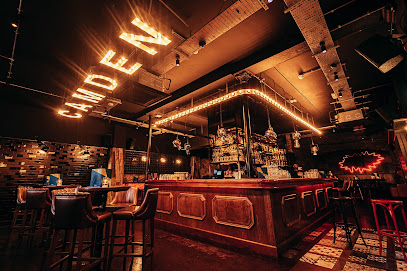
The Coral Room
1.2 km
Experience 1920s-inspired glamour and expertly crafted cocktails in the vibrant coral-hued heart of Bloomsbury Hotel.
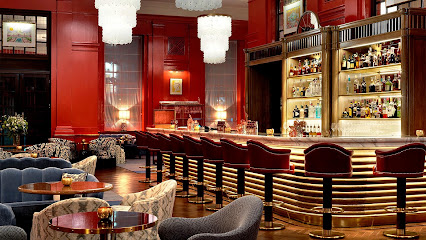
Camden Head
1.3 km
A Victorian‑charm pub on Camden High Street — hearty plates, rotating ales and comedy‑night energy that turns lively after dark.
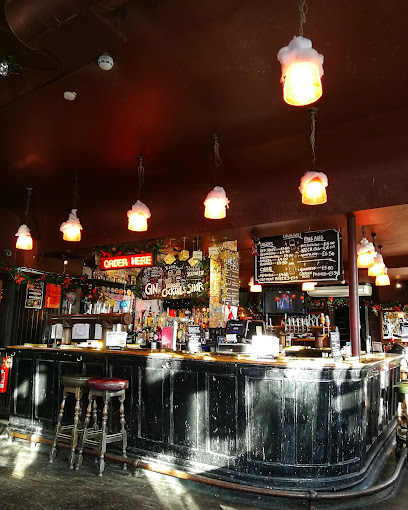
The Black Horse - Pub & Cocktail Bar
1.3 km
Experience the perfect blend of traditional pub charm and stylish cocktails in the heart of Soho’s vibrant nightlife.
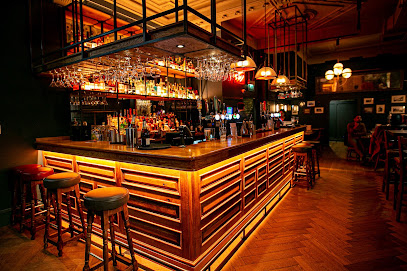
Princess Louise
1.3 km
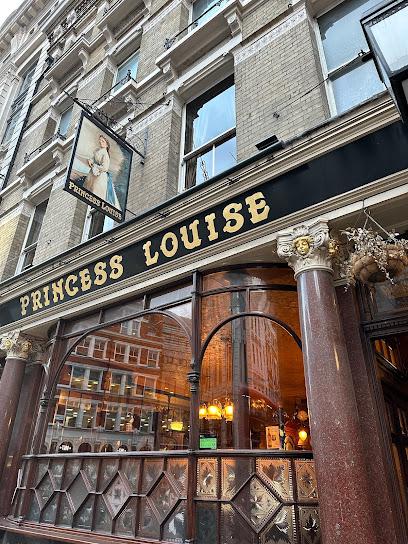
Step into the Princess Louise, a stunning Victorian gin palace in Holborn, where opulent interiors and rich history blend in a timeless London pub experience.
Punch Room
1.3 km
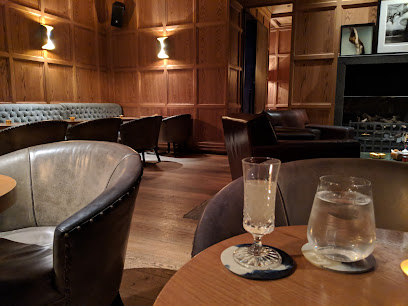
An exclusive Fitzrovia cocktail bar where historic punch traditions meet innovative craft mixology in a cozy, club-like setting.
NQ64 Soho
1.5 km
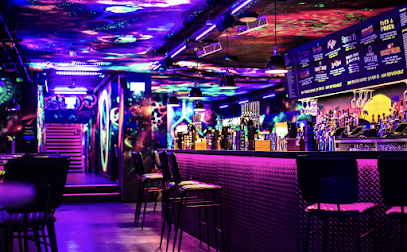
Dive into a neon-lit world of retro arcade games and themed cocktails in the heart of Soho’s vibrant nightlife scene.
The Nellie Dean
1.5 km
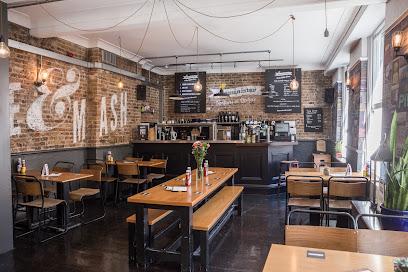
A classic Soho pub blending traditional charm with lively local spirit and renowned for hearty pies and well-kept ales.
The World's End
1.5 km
Camden’s legendary pub and live music venue blending rich history, vibrant nightlife, and authentic local spirit in the heart of London.
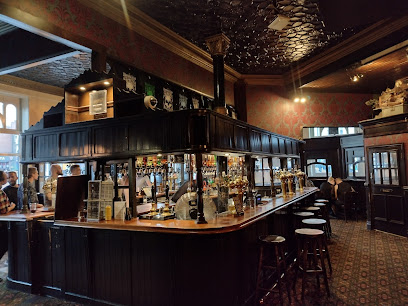
The Camden Eye
1.5 km
Experience the vibrant ambiance of The Camden Eye, a must-visit pub and restaurant in the heart of Camden, London, offering delicious food and lively events.
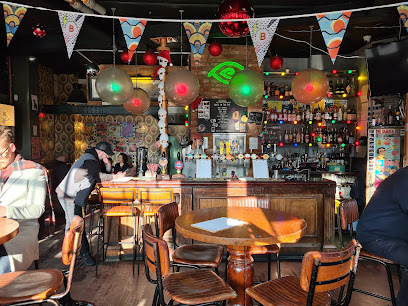
Nightclubs & after hour spots

Max's Other Flat
1.0 km
Discover a vibrant nightlife experience at Max's Other Flat, a must-visit nightclub in London offering electrifying music and unforgettable moments.
Club Swizzle
1.4 km
Dive into acrobatic cabaret mayhem at the Roundhouse: Swizzle Boys flip chairs, Reuben Kaye slays with wit, and the bar becomes your front-row thrill ride in Camden's hottest 2018 spectacle.
101 Nightclub London
1.5 km
Soho's raw Saturday night pulse: intimate beats, crowded floors, and unfiltered London club energy on Wardour Street.
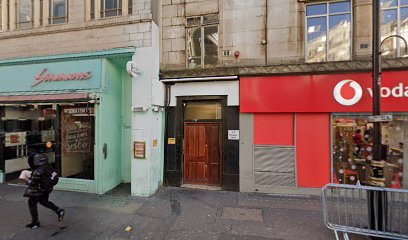
Bordello London
1.5 km
Dive into Soho's seductive basement beats at Bordello London, where Wardour Street's nightlife legacy ignites late-night frenzy on weekends.
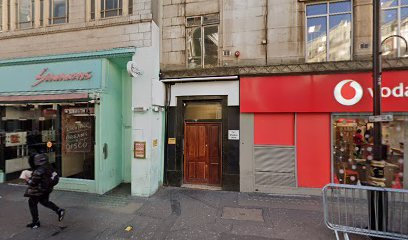
Bunga Bunga Covent Garden
1.5 km
A neon-soaked, pizza-and-karaoke supper club under Drury Lane — 90s nostalgia, stage shows and shareable Italian feasts.
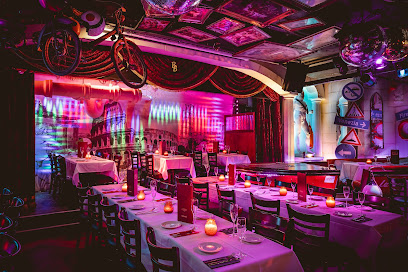
Soul City
1.5 km
A Saturday-night Camden basement party celebrating soul, disco and funk with DJ-led, record-minded sets in The Jazz Cafe’s atmospheric room.
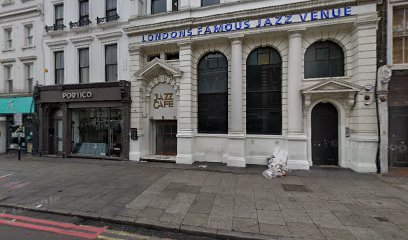
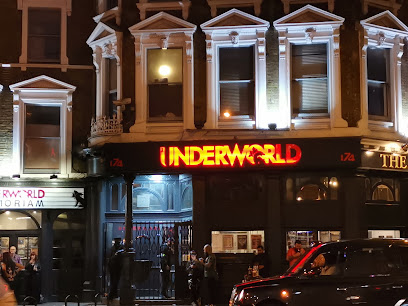
The Underworld
1.5 km
Dive into Camden's throbbing heart of rock and metal at this legendary basement club, where intimate gigs unleash mosh pits and unforgettable riffs.
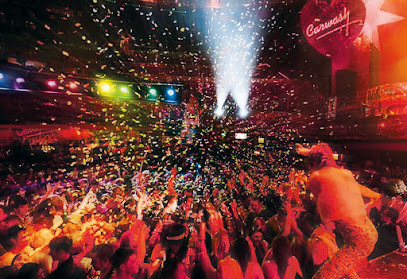
Carwash Nightclub
1.5 km
Experience Europe’s longest-running disco club in London’s West End, where retro beats, vibrant crowds, and themed parties create unforgettable nights.
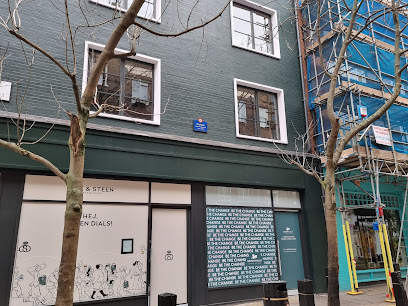
The Roxy
1.5 km
Soho's unbeatable happy hour cocktail bar by day, pulsing nightclub with live music and DJ nights till 3am—affordable vibes in London's nightlife heart.
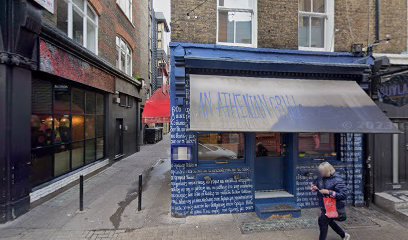
La Capannina Club
1.6 km
Discover Soho's discreet gentlemen's club: seductive stage shows, cosy vibes, and late-night allure in London's nightlife heart.
Egg London Nightclub
1.6 km
Experience marathon electronic music sessions in a converted Victorian warehouse with vibrant terraces and world-class DJs at Egg London Nightclub.
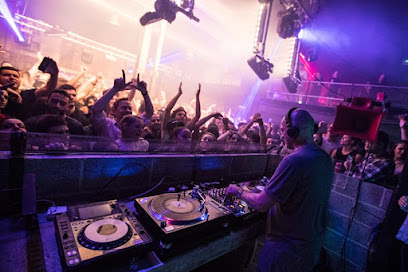
St Moritz Club
1.6 km
Soho's retro basement nightclub: 1960s vibes meet modern beats in an intimate, wood-paneled haven beneath a Swiss chalet restaurant.
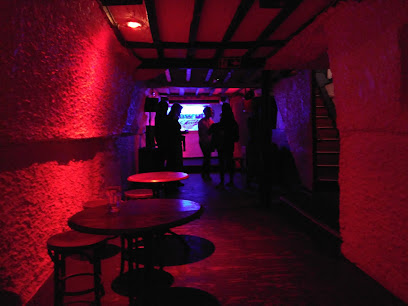
Club49Soho
1.6 km
Soho's stylish cocktail haven with DJ-fueled dancefloor energy, blending upscale drinks and classy nightlife vibes until 3am.
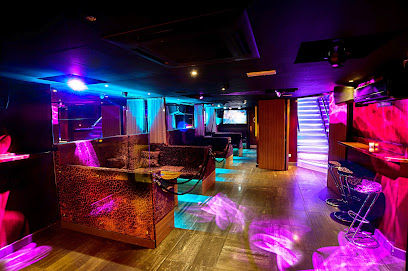
Electric Ballroom
1.6 km
A gritty, multi-level Camden music hall where loud live bands and club nights collide beneath theatrical lighting and raised balconies.
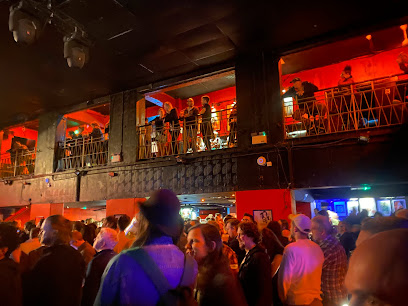
Comedy Carnival Covent Garden
1.6 km
London's premier stand-up comedy venue showcasing bold, award-winning international comedians in vibrant Covent Garden.

For the vibe & atmosphere seeker
- Tranquil
- Scenic
- Unique
- Casual
For the design and aesthetic lover
- Vintage Styles
- Art Deco Styles
For the architecture buff
- Historic
- Heritage Neighborhoods
For the view chaser and sunset hunter
- Iconic Views
For the social media creator & influencer
- Instagrammable
- Photo Spots
For the eco-conscious traveler
- Public-Transport Accessible
- Locally Managed
For the kind of experience you’re after
- Cultural Heritage
- Mindfulness
- Museum
For how adventurous you want the journey to be
- Easy Access
Location Audience
- Family Friendly
- Senior Friendly
- Child Friendly
- Teen Friendly
- Wheelchair Access
- Solo Friendly
- Couple Friendly
- Vegetarian Friendly
- Vegan Friendly


