
Primrose Hill: London's Historic Hilltop Sanctuary with Panoramic Views
A historic hilltop park in London offering breathtaking panoramic city views, Victorian charm, and a tranquil urban retreat.
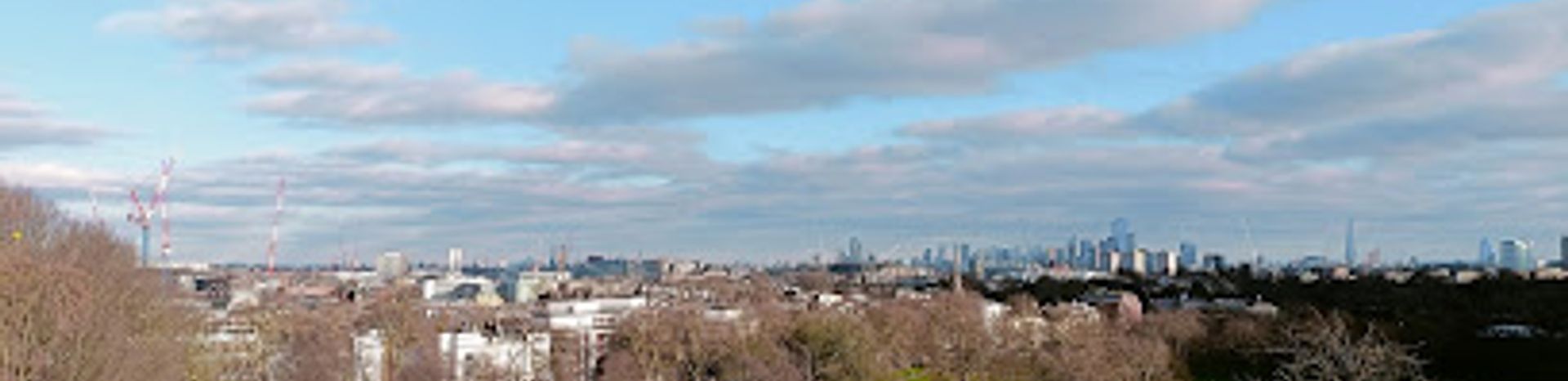
Primrose Hill is a charming, grassy hill in North London offering spectacular panoramic views of the London skyline from its 63-meter summit. Once royal hunting grounds appropriated by Henry VIII, it evolved into a beloved public park in 1842. Surrounded by elegant Victorian architecture and adjacent to Regent's Park and London Zoo, it is a tranquil urban escape renowned for its natural beauty, cultural heritage, and vibrant local atmosphere.
A brief summary to Primrose Hill
- Primrose Hill Rd, London, NW1 4NR, GB
- +443000612300
- Visit website
- Duration: 1 to 3 hours
- Free
-
 Outdoor
- Mobile reception: 5 out of 5
- Monday 6 am-10 pm
- Tuesday 6 am-10 pm
- Wednesday 6 am-10 pm
- Thursday 6 am-10 pm
- Friday 6 am-10 pm
- Saturday 6 am-10 pm
- Sunday 6 am-10 pm
Local tips
- Visit at sunrise or sunset for the most stunning views and softer light for photography.
- Bring a picnic to enjoy on the grassy slopes, a popular local pastime during warmer months.
- Explore the surrounding streets to admire Victorian architecture and spot English Heritage blue plaques.
- Check out the plaques at the summit to identify London landmarks visible from the hill.

For the on-the-go comforts that matter to you
- Restrooms
- Drink Options
- Food Options
- Seating Areas
- Trash Bins
- Information Boards
Getting There
-
Tube
Take the Northern Line to Chalk Farm Station, then enjoy a 15-minute walk along Regent's Park Road to reach Primrose Hill. The tube runs frequently, with a travel time from central London of about 15-25 minutes. Walking involves some gentle uphill sections. No additional cost beyond standard tube fare.
-
Bus
Bus routes 274 and 393 serve the area around Primrose Hill, with stops near Regent's Park Road. Travel times from central London vary between 25-40 minutes depending on traffic. Buses run regularly during the day but less frequently in the evening. Standard London bus fares apply.
-
Walking
From Camden Town, a 20-30 minute walk along Regent's Canal and through surrounding streets leads to Primrose Hill. The terrain is mostly flat with a gentle incline approaching the hill, suitable for most walkers. This route offers scenic urban views and access to local shops and cafes.
Primrose Hill location weather suitability
-
 Any Weather
-
 Clear Skies
-
 Mild Temperatures
-
 Rain / Wet Weather
Discover more about Primrose Hill
From Royal Hunting Grounds to Public Park
Primrose Hill's history stretches back to its origins as part of a dense forest known as the Forest of Middlesex, where wild oxen, boars, and deer roamed. During the 16th century, King Henry VIII appropriated the land as royal hunting grounds, a legacy that shaped its early character. After the fall of King Henry III, the forest was cleared, transforming the area into open meadows and fields. The hill’s name derives from the abundance of primrose flowers that blossomed here during Elizabethan times. In 1841, the Crown purchased Primrose Hill, and by 1842 it was officially opened to the public as a secure green space for the people of London, marking its transition from private royal land to a cherished urban park.Architectural and Cultural Surroundings
The area surrounding Primrose Hill is notable for its picturesque Victorian-era architecture, including white symmetrical houses, red brick terraces, and Italianate stuccoed villas painted in pastel shades. These buildings contribute to the hill’s distinctive village-like charm within the city. The neighborhood has long attracted artists, poets, and celebrities, with English Heritage blue plaques marking homes of notable residents such as Sylvia Plath and Dylan Thomas. The hill itself has witnessed historical events, including the founding of a Welsh bard community in 1792 and a mysterious 17th-century murder case that left a lasting mark on its lore.Unrivaled Views and Natural Ambience
At nearly 63 meters above sea level, Primrose Hill offers one of London’s six protected viewpoints. From its summit, visitors enjoy sweeping, nearly 360-degree panoramas of iconic landmarks such as The London Eye, The Shard, BT Tower, St Paul’s Cathedral, and the Palace of Westminster. The park’s trees are deliberately kept low to preserve these views, and plaques at the top help identify the city’s skyline features. The hill’s natural, gently sloping grassy banks invite picnickers, runners, dog walkers, and yoga practitioners, creating a lively yet peaceful atmosphere year-round.A Place of Reflection and Community
Beyond its scenic beauty, Primrose Hill holds a spiritual and contemplative aura, inspired by inscriptions such as William Blake’s carved words: “I have conversed with the spiritual Sun. I saw him on Primrose Hill.” The park has historically been a gathering place for community events and cultural celebrations. Its proximity to Regent’s Park, London Zoo, and Camden Market enriches the visitor experience, offering diverse leisure options nearby. The hill’s quiet charm provides a rare pocket of solitude within bustling London, cherished by locals and visitors alike.Seasonal Highlights and Visitor Experience
Primrose Hill is especially magical at sunrise and sunset when the sky paints the city in hues of pink and orange. It is a favored spot for watching London’s fireworks during Bonfire Night and New Year’s Eve. The hill’s open access 24/7 allows visitors to enjoy its ambience at any time, though the best experience is often during mild weather and clear skies. The surrounding streets, with their preserved historic character, offer delightful walks and opportunities to spot celebrity homes, adding a layer of intrigue to the visit.Integration with London’s Urban Fabric
Separated from Regent’s Park by Prince Albert Road and the London Zoo, Primrose Hill maintains an urban village vibe within the capital’s dynamic landscape. Its history, natural setting, and cultural significance make it a unique landmark blending green space with architectural heritage. The hill’s role as a protected viewpoint ensures that London’s skyline remains visible and celebrated from this elevated vantage point, preserving an iconic aspect of the city’s character for generations to come.Iconic landmarks you can’t miss

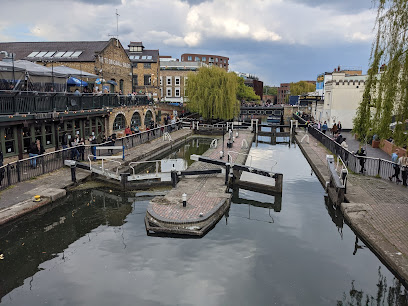
Iron Footbridge over Regent’s Canal (Camden)
1.0 km
Historic iron footbridge offering scenic canal views and vibrant access to Camden’s lively markets and cultural heart.
Hawley Street Art
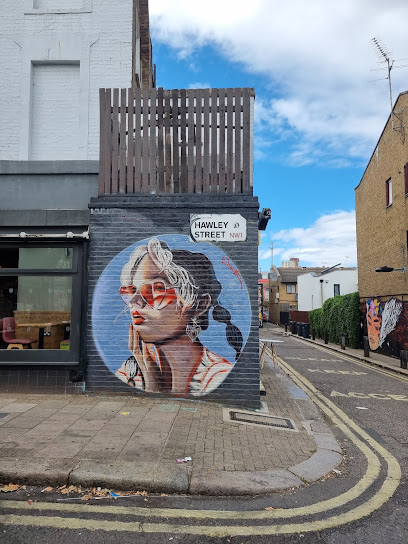
1.0 km
Discover Camden’s vibrant Hawley Street Art, a dynamic outdoor gallery celebrating creativity, culture, and iconic urban murals.
London Central Mosque
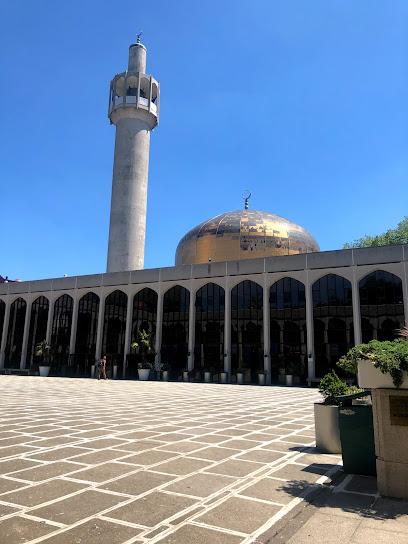
1.2 km
London's iconic Islamic cultural landmark blending spiritual tradition with modern community engagement.
5 Abbey Rd.
1.4 km
World’s oldest purpose-built recording studio and iconic Beatles landmark in London’s St John’s Wood.
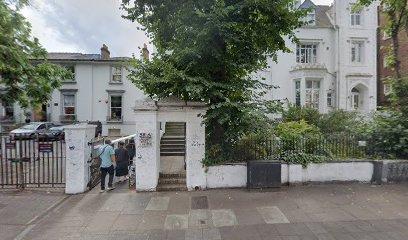
3 Abbey Rd.
1.5 km
World-famous recording studio in London where The Beatles and many legends crafted music history since 1931.
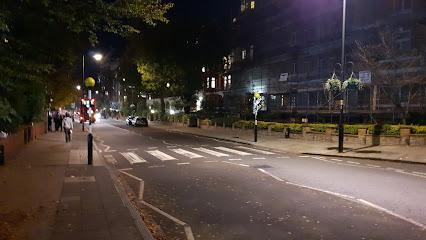
Fitzroy Square
2.4 km
Discover the serene beauty of Fitzroy Square, a historic garden square in London, where elegance meets tranquility amidst the city's vibrant energy.
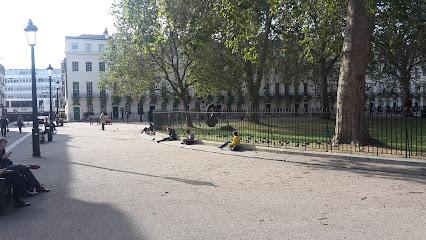
Euston War Memorial
2.4 km
A solemn 13-meter obelisk and bronze statues honor London’s railway workers who sacrificed their lives in World War I.
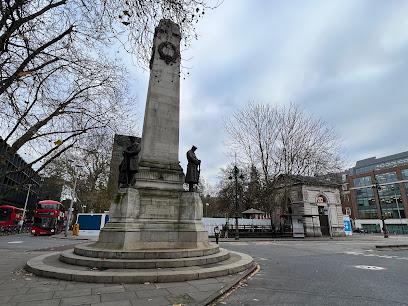
The Paddington Partnership
2.4 km
Experience the vibrant community and rich culture of Paddington through the initiatives of The Paddington Partnership, a hub for local engagement and development.
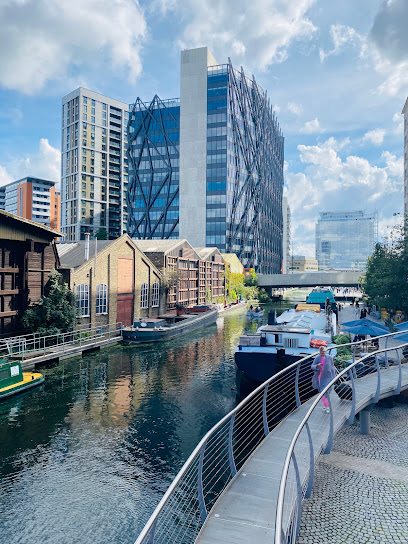
The Fan Bridge
2.4 km
Explore The Fan Bridge in Paddington Basin, London, a stunning architectural landmark offering unique views and a vibrant atmosphere for all visitors.
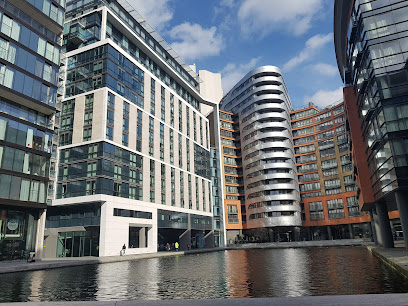
Montagu Square
2.5 km
Experience the serene charm of Montagu Square in London, a perfect blend of historic beauty and peaceful surroundings for every traveler.
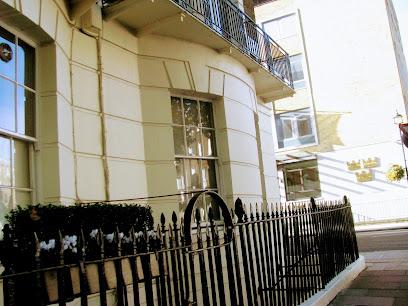
Paddington Basin
2.5 km
Explore the tranquil beauty of Paddington Basin, London's enchanting waterside destination filled with modern architecture and relaxing scenery.
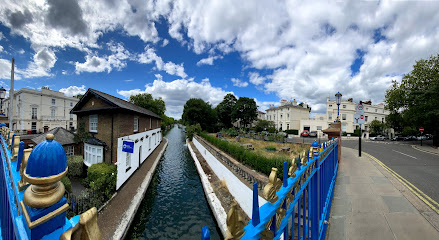
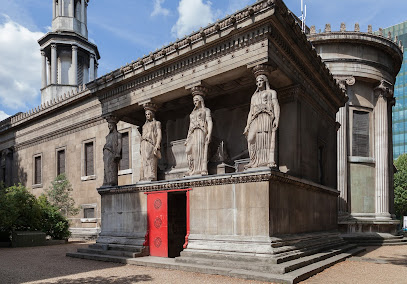
St Pancras New Church
2.5 km
A majestic Greek Revival church in London, blending ancient Athenian design with rich history and vibrant community life.
Former EMI House (Beatles album cover photo)
2.6 km
Where The Beatles' iconic Please Please Me album cover was photographed in 1963.
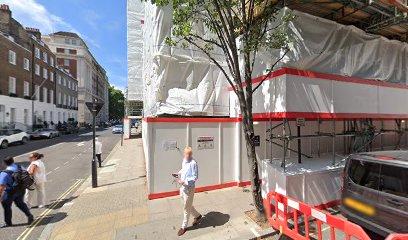
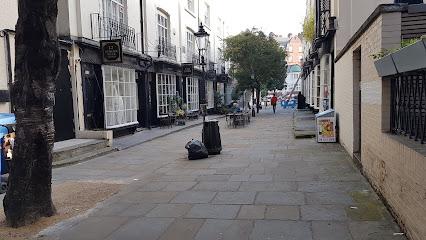
Woburn Walk
2.6 km
London's first pedestrianized shopping street, a beautifully preserved Regency gem in literary Bloomsbury.
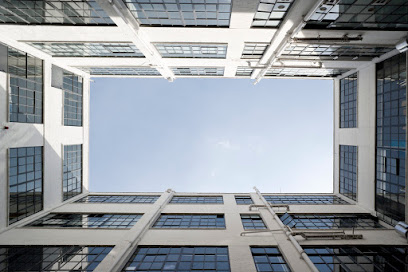
Middlesex House
2.7 km
Experience the blend of modern business and historical charm at Middlesex House in London, a vibrant hub for tourists and professionals alike.
Unmissable attractions to see

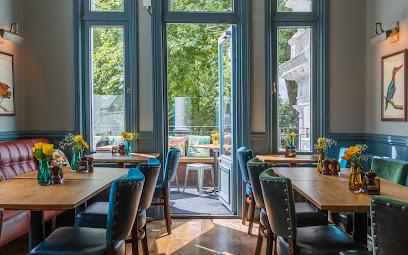
The Queens
0.2 km
Experience the heart of London at The Queens, a vibrant pub in Primrose Hill offering delicious food, craft drinks, and a welcoming atmosphere.
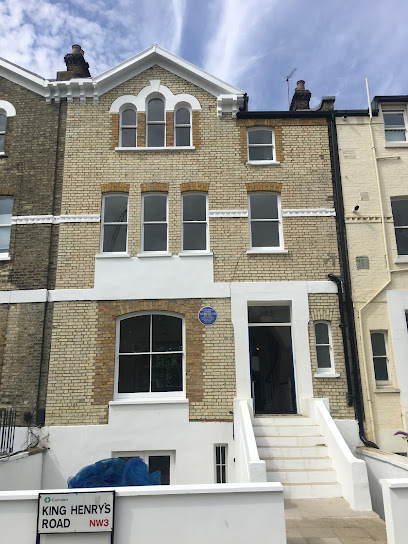
Dr. BR Ambedkar House
0.4 km
Explore the London home of Dr. BR Ambedkar, a global icon of social justice and architect of the Indian Constitution, now a memorial and museum.
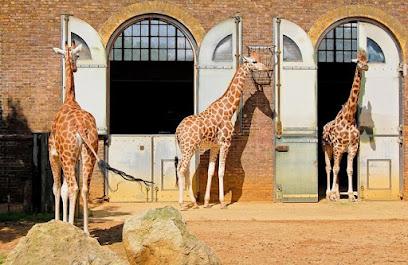
London Zoo
0.7 km
Discover London Zoo’s rich heritage, immersive habitats, and global conservation mission in the heart of Regent’s Park.
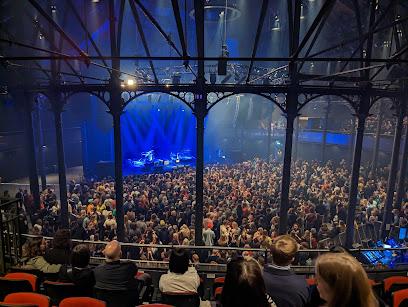
Roundhouse
0.7 km
A historic circular venue in Camden where iconic music legends and emerging artists share the stage in a vibrant cultural landmark.
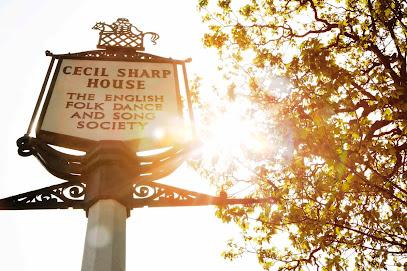
Cecil Sharp House
0.8 km
Discover the vibrant heart of English folk music and dance at Cecil Sharp House, a historic cultural centre in London.
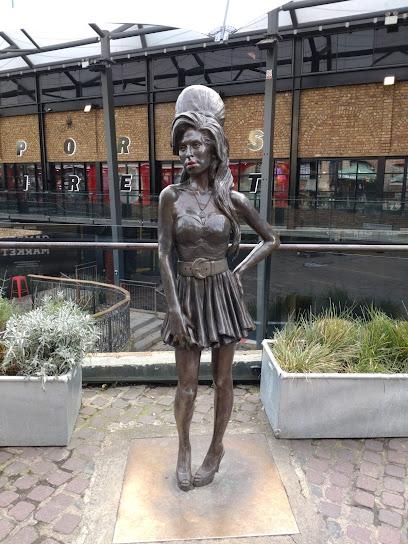
Amy Winehouse Statue
0.9 km
A heartfelt bronze tribute to Amy Winehouse in Camden, capturing the spirit of London’s iconic singer at the heart of her beloved neighborhood.
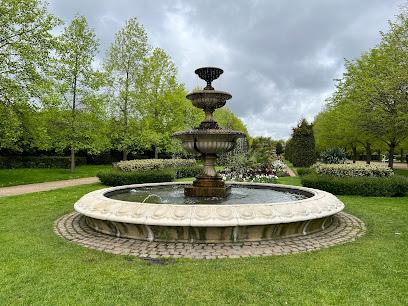
The Regent's Park
1.0 km
A grand Regency park in central London, with rose gardens, a boating lake, Primrose Hill views, and London Zoo, all within easy reach of the city centre.
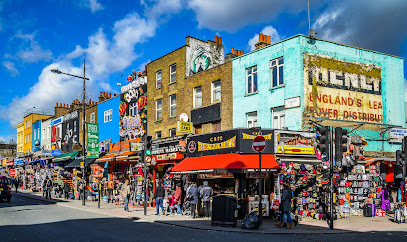
Camden Market
1.0 km
Explore Camden Market’s vibrant mix of vintage finds, global street food, and alternative culture in the heart of London’s iconic canal-side district.
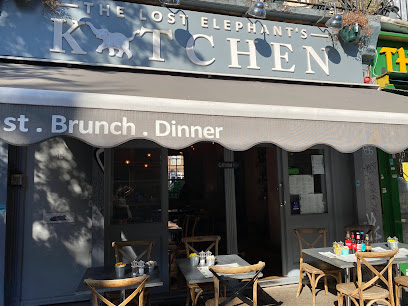
The Lost Elephant's Kitchen
1.0 km
A boutique bistro in Camden offering artisanal coffee, creative brunch, and a warm, story-rich atmosphere near Camden Market.
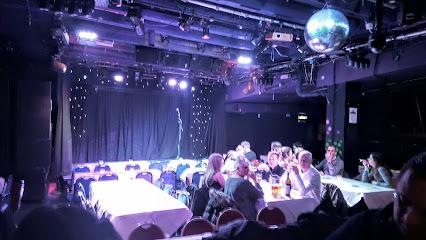
Jongleurs Comedy Club
1.1 km
Experience live stand-up comedy in the heart of Camden Lock’s vibrant nightlife at Jongleurs Comedy Club, London’s intimate comedy hotspot.
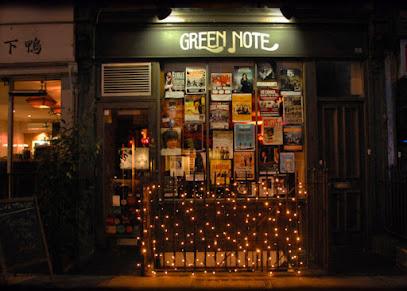
Green Note
1.1 km
An intimate Camden basement venue blending soulful live music with vibrant organic vegetarian cuisine in a cozy, bohemian setting.
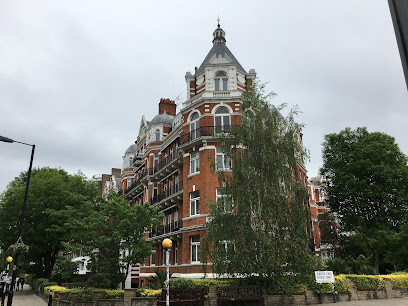
St. John's Wood
1.1 km
Elegant village charm meets iconic landmarks and green spaces just minutes from central London in St John's Wood.
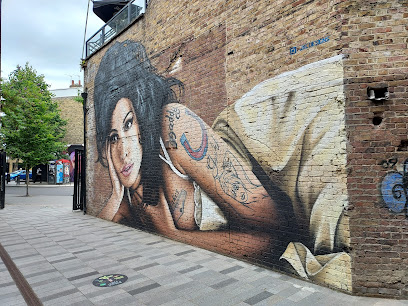
Amy Winehouse Mural by JXC.
1.1 km
A vibrant and soulful street art tribute to Amy Winehouse, capturing her spirit in the heart of Camden’s creative scene.
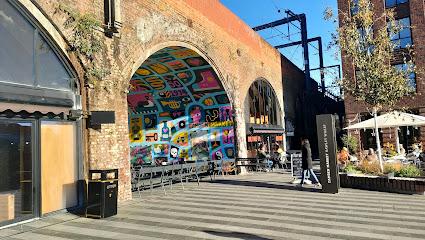
Camden Lock Market
1.1 km
London's legendary bohemian marketplace where 1,000+ independent vendors sell vintage fashion, global street food, and handmade treasures.
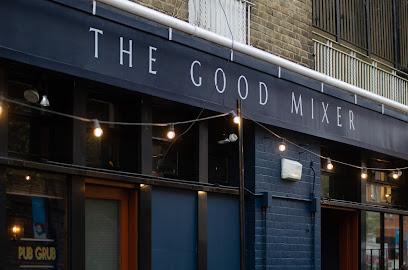
The Good Mixer
1.1 km
Camden's legendary Britpop haunt where music history was made and rivalries were born.
Essential places to dine

wagamama camden
1.1 km
Fresh Japanese-inspired dishes and vibrant communal dining in the heart of Camden’s eclectic market scene.
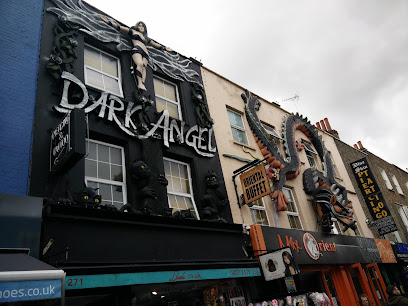
Mildreds Camden
1.1 km
Discover vibrant international vegan cuisine and lively atmosphere at Mildreds Camden, a cornerstone of London’s plant-based dining scene.
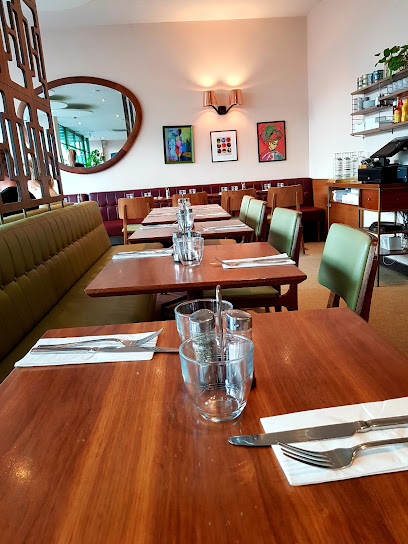
Rossopomodoro Camden
1.1 km
Experience authentic Neapolitan pizza and classic Italian dishes in the vibrant heart of Camden, London.
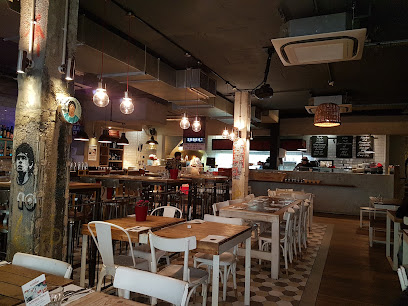
Jamon Jamon
1.1 km
Experience authentic Spanish tapas and vibrant Mediterranean flavors in a lively NW1 London setting with rustic charm and inviting atmosphere.
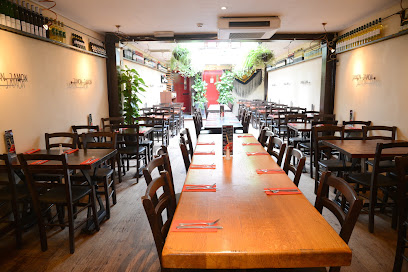
Laz @Camden
1.1 km
Discover authentic Turkish cuisine and warm hospitality in Camden’s cozy Laz restaurant, where tradition meets vibrant London vibes.
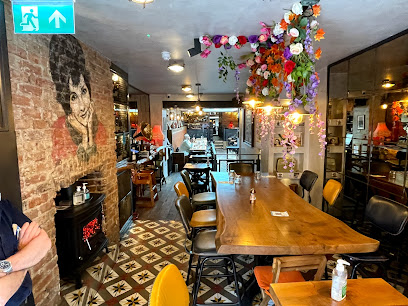
Goodfare Italian Restaurant
1.1 km
Cozy Camden Italian eatery serving authentic pizzas, pastas, and seafood with warm hospitality and a lively street-side vibe.
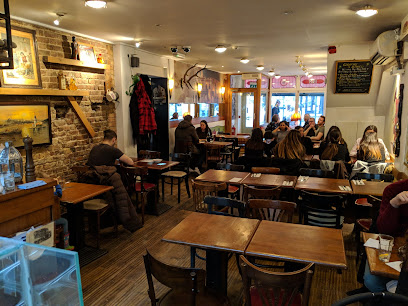
Il Sugo
1.4 km
A cozy family-run Italian restaurant in Camden serving hearty, authentic dishes with generous portions and warm hospitality.
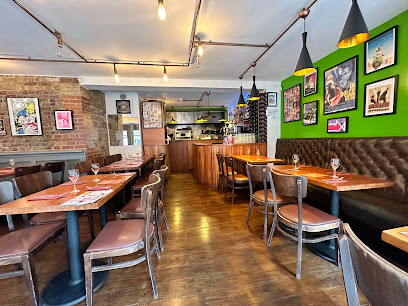
Daphne Restaurant
1.4 km
Authentic Greek-Cypriot dining in Camden with warm hospitality, cozy ambiance, and generously portioned traditional dishes.
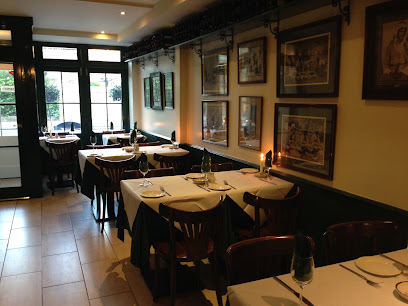
Frida Camden
1.5 km
Authentic Mexican cuisine with vibrant flavors and a lively atmosphere in the heart of Camden, London.
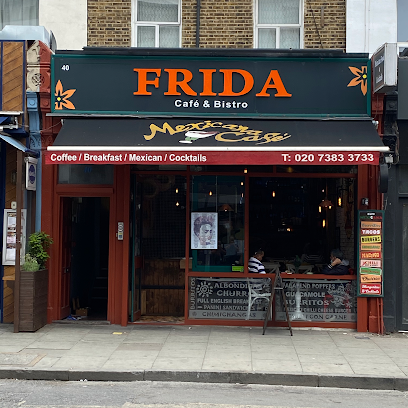
Alexander The Great Restaurant
1.5 km
Experience authentic Greek hospitality and generous Mediterranean flavors in the heart of Camden’s vibrant dining scene.
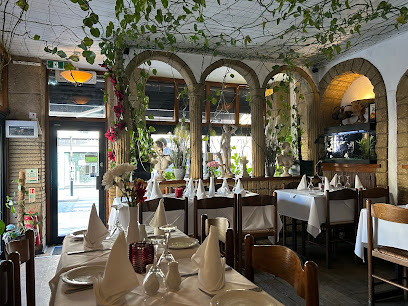
Portland
2.5 km
Michelin-starred modern European dining in Fitzrovia, blending seasonal British ingredients with refined, creative flavors in an intimate setting.
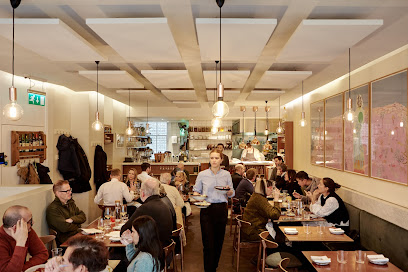
London Shell Co. - The Prince Regent
2.6 km
Savor exceptional British seafood aboard a charming canal barge cruising the historic Regent's Canal in Central London.
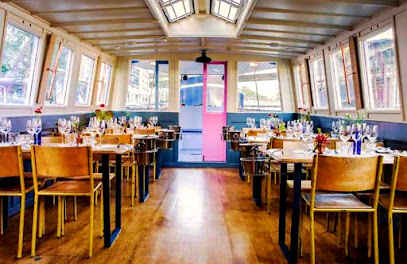
The Parcel Yard, King's Cross
2.6 km
A stylish, light‑filled pub in a historic King’s Cross goods depot, serving seasonal British classics and craft drinks just steps from Platform 9¾.
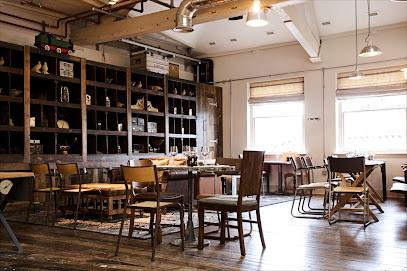
The Ninth
2.9 km
Michelin-starred modern French cuisine with Mediterranean flair in Fitzrovia’s chic and relaxed dining hotspot.
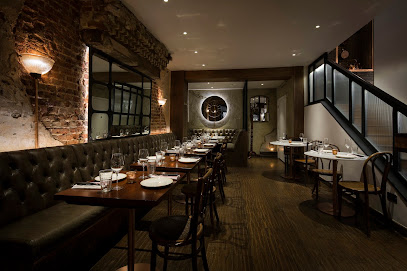
Apricity Restaurant
3.0 km
Sustainable fine dining in Mayfair blending seasonal British produce with innovative, low-waste culinary artistry.
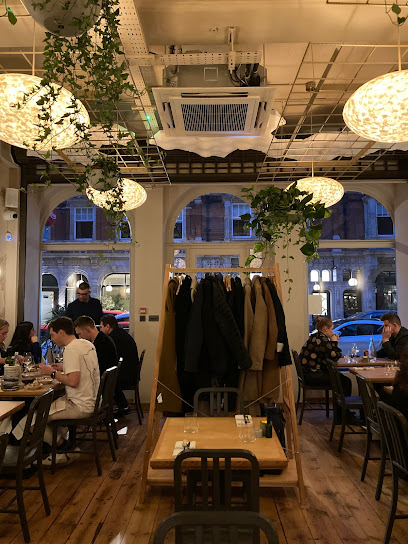
Markets, malls and hidden boutiques

Shop
0.9 km
A compact, ever-changing Camden Market shop serving eclectic vintage, designer finds and small-run curios in the Stables’ maze-like atmosphere.
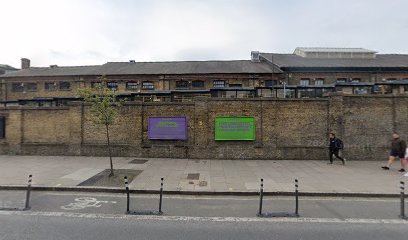
Zakka Camden
0.9 km
Discover artist-designed cushions and design-led gifts at this quirky Camden Market gem, blending Japanese zakka charm with London's creative pulse.

Cyberdog
1.0 km
Step into Cyberdog, Camden’s neon-lit rave shop where futuristic fashion meets pounding techno beats in a vibrant club-like setting.

Camden Threads - An online shop for the best independent brands and vintage boutiques
1.0 km
Discover curated vintage and indie fashion treasures in Camden Stables Market's historic heart – where retro meets rebellious style. (112 characters)
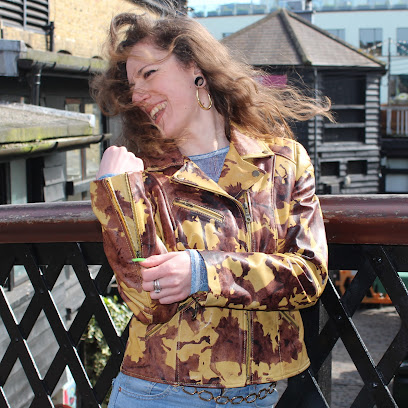
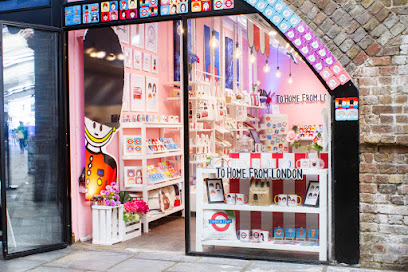
To Home From London
1.0 km
Camden's go-to for handcrafted London souvenirs: witty mugs, sturdy totes, and homewares that pack whimsy and quality into every piece.
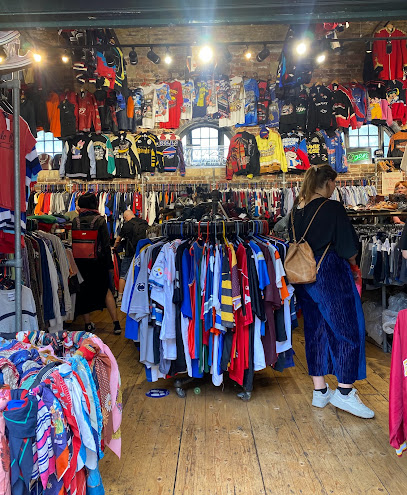
What Goes Around Comes Around
1.0 km
Dive into Camden's retro Americana vault at What Goes Around Comes Around, where vintage varsity jackets, Levi’s, and 80s tracksuits await in the Stables Market.
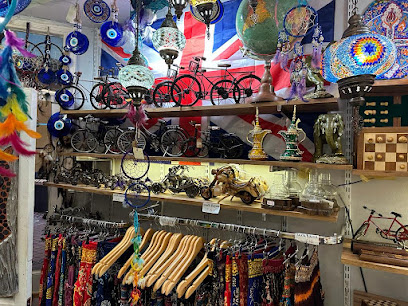
KESKIN GIFT
1.0 km
Discover handmade wonders at Keskin Gift, where Camden's craft spirit shines through chess sets, masks, and artisanal jewelry in the iconic Lock Market.
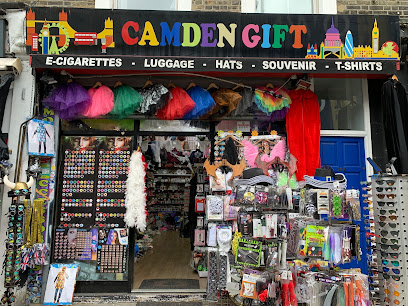
Camden Gift
1.1 km
Quirky Camden souvenirs, stylish gear, and luggage relief on vibrant Chalk Farm Road—a slice of alternative London in one eclectic stop.
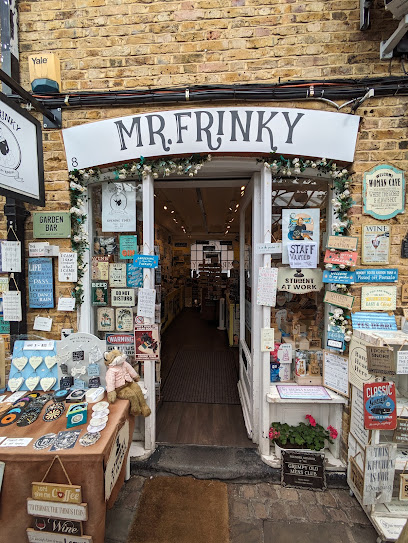
Mr Frinky
1.1 km
Compact, colourful and cheeky — a Camden Lock stall for witty signs, magnets and small‑batch souvenirs with retro flair.
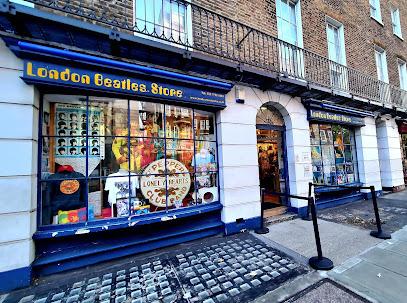
London Beatles Store
1.8 km
A vibrant Beatles memorabilia haven on Baker Street celebrating the timeless legacy of the Fab Four.
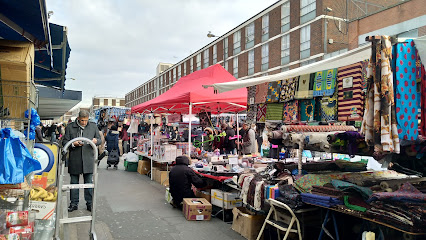
Church Street Market
1.9 km
A bustling multicultural market in Westminster offering fresh produce, antiques, street food, and vibrant local culture from Monday to Saturday.
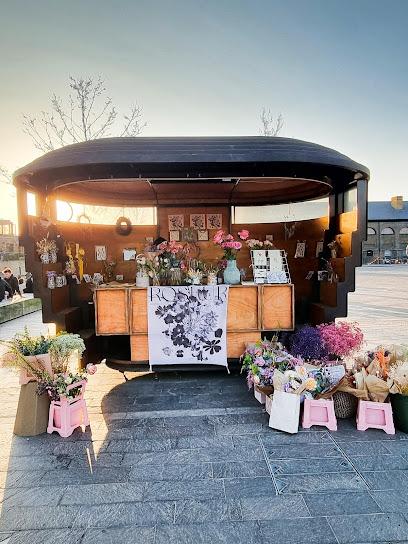
Coal Drops Yard
2.4 km
Where Victorian industrial heritage meets contemporary shopping and dining in the heart of King’s Cross.
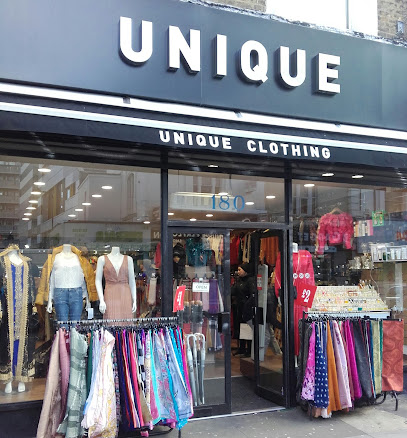
Unique London
2.5 km
A vibrant clothing boutique on Kilburn High Road, offering unique fashion finds and personal service in a diverse, lively London neighbourhood.
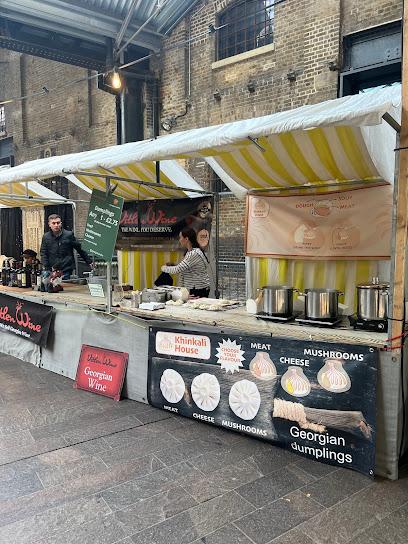
Canopy Market
2.6 km
Historic Victorian market hall reviving King's Cross with independent food, craft, and community every weekend.
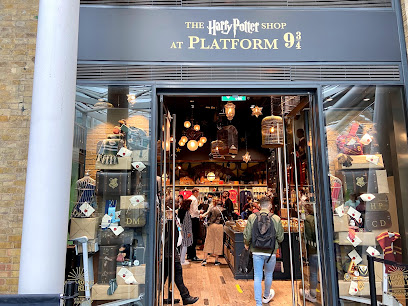
The Harry Potter Shop at Platform 9 ¾
2.7 km
Experience the magic of Harry Potter at The Harry Potter Shop at Platform 9 ¾ in London, a must-visit destination for fans and tourists alike.
Essential bars & hidden hideouts

All About Eve
1.0 km
1950s cocktail glamour meets Camden's karaoke chaos in this retro-inspired bar with inventive drinks and heated terrace vibes.
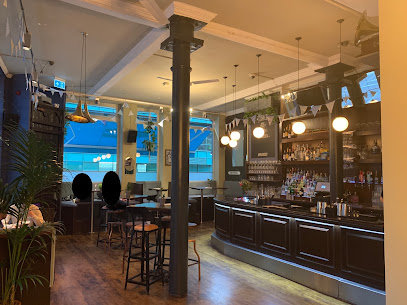
The Hawley Arms
1.1 km
Camden’s intimate music pub — cosy sofas, punters and live gigs in a scuffed, music-filled setting.
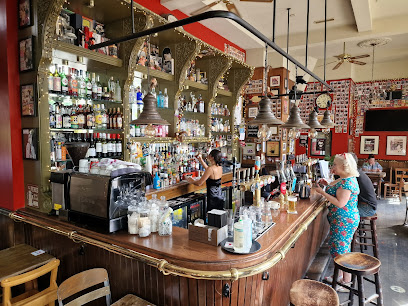
Canalside Bar
1.1 km
Sip cocktails by the Regent's Canal in King's Cross, where trendy lounge vibes meet waterside serenity in London's revitalized heart.
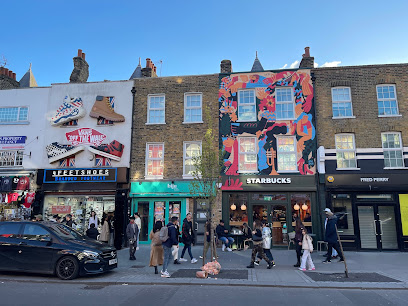
The Elephants Head
1.2 km
Scruffy Victorian boozer on Camden High Street: jukebox rock anthems, Full English feasts, and late-night singalongs in London's alternative epicenter.
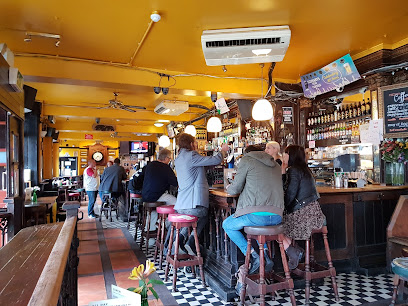
Bucks Head
1.2 km
Lively Camden pub with roof terrace views, pub grub, real ales, and festive vibes opposite Buck Street Market—perfect for soaking up the neighborhood's electric energy.
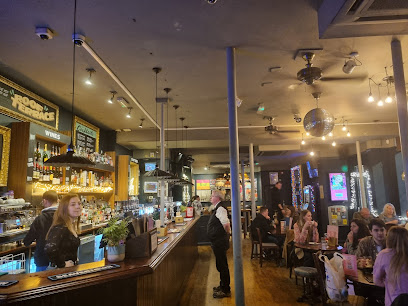
Simmons Bar | Camden Town
1.3 km
Neon-lit, budget-friendly cocktail bar in Camden with teapot cocktails, karaoke and a chaotic, retro-packed interior for groups and nights out.
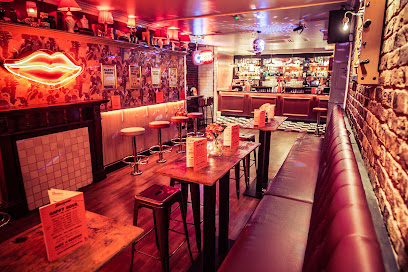
The World's End
1.3 km
Camden’s legendary pub and live music venue blending rich history, vibrant nightlife, and authentic local spirit in the heart of London.
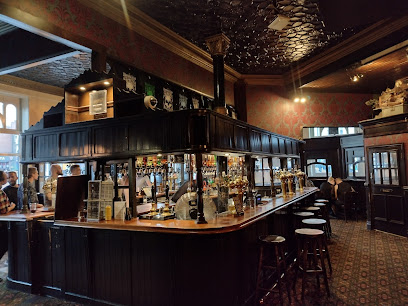
The Devonshire Arms
1.3 km
A cosy NW1 pub where grilled dishes and small rock gigs meet—intimate evenings, unpolished energy and classic pub bones in the heart of Kentish Town Road.
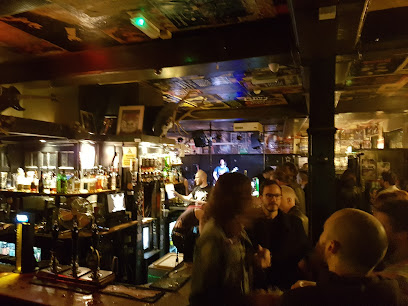
Camden Head
1.4 km
A Victorian‑charm pub on Camden High Street — hearty plates, rotating ales and comedy‑night energy that turns lively after dark.
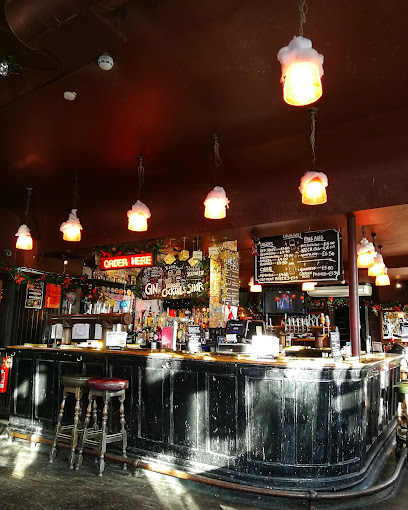
Be At One - Camden
1.5 km
Ignite your night with 100+ cocktails, 2-for-1 happy hours, and Camden's fiercest bartenders shaking up classics and wild inventions.
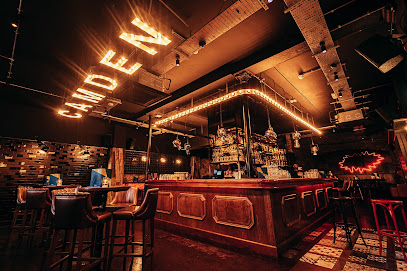
Sunlight Lounge
1.6 km
An intimate Camden Road lounge serving relaxed drinks in a softly lit, conversational setting for small groups and neighbourhood evenings.
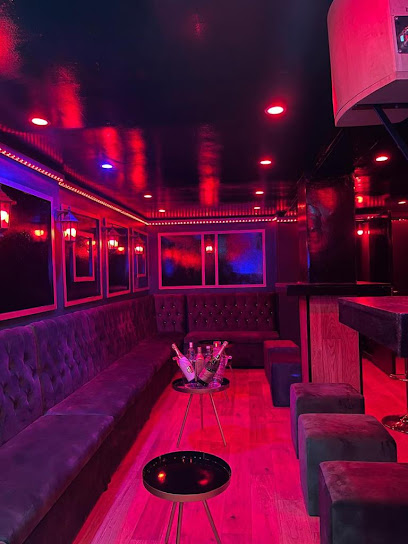
Cosy Cocktail Bar
2.4 km
A stylish speakeasy in King's Cross offering expertly crafted cocktails in a warm, intimate setting perfect for evenings and private events.
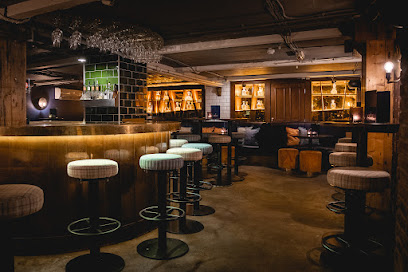
Purl London
2.4 km
Discover Purl London, a speakeasy-style cocktail bar in Marylebone offering expertly crafted drinks in a cozy vintage setting.
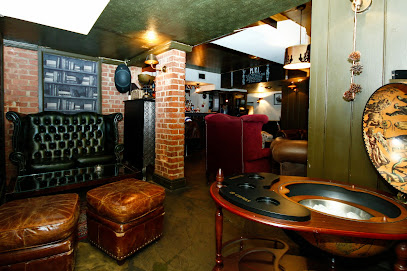
Spiritland
2.5 km
Immerse yourself in exceptional sound, creative cocktails, and a vibrant music culture at Spiritland King's Cross.
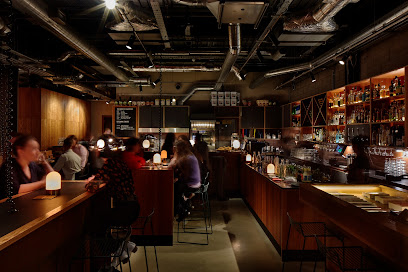
Bobby Fitzpatrick
2.5 km
Step into a vibrant 1970s-themed cocktail bar in West Hampstead, where expertly crafted rum drinks meet retro charm and playful culinary twists.
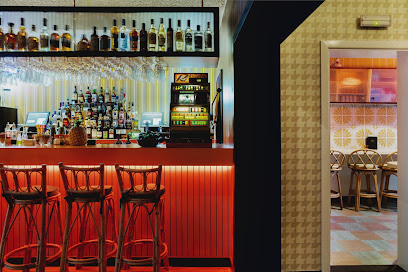
Nightclubs & after hour spots

Monster Queen
0.9 km
Dive into Camden's dark heart at Monster Queen: intimate club nights pulsing with goth electronica, historic vibes, and non-stop energy till dawn.

Club Stable
0.9 km
Historic Camden stables turned electrifying nightclub: dance in Victorian horse stalls amid live music, cabaret, and pulsing beats in London's nightlife epicenter.
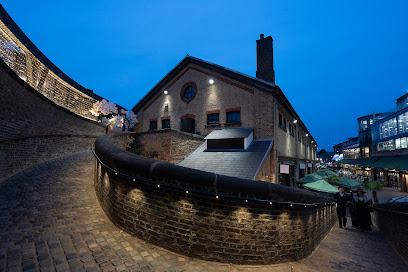
Lockside
1.0 km
Canal views, craft cocktails, and DJ-fueled nights atop Camden Market's vibrant West Yard—a daytime diner turned electric nightlife escape.
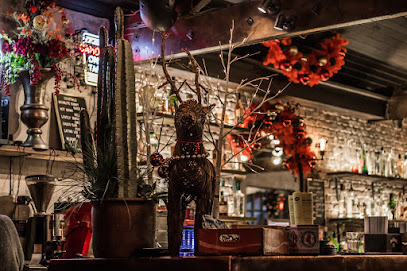
Club Swizzle
1.2 km
Dive into acrobatic cabaret mayhem at the Roundhouse: Swizzle Boys flip chairs, Reuben Kaye slays with wit, and the bar becomes your front-row thrill ride in Camden's hottest 2018 spectacle.
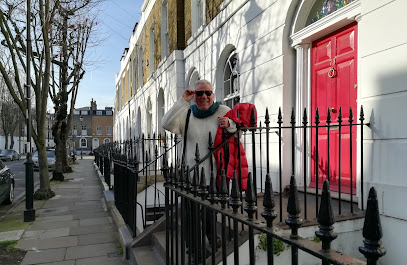
Soul City
1.2 km
A Saturday-night Camden basement party celebrating soul, disco and funk with DJ-led, record-minded sets in The Jazz Cafe’s atmospheric room.
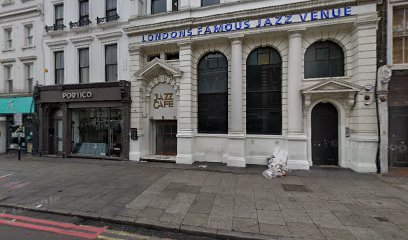
Max's Other Flat
1.5 km
Discover a vibrant nightlife experience at Max's Other Flat, a must-visit nightclub in London offering electrifying music and unforgettable moments.
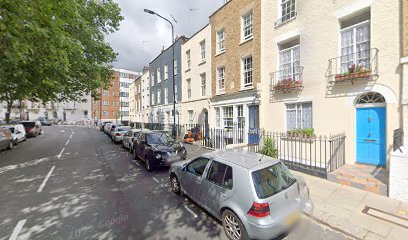
Egg London Nightclub
2.5 km
Experience marathon electronic music sessions in a converted Victorian warehouse with vibrant terraces and world-class DJs at Egg London Nightclub.

Carwash Nightclub
3.0 km
Europe's longest-running disco since 1989: sequins, funk beats, and joyful dancing in Mayfair's retro heart. Join the glitter-fueled party!
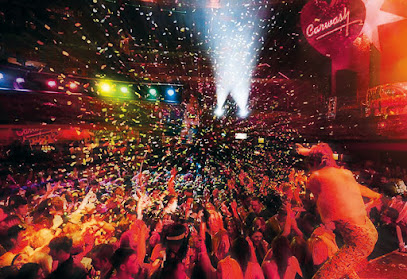
101 Nightclub London
3.2 km
Soho's raw Saturday night pulse: intimate beats, crowded floors, and unfiltered London club energy on Wardour Street.
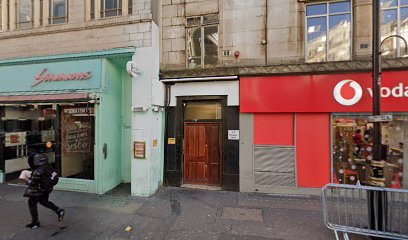
Bordello London
3.2 km
Dive into Soho's seductive basement beats at Bordello London, where Wardour Street's nightlife legacy ignites late-night frenzy on weekends.
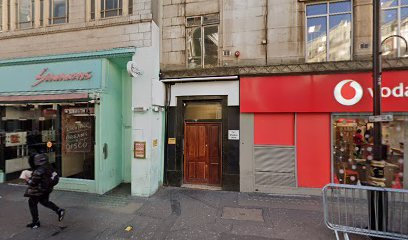
Privilege Entertainment Ltd
3.2 km
Discover the pulsating nightlife at Privilege Entertainment Ltd, London's premier entertainment agency and nightclub, where unforgettable experiences await.

St Moritz Club
3.3 km
Soho's retro basement nightclub: 1960s vibes meet modern beats in an intimate, wood-paneled haven beneath a Swiss chalet restaurant.
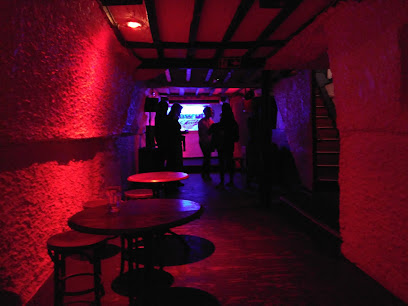
Sunset night club
3.3 km
Dive into Soho's electric nightlife at Sunset Night Club, where thumping beats, craft cocktails, and dawn-chasing energy define unforgettable nights in London's vibrant core.
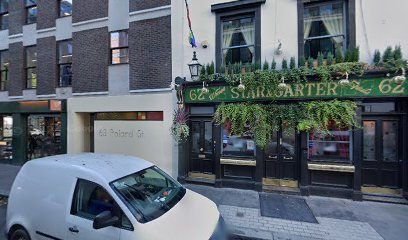
La Capannina Club
3.5 km
Discover Soho's discreet gentlemen's club: seductive stage shows, cosy vibes, and late-night allure in London's nightlife heart.
Club49Soho
3.5 km
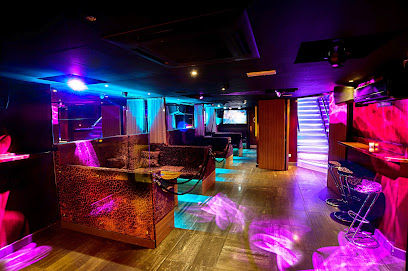
Soho's stylish cocktail haven with DJ-fueled dancefloor energy, blending upscale drinks and classy nightlife vibes until 3am.
For the vibe & atmosphere seeker
- Relaxing
- Tranquil
- Scenic
- Lively
- Unique
For the design and aesthetic lover
- Vintage Styles
- Colorful Aesthetics
For the architecture buff
- Historic
- Viewpoints
- Parks & Gardens
- Heritage Neighborhoods
For the view chaser and sunset hunter
- Iconic Views
- Panoramas
- Sunset Spots
For the social media creator & influencer
- Instagrammable
- Photo Spots
- Selfie Spots
- Aesthetic Corners
For the eco-conscious traveler
- Protected Area
- Public-Transport Accessible
- Locally Managed
- Leave-No-Trace Critical
For the kind of experience you’re after
- Cultural Heritage
- Photowalk
- Nature Escape
- Day Trip
- Weekend Getaway
- Myth & Legends
- Spiritual / Energy Spot
For how adventurous you want the journey to be
- Easy Access
Location Audience
- Family Friendly
- LGBT Friendly
- Senior Friendly
- Child Friendly
- Teen Friendly
- Wheelchair Access
- Pet Friendly
- Solo Friendly
- Couple Friendly
- Solo Female Friendly
- Vegetarian Friendly
- Vegan Friendly


