Syon House Travel Guide
Free Guide: Discover the rich Tudor history, Robert Adam’s neoclassical interiors, and Capability Brown’s sweeping landscapes at Syon House in Brentford.


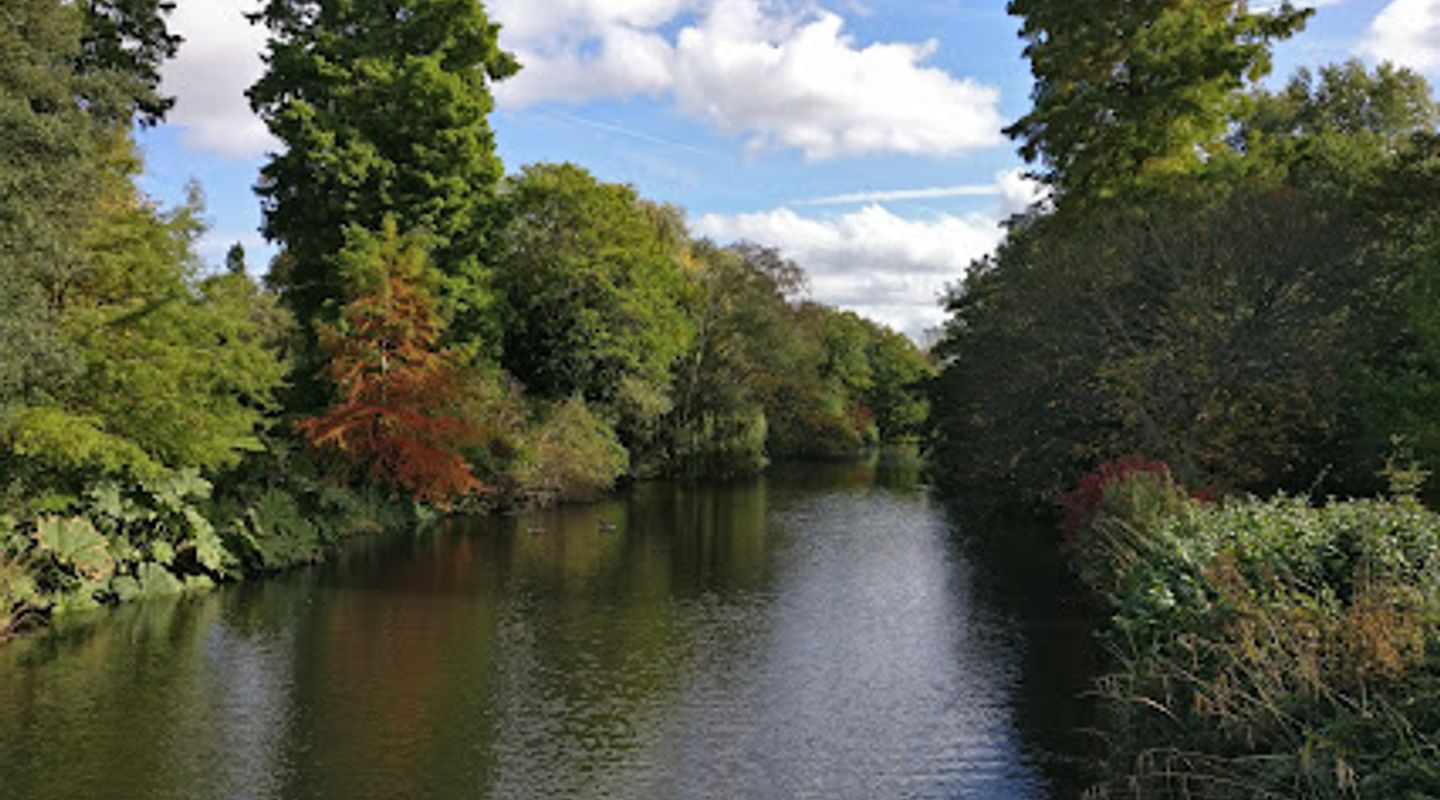
A brief summary of Syon House
Discover the rich Tudor history, Robert Adam’s neoclassical interiors, and Capability Brown’s sweeping landscapes at Syon House in Brentford.
Syon House, located in Brentford, West London, is a grand Tudor mansion built on the site of the medieval Syon Abbey. Owned by the Percy family since 1594, it features exquisite 18th-century interiors designed by Robert Adam and expansive landscaped grounds by Capability Brown. With a rich history intertwined with English royalty and dramatic events, Syon House offers visitors a unique glimpse into aristocratic life, classical architecture, and serene parkland bordering the Thames.
On-site amenities
 Restrooms
 Drink options
 Food options
 Seating areas
 Information boards
 Visitor centre
Opening hours
- MonClosed
- TueClosed
- Wed10:30 am–4:30 pm
- Thu10:30 am–4:30 pm
- FriClosed
- SatClosed
- Sun10:30 am–4:30 pm
Opening hours as listed on the venue’s Google Business Profile. Hours can change for services and special events, so check with the venue before you go.
- Address
- Syon Park, Brentford TW8 8JF
- Phone
- Website
Getting there
Rail and Bus Combination
London Underground and Bus
Walking from Nearby Stations
Discover more about Syon House
Origins and Tudor Legacy
Syon House stands on the historic site of Syon Abbey, a wealthy Bridgettine monastery founded in 1415 by Henry V and relocated here in 1431. The abbey was notable for housing both monks and nuns and was one of England’s richest nunneries. Its closure in 1539 during Henry VIII’s Dissolution of the Monasteries marked a dramatic turning point. The estate briefly became Crown property before Edward Seymour, Duke of Somerset, acquired it and rebuilt the site as a grand Italian Renaissance-style house between 1547 and 1552. The house witnessed significant Tudor history, including Catherine Howard’s imprisonment and Lady Jane Grey’s brief reign, who was offered the crown within its Long Gallery.
Architectural Evolution and Robert Adam’s Influence
In the 18th century, Hugh Percy, 1st Duke of Northumberland, commissioned the renowned architect Robert Adam to remodel Syon House’s interiors. Beginning in 1762, Adam introduced neoclassical designs inspired by ancient Greece and Rome, creating some of the finest classical interiors in Britain. His work includes ornate state rooms with Corinthian columns, marble statues, and intricate plaster ceilings. While Adam planned a central rotunda for the courtyard, it was never realized due to cost. The house’s exterior was later clad in Bath stone, and features such as the porte cochere and the Percy Lion atop the east front were added in the 19th century.
Gardens and Landscape by Capability Brown
Complementing the architectural grandeur, the landscape designer Lancelot 'Capability' Brown transformed the formal gardens into sweeping English parkland. His design replaced rigid geometric layouts with open vistas, tranquil lakes, and rare tree collections, creating a naturalistic setting that borders the River Thames. The estate’s 200-acre park and 30-acre gardens provide a peaceful retreat with scenic walking paths and abundant wildlife, enhancing the historic house’s majestic presence.
Historical Significance and Notable Residents
Syon House has been home to the Percy family since 1594, witnessing centuries of British history. It served as a royal residence, a hospital during both World Wars, and a cultural hub. The house contains portraits of Stuart royalty and the Percy lineage, including works by Sir Peter Lely and Anthony van Dyck. The State Dining Room and Red Drawing Room showcase the family’s rich heritage and artistic patronage. The house also holds connections to North American history through the Percy family’s involvement in colonial affairs.
Public Access and Visitor Experience
Opened to the public in 1951, Syon House offers visitors access to three floors of historic interiors, including family rooms and richly decorated state bedrooms. Guided tours provide insights into the house’s history, architecture, and art collections. The Great Conservatory, built in the 1820s, displays exotic plants under a delicate cast-iron and glass structure. The surrounding parkland invites leisurely walks, wildlife spotting, and quiet contemplation in a setting that feels far removed from central London.
Modern Enhancements and Conservation
The Percy family continues to maintain and enhance Syon House, including recent additions like a new central courtyard. Conservation efforts preserve the house’s Grade I listed status and its historic gardens. The estate balances public access with private residence, ensuring that Syon House remains a living monument to English heritage and aristocratic culture.
Evendo Review Centre
 Google
Guest reviews
Best time to go
Quietest: Jan, Feb & Dec · before 8am or from 8pm
Busy times are Evendo estimates for a typical year, to help you plan. Actual crowds vary with events, school holidays and the weather.
Explore Syon House on the map
A handpicked selection of must-see spots near Syon House, mapped for you.
Get your free copy of our complete guide to Syon House, delivered straight to you.
Everything on this page, from opening hours and how to get there to Eve’s tips and the best time to go, in one PDF you can read offline, print or share.
Already have an account? Sign in
Your Syon House guide is ready.
We'll send it to · Not you? Sign out

Getting your guide ready…
We are putting together a fresh copy of the Syon House guide. This can take up to a minute.
This can take a few moments. If your browser asks, choose Allow so the download can start. You'll find the guide in your Downloads folder.
Nothing happened? Download it again
Sorry, the guide is taking longer than usual. Please try again in a minute, or get it by email instead.
Other nearby places you may find interesting
The closest places of the same kind, if this one is not quite what you had in mind.
-
-
-
-
-


Swipe for more places
More to explore near Syon House

 Best experiences near Syon House
 Best hotels near Syon House
 Best landmarks near Syon House
 Best attractions near Syon House
 Best shops near Syon House
 Best restaurants near Syon House
 Best bars near Syon House
Do you manage this location?
Take control to get all the benefits, like improved information, better appearance, and stronger visibility across AI-powered discovery.
Explore more
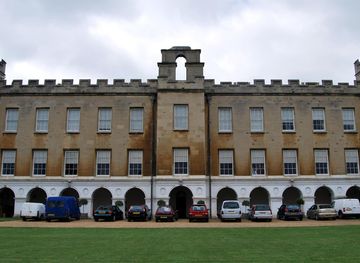
Explore more of Middlesex
Discover Middlesex: A blend of historic charm and modern excitement, offering scenic beauty, cultural events, and easy access to London.
Explore Middlesex
Explore more of United Kingdom
Discover the United Kingdom: A blend of rich history, stunning landscapes, and vibrant cities, offering a unique travel experience for every visitor.
Explore United Kingdom