

Soho (London) Travel Guide - Free
Explore Soho in London with Evendo's free guide. Find the best shops, historic streets, restaurants, and gems on web or mobile.


Soho London blends Georgian streets, music history, independent restaurants, theatres, LGBTQ+ culture and lively shopping around Carnaby Street and Berwick Street.
A Compact Historic Quarter
Soho occupies a tightly defined patch of central London between Oxford Street, Regent Street, Charing Cross Road and Shaftesbury Avenue. Its streets are compact, busy and layered, with Georgian terraces, narrow lanes, small squares and commercial frontages revealing a history far more varied than its fashionable present suggests. Soho Square provides a leafy pause at the neighbourhood’s centre, while Old Compton Street, Dean Street, Frith Street and Greek Street carry much of its distinctive energy.Read more about Soho
From Bohemia to Contemporary London
Streets for Browsing and Wandering
Best attractions in Soho
Soho’s attractions are concentrated in its streets and small public spaces rather than in a single monumental complex. Soho Square, laid out in the 17th century, provides a rare garden at the centre of the district, while nearby Greek Street, Frith Street and Dean Street preserve the area’s Georgian scale and layered commercial history. Berwick Street Market combines everyday produce and prepared food with one of Soho’s most recognisable street scenes. Carnaby offers a more retail-focused experience, with pedestrianised lanes, fashion shops, cafés and reminders of its association with 1960s London style. Music lovers can attend jazz at Ronnie Scott’s, while the surrounding theatres and smaller performance venues extend towards Shaftesbury Avenue. Old Compton Street is important for understanding Soho’s LGBTQ+ identity, with longstanding bars, cafés and community associations forming part of the neighbourhood’s social landscape.
-
Tourist attraction
Churchill War Rooms
Step into the secret underground bunker where Winston Churchill directed WWII and explore the preserved Cabinet War Rooms and Churchill Museum in London.
17 min walk · 1.4 km from neighbourhood centre
-
Park and Garden
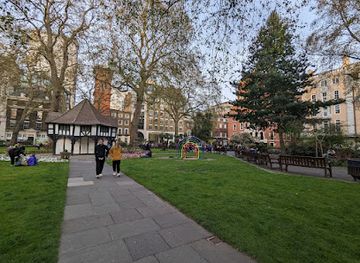
Soho Square Gardens
A serene historic garden square in the heart of Soho, blending royal heritage with tranquil green space and vibrant cultural life.
5 min walk · 0.4 km from neighbourhood centre
-
Art gallery
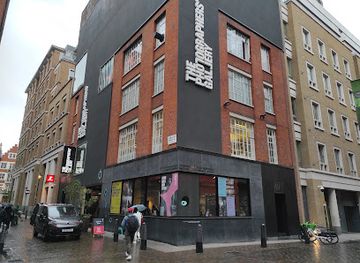
The Photographers' Gallery
London's premier gallery dedicated exclusively to photography, showcasing diverse exhibitions and celebrating 100 years of photographic innovation.
3 min walk · 0.2 km from neighbourhood centre
-
Park and Garden
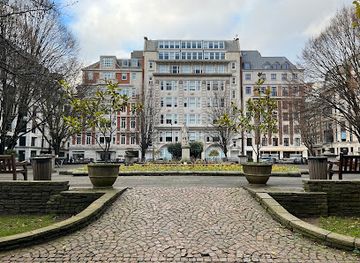
Golden Square
Golden Square: A serene historic garden square blending aristocratic legacy with Soho’s creative pulse in central London.
3 min walk · 0.2 km from neighbourhood centre

Explore Soho on the map
A handpicked selection of must-see spots in Soho, mapped for you.
Best hotels in Soho
Best restaurants in Soho
Soho’s dining culture reflects its long history as a mixed, international and late-opening central district. Italian, French, Greek and other European influences remain visible alongside contemporary restaurants, small cafés, bakeries, wine bars and specialist food shops. Frith Street, Dean Street, Greek Street and Old Compton Street provide some of the neighbourhood’s clearest concentrations of places to eat, while Berwick Street Market adds a more informal daytime option through prepared food and produce stalls. The area ranges from long-established restaurants and traditional trattorie to modern counter dining and small, reservation-led rooms, with theatre audiences and local workers shaping demand. Chinatown lies immediately to the south and is often visited from Soho, but it is best understood as a neighbouring cultural and dining district rather than folded uncritically into every description of Soho.
-
Steak
Blacklock Soho
A vibrant Soho basement chophouse serving exceptional grass-fed steaks and chops in a lively, rustic setting with unbeatable value.
3 min walk · 0.2 km from neighbourhood centre
-
Mediterranean
NOPI
Experience vibrant Mediterranean and Middle Eastern flavors in Soho at NOPI, Ottolenghi’s innovative restaurant known for shareable, seasonal dishes.
3 min walk · 0.2 km from neighbourhood centre
-
French
Bob Bob Ricard Soho
Experience glamorous Soho dining with decadent Anglo-Russian cuisine and the iconic ‘Press for Champagne’ button at Bob Bob Ricard.
2 min walk · 0.2 km from neighbourhood centre
-
Indian
Kricket Soho
Discover bold, modern Indian small plates in a lively Soho setting with an open kitchen and vibrant basement dining.
4 min walk · 0.3 km from neighbourhood centre


Best bars in Soho
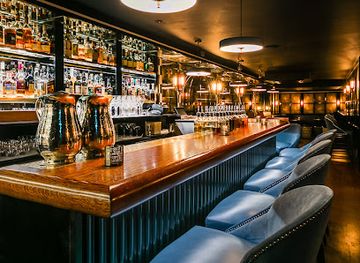
Soho remains one of central London’s most varied evening districts, combining traditional pubs, cocktail bars, LGBTQ+ venues, live music rooms, comedy spaces and theatres. Old Compton Street is strongly associated with the neighbourhood’s LGBTQ+ nightlife, while Frith Street and Dean Street connect dining with late-evening bars and established entertainment venues. Ronnie Scott’s gives Soho an important place in London’s jazz history, and smaller rooms across the area support comedy, cabaret and live performance. The atmosphere changes street by street: some premises are energetic and crowded, while nearby residential lanes become noticeably quieter. Large clubbing destinations are less characteristic of Soho than intimate venues, theatre-going and bar-hopping, so visitors should check entry arrangements and event details directly.
-
Cocktail bar
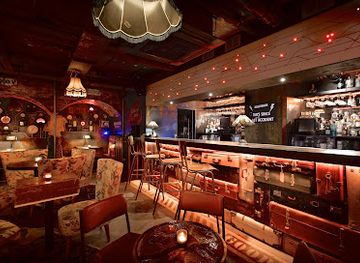
Cahoots London
Relive 1940s Blitz spirit in a hidden tube station speakeasy: vintage cocktails, live swing, and wartime whimsy in vibrant Carnaby.
2 min walk · 0.2 km from neighbourhood centre
-
Cocktail bar
Simmons Bar | Soho
Soho's kitsch cocktail den with epic happy hours, retro karaoke vibes, and two floors of nostalgic nightlife fun.
5 min walk · 0.4 km from neighbourhood centre
-
Cocktail bar
Bar Soho
A theatrical two‑floor cocktail bar on Old Compton Street — daytime drinks and late‑night DJs for dancing, private hire and people‑watching in the heart of Soho.
5 min walk · 0.4 km from neighbourhood centre
-
Cocktail bar
Swift Soho
Soho's split-level cocktail gem: aperitivo elegance upstairs, whisky-laced intimacy below, with live jazz and legendary mixes drawing night owls to Old Compton Street.
6 min walk · 0.4 km from neighbourhood centre


Best nightclubs in Soho
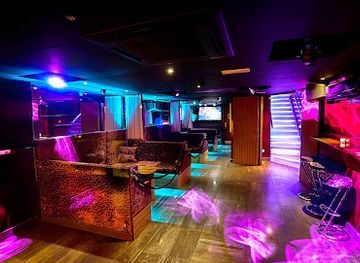
Soho remains one of central London’s most varied evening districts, combining traditional pubs, cocktail bars, LGBTQ+ venues, live music rooms, comedy spaces and theatres. Old Compton Street is strongly associated with the neighbourhood’s LGBTQ+ nightlife, while Frith Street and Dean Street connect dining with late-evening bars and established entertainment venues. Ronnie Scott’s gives Soho an important place in London’s jazz history, and smaller rooms across the area support comedy, cabaret and live performance. The atmosphere changes street by street: some premises are energetic and crowded, while nearby residential lanes become noticeably quieter. Large clubbing destinations are less characteristic of Soho than intimate venues, theatre-going and bar-hopping, so visitors should check entry arrangements and event details directly.
-
Nightclub
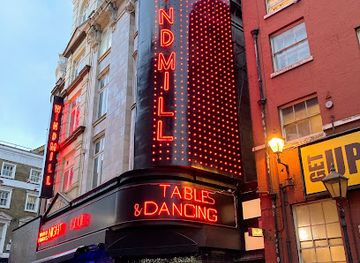
The Windmill Soho | Restaurant, Cabaret & Nightclub in Soho, London
Soho's legendary cabaret den revived: burlesque bites, theatrical feasts, and all-night beats in a historic hotspot of hedonism.
4 min walk · 0.3 km from neighbourhood centre
-
Nightclub
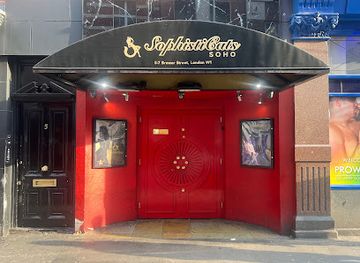
Sophisticats Soho
An intimate, late‑night Soho gentlemen’s club on Brewer Street offering staged performances, VIP seating and an upmarket, discreet atmosphere.
3 min walk · 0.2 km from neighbourhood centre
-
Nightclub
Club49Soho
Soho's stylish cocktail haven with DJ-fueled dancefloor energy, blending upscale drinks and classy nightlife vibes until 3am.
5 min walk · 0.4 km from neighbourhood centre
-
Nightclub
The Box Soho
A clandestine Soho cabaret where decadent staging, provocative shows and high‑end cocktails collide in an intense late‑night theatre.
3 min walk · 0.2 km from neighbourhood centre
Best shops in Soho
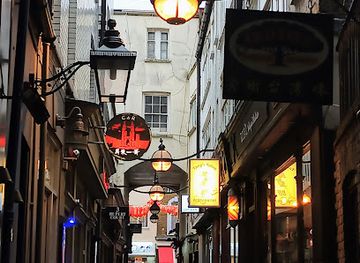
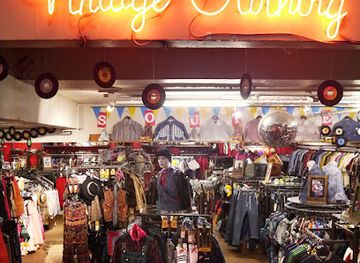
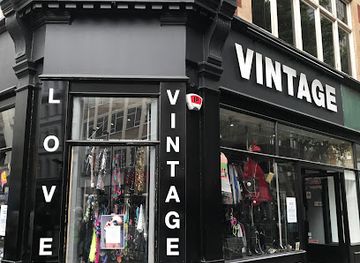
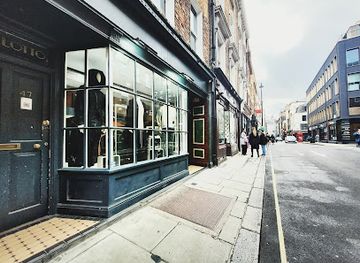
Shopping in Soho ranges from the designed retail environment of Carnaby to small independent businesses scattered through older streets. Carnaby’s pedestrianised lanes are associated with fashion, beauty, lifestyle brands, cafés and the area’s continuing connection with London style, while Berwick Street combines market stalls with cafés, specialist food businesses and nearby independent shops. Around Brewer Street, Wardour Street and Poland Street, visitors will find a changing mixture of fashion, design, music-related and contemporary retail, although individual businesses change more quickly than the historic street pattern. The neighbourhood is not a traditional department-store district; its appeal lies in the contrast between curated retail areas and small premises embedded in converted Georgian buildings. For a broader shopping circuit, Oxford Street and Regent Street sit directly along Soho’s northern and western edges.
-
Vintage Clothing Shop
Beyond Retro Soho
Dive into Soho's ultimate vintage vault: two floors of era-spanning fashion, weekly drops, and pop-up vibes for the preloved obsessed.
5 min walk · 0.4 km from neighbourhood centre
-
Vintage Clothing Shop
Goldsmith Vintage
Iconic Soho vintage shop since 1990: two floors of handpicked retro dresses, blazers, bags & accessories from decades past, with sales from £10.95.
6 min walk · 0.5 km from neighbourhood centre
-
Boutique
Machine-A
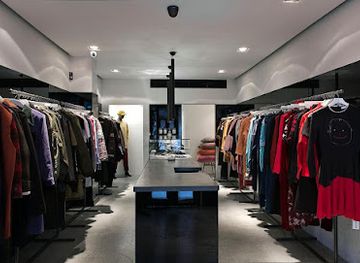
Small but influential Soho boutique showcasing curated avant‑garde and emerging fashion with gallery‑like presentation.
3 min walk · 0.2 km from neighbourhood centre
-
Men's Clothes Shop
CLOSET CASE SOHO LONDON
Discover avant-garde menswear from global designers in Soho's vibrant heart – unique finds for the bold dresser at Closet Case.
3 min walk · 0.2 km from neighbourhood centre
Soho essentials
Getting There
Getting Around
Safety
Emergency Situations
Do's and Don'ts
Local Tips

From Eve
Local phrases worth knowing
You don't need to get them perfect. A few words go a long way, and locals appreciate the effort.
Basics
| English | Local | Say it |
|---|---|---|
| Hello | Alright | [al-right] |
| Goodbye | Ta-ra | [ta-ra] |
| Yes | Aye | [aye] |
| No | Nah | [nah] |
| Please/You're welcome | Cheers | [cheers] |
| Thank you | Cheers, mate | [cheers, mate] |
| Excuse me/Sorry | Sorry, love | [sorry, love] |
| How are you? | You alright? | [you al-right?] |
| Fine. And you? | Not bad. You? | [not bad. you?] |
| Do you speak English? | You speak English? | [you speak English?] |
| I don't understand | I ain't got a scooby | [I ain't got a scooby] |
Eating & Drinking
| English | Local | Say it |
|---|---|---|
| I'd like to see the menu, please | Let's have a butcher's at the menu, mate | [let's have a butcher's at the menu, mate] |
| I don't eat meat | I'm veggie, mate | [I'm veggie, mate] |
| Cheers! | Cheers! | [cheers!] |
| I would like to pay, please | Stick it on the bill, mate | [stick it on the bill, mate] |
Emergencies
| English | Local | Say it |
|---|---|---|
| Help! | Help! | [help!] |
| Go away! | Clear off! | [clear off!] |
| Call the Police! | Get the Bill on the blower! | [get the Bill on the blower!] |
| Call a doctor! | Get a quack round here! | [get a quack round here!] |
| I'm lost | I'm all over the shop | [I'm all over the shop] |
| I'm ill | I'm feeling rough | [I'm feeling rough] |
Shopping
| English | Local | Say it |
|---|---|---|
| I'd like to buy... | I'm after... | [I'm after...] |
| I'm just looking | Just browsing, mate | [just browsing, mate] |
| How much is it? | How much is that? | [how much is that?] |
| That's too expensive | That's a bit steep, mate | [that's a bit steep, mate] |
| Can you lower the price? | Can you do it cheaper? | [can you do it cheaper?] |
Time & Numbers
| English | Local | Say it |
|---|---|---|
| What time is it? | What's the time? | [what's the time?] |
| It's one o'clock | It's one o'clock | [it's one o'clock] |
| Half past (10) | Half ten | [half ten] |
| Morning | Morning | [morning] |
| Afternoon | Afternoon | [afternoon] |
| Evening | Evening | [evening] |
| Yesterday | Yesterday | [yesterday] |
| Today | Today | [today] |
| Tomorrow | Tomorrow | [tomorrow] |
| 1 | One | [one] |
| 2 | Two | [two] |
| 3 | Three | [three] |
| 4 | Four | [four] |
| 5 | Five | [five] |
| 6 | Six | [six] |
| 7 | Seven | [seven] |
| 8 | Eight | [eight] |
| 9 | Nine | [nine] |
| 10 | Ten | [ten] |
Transport & Directions
| English | Local | Say it |
|---|---|---|
| Where's a/the...? | Where's the...? | [where's the...?] |
| What's the address? | What's the gaff? | [what's the gaff?] |
| Can you show me (on the map)? | Can you point it out? | [can you point it out?] |
| When's the next (bus)? | When's the next bus? | [when's the next bus?] |
| A ticket (to ....) | A ticket to ... | [a ticket to ...] |
History of Soho
Fields on the Edge of Westminster
Before urbanisation, the area now called Soho was open ground beyond the denser parts of Westminster, associated with fields, hedgerows and recreation. The name is commonly linked to the hunting cry “So-ho”, although its precise origin remains debated. The Crown began developing the land after the Restoration, and the district’s early layout emerged through streets and squares planned for fashionable residential use. Soho Square, originally laid out as King Square in the 17th century, remains the clearest surviving expression of that planned expansion. Its central garden recalls the area’s transition from peripheral fields to an urban quarter.
Georgian Streets and Mixed Residents
During the 18th century, Soho filled with terraces, workshops, inns and businesses serving a growing central London population. Unlike more socially uniform residential developments, it became a mixed district containing affluent residents, artisans, tradespeople and immigrant communities. French Protestant refugees, Italians, Greeks and others contributed to the area’s commercial and cultural life, particularly through food, craft and hospitality. The surviving Georgian street pattern around Greek Street, Frith Street, Dean Street and Soho Square reflects this period, although many buildings have since acquired shopfronts, offices, restaurants and entertainment uses.
Markets, Printing and Food Culture
Soho’s central position encouraged a dense mixture of commerce and small-scale industry during the 19th and early 20th centuries. Berwick Street Market, established in the 18th century, helped make the district a place of everyday shopping as well as specialist trade. Printing, publishing, tailoring, furniture making and food businesses occupied premises close to homes and entertainment venues. Immigrant-run restaurants and delicatessens strengthened Soho’s reputation for international food, while the surrounding theatres drew workers and audiences. This combination of production, retail and sociability gave the neighbourhood a more informal character than its Georgian architecture might suggest.
Bohemian Soho and the Music Years
After the Second World War, Soho became strongly associated with writers, artists, musicians, filmmakers and nightlife. Jazz clubs, coffee bars, restaurants and recording activity brought international performers and a new cultural audience to streets that had already supported theatres and publishers. Ronnie Scott’s, founded in Soho in 1959, became a major part of the district’s jazz history. The neighbourhood also developed a more controversial reputation through its sex industry and late-night businesses, alongside celebrated restaurants and creative workplaces. These overlapping uses, rather than any single scene, shaped the image of Soho in post-war London.
LGBTQ+ Visibility and Urban Change
From the late 20th century onwards, Soho became one of London’s most visible LGBTQ+ districts, particularly around Old Compton Street, with bars, cafés, community activity and public celebrations contributing to its social identity. At the same time, rising central-London property values, changing licensing patterns and redevelopment altered the balance between small businesses, offices, nightlife and housing. Carnaby’s shift towards fashion, food and lifestyle retail added another layer to the neighbourhood’s commercial identity. Soho today retains traces of its bohemian, immigrant, theatrical and LGBTQ+ histories while operating within one of the capital’s most intensively used central areas.
Soho in Photos
Browse through our photo collection highlighting the charm and character of the destination.
Neighbourhoods near Soho
The closest neighbourhoods to Soho, if you have time for more than one stop.
-

-

-

-

-


Swipe for more neighbourhoods
Explore more

Explore more of London
London combines royal landmarks, world-class museums, historic neighbourhoods, theatre, markets and diverse dining along the River Thames for rich urban exploration.
Explore London