
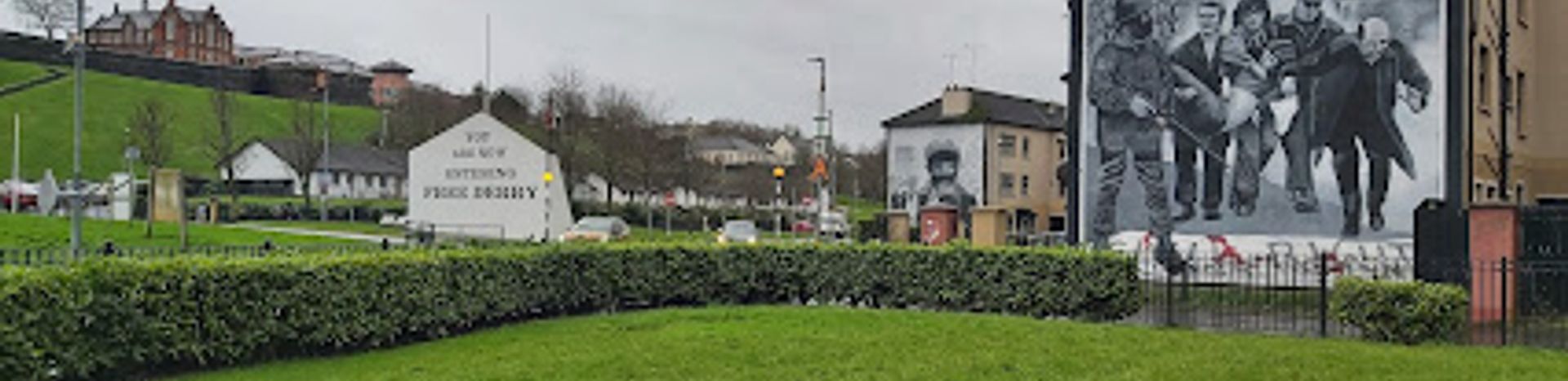
Bloody Sunday Monument, Derry
A solemn granite obelisk in Derry commemorating the 14 unarmed civilians killed on Bloody Sunday, symbolizing resilience and the fight for justice.
The Bloody Sunday Monument in Derry commemorates the tragic events of January 30, 1972, when British soldiers shot 14 unarmed civil rights protesters during a peaceful march. Situated in the Bogside area, this granite obelisk stands as a solemn symbol of remembrance, resilience, and the ongoing struggle for justice in Northern Ireland’s troubled history.
A brief summary to Bloody Sunday Monument
- 29-37 Joseph Pl, Londonderry, BT48 6LH, GB
- Duration: 0.25 to 1 hours
- Free
-
 Outdoor
- Mobile reception: 4 out of 5
Local tips
- Take time to reflect quietly at the monument to fully appreciate its historical significance.
- Combine your visit with a walk around the Bogside murals to gain broader context on the Troubles.
- Visit during the annual Bloody Sunday commemoration events for a deeper community experience.
- Respect the solemn nature of the site; photography is allowed but keep noise to a minimum.

For the on-the-go comforts that matter to you
- Information Boards
- Seating Areas
- Trash Bins
Getting There
-
Public Bus
Take the Ulsterbus service to the city center of Derry. From there, the monument is a 10-15 minute walk through the Bogside area. Bus journeys from nearby towns typically take 30-60 minutes, with fares ranging from £3 to £7. Service frequency varies, so check schedules ahead.
-
Taxi
A taxi from Derry city center to the Bloody Sunday Monument takes about 5 minutes. Taxi fares generally range between £5 and £10. This option is convenient for those with limited mobility or time constraints.
-
Walking Tour
Join a guided walking tour of the Bogside neighborhood that includes the Bloody Sunday Monument. Tours last approximately 2 hours and cost around £15-£25 per person. This immersive option provides historical context and personal stories.
Bloody Sunday Monument location weather suitability
-
 Any Weather
-
 Rain / Wet Weather
-
 Clear Skies
-
 Mild Temperatures
Discover more about Bloody Sunday Monument
A Defining Moment in Northern Ireland's History
The Bloody Sunday Monument marks a pivotal and somber chapter in the history of Derry, Northern Ireland. On January 30, 1972, during a peaceful civil rights march against internment without trial, British paratroopers opened fire on unarmed protesters in the Bogside neighborhood. Thirteen men were killed outright, and a fourteenth died later from injuries sustained. The march, organized by the Northern Ireland Civil Rights Association, was intended to highlight systemic discrimination against the Catholic community. The monument commemorates those who lost their lives, many of whom were shot while fleeing or aiding the wounded, underscoring the tragic nature of the event.Community-Built Memorial and Its Symbolism
Erected in 1974 by the local community rather than the British government, the granite obelisk stands as a testament to the resilience and determination of the people of Derry. It lists the names of the fourteen victims and the date of the massacre, serving as a powerful reminder of the human cost of political conflict. The memorial’s grassroots origins reflect a deep mistrust of official narratives and a commitment to preserving the memory of Bloody Sunday from the perspective of those directly affected. It is both a site of mourning and a symbol of resistance against injustice and historical erasure.The Monument’s Role in Contemporary Memory
The Bloody Sunday Monument remains a focal point for annual commemorations and marches, where families, neighbors, and supporters gather to honor the victims and reflect on the ongoing struggle for justice. It stands alongside the iconic murals of the Bogside, which vividly depict the events of the Troubles and the community’s spirit. The memorial continues to resonate politically and culturally, reminding visitors of the lasting impact of Bloody Sunday on Northern Ireland’s peace process and identity.Context Within the Bogside and Wider Derry
Located in the Bogside, an area deeply scarred by the Troubles, the monument is part of a landscape rich with historical significance. Nearby murals and sites such as Free Derry Corner amplify the narrative of civil rights and community resilience. The monument’s presence invites contemplation of the broader conflict, the sectarian divisions it exacerbated, and the international attention it drew. It also highlights the ongoing challenges faced by the community in reconciling with its past.Architectural and Visual Features
The memorial’s simple yet solemn granite obelisk design conveys dignity and permanence. Its understated aesthetic contrasts with the vibrant murals nearby, creating a contemplative space that encourages reflection. The engraved names and date personalize the tragedy, grounding the abstract history in individual lives lost. This design choice enhances the monument’s role as a place of quiet remembrance amid a neighborhood alive with political art and activism.Legacy and Lessons for Future Generations
The Bloody Sunday Monument not only honors the victims but also serves as a powerful educational tool. It challenges visitors to confront the realities of political violence, state power, and civil rights struggles. As Northern Ireland continues to navigate its complex history, the monument stands as a reminder of the importance of memory, justice, and reconciliation. It calls attention to the enduring need for dialogue and understanding in healing divided communities.Iconic landmarks you can’t miss

BRICKWORK BAR
0.2 km
Discover the vibrant charm of Brickwork Bar in Londonderry, where local culture and friendly faces create an unforgettable atmosphere.
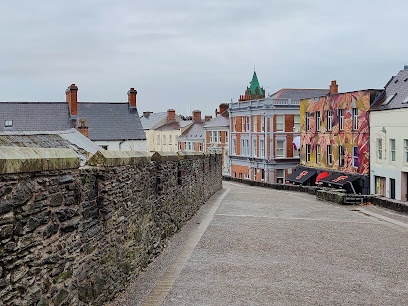
War Memorial
0.2 km
A solemn tribute to the fallen, standing at the heart of Derry's historic walled city since 1927.
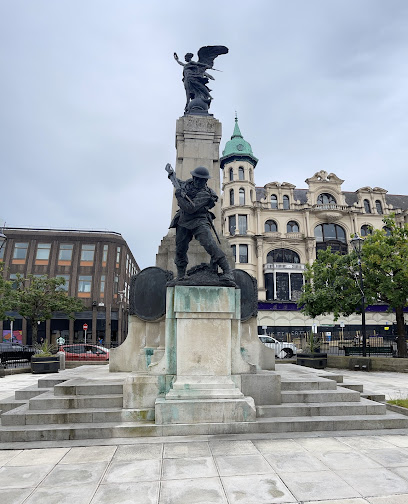
Double Bastion
0.3 km
Historic fortress bastion on Derry’s city walls, home to the legendary Roaring Meg cannon and panoramic views over the Bogside.
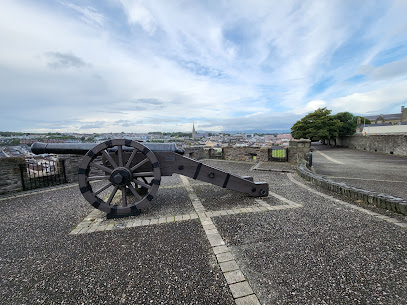
Magazine Gate Derry City Walls
0.3 km
Explore Magazine Gate, the newest historic entrance to Derry’s iconic walled city, offering riverfront access and rich 19th-century heritage.
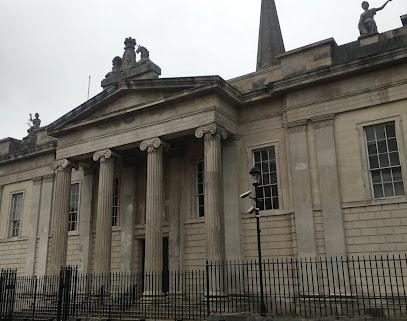
Bogside History Tours
0.4 km
Discover Londonderry's captivating history with Bogside History Tours, where every street tells a story and every mural speaks volumes.
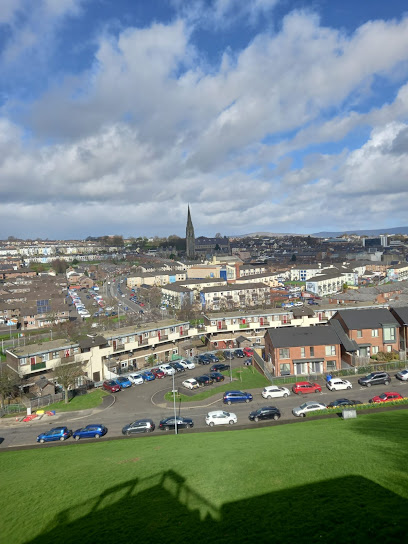
Ferryquay Gate Derry City Walls
0.4 km
Step through the gate that started the Siege of Derry and walk the ramparts of one of Europe’s finest walled cities.
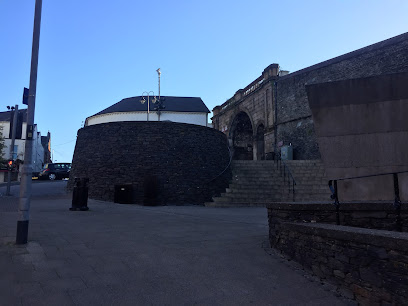
City Walking Tours
0.5 km
Discover the captivating history and vibrant culture of Londonderry with engaging guided walking tours exploring iconic landmarks and hidden gems.
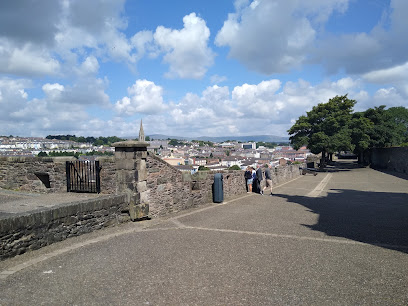
The Clock Tower
0.9 km
Historic Clock Tower at Ebrington Square, a timeless symbol of Londonderry’s military heritage and vibrant city life.
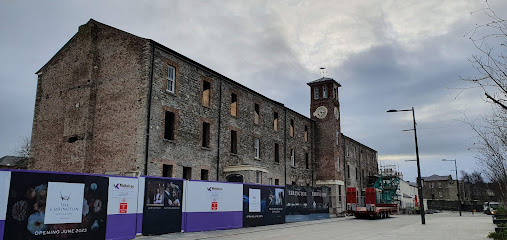
Cornerstone City Church
1.0 km
A vibrant community in Londonderry offering worship, outreach, and hope through faith and compassionate service.
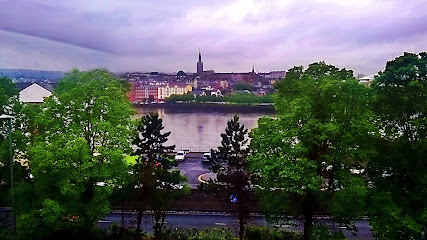
Haslett Monumental Sculptors
1.0 km
Explore the artistry and heritage of memorial craftsmanship at Haslett Monumental Sculptors in Londonderry, where memories are beautifully carved in stone.
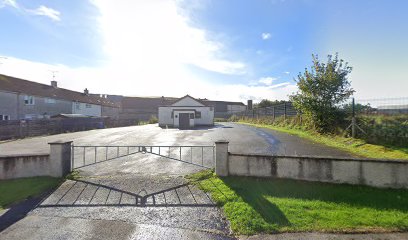
Lapwing Way Gospel Hall
1.4 km
A welcoming evangelical chapel offering spiritual reflection and community fellowship in Londonderry.
Things To Do
3.1 km
Explore the vibrant history and stunning landscapes of Londonderry with unforgettable tours that bring the city's rich culture to life.
Wild Ireland
6.2 km
Explore Wild Ireland, where you can encounter native wildlife in stunning natural surroundings, perfect for families and nature lovers alike.

Amazing Grace Viewing Point
17.9 km
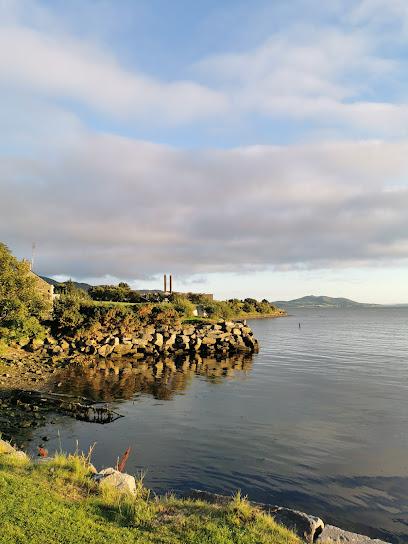
Where a storm‑tossed sailor found grace and penned one of the world’s most beloved hymns, overlooking the waters of Lough Swilly in Buncrana.
Oakfield Park
20.8 km
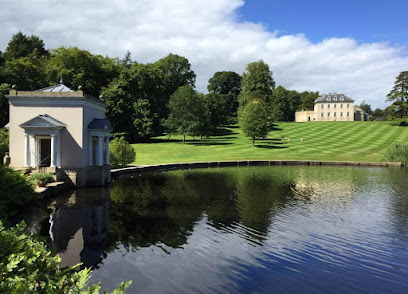
Experience the serene beauty of Oakfield Park in Donegal, a stunning garden retreat perfect for nature lovers and families seeking tranquility.
Unmissable attractions to see

Rossville St
0.0 km
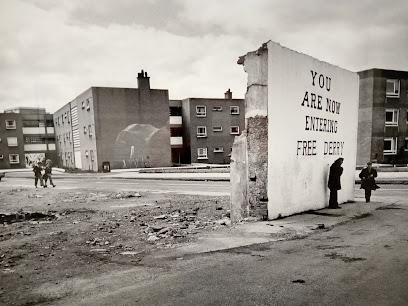
Rossville Street in Londonderry stands as a vivid canvas of history, murals, and memories from the heart of the Bogside’s civil rights struggle.
Bloody Sunday Trust
0.1 km
A powerful community museum in Derry’s Bogside, telling the story of civil rights, Free Derry and Bloody Sunday through personal testimonies and original artefacts.
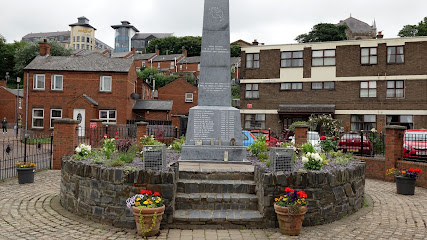
Museum of Free Derry
0.1 km
Explore the powerful history and enduring spirit of Derry’s civil rights movement at the Museum of Free Derry.
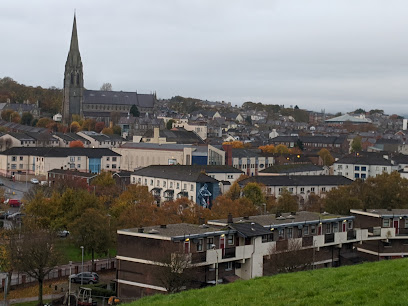
Free Derry Corner
0.1 km
Discover Free Derry Corner, a historic landmark in Londonderry embodying the spirit of resilience and civil rights through its iconic murals.
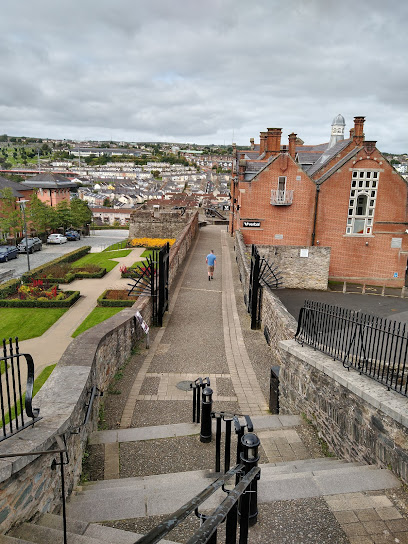
First Derry Presbyterian Church
0.1 km
A historic Presbyterian church in Derry~Londonderry, rooted in the city’s 1690 siege and offering quiet reflection in a central urban setting.
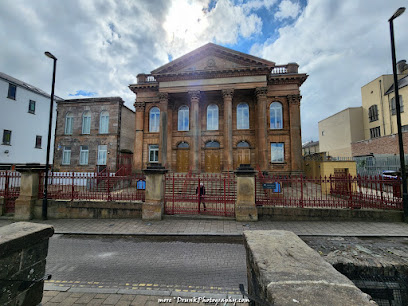
Apprentice Boy's Memorial Hall
0.1 km
Historic memorial and cultural hub honoring the apprentice boys who defended Londonderry during the 1688 siege.
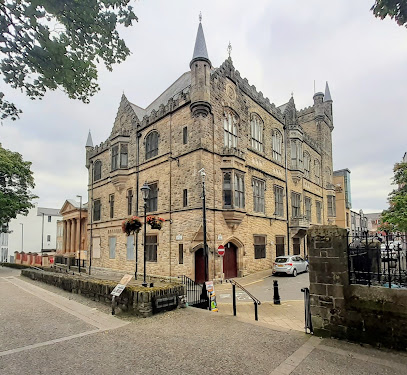
The Siege Museum
0.1 km
Explore the dramatic 1689 Siege of Derry through immersive exhibits and heritage rooms honoring the city’s enduring legacy.
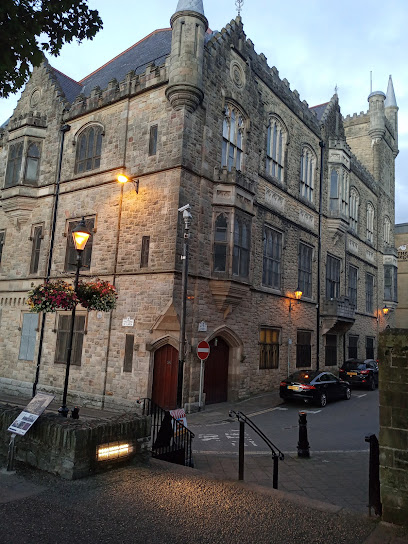
The Derry Walls
0.2 km
Discover the rich history and stunning vistas at The Derry Walls, a UNESCO World Heritage site in Londonderry, Northern Ireland.
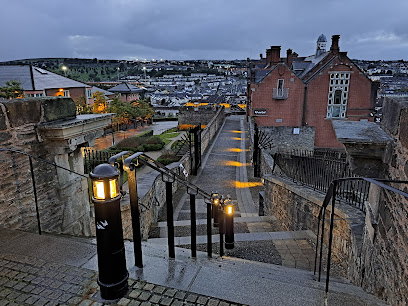
Lisfannon Park
0.2 km
A peaceful coastal park in Londonderry with golden sands, scenic views, and rich birdlife, perfect for family outings and nature lovers.

St Augustine's Church of Ireland
0.2 km
Discover the serene neo-Gothic St Augustine's Church, a historic spiritual oasis nestled on Londonderry’s ancient city walls.
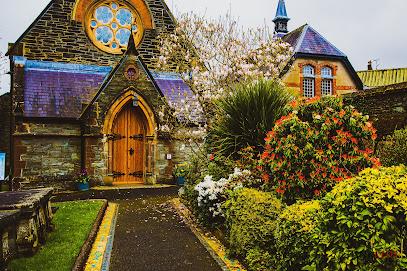
Peoples Gallery
0.2 km
A striking open-air mural gallery in Londonderry commemorating the Northern Ireland Troubles through powerful art by the Bogside Artists.
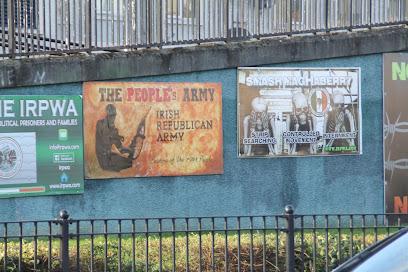
The Yellow Yard
0.2 km
Discover Londonderry’s vibrant vintage market blending unique finds, local art, and a lively atmosphere on Palace Street.
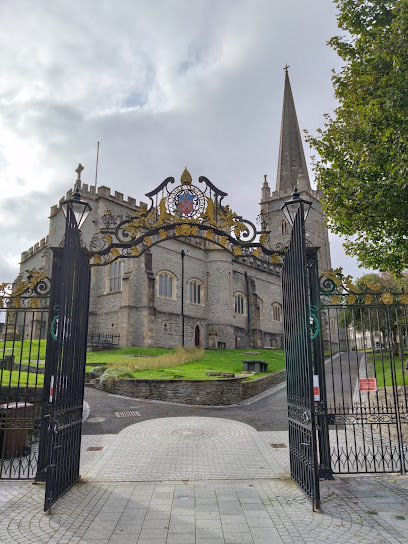
Le Petit Village
0.2 km
A charming, imaginative children’s play café in Londonderry’s city centre, perfect for infants and toddlers to explore and create.
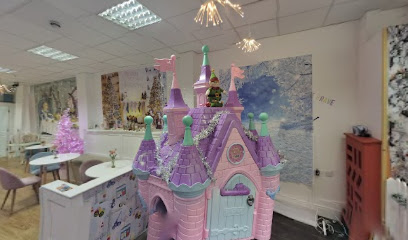
Peadar O'Donnell's
0.3 km
Experience authentic Irish music and warm hospitality in Londonderry’s iconic Peadar O'Donnell's pub, where tradition meets lively nightlife.
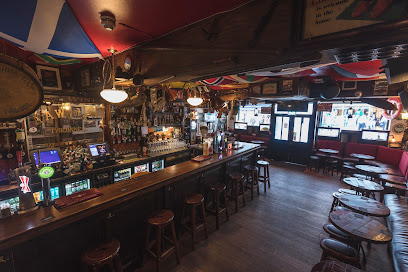
Craft Village
0.3 km
Discover Derry’s historic Craft Village, a vibrant hub of artisan shops, cafes, and cultural events set in a charming 18th-century inspired streetscape.
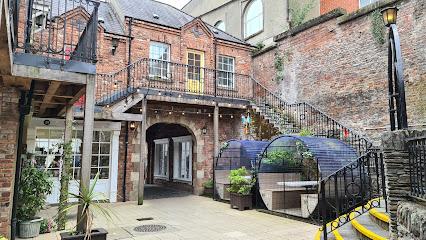
Essential places to dine

The Rocking Chair
0.1 km
Experience the vibrant atmosphere of The Rocking Chair in Londonderry - where great food meets live music in a charming pub setting.
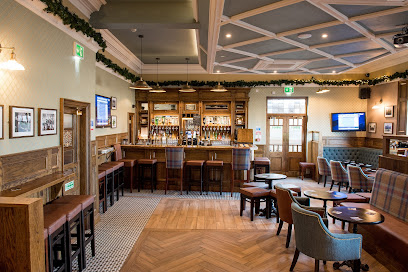
Mekong
0.2 km
Experience vibrant Vietnamese fusion cuisine with fresh flavors and friendly service in the heart of Londonderry’s cultural district.
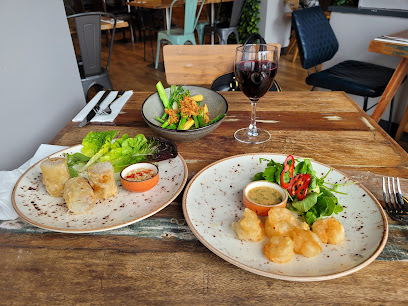
SPAGHETTI JUNCTION
0.2 km
Experience authentic Italian flavors and lively evenings at Spaghetti Junction, Londonderry’s beloved Mediterranean restaurant.
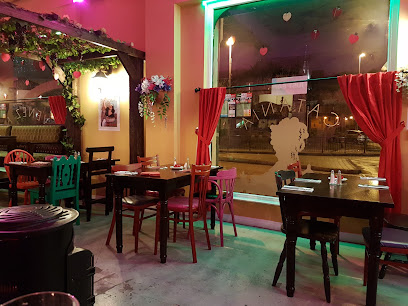
Social Studio Restaurant
0.2 km
Experience innovative cuisine and crafted cocktails in a stylish, welcoming setting at Social Studio Restaurant, Londonderry’s culinary gem.
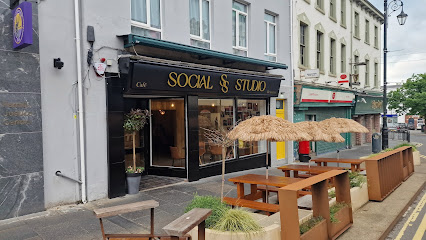
Castle Street Social
0.2 km
A lively social restaurant in Derry serving innovative local dishes, vegan and gluten-free options, with a vibrant bar and welcoming atmosphere.
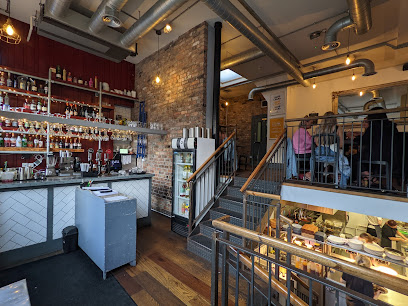
The Gown Restaurant
0.2 km
Experience refined Irish cuisine in a historic setting with seasonally inspired dishes crafted from the freshest local ingredients in Derry’s Cathedral Quarter.
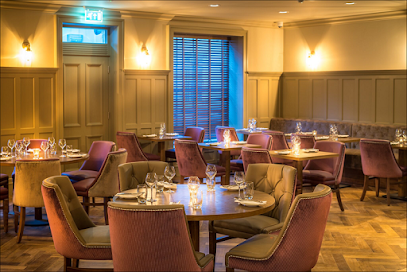
The Dirty Souls
0.3 km
Savor authentic Southern BBQ and soulful flavors with expertly smoked meats and creative cocktails in the heart of Londonderry.
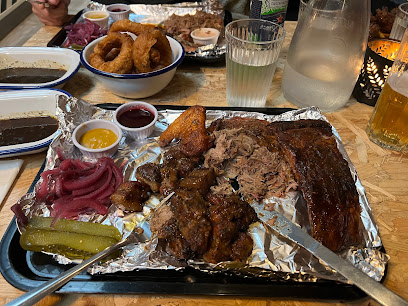
Tracy's Bar
0.3 km
Discover Tracy's Bar in Londonderry – a lively restaurant and bar perfect for enjoying delicious food and drinks in a welcoming atmosphere.
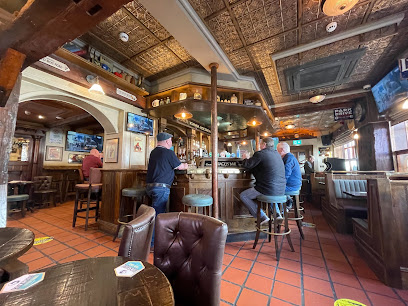
The Scullery Cafe
0.3 km
Charming artisan café in Londonderry serving fresh Irish breakfasts, lunches, and homemade treats in a cozy, welcoming atmosphere.
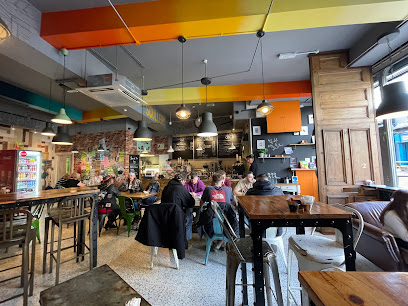
Hidden City Cafe
0.3 km
Ethical family café in Londonderry offering creative, plant-based cuisine with local ingredients and a vibrant, relaxed atmosphere.
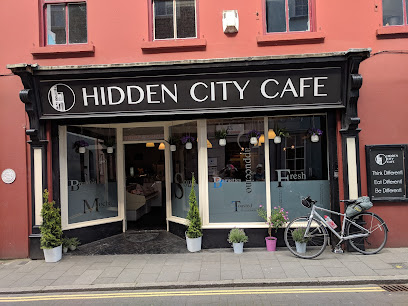
COUPE by The Dirty Souls - Smokehouse/BBQ
0.3 km
Authentic Texas-style BBQ in the heart of Londonderry, serving smoked meats, bold sauces, and craft drinks in a vibrant smokehouse setting.
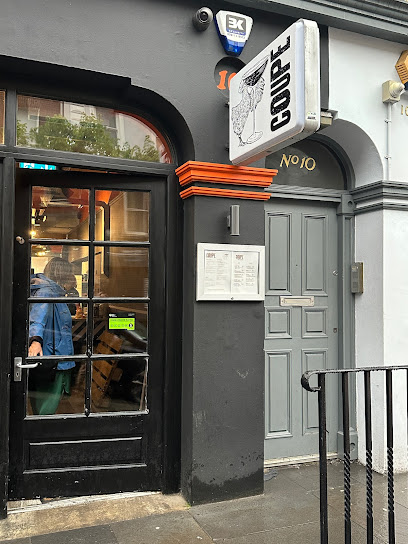
El Tapas Grá
0.3 km
Experience vibrant Catalan-inspired tapas crafted with fresh Irish ingredients in a warm, rustic setting in the heart of Derry.
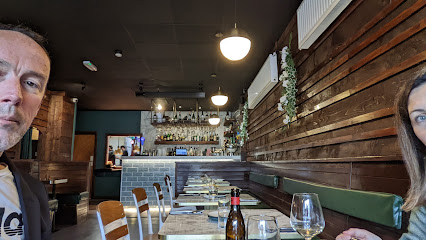
Artis Restaurant By Phelim O' Hagan
0.3 km
Discover exquisite Irish cuisine at Artis Restaurant in Londonderry's Craft Village—where fresh ingredients meet culinary artistry.
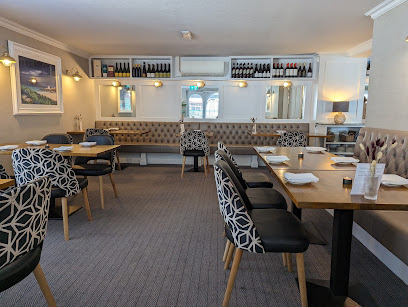
Shipquay Restaurant
0.3 km
Refined Irish dining in a historic boutique hotel overlooking Derry’s iconic City Walls and Guildhall.
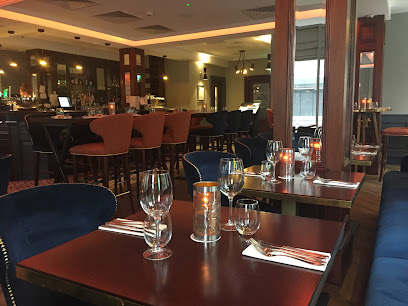
Jamm
0.3 km
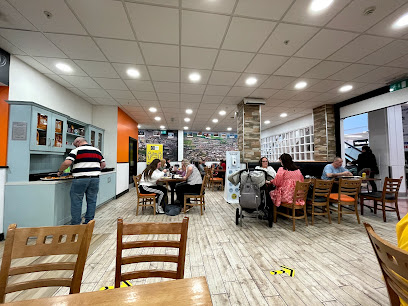
Cozy café offering fresh wraps, vegan delights, and great tea in the historic heart of Londonderry.
Markets, malls and hidden boutiques

Harmony
0.2 km
Discover unique gifts and wellness treasures at Harmony, a charming boutique in the heart of Londonderry’s vibrant shopping district.
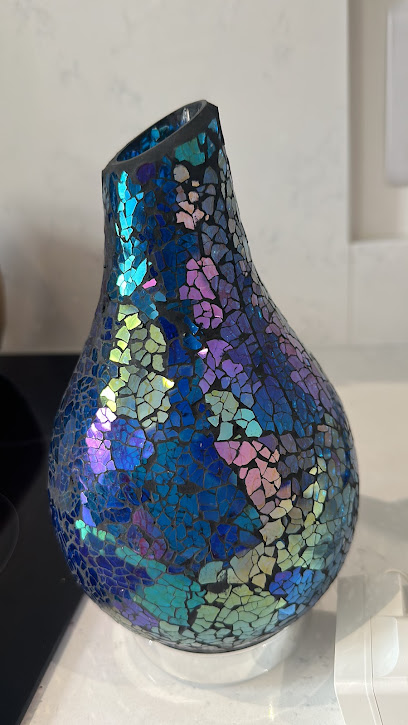
Moments Gift Shop
0.2 km
Explore Moments Gift Shop in Londonderry for unique gifts and local wedding essentials, blending culture with creativity in every purchase.
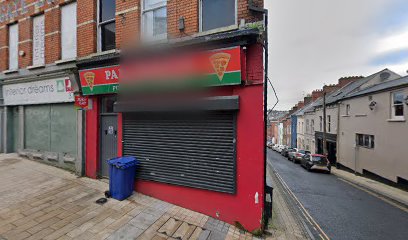
Pippa
0.2 km
Discover unique women's fashion at Pippa, Londonderry's chic boutique, your go-to for stylish clothing and local fashion finds.
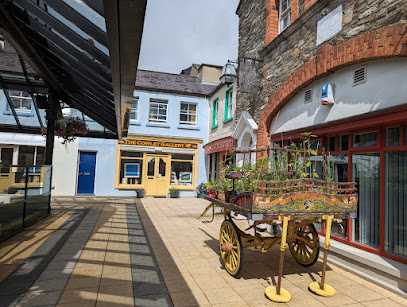
Storefront
0.2 km
Discover premium Irish-designed clothing and unique styles at Storefront, Londonderry’s independent fashion boutique on Waterloo Street.
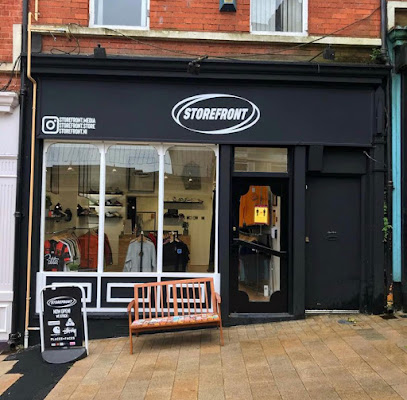
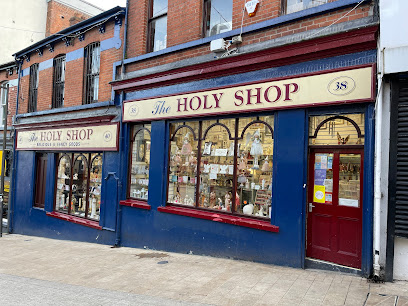
The Holy Shop
0.2 km
A welcoming sanctuary in Londonderry offering a rich selection of religious goods and spiritual gifts for all faith milestones.
The Donegal Shop
0.2 km
Discover authentic Irish crafts and timeless knitwear in Derry’s family-run Donegal Shop, a heritage hub for Celtic artistry since 1963.
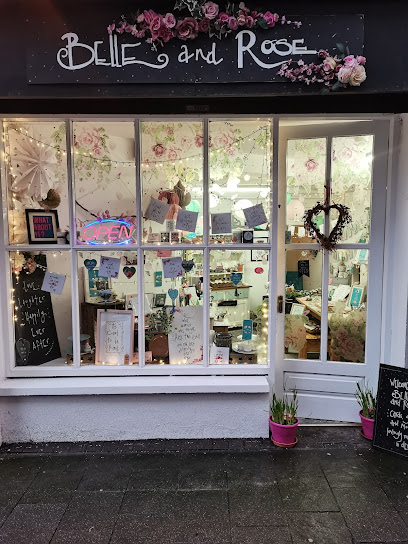
BELLE & ROSE
0.2 km
Discover handcrafted gifts and artistic charm at Belle & Rose, Londonderry’s boutique for meaningful presents.
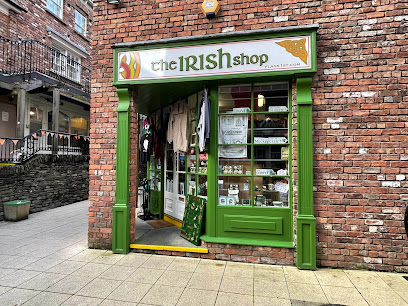
The Irish Shop
0.3 km
Discover authentic Irish crafts and heritage treasures in the heart of Derry’s charming Craft Village.
The Whatnot
0.3 km
A charming antique shop in Derry~Londonderry, packed with vintage furniture, curiosities, and collectibles from bygone eras.
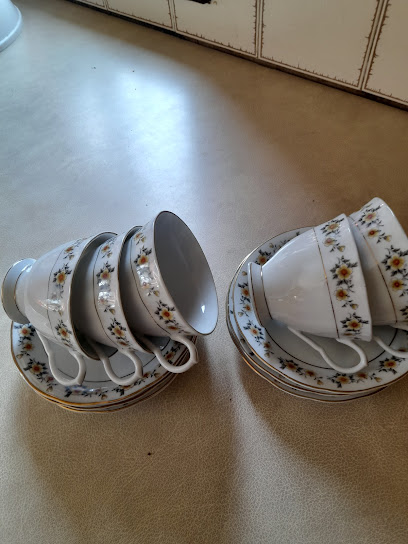
Derry Designer Makers
0.3 km
A vibrant craft collective in Derry’s charming Craft Village, showcasing handmade jewellery, ceramics, textiles, art and more from local North West makers.
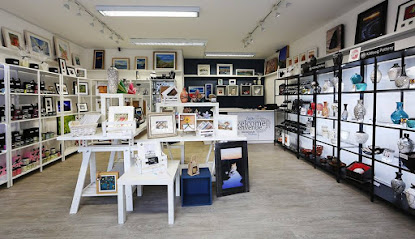
Number 19 Craft & Design
0.3 km
Discover exquisite handmade crafts by local artisans in the charming historic setting of Derry’s Craft Village.
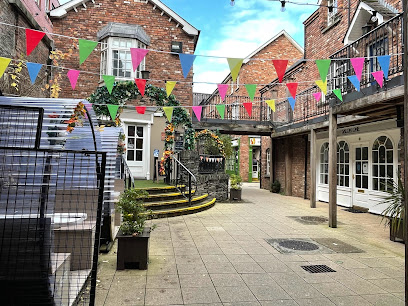
The Irish Gift Centre
0.3 km
Authentic Irish crafts and Celtic treasures in the heart of Londonderry’s vibrant cultural scene.
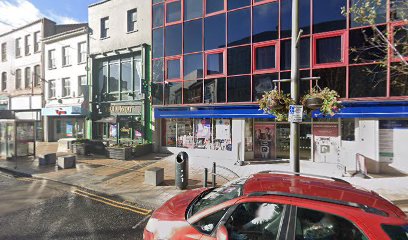
Walled City Crafters
0.3 km
Discover authentic local crafts and handmade treasures in Derry’s charming 18th-century Craft Village.
SmartSwag
0.3 km
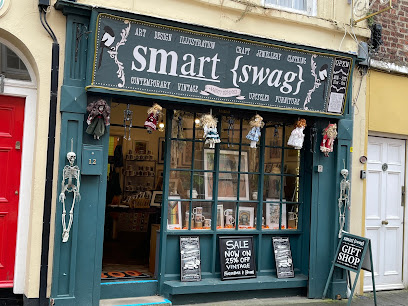
Discover unique handmade treasures and local artistry at SmartSwag, Londonderry’s vibrant craft shop on London Street.
Vine Living Home and Gift Shop
0.3 km
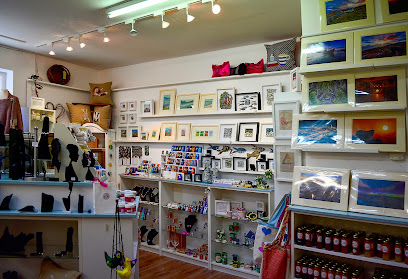
Discover unique gifts and artisan homewares blending Irish tradition and modern style in the heart of Londonderry.
Essential bars & hidden hideouts

Lizzie O'Farrell's
0.2 km
Experience the lively spirit of Londonderry at Lizzie O'Farrell's, a warm pub blending traditional Irish charm with vibrant live music and local brews.
Dungloe Bar
0.2 km
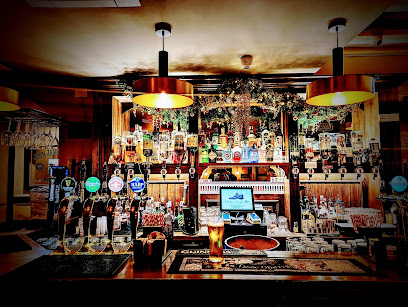
Historic Irish pub since 1892, offering live music, hearty food, and a warm atmosphere in the heart of Londonderry’s Waterloo Street.
Masons Bar
0.2 km
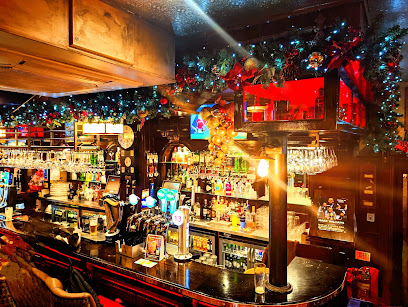
Experience authentic local charm and warm hospitality at Masons Bar, a cozy and affordable retreat in the heart of Londonderry.
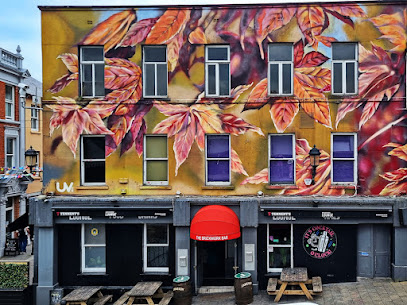
Nacional de Cuba
0.3 km
A vibrant and welcoming cocktail bar in Londonderry, famed for its lively karaoke nights, eclectic music, and expertly crafted drinks.
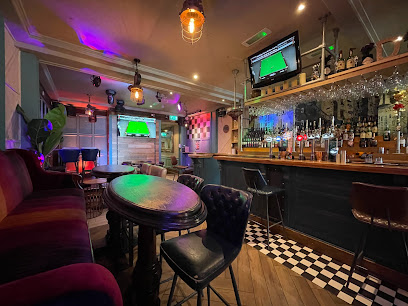
Jack's Bar
0.3 km
Experience authentic Northern Irish hospitality and hearty pub fare in the cozy and lively Jack's Bar at Londonderry's Little James Street.
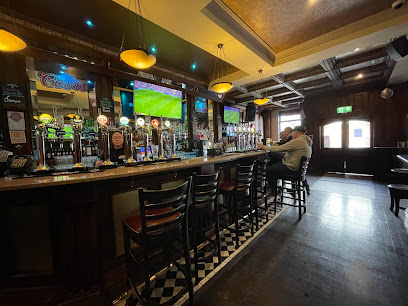
Silver Street Derry
0.3 km
Historic charm and lively modern lounge vibes converge at Silver Street Derry, part of the iconic River Inn since 1684.
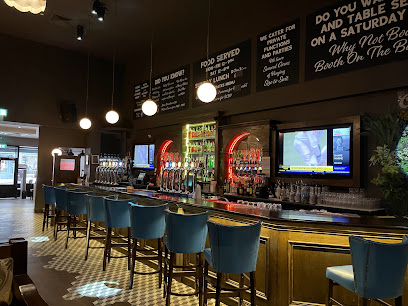
The Thirsty Goat Derry
0.3 km
A lively bar and beer garden in Londonderry offering traditional Irish fare, craft beers, and live music seven nights a week.
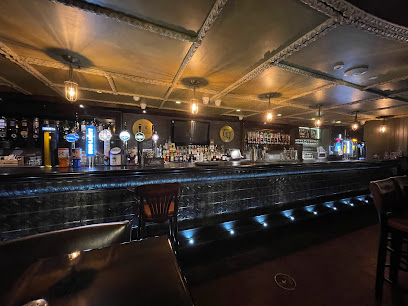
Grand Central Bar
0.4 km
A lively and affordable local pub on Strand Road, Grand Central Bar offers a warm atmosphere and friendly service in the heart of Londonderry.
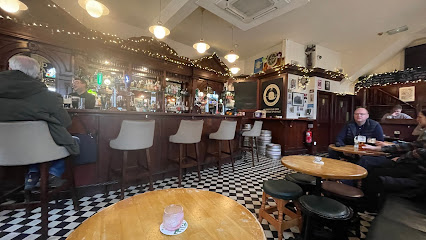
The Derby Bar
0.4 km
A warm, inviting pub in Londonderry offering cozy snugs, excellent Guinness, and a lively yet relaxed atmosphere daily until midnight.
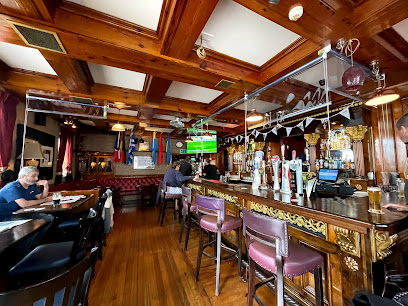
Tinney's Bar & The Shirt Factory
0.4 km
Historic family-owned Irish pub in Londonderry famed for legendary Guinness, lively local atmosphere, and shirt factory heritage.
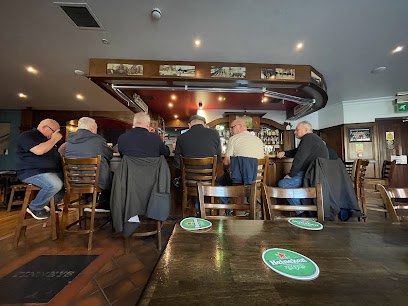
The Trinity Bar
0.4 km
A lively Londonderry bar blending traditional Irish charm with unique decor, great drinks, and hearty local fare in a welcoming atmosphere.
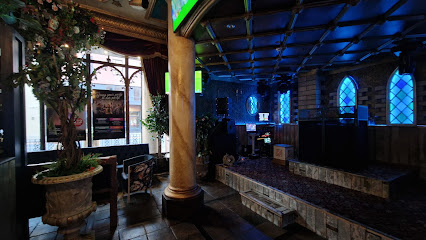
Porter's Bar
0.4 km
Experience authentic Irish hospitality and local craft beers in the cozy, lively heart of Londonderry at Porter's Bar.
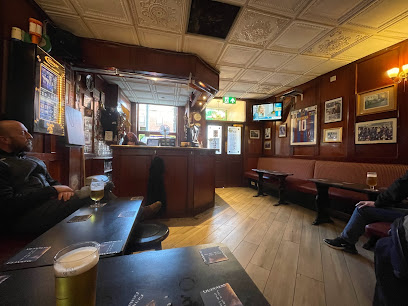
The Park Bar
0.4 km
A historic family-run pub in Londonderry renowned for its warm hospitality, excellent Guinness, and vibrant Irish cultural nights.
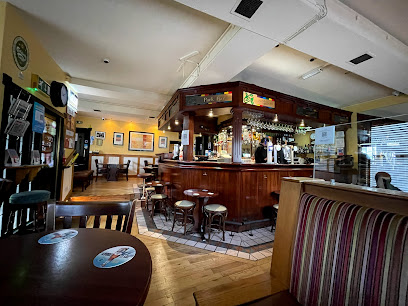
Blackbird
0.5 km
Blackbird is a lively Londonderry pub offering fine brews, a welcoming atmosphere, and a growing kitchen menu from midday to late night.
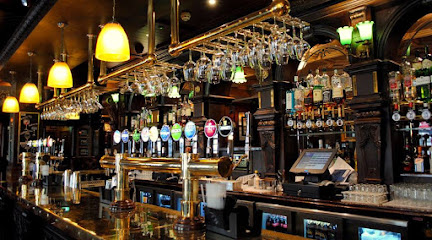
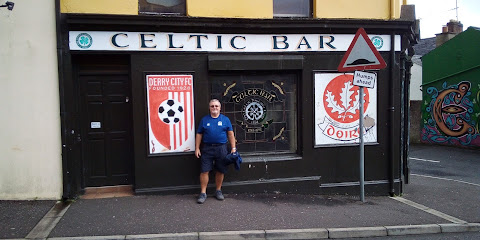
Celtic Bar
0.5 km
A friendly, affordable bar in the heart of Londonderry offering lively music and a welcoming atmosphere for locals and visitors.
Nightclubs & after hour spots

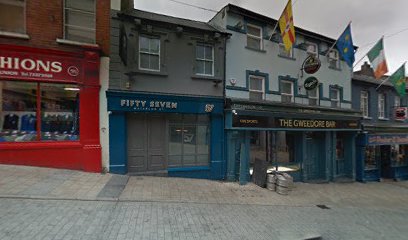
FIFTY SEVEN Waterloo St
0.2 km
Experience Londonderry’s vibrant nightlife at Fifty Seven Waterloo St, a chic nightclub pulsing with classic DJ beats and lively energy.
Ibiza Orchestra Live
0.9 km
Experience the electrifying fusion of live orchestral music and iconic Ibiza dance beats in Londonderry’s vibrant nightlife hotspot.
izudoo Derry Pub & Night Club Guide
0.9 km
Experience Londonderry’s vibrant nightlife at izudoo — a lively pub and nightclub with great music, drinks, and unforgettable nights out.
Carrolls
18.9 km
Discover the vibrant nightlife at Carrolls in Buncrana, Co. Donegal, where exceptional drinks and music create unforgettable memories.

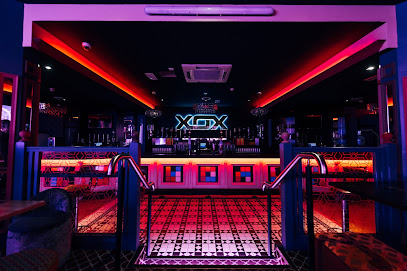
XOX Strabane
20.8 km
Experience the vibrant nightlife of Strabane at XOX, the town’s premier nightclub for late-night music, dancing, and social energy.
Bailey Redcastle Nite Club
22.2 km
Discover the heart of Co. Donegal's nightlife at Bailey Redcastle Nite Club, where great music and vibrant energy await your arrival.
PULSE VENUE
26.3 km
Experience the vibrant nightlife at PULSE VENUE, Letterkenny's premier night club offering live music and unforgettable dance parties.
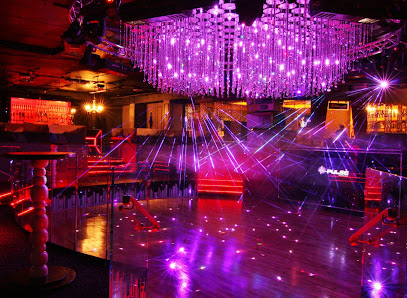
Fifth Avenue Letterkenny
26.5 km
Dive into the heart of Letterkenny's nightlife at Fifth Avenue, where vibrant music and lively dance floors create unforgettable moments.
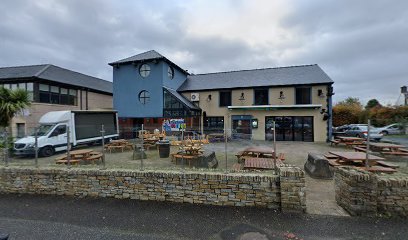
Voodoo Venue
26.9 km
Experience the electric nightlife of Letterkenny at Voodoo Venue, where cocktails, live music, and vibrant energy await every visitor.
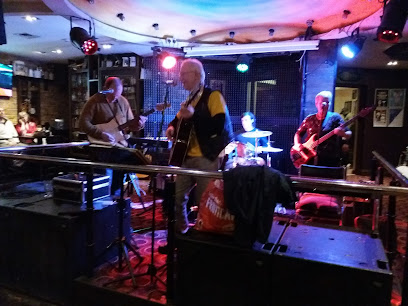
Halyon Club
28.1 km
Discover the vibrant nightlife of Halyon Club in Ballynally, Co. Donegal, where music, dance, and fun come together for an unforgettable experience.
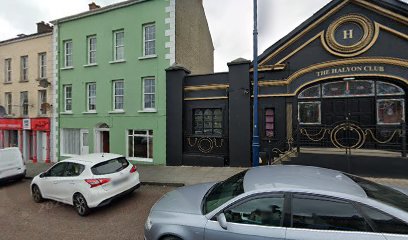
Tul Na Ri
28.6 km
Experience the vibrant nightlife of Co. Donegal at Tul Na Ri, where great music, dancing, and a friendly atmosphere await.
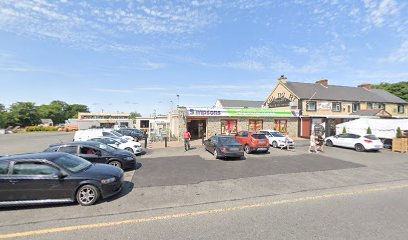
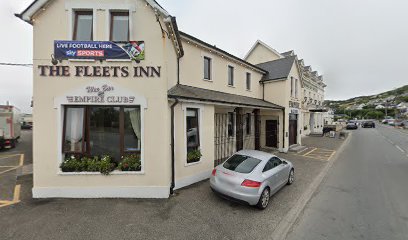
Empire Club
39.2 km
Discover the vibrant nightlife of Donegal at Empire Club, where great music and unforgettable experiences await you in a lively atmosphere.
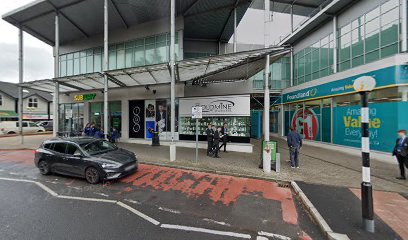
The Vault Nightclub
44.1 km
Discover the vibrant nightlife at The Vault Nightclub in Omagh, where music, dancing, and fun come together for an unforgettable experience.

Tiger Lillys
44.2 km
Omagh’s vibrant jungle-themed nightclub offering fresh cocktails and lively nights exclusively for the 18+ crowd.
The Legends Lounge
48.1 km
Experience the vibrant atmosphere of The Legends Lounge in Portrush, a perfect bar for enjoying drinks and local culture.
For the vibe & atmosphere seeker
- Tranquil
- Scenic
- Unique
- Casual
For the design and aesthetic lover
- Minimalist Designs
- Rustic Designs
For the architecture buff
- Historic
- Landmarks
For the view chaser and sunset hunter
- Iconic Views
For the social media creator & influencer
- Instagrammable
- Photo Spots
For the eco-conscious traveler
- Public-Transport Accessible
- Locally Managed
For the kind of experience you’re after
- Cultural Heritage
- Myth & Legends
- Photowalk
- Day Trip
For how adventurous you want the journey to be
- Easy Access
Location Audience
- Family Friendly
- Senior Friendly
- Child Friendly
- Teen Friendly
- Wheelchair Access
- Solo Friendly
- Couple Friendly
- Solo Female Friendly


