
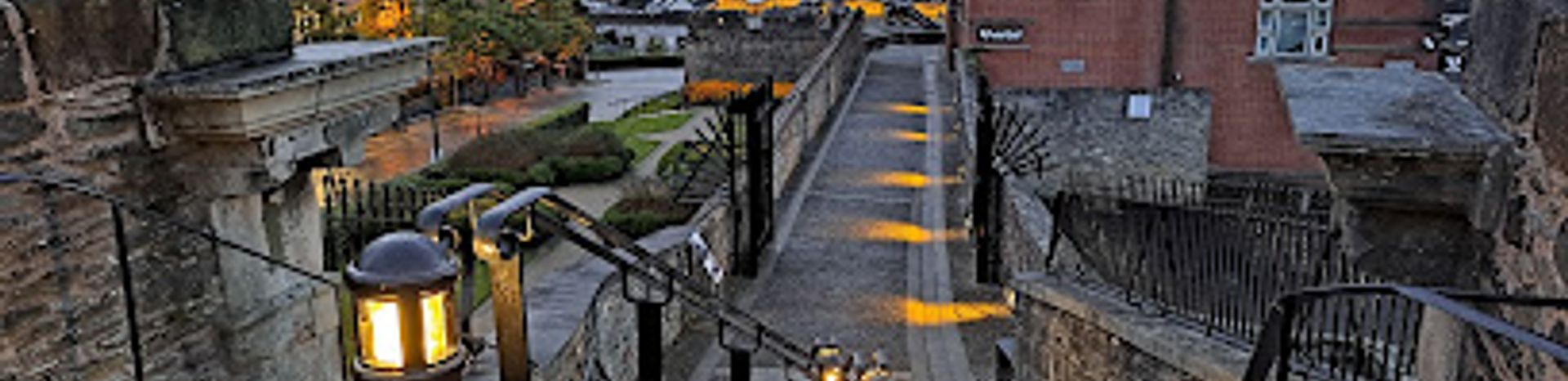
The Derry Walls: Ireland’s Most Complete 17th-Century Fortification
Explore the only fully intact 17th-century city walls in Ireland, a living monument to Derry’s rich history and resilience.
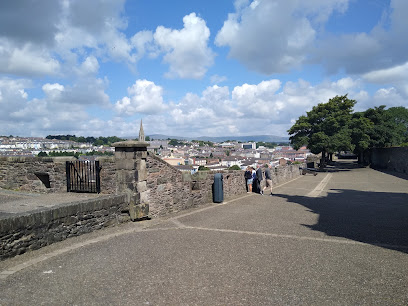
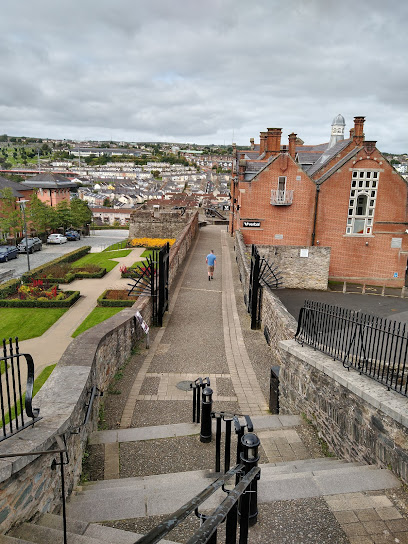
The Derry Walls, built between 1613 and 1618, are the only fully intact city walls in Ireland and among the finest examples in Europe. Stretching approximately 1.5 km around the historic city centre of Londonderry, these formidable ramparts were constructed to defend early English and Scottish settlers during the Plantation of Ulster. Visitors can walk the ramparts, explore original and later gates, and view a remarkable collection of restored cannons, including the famous 'Roaring Meg'.
A brief summary to The Derry Walls
- The Diamond, Londonderry, BT48 6HW, GB
- +447894534553
- Visit website
- Duration: 1 to 3 hours
- Budget
-
 Outdoor
- Mobile reception: 4 out of 5
Local tips
- Take time to walk the full circuit of the walls to appreciate the panoramic views and historic gates.
- Visit the Double Bastion to see the restored 'Roaring Meg' cannon, a highlight of the Siege of Derry.
- Combine your visit with nearby landmarks like St. Columb’s Cathedral and the Apprentice Boys Hall.
- Wear comfortable shoes as the walls’ walkway includes steps and uneven surfaces.
- Consider a guided tour to gain deeper insights into the walls’ history and Derry’s complex past.

For the on-the-go comforts that matter to you
- Restrooms
- Drink Options
- Food Options
- Seating Areas
- Information Boards
Getting There
-
Train
From Londonderry Train Station, it is approximately a 20-minute walk to the city centre and the Derry Walls. The station is well connected to regional rail services, with frequent trains from Belfast and other Northern Ireland cities. No additional transport fare is needed for the walking segment.
-
Bus
The Foyle Street Bus Centre is located just a 2-minute walk from Guildhall Square, adjacent to the Derry Walls. Local and regional buses serve this hub with regular schedules. Tickets cost around £2-£5 depending on the route, with some services offering day passes.
-
Car
Driving to the Derry Walls is possible, with several public parking options near the city centre. Parking fees typically range from £1 to £3 per hour. Be aware that the historic centre is largely pedestrianized, so parking outside the walls and walking in is recommended.
-
Walking
If staying nearby, walking to the walls is straightforward on mostly paved streets with some cobblestones. The terrain includes steps at gate access points, so moderate mobility is advised. Walking times vary but expect 10-30 minutes from central accommodation.
The Derry Walls location weather suitability
-
 Any Weather
-
 Rain / Wet Weather
-
 Clear Skies
-
 Mild Temperatures
-
 Windy Conditions
Discover more about The Derry Walls
Origins and Purpose of the Walls
The Derry Walls were constructed from 1613 to 1618 by the Honourable the Irish Society, a consortium of London livery companies, to protect the new Protestant settlers brought in during the Plantation of Ulster. This followed the destruction of the original Gaelic settlement during O’Doherty’s rebellion in 1608. The walls encircle the historic core of Londonderry, which was renamed as part of the 1613 royal charter. Their primary function was defensive, safeguarding the city from attacks by native Irish forces and securing English and Scottish influence in the region.Architectural Features and Layout
The walls form a continuous circuit about 1.5 kilometres in circumference, standing up to eight metres high and varying in width from 12 to 35 feet. They incorporate a Renaissance-style street plan within their bounds, preserving the historic layout of the city. Seven gates punctuate the walls: the original four—Bishop’s Gate, Ferryquay Gate, Butcher Gate, and Shipquay Gate—along with three later additions—Magazine Gate, Castle Gate, and New Gate. The walls also feature numerous bastions and ramparts, providing vantage points over the city and the River Foyle.Historic Significance and the Siege of Derry
The walls have never been breached, earning the city the nickname "Maiden City." Their most famous moment came during the Siege of Derry in 1689, when 13 apprentices famously locked the gates against the forces loyal to King James II. The city endured a 105-day siege, with defenders holding out until relief ships broke through the blockade on the River Foyle. The walls’ cannons, including the renowned "Roaring Meg," played a crucial role in repelling the attackers. The siege is commemorated by the Apprentice Boys of Derry, a fraternal organization that continues to celebrate this historic defiance.Modern Restoration and Cultural Importance
Today, the Derry Walls stand as the largest ancient monument in state care in Northern Ireland and are considered one of Europe’s finest examples of walled cities. In 2005, 24 historic cannons were meticulously restored, returning them to their former glory. The walls offer a unique promenade for visitors to explore the city’s heritage, with panoramic views over both the historic centre and the Bogside neighbourhood, a site of significant events during the Troubles. The walls remain a potent symbol of the city’s complex history and resilience.Visitor Experience and Surroundings
Walking the walls provides an immersive experience into Derry’s layered past, with access points at Guildhall Square, Bishop Street Without, and Magazine Gate. Along the way, visitors encounter plaques, restored cannon, and the remains of the Walker Monument plinth. The walls encircle key landmarks such as St. Columb’s Cathedral and the Apprentice Boys Hall, enriching the historical narrative. The surrounding city blends Renaissance urban planning with vibrant cultural scenes, making the walls not only a defensive relic but a living part of Derry’s identity.Legacy and Symbolism in Contemporary Derry
Beyond their military origins, the walls symbolize the city’s endurance through centuries of conflict and change. They witnessed the sectarian struggles of the 20th century and now stand as a unifying heritage site. Nearby, the Peace Bridge connects communities once divided, reflecting a city moving towards reconciliation. The walls continue to inspire reflection on identity, history, and the power of place in shaping collective memory.Iconic landmarks you can’t miss

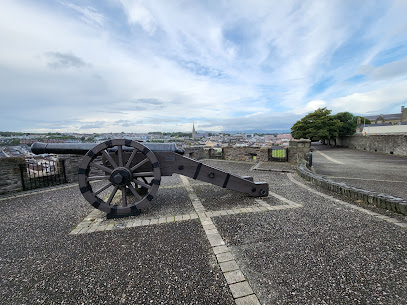
Double Bastion
0.2 km
Historic fortress bastion on Derry’s city walls, home to the legendary Roaring Meg cannon and panoramic views over the Bogside.
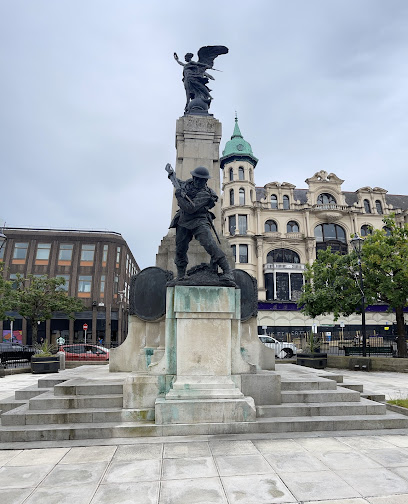
War Memorial
0.2 km
A solemn tribute to the fallen, standing at the heart of Derry's historic walled city since 1927.
BRICKWORK BAR
0.3 km
Discover the vibrant charm of Brickwork Bar in Londonderry, where local culture and friendly faces create an unforgettable atmosphere.
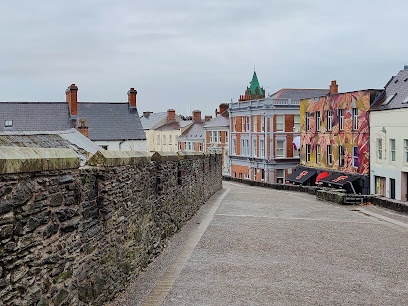
Ferryquay Gate Derry City Walls
0.3 km
Step through the gate that started the Siege of Derry and walk the ramparts of one of Europe’s finest walled cities.
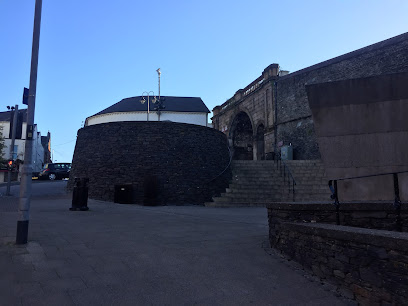
City Walking Tours
0.4 km
Discover the captivating history and vibrant culture of Londonderry with engaging guided walking tours exploring iconic landmarks and hidden gems.
Magazine Gate Derry City Walls
0.4 km
Explore Magazine Gate, the newest historic entrance to Derry’s iconic walled city, offering riverfront access and rich 19th-century heritage.
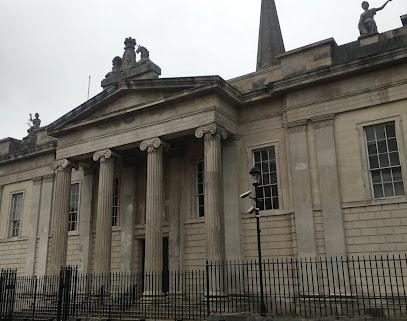
Bogside History Tours
0.4 km
Discover Londonderry's captivating history with Bogside History Tours, where every street tells a story and every mural speaks volumes.
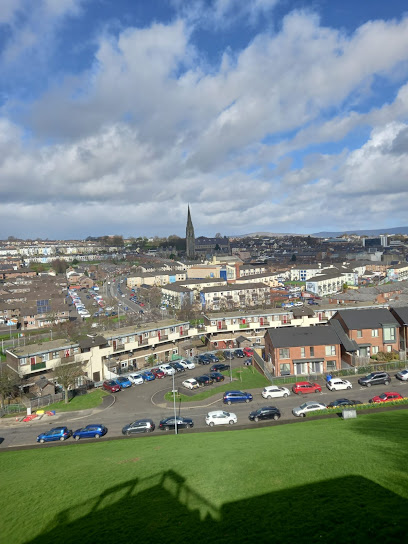
Cornerstone City Church
0.9 km
A vibrant community in Londonderry offering worship, outreach, and hope through faith and compassionate service.
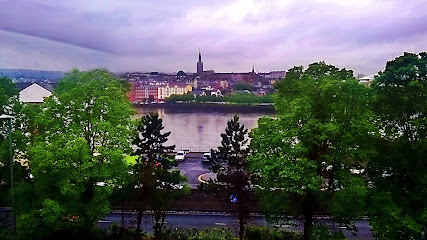
The Clock Tower
1.0 km
Historic Clock Tower at Ebrington Square, a timeless symbol of Londonderry’s military heritage and vibrant city life.
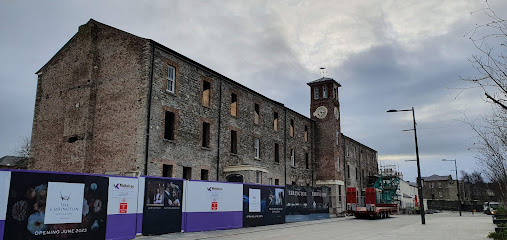
Haslett Monumental Sculptors
1.0 km
Explore the artistry and heritage of memorial craftsmanship at Haslett Monumental Sculptors in Londonderry, where memories are beautifully carved in stone.
Lapwing Way Gospel Hall
1.4 km
A welcoming evangelical chapel offering spiritual reflection and community fellowship in Londonderry.
Things To Do
3.0 km
Explore the vibrant history and stunning landscapes of Londonderry with unforgettable tours that bring the city's rich culture to life.
Wild Ireland
6.4 km
Explore Wild Ireland, where you can encounter native wildlife in stunning natural surroundings, perfect for families and nature lovers alike.

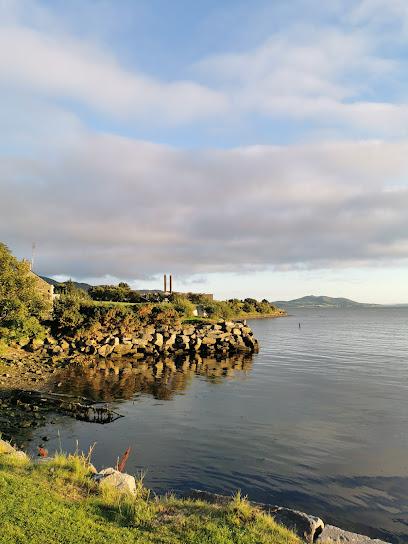
Amazing Grace Viewing Point
18.0 km
Where a storm‑tossed sailor found grace and penned one of the world’s most beloved hymns, overlooking the waters of Lough Swilly in Buncrana.
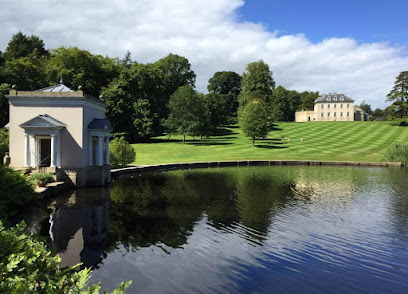
Oakfield Park
20.7 km
Experience the serene beauty of Oakfield Park in Donegal, a stunning garden retreat perfect for nature lovers and families seeking tranquility.
Unmissable attractions to see

St Augustine's Church of Ireland
0.0 km
Discover the serene neo-Gothic St Augustine's Church, a historic spiritual oasis nestled on Londonderry’s ancient city walls.
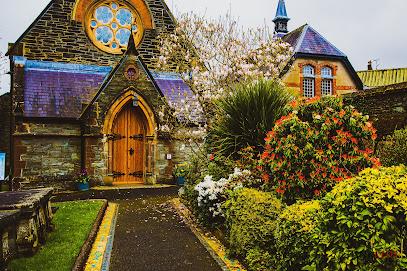
Apprentice Boy's Memorial Hall
0.1 km
Historic memorial and cultural hub honoring the apprentice boys who defended Londonderry during the 1688 siege.
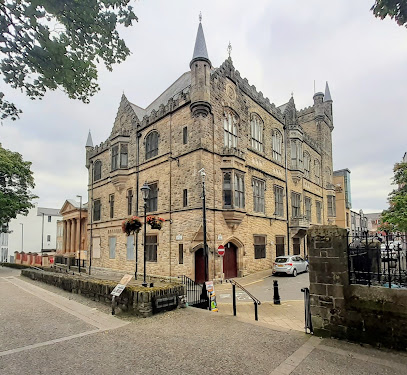
The Siege Museum
0.1 km
Explore the dramatic 1689 Siege of Derry through immersive exhibits and heritage rooms honoring the city’s enduring legacy.
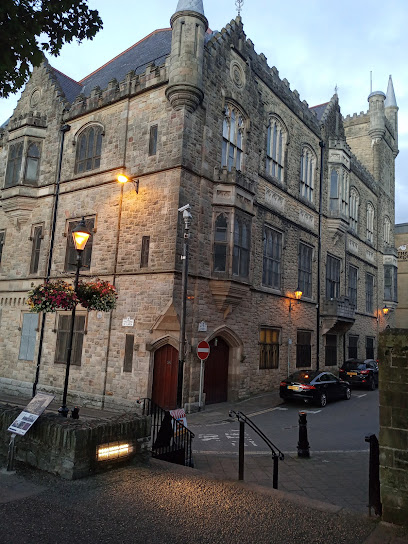
The Yellow Yard
0.1 km
Discover Londonderry’s vibrant vintage market blending unique finds, local art, and a lively atmosphere on Palace Street.
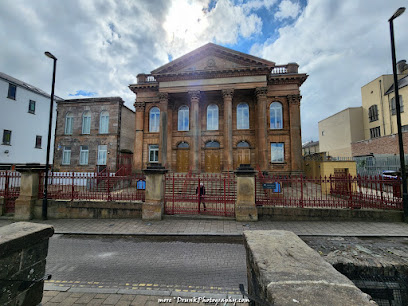
First Derry Presbyterian Church
0.1 km
A historic Presbyterian church in Derry~Londonderry, rooted in the city’s 1690 siege and offering quiet reflection in a central urban setting.
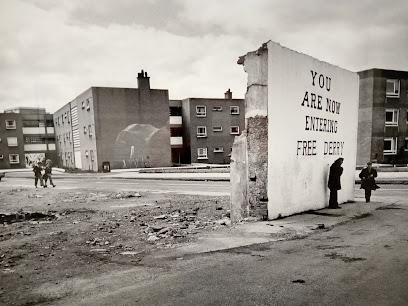
Free Derry Corner
0.1 km
Discover Free Derry Corner, a historic landmark in Londonderry embodying the spirit of resilience and civil rights through its iconic murals.
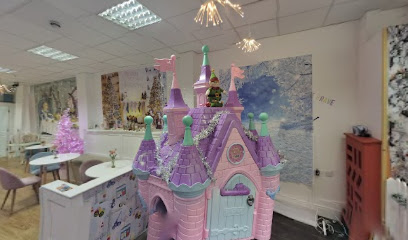
Le Petit Village
0.1 km
A charming, imaginative children’s play café in Londonderry’s city centre, perfect for infants and toddlers to explore and create.
Bloody Sunday Monument
0.2 km
Visit the Bloody Sunday Monument in Londonderry to honor the victims of a tragic event and immerse yourself in the rich history of Northern Ireland.
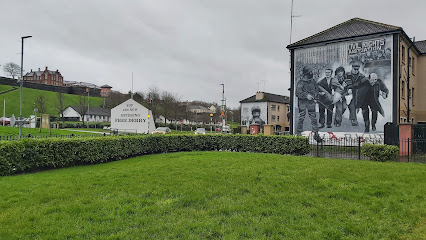
Rossville St
0.2 km
Rossville Street in Londonderry stands as a vivid canvas of history, murals, and memories from the heart of the Bogside’s civil rights struggle.
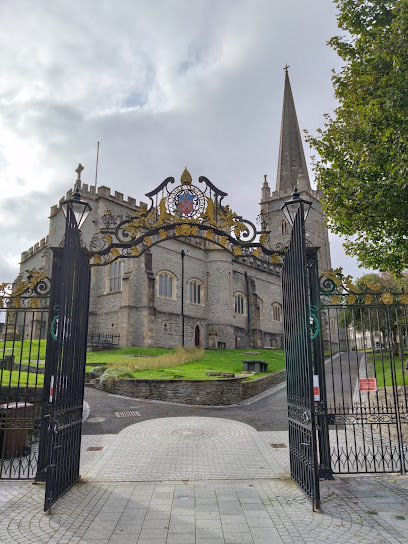
St Columb's Cathedral
0.2 km
Derry’s oldest building and first post-Reformation cathedral, where history, silver, and song echo through centuries within the city walls.
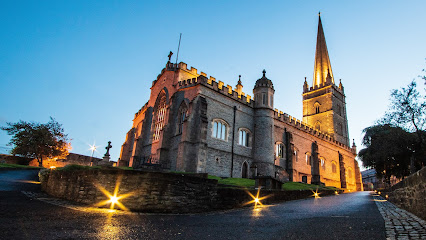
Heritage Tower Museum
0.2 km
Explore Londonderry’s rich history and vibrant culture at the Tower Museum, featuring immersive exhibits and stunning city views.
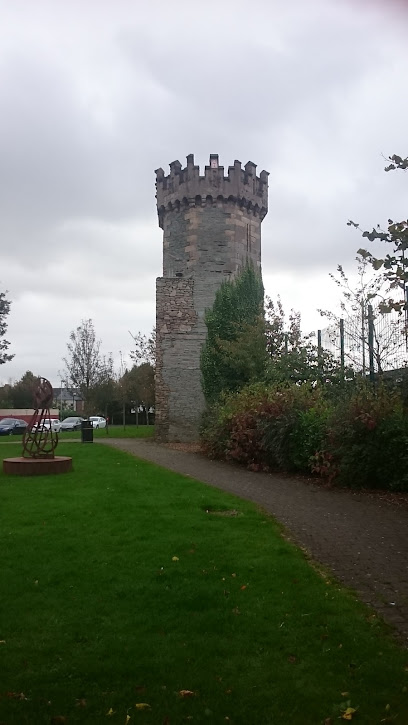
Bloody Sunday Trust
0.2 km
A powerful community museum in Derry’s Bogside, telling the story of civil rights, Free Derry and Bloody Sunday through personal testimonies and original artefacts.
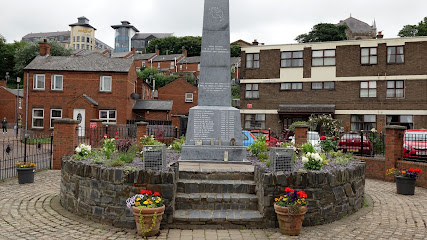
Museum of Free Derry
0.2 km
Explore the powerful history and enduring spirit of Derry’s civil rights movement at the Museum of Free Derry.
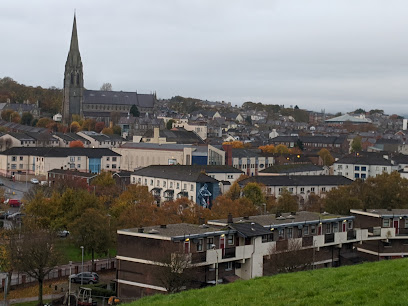
Belong Londonderry / Derry
0.2 km
Next-generation gaming arena where competitive play meets community connection in Derry's premier shopping destination.
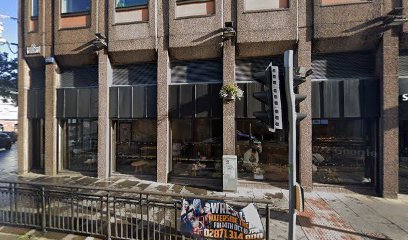
Lisfannon Park
0.2 km
A peaceful coastal park in Londonderry with golden sands, scenic views, and rich birdlife, perfect for family outings and nature lovers.

Essential places to dine

The Gown Restaurant
0.1 km
Experience refined Irish cuisine in a historic setting with seasonally inspired dishes crafted from the freshest local ingredients in Derry’s Cathedral Quarter.
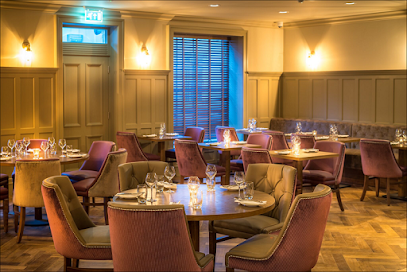
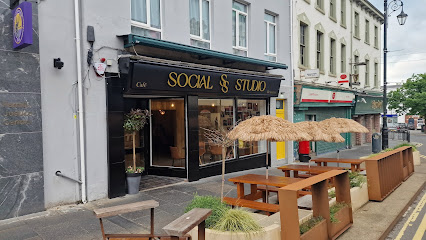
Social Studio Restaurant
0.1 km
Experience innovative cuisine and crafted cocktails in a stylish, welcoming setting at Social Studio Restaurant, Londonderry’s culinary gem.
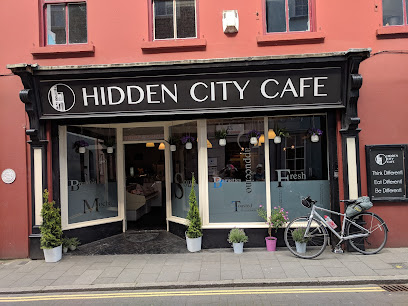
Hidden City Cafe
0.2 km
Ethical family café in Londonderry offering creative, plant-based cuisine with local ingredients and a vibrant, relaxed atmosphere.
The Rocking Chair
0.2 km
Experience the vibrant atmosphere of The Rocking Chair in Londonderry - where great food meets live music in a charming pub setting.
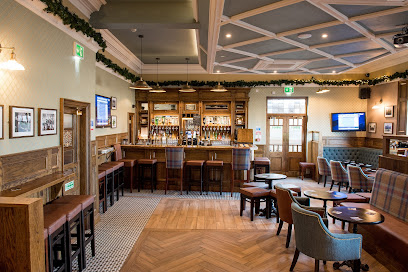
Mekong
0.2 km
Experience vibrant Vietnamese fusion cuisine with fresh flavors and friendly service in the heart of Londonderry’s cultural district.
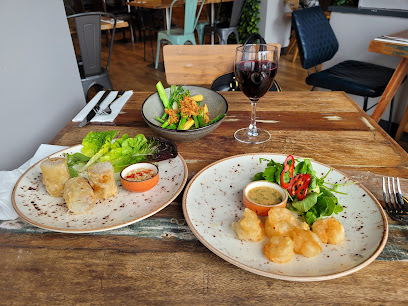
The Dirty Souls
0.3 km
Savor authentic Southern BBQ and soulful flavors with expertly smoked meats and creative cocktails in the heart of Londonderry.
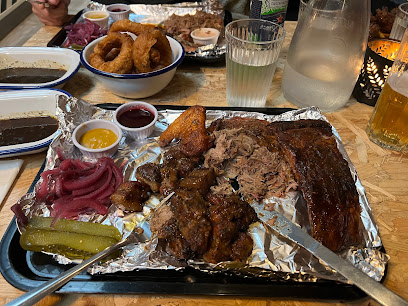
COUPE by The Dirty Souls - Smokehouse/BBQ
0.3 km
Authentic Texas-style BBQ in the heart of Londonderry, serving smoked meats, bold sauces, and craft drinks in a vibrant smokehouse setting.
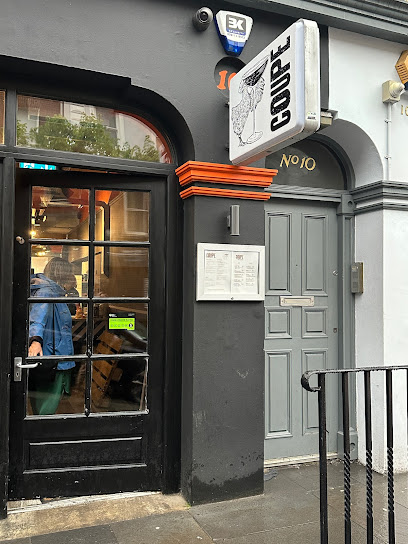
Castle Street Social
0.3 km
A lively social restaurant in Derry serving innovative local dishes, vegan and gluten-free options, with a vibrant bar and welcoming atmosphere.
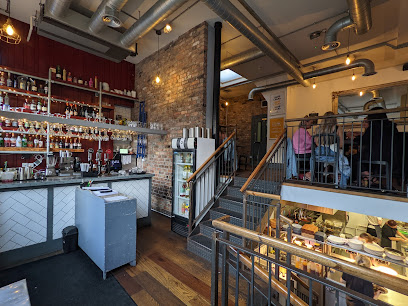
Shipquay Restaurant
0.3 km
Refined Irish dining in a historic boutique hotel overlooking Derry’s iconic City Walls and Guildhall.
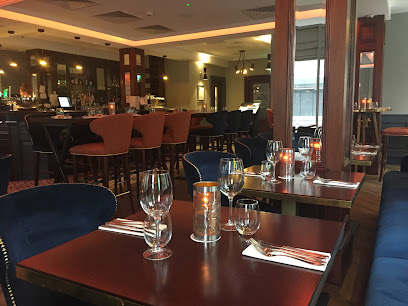
Jamm
0.3 km
Cozy café offering fresh wraps, vegan delights, and great tea in the historic heart of Londonderry.
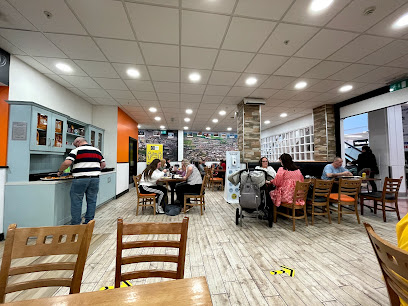
The Bentley Bar
0.3 km
Savor delicious grilled dishes at The Bentley Bar - where flavor meets atmosphere in Londonderry.
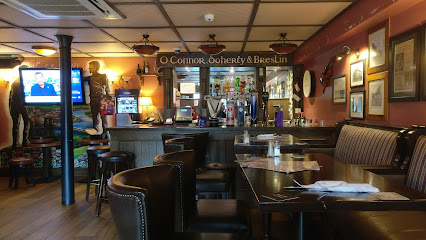
Artis Restaurant By Phelim O' Hagan
0.3 km
Discover exquisite Irish cuisine at Artis Restaurant in Londonderry's Craft Village—where fresh ingredients meet culinary artistry.
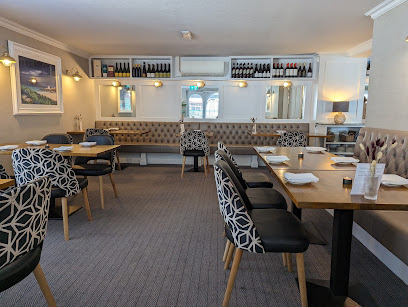
The Scullery Cafe
0.3 km
Charming artisan café in Londonderry serving fresh Irish breakfasts, lunches, and homemade treats in a cozy, welcoming atmosphere.
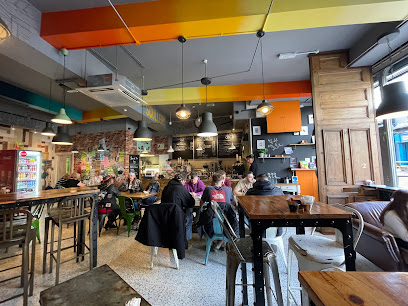
SPAGHETTI JUNCTION
0.3 km
Experience authentic Italian flavors and lively evenings at Spaghetti Junction, Londonderry’s beloved Mediterranean restaurant.
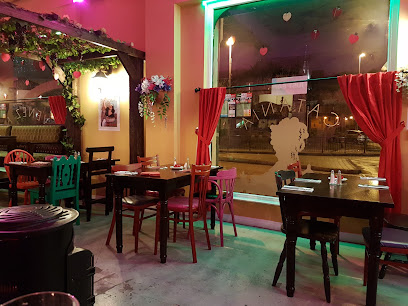
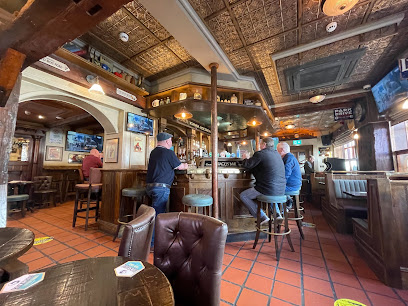
Tracy's Bar
0.3 km
Discover Tracy's Bar in Londonderry – a lively restaurant and bar perfect for enjoying delicious food and drinks in a welcoming atmosphere.
Markets, malls and hidden boutiques

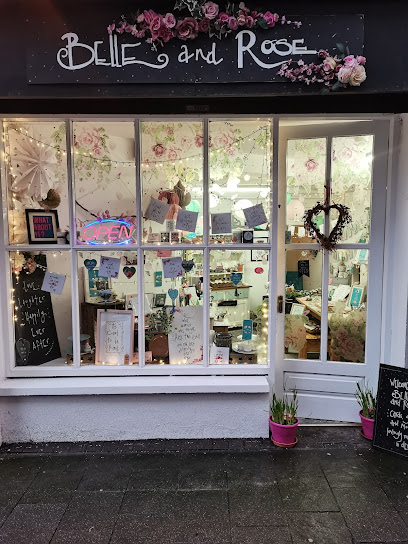
BELLE & ROSE
0.1 km
Discover handcrafted gifts and artistic charm at Belle & Rose, Londonderry’s boutique for meaningful presents.
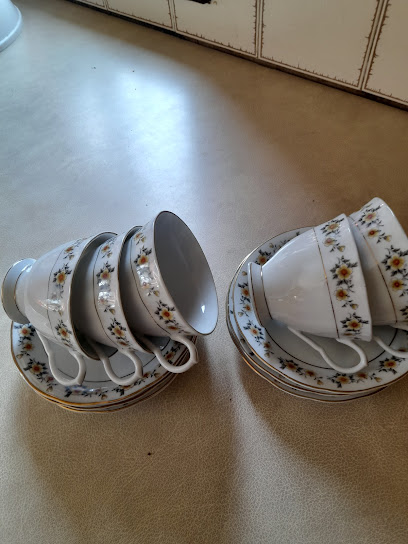
The Whatnot
0.1 km
A charming antique shop in Derry~Londonderry, packed with vintage furniture, curiosities, and collectibles from bygone eras.
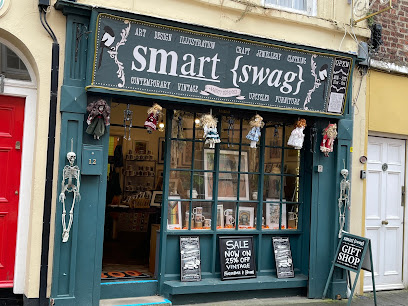
SmartSwag
0.2 km
Discover unique handmade treasures and local artistry at SmartSwag, Londonderry’s vibrant craft shop on London Street.
Harmony
0.2 km
Discover unique gifts and wellness treasures at Harmony, a charming boutique in the heart of Londonderry’s vibrant shopping district.
Vintage Star
0.2 km
Discover timeless style and authentic vintage fashion at Vintage Star, Londonderry’s beloved retro clothing boutique on Pump Street.
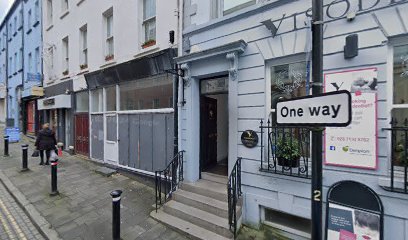
The Donegal Shop
0.2 km
Discover authentic Irish crafts and timeless knitwear in Derry’s family-run Donegal Shop, a heritage hub for Celtic artistry since 1963.
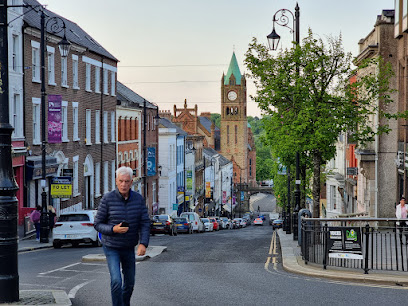
Gimme Goodies
0.3 km
Discover delightful chocolates and gifts at Gimme Goodies, a sweet shop gem in Londonderry’s Richmond Shopping Centre.
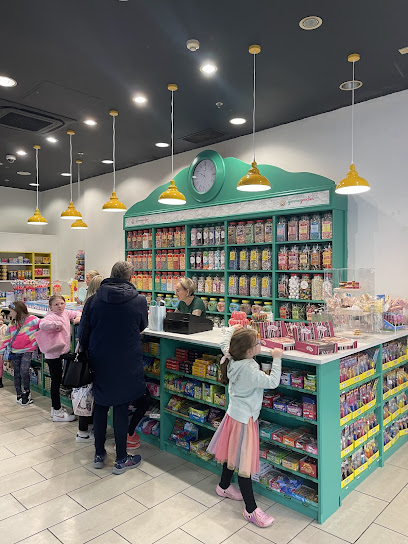
Pippa
0.3 km
Discover unique women's fashion at Pippa, Londonderry's chic boutique, your go-to for stylish clothing and local fashion finds.
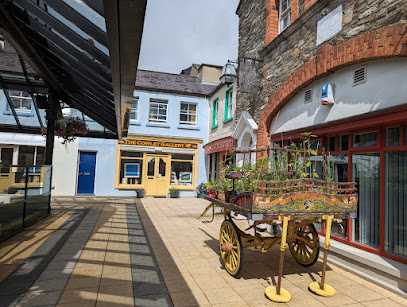
Mermaid Cove
0.3 km
Discover handcrafted bath bombs, natural cosmetics, and exclusive home fragrances at Mermaid Cove in historic Derry’s Richmond Centre.
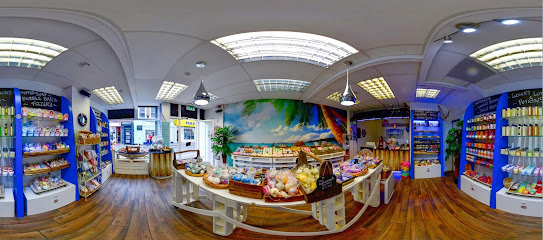
Walled City Gifts & Coffee
0.3 km
Discover unique souvenirs and enjoy delightful coffee at Walled City Gifts & Coffee in Londonderry, a perfect stop for tourists.
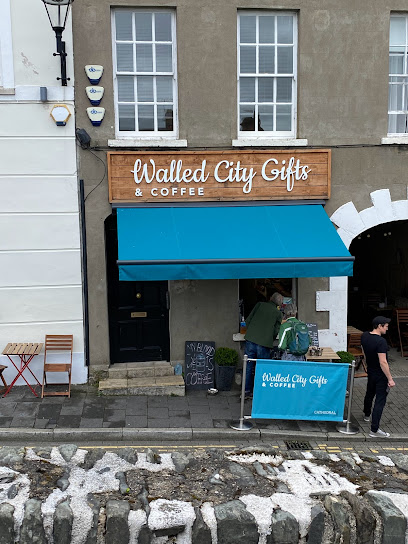
Moments Gift Shop
0.3 km
Explore Moments Gift Shop in Londonderry for unique gifts and local wedding essentials, blending culture with creativity in every purchase.
Kular Fashion
0.3 km
Derry’s trusted family-run boutique for premium men’s designerwear, footwear, and accessories since 1977.
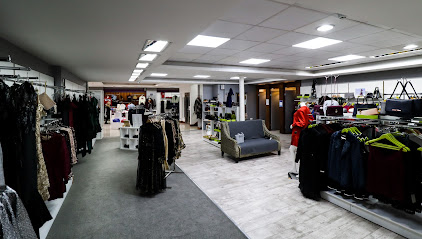
Derry Designer Makers
0.3 km
A vibrant craft collective in Derry’s charming Craft Village, showcasing handmade jewellery, ceramics, textiles, art and more from local North West makers.
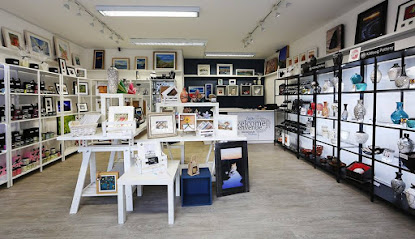
Bonmarché
0.3 km
Affordable, stylish ladies' clothing in the heart of Londonderry’s Richmond Centre, blending comfort with fashion for every occasion.

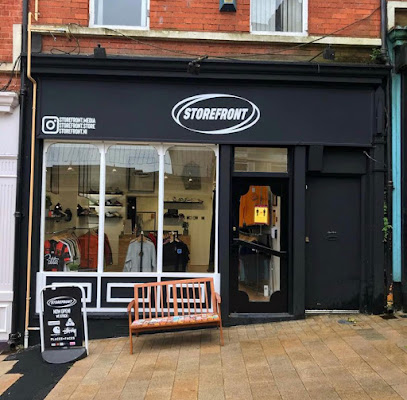
Storefront
0.3 km
Discover premium Irish-designed clothing and unique styles at Storefront, Londonderry’s independent fashion boutique on Waterloo Street.
Essential bars & hidden hideouts

Masons Bar
0.3 km
Experience authentic local charm and warm hospitality at Masons Bar, a cozy and affordable retreat in the heart of Londonderry.
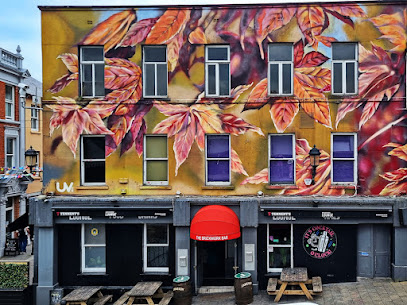
Lizzie O'Farrell's
0.3 km
Experience the lively spirit of Londonderry at Lizzie O'Farrell's, a warm pub blending traditional Irish charm with vibrant live music and local brews.
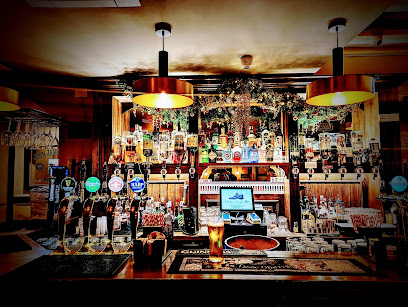
Dungloe Bar
0.3 km
Historic Irish pub since 1892, offering live music, hearty food, and a warm atmosphere in the heart of Londonderry’s Waterloo Street.
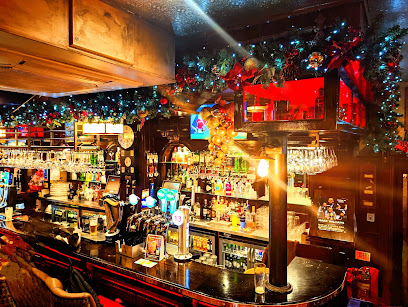
The Thirsty Goat Derry
0.4 km
A lively bar and beer garden in Londonderry offering traditional Irish fare, craft beers, and live music seven nights a week.
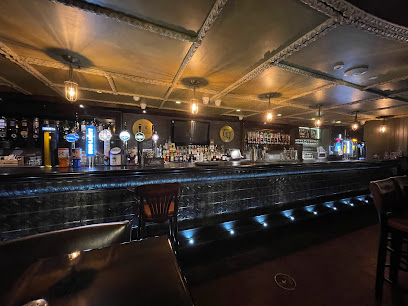
Oakgrove Bar
0.4 km
Experience authentic Irish hospitality, lively entertainment, and a cozy atmosphere at Oakgrove Bar in the heart of Londonderry.
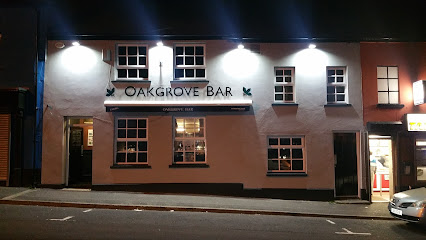
Silver Street Derry
0.4 km
Historic charm and lively modern lounge vibes converge at Silver Street Derry, part of the iconic River Inn since 1684.
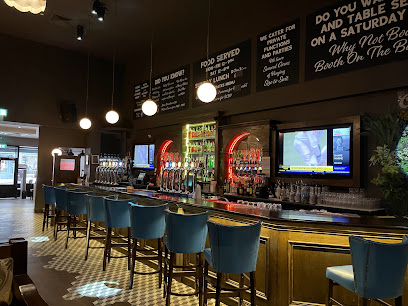
Nacional de Cuba
0.4 km
A vibrant and welcoming cocktail bar in Londonderry, famed for its lively karaoke nights, eclectic music, and expertly crafted drinks.
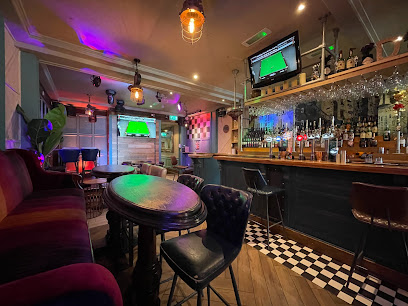
Abercorn Bar & Off Sales
0.4 km
Cozy and affordable local pub in Londonderry with a friendly vibe, live sports, and off-sales convenience.
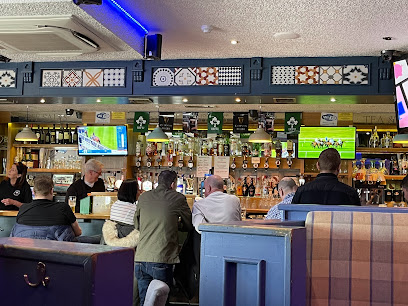
Porter's Bar
0.4 km
Experience authentic Irish hospitality and local craft beers in the cozy, lively heart of Londonderry at Porter's Bar.
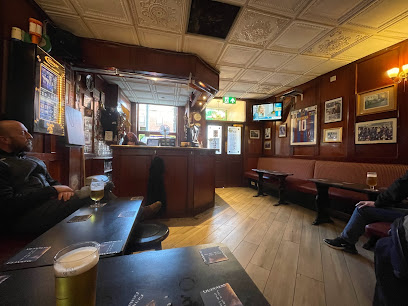
Jack's Bar
0.5 km
Experience authentic Northern Irish hospitality and hearty pub fare in the cozy and lively Jack's Bar at Londonderry's Little James Street.
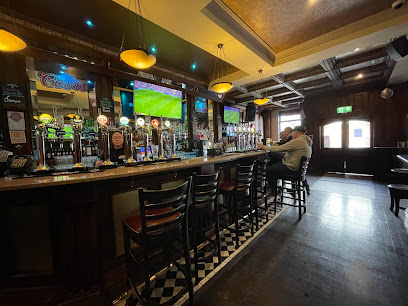
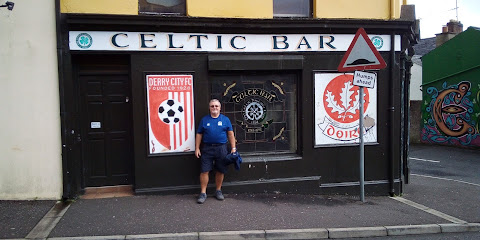
Celtic Bar
0.5 km
A friendly, affordable bar in the heart of Londonderry offering lively music and a welcoming atmosphere for locals and visitors.
Blackbird
0.5 km
Blackbird is a lively Londonderry pub offering fine brews, a welcoming atmosphere, and a growing kitchen menu from midday to late night.
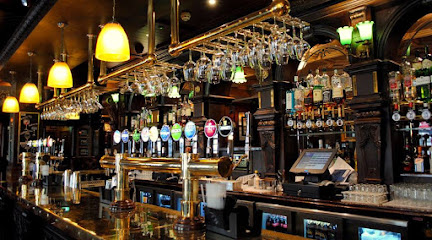
Grand Central Bar
0.5 km
A lively and affordable local pub on Strand Road, Grand Central Bar offers a warm atmosphere and friendly service in the heart of Londonderry.
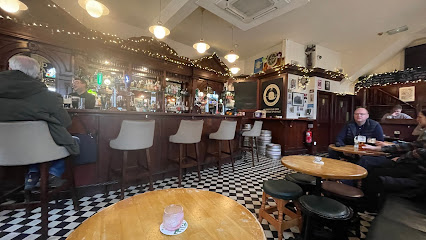
Sandinos
0.5 km
Experience Londonderry’s dynamic live music and vibrant social scene at Sandinos, a beloved bar and café on historic Water Street.
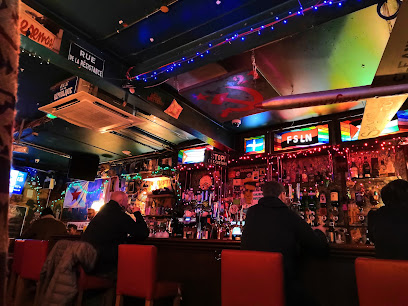
The Trinity Bar
0.5 km
A lively Londonderry bar blending traditional Irish charm with unique decor, great drinks, and hearty local fare in a welcoming atmosphere.
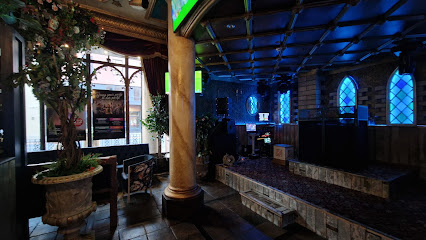
Nightclubs & after hour spots

FIFTY SEVEN Waterloo St
0.3 km
Experience Londonderry’s vibrant nightlife at Fifty Seven Waterloo St, a chic nightclub pulsing with classic DJ beats and lively energy.
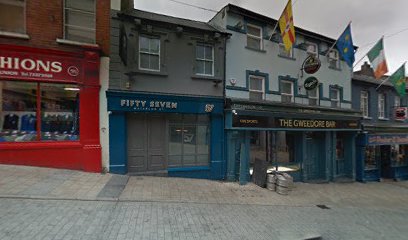
Ibiza Orchestra Live
1.0 km
Experience the electrifying fusion of live orchestral music and iconic Ibiza dance beats in Londonderry’s vibrant nightlife hotspot.
izudoo Derry Pub & Night Club Guide
1.1 km
Experience Londonderry’s vibrant nightlife at izudoo — a lively pub and nightclub with great music, drinks, and unforgettable nights out.
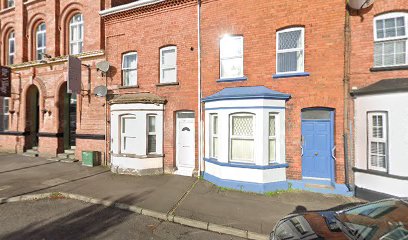
Carrolls
19.0 km
Discover the vibrant nightlife at Carrolls in Buncrana, Co. Donegal, where exceptional drinks and music create unforgettable memories.

XOX Strabane
20.7 km
Experience the vibrant nightlife of Strabane at XOX, the town’s premier nightclub for late-night music, dancing, and social energy.
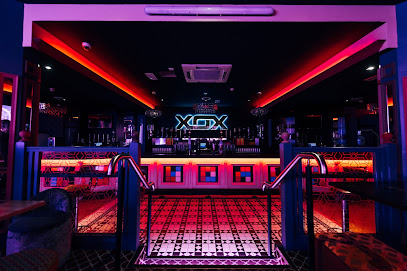
Bailey Redcastle Nite Club
22.4 km
Discover the heart of Co. Donegal's nightlife at Bailey Redcastle Nite Club, where great music and vibrant energy await your arrival.
PULSE VENUE
26.3 km
Experience the vibrant nightlife at PULSE VENUE, Letterkenny's premier night club offering live music and unforgettable dance parties.
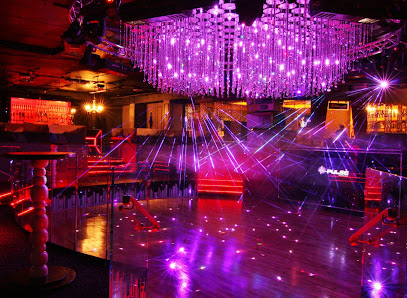
Fifth Avenue Letterkenny
26.5 km
Dive into the heart of Letterkenny's nightlife at Fifth Avenue, where vibrant music and lively dance floors create unforgettable moments.
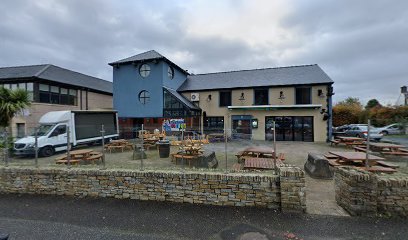
Voodoo Venue
26.9 km
Experience the electric nightlife of Letterkenny at Voodoo Venue, where cocktails, live music, and vibrant energy await every visitor.
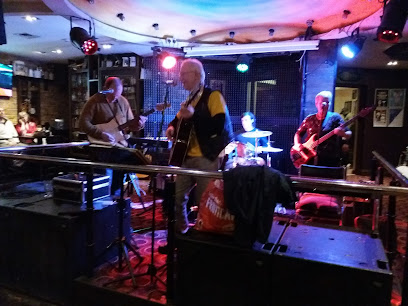
Halyon Club
28.2 km
Discover the vibrant nightlife of Halyon Club in Ballynally, Co. Donegal, where music, dance, and fun come together for an unforgettable experience.
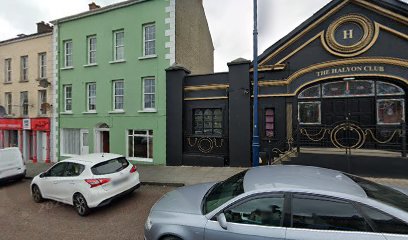
Tul Na Ri
28.7 km
Experience the vibrant nightlife of Co. Donegal at Tul Na Ri, where great music, dancing, and a friendly atmosphere await.
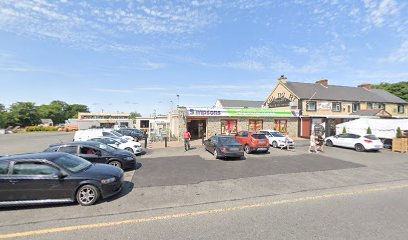
Empire Club
39.3 km
Discover the vibrant nightlife of Donegal at Empire Club, where great music and unforgettable experiences await you in a lively atmosphere.
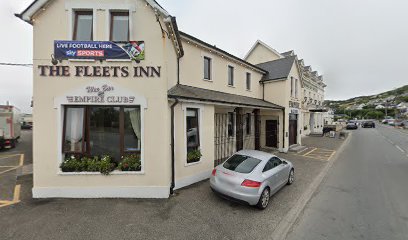
The Vault Nightclub
44.0 km
Discover the vibrant nightlife at The Vault Nightclub in Omagh, where music, dancing, and fun come together for an unforgettable experience.

Tiger Lillys
44.0 km
Omagh’s vibrant jungle-themed nightclub offering fresh cocktails and lively nights exclusively for the 18+ crowd.
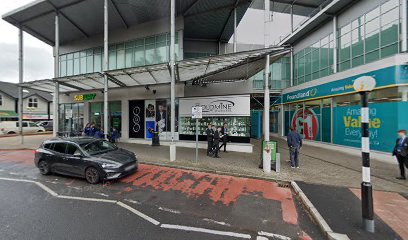
The Legends Lounge
48.1 km
Experience the vibrant atmosphere of The Legends Lounge in Portrush, a perfect bar for enjoying drinks and local culture.
For the vibe & atmosphere seeker
- Historic
- Scenic
- Tranquil
- Unique
- Cultural Heritage
For the design and aesthetic lover
- Historic
- Vintage Styles
For the architecture buff
- Historic
- Landmarks
- Viewpoints
For the view chaser and sunset hunter
- Iconic Views
- Panoramas
- Sunset Spots
For the social media creator & influencer
- Instagrammable
- Photo Spots
- Selfie Spots
- Architectural Shots
For the eco-conscious traveler
- Public-Transport Accessible
- Low Impact
- Protected Area
For the kind of experience you’re after
- Cultural Heritage
- Photowalk
- Day Trip
- Weekend Getaway
- Myth & Legends
For how adventurous you want the journey to be
- Easy Access
Location Audience
- Family Friendly
- Senior Friendly
- Child Friendly
- Teen Friendly
- Wheelchair Access
- Solo Friendly
- Couple Friendly
- Vegetarian Friendly
- Vegan Friendly


