
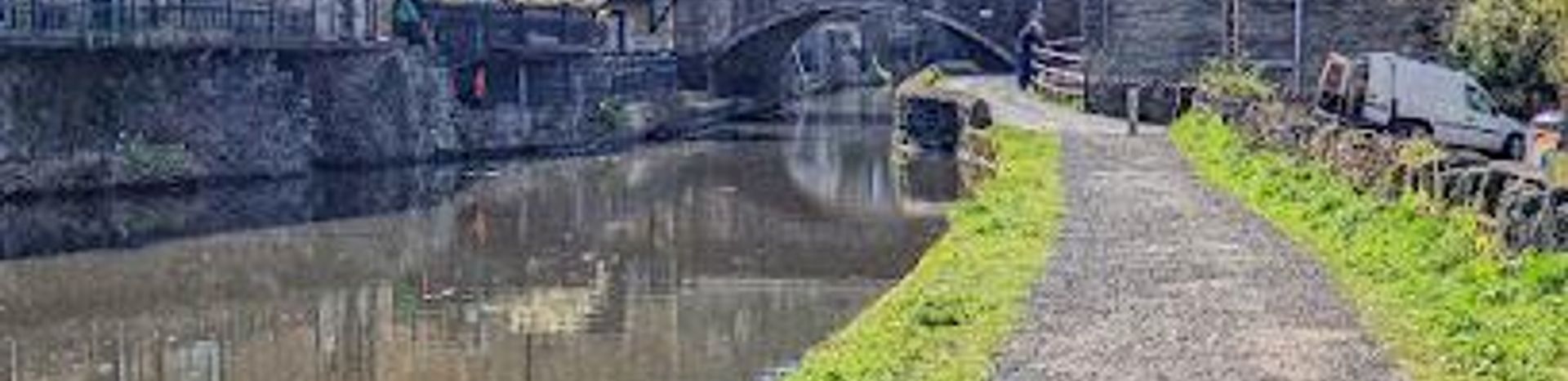
Rochdale Canal: Historic Trans-Pennine Waterway and Leisure Route
Historic 32-mile canal crossing the Pennines, blending industrial heritage with scenic walking, cycling, and boating opportunities.
The Rochdale Canal, opened in 1804, is a 32-mile historic waterway crossing the Pennines from Sowerby Bridge in West Yorkshire to Manchester. Known as the first trans-Pennine canal without tunnels, it features 91 locks and played a vital role in the Industrial Revolution transporting coal, wool, and textiles. Today, it offers a scenic towpath popular for walking, cycling, boating, and wildlife spotting, blending industrial heritage with tranquil countryside and urban landscapes.
A brief summary to Rochdale Canal
- GB
- Visit website
- Duration: 1 to 6 hours
- Free
-
 Outdoor
- Mobile reception: 4 out of 5
Local tips
- Explore the canal in sections using local train stations at Sowerby Bridge, Hebden Bridge, and Littleborough for convenient access.
- Bring a camera to capture the historic stone locks, bridges, and scenic Pennine landscapes along the towpath.
- Consider hiring a canal boat for a unique experience navigating the 91 locks and enjoying the tranquil waters.
- Visit during the summer for the Rochdale Canal Festival and community events celebrating the waterway’s heritage.

For the on-the-go comforts that matter to you
- Restrooms
- Drink Options
- Food Options
- Seating Areas
- Trash Bins
- Information Boards
Getting There
-
Train
Regional train services connect Manchester with stations at Sowerby Bridge, Mytholmroyd, Hebden Bridge, Todmorden, and Littleborough. Travel times range from 30 to 60 minutes depending on the station. Trains run frequently but check schedules for weekend or evening service variations. From these stations, the canal towpath is easily accessible for walking or cycling.
-
Bus
Local bus routes serve towns along the canal including Rochdale, Castleton, and Littleborough, providing flexible access for shorter walks. Bus travel times vary between 20 and 50 minutes from Manchester city centre. Buses accommodate bicycles on board but confirm availability in advance. Services operate regularly during daytime hours with reduced frequency on Sundays.
-
Car
Driving to canal access points is possible with parking available in towns such as Rochdale and Sowerby Bridge. Parking may be limited during festivals or weekends. Roads are well maintained but narrow in some rural areas. Use caution during winter months when weather conditions can affect driving safety.
Rochdale Canal location weather suitability
-
 Any Weather
-
 Rain / Wet Weather
-
 Clear Skies
-
 Mild Temperatures
-
 Cold Weather
Discover more about Rochdale Canal
A Landmark of Industrial Ambition and Engineering
The Rochdale Canal was officially opened in 1804, marking a pioneering achievement as the first trans-Pennine canal completed without tunnels. Stretching approximately 32 miles from Sowerby Bridge in West Yorkshire to Manchester, it was designed to facilitate transport of raw materials and manufactured goods across the rugged Pennine hills. The canal boasts an impressive 91 locks that raise and lower boats over the high summit level at 600 feet above sea level, a testament to Georgian engineering ingenuity. Its construction was driven by local entrepreneurs and engineers including John Rennie and James Brindley, overcoming significant opposition and technical challenges to connect Yorkshire’s industrial towns with Lancashire’s markets.From Industrial Artery to Leisure Haven
During the 19th century, the canal was a bustling trade route, carrying coal, wool, textiles, and other goods vital to the Industrial Revolution. At its peak, thousands of barges navigated its waters, making it a critical economic lifeline. However, with the rise of railways and motor transport, commercial use declined sharply by the mid-20th century, and sections fell into disrepair. A major restoration completed in 2002 revived the canal, transforming it into a popular leisure destination. Today, it is cherished for boating, walking, and cycling, offering a peaceful escape through both urban areas and the scenic Pennine countryside.Scenic Routes and Rich Heritage Along the Towpath
The canal towpath runs continuously along the entire length, providing an accessible, mostly flat route ideal for walkers, cyclists, and families with buggies. It passes through charming towns such as Rochdale, Hebden Bridge, Todmorden, and Littleborough, featuring historic stone bridges, restored mills, and lock chambers crafted from dressed stone and timber. Wildlife thrives along the waterway, with quiet stretches offering opportunities to spot birds, ducks, and native flora. The route is well connected by local buses and train stations, making it easy to explore in sections or as a multi-day walking holiday.Community and Events Celebrating the Canal
Local communities actively support the canal’s upkeep and celebrate its heritage through events such as the annual Rochdale Canal Festival. Volunteer groups maintain areas like the 'food for free' gardens, where fruit bushes and trees grow along the banks. Boating enthusiasts can hire canal boats for day trips or longer holidays, experiencing the historic locks and tranquil waters firsthand. The canal’s blend of industrial history and natural beauty continues to inspire photographers, historians, and outdoor lovers alike.Urban and Rural Contrasts Along the Waterway
The canal offers a unique juxtaposition of environments, flowing from the bustling urban setting of Manchester city centre with its converted warehouses and modern waterfront apartments, through semi-rural market towns, and into the rolling Pennine hills. This diversity provides a rich sensory experience—from the sounds of city life and clinking lock gates to the peaceful rustle of wildlife and panoramic countryside views. The canal’s historic fabric remains evident in its carefully preserved locks, bridges, and aqueducts, standing as monuments to the region’s industrial past.Access and Practical Information for Visitors
The Rochdale Canal is accessible at multiple points along its route, including from train stations at Sowerby Bridge, Mytholmroyd, Hebden Bridge, Todmorden, and Littleborough. The towpath is suitable for all ages and fitness levels, with gentle gradients making it a favored route for casual strolls, cycling, and family outings. Amenities such as cafes, pubs, and picnic areas are available in towns along the way. Regular public transport links and well-maintained paths support flexible exploration, whether for a short visit or a longer walking holiday covering the full canal length.Iconic landmarks you can’t miss

Tonge Hall
7.4 km
Discover Tonge Hall, a rare Elizabethan timber-framed manor in Middleton, blending Tudor grandeur with poignant history and ongoing restoration.
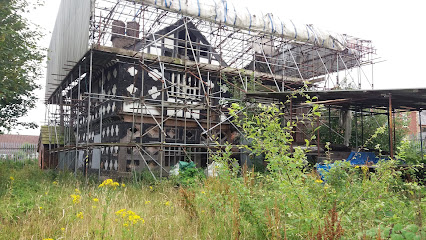
Sussex Avenue
8.2 km
Discover the charm of Bury from Sussex Avenue, your convenient gateway to local attractions and experiences in this historic English town.
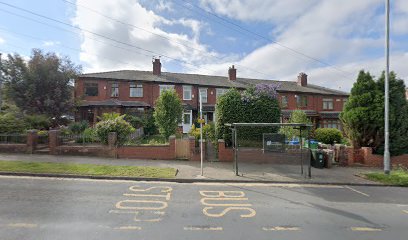
Robert Peel Statue
10.8 km
Honouring Bury’s most famous son: the 1851 bronze statue of Sir Robert Peel, twice Prime Minister and founder of the modern police force.

Heaton Park Temple
10.9 km
Discover the tranquil neoclassical Heaton Park Temple, perched atop Manchester’s largest park with stunning city views and rich historic charm.
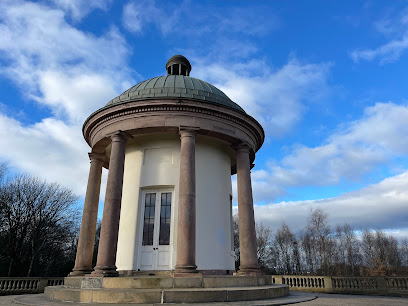
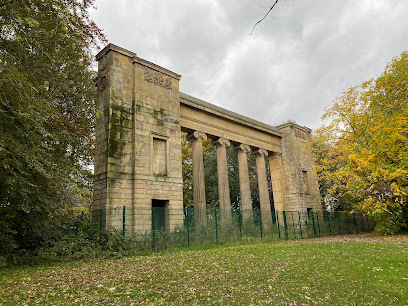
Manchester Old Town Hall Colonnade
12.0 km
A neoclassical relic of Manchester’s first Town Hall, relocated and preserved as a serene monument in Heaton Park.
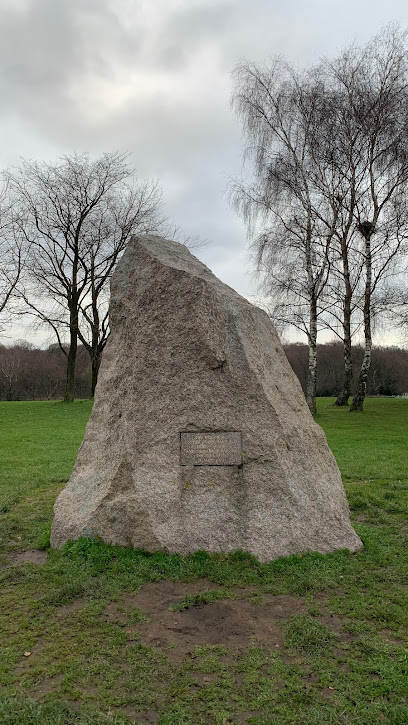
Heaton Park Papal Monument
12.1 km
A granite testament to faith and history where 200,000 gathered for a papal milestone in 1982.
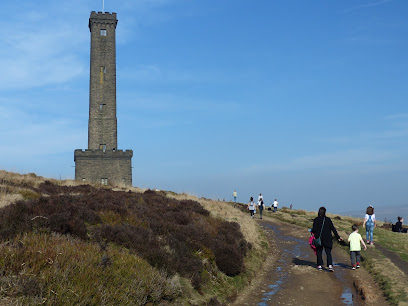
Peel Tower
13.9 km
Historic Peel Tower on Holcombe Hill offers panoramic views and a tribute to Sir Robert Peel’s legacy near Bury.
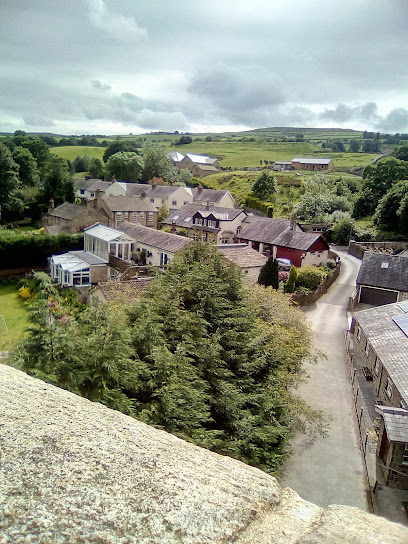
Lumb Viaduct
14.1 km
Discover the historic Victorian Lumb Viaduct, a stunning railway landmark offering scenic walks and cycling across Lancashire’s Rossendale Valley.
Lowry Footbridge
14.1 km
A Victorian iron bridge immortalized in art, connecting Manchester's industrial past to its present.
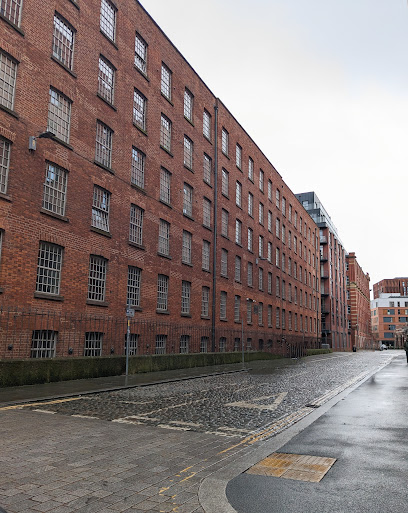
Murrays' Mill
15.1 km
Explore Murrays' Mills, the world’s oldest urban steam-powered cotton mill, where industrial heritage meets modern living in Manchester’s historic Ancoats district.
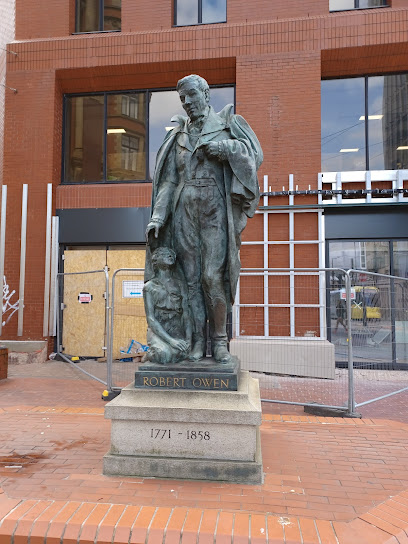
Robert Owen Statue
15.3 km
Honoring Robert Owen, pioneer of social reform and the co-operative movement, through a striking statue in Manchester’s city heart.
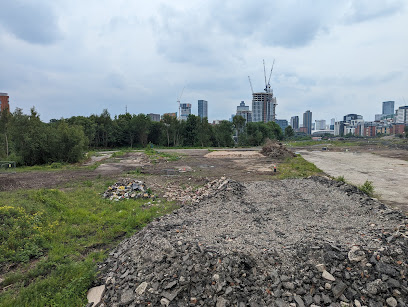
Great Ancoats Street Tunnel (tram) east portal
15.4 km
Historic tram tunnel portal in Manchester’s industrial Ancoats district, linking past mill heritage with modern urban regeneration.
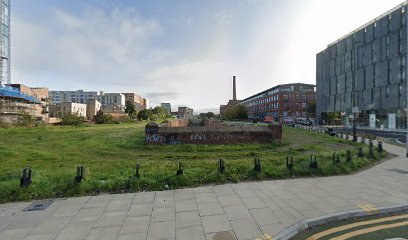
Great Ancoats Street Tunnel (tram) west portal
15.5 km
A historic tram tunnel portal in Ancoats, symbolizing Manchester’s industrial heritage and urban transformation.
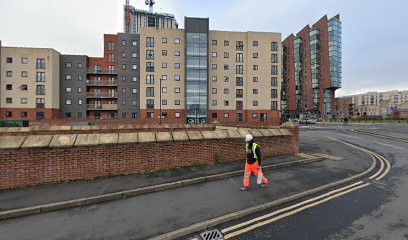
The Undamaged Red Post Box
15.6 km
A resilient symbol of hope standing where devastation once reigned on Manchester's Corporation Street.
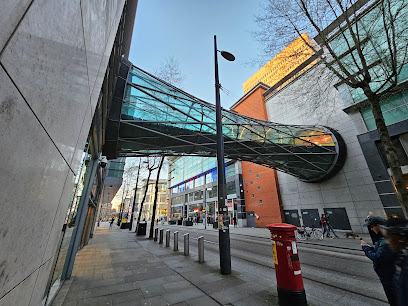
Statue of the Duke of Wellington
15.7 km
A commanding Victorian bronze statue in Piccadilly Gardens honoring the Duke of Wellington’s military valor and political legacy.
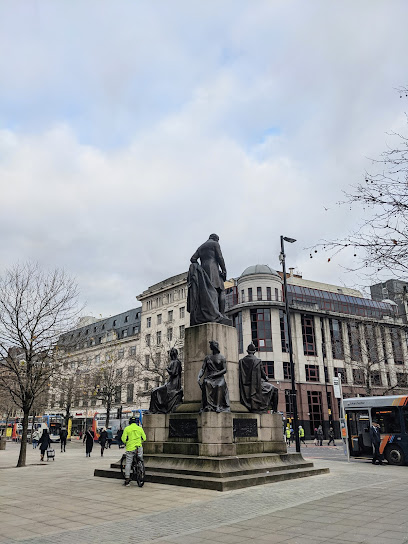
Unmissable attractions to see

Healey Dell Fairies Chapel
4.8 km
Discover the enchanting Fairies Chapel at Healey Dell, a natural rock grotto steeped in folklore and nestled within a tranquil riverside nature reserve.
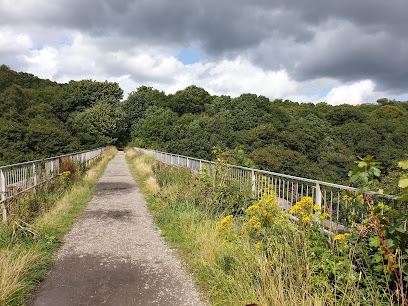
Uniquely Manchester Ltd
7.6 km
Modern, secure, and flexible self-storage and workspace solutions in the heart of Middleton, Manchester.
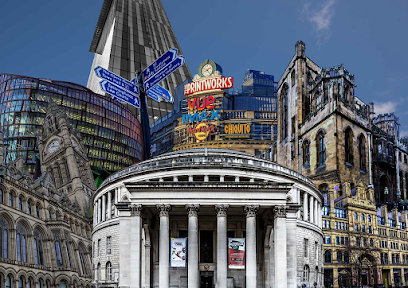
Boggart Hole Clough
10.4 km
Explore Manchester’s ancient woodland where nature’s beauty meets eerie folklore and steep wooded ravines at Boggart Hole Clough.
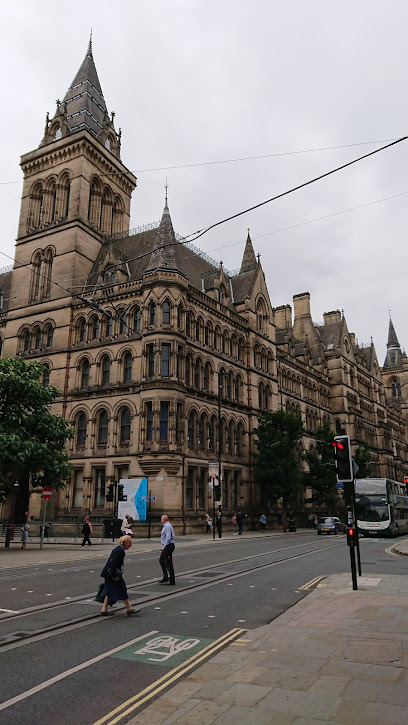
Brownhill Countryside Centre
10.4 km
Explore Saddleworth’s scenic Pennine landscapes from this accessible, dog-friendly countryside centre with trails, a cafe, and a nature garden.
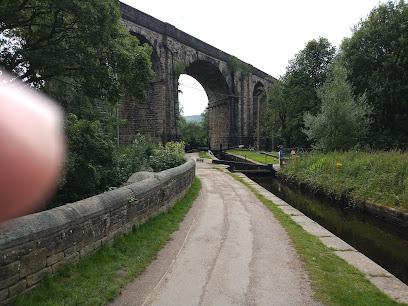
Waugh's Well
10.8 km
A serene moorland monument honoring Edwin Waugh, Lancashire’s cherished dialect poet and his creative refuge on Scout Moor.
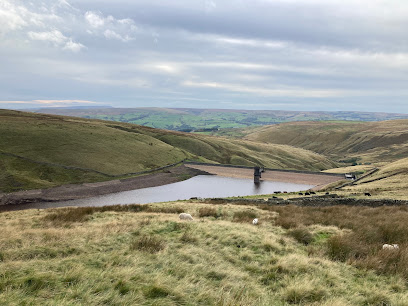
Saddleworth Museum & Gallery
10.9 km
Discover Saddleworth’s rich heritage and vibrant art scene in a charming canal-side museum open daily in Uppermill.
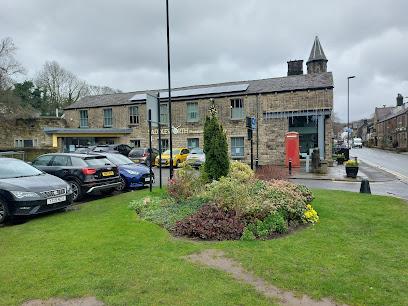
East Lancashire Railway
10.9 km
Step aboard the East Lancashire Railway for scenic steam and diesel journeys through historic Lancashire, starting at the iconic Bury Bolton Street Station.
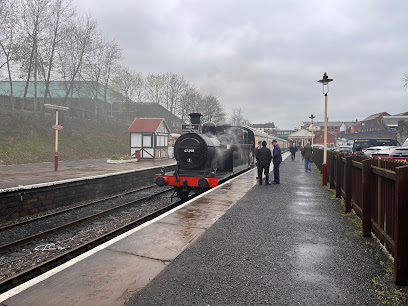
Bury Transport Museum
11.0 km
Explore vintage vehicles and interactive exhibits in a historic 1848 railway warehouse celebrating Northwest England’s transport heritage.
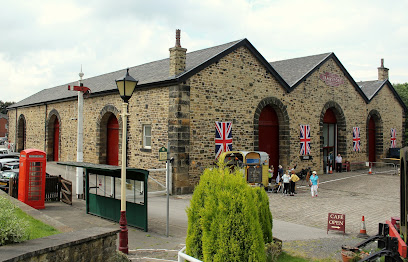
Heaton Hall
11.2 km
Explore Heaton Hall’s exquisite neoclassical architecture and rich history nestled within Manchester’s expansive Heaton Park.
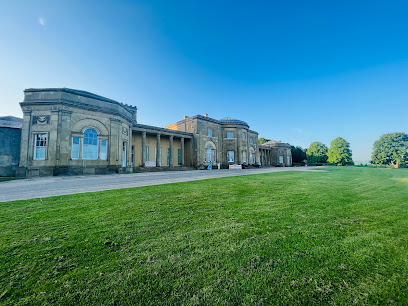
Heaton Park
11.2 km
Explore Manchester’s largest park with historic Heaton Hall, vast green spaces, family attractions, and year-round events in a stunning natural setting.
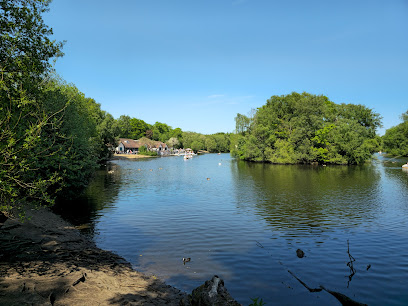
Heaton Park Tramway
11.3 km
Step back in time with vintage tram rides and a charming museum nestled in Manchester’s scenic Heaton Park.
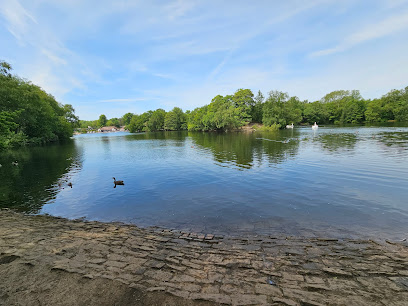
Eagle & Child Inn
11.9 km
Historic Lancashire pub with five centuries of stories, ghosts, and award-winning hospitality.
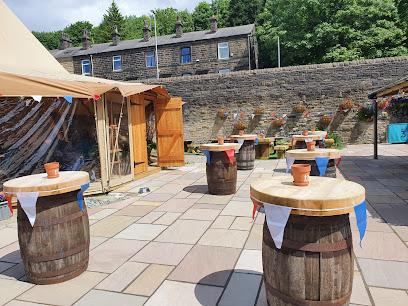
Radcliffe Tower
12.5 km
Discover the rich history and architectural beauty of Radcliffe Tower, a must-visit landmark in Manchester that encapsulates the essence of local heritage.
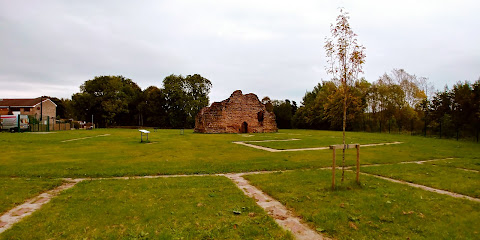
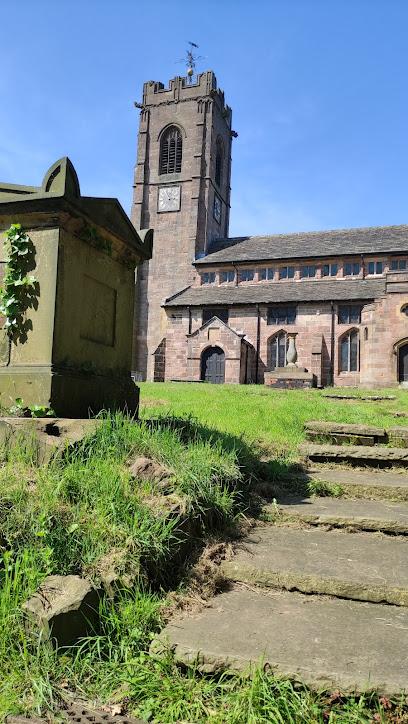
Parish Church of St Mary the Virgin, Prestwich
13.3 km
A historic Grade I listed Anglican church in Prestwich with over 800 years of worship, rich architecture, and poignant community heritage.
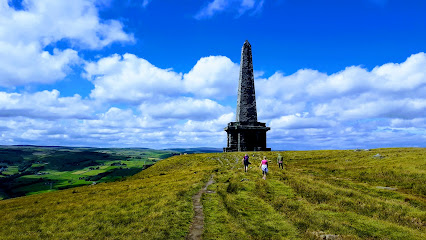
Stoodley Pike
13.3 km
A towering 19th-century peace monument atop West Yorkshire moors, offering panoramic views and rich historical resonance.
Essential places to dine

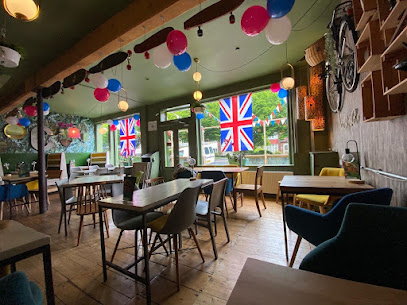
Crowded House Restaurant
11.3 km
A vibrant blend of modern British dining, quirky charm, and lively bar culture in the heart of Bury.
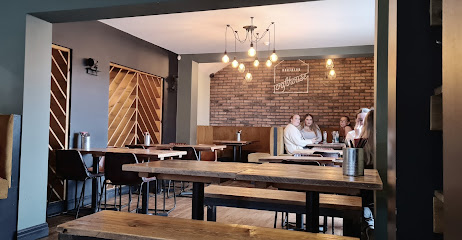
Northern Crafthouse
12.3 km
A vibrant brew house in Whitefield blending modern style, craft beers, and hearty American comfort food in a welcoming atmosphere.
Vermilion
13.8 km
Experience vibrant Asian fusion cuisine and lavish ambience at Vermilion, Manchester’s premier destination for seafood, cocktails, and celebrations.
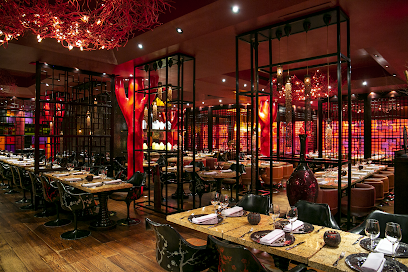
The Sparrows Continental Pasta & Spätzle
14.8 km
Cozy railway-arch eatery in Manchester serving authentic handmade spätzle and Central European pasta with a lively, buzzy atmosphere.
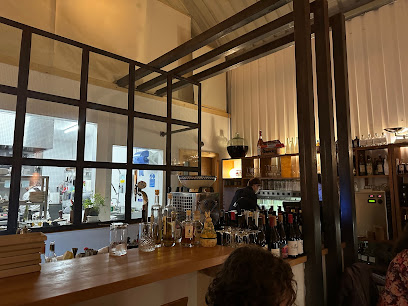
RIGATONI'S Ancoats
15.0 km
Specialized Southern Italian pasta kitchen in Manchester’s vibrant Ancoats, serving bold, hearty rigatoni dishes in a modern setting.
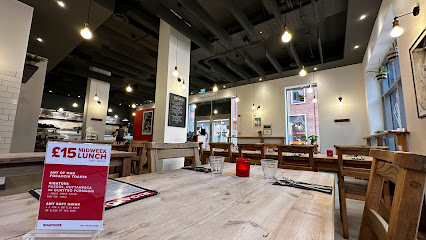
SUD Pasta Ancoats
15.0 km
Experience vibrant, handmade Italian pasta and lively communal dining in the heart of Manchester’s trendy Ancoats district.
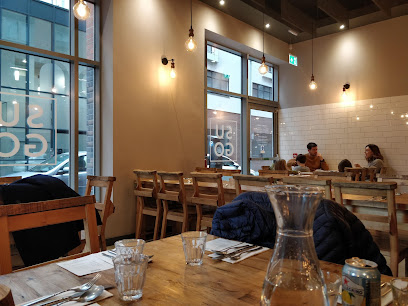
mana
15.0 km
Manchester’s first Michelin-starred restaurant, Mana serves avant-garde British tasting menus in a sleek open-kitchen space in Ancoats.
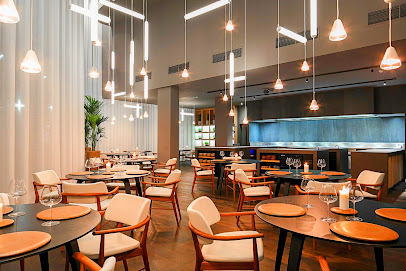
Elnecot
15.1 km
Ancoats’ vibrant modern British bar and kitchen blending inventive seasonal dishes with a warm, industrial-chic atmosphere.
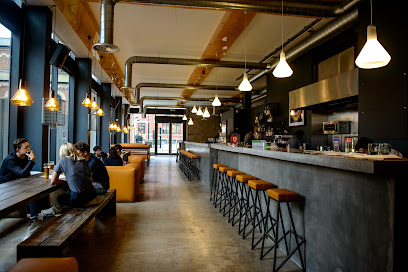
Erst
15.1 km
Seasonal sharing plates and natural wines in Ancoats' industrial-chic haven, where Manchester's food scene thrives.
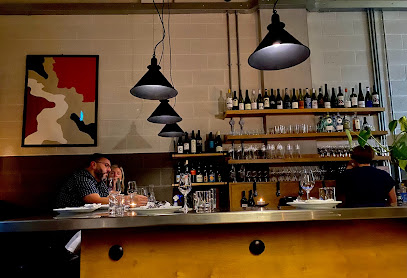
The Counter House
15.1 km
A relaxed modern European restaurant in Manchester’s Ancoats, offering hearty comfort food with a healthy twist and excellent wine service.
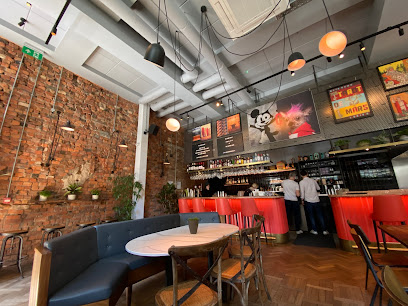
Jimmy's Manchester
15.1 km
Discover Jimmy's Manchester: A lively bar serving delicious American BBQ and inventive cocktails in Ancoats.
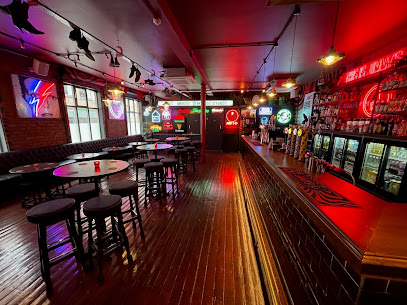
Rudy's Pizza Napoletana - Ancoats
15.1 km
Experience authentic Neapolitan pizza with light, airy crusts and traditional toppings in a lively, rustic setting in Manchester’s Ancoats district.
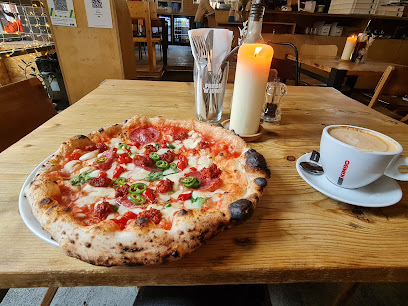
Canto
15.1 km
Experience vibrant Portuguese tapas and Mediterranean flavors in the stylish heart of Ancoats, Manchester’s buzzing culinary hotspot.
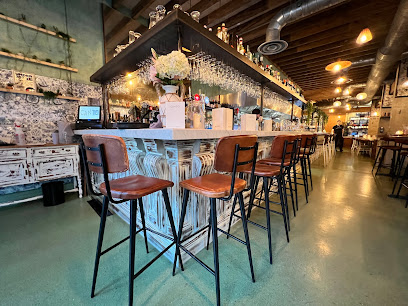
Viet Shack Restaurant
15.2 km
Experience bold Vietnamese street food flavors and vibrant fusion dishes in the heart of Manchester’s creative Ancoats district.
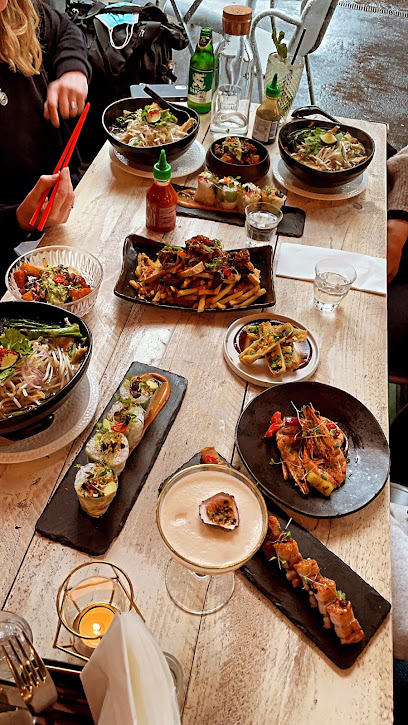
Street Urchin
15.3 km
Bold British seafood and market dining in a modern, plant-filled space with warm service and inventive, seasonal dishes in Manchester’s Ancoats.
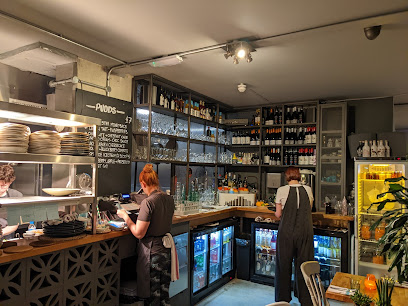
Markets, malls and hidden boutiques

All Things Unique
13.7 km
Explore All Things Unique in Ashton-under-Lyne for an unforgettable shopping experience filled with eclectic gifts and local treasures.

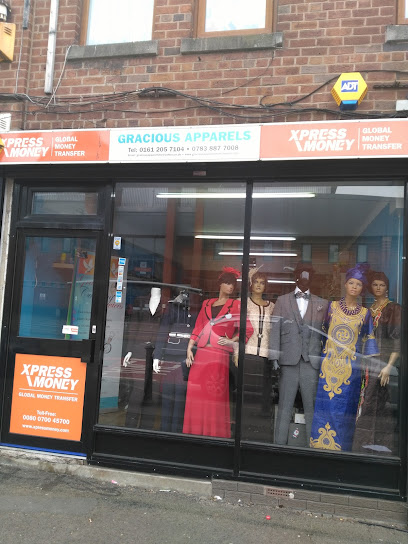
GRACIOUS APPARELS
14.8 km
Discover diverse fashion treasures in Ancoats: custom T-shirts, alterations, designer clothes, and more at this vibrant Manchester clothing hub.
Crown HQ
14.9 km
Retro threads meet rhythmic beats in Ancoats' industrial gem—a vintage shop by day, dance haven after hours.
Annea Veleta
15.0 km
A curated, maker-focused gift boutique in Ancoats offering handcrafted homewares, stationery and tasteful Manchester-themed keepsakes.
HighMidLows
15.0 km
Uncover eclectic contemporary fashion in Ancoats' creative heart at HighMidLows, where unique local designs meet everyday style in a vibrant boutique setting.

Twisted Smile
15.1 km
Discover eclectic style at Twisted Smile, Ancoats' boutique beacon of unique apparel amid Manchester's creative revival. Curated finds and expert advice await in this urban fashion haven. (162 characters)

The Norah Store
15.1 km
Boutique womenswear in Ancoats with a slow-fashion, carefully curated edit of rare and independent labels.
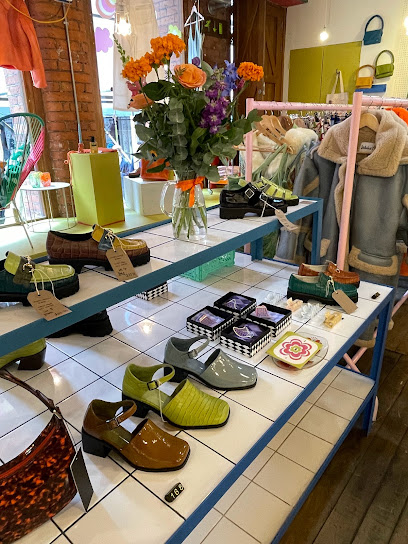
Ancoats General Store
15.2 km
A modern corner shop in Ancoats mixing everyday essentials with craft beers, vegan options, coffee and an in‑store post office.
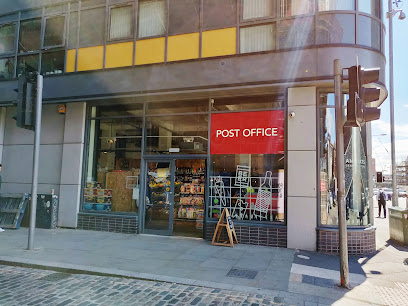
Store Retail Group Ltd
15.2 km
Explore the vibrant retail scene in Ancoats, Manchester, at Store Retail Group Ltd, where local craftsmanship meets urban charm.
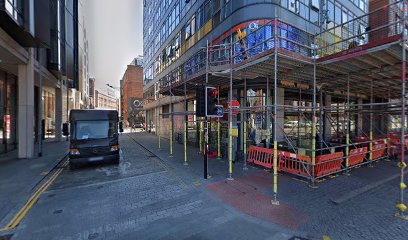
Nordic Muse Lifestyle Store
15.3 km
A quietly curated Northern Quarter boutique for simple, well-crafted jewellery and Nordic-inspired homeware.
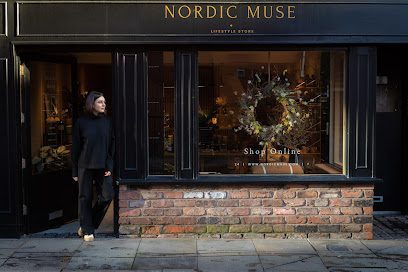
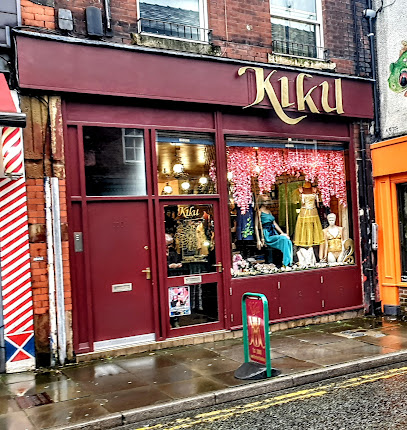
Kiku Boutique
15.3 km
Bespoke corsets and vintage lingerie in Manchester's Northern Quarter: handmade elegance that defies fast fashion.
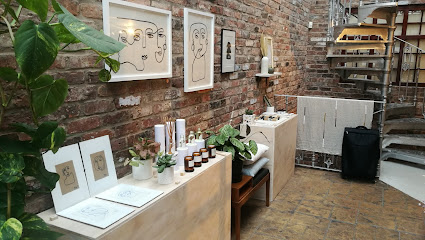
Form Lifestyle Store
15.3 km
Discover Manchester's hidden gem: a light-filled Grade II listed haven brimming with indie-crafted homewares, gifts, and creative workshops in the Northern Quarter.
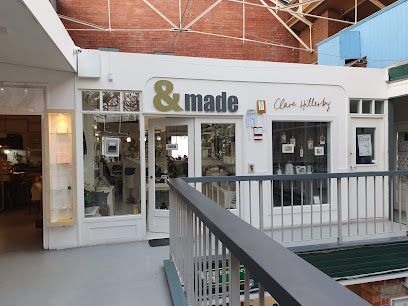
&made
15.3 km
Discover unique handmade gifts and artworks at &made, a creative studio in Manchester’s vibrant Northern Quarter craft hub.
Jessica6 Designs
15.3 km
Discover unique luxury gifts and local artistry at Jessica6 Designs within Manchester’s vibrant Craft & Design Centre.
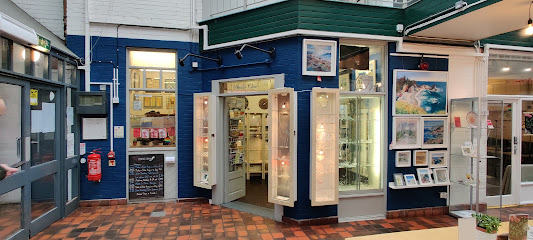
Studio One - Jewellery, Craft, Gifts and Homewares
15.3 km
Discover exquisite handmade jewellery and crafts at Studio One, a vibrant artisan studio within Manchester’s historic Craft and Design Centre.
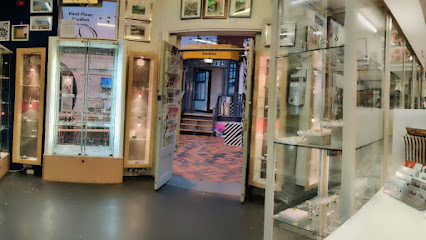
Essential bars & hidden hideouts

blossom street SOCIAL
15.0 km
Chilled wine bar in Ancoats with vinyl vibes, bottle walls, and pop-up fine dining—where sophisticated sips meet casual social hours in Manchester's creative heart.
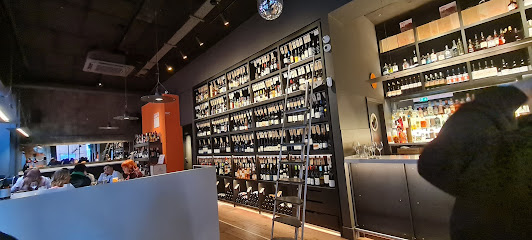
cask
15.1 km
Craft beer haven on Manchester's New Islington Marina, with canal views, games, and a relaxed vibe in trendy Ancoats.
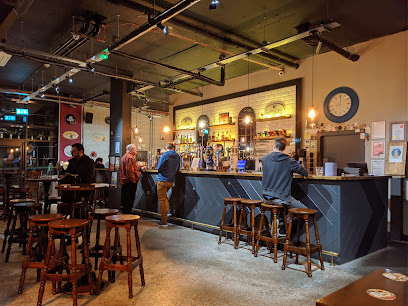
The Jane Eyre
15.1 km
Ancoats' inventive neighbourhood bar serving bold small plates, creative cocktails, and Sunday roasts in a buzzing industrial space—perfect for grazing and lingering.
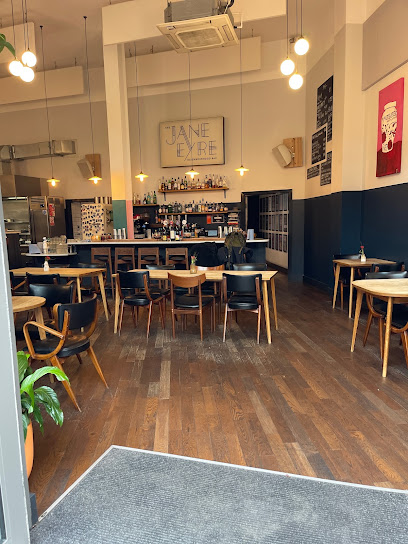
KERB
15.1 km
Intimate natural wine haven in Ancoats: curved peach walls, pet-nat sparklers, and expert tastings in a Scandi-style cocoon.
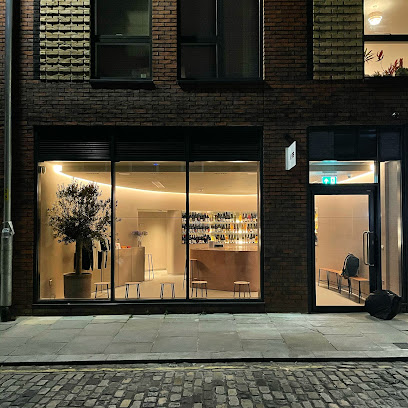
The Edinburgh Castle Pub
15.2 km
Historic Ancoats boozer reborn: cosy Victorian pub vibes meet seasonal gastropub mastery and local brews in Manchester's industrial heart.
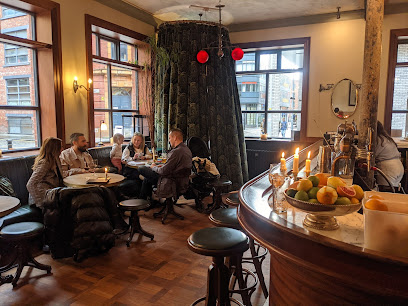
Bar Fringe
15.2 km
A cozy Northern Quarter bar with quirky charm, top Belgian beers, live music, and a welcoming vibe for relaxed socializing.
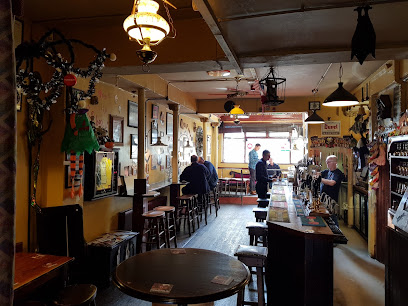
The Crown & Kettle
15.2 km
Grade II-listed Ancoats gem with a world-class tin ceiling, craft beer mastery, and cozy Victorian vibes—Manchester's perfect pub hybrid.
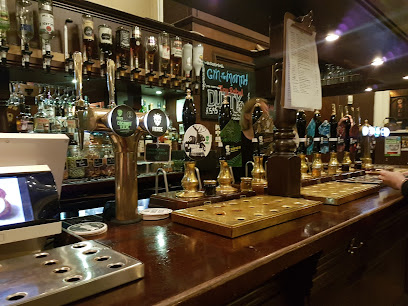
Mean Eyed Cat Bar Manchester
15.3 km
Dive into Manchester’s Northern Quarter for rebellious rock ’n’ roll vibes, free pizza, and legendary dice games at Mean Eyed Cat Bar.
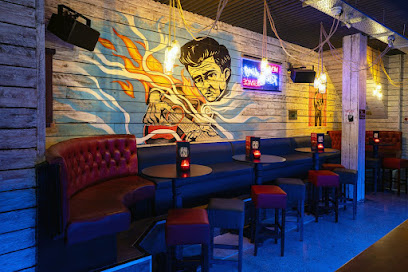
Behind Closed Doors
15.3 km
Descend into debauched delight at this Northern Quarter speakeasy, where retro telephones summon saucy cocktails amid erotic art, neon booths, and funky DJ beats until 4am.
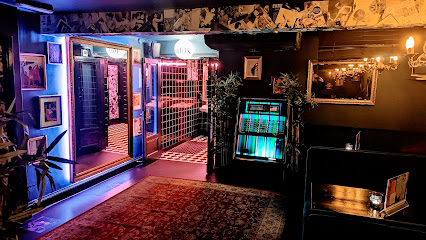
Wolf at the Door
15.4 km
A vibrant Northern Quarter bar serving innovative tapas-style bao buns, craft cocktails, and a lively urban atmosphere.
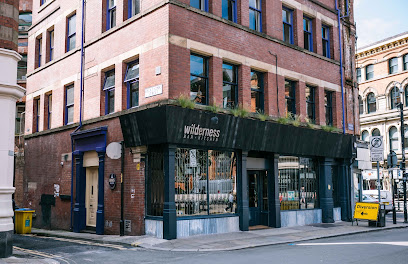
Science And Industry
15.4 km
Sophisticated cocktails and a stylish vibe await you at Science and Industry, the first-floor bar of Cane & Grain in Manchester’s Northern Quarter.
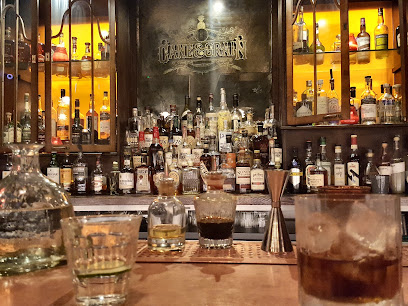
The Washhouse
15.4 km
Step through a washing machine door into Manchester’s secret speakeasy, where inventive cocktails and quirky charm create an unforgettable night out.
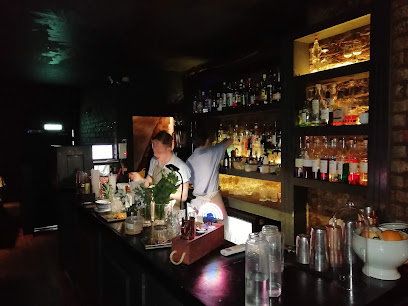
Wilson's Social
15.4 km
All-day Northern Quarter hub: brunch by day, cocktails and beats by night in a multi-level party palace with pool, courtyard, and private den.
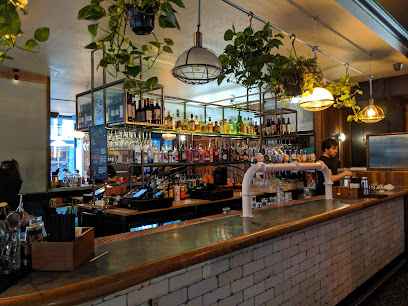
7Sins, Northern Quarter
15.4 km
A vibrant basement bar and gaming hub in Manchester’s Northern Quarter, mixing cocktails, pool, arcade games, and dance club energy.
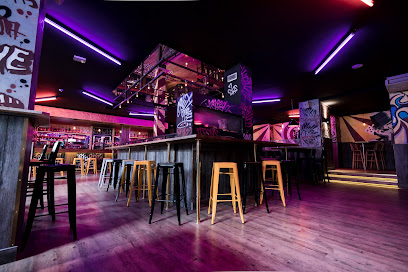
Flok
15.4 km
Lively pub with excellent drinks and friendly vibes in the heart of Manchester’s Northern Quarter nightlife.
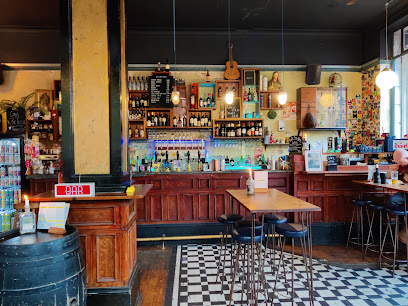
Nightclubs & after hour spots

YDSA Events | Queer Clubbing
15.1 km
Dive into Manchester's most inclusive queer rave: grungy beats, diverse dancers, and unapologetic joy at YDSA Events in Ancoats.
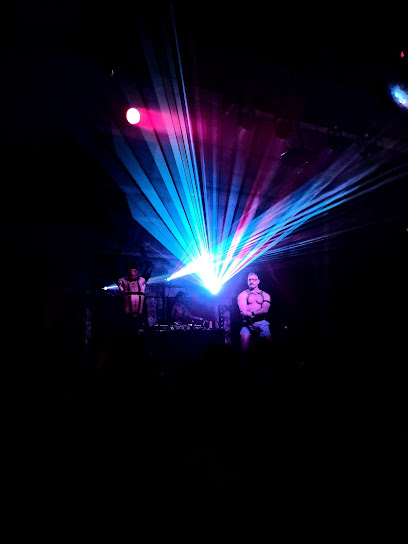
Hidden at Downtex Mill
15.1 km
Manchester's raw warehouse nightclub in a historic mill: underground beats, industrial grit, and all-night raves in Cheetham Hill's creative heart.
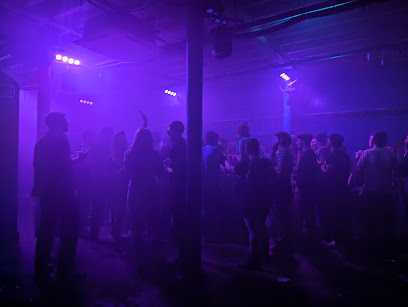
Mint Lounge
15.4 km
Experience Manchester’s Northern Quarter nightlife at Mint Lounge, a lively club with eclectic music, affordable drinks, and an inclusive vibe.

Funkademia
15.4 km
Manchester's longest-running funk and soul night pulses at Mint Lounge in the Northern Quarter—dance to electric disco until dawn in an underground haven.

Aatma
15.4 km
Manchester's underground heartbeat: live beats, pizza slices, and all-night vibes in the Northern Quarter's hidden gem.
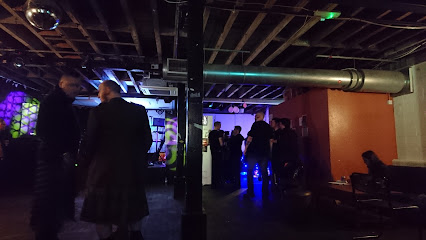
Cargo
15.4 km
Manchester's Printworks powerhouse: light-up dance floors, bottomless brunches, and non-stop beats until dawn in the city's nightlife epicenter.
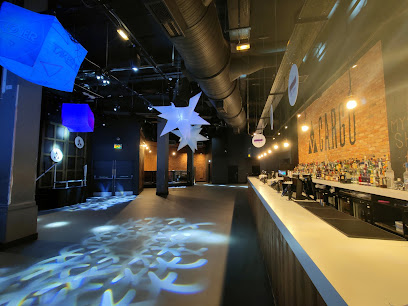
Bijou Club
15.5 km
Manchester's hidden riverside gem: celebrity vibes, secret garden terrace, and LED-lit beats in an exclusive Deansgate nightclub.
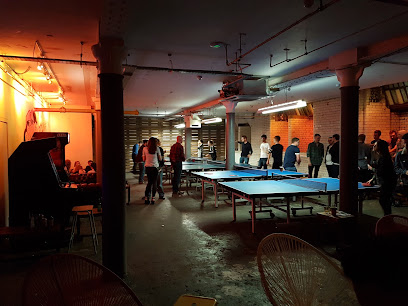
Twenty Twenty Two
15.5 km
Manchester's gritty basement haven where ping pong battles rage under DJ beats and craft brews flow freely in the Northern Quarter's creative underbelly.
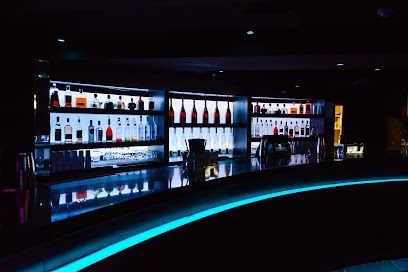
Club Liv Manchester
16.0 km
Experience Manchester’s vibrant nightlife with exclusive VIP vibes, world-class Pan-Asian dining, and a stylish rooftop terrace at Club Liv.
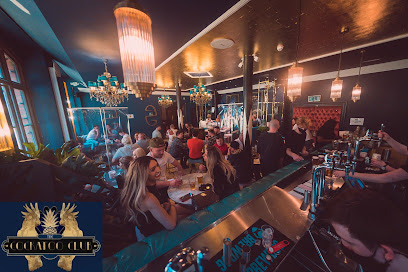
The Cockatoo Club
16.0 km
Discover the electrifying nightlife at The Cockatoo Club in Manchester, where vibrant cabaret performances meet an unforgettable atmosphere.
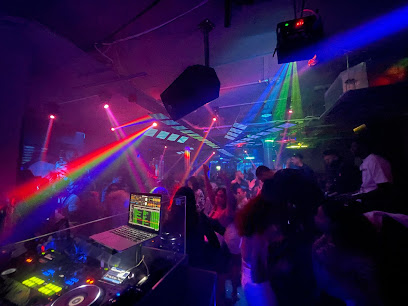
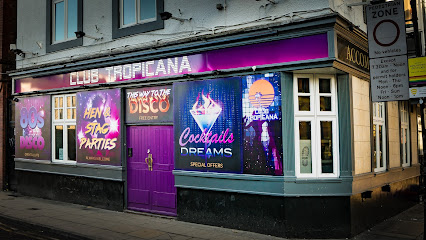
Club Tropicana
16.1 km
Dive into 1980s glamour at Manchester's premier gay nightclub, where drag, DJs, cocktails, and retro beats fuel the Gay Village's electric nightlife.
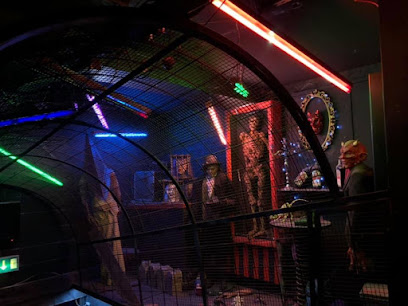
Satans Hollow
16.1 km
Manchester's infernal punk-rock abyss: demonic decor, dirt-cheap drinks, and mosh-pit mayhem for metalheads and rebels.
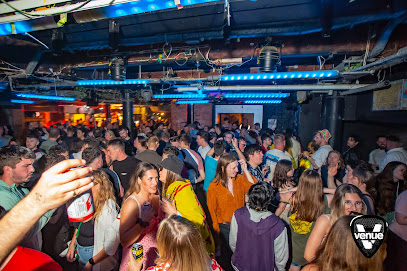
Venue Nightclub
16.2 km
Manchester's underground indie haven: cheap drinks, packed dance floors, and anthems till dawn in Deansgate's electric night scene.
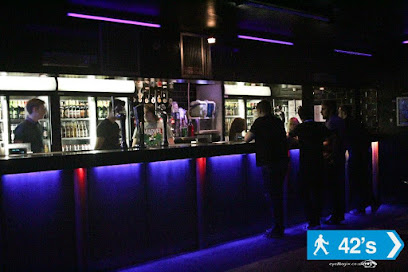
42's
16.3 km
Manchester’s iconic indie nightclub blending rich musical heritage with a lively, inclusive nightlife experience.
History Nightclub
16.4 km
Experience Manchester’s lively hip hop and house beats at History Nightclub, a large, energetic venue open late into the night.
For the vibe & atmosphere seeker
- Relaxing
- Tranquil
- Scenic
- Fun-filled
- Unique
For the design and aesthetic lover
- Rustic Designs
- Vintage Styles
For the architecture buff
- Historic
- Landmarks
- Parks & Gardens
For the view chaser and sunset hunter
- Iconic Views
- Panoramas
- Waterfront
- Sunrise Spots
- Sunset Spots
For the social media creator & influencer
- Instagrammable
- Photo Spots
- Selfie Spots
- Architectural Shots
For the eco-conscious traveler
- Eco-Friendly
- Low Impact
- Public-Transport Accessible
- Leave-No-Trace Critical
- Locally Managed
- Wildlife Habitat
For the kind of experience you’re after
- Cultural Heritage
- Photowalk
- Nature Escape
- Day Trip
- Weekend Getaway
For how adventurous you want the journey to be
- Easy Access
Location Audience
- Family Friendly
- Pet Friendly
- Senior Friendly
- Child Friendly
- Teen Friendly
- Wheelchair Access
- Solo Friendly
- Couple Friendly
- Vegetarian Friendly
- Vegan Friendly


