Heaton Hall, Manchester Travel Guide
Explore Heaton Hall’s exquisite neoclassical architecture and rich history nestled within Manchester’s expansive Heaton Park.
Heaton Hall is a Grade I-listed neoclassical country house set within the vast Heaton Park in Manchester. Designed by James Wyatt in the late 18th century for Sir Thomas Egerton, it features exquisite interiors including a rare Etruscan-style Cupola Room and an 18th-century Samuel Green organ. The hall and its landscaped grounds reflect a rich history from aristocratic residence to wartime hospital and public cultural venue.
A brief summary to Heaton Hall
- GPPW+CR, Manchester, Manchester, GB
- Duration: 1 to 3 hours
- Budget
-
 Outdoor
- Mobile reception: 4 out of 5

Know before you go
Hi, I'm Eve. Here are a few practical things to know before exploring Heaton Hall.
- Visit between Easter and September’s Heritage Open Weekend for public tours of the hall’s historic interiors.
- Don’t miss the rare Etruscan-style Cupola Room upstairs, one of only three in the UK.
- Explore the surrounding Heaton Park grounds to enjoy restored historic landscaping and scenic views.
- Check for special events or exhibitions hosted in the converted ground floor exhibition spaces.
Do you manage this location?
Take control to get all the benefits, like improved information, better appearance, and stronger visibility across AI-powered discovery. Learn more about listing your business on Evendo
Activate your presenceOther nearby places you may find interesting
The closest places of the same kind, if this one is not quite what you had in mind.



Explore Heaton Hall on the Map
A handpicked selection of must-see spots near Heaton Hall, mapped for you.
Getting There
-
Public Transport
Take the Metrolink tram to Heaton Park stop, followed by a 10-15 minute walk through the park grounds. Trams run every 10-15 minutes from Manchester city centre. A single ticket costs approximately £3-£5 GBP.
-
Car
Driving to Heaton Hall offers convenient access with parking available near the park entrance. Travel times from central Manchester are around 20-30 minutes depending on traffic. Parking is free but can be limited during peak times.
-
Bus
Bus routes 135 and 151 connect Manchester city centre to stops near Heaton Park. The walk from the bus stop to the hall is about 15 minutes on mostly flat terrain. Bus fares range from £2 to £4 GBP.
For the on-the-go comforts that matter to you
-
 Restrooms
-
 Seating Areas
-
 Information Boards
-
 Visitor Center
-
 Trash Bins
Discover more about Heaton Hall
Architectural Grandeur Rooted in Classical Ideals
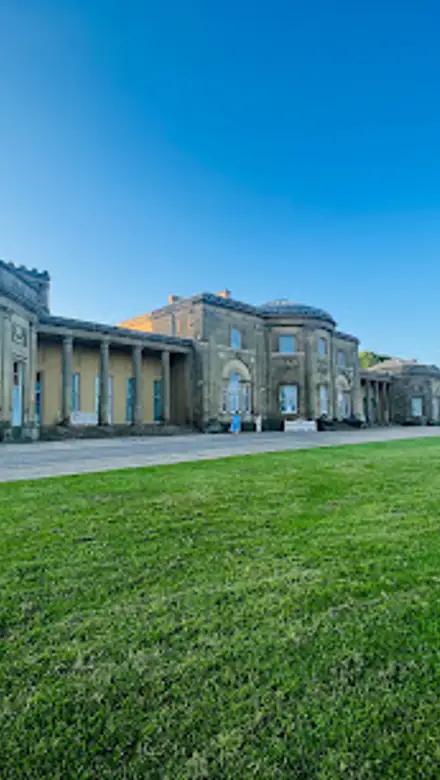
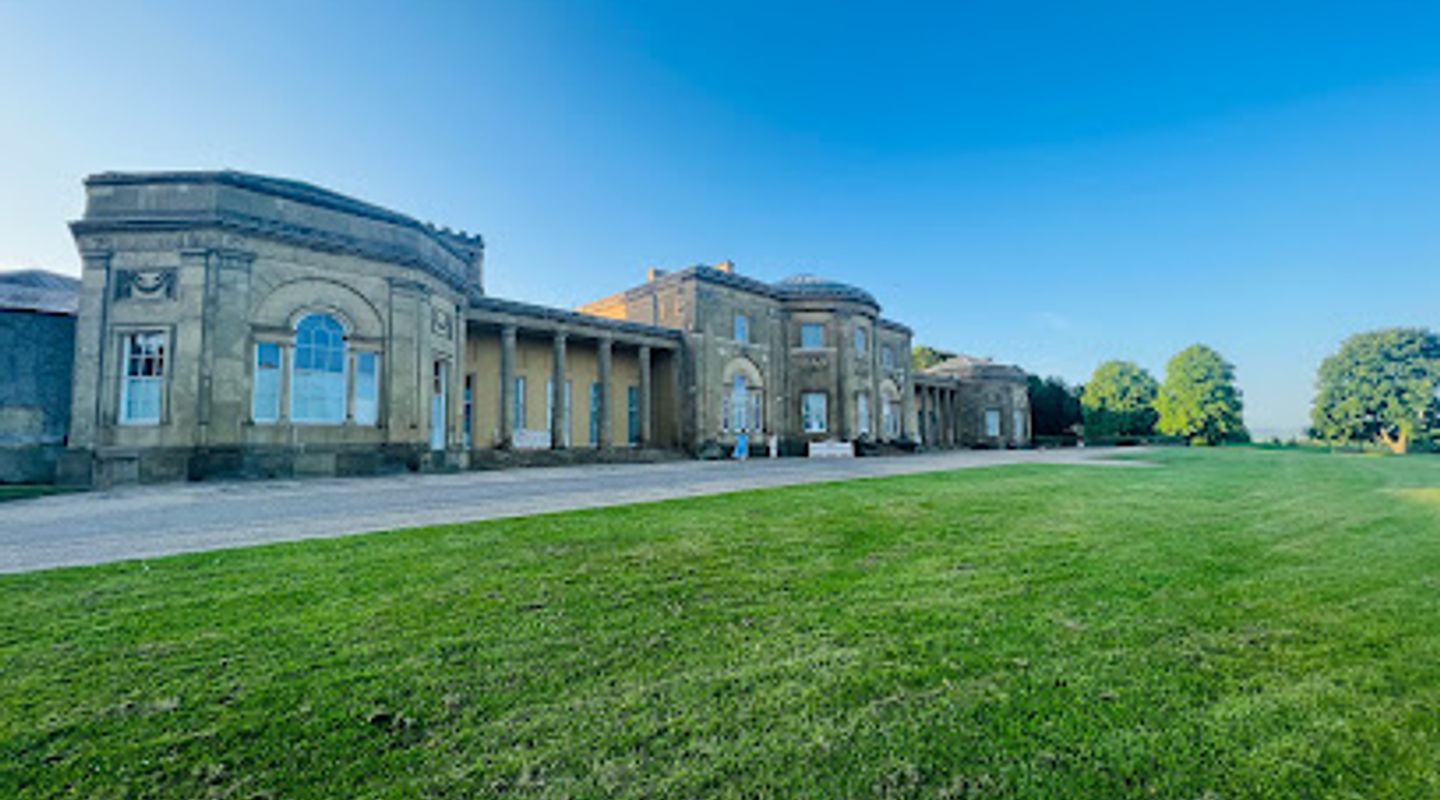
Heaton Hall stands as a masterpiece of neoclassical architecture, designed by the renowned architect James Wyatt in 1772 for Sir Thomas Egerton. The building was constructed in phases, with the central block and west wing completed by 1778 and the east wing by 1789. Its design is inspired by Palladian principles, featuring a grand south-facing façade with a semi-circular bow crowned by a dome, flanked by colonnaded wings ending in octagonal pavilions. The hall’s sandstone and stuccoed brick exterior exudes a light, elegant character typical of 18th-century British interpretations of classical Italian architecture.Rich Interiors and Artistic Heritage
Inside, Heaton Hall boasts some of the finest Georgian interiors in the region. The Music Room houses a rare 18th-century chamber organ built by Samuel Green in 1790, complete with an ornately decorated case painted by Italian artist Biagio Rebecca. The plasterwork, crafted by Joseph Rose II of York, adds to the room’s lavish detail. Another highlight is the Cupola Room on the first floor, one of only three such Etruscan-style rooms in the UK, featuring a domed ceiling and mirrored walls. This room was reportedly a private space used by Lady Egerton and is steeped in historical significance.Historical Evolution and Varied Uses
Originally the family seat of the Egertons, Heaton Hall and its surrounding estate were sold to Manchester Corporation in 1902 to become a public park. The hall has served many roles, including a military hospital during World War I and a Royal Air Force camp during World War II. Post-war, it hosted theatrical and musical productions, contributing to its cultural legacy. Despite periods of neglect and a damaging fire in 1983, restoration efforts funded by the National Lottery have revived much of the hall’s original splendor and the surrounding landscaped park.Landscape Design and Park Setting
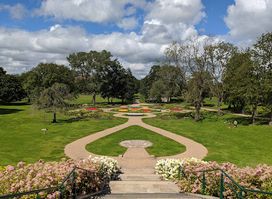
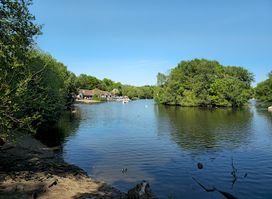
The hall is set within Heaton Park, a 650-acre green space designed initially by William Eames, a follower of Capability Brown. The park features a ‘ha-ha’—a sunken wall that preserves uninterrupted views while keeping livestock off the lawns. The landscape was carefully planned to showcase the hall and provide sweeping vistas of Manchester and the Pennines. Restoration projects have reinstated the original planting schemes, flowerbeds, and pathways, enhancing the historic pleasure grounds and preserving some of the oldest trees in the park.Public Access and Cultural Engagement
Heaton Hall is open to the public seasonally, from Easter through to the Heritage Open Weekend in September, allowing visitors to explore its historic rooms and exhibitions. The Orangery, added around 1823 with its distinctive domed glazed roof (now replaced by a flat roof), overlooks the landscaped gardens but is currently closed to the public. The Friends of Heaton Hall group actively promotes awareness and preservation of the hall’s heritage, organizing events and supporting ongoing restoration.Legacy and Preservation Challenges
Designated a Grade I listed building in 1952, Heaton Hall remains a significant cultural and architectural landmark in Manchester. It is listed on Historic England’s Heritage at Risk register, underscoring the importance of continued conservation efforts. The hall’s combination of architectural beauty, historical layers, and its role within a major urban park make it a treasured site reflecting Manchester’s aristocratic past and community present.












Your all‑in‑one travel companion app
Explore expert travel guides, compare and book tours, experiences, hotels, and more—all from the palm of your hand. Download now for seamless trip planning wherever your wanderlust takes you.


Explore More of Manchester
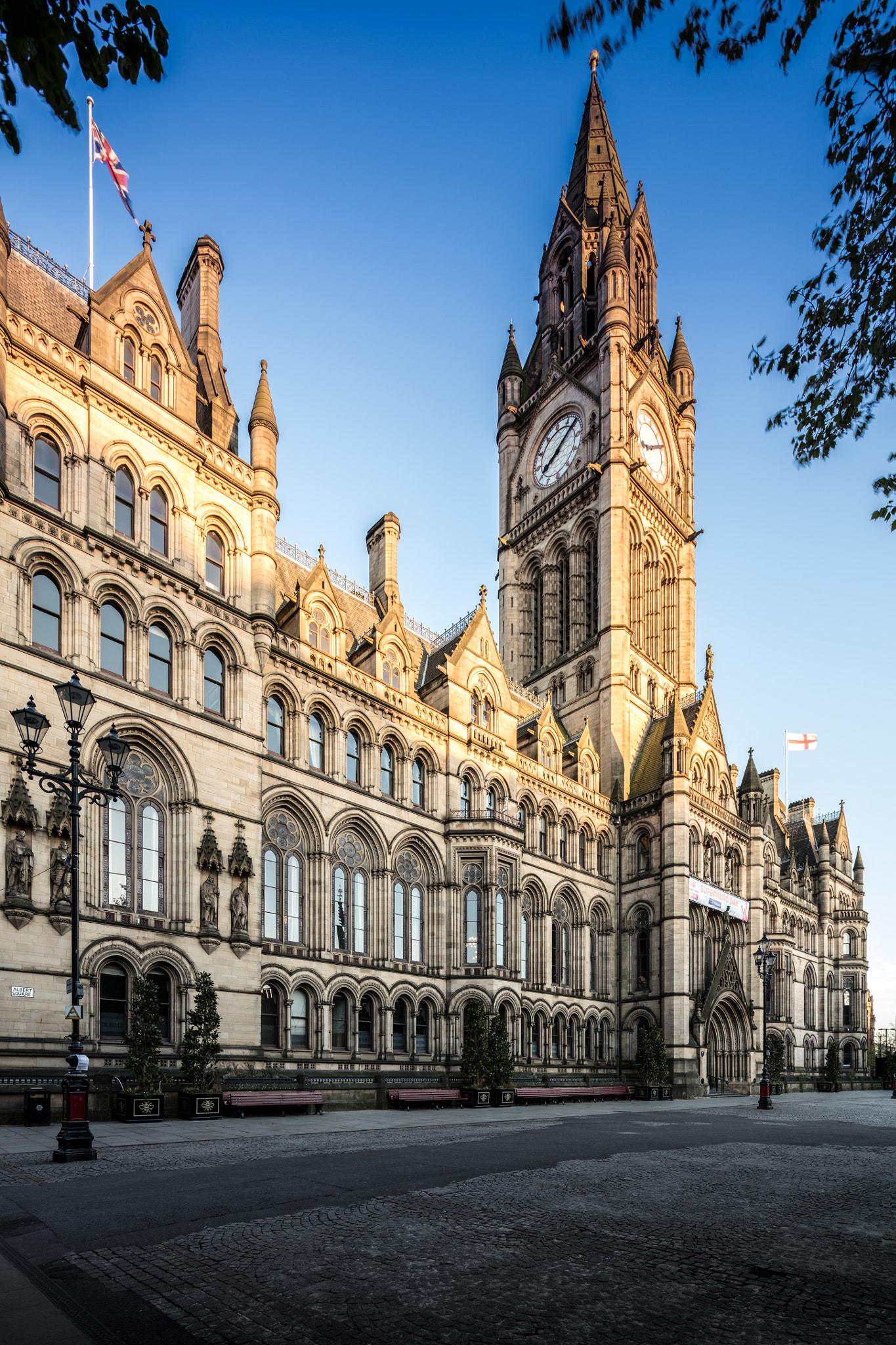
Looking beyond Heaton Hall? Discover Manchester for broader travel guides, local hot-spots, and regional highlights.
Explore Manchester