
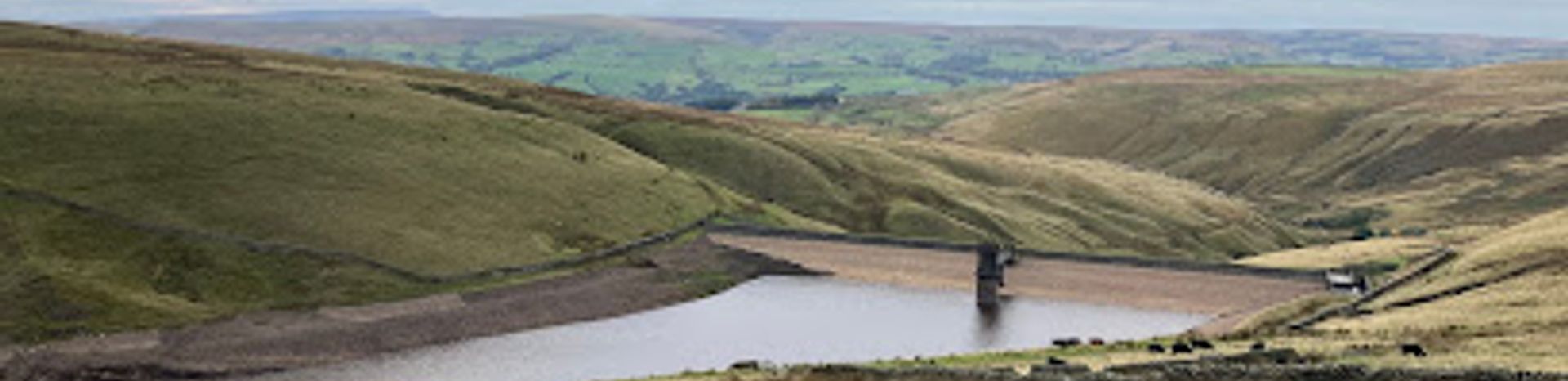
Waugh's Well: Literary Sanctuary on Scout Moor
A serene moorland monument honoring Edwin Waugh, Lancashire’s cherished dialect poet and his creative refuge on Scout Moor.
Waugh's Well, nestled on Scout Moor near Edenfield in Rossendale, is a historic stone monument built around a natural spring. It commemorates Edwin Waugh, Lancashire's celebrated dialect poet, who found solace and inspiration here during his stays at nearby Foe Edge Farm. The well, established in 1866 and restored in the 20th century, remains a tranquil spot for walkers and literary enthusiasts, surrounded by moorland and the ruins of the farm where Waugh wrote much of his work.
A brief summary to Waugh's Well
- Rochdale, Rossendale, GB
- Duration: 0.5 to 2 hours
- Free
-
 Outdoor
- Mobile reception: 3 out of 5
- Monday 12 am-12 am
- Tuesday 12 am-12 am
- Wednesday 12 am-12 am
- Thursday 12 am-12 am
- Friday 12 am-12 am
- Saturday 12 am-12 am
- Sunday 12 am-12 am
Local tips
- Wear sturdy walking shoes as the well is located on moorland with uneven terrain.
- Visit the nearby ruins of Foe Edge Farm to connect with the poet’s living environment.
- Bring a camera to capture the bronze figurehead and panoramic moorland views.
- Check weather conditions before visiting, as the moor can be exposed and windy.
- Read some of Edwin Waugh’s dialect poetry beforehand to enrich your visit.

For the on-the-go comforts that matter to you
- Information Boards
Getting There
-
Bus
Take the bus from Rochdale to Edenfield, which takes approximately 30 to 40 minutes. From Edenfield, a 40-minute walk on marked footpaths leads to Waugh's Well. Bus services run regularly but check schedules for weekend frequency. No direct parking at the well.
-
Car
Drive from Rochdale to a designated parking area near Scout Moor, about 20 minutes. From the parking spot, a 15 to 20-minute walk on uneven moorland terrain leads to Waugh's Well. Parking is limited and no facilities are available onsite.
-
Walking
For experienced walkers, a 2 to 3-hour hike from Waterfoot follows the Rossendale Way trail passing through scenic moorland to Waugh's Well. Terrain is rugged and exposed, requiring proper footwear and weather preparedness.
Waugh's Well location weather suitability
-
 Any Weather
-
 Rain / Wet Weather
-
 Clear Skies
-
 Windy Conditions
-
 Mild Temperatures
Discover more about Waugh's Well
A Tribute to Lancashire's Dialect Poet
Waugh's Well stands as a heartfelt memorial to Edwin Waugh (1817–1890), one of Lancashire's most beloved poets, renowned for his evocative dialect verses capturing rural life. In 1865, during a difficult period marked by struggles with alcoholism, Waugh retreated to Foe Edge Farm on Scout Moor, a remote and peaceful moorland setting near Edenfield. The farm, run by Bill and Ann Taylor, provided a refuge where Waugh could recover and write. Close by, a natural spring offered fresh water, described by Waugh as a "rindle of cold spring water," which inspired his friends to commemorate him with a stone monument beside it in 1866.Evolution and Restoration of the Well
Originally a simple stone marker, Waugh's Well was expanded in 1870 to include seating and a more elaborate stone structure, reflecting Waugh's growing fame. In 1966, a major restoration took place, led by local societies dedicated to preserving Lancashire's literary heritage. The well was remodelled and adorned with a bronze figurehead of Waugh, crafted by Mrs. N. Lord, capturing his likeness and dates. This restoration reinforced the well's status as a cultural landmark and a place of literary pilgrimage.The Surrounding Landscape and Historical Context
The well is situated on Scout Moor, an expanse of open moorland that feeds the Scout Moor Brook, offering scenic views and a tranquil atmosphere. Nearby lie the ruins of Foe Edge Farm, demolished in the mid-1970s, with only some back walls remaining, serving as silent witnesses to Waugh's creative retreat. The site is accessible via public footpaths, including the Rossendale Way, making it a favored stop for walkers exploring the Lancashire countryside.Legacy and Cultural Significance
Waugh's Well is more than a monument; it symbolizes the enduring connection between place and creativity. Edwin Waugh, often called "the Lancashire Burns," immortalized the local dialect and rural life in his poetry and prose, influencing generations of readers. The well and its surroundings evoke the spirit of his work and life, embodying themes of resilience, nature, and cultural identity. The establishment of the Edwin Waugh Society and ongoing preservation efforts highlight the well's importance as a heritage site.Visitor Experience and Atmosphere
Visitors to Waugh's Well find a peaceful retreat amid open moorland, with the gentle sound of the spring and panoramic views enhancing the contemplative mood. The bronze head of Waugh and the stone structure invite reflection on the poet's life and work. Nearby information boards provide historical context, enriching the visit. The site is ideal for those interested in literary history, nature walks, and Lancashire's cultural landscape.Conservation and Access Today
The well and its surroundings are maintained through local efforts, ensuring the site remains accessible and preserved for future generations. While the original farm buildings are gone, the area retains its rural charm and historical resonance. The well is open year-round, accessible via marked footpaths, and offers a quiet spot for rest and inspiration on longer hikes across Scout Moor.Iconic landmarks you can’t miss

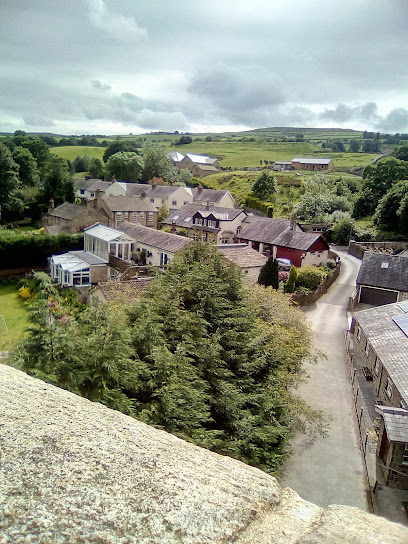
Lumb Viaduct
3.9 km
Discover the historic Victorian Lumb Viaduct, a stunning railway landmark offering scenic walks and cycling across Lancashire’s Rossendale Valley.
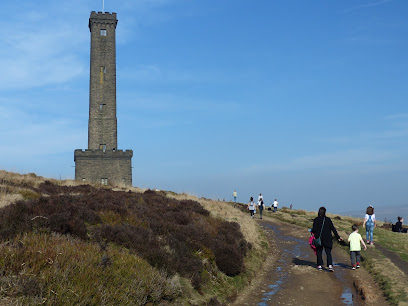
Peel Tower
6.0 km
Historic Peel Tower on Holcombe Hill offers panoramic views and a tribute to Sir Robert Peel’s legacy near Bury.
Robert Peel Statue
9.1 km
Honouring Bury’s most famous son: the 1851 bronze statue of Sir Robert Peel, twice Prime Minister and founder of the modern police force.

Sussex Avenue
9.2 km
Discover the charm of Bury from Sussex Avenue, your convenient gateway to local attractions and experiences in this historic English town.
Wayoh Reservoir
9.9 km
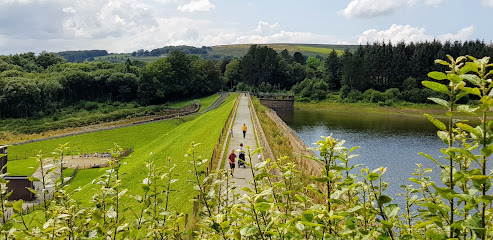
Discover the tranquil beauty of Wayoh Reservoir in Bolton, a perfect retreat for nature lovers and outdoor enthusiasts alike.
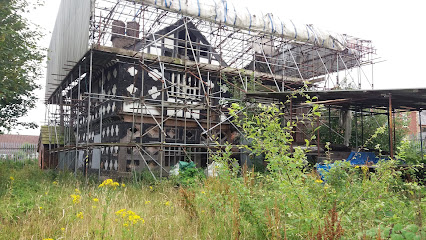
Tonge Hall
14.6 km
Discover Tonge Hall, a rare Elizabethan timber-framed manor in Middleton, blending Tudor grandeur with poignant history and ongoing restoration.
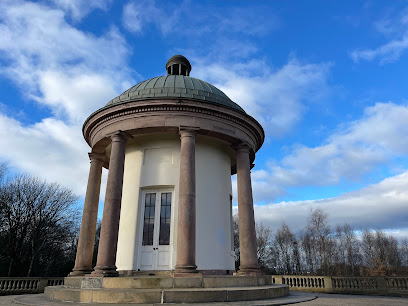
Heaton Park Temple
15.0 km
Discover the tranquil neoclassical Heaton Park Temple, perched atop Manchester’s largest park with stunning city views and rich historic charm.
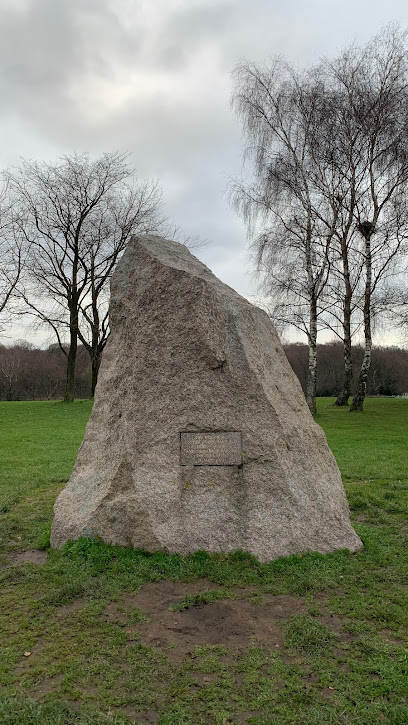
Heaton Park Papal Monument
15.9 km
A granite testament to faith and history where 200,000 gathered for a papal milestone in 1982.
Manchester Old Town Hall Colonnade
16.0 km
A neoclassical relic of Manchester’s first Town Hall, relocated and preserved as a serene monument in Heaton Park.
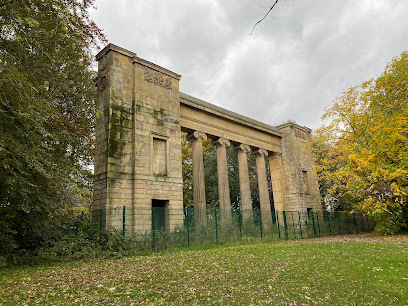
Rivington Pike Tower
19.4 km
Historic 18th-century hunting lodge atop Rivington Pike offering panoramic Lancashire views and rich cultural heritage within scenic Lever Park.
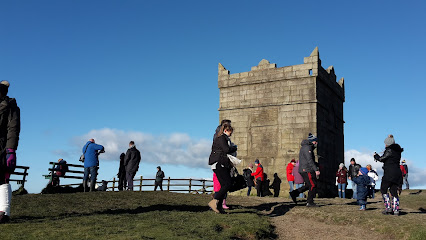
Rivington Pike
19.4 km
Discover the breathtaking views and rich history at Rivington Pike, a perfect hiking destination in Lancashire for nature lovers and adventurers alike.
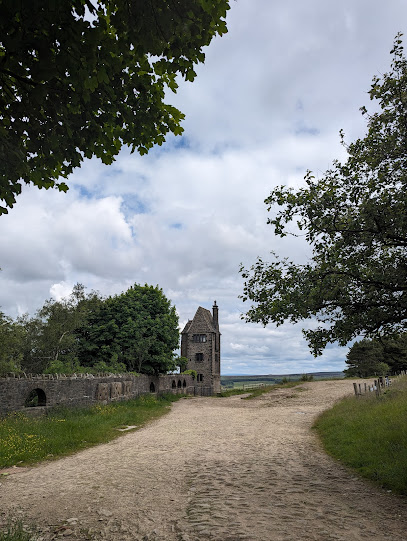
Lowry Footbridge
19.9 km
A Victorian iron bridge immortalized in art, connecting Manchester's industrial past to its present.
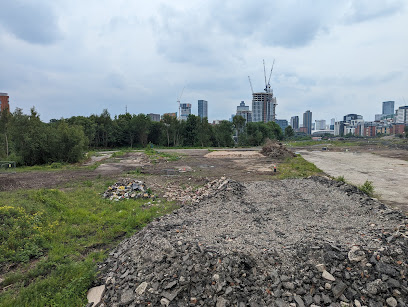
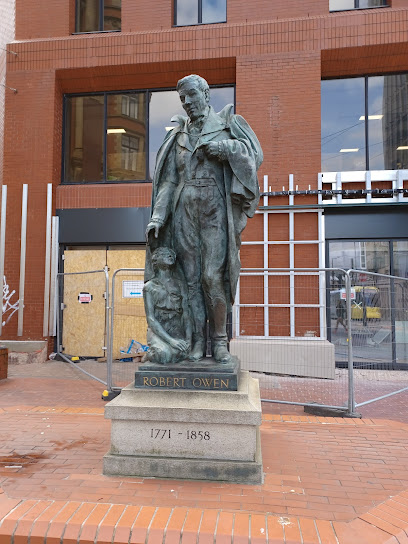
Robert Owen Statue
20.7 km
Honoring Robert Owen, pioneer of social reform and the co-operative movement, through a striking statue in Manchester’s city heart.
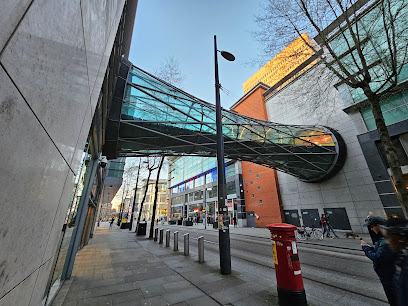
The Undamaged Red Post Box
21.0 km
A resilient symbol of hope standing where devastation once reigned on Manchester's Corporation Street.
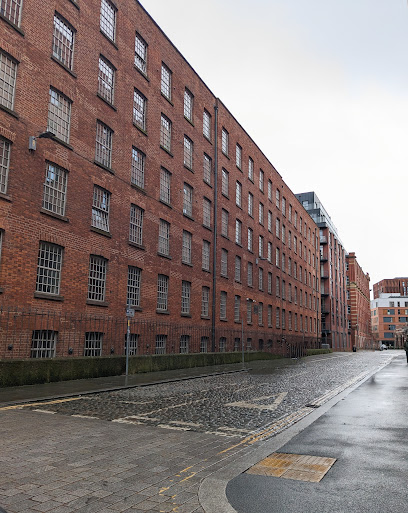
Murrays' Mill
21.0 km
Explore Murrays' Mills, the world’s oldest urban steam-powered cotton mill, where industrial heritage meets modern living in Manchester’s historic Ancoats district.
Unmissable attractions to see

The Whitaker
3.9 km
A vibrant cultural hub in Rawtenstall blending local history, contemporary art, and community spirit in a welcoming museum and gallery.
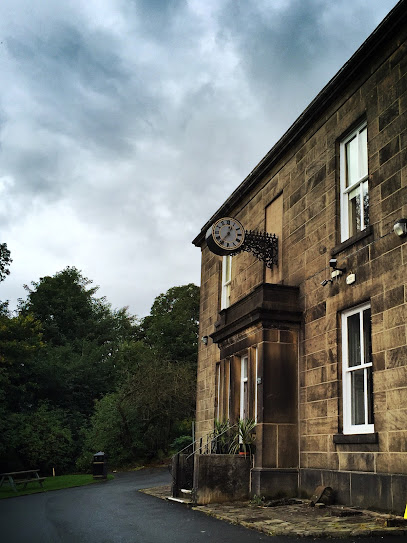
Eagle & Child Inn
3.9 km
Historic Lancashire pub with five centuries of stories, ghosts, and award-winning hospitality.
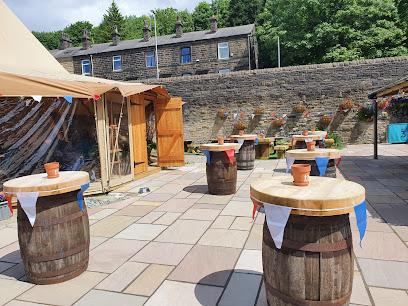
Healey Dell Fairies Chapel
6.2 km
Discover the enchanting Fairies Chapel at Healey Dell, a natural rock grotto steeped in folklore and nestled within a tranquil riverside nature reserve.
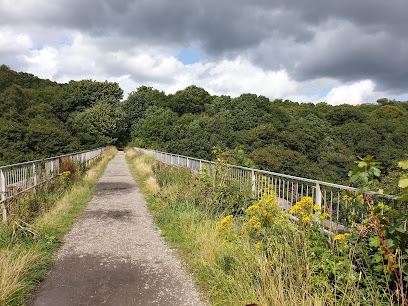
Holden Wood Antiques Ltd
6.2 km
Discover timeless antiques and savor classic British tea room delights in the heart of Haslingden’s vibrant Rossendale community.
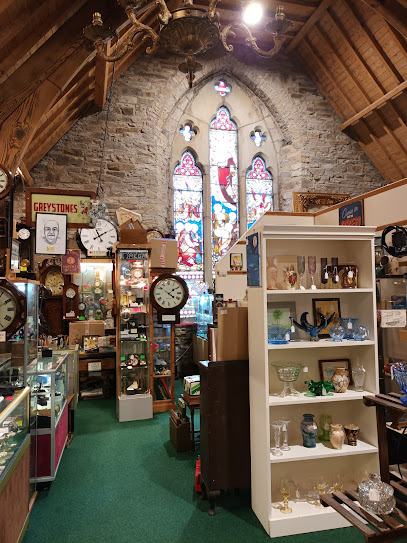
Bury Transport Museum
9.0 km
Explore vintage vehicles and interactive exhibits in a historic 1848 railway warehouse celebrating Northwest England’s transport heritage.
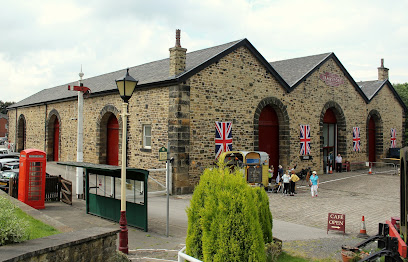
East Lancashire Railway
9.1 km
Step aboard the East Lancashire Railway for scenic steam and diesel journeys through historic Lancashire, starting at the iconic Bury Bolton Street Station.
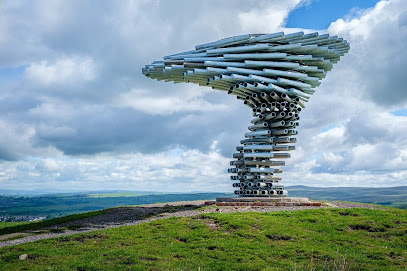
Singing Ringing Tree
9.6 km
Experience Burnley’s iconic wind-powered sculpture that sings haunting melodies while offering stunning panoramic views of the Pennines.
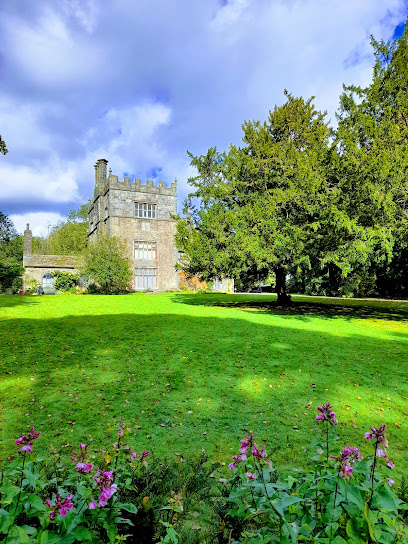
Turton Tower
10.7 km
Discover 600 years of history in a tranquil Tudor manor nestled in beautiful woodlands near Bolton, with gardens, a café, and engaging volunteer guides.
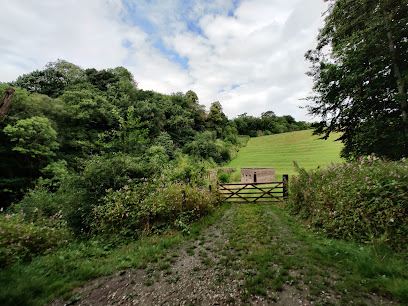
Jumbles Country Park
10.8 km
Peaceful reservoir walks, accessible trails, and woodland serenity await at Bolton’s Jumbles Country Park.
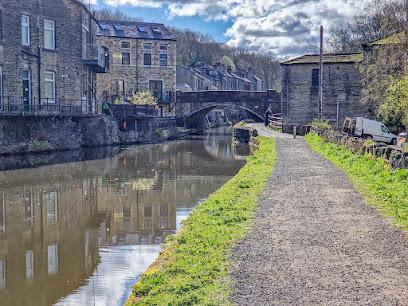
Rochdale Canal
10.8 km
Historic 32-mile canal crossing the Pennines, blending industrial heritage with scenic walking, cycling, and boating opportunities.
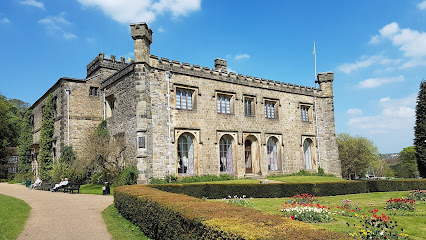
Towneley Hall
11.6 km
Historic Towneley Hall in Burnley: centuries-old family estate turned museum with fine art, Baroque interiors, and expansive public parkland.
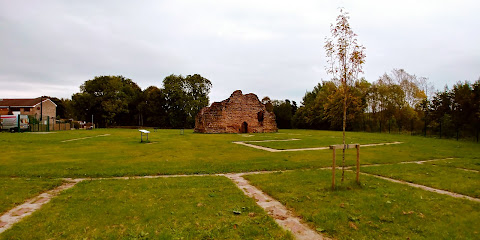
Radcliffe Tower
12.5 km
Discover the rich history and architectural beauty of Radcliffe Tower, a must-visit landmark in Manchester that encapsulates the essence of local heritage.
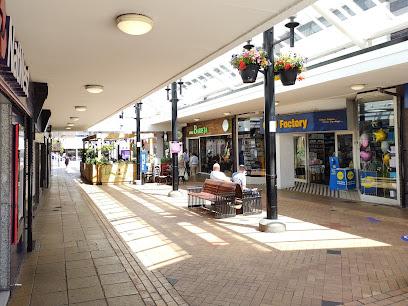
Charter Walk Shopping Centre
13.1 km
East Lancashire’s inclusive shopping hub with over 85 stores, sensory-friendly facilities, and a family-focused atmosphere in the heart of Burnley.
Hall i' th' Wood Museum
13.1 km
A rare Tudor manor house in Bolton, famous as the home where Samuel Crompton invented the Spinning Mule, now a museum of domestic and industrial history.
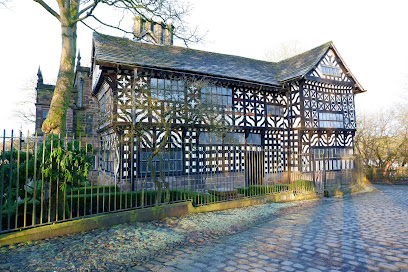
Uniquely Manchester Ltd
14.2 km
Modern, secure, and flexible self-storage and workspace solutions in the heart of Middleton, Manchester.
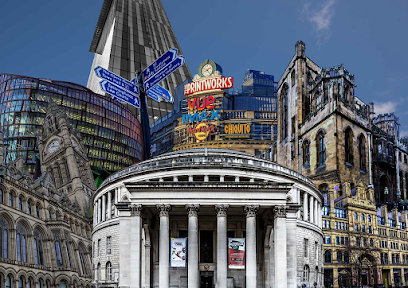
Essential places to dine

Restaurant Metamorphica
5.6 km
Exclusive fine dining in Haslingden offering innovative British tasting menus in an intimate, handcrafted setting by Chef Steven Halligan.
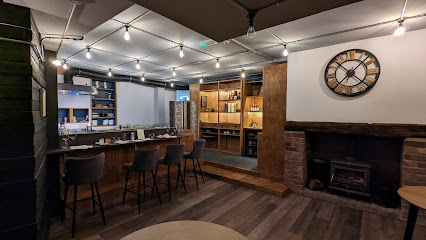
Crowded House Restaurant
11.7 km
A vibrant blend of modern British dining, quirky charm, and lively bar culture in the heart of Bury.
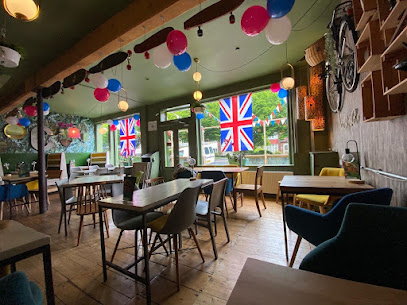
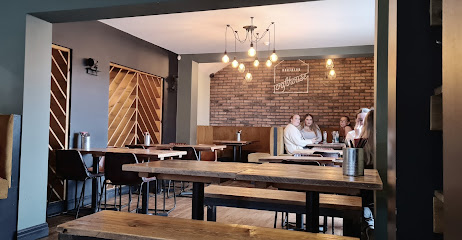
Northern Crafthouse
13.5 km
A vibrant brew house in Whitefield blending modern style, craft beers, and hearty American comfort food in a welcoming atmosphere.
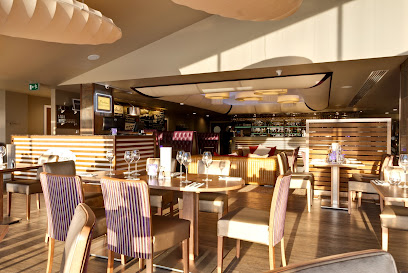
Bertram's Restaurant
14.4 km
Sophisticated adult-only dining with creative British cuisine, cocktails, and stunning countryside views near Burnley.
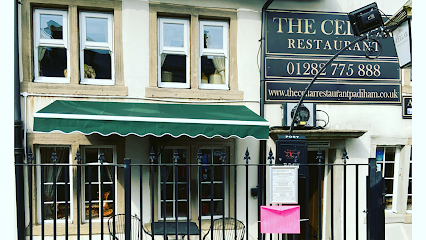
The Cellar Restaurant
14.9 km
Historic charm meets traditional English cuisine in Padiham’s beloved Cellar Restaurant, where hearty meals and warm service await.
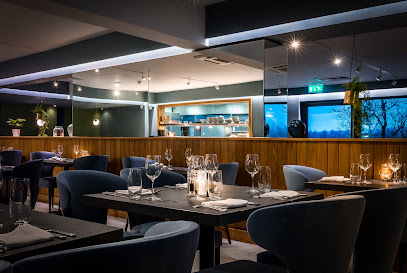
Artisan Ribble Valley
19.1 km
Experience Modern British cuisine in a stylish setting with local flavors, scenic terraces, and a vibrant cocktail bar in Billington, Clitheroe.
Northcote Hotel & Restaurant
19.6 km
Luxury country house hotel with Michelin-starred dining, elegant rooms, and tranquil Ribble Valley views for a refined countryside escape.

The Bonny Inn
19.9 km
Contemporary British pub with fresh local cuisine, vegan options, and stunning Ribble Valley views in a welcoming, modern setting.
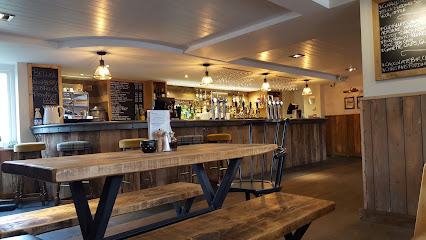
Nick's Restaurant
20.2 km
Experience exquisite Modern European cuisine in a lively, cozy setting with attentive service at Nick's Restaurant in Horwich, Bolton.

The Sparrows Continental Pasta & Spätzle
20.3 km
Cozy railway-arch eatery in Manchester serving authentic handmade spätzle and Central European pasta with a lively, buzzy atmosphere.
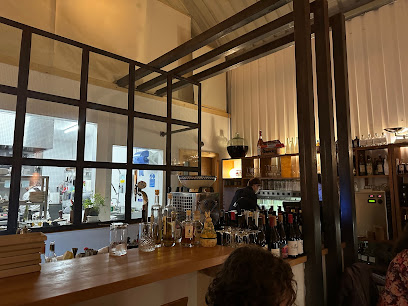
Vermilion
20.5 km
Experience vibrant Asian fusion cuisine and lavish ambience at Vermilion, Manchester’s premier destination for seafood, cocktails, and celebrations.
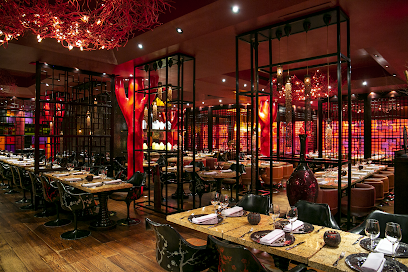
Riva Blu Italian Restaurant & Bar, Manchester
20.9 km
Contemporary Italian dining with cocktails in Manchester's vibrant Corn Exchange.
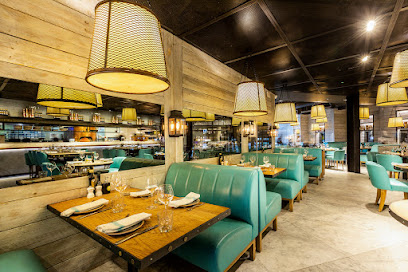
Cosy Club
20.9 km
Eclectic British dining and vibrant bar in Manchester’s historic Corn Exchange with stylish 1970s flair and a welcoming atmosphere.
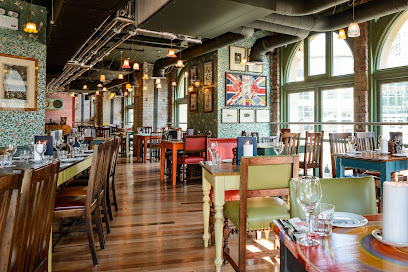
Trof Northern Quarter
20.9 km
A multi-level Northern Quarter gem serving hearty British comfort food, craft beers, and rare bourbons in a lively, rustic setting.
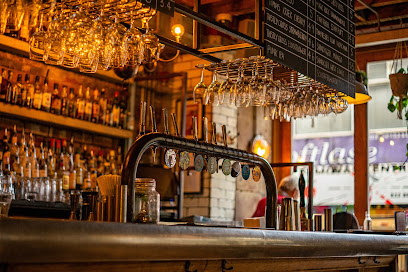
TNQ - The Northern Quarter Restaurant & Bar
20.9 km
A beloved Northern Quarter gem serving seasonal British cuisine with award-winning roasts and warm, attentive service in a relaxed brasserie setting.
Markets, malls and hidden boutiques

Quirky Gifts
11.7 km
Explore Accrington's most charming gift shop for unique, whimsical treasures that capture the spirit of your travels.
Crissys Gifts For All Occasions
18.8 km
Explore Crissys Gifts For All Occasions in Blackburn for unique gifts and souvenirs that capture the essence of your visit.
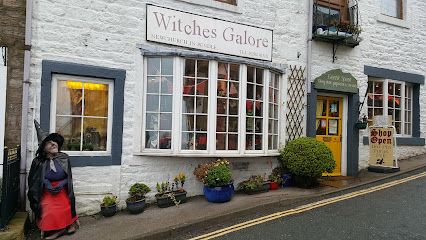
Witches Galore
19.9 km
A quirky, witch-themed gift shop in Newchurch-in-Pendle, packed with Pendle Witch memorabilia, magical curios and folklore souvenirs.
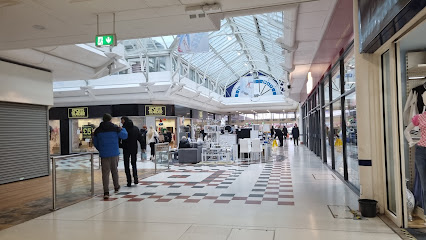
Salford Shopping Centre
20.5 km
Affordable shopping precinct in Salford's Pendleton, with free parking, daily essentials, and community conveniences under one roof.
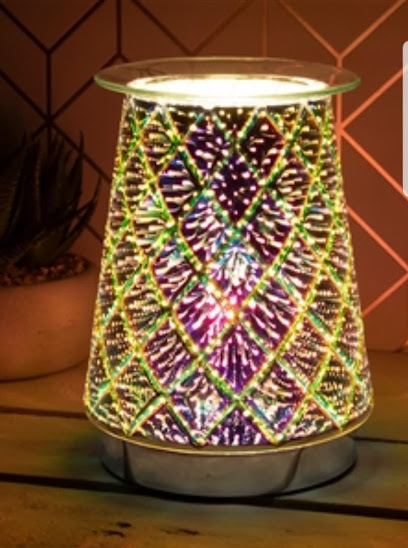
Annea Veleta
20.6 km
A curated, maker-focused gift boutique in Ancoats offering handcrafted homewares, stationery and tasteful Manchester-themed keepsakes.
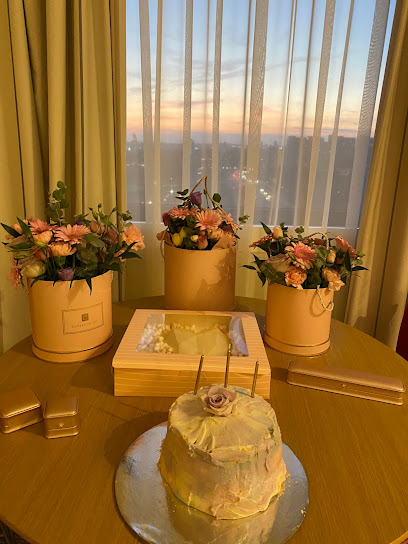
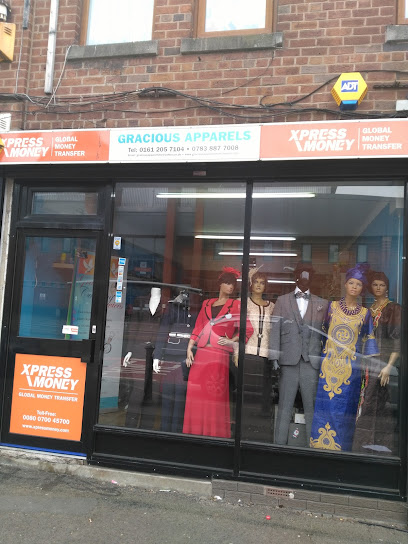
GRACIOUS APPARELS
20.7 km
Discover diverse fashion treasures in Ancoats: custom T-shirts, alterations, designer clothes, and more at this vibrant Manchester clothing hub.
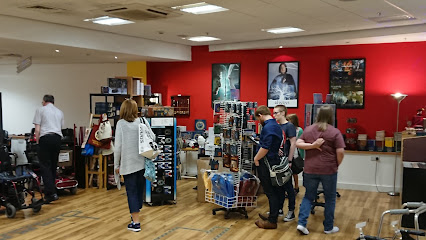
Crown HQ
20.9 km
Retro threads meet rhythmic beats in Ancoats' industrial gem—a vintage shop by day, dance haven after hours.
HighMidLows
20.9 km
Uncover eclectic contemporary fashion in Ancoats' creative heart at HighMidLows, where unique local designs meet everyday style in a vibrant boutique setting.

Hoot
21.0 km
Discover magical gifts and Harry Potter treasures at Hoot, a charming boutique nestled in Manchester Arndale’s vibrant shopping heart.
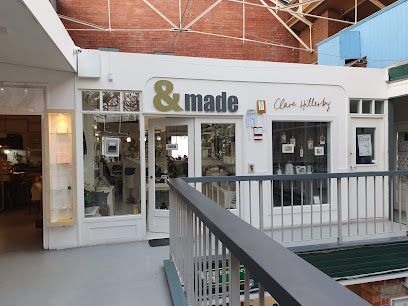
&made
21.0 km
Discover unique handmade gifts and artworks at &made, a creative studio in Manchester’s vibrant Northern Quarter craft hub.
Nordic Muse Lifestyle Store
21.0 km
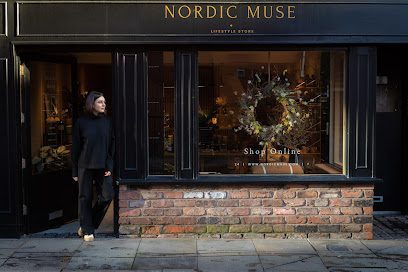
A quietly curated Northern Quarter boutique for simple, well-crafted jewellery and Nordic-inspired homeware.
Kiku Boutique
21.0 km
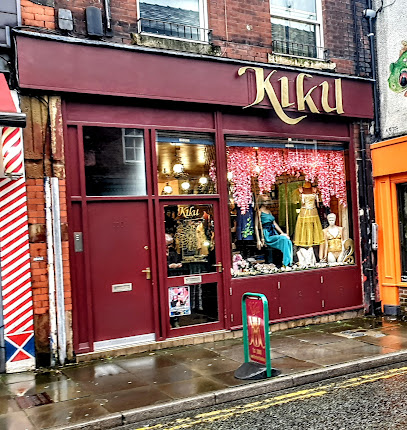
Bespoke corsets and vintage lingerie in Manchester's Northern Quarter: handmade elegance that defies fast fashion.
Jessica6 Designs
21.0 km
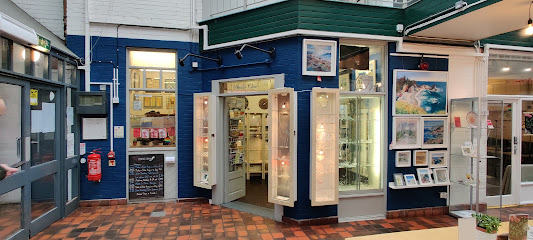
Discover unique luxury gifts and local artistry at Jessica6 Designs within Manchester’s vibrant Craft & Design Centre.
Studio One - Jewellery, Craft, Gifts and Homewares
21.0 km
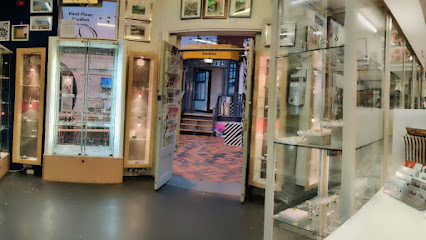
Discover exquisite handmade jewellery and crafts at Studio One, a vibrant artisan studio within Manchester’s historic Craft and Design Centre.
The Norah Store
21.0 km
Boutique womenswear in Ancoats with a slow-fashion, carefully curated edit of rare and independent labels.
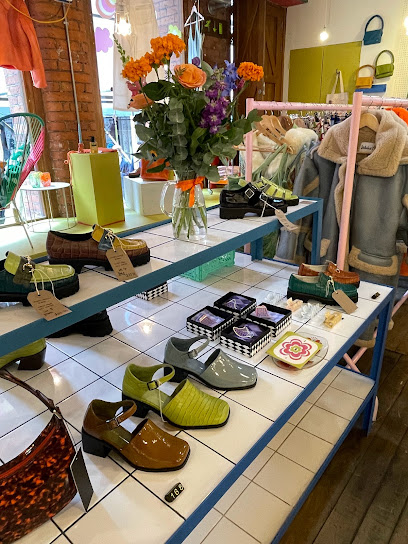
Essential bars & hidden hideouts

White Orchid Boutique Bar
11.3 km
Stylish boutique bar in Accrington offering quality drinks, cozy ambiance, and live music for a vibrant social experience.
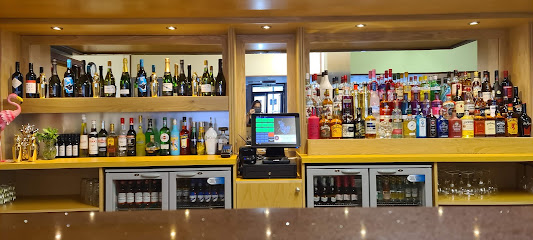
The Nook & Cranny Bromley Cross
12.2 km
A cozy, community-focused tap house in Bromley Cross serving quality cask ales in a warm, inviting atmosphere.
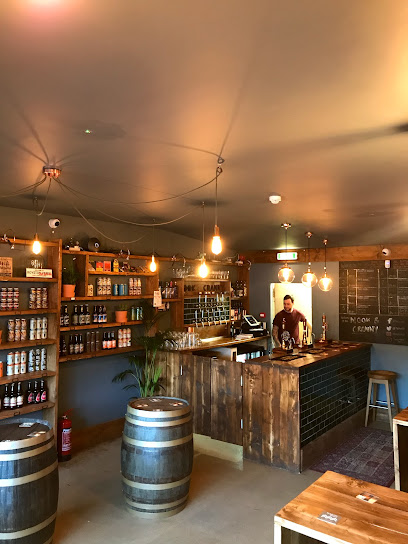
Piggy Banks
15.5 km
A friendly, affordable bar in Bolton offering a great selection of ales and simple food in a cozy, welcoming setting near the train station.
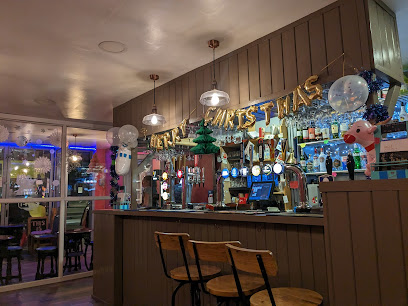
The Rivington
20.2 km
A stylish gastropub in Horwich offering fresh, quality dishes and a welcoming atmosphere for families and friends.
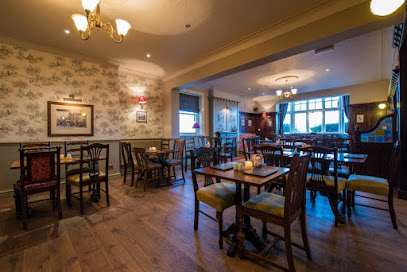
The Old Wellington
20.9 km
Step into The Old Wellington, a historic Manchester pub blending centuries-old charm with hearty ales and classic British fare in the city centre.
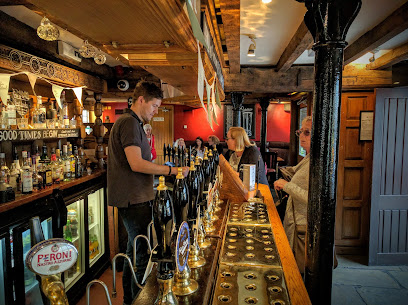
Bar Fringe
20.9 km
A cozy Northern Quarter bar with quirky charm, top Belgian beers, live music, and a welcoming vibe for relaxed socializing.
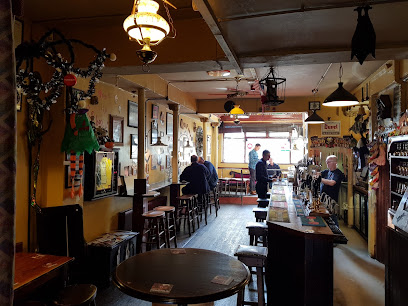
The Washhouse
20.9 km
Step through a washing machine door into Manchester’s secret speakeasy, where inventive cocktails and quirky charm create an unforgettable night out.
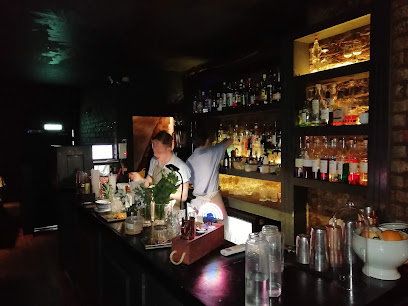
blossom street SOCIAL
20.9 km
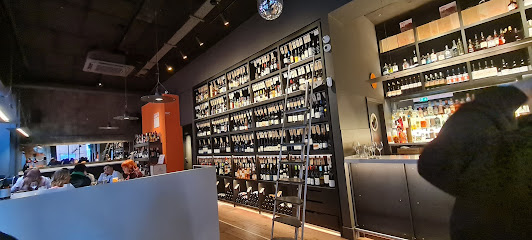
Chilled wine bar in Ancoats with vinyl vibes, bottle walls, and pop-up fine dining—where sophisticated sips meet casual social hours in Manchester's creative heart.
The Crown & Kettle
20.9 km
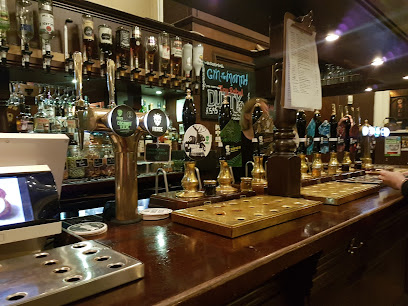
Grade II-listed Ancoats gem with a world-class tin ceiling, craft beer mastery, and cozy Victorian vibes—Manchester's perfect pub hybrid.
Wolf at the Door
21.0 km
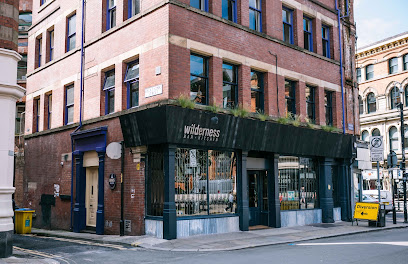
A vibrant Northern Quarter bar serving innovative tapas-style bao buns, craft cocktails, and a lively urban atmosphere.
KERB
21.0 km
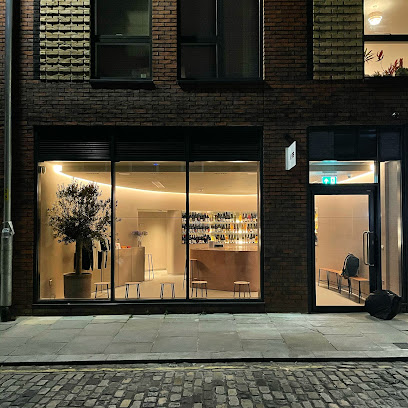
Intimate natural wine haven in Ancoats: curved peach walls, pet-nat sparklers, and expert tastings in a Scandi-style cocoon.
Science And Industry
21.0 km
Sophisticated cocktails and a stylish vibe await you at Science and Industry, the first-floor bar of Cane & Grain in Manchester’s Northern Quarter.
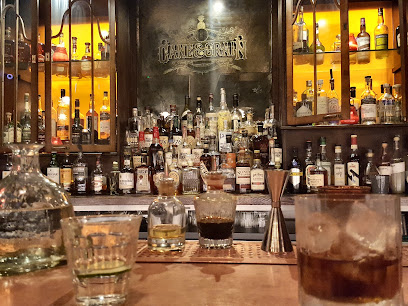
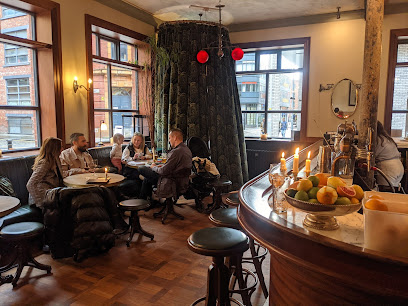
The Edinburgh Castle Pub
21.0 km
Historic Ancoats boozer reborn: cosy Victorian pub vibes meet seasonal gastropub mastery and local brews in Manchester's industrial heart.
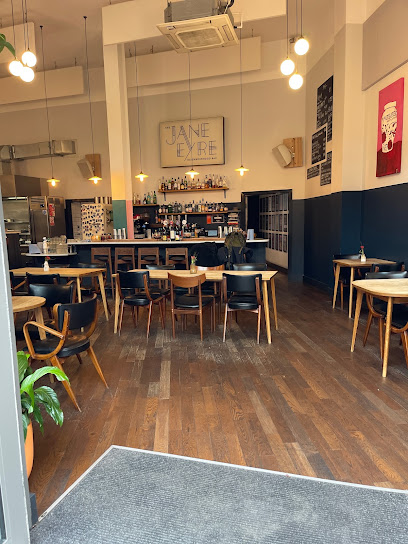
The Jane Eyre
21.0 km
Ancoats' inventive neighbourhood bar serving bold small plates, creative cocktails, and Sunday roasts in a buzzing industrial space—perfect for grazing and lingering.
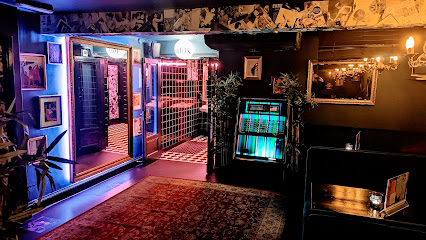
Behind Closed Doors
21.1 km
Descend into debauched delight at this Northern Quarter speakeasy, where retro telephones summon saucy cocktails amid erotic art, neon booths, and funky DJ beats until 4am.
Nightclubs & after hour spots

The Redroom Burnley
13.0 km
Experience Burnley’s vibrant nightlife with The Redroom’s lively music, diverse drinks, and late-night party atmosphere in the town centre.
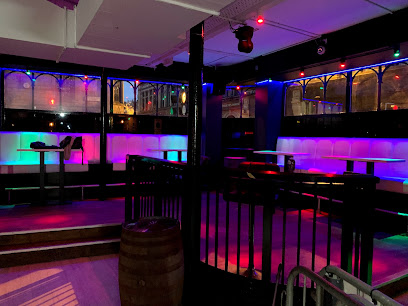
Level Nightclub
15.3 km
Experience Bolton’s vibrant nightlife at Level Nightclub, where dynamic music, affordable drinks, and lively atmosphere create unforgettable nights.
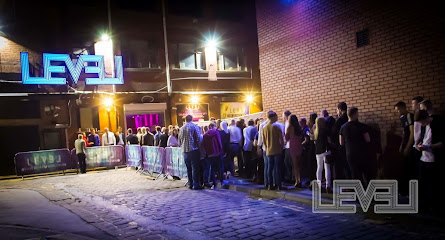
Underground
16.3 km
Experience classic rave vibes and late-night energy at Underground, Bolton’s intimate clubbing hotspot in Farnworth.

Rendezvous Nightclub & Resteraunt
19.0 km
Vibrant nightclub and restaurant in Whalley offering lively weekend events, diverse music, and friendly service in Ribble Valley’s heart.

Hidden at Downtex Mill
20.3 km
Manchester's raw warehouse nightclub in a historic mill: underground beats, industrial grit, and all-night raves in Cheetham Hill's creative heart.
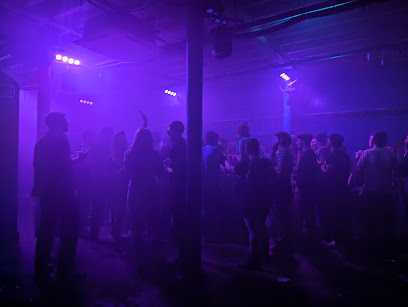
Bijou Club
20.8 km
Manchester's hidden riverside gem: celebrity vibes, secret garden terrace, and LED-lit beats in an exclusive Deansgate nightclub.
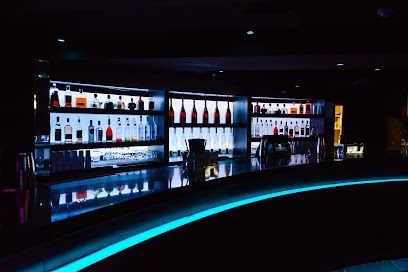
Cargo
20.9 km
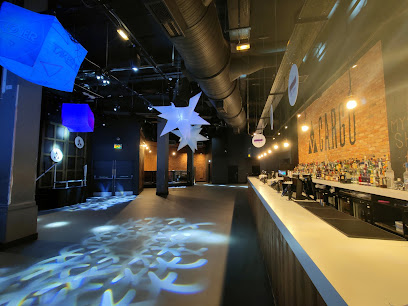
Manchester's Printworks powerhouse: light-up dance floors, bottomless brunches, and non-stop beats until dawn in the city's nightlife epicenter.
YDSA Events | Queer Clubbing
21.0 km
Dive into Manchester's most inclusive queer rave: grungy beats, diverse dancers, and unapologetic joy at YDSA Events in Ancoats.
Mint Lounge
21.1 km
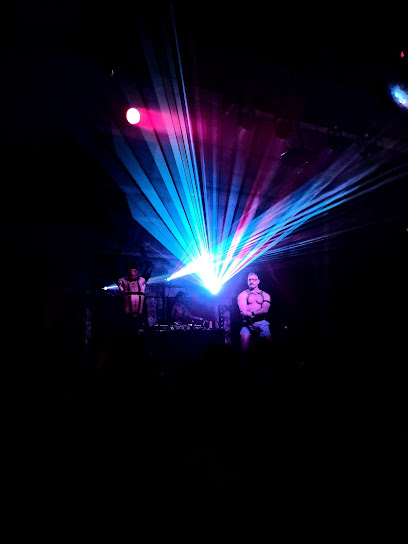
Experience Manchester’s Northern Quarter nightlife at Mint Lounge, a lively club with eclectic music, affordable drinks, and an inclusive vibe.

Funkademia
21.1 km
Manchester's longest-running funk and soul night pulses at Mint Lounge in the Northern Quarter—dance to electric disco until dawn in an underground haven.

Aatma
21.2 km
Manchester's underground heartbeat: live beats, pizza slices, and all-night vibes in the Northern Quarter's hidden gem.
Twenty Twenty Two
21.3 km
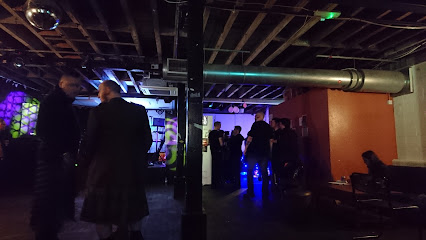
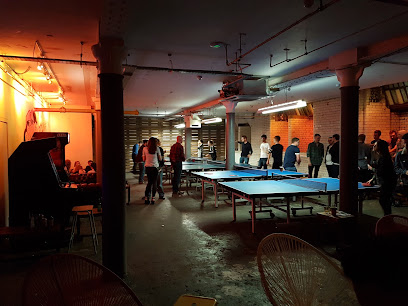
Manchester's gritty basement haven where ping pong battles rage under DJ beats and craft brews flow freely in the Northern Quarter's creative underbelly.
Club Liv Manchester
21.3 km
Experience Manchester’s vibrant nightlife with exclusive VIP vibes, world-class Pan-Asian dining, and a stylish rooftop terrace at Club Liv.
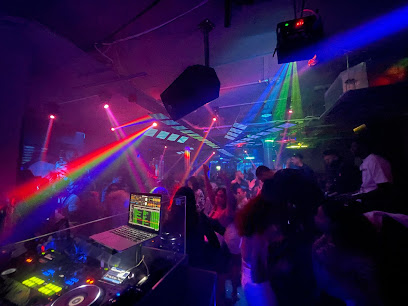
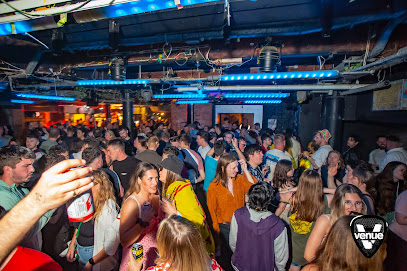
Venue Nightclub
21.5 km
Manchester's underground indie haven: cheap drinks, packed dance floors, and anthems till dawn in Deansgate's electric night scene.
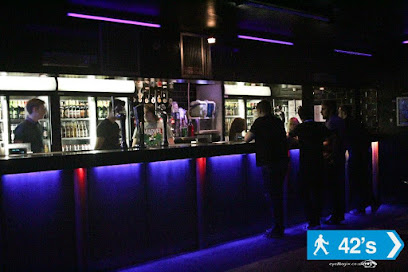
42's
21.6 km
Manchester’s iconic indie nightclub blending rich musical heritage with a lively, inclusive nightlife experience.
For the vibe & atmosphere seeker
- Tranquil
- Scenic
- Unique
- Relaxing
For the design and aesthetic lover
- Rustic Designs
For the architecture buff
- Historic
- Landmarks
- Parks & Gardens
For the view chaser and sunset hunter
- Iconic Views
- Panoramas
For the social media creator & influencer
- Instagrammable
- Photo Spots
For the eco-conscious traveler
- Eco-Friendly
- Low Impact
- Public-Transport Accessible
- Locally Managed
For the kind of experience you’re after
- Cultural Heritage
- Nature Escape
- Photowalk
- Day Trip
- Weekend Getaway
For how adventurous you want the journey to be
- Easy Access
Location Audience
- Family Friendly
- Senior Friendly
- Child Friendly
- Teen Friendly
- Solo Friendly
- Couple Friendly
- Vegetarian Friendly
- Vegan Friendly


