
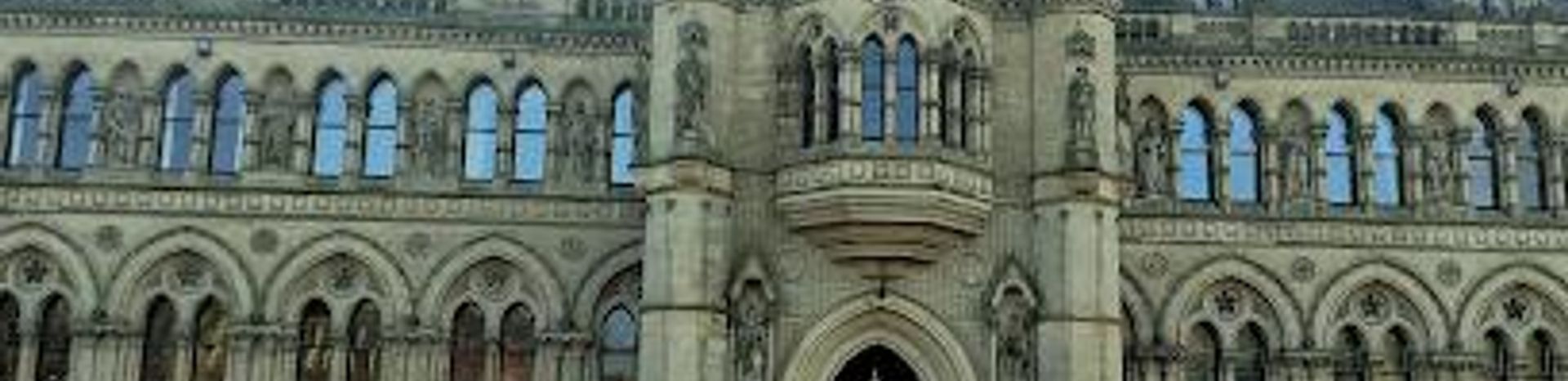
Bradford City Hall
A grand Victorian town hall in Bradford’s heart, crowned by a 61‑metre clock tower and adorned with 35 statues of British monarchs.
Dominating Centenary Square in the heart of Bradford, City Hall is a magnificent Grade I listed Victorian town hall built in 1873. Designed in Venetian Gothic style by Lockwood and Mawson, its ornate sandstone façade is adorned with 35 statues of British monarchs and crowned by a 61‑metre clock tower inspired by Florence’s Palazzo Vecchio. Inside, grand civic spaces including a historic council chamber and a preserved Victorian courtroom host events and exhibitions, while the building’s rich history as a seat of local government and filming location adds to its enduring presence in the city.
A brief summary to Bradford City Hall
- Norfolk Gardens, Bradford, GB
- Duration: 0.5 to 2 hours
- Free
-
 Mixed
Mixed
- Mobile reception: 5 out of 5
Local tips
- Visit during daylight to fully appreciate the ornate façade and the line of 35 monarch statues; the clock tower is especially photogenic in morning or late afternoon light.
- Check the local events calendar: City Hall often hosts free exhibitions, open days, and civic events that allow access to the grand interiors and historic council chamber.
- Combine your visit with a walk through City Park and Norfolk Gardens to experience the contrast between the historic building and the modern public space around it.

For the on-the-go comforts that matter to you
- Restrooms
- Drink Options
- Drinking Water
- Food Options
- Seating Areas
- Sheltered Areas
- Trash Bins
- Information Boards
Getting There
-
Public Transport
From Bradford Interchange, take a local bus towards the city centre; most routes stop within a 5‑minute walk of Centenary Square. The journey takes 5–10 minutes, and the stop is a short, level walk across City Park to City Hall.
-
Walking
From Bradford Interchange, follow the main pedestrian route through the city centre; it’s a 10‑minute walk on paved, level paths leading directly into Centenary Square, with City Hall clearly visible at the far end.
-
Car
Drive to the city centre and use one of the central multi‑storey car parks; the nearest are about a 5‑minute walk away, with step‑free access to Centenary Square and City Hall.
Bradford City Hall location weather suitability
-
 Any Weather
-
 Rain / Wet Weather
-
 Clear Skies
-
 Mild Temperatures
Discover more about Bradford City Hall
A Civic Jewel of the Industrial Age
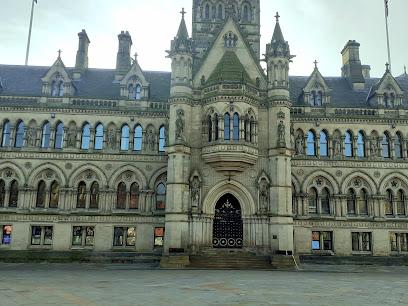
Rising above Centenary Square, Bradford City Hall is a powerful symbol of the city’s 19th‑century prosperity and civic ambition. Constructed between 1870 and 1873 at a then‑staggering cost, this Grade I listed building was designed by the local firm Lockwood and Mawson to rival the great town halls of northern England. Its Venetian Gothic style, executed in Gaisby rock sandstone, reflects the confidence of a booming industrial city, once known as Worstedopolis for its dominance in the wool trade. The building’s original role as Bradford Town Hall encompassed council chambers, offices, a borough court, and police facilities, consolidating local government in a single, imposing structure.Architecture and Iconic Details
The façade is a gallery of British monarchy, lined with 35 life‑sized statues of English and British sovereigns carved from local Cliffe Wood stone. Facing Centenary Square, the sequence includes Oliver Cromwell, a reminder of the building’s Victorian embrace of complex national history. The most striking feature is the 61‑metre clock tower, modelled on Florence’s Palazzo Vecchio, which houses a peal of 13 bells installed in 1872. These bells, restored in the late 1990s, once marked civic life and now chime as a living link to the past. The tower’s height and ornate detailing make it one of Bradford’s most instantly recognisable landmarks.Inside the Grand Interiors
Stepping inside, visitors encounter a series of grand civic spaces that have hosted everything from council debates to royal visits. The main entrance hall, with its marble staircase and elaborate detailing, leads to the historic council chamber and committee rooms, many of which retain their original Victorian character. A later extension added a banqueting hall with a 19th‑century overmantel and frieze, while the preserved Victorian courtroom has become a sought‑after filming location for period dramas. These interiors, rich in wood, stone, and decorative art, offer a tangible sense of Bradford’s civic heritage and architectural craftsmanship.From Town Hall to City Hall
The building’s story continued well into the 20th century. In 1909, architect Norman Shaw designed an extension adding more council chambers and a banqueting hall, and a further 1914 addition by William Williamson introduced a new entrance and staircase in baroque marble. In 1965, reflecting Bradford’s elevation to city status, the building was renamed Bradford City Hall. It served as a crown court until the 1990s, after which its role shifted more fully toward civic events, exhibitions, and public functions, while remaining the ceremonial heart of local government.A Living Landmark in the City Centre
Today, City Hall stands at the core of Bradford’s urban life, framed by the modern City Park and Norfolk Gardens. It continues to host official ceremonies, public meetings, and cultural events, bridging its historic past with contemporary civic engagement. Its interiors are regularly used for exhibitions and functions, and its authentic Victorian courtroom and chambers have featured in numerous film and television productions, from national dramas to long‑running soaps. This blend of preserved heritage and active public use ensures that the building remains not just a monument, but a living part of the city’s identity.Iconic landmarks you can’t miss

Bradford City Hall
0.0 km
A majestic Victorian landmark in Bradford, blending stunning Venetian Gothic architecture with rich civic history and vibrant cultural life.
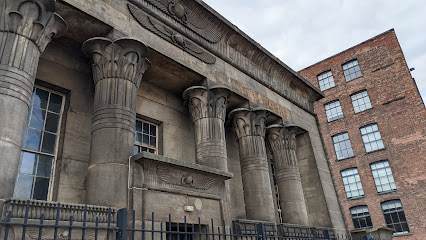
Temple Works
13.2 km
Discover Temple Works, Leeds’ iconic Egyptian Revival flax mill blending industrial heritage with architectural grandeur and future cultural renewal.
Tilly + Enzo
13.5 km
Discover tranquility at Tilly + Enzo, a serene shrine in Leeds offering a peaceful retreat amidst the city's vibrant energy.
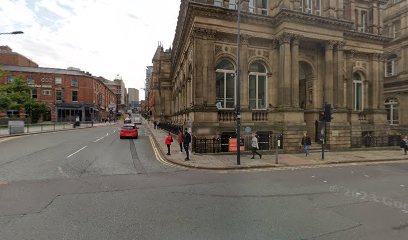
Statue of John Harrison
13.5 km
Honoring Leeds’ historic benefactor John Harrison, whose philanthropy and leadership shaped the city’s early growth and community spirit.
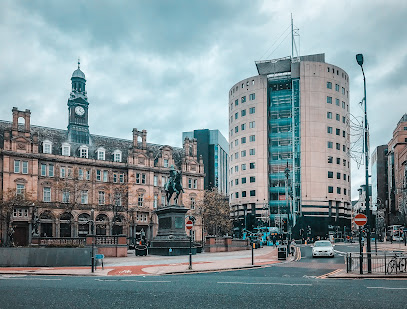
Civic Hall
13.5 km
A majestic Grade II* listed municipal building in Leeds, famed for its golden owls and grand civic ceremonies.
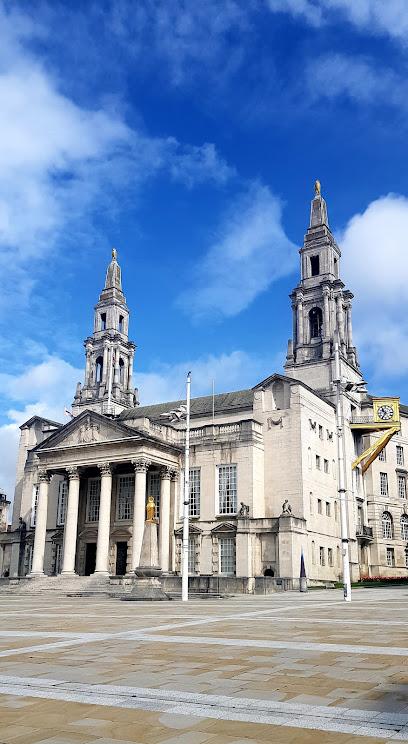
Leeds War Memorial
13.5 km
A solemn and historic tribute in Leeds city center honoring the bravery and sacrifice of World War I soldiers.
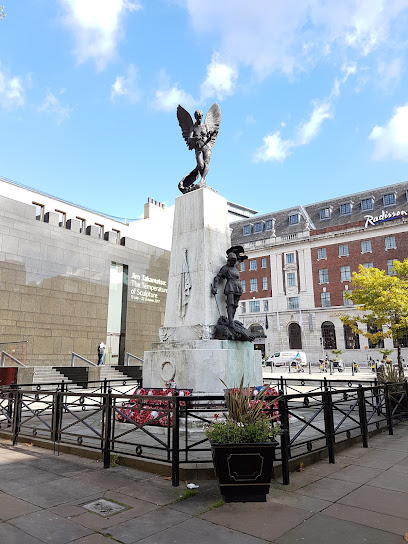
The Talbot Hounds Fountain
13.8 km
A majestic 19th-century fountain featuring four stone Talbot hounds, rescued from a lost Gothic mansion and now a cherished Leeds landmark.
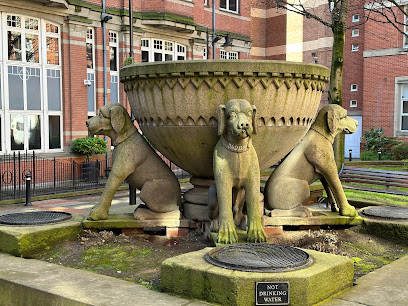
Holy Trinity Church
13.8 km
Discover Leeds’ elegant 18th-century Holy Trinity Church, a Georgian architectural masterpiece and vibrant cultural hub in the city centre.
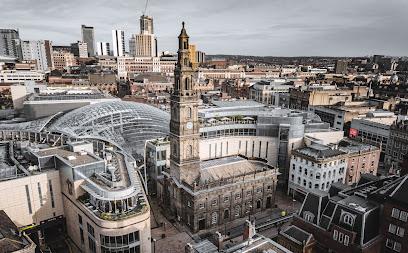
Time Ball Buildings
13.8 km
Discover the historic Time Ball Buildings in Leeds, an architectural gem showcasing the city's rich heritage and vibrant urban culture.
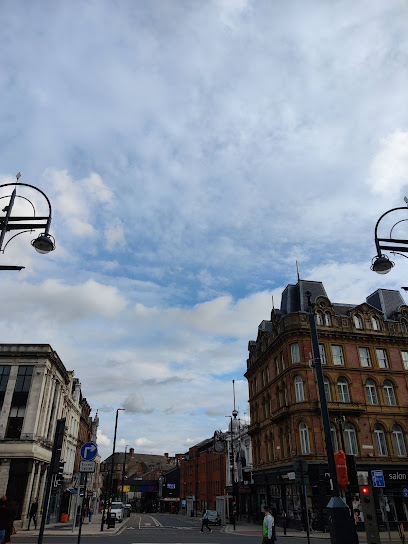
Leeds Corn Exchange
14.0 km
Discover unique shopping and local flavors at Leeds Corn Exchange, a historic gem in the heart of Leeds offering artisan delights and boutique finds.
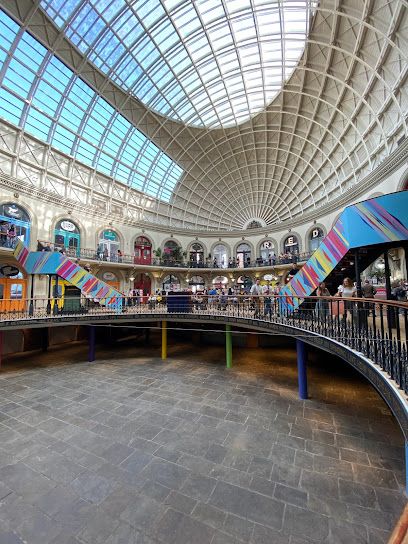
Victoria Leeds
14.1 km
Discover Victoria Leeds, where shopping meets history in a vibrant center filled with designer boutiques, dining, and stunning architecture.
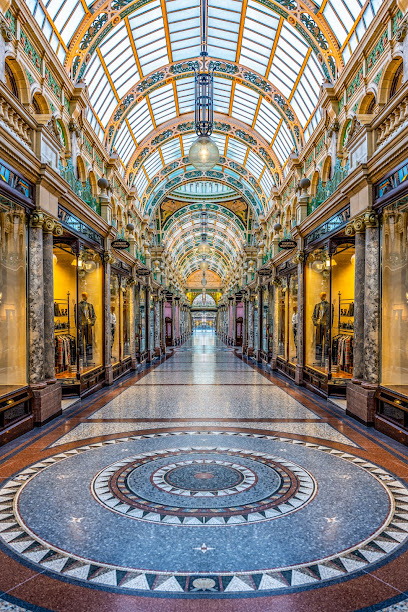
Golden Acre Park
14.1 km
Explore the beauty of Golden Acre Park in Bramhope, Leeds, a perfect blend of nature, tranquility, and family-friendly activities.
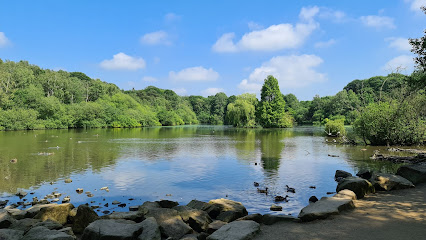
King Alfred's Castle
14.1 km
An evocative 18th-century folly in Leeds, celebrating King Alfred’s legacy with historic charm and architectural romance.
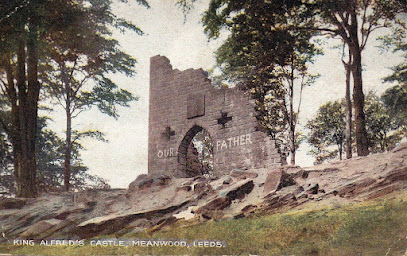
Leeds Minster
14.3 km
Discover Leeds Minster, a magnificent neo-Gothic church with over 1,400 years of history, musical heritage, and community spirit in the heart of Leeds.
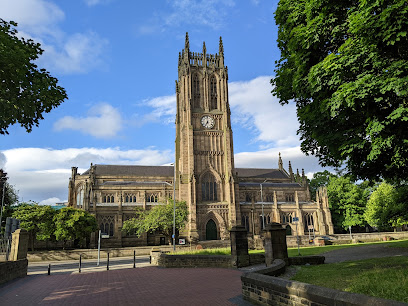
Chapel Allerton Spaces
14.4 km
Explore the serene beauty of Chapel Allerton Spaces, a tranquil retreat in Leeds perfect for relaxation and community connection.
Unmissable attractions to see

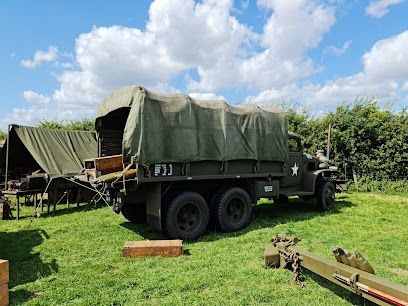
Yorkshire Wartime Experience
5.6 km
Experience the thrill of history with the North’s largest military show featuring tanks, reenactments, and 1940s entertainment for all ages.
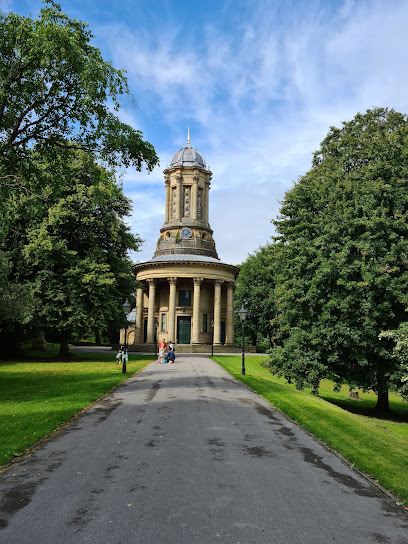
Salts Mill
5.7 km
Historic textile mill turned vibrant cultural hub with world-class art, independent shops, and dining in Saltaire's UNESCO village.
Calverley Old Hall
5.9 km
Medieval grandeur meets modern sustainability in a restored 700-year-old manor house near Leeds.
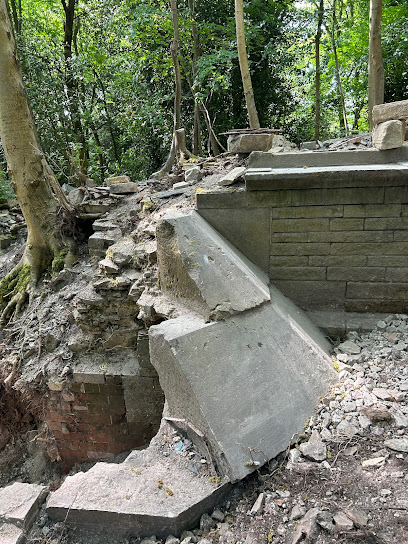
Milner Field Manor Ruins
7.2 km
Explore the Milner Field Manor Ruins in Bingley, a historical treasure set in beautiful woodlands, ideal for history buffs and nature lovers.
Rodley Nature Reserve
7.8 km
A tranquil urban wetland near Leeds, Rodley Nature Reserve offers vibrant birdlife, dragonflies, and peaceful nature walks in a volunteer-run sanctuary.
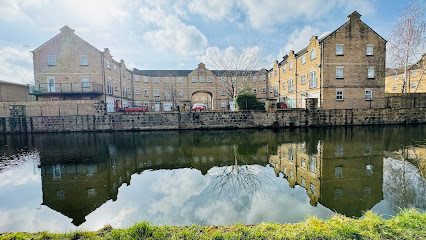
Bramley Park
8.1 km
A lively community park in Leeds blending sports, nature, and local events with stunning city views and family-friendly spaces.
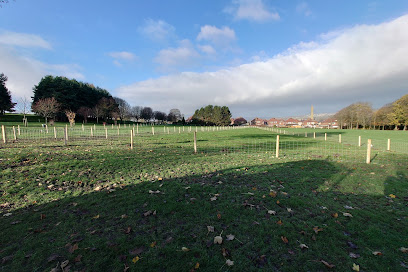
Farnley Hall Park
8.5 km
Historic grounds meet vibrant green spaces in Farnley Hall Park, a family-friendly retreat just west of Leeds city centre.
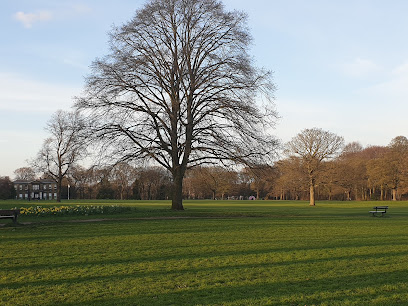
Horsforth Hall Park
8.5 km
Historic community park in Leeds featuring open green spaces, a Japanese garden, sports facilities, and year-round family events.
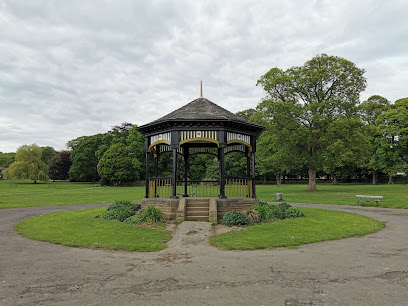
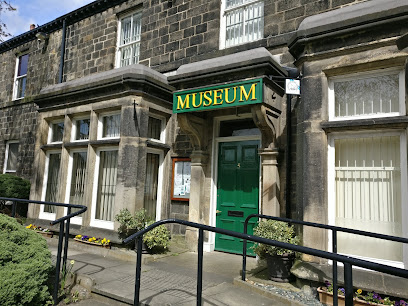
Horsforth Village Museum
8.8 km
Discover Horsforth’s rich heritage through personal stories and local artifacts at this charming volunteer-run village museum.
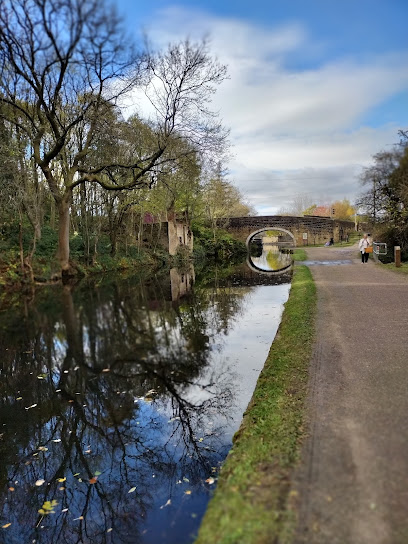
Bramley Fall Park
8.8 km
Explore Bramley Fall Park’s ancient woods, scenic waterways, and family-friendly playgrounds in a tranquil Leeds green space.
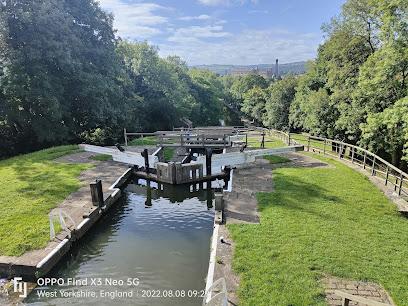
Bingley Five Rise Locks
9.0 km
Discover Britain’s steepest staircase locks, a historic engineering marvel rising 18 meters over five dramatic canal chambers in scenic West Yorkshire.
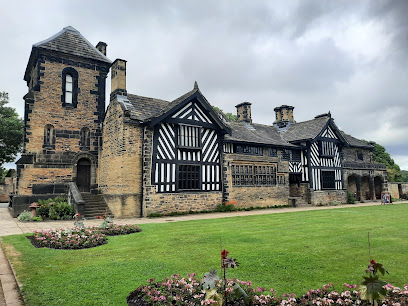
Shibden Hall
9.1 km
Discover centuries of history and natural beauty at Shibden Hall, a historic manor set in award-winning parkland near Halifax.
Kirkstall Abbey
10.1 km
Explore the majestic ruins of Kirkstall Abbey, a serene medieval Cistercian monastery nestled in scenic parkland by the River Aire in Leeds.
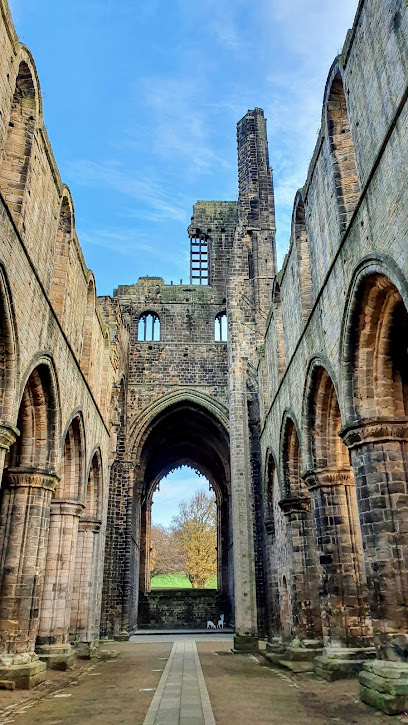
Abbey House Museum
10.1 km
Step into Victorian Leeds at Abbey House Museum, where historic streets and childhood memories come alive in a family-friendly setting.
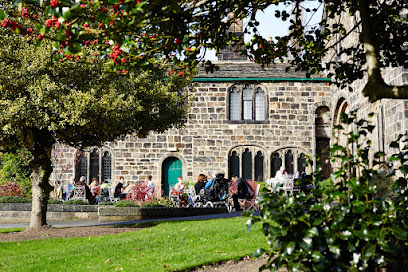
Abbey House Museum Gardens
10.2 km
Tranquil historic gardens beside Leeds’ Abbey House Museum, blending Victorian heritage with peaceful green spaces near Kirkstall Abbey ruins.
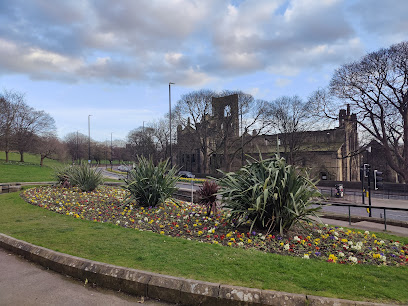
Essential places to dine

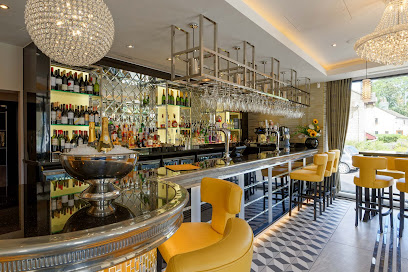
Grand Cru Restaurant
5.9 km
Experience luxurious modern British dining in a beautifully restored landmark with refined cuisine and warm, attentive service in Birkenshaw.
Salvo's
11.9 km
Authentic family-run Italian dining in the heart of Headingley, Leeds, serving classic pasta, wood-fired pizzas, and warm hospitality since 1976.
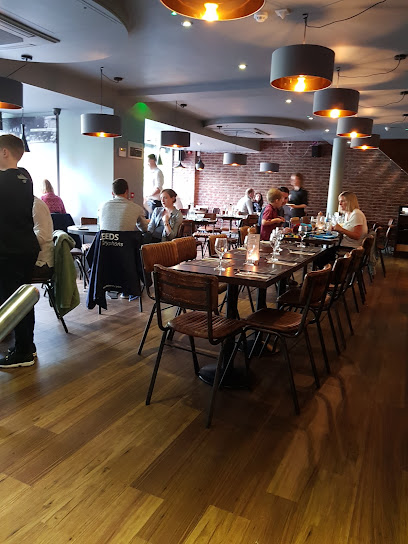
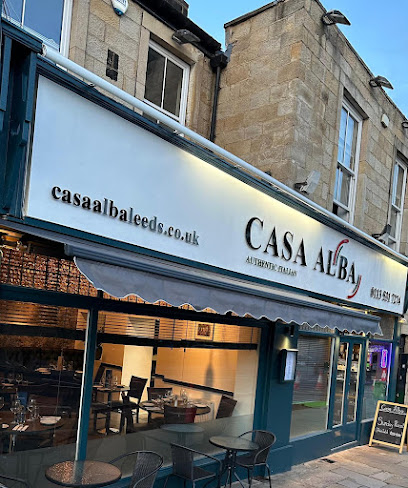
Casa Alba
11.9 km
Authentic Italian flavors and cosy ambiance await you at Casa Alba, Headingley’s beloved dining destination.
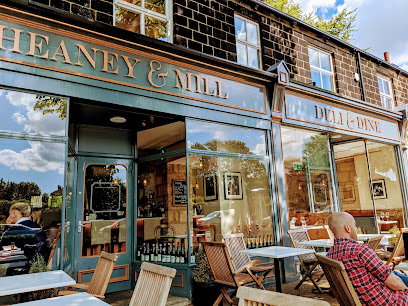
Heaney & Mill
11.9 km
Cozy modern British dining in Headingley with standout Sunday roasts and a warm, inviting atmosphere.
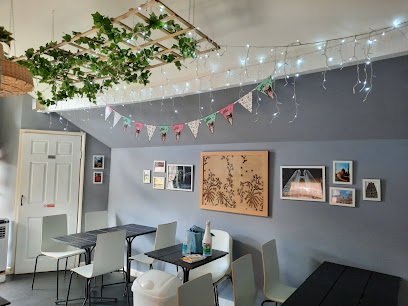
Kuala Lumpur Café Headingley
12.0 km
Experience authentic Malaysian cuisine in a cozy, friendly café setting with vibrant flavors and warm hospitality in Headingley, Leeds.
The Cat's Pyjamas
12.0 km
Experience vibrant pan-Indian street food in a cosy, lively setting at The Cat's Pyjamas in Headingley, Leeds.
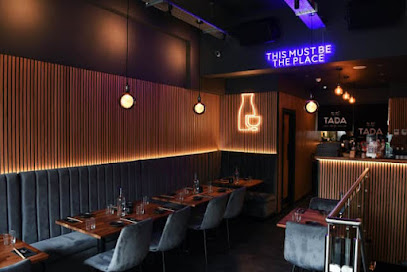
TADA
12.0 km
Authentic Japanese flavors meet stylish comfort in Headingley’s beloved TADA, a top choice for sushi, ramen, and bento delights.
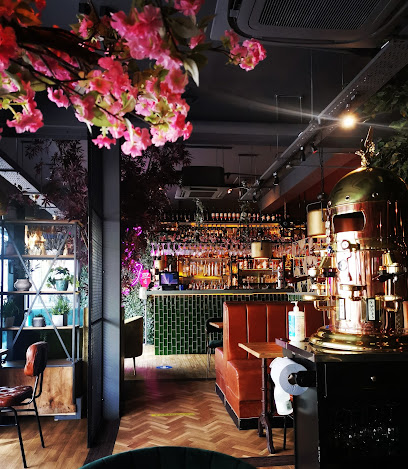
Santorini Bar & Grill
12.0 km
Experience authentic Greek and Turkish flavors in a lively, welcoming setting at Santorini Bar & Grill in Leeds’ vibrant Headingley district.
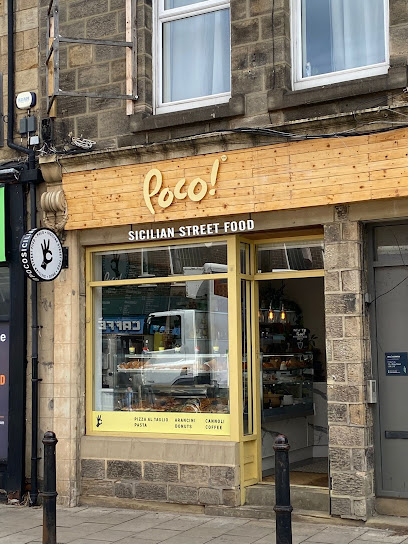
Poco Sicilian Street Food Headingley
12.0 km
Authentic Sicilian street food in the heart of Headingley, Leeds, serving vibrant flavors in a casual, welcoming setting.
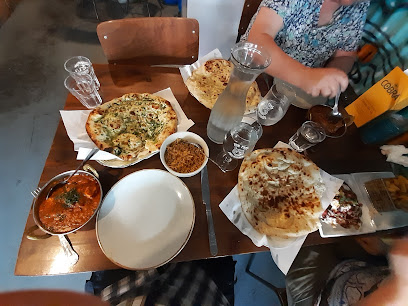
De Baga Restaurant
12.0 km
Experience authentic Goan and southern Indian cuisine in a vibrant, welcoming setting at De Baga, Headingley’s celebrated Indian restaurant.
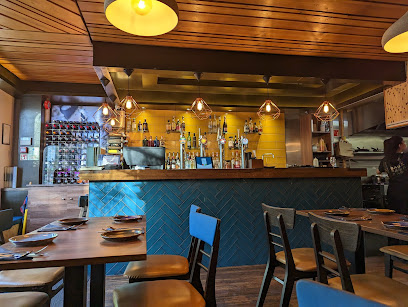
Signature Bar and Restaurant
12.0 km
A stylish dining and social hotspot in Leeds’ lively Headingley, known for excellent cocktails, diverse cuisine, and a welcoming atmosphere.
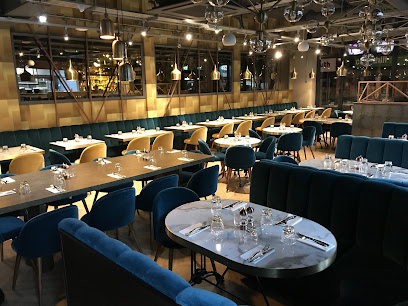
Zucco
12.9 km
Experience authentic Italian flavors and warm family hospitality in the heart of Leeds’ Meanwood at Zucco, a cozy spot for sharing plates and fine wines.
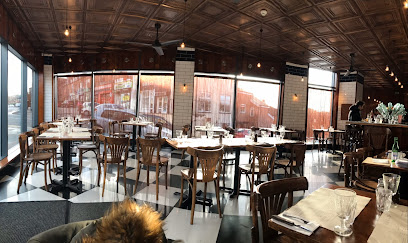
The Whitehall Restaurant & Bar
13.1 km
A vibrant Leeds dining spot blending modern style, diverse menus, and warm service for all tastes including excellent vegan options.
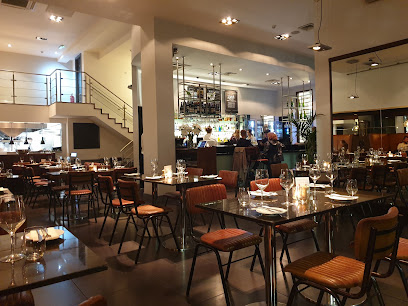
La Taberna Leeds
13.2 km
Discover authentic Spanish tapas and a warm, intimate atmosphere in the heart of Leeds at La Taberna.
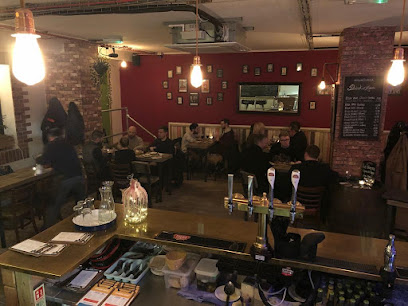
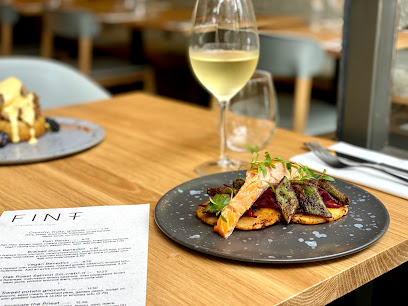
FINT
13.2 km
Scandinavian-inspired dining with vegan-friendly options and a cozy, stylish atmosphere in central Leeds.
Markets, malls and hidden boutiques

Our Handmade Collective
9.2 km
Discover unique, handcrafted treasures from over 110 local makers in a welcoming Horsforth boutique that celebrates creativity and quality.
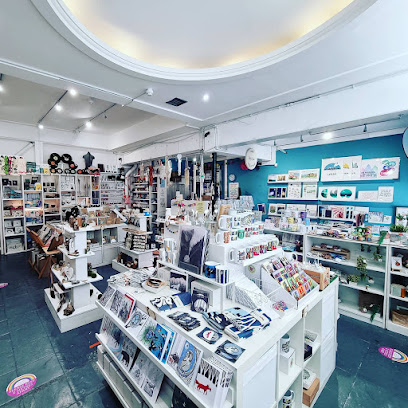
Uniquely Yours / Yorkshire Melts
10.6 km
Discover handcrafted wax melts and unique Yorkshire gifts in the heart of Armley, Leeds, blending artisan charm with local warmth.
Style LTT
11.7 km
Chic womenswear finds in Headingley's lively heart: soft, stylish pieces for every day, blending comfort and contemporary flair amid buzzing cafes and parks.
Legs&Limpy
11.8 km
Whimsical threads for Leeds' lively souls: quirky clothing that moves with Headingley's beat in a cozy crescent hideaway.
Flavour Like Fancy
12.0 km
Vibrant Headingley gift shop brimming with bold, handmade treasures from local UK makers—perfect for unique finds that spark joy and support indie creativity.
LW Home & Decor
12.1 km
Explore LW Home & Decor in Headingley, Leeds for unique furniture and accents that elevate your home aesthetics with local charm and style.
varelas.clothing
12.1 km
Unique fashion finds in Headingley's vibrant heart, where personal style meets eclectic Leeds suburb charm on Raven Road.
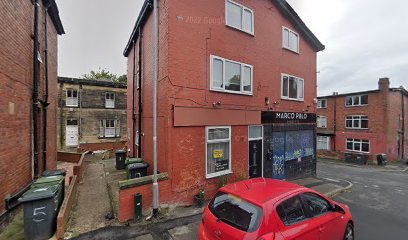
The Mill Outlet & Garden Centre
12.2 km
Explore the UK's largest retail mill with over 40 stores, a garden centre, and diverse dining options all under one historic roof.
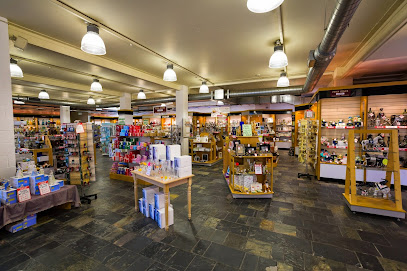
Leeds United Store
12.3 km
Official Leeds United merchandise store near Elland Road, offering authentic kits, apparel, and memorabilia for passionate fans year-round.
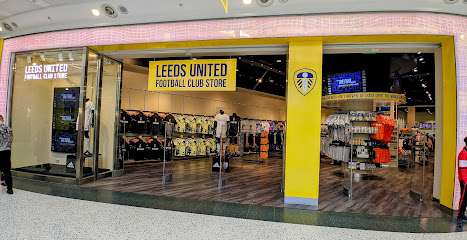
Pablos Friends Shop
12.4 km
Discover unique local goods and gifts at Pablo's Friends Shop in Headingley, Leeds, a charming destination for authentic Yorkshire finds.
Melts
12.5 km
Uncover Headingley's artisanal treasures at Melts, where local crafts and unique handmade finds bring the neighborhood's creative soul to life on bustling Headingley Lane.
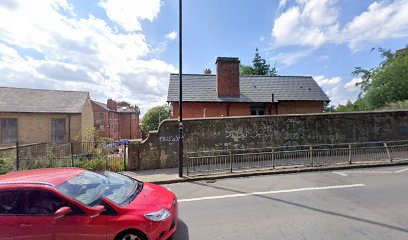
Holton Apparel
12.6 km
Explore Holton Apparel in Headingley, Leeds, for unique and stylish clothing that captures the essence of local fashion.
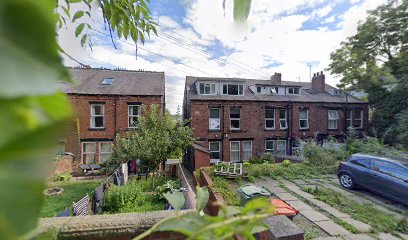
North South Vintage
12.8 km
Discover authenticated luxury vintage in Headingley's beating heart: handpicked designer gems, vinyl vibes, and sustainable style await at this incense-scented flagship.
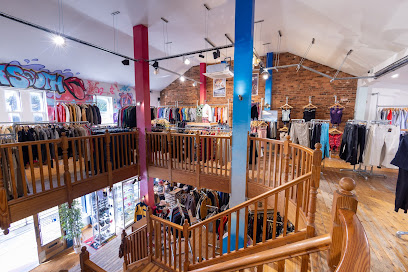
Vintage Boutique
12.8 km
Discover timeless vintage fashion treasures and personalized service in the heart of Headingley, Leeds’ vibrant boutique scene.
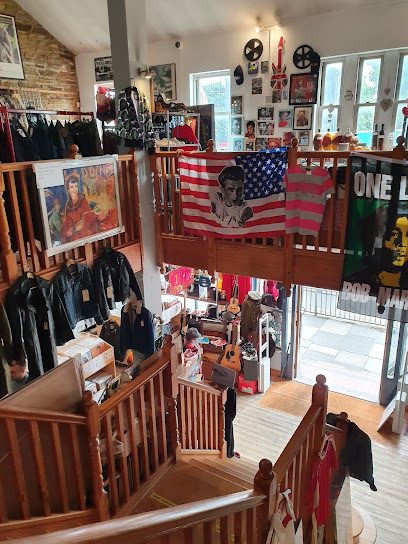
Eco Queen
13.4 km
Sustainable gifts and eco-elegance in Chapel Allerton's heart: chinaware, candles, and custom baskets for mindful living.
Essential bars & hidden hideouts

Old Mill
11.0 km
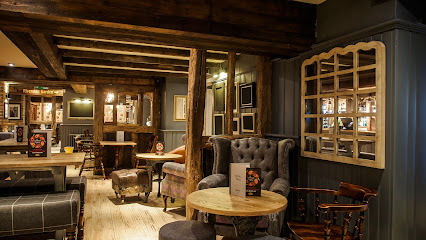
A charming riverside pub in Brighouse blending rustic British tradition with scenic views and hearty cuisine.
Manahatta Headingley
11.8 km
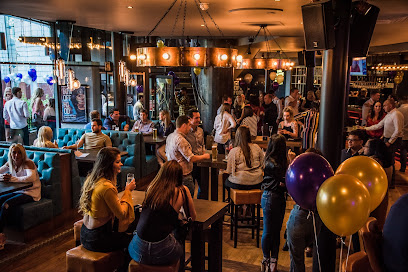
A lively Headingley cocktail bar serving shareable plates, bold drinks and an easygoing, student-friendly atmosphere.
New Headingley Club
11.8 km
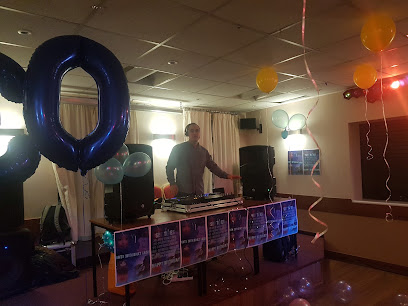
Headingley's cozy members' club: real ales, snooker, garden pints, and community vibes away from the student buzz – perfect for sports fans and relaxed gatherings.
The Headingley Taps
11.8 km
Lively sports pub near Headingley Stadium, buzzing with match-day cheers, pub grub, karaoke, and student energy in Leeds' vibrant north side.
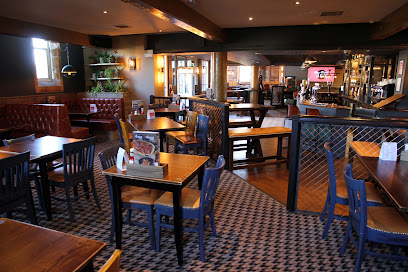
Woodies Craft Ale House
11.9 km
Savor Yorkshire craft ales amid industrial chic at Headingley's go-to pub, where hearty grub, live tunes, and Otley Run vibes create unforgettable evenings.
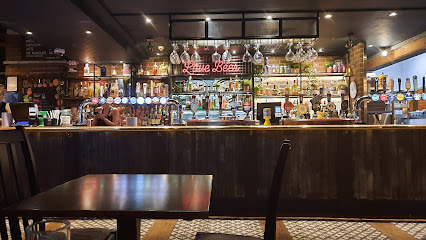
The Three Horseshoes
11.9 km
Lively Headingley pub fueling the Otley Run with pizzas, roasts, live music, sports screens, and student spirit—your go-to for pints and pool.
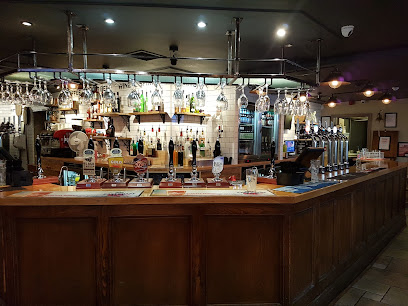
The Head of Steam Headingley
11.9 km
Leeds' go-to pub for world-class craft beers, live tunes, epic quizzes, and upstairs games in buzzing Headingley—perfect for pints and play.
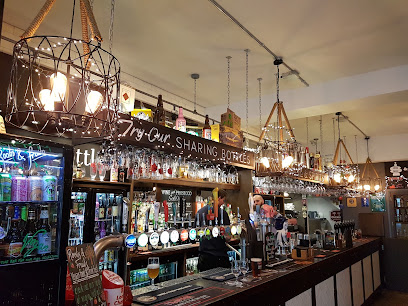
Arcadia Ale House
11.9 km
Cozy Headingley ale house pouring premium cask beers in a calm, crawl-free haven amid Leeds' student buzz—perfect for discerning drinkers.
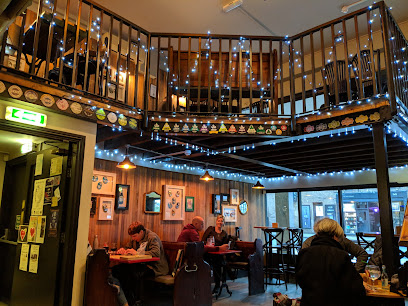
The Gin Room
12.0 km
Savor Headingley's premier gin sanctuary: vast collections, flawless pairings, and cozy vibes in the heart of Otley Road's nightlife pulse.
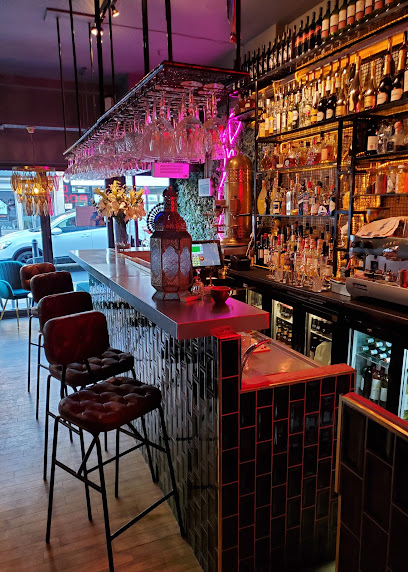
BOX Headingley
12.0 km
A multi-level sports bar in Headingley with rooftop beer-gardens, big screens, shareable pub food and social games for groups and match nights.
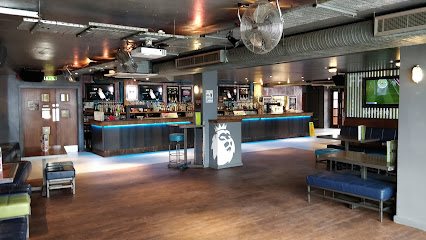
Brudenell Social Club
12.1 km
A compact, community-run live-music club in Burley — intimate gigs, pies at the bar and a warmly ramshackle atmosphere loved by local music fans.
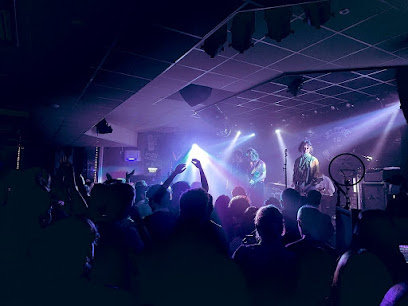
The Golden Beam - JD Wetherspoon
12.3 km
Historic Headingley pub pouring affordable pints and pub classics in a spacious, student-favorite setting with striking architecture.
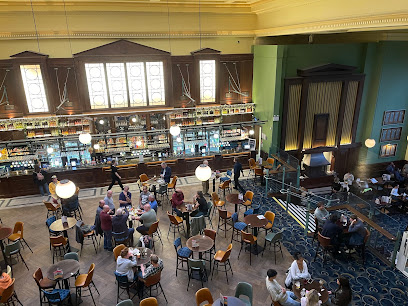
Hyde Park Book Club
12.7 km
Leeds' cozy creative crossroads: vegan eats, live gigs, and bookish vibes in a reborn petrol station haven.
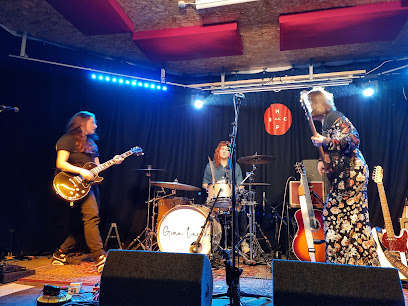
Dirty Martini - Leeds
13.4 km
Leeds' glamorous cocktail den where bespoke martinis, plush vibes, and late-night DJs craft unforgettable nights on King Street. Indulge in happy hours and bottomless brunches amid opulent surrounds. (162 characters)
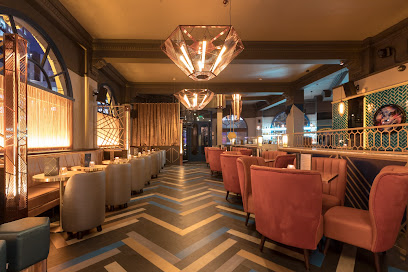
Green Room
13.4 km
A plant-filled, industrial-chic bar and rooftop terrace serving brunch by day and craft drinks by night in the heart of Leeds.
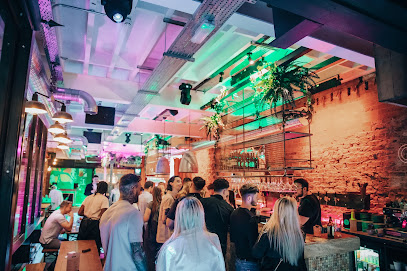
Nightclubs & after hour spots

New Inn
11.9 km
Traditional Headingley pub with roaring fires, cask ales, and community spirit on lively Otley Road—a cozy cornerstone of Leeds life.
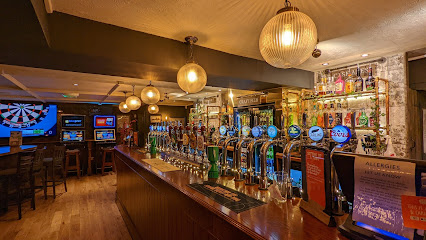
The Warehouse
13.1 km
Experience the vibrant nightlife and dynamic music scene at The Warehouse, Leeds’ energetic club destination.
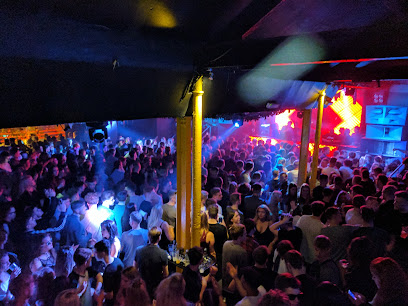
Popworld - Leeds
13.6 km
Relive noughties glory in Leeds' ultimate cheesy pop nightclub, where cocktails pop and dances don't stop till dawn.
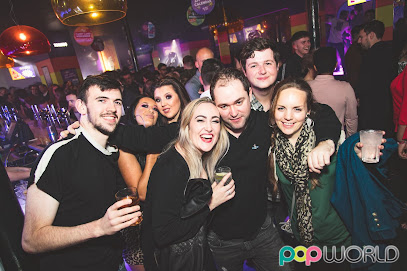
Home Nightclub Leeds
13.7 km
Leeds' £2.5M superclub: VOID sound, pyrotechnic spectacles, multi-room vibes from house anthems to urban grooves—pure festival energy underground.
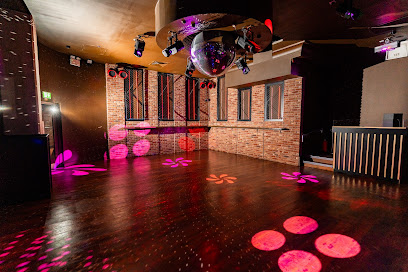
PRYZM
13.7 km
Leeds' multi-themed superclub where futuristic beats meet quirky rooms in the heart of Arena Quarter nightlife.
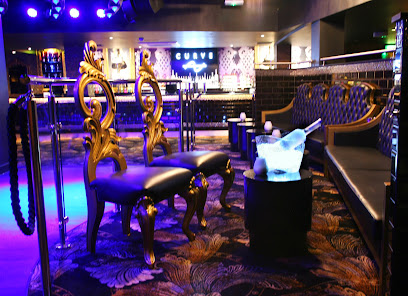
The Key Club
13.8 km
Intimate, no-frills live-music club in central Leeds where punk, indie and alternative acts play close and loud beneath Merrion Street.
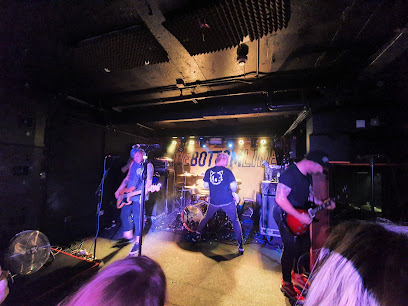
ULTRA
13.9 km
Experience Leeds’ vibrant nightlife at ULTRA, where electrifying beats and dynamic dance floors create unforgettable late-night memories.
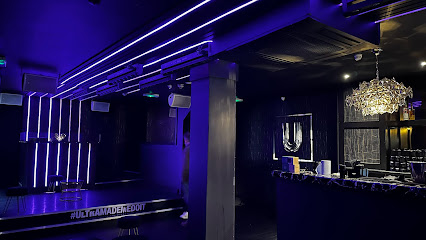
The Space
13.9 km
Dive into Leeds' basement beats at The Space, where funky house and urban rhythms fuel non-stop dancing till dawn in a sleek underground haven.
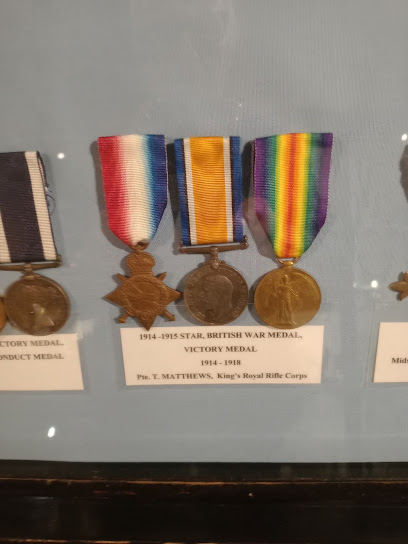
Baracoa Luxe Bar
13.9 km
Glamorous Call Lane haven blending luxe cocktails, beer garden chills, and pulsating club nights in Leeds' vibrant heart since 2010.
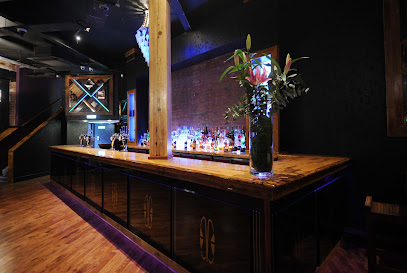
The Backroom
13.9 km
A chic speakeasy-style nightclub in Leeds with handcrafted cocktails, eclectic music, and vibrant weekend nightlife beneath a historic railway bridge.
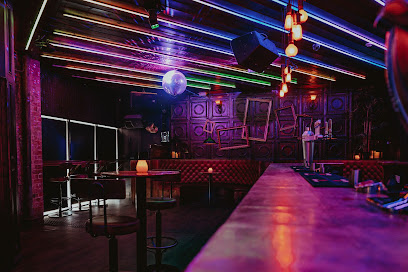
The HiFi Club
13.9 km
Leeds' underground gem for live music, comedy stardom, and late-night grooves—independent vibes since 2000.
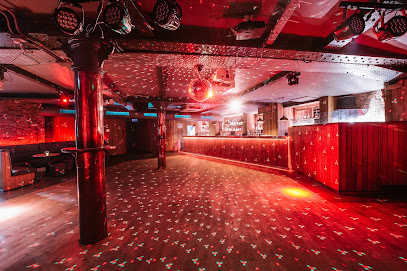
The Lab Nightclub Leeds
14.0 km
Experience Leeds' electric nightlife at The Lab Nightclub, where music flows smoothly and the party never stops in the heart of the city.
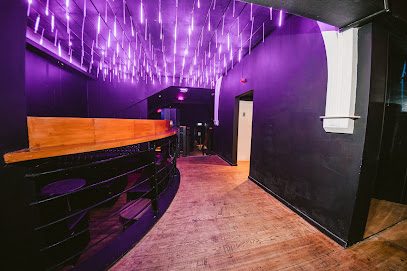
Wire
14.0 km
A compact, music-first basement club on Call Lane where tight crowds and a punchy sound system make late-night electronic parties feel immediate and intense.
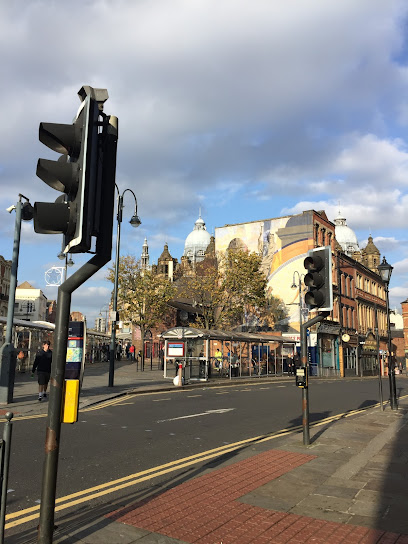
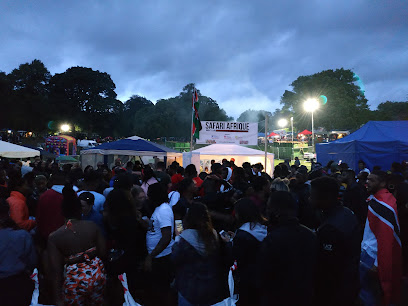
SAFARI AFRIQUE
14.1 km
A compact, high‑energy late‑night club on Assembly Street serving bass‑driven nights and lively weekend crowds.
Disco Stu's
14.1 km
Pulse-pounding beats and sticky-floored euphoria on Vicar Lane—Disco Stu's delivers unfiltered Leeds nightlife with affordable drinks and all-night energy.
For the vibe & atmosphere seeker
- Scenic
- Historic
- Civic
- Unique
For the design and aesthetic lover
- Vintage Styles
- Art Deco Styles
For the architecture buff
- Historic
- Landmarks
- Sacred Sites
For the view chaser and sunset hunter
- Iconic Views
- Panoramas
For the social media creator & influencer
- Instagrammable
- Photo Spots
- Architectural Shots
For the eco-conscious traveler
- Public-Transport Accessible
For the kind of experience you’re after
- Cultural Heritage
- Photowalk
- Day Trip
For how adventurous you want the journey to be
- Easy Access
Location Audience
- Family Friendly
- Senior Friendly
- Child Friendly
- Teen Friendly
- Wheelchair Access
- Solo Friendly
- Couple Friendly
- Solo Female Friendly
- Business Friendly


