Huskisson Memorial: Liverpool’s Mausoleum to the First Railway Casualty
A solemn mausoleum in Liverpool honoring William Huskisson, the first prominent victim of a railway accident and a figure of complex historical legacy.
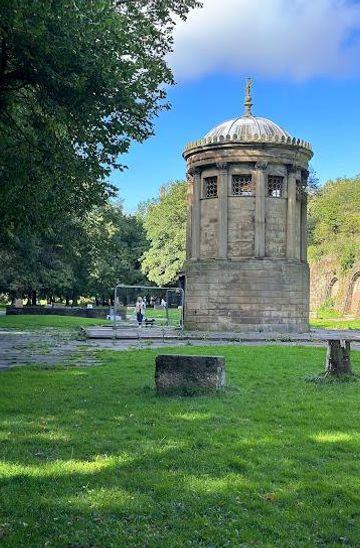
The Huskisson Memorial in Liverpool is a solemn mausoleum dedicated to William Huskisson, the first prominent politician to die in a railway accident. Located at Cathedral Gate near Upper Duke Street, this historic landmark commemorates Huskisson’s tragic death during the opening of the Liverpool-Manchester railway in 1830. The classical design and central city location make it a poignant reminder of early railway history and Liverpool’s rich heritage.
A brief summary to Huskisson Memorial
- Cathedral Gate, Upper Duke St, Hope St, Upper Parliament St, St James Rd, Liverpool, L1 7AZ, GB
- Click to display
- Duration: 0.5 to 1.5 hours
- Free
-
 Outdoor
- Mobile reception: 4 out of 5
- Monday 7 am-10 pm
- Tuesday 7 am-10 pm
- Wednesday 7 am-10 pm
- Thursday 7 am-10 pm
- Friday 7 am-10 pm
- Saturday 7 am-10 pm
- Sunday 7 am-10 pm

Know before you go
Hi, I'm Eve. Here are a few practical things to know before exploring Huskisson Memorial.
- Visit during daylight hours to fully appreciate the classical design and surrounding historic landmarks.
- Combine your visit with nearby Liverpool Cathedral and St James Gardens for a rich cultural experience.
- Take time to reflect on the memorial’s historical context, including Huskisson’s political career and the early railway era.
- Photography enthusiasts will find the contrast between the memorial’s classical style and modern railway surroundings compelling.
Do you manage this location?
Take control to get all the benefits, like improved information, better appearance, and stronger visibility across AI-powered discovery. Learn more
Activate your presenceOther nearby places you may find interesting
Getting There
-
Bus
Several frequent bus routes connect Liverpool city centre to Cathedral Gate, with journey times ranging from 10 to 20 minutes depending on starting point. Buses run daily from early morning until late evening, with single fares typically around £2.50.
-
Train
Liverpool Lime Street Station is approximately a 15-minute walk from the Huskisson Memorial. Trains to Lime Street run regularly from across the region, including Manchester and Chester, with fares starting around £10 for return trips.
-
Walking
If you are staying in central Liverpool, the memorial is accessible on foot via well-paved urban streets. Walking times vary from 10 to 30 minutes depending on your location, with flat terrain suitable for most visitors.
For the on-the-go comforts that matter to you
-
 Seating Areas
-
 Information Boards
-
 Restrooms
Discover more about Huskisson Memorial
A Tragic Moment in Railway History
The Huskisson Memorial commemorates William Huskisson, a respected British politician and financier who became the first notable fatality of a railway accident. On September 15, 1830, during the official opening of the Liverpool-Manchester railway—the world’s first purpose-built passenger line—Huskisson was fatally injured by the locomotive known as the Rocket. Despite efforts to save him, he died later that day, marking a grim milestone in the dawn of railway travel.Architectural Tribute Amid Liverpool’s Urban Fabric
Situated at Cathedral Gate, near Upper Duke Street and Hope Street, the memorial takes the form of a classical mausoleum reflecting aristocratic influences rather than industrial aesthetics. Completed in 1831, the structure stands out for its dignified and restrained design, evoking the solemnity of Huskisson’s legacy. Though now hemmed in by modern railway infrastructure, the memorial retains its quiet dignity as a historical landmark in Liverpool’s city centre.William Huskisson’s Political and Social Legacy
Beyond his tragic death, Huskisson was an influential Member of Parliament for Liverpool from 1823 until 1830. Known for his expertise in financial matters, he played a significant role in early 19th-century British politics. However, his legacy is complex; Huskisson opposed immediate abolition of slavery, supporting legislation that favored plantation owners, reflecting the contentious social and economic debates of his era.Memorials and Cultural Memory
The Huskisson Memorial is one of several commemorations of his life and death, including statues in Liverpool Cathedral and London. His death was widely publicized and marked by a large funeral, yet the rapid growth of the railway industry soon overshadowed the tragedy. Today, the memorial serves as a reflective site for visitors, connecting Liverpool’s industrial heritage with the human stories behind technological progress.Visiting the Memorial Today
Located in a vibrant area surrounded by notable landmarks such as Liverpool Cathedral and St James Gardens, the Huskisson Memorial offers visitors a chance to explore a significant piece of railway history. Its proximity to cultural sites and green spaces makes it a contemplative stop amid Liverpool’s bustling urban environment.Enduring Symbolism and Historical Dialogue
The memorial also invites reflection on the broader social history of Liverpool, including its connections to colonialism and the debates surrounding public monuments. Recent artistic projects in Liverpool have revisited Huskisson’s legacy, sparking conversations about how history is commemorated and remembered in public spaces.Explore the best of what Huskisson Memorial has to offer













More about Lancashire
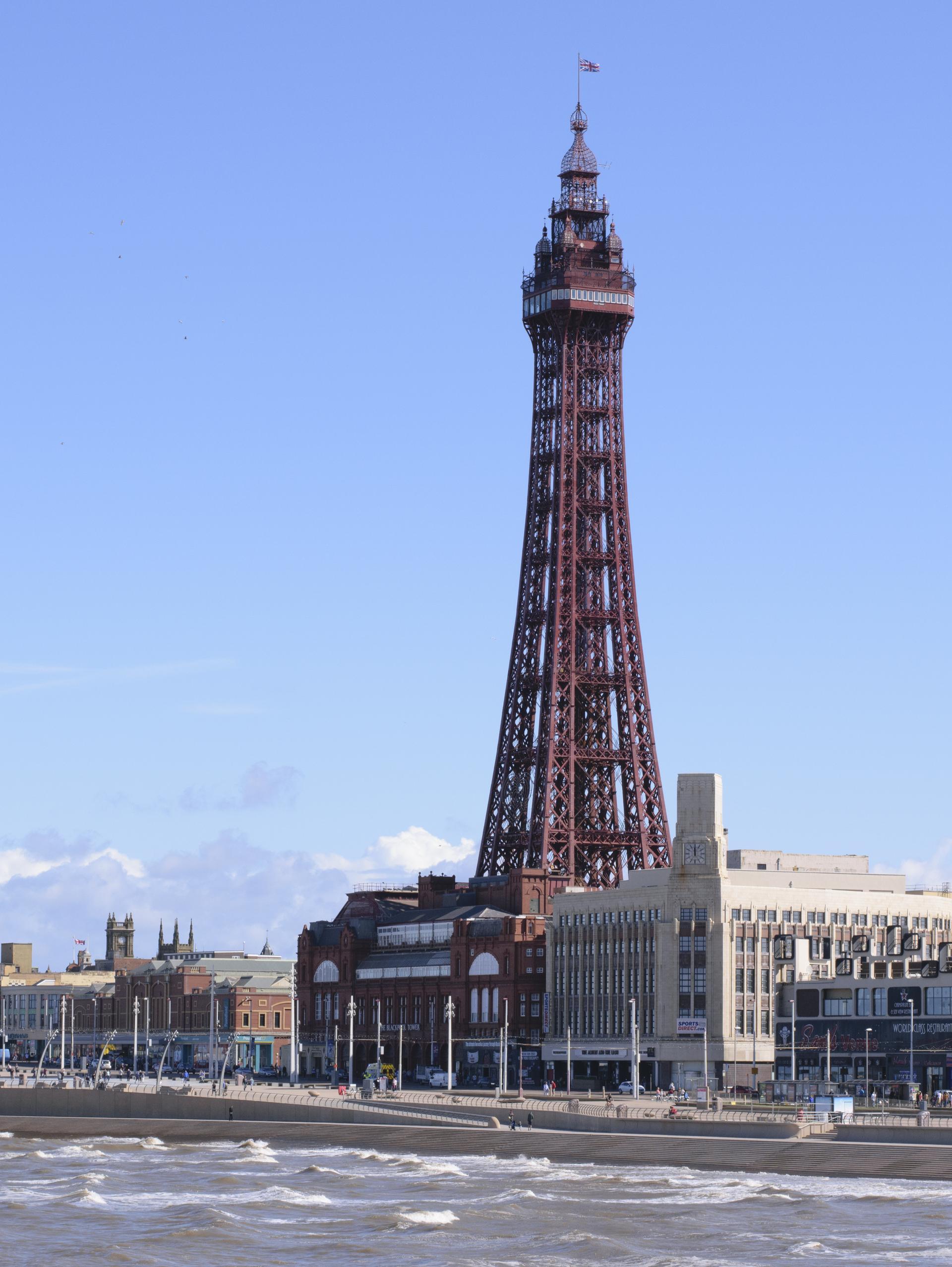
Discover Lancashire: A perfect blend of stunning landscapes, rich history, and vibrant culture in the heart of England's northwest.
Tell me more about Lancashire
Historic Georgian gateway at Liverpool’s Albert Dock, blending maritime heritage with vibrant cultural life and scenic waterfront charm.
Experience the grandeur and spiritual serenity of Britain’s largest cathedral with breathtaking views and rich cultural heritage.