Down Barns Moated Site, Middlesex Travel Guide
Step back into medieval England at Down Barns Moated Site, a serene moated manor in Northolt rich with history and archaeological intrigue.
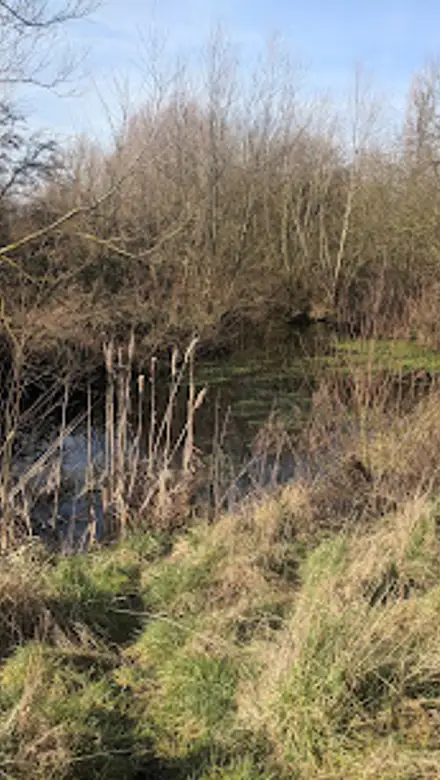
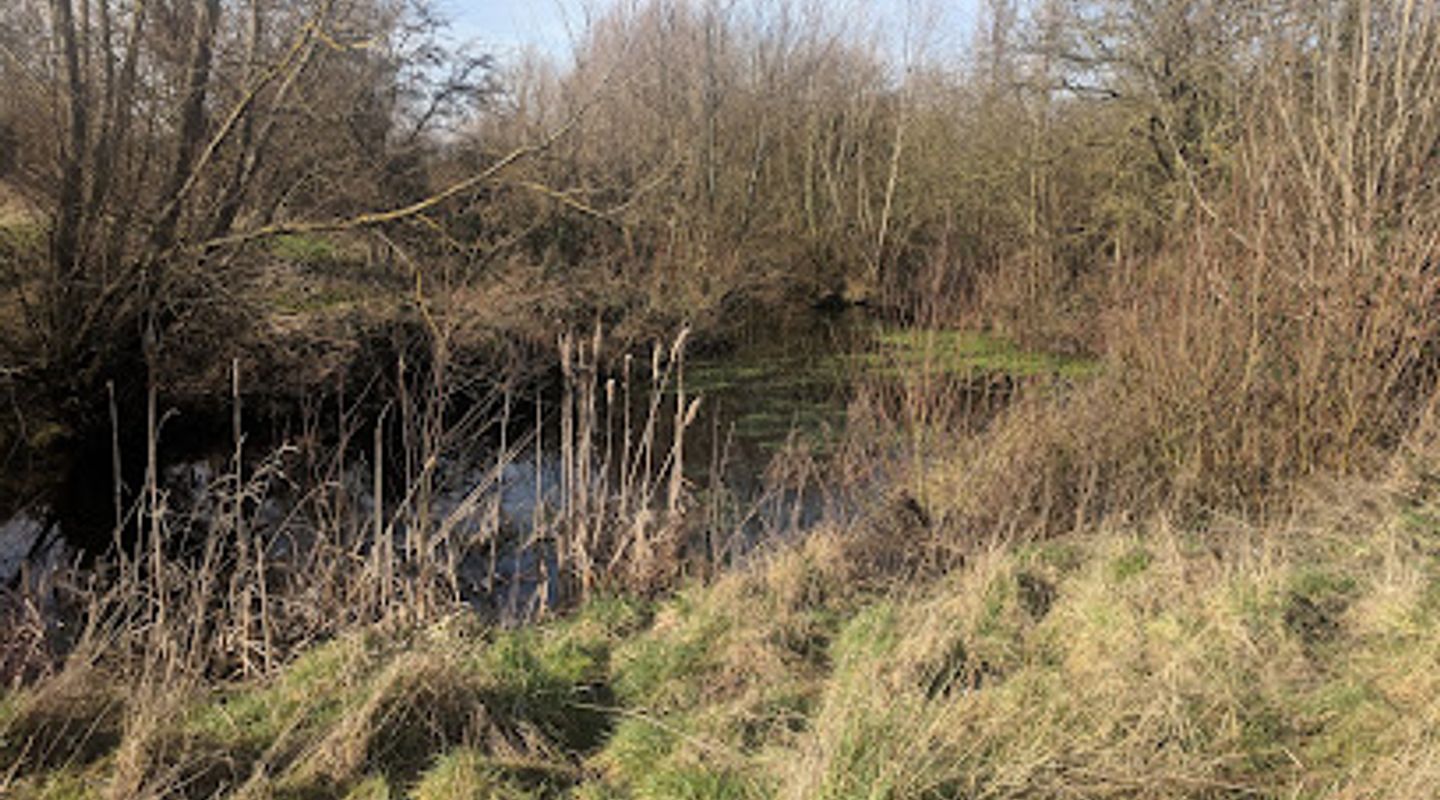
Down Barns Moated Site in Northolt is a historic medieval moated manor site dating back to the 13th century. Once a manorial complex surrounded by a water-filled moat, it offers a glimpse into England’s medieval past through its archaeological remains and tranquil setting. The site reflects centuries of occupation, abandonment, and landscape transformation, making it a serene and evocative destination for history enthusiasts and nature lovers alike.
A brief summary to Down Barns Moated Site
- Northolt, GB
- Duration: 0.5 to 2 hours
- Free
-
 Outdoor
- Mobile reception: 4 out of 5

Know before you go
Hi, I'm Eve. Here are a few practical things to know before exploring Down Barns Moated Site.
- Visit during daylight hours to fully appreciate the tranquil setting and detailed archaeological features.
- Bring comfortable walking shoes as the terrain around the moat can be uneven and grassy.
- Combine your visit with a walk around Northolt’s green spaces to enjoy the surrounding natural beauty.
- Check local resources for any scheduled guided tours or educational events to deepen your understanding of the site.
Do you manage this location?
Take control to get all the benefits, like improved information, better appearance, and stronger visibility across AI-powered discovery. Learn more about listing your business on Evendo
Activate your presenceOther nearby places you may find interesting
The closest places of the same kind, if this one is not quite what you had in mind.

Explore Down Barns Moated Site on the Map
A handpicked selection of must-see spots near Down Barns Moated Site, mapped for you.
Getting There
-
Public Transport
Take the London Underground Central Line to Northolt station, then a local bus or a 20-minute walk to the site. The bus runs frequently with fares around £2.50–£4.00. Walking terrain is mostly flat but includes some grassy paths.
-
Car
Driving to Down Barns Moated Site takes approximately 20–30 minutes from central London depending on traffic. Limited parking is available nearby on local streets; check restrictions. No dedicated parking lot on site.
-
Cycling
Cycling from Northolt town center to the moated site takes about 10 minutes via quiet residential roads. Bike racks are available near the entrance. Terrain is mostly flat and suitable for casual cyclists.
For the on-the-go comforts that matter to you
-
 Seating Areas
-
 Information Boards
Discover more about Down Barns Moated Site
Medieval Origins and Manor Legacy
Down Barns Moated Site traces its origins to the early 13th century, with documentary evidence linking it to Roger de la Downe, who held freehold land in Northolt in 1212. The moated manor was likely constructed around the 1240s to 1250s by the Barentin family, replacing earlier structures and establishing a classic medieval manorial layout. The moat itself was formed partly by widening a natural stream and creating a new watercourse, encircling the manor to provide defense and status.Archaeological Discoveries and Structural Features
Excavations conducted in the 1950s and 1960s revealed the manor’s footprint, including cob-built structures, open hearths, and stone mortars indicating domestic and craft activities. The site’s platform was created by dumping material over demolished earlier buildings, with evidence of buttressed walls facing the moat. These findings illuminate the manor’s architectural evolution and its role in medieval rural life.Abandonment and Landscape Transformation
By the late 15th century, the manor was abandoned and eventually demolished. The reasons remain unclear but may relate to shifts in land ownership and agricultural practices. Over time, the moat silted up, and the site reverted to a more natural state, preserving its archaeological remains beneath the surface and offering a quiet green space within Northolt’s suburban landscape.Setting and Visitor Experience
Today, Down Barns Moated Site is a peaceful historical landmark nestled in Northolt. The surrounding greenery and water features create a tranquil atmosphere, inviting visitors to reflect on the layers of history beneath their feet. The site’s modest scale and natural setting make it an accessible escape for those interested in medieval heritage and quiet outdoor exploration.Historical Significance and Cultural Context
The site exemplifies typical manorial organization of medieval England, illustrating social hierarchies and land management of the period. Its survival as an archaeological site provides valuable insights into rural life, architecture, and landscape modification in Middlesex. Down Barns also connects to wider regional histories of Northolt and the evolution of English manors through the Middle Ages.Preservation and Educational Value
Protected as a moated site, Down Barns offers educational opportunities for understanding medieval archaeology and heritage conservation. Interpretive materials and occasional guided visits enhance appreciation of the site’s significance, while its quiet ambience supports mindful engagement with England’s past.












Your all‑in‑one travel companion app
Explore expert travel guides, compare and book tours, experiences, hotels, and more—all from the palm of your hand. Download now for seamless trip planning wherever your wanderlust takes you.


Explore More of Middlesex
Looking beyond Down Barns Moated Site? Discover Middlesex for broader travel guides, local hot-spots, and regional highlights.
Explore Middlesex
A small independent gallery on Ealing Broadway, offering a quiet, street-level art stop within easy reach of west London transport and shops.

Explore the tranquil medieval moated manor site in Northolt, where history meets nature in a serene archaeological landscape.