

Free Monmouthshire Travel Guide & Mobile App
Explore Monmouthshire with free travel guides. Discover regional history, expert tips, proposed trips, and audio guides on web or mobile app.


Explore Monmouthshire for Welsh border castles, Tintern Abbey, Black Mountains walks, market towns, river valleys and exceptionally good local produce.
Read more about Monmouthshire
When is the best time to visit Monmouthshire?
Best: June–August · 20–22°C| Month | High (°C) | Rainfall (mm) |
|---|---|---|
| January | 8 | 77 |
| February | 8 | 60 |
| March | 11 | 61 |
| April | 14 | 55 |
| May | 17 | 63 |
| June (best) | 20 | 66 |
| July (best) | 22 | 67 |
| August (best) | 22 | 75 |
| September | 19 | 69 |
| October | 14 | 70 |
| November | 10 | 77 |
| December | 8 | 80 |
Getting to and around Monmouthshire
How to get there
Transportation
Best attractions in Monmouthshire
Monmouthshire's attractions are spread across a landscape where heritage and outdoor activity are closely connected. The county's principal historic sites include Chepstow Castle above the Wye, Raglan Castle, the smaller fortresses of White Castle and Usk Castle, and Tintern Abbey in its wooded valley setting. Caerwent offers the remains of the Roman town of Venta Silurum, while Abergavenny Museum, Monmouth Museum and Chepstow Museum provide local context beyond the major monuments. Walkers can follow sections of the Offa's Dyke Path, explore the Wye Valley or climb into the Black Mountains, where open ridges contrast with the sheltered valleys. The Usk and Wye support selected riverside activities, while gardens, farm shops, orchards and food producers add a distinctly rural dimension. Family visits can combine accessible castle grounds, market towns and short countryside walks, although some upland and riverside routes require proper footwear and attention to weather or water conditions.
-
Abbey
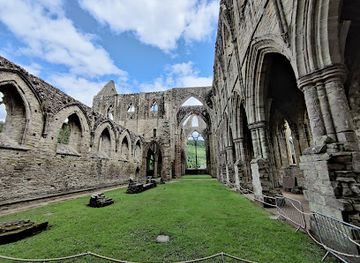
Tintern Abbey
Explore the breathtaking ruins of Tintern Abbey, a Gothic masterpiece nestled in Wales’ scenic Wye Valley, blending history, art, and nature.
-
Historical place museum
Big Pit National Coal Museum
Explore Wales’ rich coal mining heritage with immersive underground tours and historic exhibits at Big Pit National Coal Museum.
-
Abbey
Abaty Tyndyrn / Tintern Abbey
Explore the majestic ruins of Tintern Abbey, a Gothic masterpiece and timeless symbol of medieval spirituality and Romantic inspiration in the Wye Valley.
-
Historical landmark
Castell Coch
A Victorian fairy-tale castle nestled in ancient woods, blending medieval fantasy with lavish interiors near Cardiff.



Best landmarks in Monmouthshire
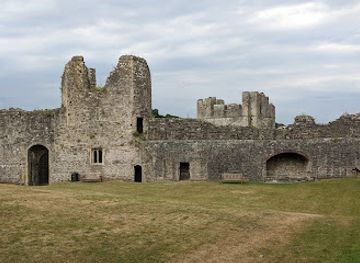
Chepstow Castle is Monmouthshire's most commanding medieval landmark, occupying a limestone ridge above the Wye and retaining an exceptional sense of the river crossing it once controlled. Raglan Castle is distinguished by its elegant court and great towers, showing the transformation of a Marcher stronghold into a prestigious late medieval residence. Tintern Abbey provides a very different landmark: the roofless Gothic church rises among wooded slopes and has become an enduring symbol of the Wye Valley. Caerwent's Roman walls mark the civic centre of Venta Silurum, while White Castle remains a striking example of a compact medieval fortress set in open countryside. In the north, the Blorenge and surrounding Black Mountain landscapes form natural landmarks above Abergavenny, with ridges and escarpments that define the county's skyline. Monnow Bridge in Monmouth, with its medieval gatehouse, is an important surviving piece of urban defensive architecture and a reminder of the town's frontier history.
-
Abbey
Tintern Abbey
Gothic masterpiece where medieval splendour meets Romantic inspiration on the River Wye.
-
Historical landmark
Castell Cas-gwent / Chepstow Castle
Explore Britain’s oldest stone castle perched above the River Wye, where 900 years of history and stunning views await.
-
Historical landmark
Y Castell Gwyn / White Castle
Explore White Castle, a striking Norman fortress with deep moats and towering walls, nestled in the scenic Welsh Marches near Abergavenny.
-
Historical landmark
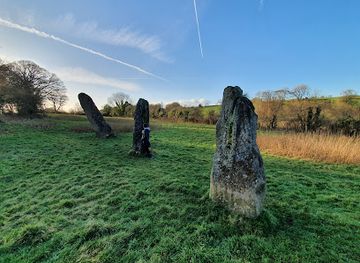
Harold's Stones
Three Bronze Age megaliths wrapped in legend, mystery, and 3,500 years of Welsh history.


Explore Monmouthshire on the map
Plan your trip on one map. See where the top cities, national parks and sights are, and book hotels and experiences in a few clicks.
Best hotels in Monmouthshire
Best restaurants in Monmouthshire
Dining in Monmouthshire draws on productive farmland, orchards and the county's position between Wales and the English border. Menus commonly feature Welsh lamb and beef, local cheeses, seasonal vegetables, apples and other orchard produce, with fish and seafood more readily found towards Chepstow and the lower Severn and Wye area. Cider and perry are important local drinks, while farm shops and food halls provide opportunities to buy preserves, baked goods, cheeses and fresh produce for picnics. Abergavenny has the broadest concentration of food-focused cafés, pubs and restaurants, particularly around event periods, while Monmouth, Chepstow, Usk and rural villages offer a mixture of traditional pubs, inns and contemporary kitchens. Country dining is often closely tied to the seasons, so menus may change frequently. Reservations are sensible for well-known restaurants and for weekend meals when visitors are exploring the county's castles and walking routes.
-
Gastropub
The Anchor Inn
Historic gastropub beside Tintern Abbey offering award-winning food, cozy atmosphere, and scenic views in the heart of South Wales.
-
Italian
Panevino Italian Restaurant
Authentic Italian flavors and warm hospitality await you at Panevino, Chepstow’s beloved Italian restaurant on Bridge Street.
-
 Hotel
The Priory
Charming boutique hotel in historic Caerleon offering tranquil gardens, comfortable rooms, and quality dining in a peaceful setting.
-
Restaurant
The Cripple Creek Inn
A welcoming family-run country pub in Usk Valley serving traditional, locally sourced cuisine in a charming setting.


Best bars in Monmouthshire
Monmouthshire's evening culture is generally based on pubs, inns, restaurants and occasional live music rather than a large nightclub scene. Abergavenny, Monmouth and Chepstow have the widest choice of traditional pubs, modern bars and places to eat after dark, with Chepstow also benefiting from its larger population and position near the Severn crossing. Usk and the smaller villages offer a quieter evening centred on historic coaching inns and community pubs. Local cider and perry may appear alongside Welsh and regional beers, while some producers and food venues host tastings or seasonal events. Nightlife can be limited in rural districts, and taxi availability may be restricted outside the main towns, so visitors staying in villages should plan their return journey in advance. During festivals and summer weekends, town-centre venues can become busier than their normal rural character suggests.
-
Bar
Estero Lounge
A quirky and welcoming bar and restaurant in Monmouth offering extensive vegan and gluten-free menus in a lively, family-friendly setting.
-
Pub
The Kings Head Hotel - JD Wetherspoon
Historic charm meets modern comfort in the heart of Monmouth at The Kings Head Hotel by JD Wetherspoon.
-
Gastropub
The Anchor Inn
Historic gastropub beside Tintern Abbey offering award-winning food, cosy ambiance, and scenic views in the heart of the Wye Valley.
-
Bar
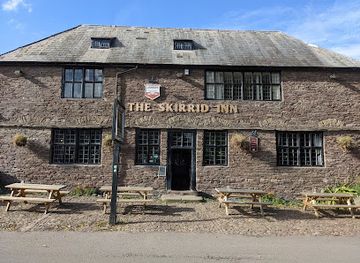
The Skirrid Mountain Inn
Wales’ oldest pub nestled in the Brecon Beacons, blending centuries of history, folklore, hearty fare, and cozy charm under one roof.


Best nightclubs in Monmouthshire
Monmouthshire's evening culture is generally based on pubs, inns, restaurants and occasional live music rather than a large nightclub scene. Abergavenny, Monmouth and Chepstow have the widest choice of traditional pubs, modern bars and places to eat after dark, with Chepstow also benefiting from its larger population and position near the Severn crossing. Usk and the smaller villages offer a quieter evening centred on historic coaching inns and community pubs. Local cider and perry may appear alongside Welsh and regional beers, while some producers and food venues host tastings or seasonal events. Nightlife can be limited in rural districts, and taxi availability may be restricted outside the main towns, so visitors staying in villages should plan their return journey in advance. During festivals and summer weekends, town-centre venues can become busier than their normal rural character suggests.
-
Pub
The Kings Head Hotel - JD Wetherspoon
Historic 17th-century coaching inn in Monmouth’s center, blending traditional charm with modern comfort and an on-site Wetherspoon pub.
-
Night Club
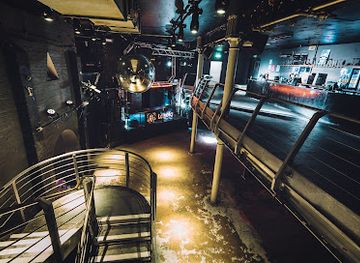
Lakota
Bristol’s legendary underground club with powerful sound, diverse electronic music, and a vibrant rave atmosphere in St Paul’s.
-
Pub
Punch House
Historic coaching inn and lively pub in Monmouth’s heart, offering real ales, hearty Welsh fare, dog-friendly stays, and a warm, welcoming atmosphere.
-
Nightclub
The Lion - Bar & Nightclub
A vibrant bar and nightclub blending historic charm with lively nightlife in the heart of Chepstow.



Best shops in Monmouthshire
Shopping in Monmouthshire is strongest in its market towns rather than in large commercial centres. Abergavenny has a broad selection of independent food shops, cafés, delis and galleries, with local produce especially visible around market days and food-related events. Monmouth combines a traditional high street with independent retailers, books, antiques, gifts and craft businesses, while Chepstow offers practical town shopping alongside shops serving visitors to the castle and lower Wye area. Usk and smaller settlements are better suited to browsing boutiques, galleries, antiques and seasonal stalls than to extensive retail expeditions. Farm shops are useful for Welsh cheeses, preserves, cakes, meat, apples, cider and perry, and provide more regionally distinctive purchases than generic souvenirs. Craft items, ceramics, artwork and locally themed books are available in heritage towns and rural galleries, although opening days can vary outside the main tourist season.
-
Shopping outlet
Designer Outlet Bridgend
Discover top designer brands with up to 60% off in a charming village-style outlet offering family-friendly amenities and a relaxed shopping experience.
-
Shopping Centre
Labels Shopping
A welcoming shopping centre in Ross-on-Wye with diverse stores, friendly service, and a cozy café offering traditional meals and gluten-free options.
-
Pet food and animal feeds
Wye Valley Country Store Ltd
Family-run farm and pet supply store in Monmouth offering expert advice, quality feeds, and a wide range of animal products since 1996.
-
Kitchen supply shop
Salt & Pepper Ltd
A welcoming Monmouth kitchen supply and coffee shop with locally sourced delights, a sunny terrace, and a dog-friendly, fully licensed atmosphere.


Get your free copy of our complete guide to Monmouthshire, delivered straight to you.
Everything on this page, from attractions and restaurants to essentials and local phrases, in one PDF you can read offline, print or share.
Already have an account? Sign in
Your Monmouthshire guide is ready.
We'll send it to · Not you? Sign out

Getting your guide ready…
We are putting together a fresh copy of the Monmouthshire guide. This can take up to a minute.
This can take a few moments. If your browser asks, choose Allow so the download can start. You'll find the guide in your Downloads folder.
Nothing happened? Download it again
Sorry, the guide is taking longer than usual. Please try again in a minute, or get it by email instead.
Monmouthshire essentials
Currency and Payment
Safety
Emergency Situations
Do's and Don'ts
Local Tips
From Eve
Local phrases worth knowing
You don't need to get them perfect. A few words go a long way, and locals appreciate the effort.
Basics
| English | Local | Say it |
|---|---|---|
| Hello | Hello | [həˈloʊ] |
| Goodbye | Goodbye | [ɡʊdˈbaɪ] |
| Yes | Yes | [jɛs] |
| No | No | [noʊ] |
| Please/You're welcome | Please/You're welcome | [pliːz/jʊr ˈwɛlkəm] |
| Thank you | Thank you | [θæŋk ju] |
| Excuse me/Sorry | Excuse me/Sorry | [ɪkˈskjuz mi/ˈsɔri] |
| How are you? | How are you? | [haʊ ɑr ju] |
| Fine. And you? | Fine. And you? | [faɪn. ənd ju] |
| Do you speak English? | Do you speak English? | [du ju spiːk ˈɪŋɡlɪʃ] |
| I don't understand | I don't understand | [aɪ doʊnt ˌʌndərˈstænd] |
Eating & Drinking
| English | Local | Say it |
|---|---|---|
| I'd like to see the menu, please | I'd like to see the menu, please | [aɪd laɪk tu si ðə ˈmɛnju, pliːz] |
| I don't eat meat | I don't eat meat | [aɪ doʊnt iːt miːt] |
| Cheers! | Cheers! | [tʃɪrz] |
| I would like to pay, please | I would like to pay, please | [aɪ wʊd laɪk tu peɪ, pliːz] |
Emergencies
| English | Local | Say it |
|---|---|---|
| Help! | Help! | [hɛlp] |
| Go away! | Go away! | [ɡoʊ əˈweɪ] |
| Call the Police! | Call the Police! | [kɔl ðə pəˈlis] |
| Call a doctor! | Call a doctor! | [kɔl ə ˈdɑktər] |
| I'm lost | I'm lost | [aɪm lɔst] |
| I'm ill | I'm ill | [aɪm ɪl] |
Shopping
| English | Local | Say it |
|---|---|---|
| I'd like to buy... | I'd like to buy... | [aɪd laɪk tu baɪ...] |
| I'm just looking | I'm just looking | [aɪm dʒʌst ˈlʊkɪŋ] |
| How much is it? | How much is it? | [haʊ mʌtʃ ɪz ɪt] |
| That's too expensive | That's too expensive | [ðæts tu ɪkˈspɛnsɪv] |
| Can you lower the price? | Can you lower the price? | [kæn ju ˈloʊər ðə praɪs] |
Time & Numbers
| English | Local | Say it |
|---|---|---|
| What time is it? | What time is it? | [wʌt taɪm ɪz ɪt] |
| It's one o'clock | It's one o'clock | [ɪts wʌn əˈklɔk] |
| Half past (10) | Half past (10) | [hæf pæst (10)] |
| Morning | Morning | [ˈmɔrnɪŋ] |
| Afternoon | Afternoon | [ˌæftərˈnun] |
| Evening | Evening | [ˈivnɪŋ] |
| Yesterday | Yesterday | [ˈjɛstərdeɪ] |
| Today | Today | [təˈdeɪ] |
| Tomorrow | Tomorrow | [təˈmɔroʊ] |
| 1 | 1 | [wʌn] |
| 2 | 2 | [tu] |
| 3 | 3 | [θri] |
| 4 | 4 | [fɔr] |
| 5 | 5 | [faɪv] |
| 6 | 6 | [sɪks] |
| 7 | 7 | [sɛvən] |
| 8 | 8 | [eɪt] |
| 9 | 9 | [naɪn] |
| 10 | 10 | [tɛn] |
Transport & Directions
| English | Local | Say it |
|---|---|---|
| Where's a/the...? | Where's a/the...? | [wɛrz ə/ðə...?] |
| What's the address? | What's the address? | [wʌts ði əˈdrɛs] |
| Can you show me (on the map)? | Can you show me (on the map)? | [kæn ju ʃoʊ mi (ɑn ðə mæp)?] |
| When's the next (bus)? | When's the next (bus)? | [wɛn'z ðə nɛkst (bʌs)?] |
| A ticket (to ....) | A ticket (to ....) | [ə ˈtɪkɪt (tu ....)] |
History of Monmouthshire
Prehistoric hillforts and early settlement
Monmouthshire contains evidence of settlement long before written history, including hillforts and defended enclosures on higher ground. Sites such as Gaer Fawr near Mynydd Illtud and Llanmelin near Caerwent illustrate the importance of elevated positions in the late Iron Age. The area was associated with the Silures, a powerful people whose territory covered much of south-east Wales. These remains reveal a landscape organised around farming, defence and regional exchange before the Roman conquest, although the surviving earthworks vary considerably in scale and preservation.
Roman Caerwent and the Silurian frontier
After the Roman conquest of south Wales, Caerwent was established as Venta Silurum, the civic centre of the Silures. Its substantial stone walls, street plan and surviving archaeological remains make it one of the most important Roman urban sites in Wales. The settlement served as an administrative and commercial centre rather than simply a military fort, linking the surrounding countryside to the wider Roman system. Parts of the town and its defensive circuit remain visible today, providing a direct connection with the period when south-east Wales was incorporated into the Roman world.
Norman conquest and the Marcher lordships
Following the Norman Conquest, the eastern part of present-day Monmouthshire became a contested borderland known as the Welsh Marches. Norman lords established castles at Chepstow, Usk, Abergavenny, Raglan and elsewhere to control routes, rivers and agricultural territories. Their authority was often negotiated through conflict, marriage and local alliances rather than imposed evenly. The castles and planned settlements that survive from this period reflect the region's strategic position between the English lowlands and the Welsh uplands, as well as the fragmented political structure of medieval Marcher society.
Tintern Abbey and medieval religious life
Tintern Abbey was founded by Cistercian monks in 1131 and became one of the most influential religious houses in the lower Wye Valley. Its Gothic church and monastic buildings were rebuilt and enlarged over several centuries, supported by landholdings, farming and religious patronage. The abbey was dissolved during the Reformation in the sixteenth century, after which it fell into ruin. Its remains later became a major subject for artists and travellers, but its original importance lay in the religious, economic and administrative role it played in the valley.
Raglan Castle and Tudor-era power
Raglan Castle reached its most ambitious form under William ap Thomas and his son William Herbert, later Earl of Pembroke, before passing to the Somerset family. Its great towers, polygonal court and formal apartments show how a defensive stronghold evolved into a residence intended to display status and cultivated power. During the English Civil War, the castle was held for King Charles I and endured a siege in 1646 before surrendering. The subsequent damage helped preserve the dramatic ruin that visitors see today, while the site illustrates the political importance of Monmouthshire's Marcher families.
Rivers, industry and the Picturesque
From the eighteenth century, the Wye Valley became a destination for travellers seeking dramatic scenery, ruins and wooded riverbanks. The publication of descriptions and illustrated accounts encouraged the Picturesque movement and helped make Tintern a celebrated stop on the Wye tour. At the same time, the valley supported practical industries, including ironworking, wire production, milling and timber-related activity. The contrast between industrial sites, working settlements and romantic landscape shaped the region's modern cultural image and stimulated early forms of organised tourism.
Transport, agriculture and the modern county
Canals, turnpike roads and railways altered movement through Monmouthshire during the eighteenth and nineteenth centuries, connecting market towns and industrial districts with ports and larger commercial centres. Agriculture remained fundamental, with orchards, livestock and mixed farming continuing across the Usk and Wye valleys. The present administrative county was created in 1996, bringing together areas historically linked to Monmouthshire but also possessing distinct local identities. Today, conservation, farming, food production, heritage and outdoor tourism coexist with the county's enduring role as a border landscape.
Monmouthshire in Photos
Browse through our photo collection highlighting the charm and character of the destination.
Neighbouring regions of Monmouthshire
The closest regions to Monmouthshire, if you have time for more than one.
-
-

-

-

-


Swipe for more regions
Explore more

Explore more of United Kingdom
Discover the United Kingdom: A blend of rich history, stunning landscapes, and vibrant cities, offering a unique travel experience for every visitor.
Explore United Kingdom