

Elgin Cathedral Travel Guide
Free Guide: Explore the majestic ruins of Elgin Cathedral, the 'Lantern of the North,' and climb its towers for stunning views over historic Elgin and Moray.


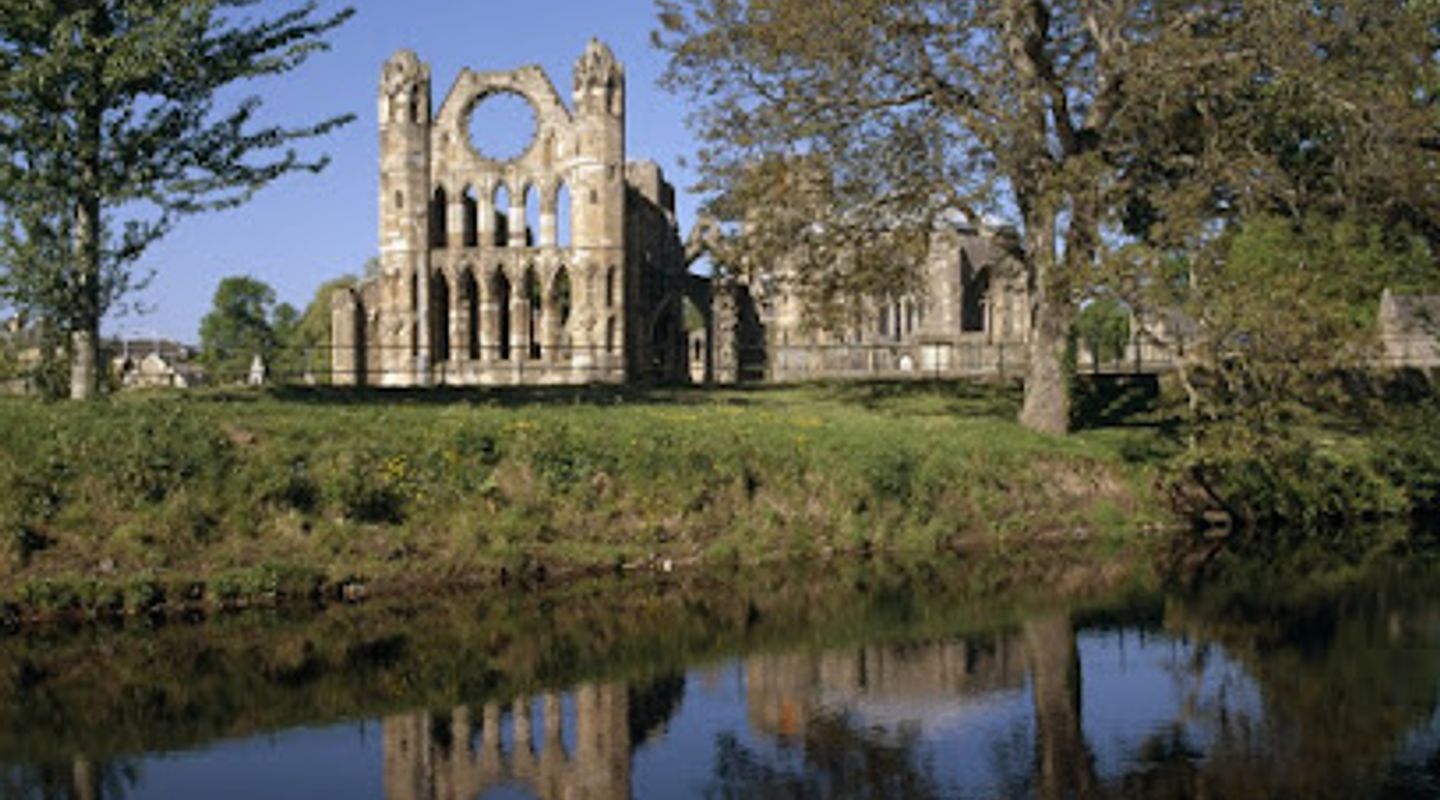
A brief summary of Elgin Cathedral
Explore the majestic ruins of Elgin Cathedral, the 'Lantern of the North,' and climb its towers for stunning views over historic Elgin and Moray.
Elgin Cathedral, known as the 'Lantern of the North,' is a magnificent medieval ruin in Elgin, Scotland. Founded in 1224 on land granted by King Alexander II, it was the principal church of the bishops of Moray. Despite suffering devastating fires in 1390 and 1402 and abandonment after the 1560 Reformation, its soaring gothic arches, intact towers, and octagonal chapter house remain a breathtaking testament to Scotland’s ecclesiastical heritage. Visitors can explore the ruins, climb towers for panoramic views, and discover rich historical exhibits.
On-site amenities
 Restrooms
 Information boards
 Visitor centre
 Seating areas
 Trash bins
Opening hours
- Every day10 am–4:30 pm
Opening hours as listed on the venue’s Google Business Profile. Hours can change for services and special events, so check with the venue before you go.
- Address
- King St, Elgin IV30 1HU
- Phone
- Website
Getting there
Train and Bus Combination
Car
Long-Distance Bus
Discover more about Elgin Cathedral
Origins and Spiritual Significance
Elgin Cathedral was established in 1224 on land granted by King Alexander II, replacing the earlier cathedral at Spynie. Dedicated to the Holy Trinity, it served as the spiritual heart of the diocese of Moray. The cathedral was a monumental project reflecting the wealth and religious importance of the region, with its construction spanning several decades and phases throughout the 13th century. It was renowned for its architectural ambition and richly carved decorations, including stained glass and painted interiors that illuminated medieval worship.
Architectural Grandeur and Features
At its height, Elgin Cathedral was one of Scotland’s largest and most beautiful ecclesiastical buildings, second only to St Andrews. The cathedral featured soaring gothic arches, an impressive west front with two towers, an octagonal chapter house adorned with intricate stone carvings, and a spacious choir and presbytery completed after a major fire in 1270. Despite much of the nave now reduced to foundations, the remaining structures, including the towers and chapter house, showcase remarkable medieval craftsmanship and design.
Destruction and Decline
The cathedral endured significant damage during its history. In 1390, it was attacked and largely burned by Alexander Stewart, the 'Wolf of Badenoch,' as a retaliatory act linked to local power struggles. Further incendiary attacks occurred in 1402. Although rebuilding efforts followed, the Scottish Reformation of 1560 marked the beginning of its decline. The removal of the roof’s lead in 1567 led to rapid decay, and by the early 18th century, the central tower collapsed, causing further ruin. The cathedral was abandoned as a place of worship, with services moving to Elgin’s parish church of St Giles.
Modern Preservation and Visitor Experience
From the early 1800s, efforts to preserve Elgin Cathedral began, with significant clearing and stabilization projects. Today, managed by Historic Environment Scotland, the site offers visitors a rich historical experience. The visitor centre provides detailed insights, while the ruins invite exploration of the nave, choir, chapter house, and St Mary’s Aisle. Climbing the towers rewards visitors with panoramic views over Elgin and the surrounding Moray landscape, though the steep spiral staircases require caution. Exhibitions within the towers and grounds highlight the cathedral’s history, stone carvings, and medieval life.
Legacy and Cultural Importance
Elgin Cathedral remains a powerful symbol of Scotland’s medieval ecclesiastical heritage and turbulent history. Nicknamed the 'Lantern of the North,' its ruins continue to inspire awe and reflection on the region’s religious, political, and architectural past. The site is a poignant reminder of the shifts brought by the Reformation and the resilience of cultural memory preserved through stone and story.
Surrounding Attractions and Context
Nearby, visitors can view the Bishop’s House and the Biblical Garden, which complement the cathedral’s historical narrative. The cathedral’s location by the River Lossie and its commanding presence over the fertile Laich of Moray add to the scenic and contemplative atmosphere, making it a must-visit for history enthusiasts, photographers, and those seeking to connect with Scotland’s spiritual heritage.
Evendo Review Centre
 Google
Guest reviews
Best time to go
Quietest: Jan, Feb & Dec · before 6am or at 8pm
Busy times are Evendo estimates for a typical year, to help you plan. Actual crowds vary with events, school holidays and the weather.
Explore Elgin Cathedral on the map
A handpicked selection of must-see spots near Elgin Cathedral, mapped for you.
Get your free copy of our complete guide to Elgin Cathedral, delivered straight to you.
Everything on this page, from opening hours and how to get there to Eve’s tips and the best time to go, in one PDF you can read offline, print or share.
Already have an account? Sign in
Your Elgin Cathedral guide is ready.
We'll send it to · Not you? Sign out

Getting your guide ready…
We are putting together a fresh copy of the Elgin Cathedral guide. This can take up to a minute.
This can take a few moments. If your browser asks, choose Allow so the download can start. You'll find the guide in your Downloads folder.
Nothing happened? Download it again
Sorry, the guide is taking longer than usual. Please try again in a minute, or get it by email instead.
Unlock the best of Elgin Cathedral
Skip-the-line tickets, guided tours with entry, and walking tours of the area, booked in a few clicks.


Other nearby places you may find interesting
The closest places of the same kind, if this one is not quite what you had in mind.
-
-
-
-
-


Swipe for more places
More to explore near Elgin Cathedral

 Best experiences near Elgin Cathedral
 Best hotels near Elgin Cathedral
 Best landmarks near Elgin Cathedral
 Best attractions near Elgin Cathedral
 Best shops near Elgin Cathedral
 Best restaurants near Elgin Cathedral
 Best bars near Elgin Cathedral
Do you manage this location?
Take control to get all the benefits, like improved information, better appearance, and stronger visibility across AI-powered discovery.
Explore more

Explore more of Nairnshire
Discover Nairnshire: A peaceful Scottish haven where coastal beauty meets rich history and warm local hospitality.
Explore Nairnshire
Explore more of United Kingdom
Discover the United Kingdom: A blend of rich history, stunning landscapes, and vibrant cities, offering a unique travel experience for every visitor.
Explore United Kingdom
