
Inchdrewer Castle
A 16th-century tower house in Aberdeenshire, scarred by sieges and murder, now a haunting Category A listed ruin with sweeping views over Banff Bay.
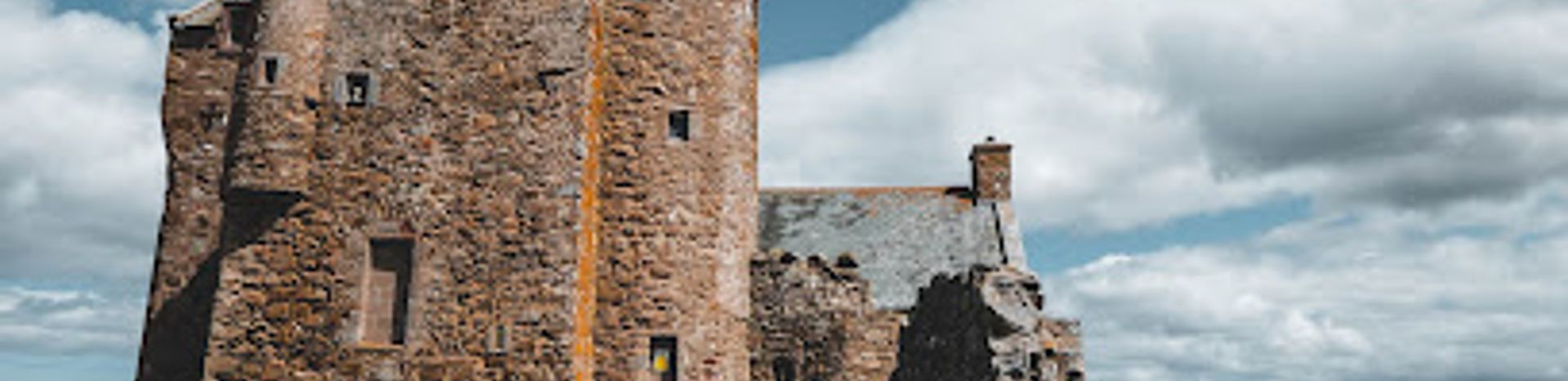
Perched on a rise overlooking Banff Bay in northeast Scotland, Inchdrewer Castle is a 16th-century tower house with a turbulent past. Once the seat of the Ogilvy Lords of Banff, it endured attacks by Covenanters and government troops, witnessed murder and fire, and later fell into romantic ruin. Though partially restored in the 1970s, it remains a haunting, atmospheric shell, now a Category A listed building standing amid golden fields with sweeping coastal views.
A brief summary to Inchdrewer Castle
- Banff, AB45 3TS, GB
- Visit website
- Duration: 0.5 to 2 hours
- Free
-
 Outdoor
- Mobile reception: 3 out of 5
Local tips
- Respect that Inchdrewer Castle is private property; view it from public rights of way and avoid trespassing on the grounds.
- Visit on a clear day to enjoy the best views over Banff Bay and the surrounding farmland from the surrounding fields.
- Combine your visit with a drive or walk along the Banff coast to see other historic sites and enjoy the North Sea scenery.
- Bring a camera; the castle’s silhouette against the sky and the surrounding golden fields make for striking photographs, especially at sunrise or sunset.

For the on-the-go comforts that matter to you
- Seating Areas
- Trash Bins
Getting There
-
By car from Banff
From Banff, follow minor roads southwest for about 5.6 km towards Inchdrewer. The castle is visible on a rise near Banff Bay; park considerately on a safe verge and approach on foot from nearby public rights of way.
-
By foot from Banff
Walk southwest from Banff along country lanes and footpaths for roughly 1.5–2 hours, depending on route and pace. The terrain is mostly flat farmland with some uneven ground; sturdy footwear is recommended.
-
By bus and walk
Take a local bus from Banff to a nearby village or crossroads, then walk for about 30–45 minutes along minor roads and footpaths to reach the area around Inchdrewer Castle.
Inchdrewer Castle location weather suitability
-
 Any Weather
-
 Clear Skies
-
 Mild Temperatures
Discover more about Inchdrewer Castle
A Tower House with a Violent Past
Inchdrewer Castle began life in the early to mid-16th century as a sturdy L-plan tower house, built to dominate the surrounding landscape. Originally linked to the Curror (or Currour) family, it passed to the Ogilvies of Dunlugas in 1557 and became the main seat of the Lords of Banff. As staunch Royalists, the Ogilvies placed Inchdrewer at the heart of Scotland’s political struggles. In 1640, Covenanter forces under General Robert Monro attacked and left the castle in ruins, a direct consequence of its owners’ loyalty to the crown. The scars of conflict are written into its walls, and the site later faced another assault in 1746 during the Jacobite Rising, when government troops led by the Duke of Cumberland targeted it while hunting for Bonnie Prince Charlie.Tragedy, Fire and Ghostly Echoes
One of the castle’s most infamous chapters unfolded in 1713, when George Ogilvy, 3rd Lord Banff, was murdered inside his own home. Returning unexpectedly from Edinburgh, he discovered servants robbing him; in the ensuing struggle he was killed, and his body hidden before the castle was set ablaze to conceal the crime. Three men were charged, but the case collapsed when the only other witness, the housekeeper, fled to Ireland. This grim episode, combined with later military attacks, left Inchdrewer repeatedly damaged and rebuilt. Today, local lore speaks of the restless spirit of the 3rd Lord Banff and a spectral white dog haunting the ruins, adding to its aura of mystery and melancholy.Architecture and Setting
The castle’s core is a five-storey L-plan tower, later extended with a circular stair tower and additional ranges around a courtyard. A late 18th-century wing was added, and the whole complex sits on a slight rise with commanding views over Banff Bay and the surrounding farmland. The structure is built from tooled ashlar and dressed rubble, with small, irregular windows and defensive features such as a postern gate with a draw-bar hole and gun loops. Though the interior remains largely unrestored, the external fabric was made wind and watertight in the 1960s–70s, preserving the tower’s imposing silhouette against the sky. Its Category A listing recognises its exceptional historic and architectural significance.Decline, Restoration and Modern Fate
After the death of the 8th Lord Banff in 1803, Inchdrewer passed to the Abercromby family and was leased out until 1836, after which it stood empty. Over the following century it deteriorated into a romantic ruin, its courtyard and outbuildings crumbling. In the 1960s–70s, Count Robin Mirrlees de la Lanne purchased the castle and undertook essential external restoration, stabilising the structure but leaving the interior unfinished. Since then, it has changed hands again, with recent owners expressing intentions to restore it fully. Today, Inchdrewer remains a privately owned, largely unrestored shell, occasionally glimpsed by passers-by and featured on Scotland’s Buildings at Risk Register.Visiting the Ruins
Inchdrewer is not a conventional tourist attraction with regular opening hours or visitor facilities; it is best appreciated from the surrounding fields and minor roads. Approaching from Banff, the castle appears as a dramatic silhouette on a rise, framed by golden cornfields and the distant sea. The immediate area is rural and quiet, with no formal paths or signage, so visitors should respect private property and any notices. The site offers a powerful sense of history, solitude and the passage of time, ideal for those drawn to Scotland’s lesser-known castles and atmospheric ruins. Photography is rewarding, especially at sunrise or sunset when the light catches the old stonework and the bay beyond.Iconic landmarks you can’t miss

Duff House Fishing Temple
4.1 km
An elegant 18th-century neoclassical fishing temple on the River Deveron, blending history, architecture, and tranquil riverside charm in Aberdeenshire.
Eden Castle
4.6 km
Ruined Renaissance tower house overlooking river confluence, a scheduled ancient monument of Scottish gentry heritage.
The Plainstones (Center of Banff, UK)
4.7 km
Discover Banff’s historic Plainstones, where centuries-old carvings and heraldic symbols tell the story of Scotland’s coastal heritage.
Durn Hill - Iron Age Fort
9.0 km
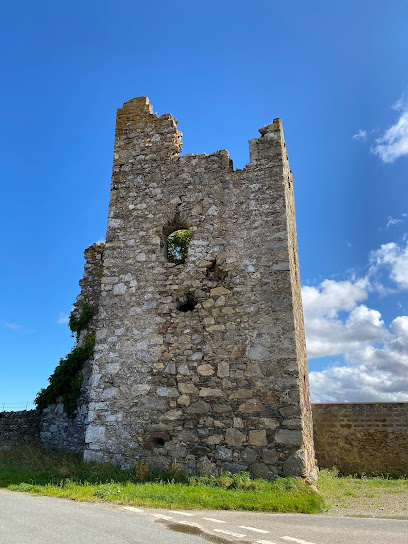
Explore Durn Hill, an ancient Iron Age fort with commanding views and rich archaeological heritage near Banff, Scotland.
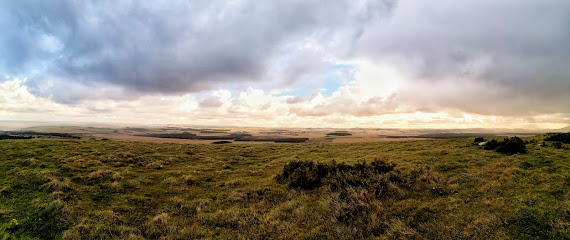
Balquhain Stone Circle
37.4 km
Explore Balquhain Stone Circle, a rare Neolithic monument near Inverurie, revealing ancient ritual mysteries amidst Aberdeenshire’s serene landscape.
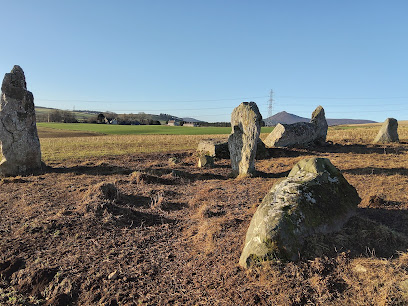
Barra Hill
37.9 km
Explore Barra Hill near Inverurie, an ancient hillfort and historic battlefield offering panoramic views and a deep connection to Scotland’s past.
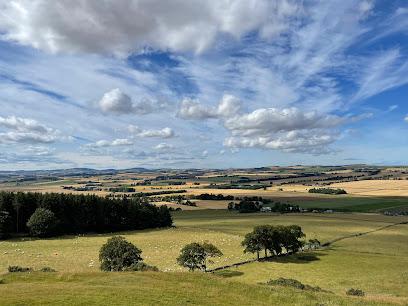
Rothes Castle
39.6 km
Explore the evocative ruins of Rothes Castle, a 13th-century fortress commanding the Spey Valley and steeped in Scottish medieval history.
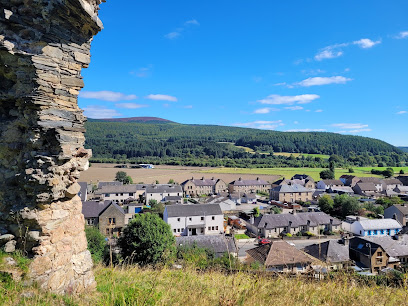
St. Peter's Kirk & Parish Cross
48.6 km
Medieval kirk and rare surviving mercat cross spanning eight centuries of Scottish history.
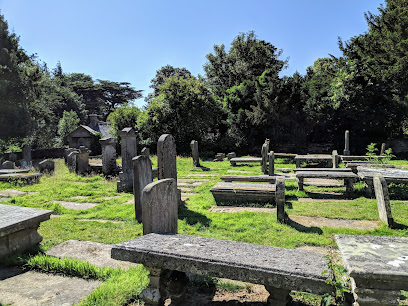
Dyce Standing Stones
51.6 km
Mysterious Pictish stones bridging pagan and Christian worlds, carved over 1,400 years ago.
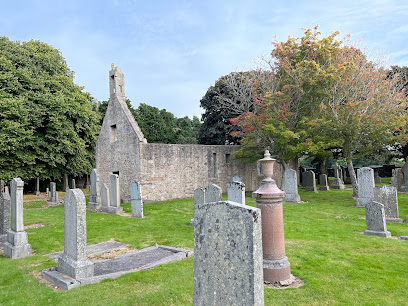
Crook of Alves (historical placename)
52.0 km
Discover the Crook of Alves, a cultural landmark in Elgin, where history meets stunning natural beauty in Scotland's captivating landscapes.
Ballindalloch Castle and Gardens
53.4 km
Discover the historical elegance and natural beauty of Ballindalloch Castle and Gardens in the heart of Banffshire, a must-visit for all travelers.
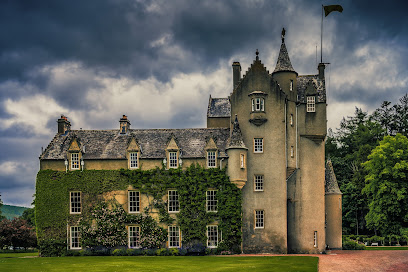
Asliesk Castle (remains)
54.5 km
Explore the ivy-clad ruins of Asliesk Castle, a 16th-century Scottish tower house steeped in history and legend near Elgin, Moray.

Burghead Well
55.0 km
Explore Burghead Well, an ancient Pictish landmark in Scotland offering a unique glimpse into the rich history and culture of the region.
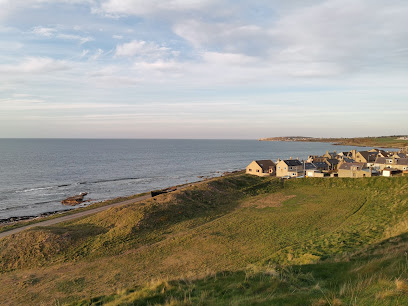
VisitAberdeenshire
55.1 km
Explore the enchanting landscapes and rich culture of Aberdeenshire at VisitAberdeenshire, your gateway to Scotland's best-kept secrets.
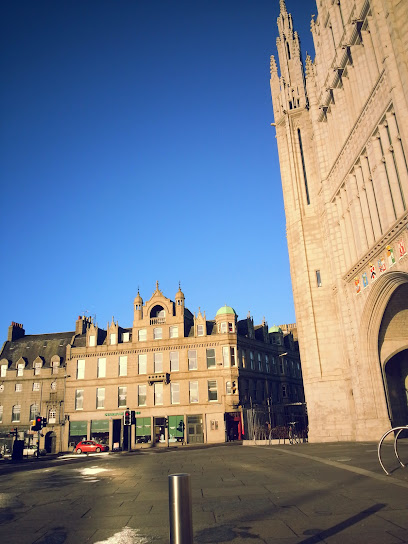
Burghead Pictish Fort
55.2 km
Explore the ancient Burghead Pictish Fort, a remarkable historical landmark offering breathtaking coastal views and a glimpse into Scotland's rich heritage.
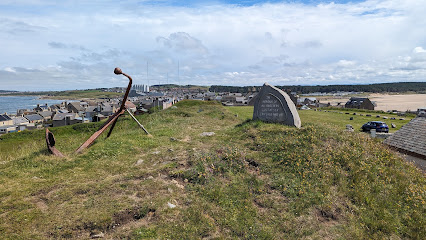
Unmissable attractions to see

Bridge of Alvah
2.4 km
An 18th-century stone arch bridge soaring above a dramatic Scottish gorge, blending historic craftsmanship with wild natural beauty.
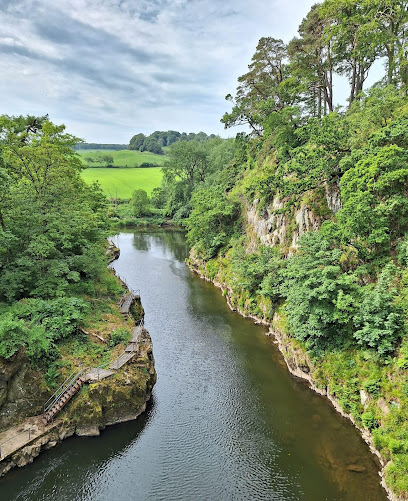
Duff House Mausoleum
3.2 km
A Gothic mausoleum near Duff House, steeped in family legacy, history, and haunting local legends overlooking the River Deveron.
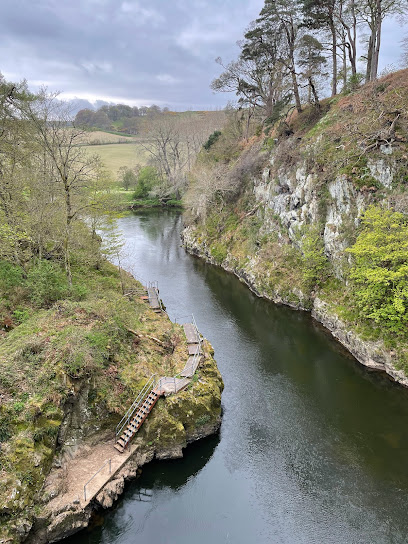
Sunday House Tea Room
3.5 km
Quaint countryside tea room near Banff serving homemade cakes, organic teas, and classic cream teas in a cozy rural setting.
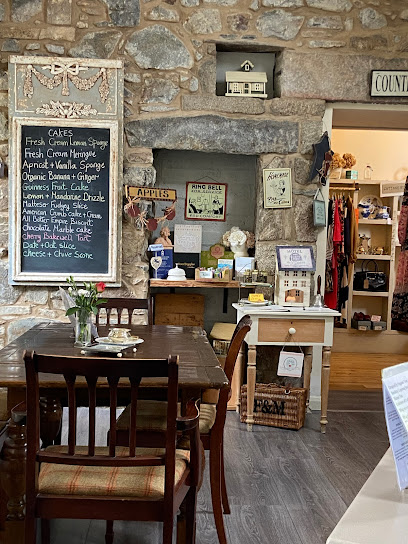
Ice House
3.7 km
Georgian ice storage engineering: a cool glimpse into 18th-century aristocratic life
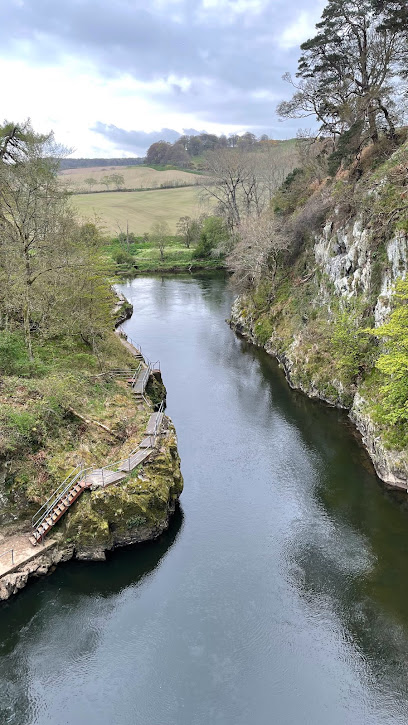
Scottish Midland Co-Operative Food Store
4.0 km
Your friendly local co-op in Banff offering fresh essentials, great coffee, and a welcoming community atmosphere every day.
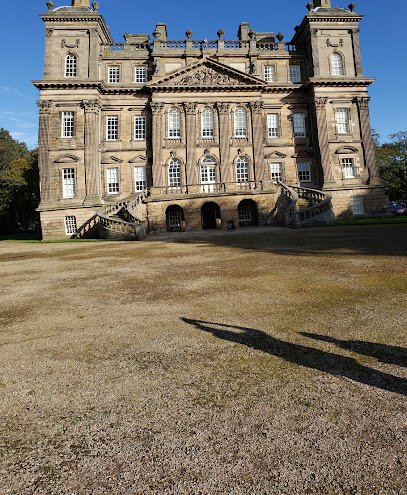
Duff House
4.3 km
Explore Duff House, a majestic Georgian mansion in Banff blending rich history, stunning art, and serene parkland in Scotland’s scenic northeast.
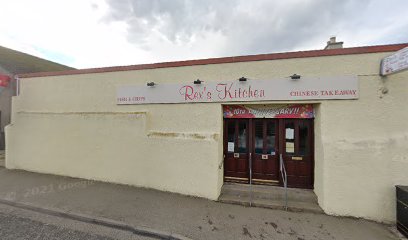
Rex’s Kitchen
4.4 km
Cozy takeaway spot in Banff offering fresh, seasonal dishes with a friendly, casual vibe from late afternoon to evening daily.
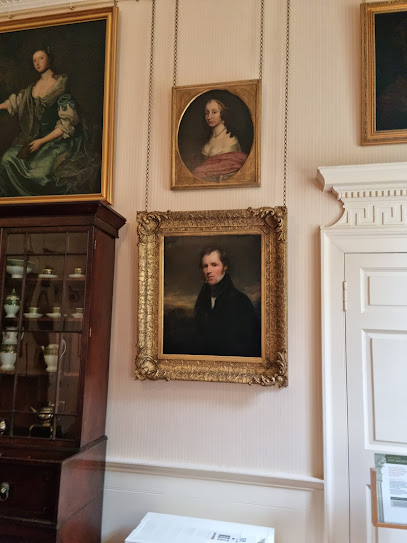
Museum of Banff
4.5 km
Discover Banff’s rich heritage through fascinating artifacts and community spirit at one of Scotland’s oldest museums.
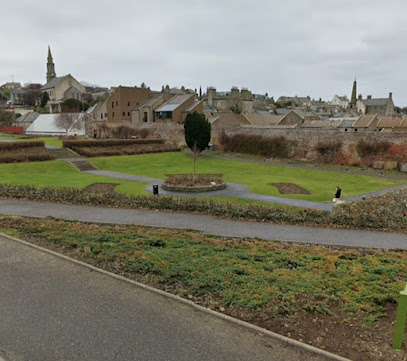
Duff House Public Gardens
4.6 km
Explore the historic Georgian estate and tranquil public gardens of Duff House, a cultural gem blending art, history, and nature in Banff.
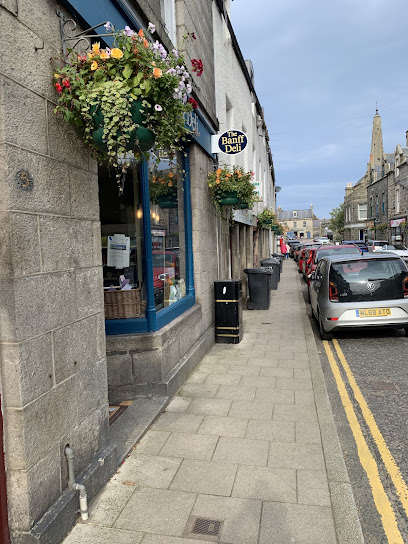
The Banff Deli
4.6 km
A cozy, highly rated deli in Banff serving fresh, artisan sandwiches and light meals in a warm, welcoming setting.
Banff and Macduff Heritage Trail
4.7 km
Discover the rich history and scenic charm of Banff and Macduff on this immersive coastal heritage trail.
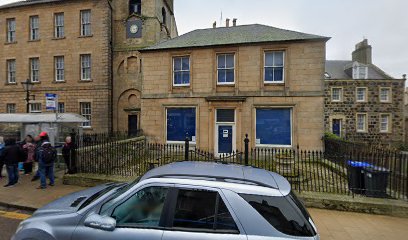
1 high shore
4.7 km
Discover 1 High Shore, a beautifully preserved 17th-century merchant’s house at the heart of Banff’s historic core, rich in heritage and architectural charm.
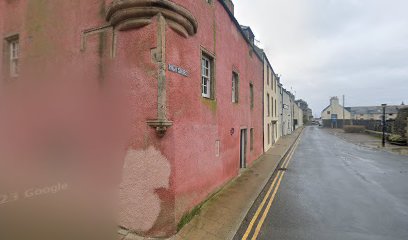
Banff Castle
4.8 km
A historic Scottish stronghold reborn as a vibrant community arts centre and events venue on the Banffshire coast.
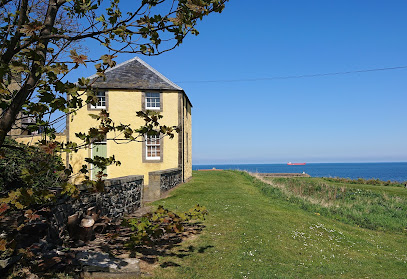
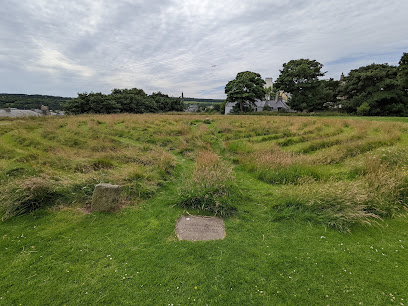
Labyrinth
4.8 km
A historic castle site in Banff with a peaceful labyrinth on its front lawn, blending medieval roots, Georgian elegance, and community spirit by the Moray Firth.
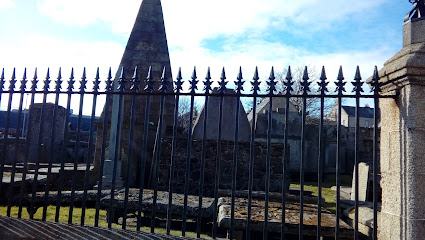
Medieval Kirkyard of Banff
4.8 km
Explore Banff’s medieval St Mary’s Kirkyard, a historic burial ground rich with centuries-old tombs and evocative memorial art.
Essential places to dine

Fife Lodge Hotel
3.9 km
Charming 3-star country house hotel in Banff with friendly service, delicious dining, and beautiful garden views near scenic beaches and golf courses.
LightHouse Fish Bar
4.6 km
Savor traditional British fish and chips with a diverse menu in Banff’s cozy and welcoming LightHouse Fish Bar.
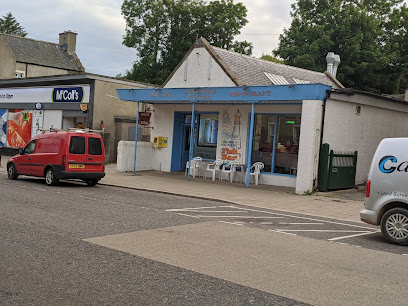
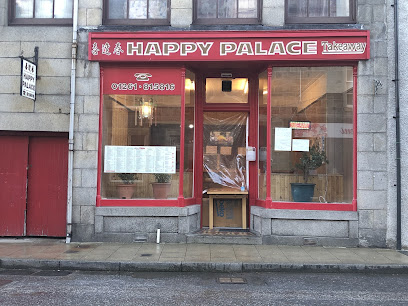
Happy Palace
4.6 km
Savor authentic Chinese flavors at Happy Palace in Banff - where every dish tells a story of culinary excellence.
Rockfish
4.6 km
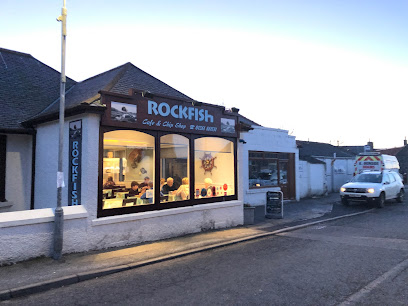
Savor sustainably sourced, fresh seafood in a cozy coastal setting with generous portions and friendly service at Rockfish, Whitehills.
Seafield Arms
4.7 km
Traditional Scottish hospitality on the Moray coast, where comfort meets genuine Highland welcome.
Indian Garden Restaurant and Takeaway
4.7 km
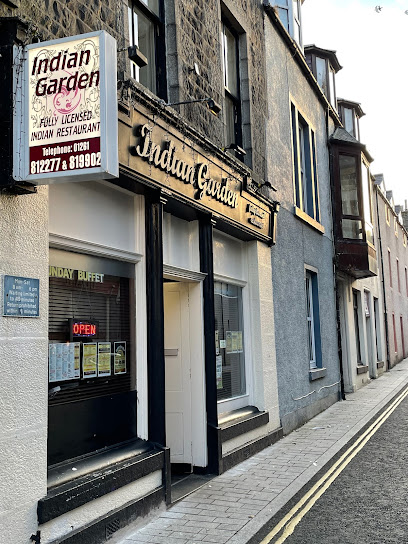
Authentic Indian flavours and warm hospitality await at Banff’s beloved Indian Garden Restaurant and Takeaway.
Market Arms
4.7 km
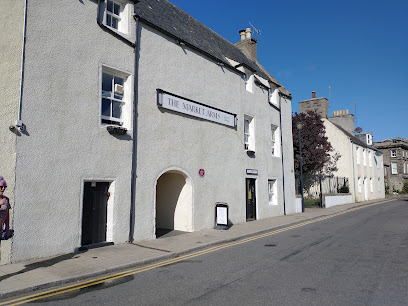
Experience the charm of Banff at Market Arms - where hearty meals meet local brews in a welcoming pub atmosphere.
Bridgeview Restaurant
4.9 km
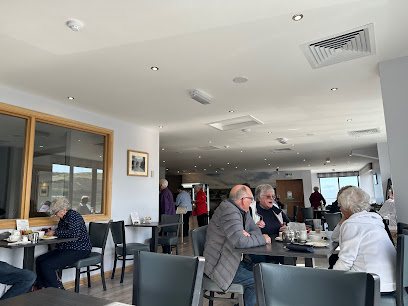
Bright and welcoming restaurant in Banff offering traditional Scottish dishes with scenic views and family-friendly accessibility.
The Knowes Hotel, Restaurant and Function Suite
6.2 km
Charming coastal hotel in Macduff with stunning Moray Firth views, modern rooms, excellent dining, and versatile event spaces.
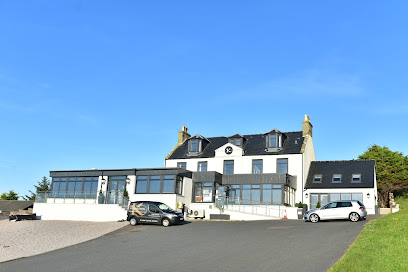
The Kastille
12.8 km
A vibrant blend of modern dining, lively bar, and nightclub experiences in the heart of Turriff.
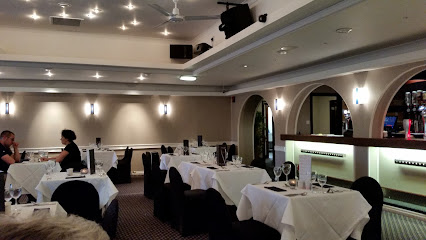
Blakeshouse Lounge Bar & Restaurant
12.8 km
Authentic Scottish flavors and local brews in a cozy lounge setting nestled in the scenic Fisherie area of Turriff.
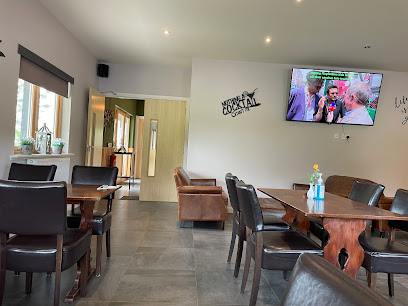
1236 Cave Bar at Meldrum House
35.3 km
Historic 800-year-old stone bar with award-winning whisky and casual Scottish dining at Meldrum House Country Hotel.
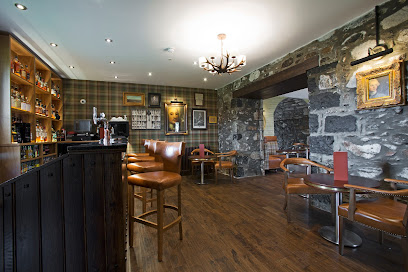
Seven Stills French Restaurant and Malt Whisky Bar/Lounge
38.9 km
An intimate French bistro and whisky lounge in Dufftown blending classic cuisine with Speyside’s renowned malt heritage.
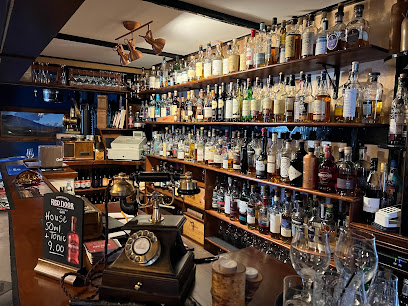
Fennel Restaurant
40.8 km
Modern European dining with fresh local ingredients in a relaxed, stylish setting at Inverurie’s Fennel Restaurant.
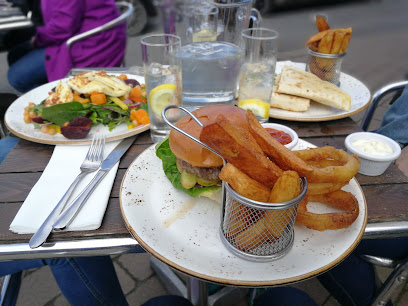
The Montgomerie Restaurant
40.9 km
A tranquil golf club restaurant in Inverurie serving excellent British cuisine with scenic course views and a welcoming atmosphere.
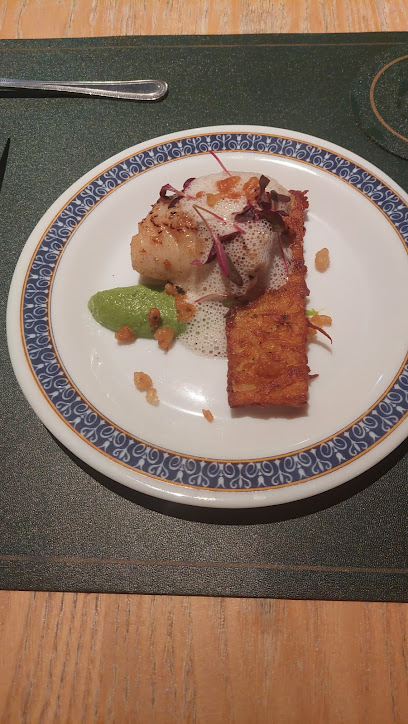
Markets, malls and hidden boutiques

Key Stores
4.5 km
Discover the convenience of Key Stores in Banff for all your travel needs, from snacks to essentials, amidst breathtaking mountain views.
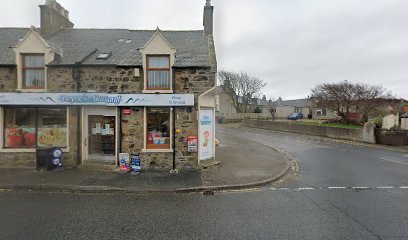
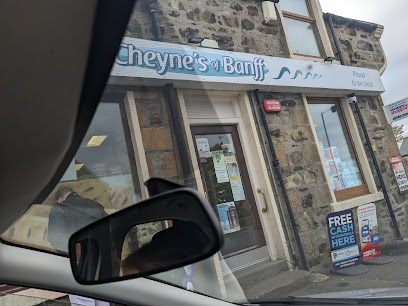
Cheyne's Of Banff
4.5 km
Explore Cheyne's Of Banff for a unique shopping experience filled with local crafts, souvenirs, and the spirit of the Canadian Rockies.
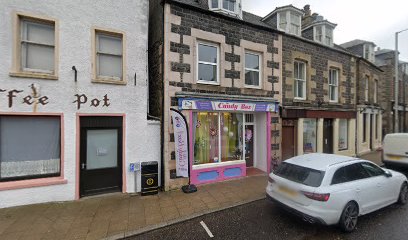
The Candy Box
4.5 km
A cozy family-run sweet shop in Banff famed for its diverse candies and exceptional ice cream treats.
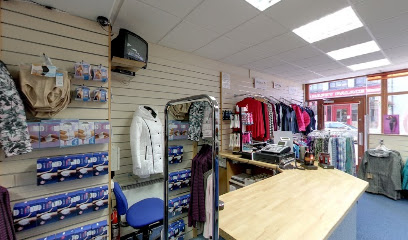
Tuleni
4.6 km
Explore Tuleni in Banff for a unique selection of stylish ladies' clothing, offering personalized shopping experiences in a charming boutique atmosphere.
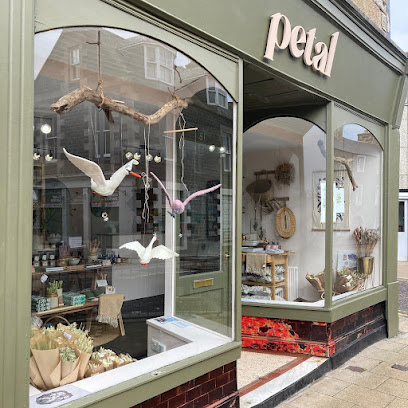
PETAL the store
4.6 km
Discover Banff’s charming gift boutique featuring over 60 independent brands in a warm, curated setting on historic High Street.
Castlegate Newsagents
4.6 km
Your friendly local newsstand and supermarket in Banff’s historic center, open early to late daily for all your essentials and local treats.
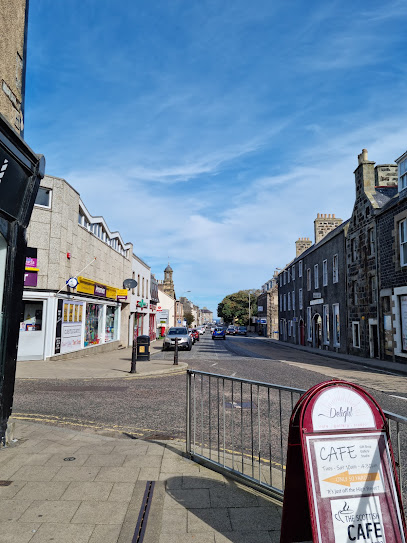
The Gift Box
4.6 km
Discover unique, locally inspired gifts in the charming heart of Banff, Scotland’s historic coastal town.
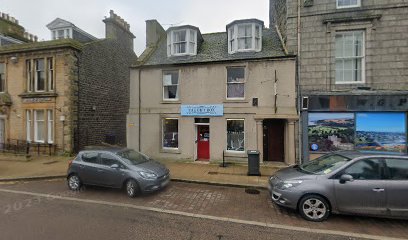
Premier
4.7 km
Premier Whitehills: Your friendly local convenience store and post office open early to late every day in scenic Banffshire.
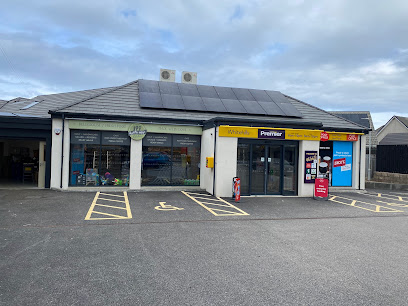
Trend DIY
4.7 km
Discover a treasure trove of crafting supplies and unleash your creativity at Trend DIY in Banff, a must-visit for all DIY enthusiasts.
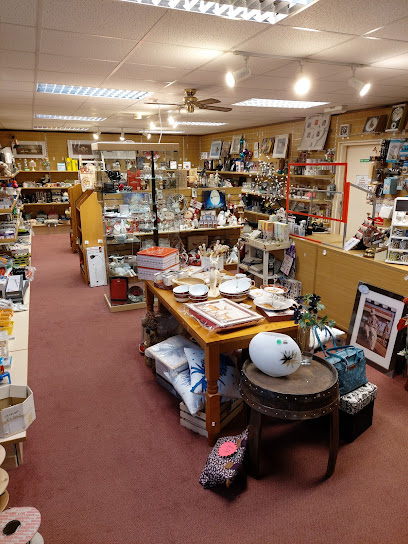
Rebel Yells
4.7 km
Discover unique clothing and accessories at Rebel Yells, a charming shop in Banff that celebrates local culture and style.
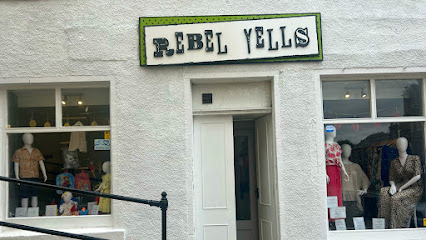
Oldanu
4.7 km
Discover a unique blend of local crafts and souvenirs at Oldanu, the charming gift shop in the heart of Banff, perfect for capturing your travel memories.
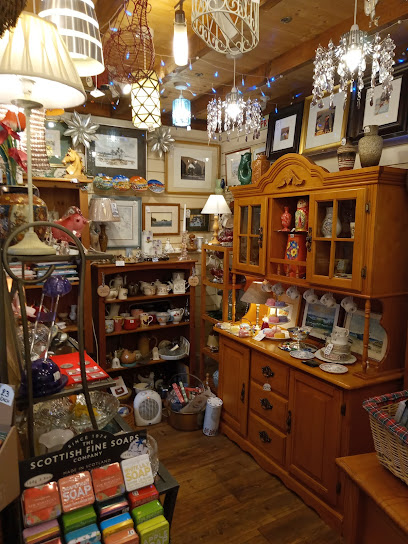
Ivy's Emporium
4.7 km
Discover timeless antiques and unique collectibles in the heart of Banff at Ivy's Emporium, a charming treasure trove for vintage lovers.
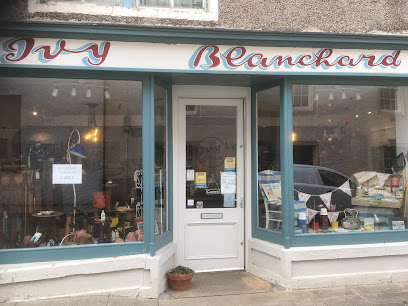
Bargainland
4.8 km
Discover stylish homewares and unbeatable bargains in Banff’s welcoming Bargainland, a must-visit for quality and charm.
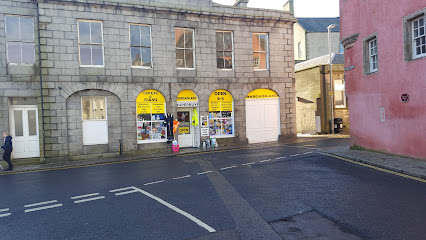
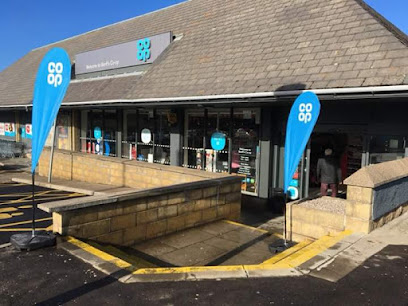
Co-op Food - Banff - Bridge Road
4.9 km
Conveniently located on Bridge Road, Co-op Food Banff offers fresh local produce and essentials daily from 7 AM to 10 PM.
Meadowlands
5.0 km
Discover Banff’s local artistry and unique gifts at Meadowlands Gallery, a charming cultural hub on historic North Castle Street.
Essential bars & hidden hideouts

Banff Springs Hotel
4.3 km
Experience timeless luxury and breathtaking mountain vistas at the iconic Fairmont Banff Springs Hotel, the Castle in the Rockies.
Castle Bar
4.8 km
Experience authentic Scottish hospitality and local ales in the cozy, historic setting of Castle Bar in Banff.
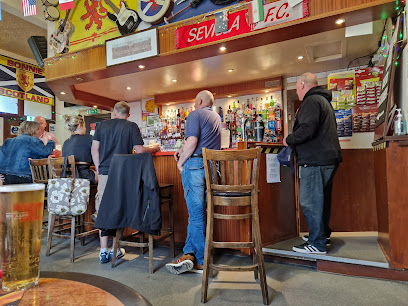
The Railway Inn
5.0 km
A traditional Scottish pub in Banff offering friendly hospitality, extensive whiskies, and stunning harbour views.
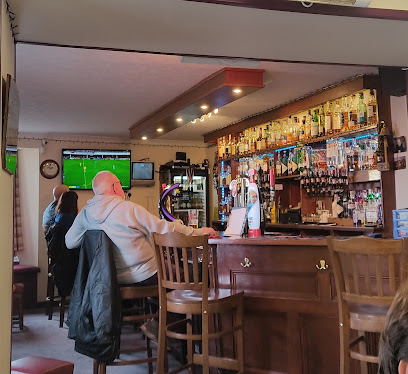
The Old Moray Ltd
6.2 km
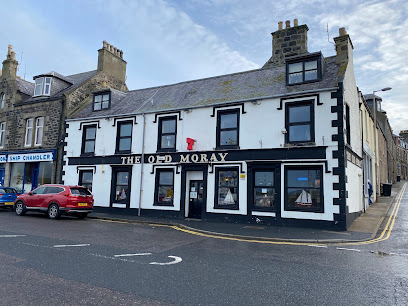
Experience authentic Scottish hospitality and local ales at The Old Moray Ltd, a traditional harbour pub in the heart of Macduff.
Craigenroan Bar
22.3 km
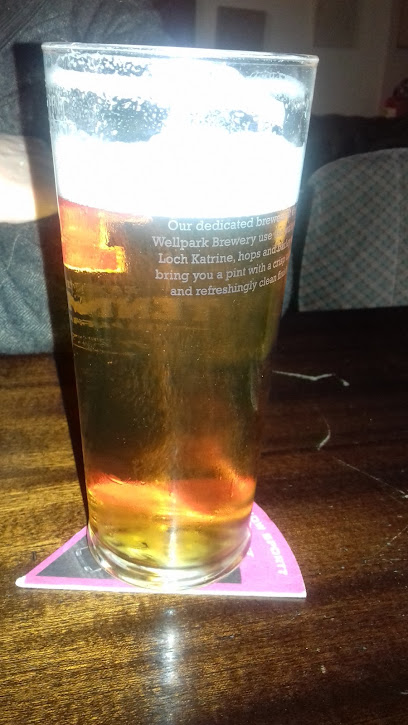
A cozy and welcoming pub in Buckie offering authentic Scottish ales, lively events, and a true community vibe.
St Andrews Bar
38.1 km
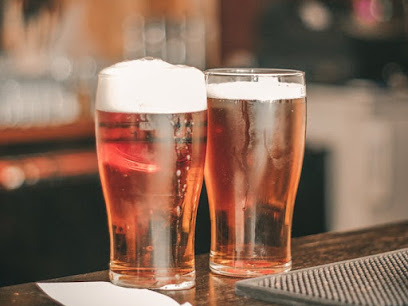
A cozy and friendly Scottish pub in Lhanbryde offering great drinks and warm local hospitality in a relaxed setting.
The Craft - off-licence and Bar
40.8 km
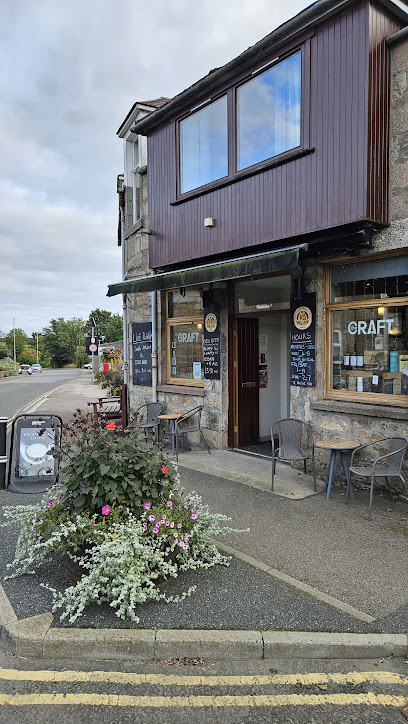
A cozy village wine bar and off-licence in Pitmedden offering craft drinks, community spirit, and award-winning hospitality.
The Cottar Hoose
42.6 km
Experience authentic Scottish warmth and friendly banter at The Cottar Hoose, Elgin’s cozy traditional pub with a welcoming open fire.
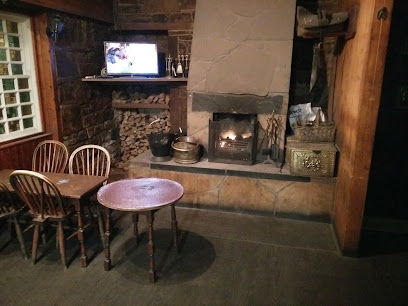
The Firth
42.9 km
Coastal charm meets hearty Scottish fare at The Firth, a welcoming pub and hotel with stunning sea views in Lossiemouth.
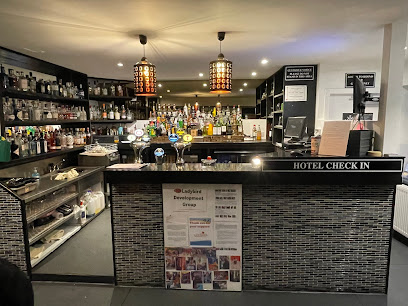
Brander Arms
42.9 km
A welcoming harbourside pub in Lossiemouth offering friendly service, scenic sea views, and a cozy atmosphere for relaxed drinks.
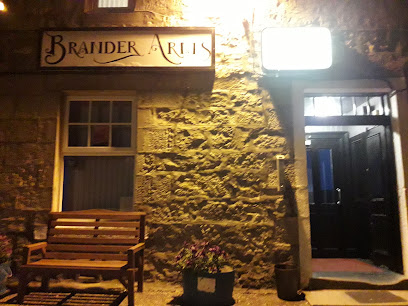
Kirkie Bar
43.3 km
Experience the warm charm of Kirkie Bar, New Elgin’s cozy spot for local ales, live music, and friendly gatherings on Main Street.
Thornhill Leisure Ltd
43.4 km
Experience the charm of Thornhill Leisure Ltd, a cozy pub in Elgin, perfect for enjoying local ales and Scottish hospitality.
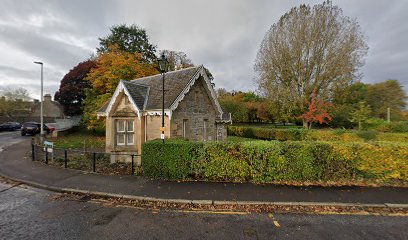
IV30 Cocktail and Wine Bar
43.5 km
Historic charm meets modern mixology at IV30 Cocktail and Wine Bar, Elgin’s stylish spot for refined drinks and relaxed evenings.
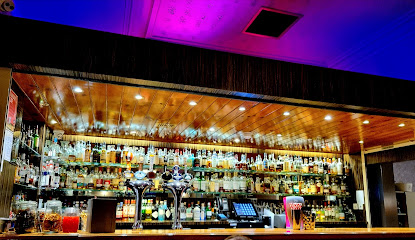
Ionic Bar
43.7 km
A traditional Scottish pub in Elgin’s heart, offering friendly vibes, local brews, and timeless charm for relaxed socialising.
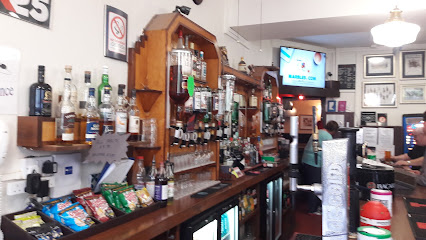
The Muckle Cross - JD Wetherspoon
43.7 km
A vibrant and affordable JD Wetherspoon pub on Elgin High Street offering hearty meals and a lively atmosphere from morning till late.
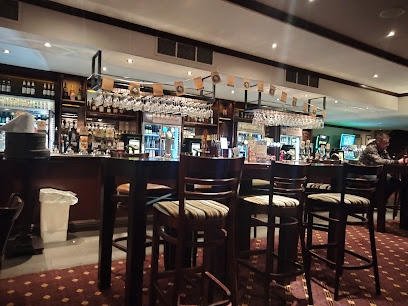
Nightclubs & after hour spots

Deveronside Club
4.3 km
A warm and lively social club in Banff offering great events, affordable drinks, and a welcoming community atmosphere.
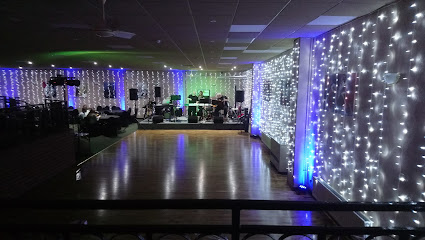
Banff Town & County Club
4.6 km
Discover the heart of Banff at the historic Town & County Club, a social hub that celebrates local culture and community spirit.
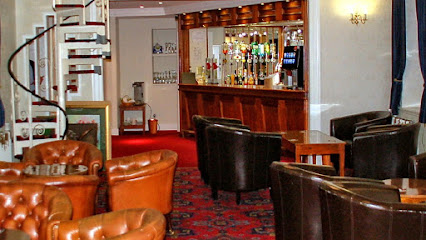
Purple Nightclub
23.5 km
Experience Buckie’s vibrant nightlife at Purple Nightclub, the ultimate destination for dancing, live music, and unforgettable late-night events.
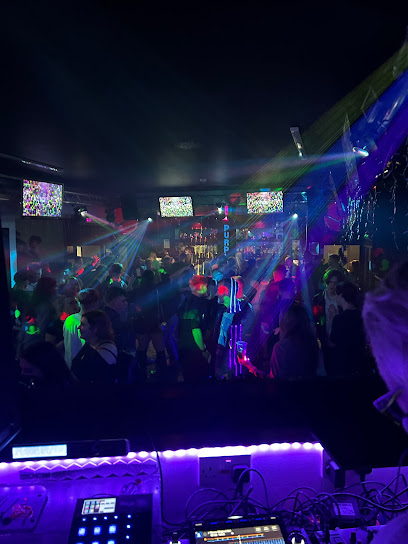
Deejays Nightclub
34.4 km
Fraserburgh’s revitalized nightlife hotspot offering vibrant music, dancing, and late-night fun on Denmark Street.
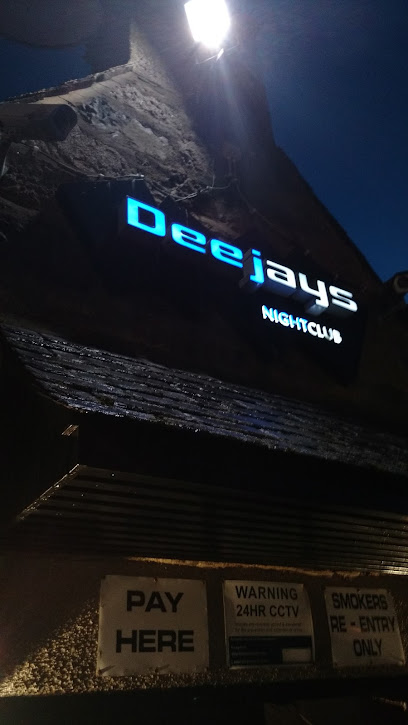
Seaforth Club
43.8 km
A welcoming members-only social club in Elgin offering great atmosphere, steak suppers, and a true sense of community spirit.
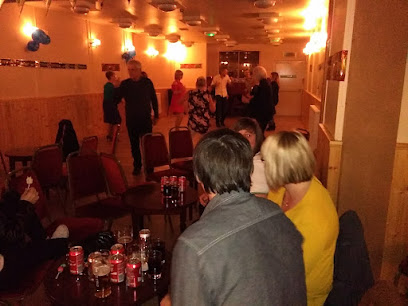
Zed Bar
44.1 km
Experience the vibrant nightlife at Zed Bar in Elgin, where great drinks and lively atmosphere await every visitor.
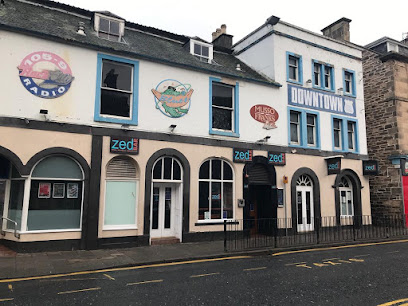
Joannas Nightclub
44.1 km
Lively and casual nightclub in Elgin’s town centre, offering weekend late-night music, dancing, and social vibes in a friendly local setting.
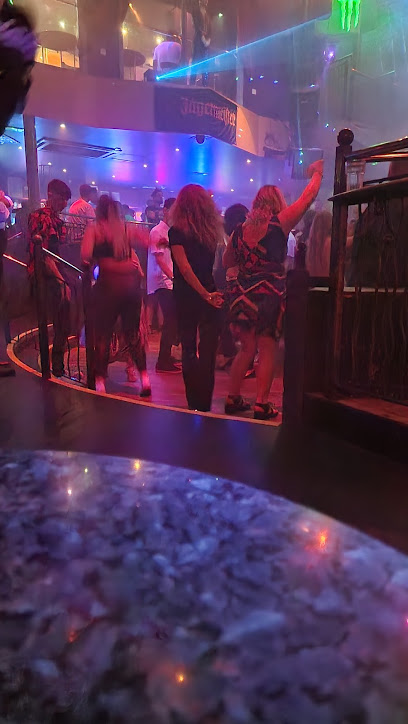
Venga
61.2 km
Dive into Aberdeen's electric nightlife at Venga, where retro beats, themed nights, and cocktails fuel unforgettable dances until dawn on vibrant Chapel Street.
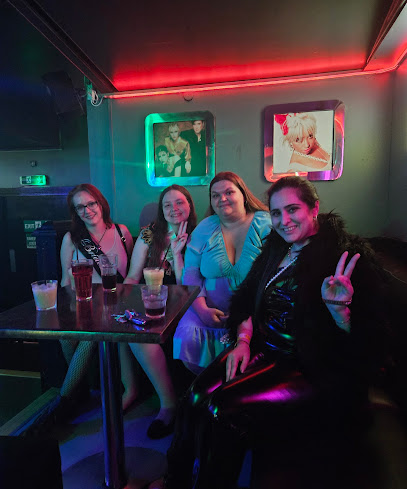
Club Tropicana & Venga
61.2 km
Compact retro nightclub on Chapel Street with neon kitsch, themed nights and a late‑night dancefloor for nostalgic hits and loud, energetic DJ sets.
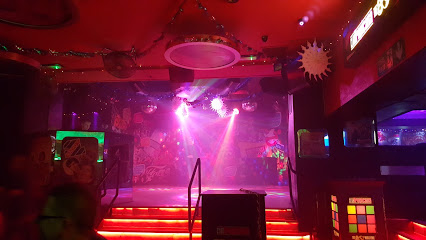
Exodus
61.2 km
Experience Aberdeen’s vibrant nightlife and boozy brunches in a unique historic church setting at Exodus, The Triplekirks.
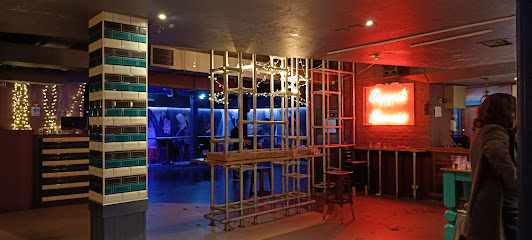
The Tunnels
61.4 km
Dive into Aberdeen’s underground nightlife at The Tunnels, where pulsating beats and intimate vibes create unforgettable nights.
Babylon
61.4 km
Discover the pulse of Aberdeen's nightlife at Babylon, a premier nightclub and bar offering unforgettable nights filled with music and fun.
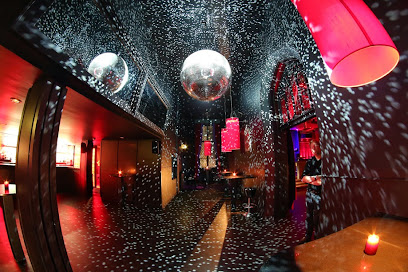
491 Union Street
61.4 km
Dive into Aberdeen's electric nightlife at this top-of-Union-Street hotspot, where killer beats, craft drinks, and epic events light up weekends until dawn.
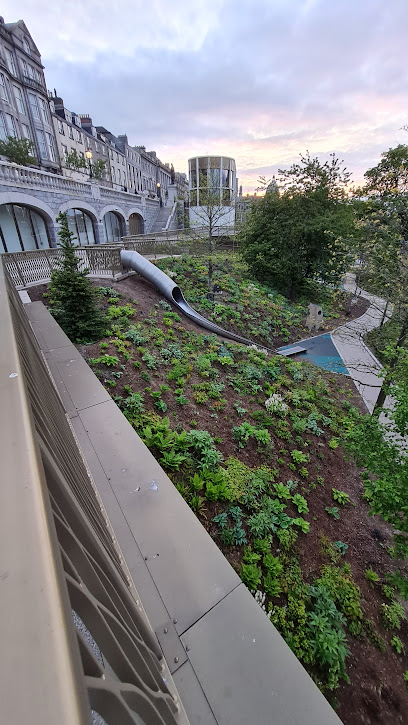
The Underground Klub
61.5 km
A compact, bass-forward late-night club in central Aberdeen with booth seating, layered sound and an intimate underground vibe.
Number 7 Club
61.5 km
Aberdeen's intimate adult club on Crown Street: full-nude dances, drinks, and late-night energy from 9pm to 3am weekends.
For the vibe & atmosphere seeker
- Relaxing
- Tranquil
- Scenic
- Unique
For the design and aesthetic lover
- Rustic Designs
- Vintage Styles
For the architecture buff
- Historic
- Landmarks
- Heritage Neighborhoods
For the view chaser and sunset hunter
- Iconic Views
- Panoramas
- Waterfront
For the social media creator & influencer
- Instagrammable
- Photo Spots
- Aesthetic Corners
For the eco-conscious traveler
- Low Impact
- Public-Transport Accessible
For the kind of experience you’re after
- Cultural Heritage
- Photowalk
- Nature Escape
- Day Trip
For how adventurous you want the journey to be
- Easy Access
Location Audience
- Family Friendly
- Senior Friendly
- Child Friendly
- Teen Friendly
- Solo Friendly
- Couple Friendly
- Solo Female Friendly


