
Creake Abbey Ruins: Tranquil Remnants of Augustinian History
Explore the atmospheric 13th-century Creake Abbey ruins nestled in tranquil Norfolk meadows, where history, nature, and local culture intertwine.
Nestled in the serene North Norfolk countryside, Creake Abbey ruins offer a captivating glimpse into 13th-century Augustinian monastic life. Set beside the River Burn within 40 acres of meadows, these flint-walled remains tell stories of medieval devotion, fire, plague, and royal patronage. Visitors can explore atmospheric ruins, enjoy nearby independent shops and cafés, and experience a peaceful historic setting free of charge.
A brief summary to Creake Abbey ruins
- Creake Rd, Fakenham, NR21 9LF, GB
- +441328730399
- Visit website
- Duration: 1 to 3 hours
- Free
-
 Outdoor
- Mobile reception: 4 out of 5
- Monday 12 am-12 am
- Tuesday 12 am-12 am
- Wednesday 12 am-12 am
- Thursday 12 am-12 am
- Friday 12 am-12 am
- Saturday 12 am-12 am
- Sunday 12 am-12 am
Local tips
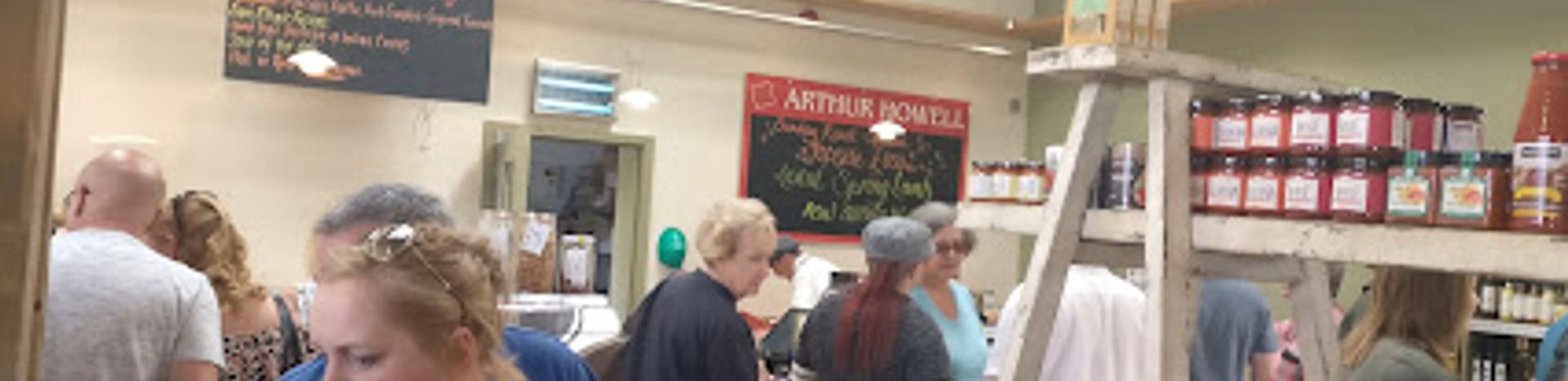
- Visit on the first Saturday of the month to enjoy the award-winning farmers' market at the adjacent courtyard.
- Bring a picnic to enjoy in the peaceful meadows surrounding the ruins for a relaxing historic experience.
- Wear comfortable footwear and prepare for some uneven terrain around the ruins and meadow paths.
- Check the schedule for seasonal outdoor theatre performances held in the abbey ruins for a unique cultural event.
- Dogs on leads are welcome, making it a great spot for pet owners to explore history together.

For the on-the-go comforts that matter to you
- Restrooms
- Drink Options
- Food Options
- Seating Areas
- Trash Bins
- Information Boards
Getting There
-
Car
Driving from Norwich to Creake Abbey takes approximately 45 to 60 minutes via the A1067 and B1355. There is a grassed parking area near the abbey ruins, accessed via a left fork on the main drive. Parking is free but limited in capacity, so plan accordingly during peak times.
-
Public Transport
From Sheringham railway station, take a taxi or local bus covering the 8.5-mile distance to Creake Abbey. Bus services may be infrequent, so check schedules in advance. Taxi fares typically range between £20 and £30.
-
Walking
For those staying in nearby Fakenham, a walk to Creake Abbey is about 4 miles (approximately 1.5 to 2 hours) through rural lanes and gentle terrain. Paths are mostly unpaved and may be muddy in wet weather, so suitable footwear is recommended.
Creake Abbey ruins location weather suitability
-
 Any Weather
-
 Rain / Wet Weather
-
 Clear Skies
-
 Mild Temperatures
Discover more about Creake Abbey ruins
Origins and Monastic Beginnings
Creake Abbey traces its origins to 1206 when Sir Robert and Lady Alice de Nerford established a small chapel dedicated to St Mary of the Meadows near the River Burn. By 1217, they founded the Hospital of St Bartholomew, which later embraced the Augustinian rule, transforming the chapel into a priory. Elevated to abbey status by King Henry III in 1225, Creake Abbey flourished through generous donations and royal-sanctioned markets, serving as a religious, social, and economic hub for the local community.Architectural Features and Layout
The abbey's remains include parts of the presbytery, north transept with chapels, and the abbey church’s flint walls, showcasing traditional Norfolk craftsmanship. The 13th-century structures reveal a complex of chapels with piscinae and aumbry cupboards, indicating the abbey's liturgical functions. Over time, the abbey was reduced in size, especially after the devastating 15th-century fire, which led to the demolition of the nave and blocking of arches and windows, leaving only atmospheric ruins that evoke its former grandeur.Trials and Decline
In 1484, a catastrophic fire severely damaged the abbey, prompting the abbot to petition King Richard III for aid. Despite royal grants and local bequests, the abbey could not fully recover, and its size was drastically reduced. The early 16th century brought further misfortune when an outbreak of sweating sickness wiped out the monastic community, including the last abbot who died alone in 1506. Subsequently, the abbey lands were granted to Lady Margaret Beaufort and later came under Christ’s College, Cambridge.Present-Day Experience and Surroundings
Today, Creake Abbey ruins are cared for by English Heritage and open year-round to the public free of charge. The site lies within a tranquil valley surrounded by meadows, perfect for quiet contemplation, sketching, or picnicking. Adjacent to the ruins is Creake Abbey Courtyard, featuring a variety of independent shops, cafés, and an award-winning farmers' market held monthly. The combination of historic ambiance and vibrant local commerce creates a unique visitor experience.Community and Cultural Engagement
Creake Abbey hosts cultural events such as outdoor theatre performances, including adaptations of classic literature, enhancing the site’s lively atmosphere during summer months. The abbey welcomes dogs on leads and offers wheelchair-accessible paths, making it inclusive for diverse visitors. While there are no on-site facilities, nearby amenities in the courtyard provide restrooms, food, and drink options, enriching the visit.Legacy and Historical Significance
As a Grade I listed site and Scheduled Monument, Creake Abbey stands as a testament to the religious, social, and architectural history of medieval Norfolk. Its ruins embody stories of devotion, resilience, and transformation over centuries. The surviving archives held by Christ’s College hint at untapped historical knowledge, inviting deeper exploration of the abbey’s past. Visitors today connect with this layered heritage amidst the peaceful Norfolk landscape.Iconic landmarks you can’t miss

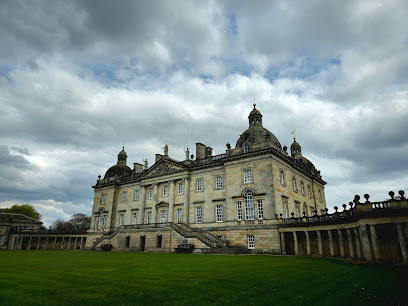
Houghton Hall & Gardens Norfolk
12.5 km
Experience the beauty and history of Houghton Hall & Gardens in Norfolk, where stunning architecture meets exquisite gardens and delightful café experiences.
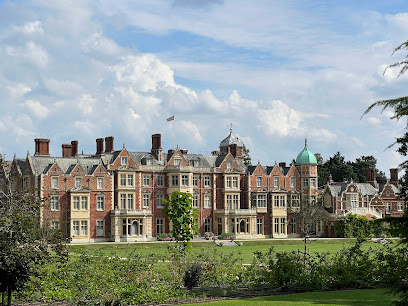
Sandringham Estate
19.4 km
Explore Sandringham Estate, a historical landmark in Norfolk, featuring exquisite gardens and rich royal history, perfect for all visitors.
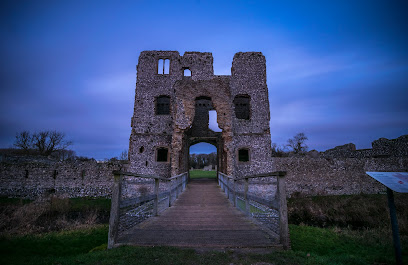
Baconsthorpe Castle
26.4 km
Explore the atmospheric ruins of a 15th-century fortified manor, once home to the powerful Heydon family of Norfolk.
Customs House
30.8 km
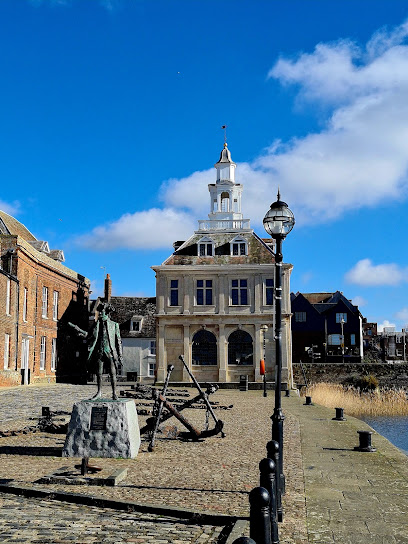
Explore Customs House in King's Lynn, a historical gem revealing the rich maritime heritage and stunning architecture of this charming coastal town.
Castle Ruins Skegness
37.5 km
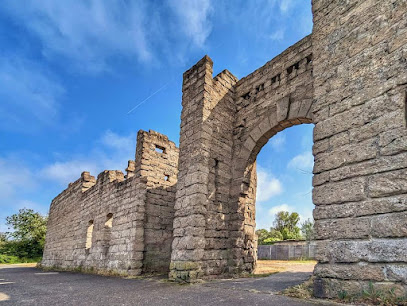
Discover the tranquil medieval castle ruins in Skegness, a free and timeless glimpse into Lincolnshire’s rich history.
VisitNorwich
47.2 km
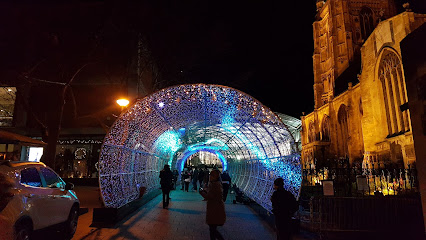
Discover Norwich Cathedral’s soaring Norman spire, medieval carvings, and tranquil cloisters nestled in a vast historic sanctuary.
Pull's Ferry
49.0 km
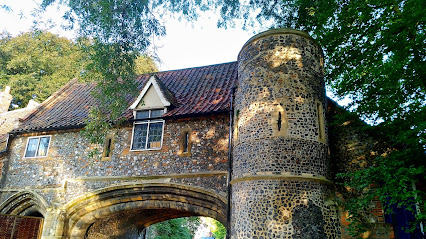
A tranquil 15th-century watergate and ferry house on Norwich’s River Wensum, blending rich medieval history with scenic riverside charm.
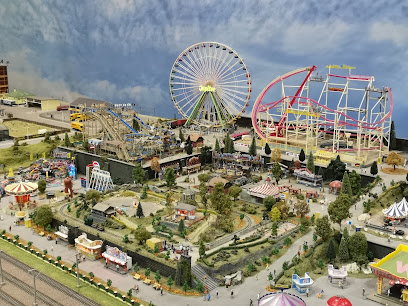
Wroxham Miniature Worlds
49.3 km
Explore the enchanting world of Wroxham Miniature Worlds, where intricate models and engaging exhibits create a magical experience for visitors of all ages.
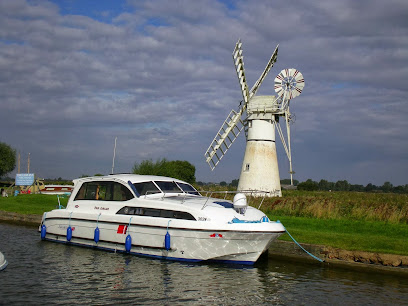
Faircraft Loynes
49.3 km
Discover the beauty of the Broads with Faircraft Loynes, your premier boat tour agency and rental service in Wroxham, offering unforgettable waterway experiences.
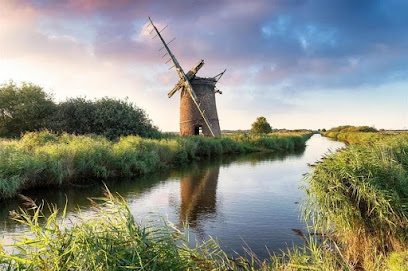
The Broads Authority
49.3 km
Explore the breathtaking landscapes of The Broads Authority, where nature meets adventure in the heart of Norfolk's stunning waterways.
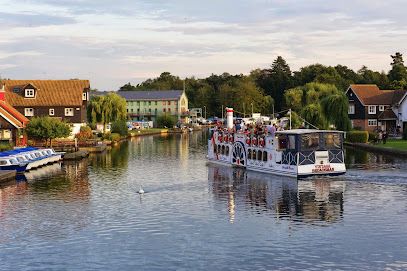
Broads Tours
49.4 km
Discover the serene beauty of the Norfolk Broads with Broads Tours – your gateway to unforgettable aquatic adventures.
Wroxham Bridge
49.4 km
Historic 17th-century bridge and vibrant boating hub connecting Wroxham and Hoveton on the scenic Norfolk Broads.
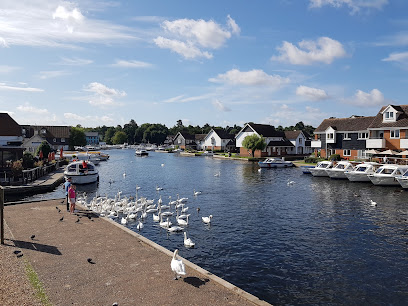
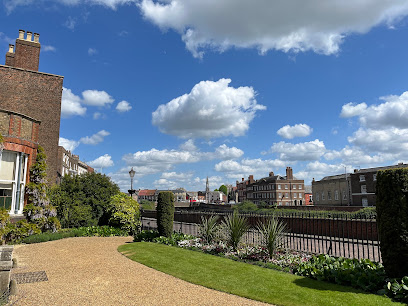
National Trust - Peckover House and Garden
49.6 km
Explore the enchanting Peckover House and Garden, a historic gem in Wisbech featuring stunning Georgian architecture and vibrant gardens.
Barton House Railway
49.6 km
Discover the magic of miniature railways at Barton House Railway, a charming museum and attraction in Wroxham, Norwich, perfect for families and railway enthusiasts.
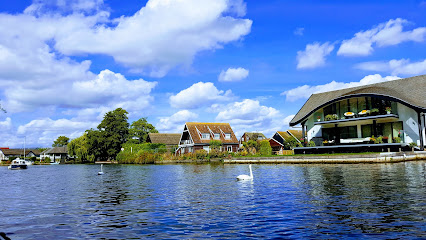
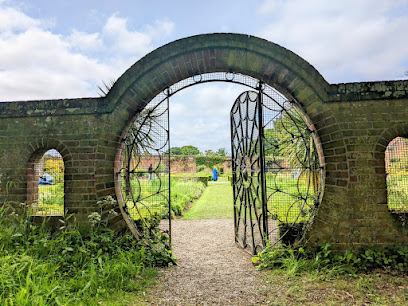
Hoveton Hall Estate
49.8 km
Experience the beauty and tranquility of Hoveton Hall Estate, a serene tourist attraction in Norfolk featuring exquisite gardens and rich history.
Unmissable attractions to see

Holkham Hall
4.4 km
Discover Holkham Hall, a stunning 18th-century Palladian estate blending classical elegance, rich heritage, and expansive Norfolk coastal landscapes.
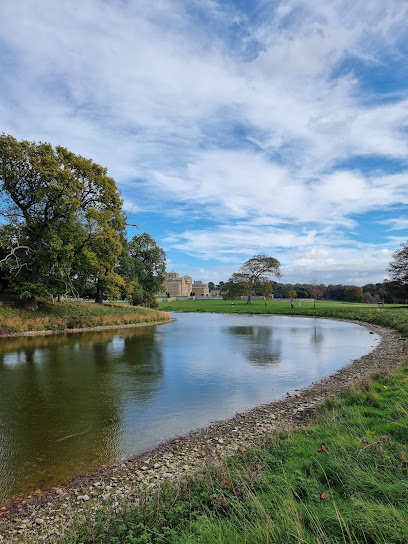
National Trust - Brancaster Estate
8.0 km
Explore Norfolk’s stunning Brancaster Estate with its golden sands, historic Roman fort, vibrant harbour, and rich wildlife habitats.
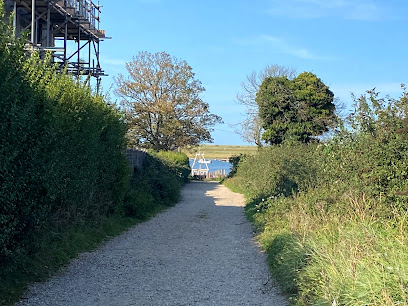
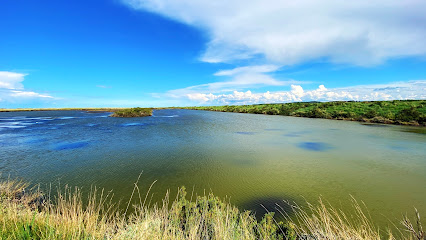
RSPB Titchwell Marsh
11.3 km
Discover diverse habitats and spectacular birdlife at Norfolk’s coastal gem, RSPB Titchwell Marsh Nature Reserve.
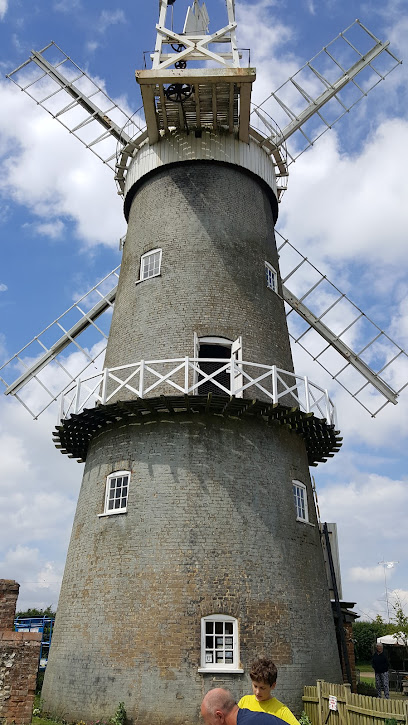
Bircham Windmill
11.7 km
Explore a fully restored 19th-century working tower mill in Norfolk with bakery, tearoom, panoramic views, and unique countryside stays.
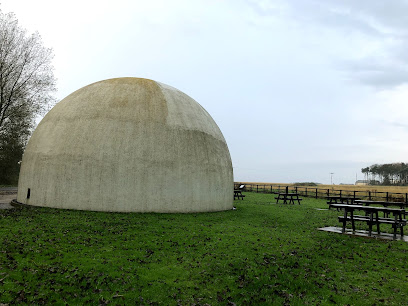
Langham Dome
14.1 km
Step inside a WWII anti-aircraft training dome and experience one of Britain’s earliest forms of virtual reality, now a unique military museum in North Norfolk.
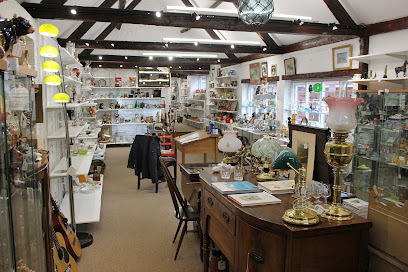
Old Hunstanton Barns
17.6 km
Discover handcrafted treasures and antiques in charming converted barns just minutes from Old Hunstanton’s scenic beach.
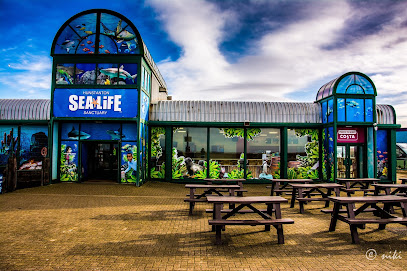
SEA LIFE Hunstanton
18.6 km
Explore Norfolk’s only seal sanctuary and vibrant marine aquarium with over 2,000 creatures, immersive exhibits, and inspiring conservation efforts.
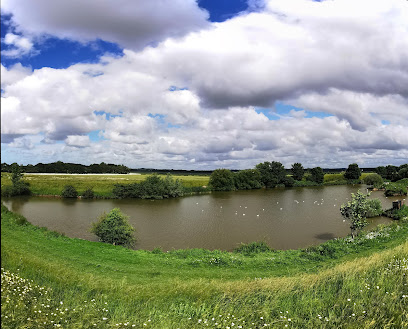
RSPB Snettisham
21.5 km
Experience breathtaking bird spectacles and tranquil coastal beauty at RSPB Snettisham, Norfolk’s premier nature reserve for wildlife lovers.
Castle Rising
24.1 km
Explore one of England’s finest Norman castles, a royal residence and hunting lodge steeped in medieval history and surrounded by majestic earthworks.
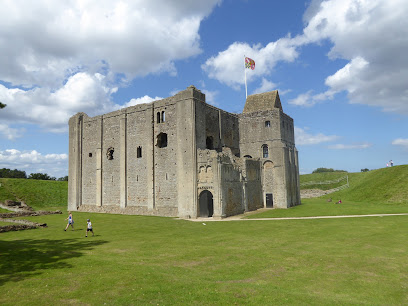
Castle Acre
24.7 km
Explore the evocative ruins of a Norman motte-and-bailey castle and medieval village nestled in tranquil Norfolk countryside.
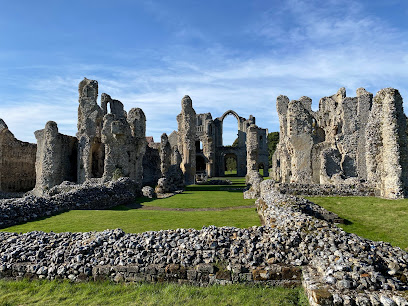
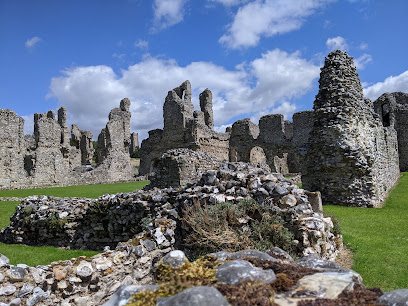
Castle Acre Priory
25.0 km
Explore the majestic ruins of Castle Acre Priory, a tranquil and well-preserved medieval monastery nestled in the Norfolk countryside.
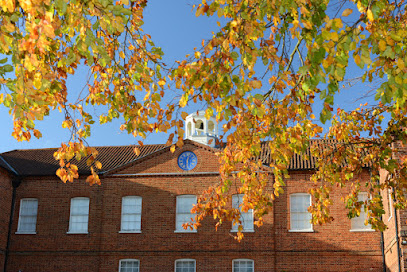
Gressenhall Farm & Workhouse
25.3 km
Explore Norfolk’s rich rural heritage and Victorian workhouse history at Gressenhall Farm & Workhouse, a living museum on a sprawling 50-acre site.
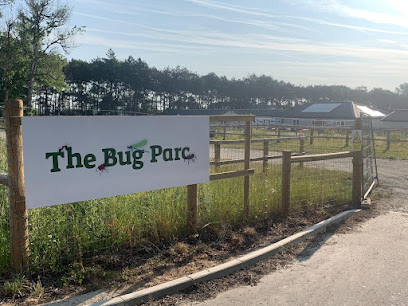
The Bug Parc
30.2 km
Explore England’s only all-invertebrate zoo with over 200 species, interactive bug handling, and family-friendly fun in the Norfolk countryside.
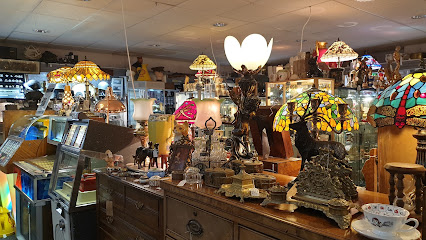
Shabbytatt
30.8 km
Discover unique antiques and army surplus treasures in a warm, welcoming shop nestled in the heart of Swaffham.
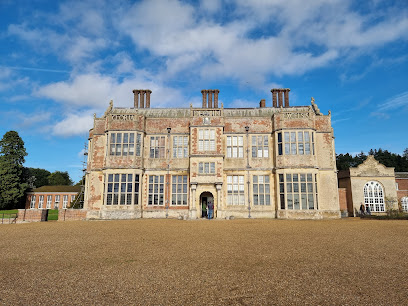
National Trust - Felbrigg Hall, Gardens & Estate
33.6 km
Explore Felbrigg Hall’s historic charm, vibrant gardens, and tranquil Norfolk estate, a beloved National Trust treasure steeped in family heritage.
Essential places to dine

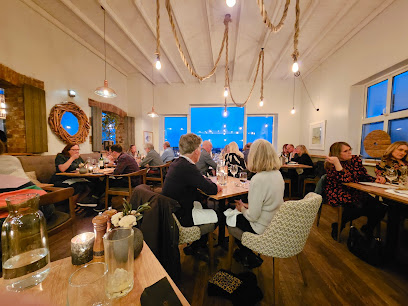
The White Horse Brancaster Staithe
7.4 km
A stylish coastal gastropub and hotel offering award-winning seafood, stunning tidal marsh views, and a tranquil Norfolk retreat.
The Old Bank
17.8 km
An intimate former bank turned acclaimed bistro, offering expertly crafted tasting menus and warm hospitality in Snettisham.
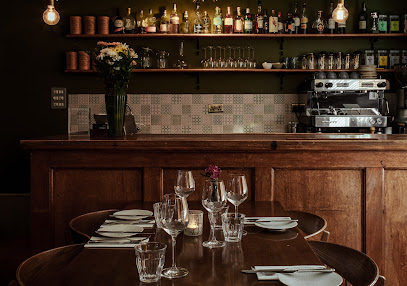
The Samphire Kitchen
22.0 km
Refined modern British dining with fresh, locally sourced ingredients in a stylish Norfolk manor setting.
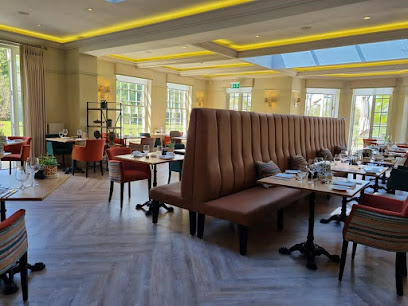
Meadowsweet Restaurant with Rooms
22.1 km
Michelin-starred modern British fine dining with boutique rooms in historic Holt, blending exquisite flavors with warm hospitality.
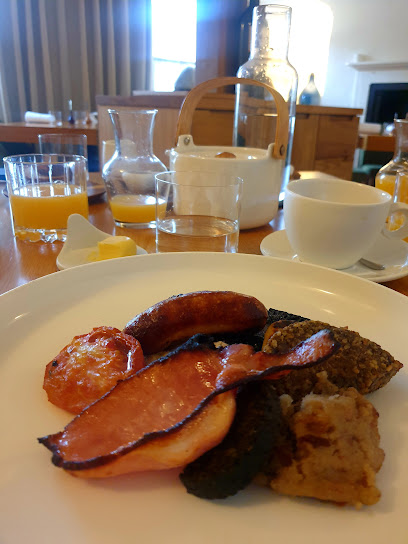
Links Bar & Kitchen
36.7 km
A family-run pub-style restaurant in Seacroft Village, Skegness, offering hearty home-cooked meals and a welcoming bar atmosphere.
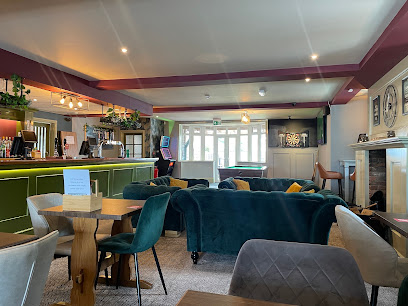
Tarantino Restaurant
37.0 km
Experience authentic Italian flavors and fresh seafood in a relaxed seaside setting at Tarantino Restaurant, Skegness’s beloved Italian eatery.
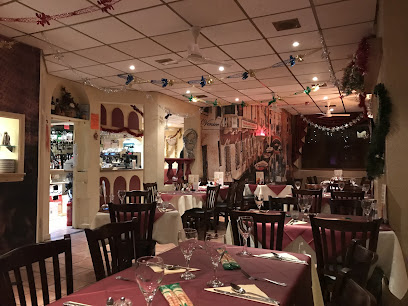
Wolfies Wine Bar
37.1 km
Contemporary wine bar in Skegness offering quality wines, hearty meals, and a friendly, spacious setting near the beach.
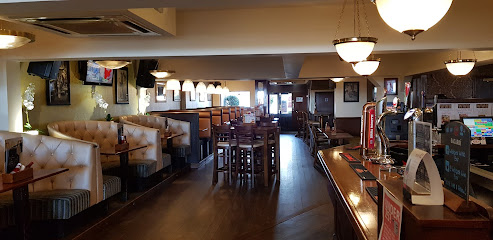
Lucky eater restaurant
37.2 km
Seaside dining with generous portions, family-friendly fun, and classic British fare on Skegness’s vibrant Grand Parade.
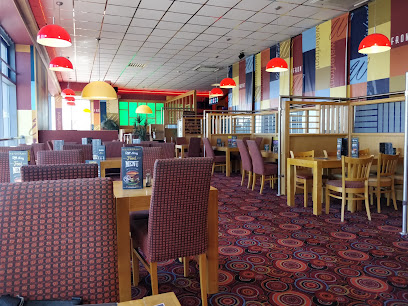
Tower Cafe
37.2 km
Cozy cafe in Skegness serving classic British dishes and beloved homemade cakes in a friendly, welcoming atmosphere.
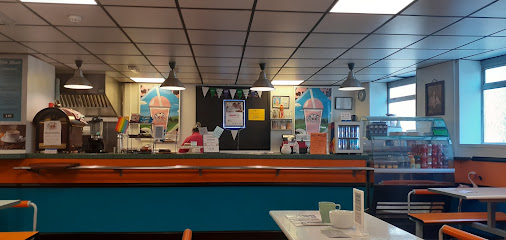
The Steamboat Cookhouse + Pub
37.3 km
Seafront dining in Skegness offering hearty British classics, family-friendly meals, and a welcoming atmosphere just steps from the beach.
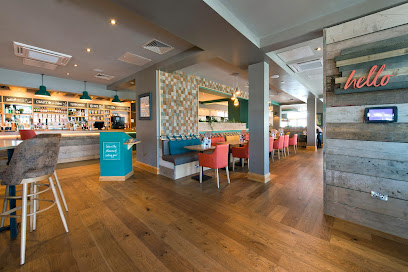
Fudǵe
37.3 km
Savor fresh, locally inspired British dishes in a relaxed setting on Skegness’s lively N Parade.
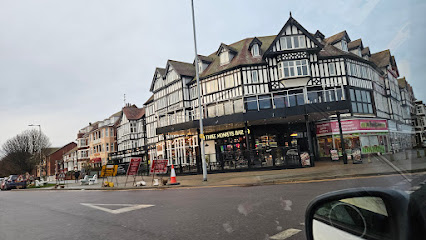
No9
37.5 km
A welcoming fusion of Greek and British flavors in Skegness, offering fresh dishes and friendly service in a relaxed, contemporary setting.
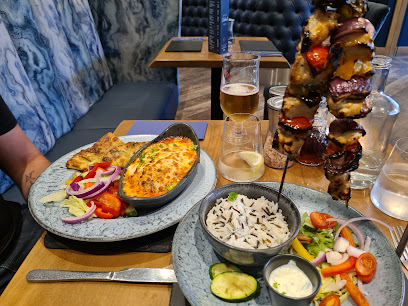
Lusso by lanzetta
37.5 km
Experience authentic Italian flavors and warm hospitality in the heart of Skegness at Lusso by Lanzetta.
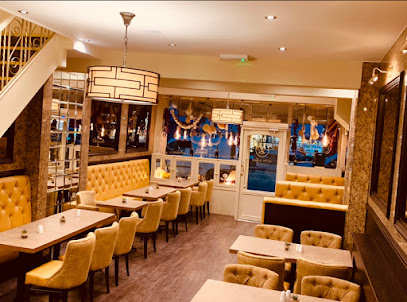
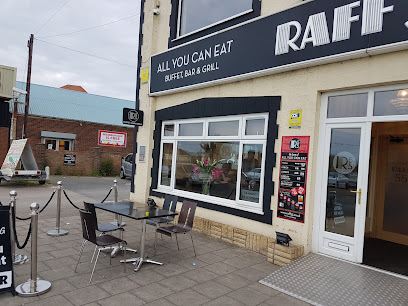
Raff55
37.6 km
Skegness’s vibrant all-you-can-eat buffet and grill offering diverse cuisines, live cooking, and unbeatable value for every meal.
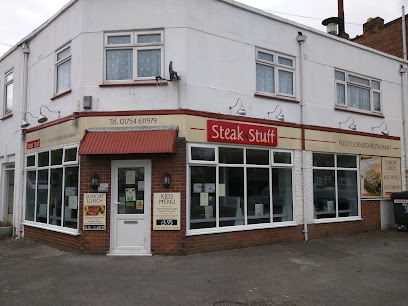
Steak N Stuff
37.7 km
Savor perfectly cooked, juicy steaks with generous portions and homemade sauces in a friendly, casual Skegness steakhouse.
Markets, malls and hidden boutiques

Natural East
7.3 km
Discover unique gifts and stylish home furniture in a charming coastal shop on The Quay at Wells-next-the-Sea.
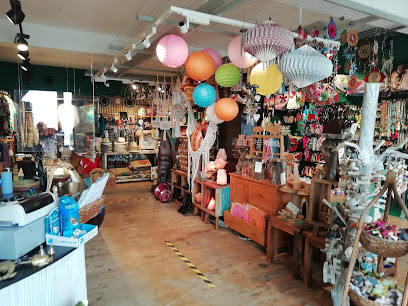
Shop With A View
7.4 km
Charming gift shop on Wells-next-the-Sea’s picturesque quay, blending unique shopping with stunning harbour views and local maritime spirit.
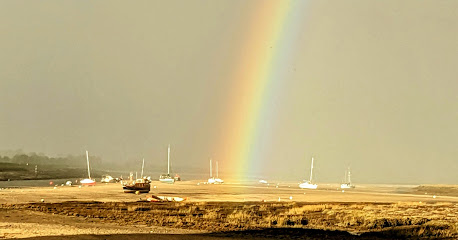
Flints Finds
14.0 km
Discover authentic, sustainably sourced vintage clothing at Flints Finds, Hunstanton's premier destination for timeless style and eco-conscious fashion.

Unique Gifts & Interiors
18.3 km
Boutique gift and interiors shop in Hunstanton offering luxury home styling, bespoke furniture, and expert design services.
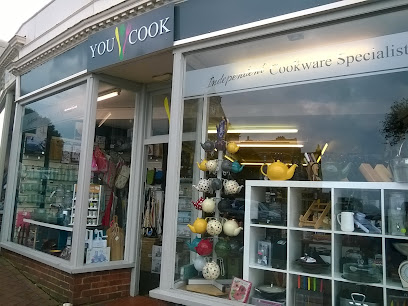
Make Holt
22.1 km
Discover unique handicrafts and homewares at Make Holt, a charming shop in the heart of Holt, showcasing local artistry and creativity.
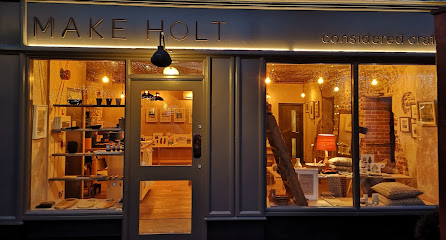
Norfolk Boutique
28.0 km
Discover elegant ladies' fashion and personalized service in the charming village setting of Norfolk Boutique, East Winch.

Very Nice Things Gift Shop
29.2 km
Discover quirky gifts and seasonal treasures in the heart of Reepham’s charming market town.
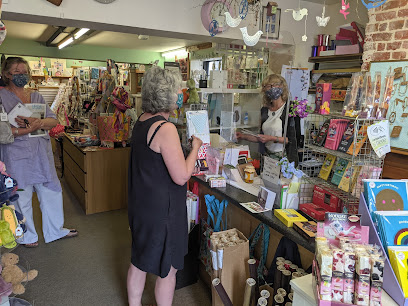
Bohdi’s boutique
36.6 km
Trendy independent fashion boutique bringing contemporary style to Skegness's seaside shopping scene.
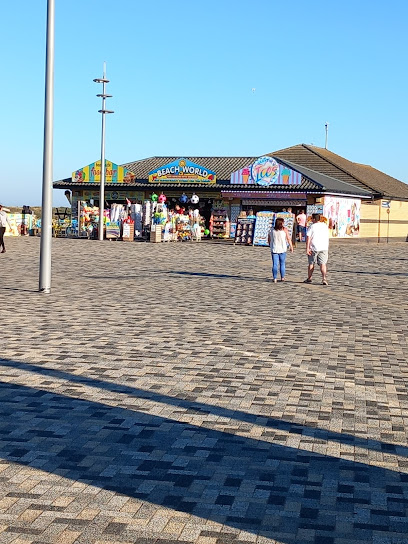
Beach World
36.9 km
Discover vibrant shopping and seaside charm at Beach World, Skegness, where coastal views meet local retail delights.
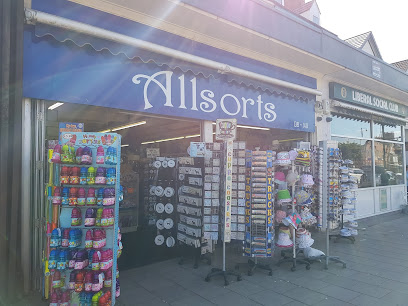
Allsorts
37.2 km
Discover unique seaside treasures and quirky gifts at Allsorts, Skegness’s beloved gift shop open daily for charming coastal finds.
Skegness Souvenirs & Personalised Gifts
37.2 km
Explore a charming gift shop in Skegness offering unique souvenirs and personalized gifts, perfect for capturing your travel memories.
IQ Stores
37.2 km
Discover stylish apparel and friendly service at IQ Stores, Skegness’s evening fashion destination on Lumley Road.

Spalls of Skegness
37.2 km
Discover unique gifts and local treasures at Spalls of Skegness, a family-run shop with over 20 years of charm and character.

The Works
37.3 km
Creative inspiration and screen-free fun for all ages in Skegness's premier gift and craft shop.
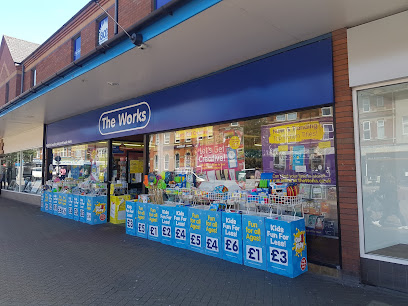
Home & Fragrance (Hildreds Shopping Centre Skegness)
37.3 km
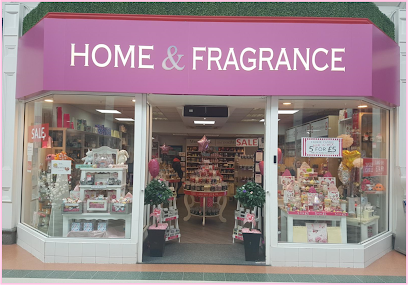
Discover charming home scents and thoughtful gifts in the heart of Skegness at Home & Fragrance, Hildreds Shopping Centre.
Essential bars & hidden hideouts

The Gin Trap Inn
14.9 km
A cozy Norfolk country pub and inn blending traditional charm with fine dining and comfortable, thoughtful accommodation.
The White Horse Blakeney
17.7 km
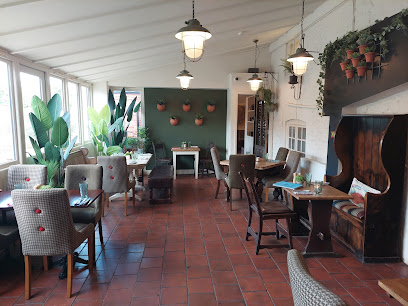
Cosy, characterful gastropub and inn perched above Blakeney Quay, blending historic charm with coastal comfort on the Norfolk coast.
The Rose & Crown
17.7 km
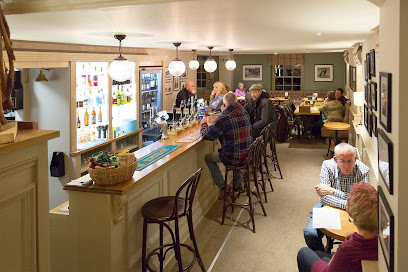
A quintessential Norfolk village inn blending historic charm with modern dining, cozy rooms, and a welcoming pub atmosphere.

The Brisley Bell
20.6 km
Historic 17th-century Norfolk pub with award-winning food, boutique rooms, and expansive gardens blending tradition and modern comfort.
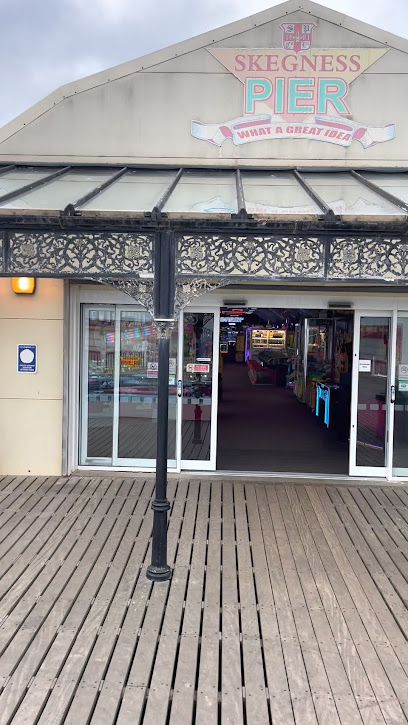
Pier Beach Bar
37.1 km
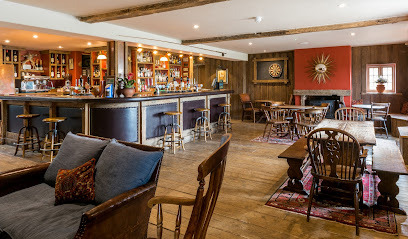
Enjoy refreshing drinks and stunning beach views at Pier Beach Bar, the vibrant seaside hub on historic Skegness Pier.
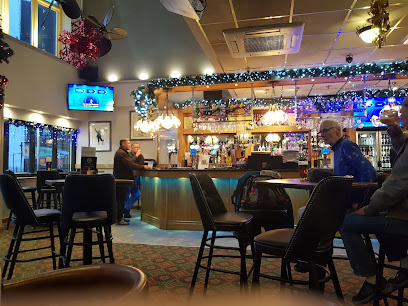
The WaterHole
37.1 km
A friendly and classic Skegness pub offering real ales, hearty food, and a relaxed, dog-friendly atmosphere in the heart of town.
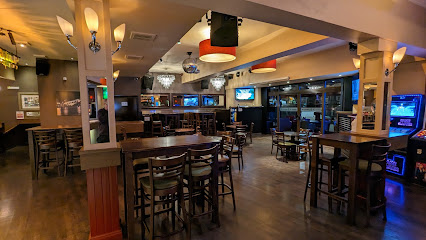
The Jolly Fisherman
37.2 km
A lively seaside pub in Skegness offering traditional British fare, friendly service, and a casual coastal atmosphere.
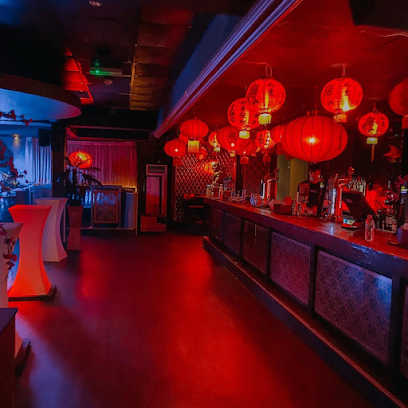
Tantra Cocktail Bar
37.2 km
Experience expertly crafted cocktails and vibrant nightlife energy at Tantra Cocktail Bar, the stylish heart of The Hive in Skegness.
The Hive - SkegVegas
37.2 km
Experience Skegness’s vibrant nightlife at The Hive - a dynamic venue blending live music, themed bars, and late-night energy on Grand Parade.
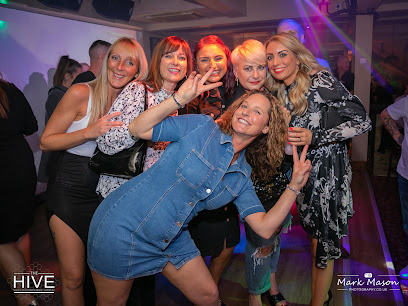
Marine Boat House Bar
37.2 km
A lively traditional pub in Skegness serving hearty British carvery and classic seaside dishes in a casual, family-friendly atmosphere.
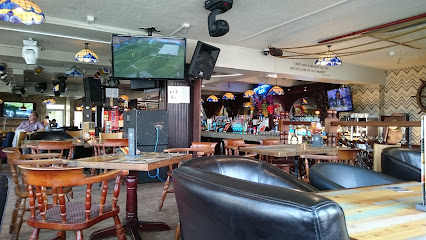
Busters Fun Pub
37.2 km
Lively pub and music venue in Skegness offering 80s throwbacks, live bands, and late-night fun in a vibrant seaside setting.
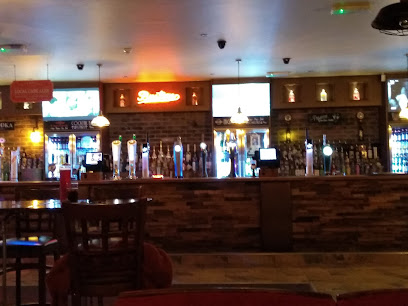
Hatters Botanical - Cocktail Bar
37.2 km
Discover Hatters Botanical, a whimsical cocktail bar in The Hive Skegness, blending craft gin and a lush garden vibe for late-night delight.
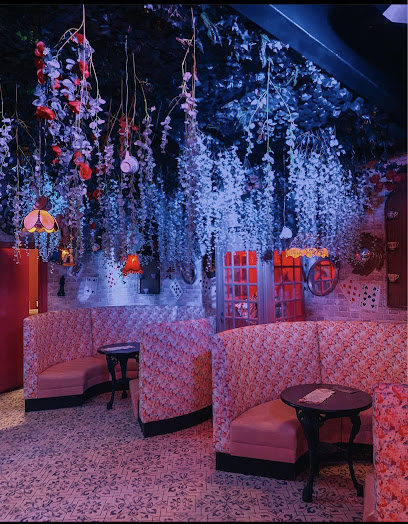
Gilly's Tiki Bar
37.2 km
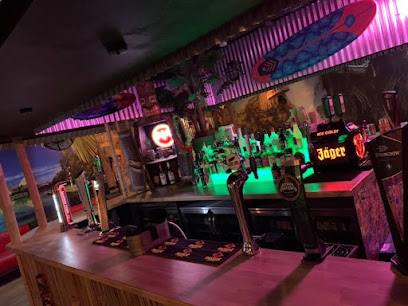
Experience tropical vibes and lively karaoke nights at Gilly's Tiki Bar, Skegness’s vibrant nightlife gem within The Hive complex.
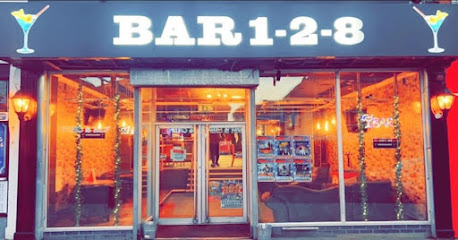
BAR 1-2-8
37.2 km
Experience Skegness nightlife at BAR 1-2-8, a lively bar with great drinks, live entertainment, and a welcoming atmosphere in the town center.
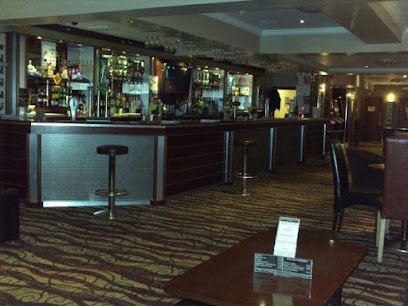
The Stumble Inn Skegness
37.2 km
A lively and friendly seaside pub in Skegness known for live music, casual dining, and a welcoming local atmosphere.
Nightclubs & after hour spots

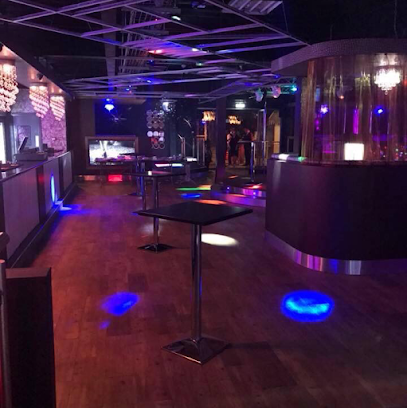
Kush Nightclub
37.2 km
Experience Skegness’ premier nightclub with luxury vibes, cutting-edge sound, and a vibrant dance floor at Kush within The Hive complex.
ClubKA
43.5 km
Traditional charm meets lively nightlife at The Kings Arms Hotel and ClubKA in North Walsham, offering comfort, great food, and late-night fun.
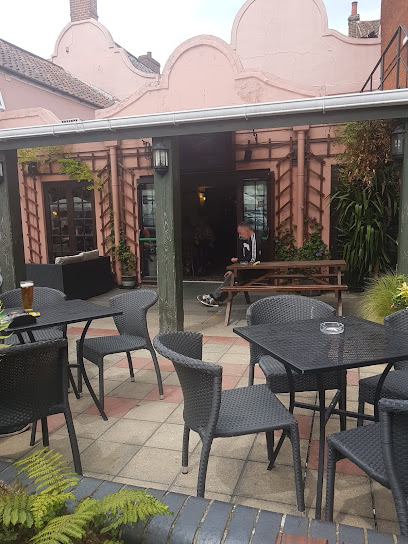
Mantra
48.8 km
Experience vibrant nightlife and great music at Mantra Nightclub, Norwich’s energetic weekend party destination with friendly staff and affordable drinks.

Sugar & Spice - Strip Club and Lap Dancing Norwich
48.8 km
Norwich’s premier American-style strip club offering vibrant entertainment, VIP experiences, and a welcoming atmosphere for all guests.
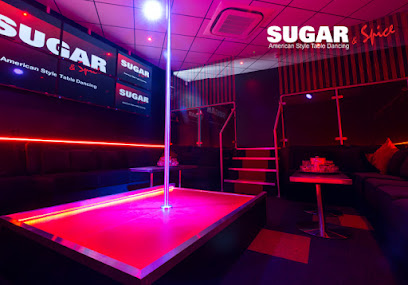
Mojo's
48.8 km
Mojo's: Norwich's gritty, no-frills nightclub pulsing with late-night beats and authentic urban energy.
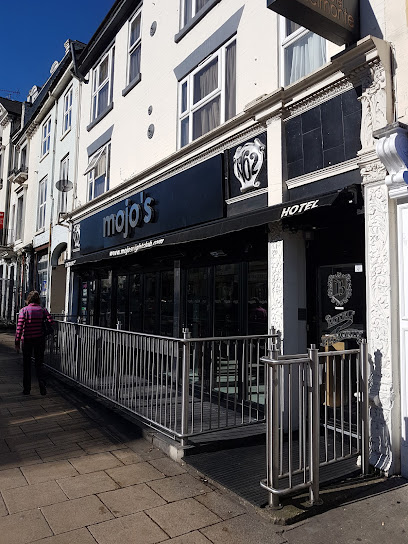
Fluke
48.8 km
Experience Norwich’s vibrant nightlife at Fluke, where great music, affordable drinks, and a lively crowd come together for unforgettable nights.
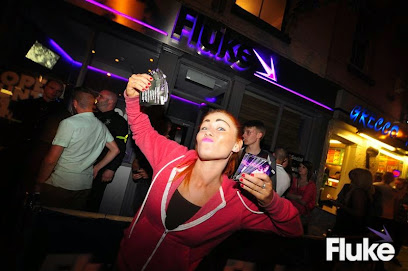
Popworld - Norwich
48.8 km
Norwich’s vibrant late-night hotspot for pop hits, friendly vibes, and unforgettable party nights on Prince of Wales Road.
Loft Nightclub
48.9 km
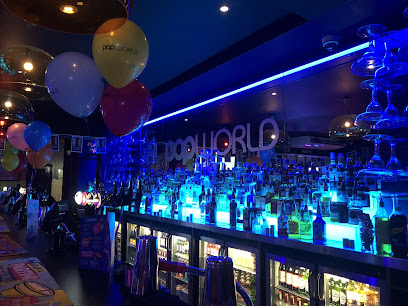
Norwich’s vibrant gay nightclub with over 30 years of inclusive nightlife, music, and community spirit in the heart of the city.
Club Angel
52.9 km
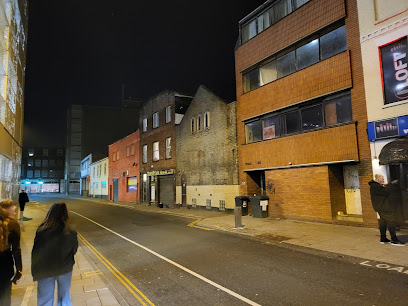
Experience stylish nightlife and vibrant weekend parties at Club Angel, Boston’s elegant hotspot for late-night entertainment.
Ice Nightclub
56.4 km
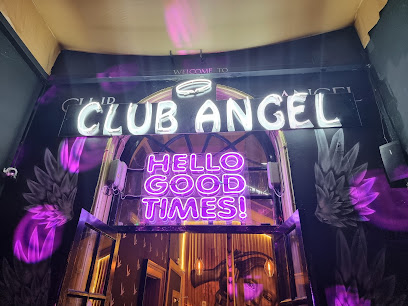
Thetford’s vibrant nightlife hotspot with nostalgic tunes, lively parties, and a welcoming atmosphere for over-18s.
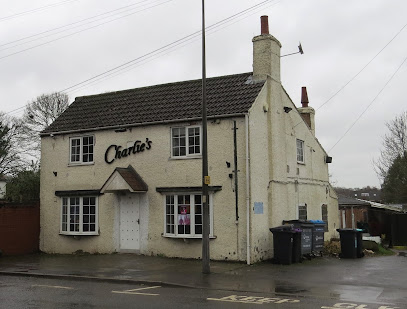
Charlie's Nightclub
65.9 km
Experience Coningsby's vibrant nightlife at Charlie's Nightclub, where lively music and a welcoming atmosphere create unforgettable evenings.
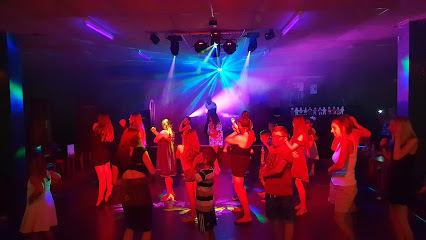
The Bermuda Club
68.0 km
A welcoming nightclub and bar in Hemsby offering lively evenings, family-friendly nights, and affordable drinks near Norfolk’s scenic coast.
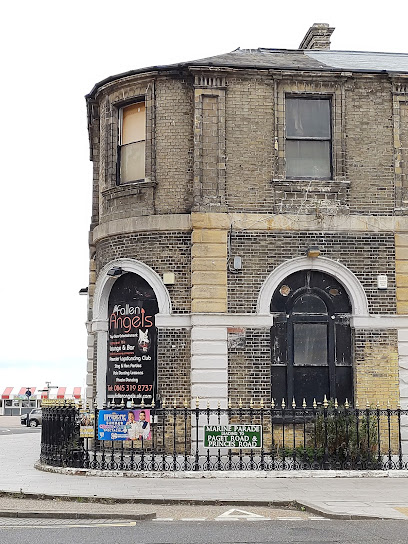
Fallen Angels
74.3 km
Experience vibrant nightlife and adult entertainment at Fallen Angels, Great Yarmouth’s premier late-night club on Marine Parade.
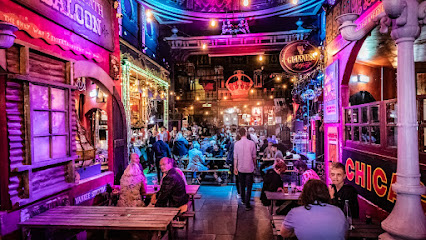
The Empire
74.4 km
Experience the vibrant fusion of dining, comedy, and live music at The Empire, Great Yarmouth's premier entertainment venue.
Mavvy’s
74.6 km
Experience Great Yarmouth’s vibrant nightlife at Mavvy’s, where music, dancing, and lively atmosphere come alive until the early hours.

For the vibe & atmosphere seeker
- Tranquil
- Scenic
- Relaxing
- Unique
- Casual
For the design and aesthetic lover
- Rustic Designs
- Vintage Styles
For the architecture buff
- Historic
- Heritage Neighborhoods
For the view chaser and sunset hunter
- Iconic Views
- Panoramas
For the social media creator & influencer
- Instagrammable
- Photo Spots
- Aesthetic Corners
For the eco-conscious traveler
- Sustainable
- Eco-Friendly
- Public-Transport Accessible
- Leave-No-Trace Critical
- Locally Managed
For the kind of experience you’re after
- Cultural Heritage
- Photowalk
- Nature Escape
- Day Trip
- Weekend Getaway
- Festival / Event Nearby
For how adventurous you want the journey to be
- Easy Access
Location Audience
- Family Friendly
- Senior Friendly
- Child Friendly
- Teen Friendly
- Wheelchair Access
- Pet Friendly
- Solo Friendly
- Couple Friendly
- Solo Female Friendly
- Vegetarian Friendly
- Vegan Friendly


