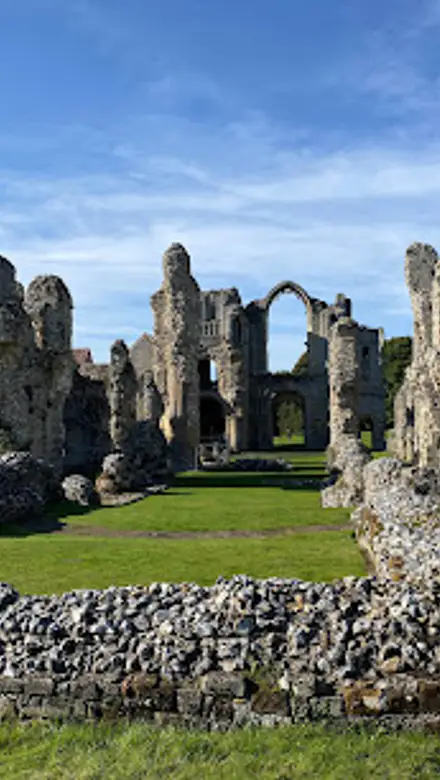
Castle Acre Travel Guide
Free Guide: Explore the evocative ruins of a Norman motte-and-bailey castle and medieval village nestled in tranquil Norfolk countryside.


A brief summary of Castle Acre
Explore the evocative ruins of a Norman motte-and-bailey castle and medieval village nestled in tranquil Norfolk countryside.
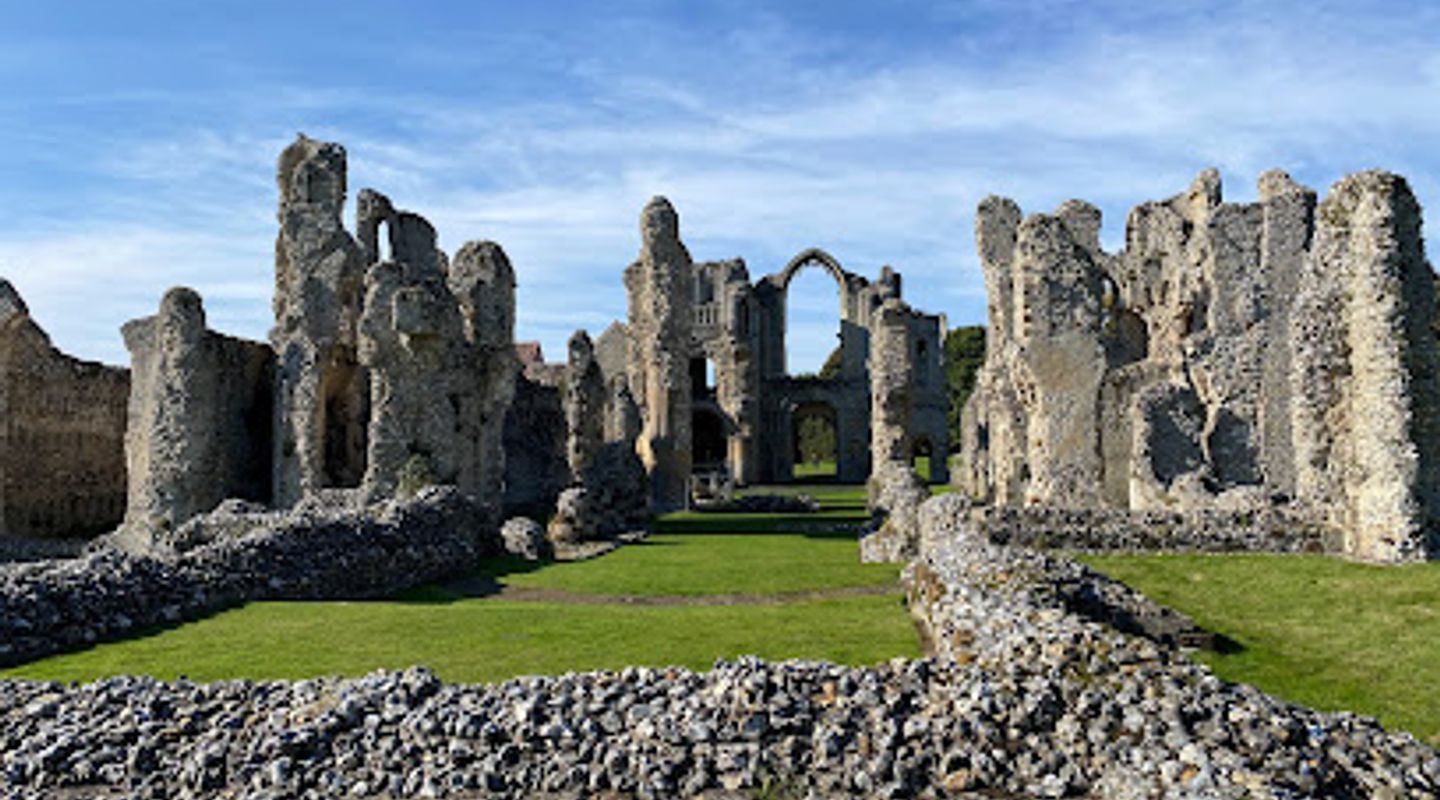
Castle Acre is a historic village in Norfolk, England, famed for its remarkably preserved Norman motte-and-bailey castle and medieval earthworks. Founded shortly after the Norman Conquest by William de Warenne, the castle offers visitors atmospheric ruins set within a tranquil rural landscape. Nearby, the village features the impressive Bailey Gate and the ruins of Castle Acre Priory, reflecting centuries of rich medieval history.
On-site amenities
 Restrooms
 Food options
 Seating areas
 Information boards
 Visitor centre
Opening hours
- Every dayOpen 24 hours
Opening hours as listed on the venue’s Google Business Profile. Hours can change for services and special events, so check with the venue before you go.
- Address
- Norfolk, Pye's Ln, Castle Acre, King's Lynn
- Website
Getting there
By Car
Public Transport
Walking Access
Discover more about Castle Acre
Foundations of a Norman Stronghold
Castle Acre Castle was established soon after the Battle of Hastings in 1066 by William de Warenne, a close ally of William the Conqueror. This motte-and-bailey castle exemplifies Norman military architecture with its earthworks, ramparts, and stone structures. The castle’s strategic location beside the River Nar and near the Roman road known as Peddars Way allowed control over the surrounding lands. Over the 12th century, the castle expanded organically, with stone gatehouses and residential buildings added to fortify the site.
Architectural Remnants and Earthworks
Today, visitors explore the ruins of Castle Acre Castle, including the well-preserved motte, baileys, and two impressive stone gatehouses, notably the Bailey Gate which still spans the main road into the village. The castle’s earthworks remain prominent, showcasing defensive ditches and banks. The inner bailey once housed a two-story stone residential building, evidence of the castle’s dual role as fortress and noble residence. The site’s layout and surviving structures provide insight into medieval fortification techniques and Norman settlement planning.
Village and Priory: A Norman Planned Settlement
Castle Acre village itself is a rare example of a Norman planned settlement, closely linked to the castle’s history. Nearby lie the ruins of Castle Acre Priory, founded in 1090 by William de Warenne for Cluniac monks. The priory grew into one of England’s best-preserved monastic sites before falling into disrepair after the Dissolution of the Monasteries in the 16th century. Together with the parish church of St James, the priory and castle form a remarkable medieval ensemble that illustrates the religious and secular life of Norman England.
Historical Legacy and Ownership
The castle passed through notable hands including Hamelin Plantagenet, Thomas Howard (4th Duke of Norfolk), Thomas Cecil, and Edward Coke. By the 16th century, the castle had become largely derelict but remained a symbol of feudal power in East Anglia. Restoration efforts in the 20th century by English Heritage have preserved the ruins for public enjoyment. The castle and village reflect centuries of English history, from Norman conquest through medieval feudalism to modern heritage conservation.
Visitor Experience and Surroundings
Visitors can freely explore the castle grounds during daylight hours, walking along bark-chipped paths and grassy areas with care, especially in wet weather. Access is available via a small car park on Pye’s Lane or a step-free footpath from Bailey Street. The village centre nearby offers quaint shops, cafés, and a pub around the village green, enhancing the tranquil rural atmosphere. Dogs on leads are welcome, and educational groups can arrange guided tours. The site’s peaceful setting and evocative ruins make it a compelling destination for history enthusiasts and casual visitors alike.
Preservation and Cultural Importance
Castle Acre Castle is maintained by English Heritage as a protected historical landmark. It stands as one of the finest surviving examples of Norman military architecture and planned settlements in England. The castle’s earthworks, gatehouses, and ruins, together with the priory and village, provide invaluable insights into medieval life, religious practice, and feudal governance. This heritage site continues to inspire appreciation for England’s rich past amid the serene Norfolk countryside.
Evendo Review Centre
 Google
Guest reviews
Best time to go
Quietest: Jan, Feb & Dec · before 8am or from 8pm
Busy times are Evendo estimates for a typical year, to help you plan. Actual crowds vary with events, school holidays and the weather.
Explore Castle Acre on the map
A handpicked selection of must-see spots near Castle Acre, mapped for you.
Get your free copy of our complete guide to Castle Acre, delivered straight to you.
Everything on this page, from opening hours and how to get there to Eve’s tips and the best time to go, in one PDF you can read offline, print or share.
Already have an account? Sign in
Your Castle Acre guide is ready.
We'll send it to · Not you? Sign out

Getting your guide ready…
We are putting together a fresh copy of the Castle Acre guide. This can take up to a minute.
This can take a few moments. If your browser asks, choose Allow so the download can start. You'll find the guide in your Downloads folder.
Nothing happened? Download it again
Sorry, the guide is taking longer than usual. Please try again in a minute, or get it by email instead.
Other nearby places you may find interesting
The closest places of the same kind, if this one is not quite what you had in mind.
-
-
-
-
-


Swipe for more places
More to explore near Castle Acre

 Best experiences near Castle Acre
 Best hotels near Castle Acre
 Best landmarks near Castle Acre
 Best attractions near Castle Acre
 Best shops near Castle Acre
 Best restaurants near Castle Acre
 Best bars near Castle Acre
Do you manage this location?
Take control to get all the benefits, like improved information, better appearance, and stronger visibility across AI-powered discovery.
Explore more
Explore more of Caithness
Discover Caithness, Scotland's northern gem, where rugged coastlines, ancient history, and vibrant wildlife come together in a breathtakingly beautiful landscape.
Explore Caithness
Explore more of United Kingdom
Discover the United Kingdom: A blend of rich history, stunning landscapes, and vibrant cities, offering a unique travel experience for every visitor.
Explore United Kingdom