Castle Acre Priory Travel Guide
Free Guide: Explore the majestic ruins of Castle Acre Priory, a tranquil and well-preserved medieval monastery nestled in the Norfolk countryside.


A brief summary of Castle Acre Priory
Explore the majestic ruins of Castle Acre Priory, a tranquil and well-preserved medieval monastery nestled in the Norfolk countryside.
Castle Acre Priory, located in the picturesque village of Castle Acre in Norfolk, England, is one of the largest and best-preserved monastic sites in the country. Founded around 1090 by William de Warenne II, it offers extensive ruins including the priory church, prior’s lodgings, and cloister buildings, alongside a recreated herb garden. Managed by English Heritage, the site provides a tranquil glimpse into medieval religious life with informative displays and peaceful grounds.
On-site amenities
 Restrooms
 Drink options
 Food options
 Seating areas
 Trash bins
 Information boards
 Visitor centre
Opening hours
- Every day10 am–5 pm
Opening hours as listed on the venue’s Google Business Profile. Hours can change for services and special events, so check with the venue before you go.
- Address
- Priory Rd, Castle Acre, King's Lynn PE32 2AA
- Phone
- Website
Getting there
Car
Bus
Walking
Discover more about Castle Acre Priory
Origins and Historical Significance
Castle Acre Priory was founded circa 1090 by William de Warenne II and his wife Gundrada, inspired by their visit to the great Cluniac monastery in France. This priory became a key religious center in medieval England, operating for nearly 450 years before its dissolution under Henry VIII in 1537. Originally situated within the castle walls, it was soon relocated to its current site, where it flourished as a home for monks and a refuge for pilgrims, royalty, and nobility. The priory was part of a vast monastic network linked to Cluny Abbey, reflecting the influence of continental monasticism in England.
Architectural Grandeur and Ruins
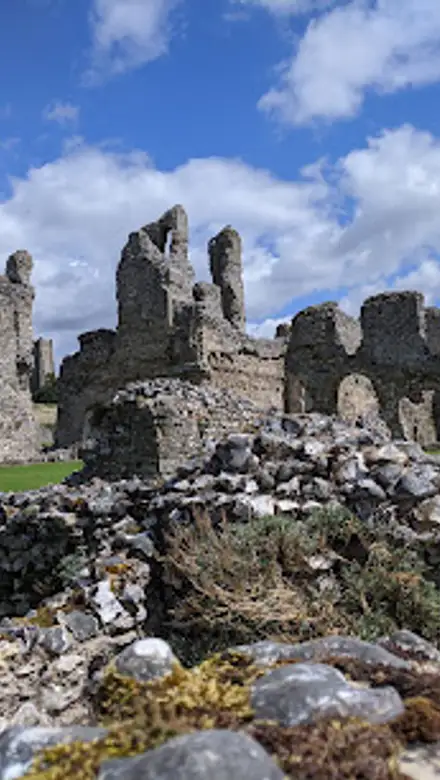
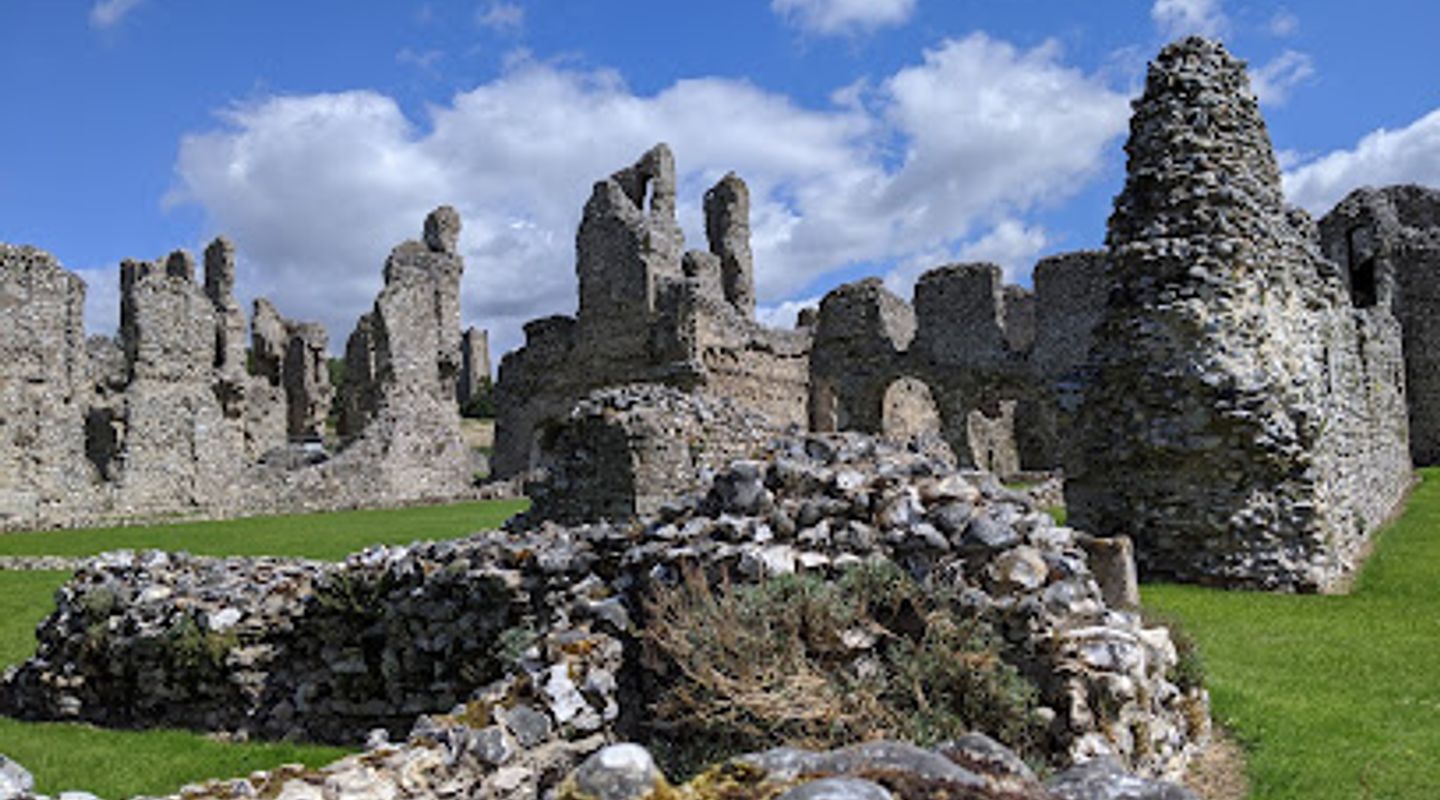
Visitors to Castle Acre Priory encounter impressive and extensive ruins, including the striking west front of the priory church and the well-preserved prior’s lodgings, which showcase some of England’s finest medieval domestic architecture. The cloister and various surrounding buildings remain visible, revealing the priory’s layout and scale. The nearly complete west end church gable is a highlight, demonstrating the craftsmanship and grandeur of the original structure. These ruins offer a vivid window into the spiritual and communal life of medieval monks.
Gardens and Grounds
Adjacent to the visitor center is a recreated herb garden cultivating plants that monks historically used for medicinal, culinary, and decorative purposes. The grounds are well-maintained, providing a serene environment for exploration and quiet reflection. Landscaped gardens and picnic areas enhance the visitor experience, inviting leisurely walks amid the tranquil Norfolk countryside. The peaceful atmosphere encourages mindfulness and appreciation of the site's natural and historical beauty.
Visitor Experience and Facilities
English Heritage manages Castle Acre Priory, providing informative panels and an audio guide that enrich understanding of the site’s history and architecture. Facilities include a gift shop, public toilets, and on-site light refreshments. The priory is dog-friendly and accessible to visitors with mobility challenges, though some areas may be difficult to navigate. The nearby village of Castle Acre offers additional attractions such as Castle Acre Castle ruins and the historic Bailey Gate, complementing a day of cultural and historical discovery.
Access and Practical Information
The priory is open on weekends and bank holidays from 10am to 4pm, with last entry at 3:30pm, primarily during the cooler months. Admission requires a fee, with discounts for families, seniors, and students; English Heritage members enjoy free entry. The site is reachable by car with free parking available and by public transport from King's Lynn, involving a bus journey and a short walk. Visitors are advised to wear appropriate footwear due to uneven terrain and exposed areas.
Legacy and Cultural Heritage
Castle Acre Priory stands as a testament to medieval monastic life and Norman influence in England. Its preservation allows visitors to connect with centuries of religious, architectural, and social history. The priory’s ruins and surrounding village evoke the rhythms of medieval life, offering a unique cultural heritage experience that blends history, nature, and spirituality in Norfolk’s rural landscape.
Evendo Review Centre
 Google
Guest reviews
Best time to go
Quietest: Jan, Feb & Dec · before 8am or from 7pm
Busy times are Evendo estimates for a typical year, to help you plan. Actual crowds vary with events, school holidays and the weather.
Explore Castle Acre Priory on the map
A handpicked selection of must-see spots near Castle Acre Priory, mapped for you.
Get your free copy of our complete guide to Castle Acre Priory, delivered straight to you.
Everything on this page, from opening hours and how to get there to Eve’s tips and the best time to go, in one PDF you can read offline, print or share.
Already have an account? Sign in
Your Castle Acre Priory guide is ready.
We'll send it to · Not you? Sign out

Getting your guide ready…
We are putting together a fresh copy of the Castle Acre Priory guide. This can take up to a minute.
This can take a few moments. If your browser asks, choose Allow so the download can start. You'll find the guide in your Downloads folder.
Nothing happened? Download it again
Sorry, the guide is taking longer than usual. Please try again in a minute, or get it by email instead.
Other nearby places you may find interesting
The closest places of the same kind, if this one is not quite what you had in mind.
-
-
-
-
-


Swipe for more places
More to explore near Castle Acre Priory

 Best experiences near Castle Acre Priory
 Best hotels near Castle Acre Priory
 Best landmarks near Castle Acre Priory
 Best attractions near Castle Acre Priory
 Best shops near Castle Acre Priory
 Best restaurants near Castle Acre Priory
 Best bars near Castle Acre Priory
Do you manage this location?
Take control to get all the benefits, like improved information, better appearance, and stronger visibility across AI-powered discovery.
Explore more

Explore more of Caithness
Discover Caithness, Scotland's northern gem, where rugged coastlines, ancient history, and vibrant wildlife come together in a breathtakingly beautiful landscape.
Explore Caithness
Explore more of United Kingdom
Discover the United Kingdom: A blend of rich history, stunning landscapes, and vibrant cities, offering a unique travel experience for every visitor.
Explore United Kingdom