
Cottesbrooke Hall & Gardens: A Timeless Queen Anne Estate in Northamptonshire
A jewel of Queen Anne architecture set in award-winning gardens, blending history, art, and nature in tranquil Northamptonshire parkland.
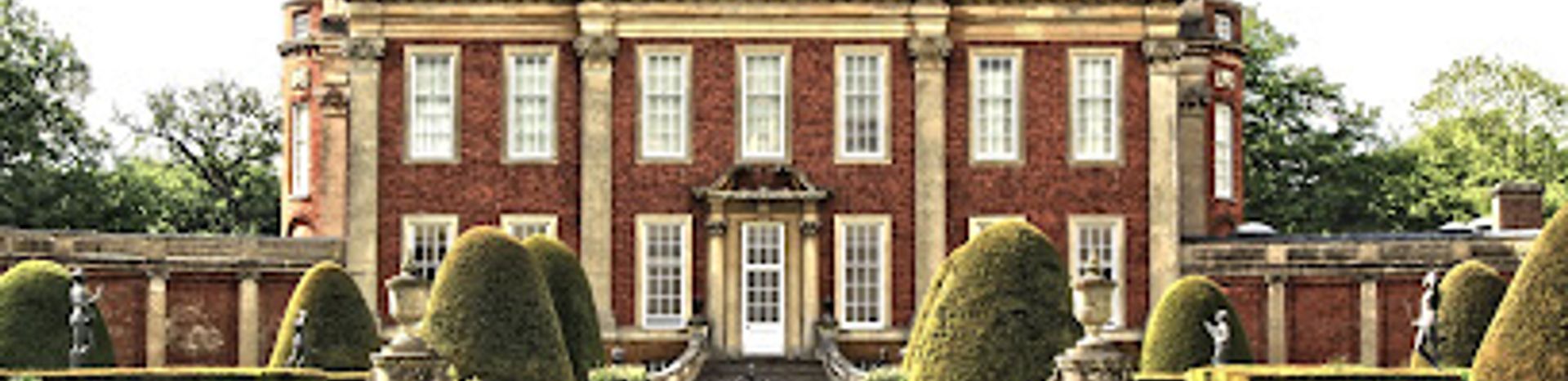
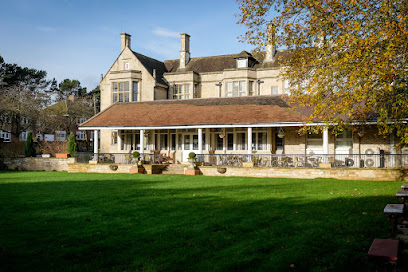
Cottesbrooke Hall is a stunning Grade I listed Queen Anne country house built between 1702 and 1712, set within 18th-century landscaped parkland and award-winning 20th-century gardens. Home to the renowned Woolavington Collection of sporting art, the estate blends historic architecture with tranquil formal and wild gardens. Visitors can explore elegant interiors, sculpted parterres, and peaceful woodland streams in a quintessential English countryside setting.
A brief summary to Cottesbrooke Hall & Gardens
- Northampton, Cottesbrooke, Hall, NN6 8PF, GB
- +441604505808
- Visit website
- Duration: 1.5 to 3 hours
- Mid ranged
-
 Outdoor
- Mobile reception: 4 out of 5
- Monday 2 pm-5:30 pm
- Thursday 2 pm-5:30 pm
Local tips
- Book your visit in advance due to limited and seasonal opening hours, typically in spring and summer afternoons.
- Explore both the formal gardens and the wild garden for a full experience of the estate’s horticultural diversity.
- Bring comfortable footwear for walking the extensive grounds and enjoy the peaceful countryside views.
- Visit with a camera to capture the rose-coloured brickwork, classical statues, and scenic vistas.
- Check the schedule for any special events or garden tours that may coincide with your visit.

For the on-the-go comforts that matter to you
- Restrooms
- Drink Options
- Food Options
- Seating Areas
- Information Boards
Getting There
-
Car
Driving from Northampton town center takes approximately 25-35 minutes via the A5199. Parking is available on-site but limited, so arriving early is advised. No parking fees apply.
-
Bus
Local bus services run from Northampton to Creaton village, about 3 km from Cottesbrooke Hall. From there, a taxi or a 35-minute walk on country lanes is required. Bus fares range from £4 to £7 one way.
-
Taxi
Taxis from Northampton to Cottesbrooke take around 20-30 minutes and cost approximately £25-£35. This option is convenient for visitors without a car but is subject to availability.
Cottesbrooke Hall & Gardens location weather suitability
-
 Any Weather
-
 Mild Temperatures
-
 Clear Skies
-
 Rain / Wet Weather
Discover more about Cottesbrooke Hall & Gardens
Architectural Elegance of a Queen Anne Masterpiece
Cottesbrooke Hall stands as an exquisite example of early 18th-century Queen Anne architecture, constructed primarily of rose-coloured brick with Ketton stone ornamentation. Built between 1702 and 1712 by Sir John Langham, the house features a symmetrical seven-window frontage, giant Corinthian pilasters, and a blend of lead and slate roofing that gleams amid the surrounding parkland. The building remains largely unaltered since its completion, preserving its historic character while incorporating tasteful extensions from the late 18th century and modifications by Lord Gerald Wellesley in the 1930s. Inside, the Hall houses the internationally acclaimed Woolavington Collection, one of the world’s finest assemblies of sporting paintings, alongside fine furniture and porcelain that evoke the grandeur of its aristocratic heritage.Gardens of Distinction and Tranquility
The gardens at Cottesbrooke are a celebrated feature, having won the Historic Houses Association and Christie’s "Garden of the Year" award in 2000. While the parkland dates back to the 18th century, the gardens themselves are predominantly 20th-century creations. Designed by architect Robert Weir Schultz, the sunken courtyard garden with its pool and pergola offers a serene retreat, while a long paved terrace walk is framed by mixed borders and majestic Lebanon cedars. The grounds include a formal quadripartite parterre designed by Sir Geoffrey Jellicoe, featuring intricate topiary, lead statues, and beds of fragrant roses. A statue walk lined with yew hedges showcases classical sculptures originally from Stowe, adding artistic gravitas to the landscape.Historical Legacy and Family Stewardship
The Cottesbrooke estate was acquired in 1635 by Sir John Langham, a prosperous London merchant and Member of Parliament. The estate has remained in the hands of the Macdonald-Buchanan family since 1937, who have actively preserved and enhanced its heritage. The family’s stewardship emphasizes environmental conservation, with significant areas dedicated to wildlife habitats, including extensive hedgerows and wild bird seed plots. This commitment to sustainability complements the estate’s agricultural roots, where wheat and barley remain the primary crops. The estate’s history is also intertwined with literary lore, as Cottesbrooke is believed to have inspired Jane Austen’s fictional Mansfield Park.Visitor Experience and Seasonal Charm
Visitors to Cottesbrooke Hall and Gardens can immerse themselves in a quintessential English country house experience. The house opens for tours during limited hours in spring and summer, offering a glimpse into aristocratic life through its preserved interiors and art collections. The gardens provide a peaceful and romantic setting for leisurely strolls, with varied landscapes from formal flower beds to wild garden streams. The estate’s rural location offers wide views across Northamptonshire’s rolling countryside, with lakes, bridges, and ha-has enhancing the pastoral charm. Booking in advance is recommended due to the restricted opening times.Natural Beauty and Ecological Stewardship
Beyond its architectural and horticultural appeal, Cottesbrooke is notable for its environmental initiatives. The estate supports biodiversity through dedicated habitats for pollinators and farmland birds, reflecting a modern approach to land management. Tree planting programs and the maintenance of small woods contribute to the estate’s lush and varied landscape. This blend of cultural heritage and ecological mindfulness makes Cottesbrooke a unique destination where history and nature coexist harmoniously.Artistic and Cultural Significance
Cottesbrooke Hall’s cultural importance extends beyond its physical beauty. The Woolavington Collection enriches the estate’s artistic heritage with some of the finest sporting art globally, attracting connoisseurs and historians alike. The classical statues and carefully curated garden designs reflect a deep appreciation for art and landscape architecture. The estate’s role as a source of inspiration for literature and its ongoing preservation efforts underscore its significance as a living monument to England’s country house tradition.Iconic landmarks you can’t miss

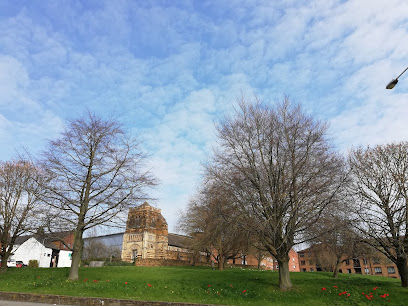
Northampton Castle Postern Gate
14.1 km
Discover the solitary Postern Gate, the last surviving gateway of Northampton Castle, echoing centuries of royal history and medieval intrigue.
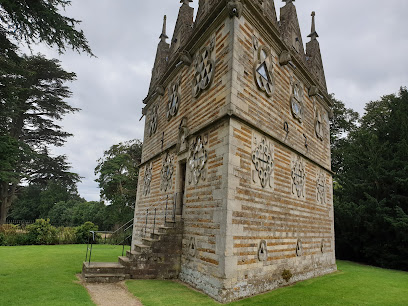
Rushton Triangular Lodge
15.0 km
Explore the architectural wonder of Rushton Triangular Lodge, a unique heritage building steeped in history and stunning design.
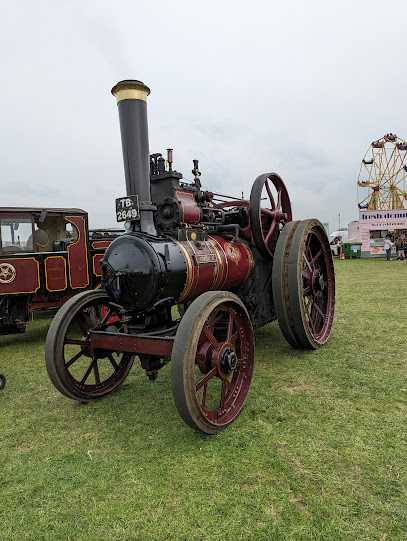
East Midlands Steam and Country Show
27.7 km
Experience the rich heritage and vibrant culture at the East Midlands Steam and Country Show, where steam engines meet delicious local food and crafts.
King Lear
30.3 km
Explore Leicester’s legendary ties to King Lear, where Roman ruins and medieval myths converge in a captivating historical landmark.

Welford Place
32.6 km
Explore the historic John Biggs statue at Welford Place, a Victorian landmark celebrating Leicester’s reformist legacy and civic pride.
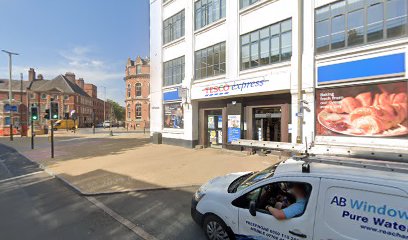
Leicester Roman West Gate site
33.0 km
Explore Leicester’s monumental Roman baths and the iconic Jewry Wall, a testament to ancient urban life and architecture.
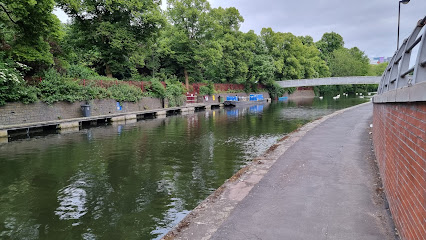
23 St.Nicholas Pl
33.1 km
Leicester's oldest place of worship, where Roman foundations meet medieval splendour and 1,100 years of history.
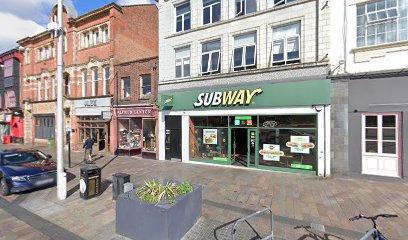
Earl Shilton Castle
34.1 km
Discover the Norman motte and bailey earthworks of Earl Shilton Castle, a historic hunting lodge and fortress near Leicester.
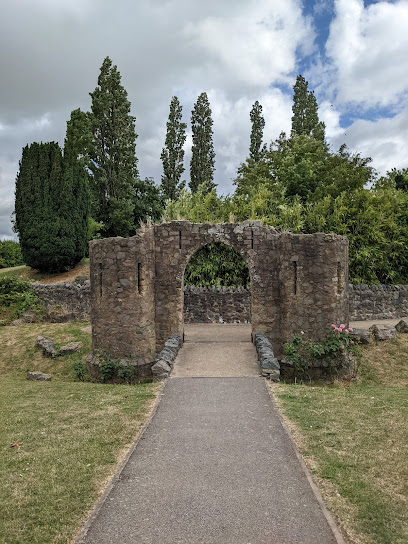
Museum Development East Midlands
36.5 km
Supporting East Midlands museums with expert guidance, grants, and training from County Hall, Leicester.

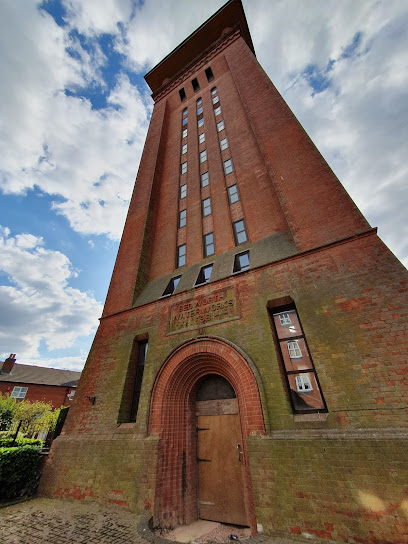
Bedworth Water Tower
37.7 km
A towering Romanesque water tower blending industrial heritage, architectural charm, and urban wildlife in the heart of Bedworth.
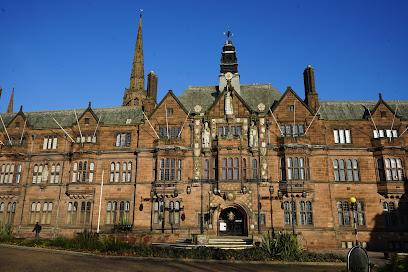
Council House
37.7 km
A majestic Edwardian Tudor Revival building at Coventry’s heart, blending civic function with rich historical symbolism and artistic heritage.
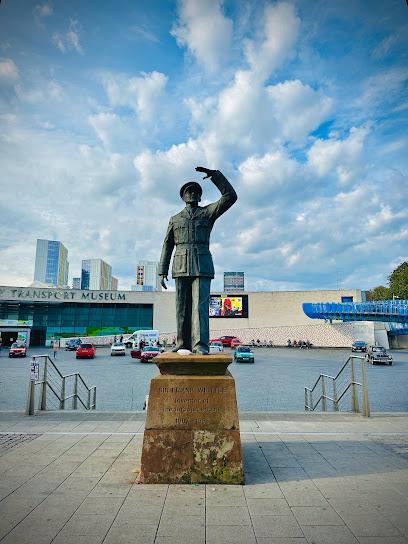
Sir Frank Whittle
37.8 km
Coventry's tribute to the jet engine pioneer who revolutionized aviation and transformed modern flight.
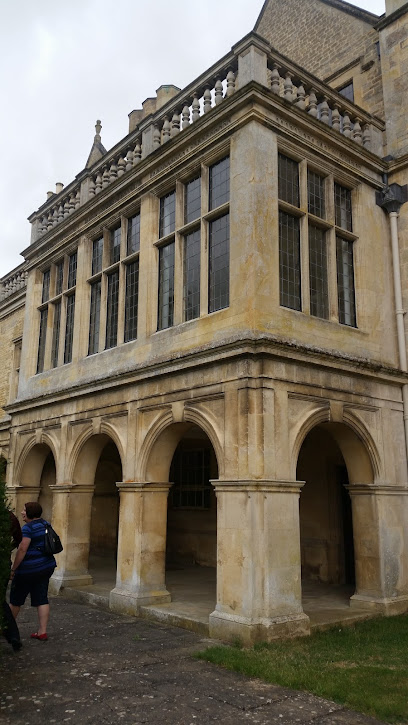
English Heritage - Apethorpe Palace
37.8 km
Explore the enchanting Apethorpe Palace, a historical landmark showcasing England's rich heritage and stunning Tudor architecture.
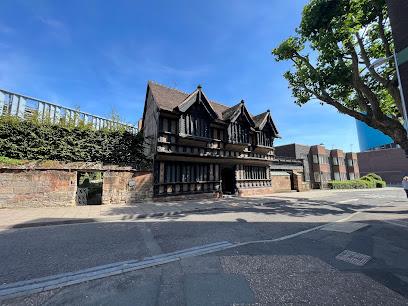
Fords Hospital Alms House
37.9 km
Explore Fords Hospital Alms House, a historic gem in Coventry offering a serene atmosphere and a glimpse into the city’s rich heritage.
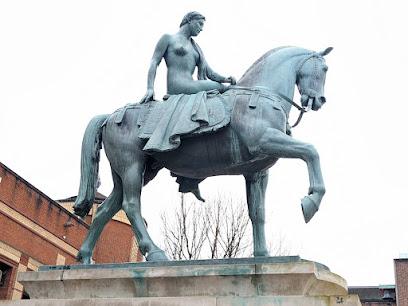
Lady Godiva
37.9 km
Explore the iconic Lady Godiva statue in Coventry, a stunning tribute to bravery and heritage, surrounded by vibrant city life and rich history.
Unmissable attractions to see

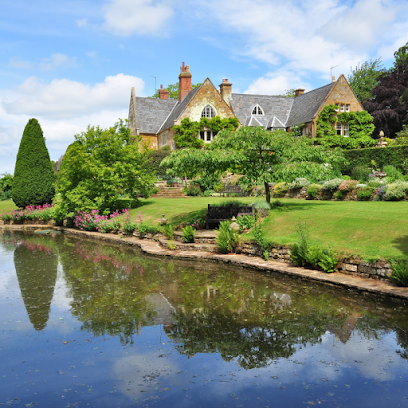
Coton Manor Garden
4.3 km
A vibrant 10-acre hillside garden in Northamptonshire blending historic charm, seasonal blooms, and tranquil woodland escapes.
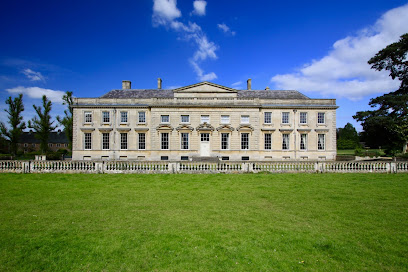
Lamport Hall
4.8 km
Discover centuries of history, classical architecture, and Britain’s oldest garden gnome at the enchanting Lamport Hall in Northamptonshire.
Icarus Falconry
6.4 km
Experience the thrill of falconry and meet majestic birds of prey in the historic grounds of Holdenby House near Northampton.
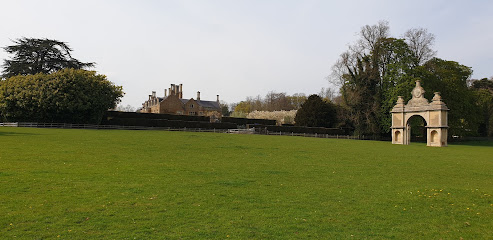
Holdenby House
6.4 km
Explore the grandeur of Tudor history, stunning gardens, and rare musical treasures at the majestic Holdenby House estate.
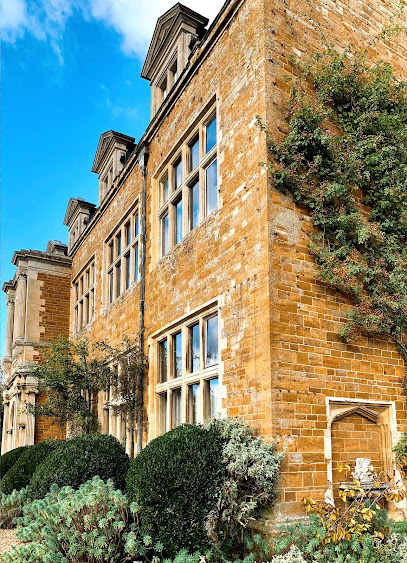
Althorp Estate
9.3 km
Explore Althorp Estate, the historic Spencer family home and childhood of Princess Diana, blending grand heritage with serene parklands.
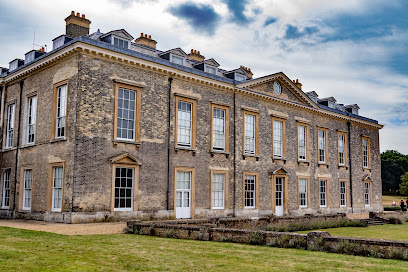
Click Antiques and Vintage
12.9 km
Discover timeless antiques and vintage gems with friendly service in Northampton’s welcoming Click Antiques and Vintage shop.
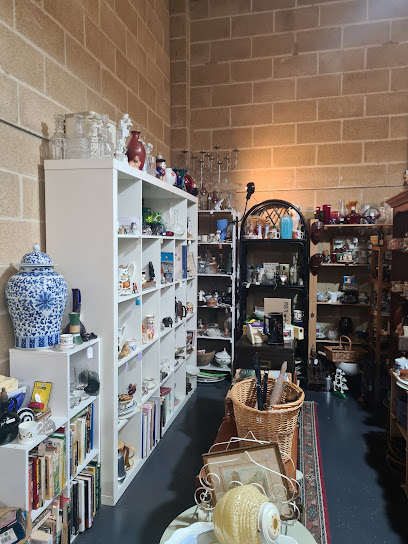
Lings Wood Nature Reserve
13.5 km
A tranquil 20-hectare nature reserve in Northampton offering diverse habitats, wildlife, and peaceful walking trails year-round.
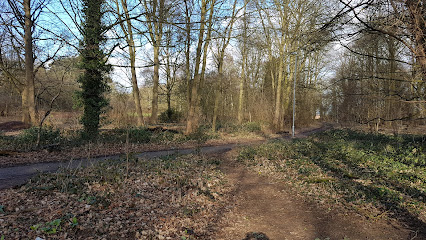
Vintage Retreat
13.6 km
Discover Northampton’s vast vintage emporium and charming Art Deco café, blending antiques, nostalgia, and community spirit.
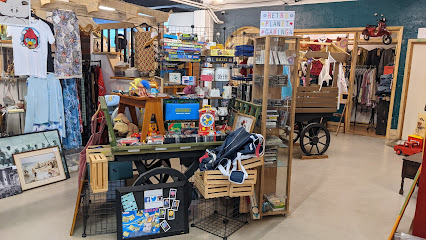
Grosvenor Shopping Northampton
14.0 km
A vibrant retail and social hub at Northampton’s heart, blending contemporary shopping with community spirit and dynamic regeneration.
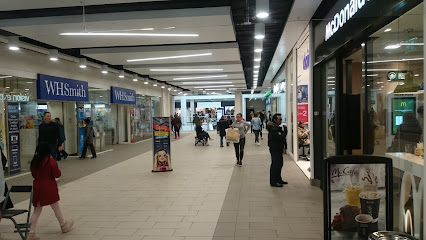
0 Market Sq
14.0 km
Northampton Market Square: A vibrant historic market and community hub at the heart of Northampton since 1235.
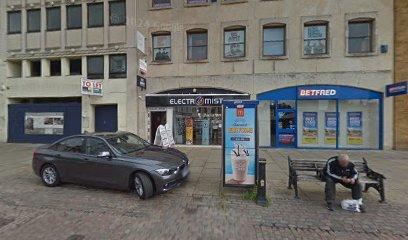
Weston Favell Shopping Centre
14.1 km
A bustling Northampton shopping centre offering diverse stores, essential services, and a welcoming community atmosphere with free parking.
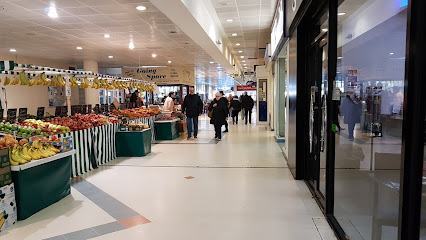
Northampton Museum and Art Gallery
14.3 km
Discover Northampton’s cultural heart with world-class shoe collections, dynamic exhibitions, and engaging events for all ages.
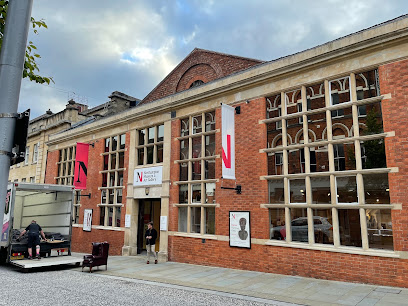
78 Derngate
14.5 km
Explore 78 Derngate, the only English home designed by Charles Rennie Mackintosh, blending historic charm with modern art and design in Northampton.
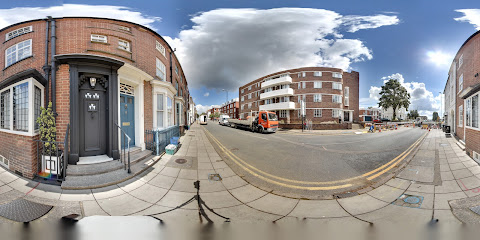
Sywell Country Park
15.0 km
A tranquil country park with woodland trails, a historic reservoir, and family-friendly play areas near Northampton.
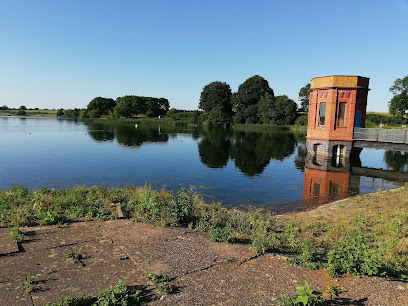
Hunsbury Hill
15.7 km
Explore ancient history, scenic trails, and industrial heritage at Hunsbury Hill Country Park, a tranquil green space on Northampton’s southern edge.
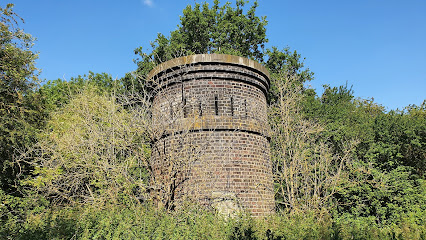
Essential places to dine

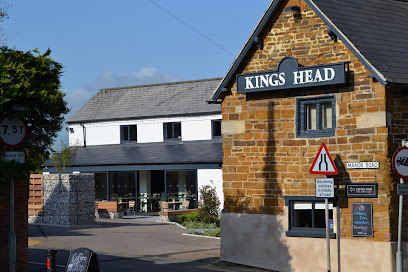
The Kings Head
3.9 km
A charming gastropub in Spratton blending rustic elegance with fine dining and warm local hospitality.
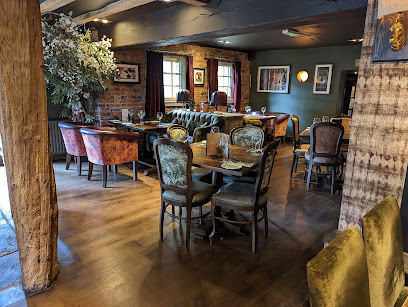
Fox & Hounds Lower Harleston
9.5 km
A charming gastropub in Lower Harlestone blending classic British fare with modern style and cozy country warmth.
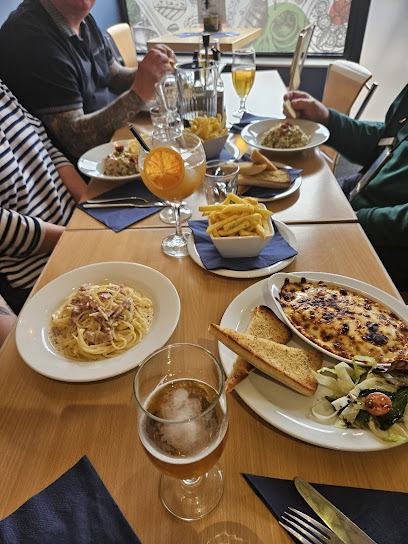
Arizi Italian Restaurant
11.3 km
Experience authentic Italian cuisine in a warm, family-run setting with homemade pasta, classic dishes, and a welcoming atmosphere in Kingsthorpe.
The Hopping Hare
11.8 km
A chic and welcoming boutique hotel in Northampton, renowned for exceptional dining and attentive service in a tranquil leafy setting.
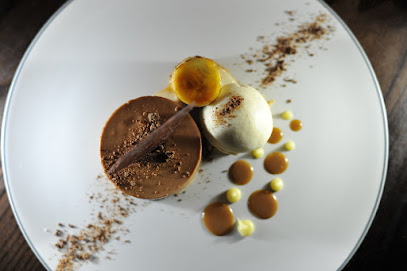
Miller & Carter Northampton
12.0 km
Experience expertly cooked premium steaks and warm hospitality at Miller & Carter Northampton, a top steakhouse destination in the heart of the city.
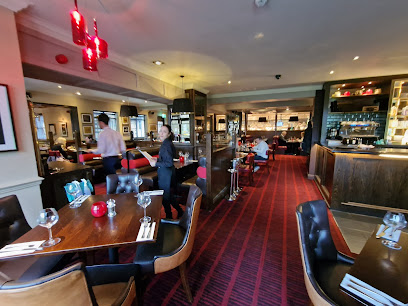
Hops and Chops
13.1 km
A stylish chophouse in Northampton offering expertly cooked steaks, attentive service, and a refined yet relaxed atmosphere.
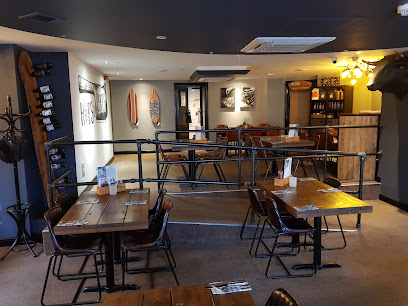
Marseille Restaurant
13.7 km
Cozy French bistro in Northampton serving authentic classics, superb coffee, and a welcoming atmosphere on Sheep Street.
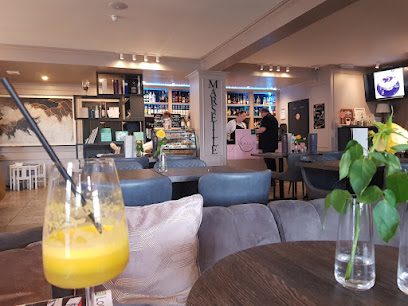
Terrace Restaurant at Westone Manor Hotel
13.9 km
Experience classic Italian and British dining in a historic manor setting with tranquil gardens near Northampton town centre.
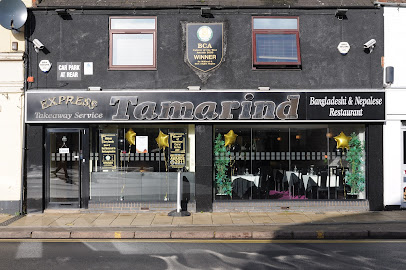
Tamarind Restaurant
14.1 km
Experience authentic Indian cuisine with exceptional service and a warm atmosphere at Tamarind Restaurant in Northampton.
Nuovo Restaurant
14.1 km
Experience inventive Venetian cicchetti and contemporary Italian cuisine in a stylish, welcoming setting at Nuovo Restaurant in Northampton.
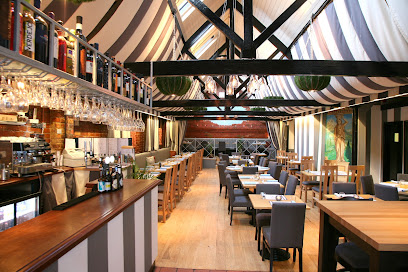
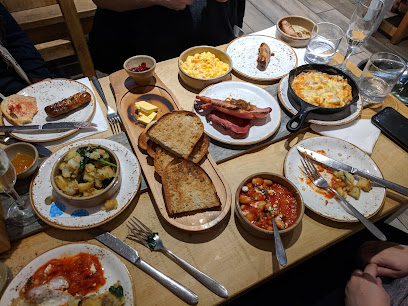
Bread And Pullet Takeaway
14.1 km
Discover modern British tapas with fresh, vibrant flavors in a casual, welcoming setting on Northampton’s Wellingborough Road.
The Stuffed Olive
14.1 km
Stylish Mediterranean dining with creative martinis and fresh, locally sourced flavors in the heart of Northampton.
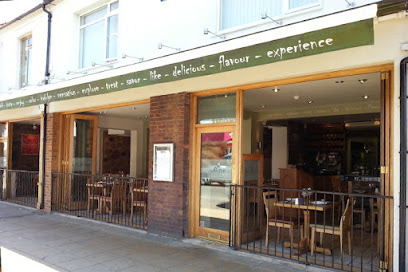
Sorrentino Restaurant in Northampton
14.2 km
Authentic Southern Italian dining in a cozy, modern setting at the heart of Northampton’s Gold Street.
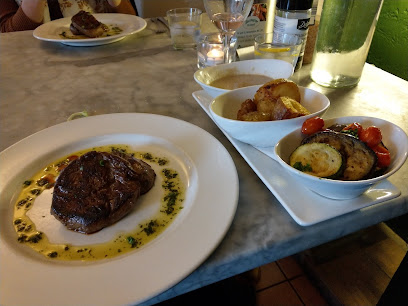
La Pazienza
14.2 km
Experience authentic Sicilian and Italian flavors in a warm, family-friendly setting with handmade pasta and traditional recipes in Northampton.
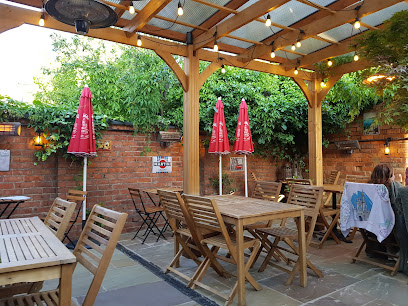
Turtle Bay Northampton
14.2 km
Experience vibrant Caribbean flavours and lively island vibes in the heart of Northampton with great food, cocktails, and reggae beats.
Markets, malls and hidden boutiques

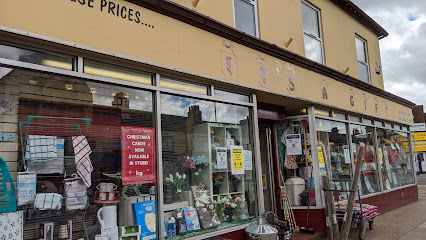
It's A Gift
11.2 km
A friendly local gift shop in Kingsthorpe offering household essentials and unique presents with welcoming service.
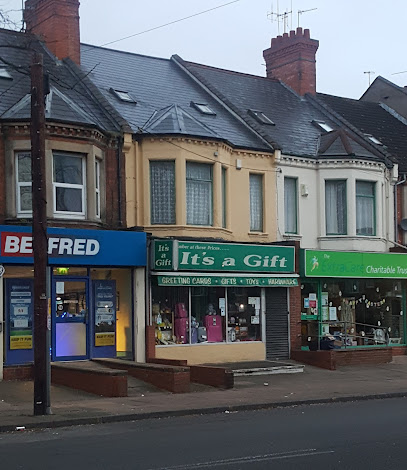
Its a Gift
13.1 km
Explore Its a Gift in Northampton for a unique selection of presents and cards that capture the spirit of thoughtful gifting.
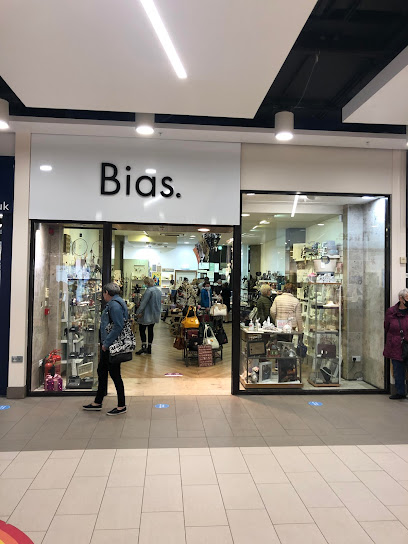
Bias Gift Shop
14.0 km
Discover unique gifts, stylish accessories, and charming homewares at Bias Gift Shop in Northampton’s Grosvenor Centre.
Next Home
14.0 km
A stylish and practical department store in Northampton offering fashion, footwear, and homewares under one roof with moderate prices.

The Works
14.1 km
Discover affordable creativity at The Works Northampton, your go-to spot for books, crafts, toys, and stationery in the heart of the city.

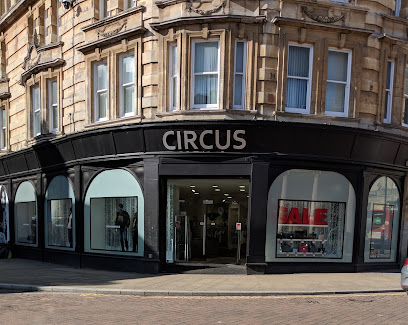
Circus
14.2 km
Contemporary men’s and women’s clothing store in Northampton’s lively Drapery shopping street.
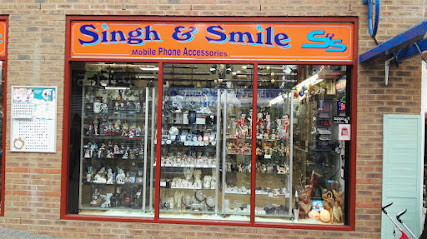
Singh & Smile
14.2 km
Discover personalized gifts, aromatherapy, and wellness treasures at Singh & Smile, Northampton’s charming boutique for joyful living.
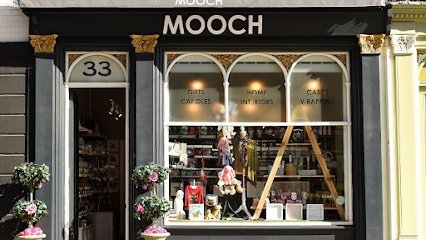
MOOCH on St Giles Street
14.2 km
Discover unique gifts and charming home accessories with friendly service at MOOCH on St Giles Street, Northampton’s beloved independent boutique.
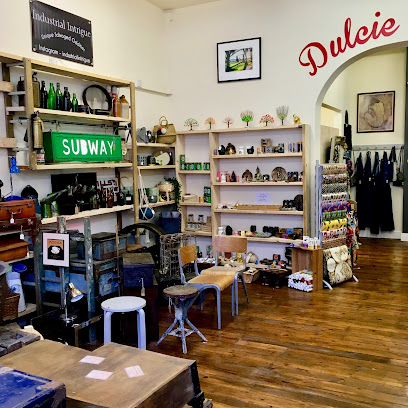
Vintage Guru Ltd
14.3 km
Discover unique vintage treasures and handmade gifts in the heart of Northampton’s St Giles at Vintage Guru Ltd.
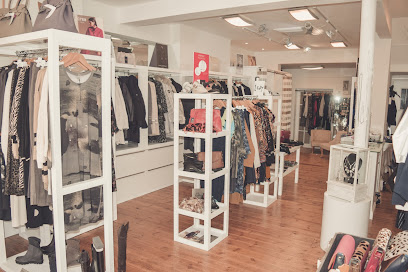
Voni Blu
14.3 km
Explore unique fashion at Voni Blu, Northampton's top boutique for ladies' clothing and stylish accessories.
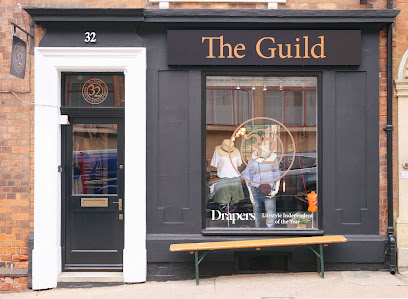
32 The Guild
14.4 km
Discover unique contemporary ladieswear and artisanal fashion in Northampton’s vibrant cultural quarter at 32 The Guild.
margo&evie
14.4 km
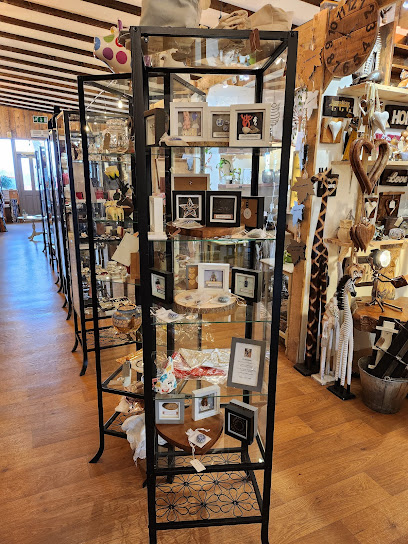
Discover unique vintage treasures and handcrafted curiosities at margo&evie, a charming independent shop in Northamptonshire’s Heart of the Shires.
Heart of The Shires
14.4 km
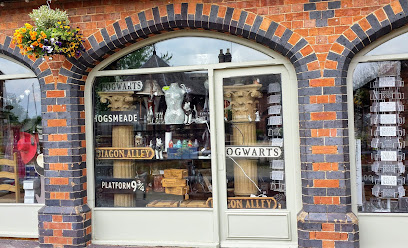
Discover a charming Victorian courtyard shopping village with unique independent retailers and a relaxed countryside atmosphere.
St James Retail Park
14.4 km
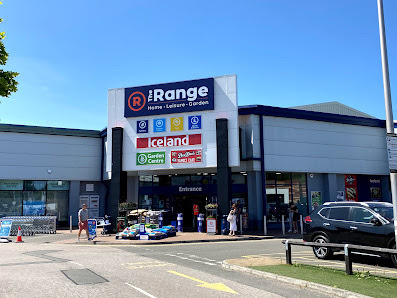
Convenient shopping with free parking and a variety of stores in Northampton’s St James Retail Park.
House Of Carillon
14.4 km
Discover elegant ladies' designer fashion in a charming Victorian courtyard boutique at Heart of the Shires Shopping Village.

Essential bars & hidden hideouts

The Windhover
9.1 km
A cozy and charming pub in Chapel Brampton offering hearty meals, warm hospitality, and a relaxed village atmosphere.
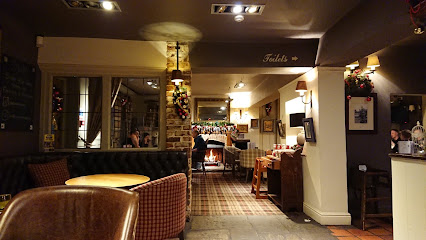
Fox & Hounds
10.8 km
A charming British pub in Northampton offering hearty meals, stylish ambiance, and a welcoming atmosphere for all occasions.
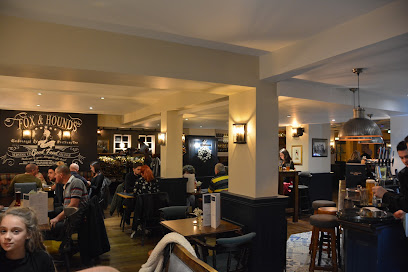
The Saracen's Head
11.4 km
A historic and welcoming British pub in Little Brington offering hearty fare, friendly service, and a cozy village atmosphere.
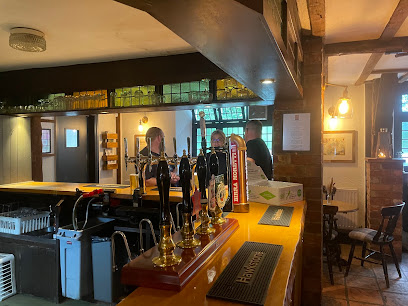
The Lumbertubs
12.0 km
A historic Northamptonshire pub offering hearty British fare, friendly service, and a welcoming atmosphere in a charming farmhouse setting.
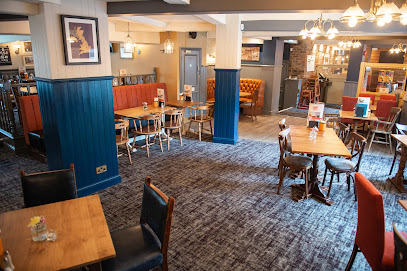
White Elephant
13.2 km
Historic Northampton pub with a lively community vibe, great ales, hearty food, and a welcoming atmosphere for all, including your four-legged friends.
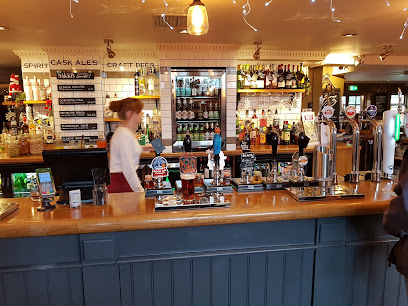
The Sevens
13.4 km
A vibrant Northampton pub blending sports enthusiasm with quality food and a welcoming community atmosphere.
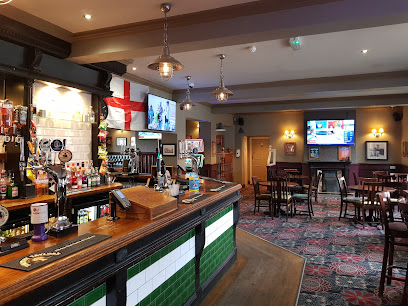
The Picturedrome
13.5 km
Lively Northampton bar and live music venue blending great food, friendly service, and vibrant entertainment in a spacious, accessible setting.
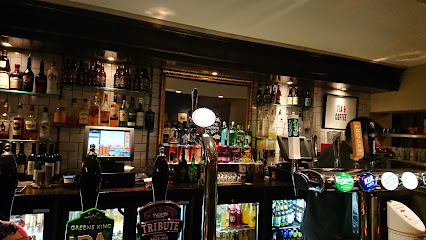
Edge of Town
13.7 km
Lively and affordable bar with friendly service, known for the best bar maid in town, open late in the heart of Northampton.
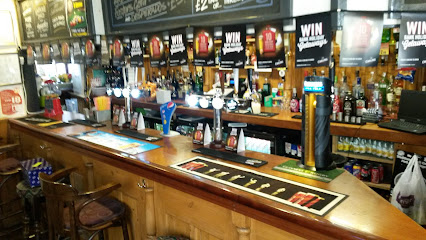
The Lamplighter
13.8 km
A welcoming Northampton pub renowned for its real ales, hearty British fare, and vibrant community spirit.
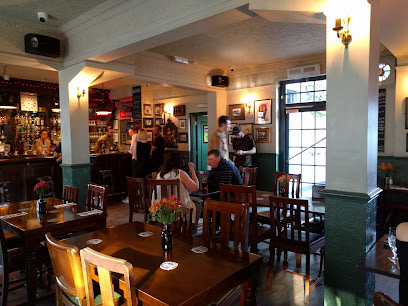
The Charles Bradlaugh
13.9 km
A stylish, welcoming pub in Northampton offering homemade food, lively events, and a vibrant community atmosphere in a historic setting.
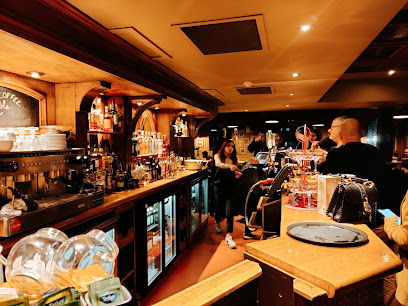
The Bear
14.0 km
Experience the warmth and charm of The Bear, a beloved pub in Northampton, offering delicious food and drinks in a cozy atmosphere.
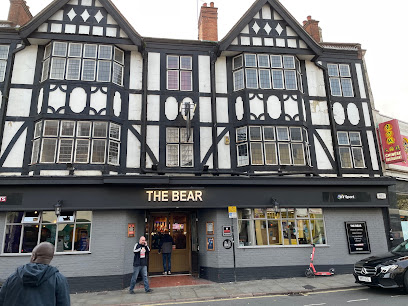
Corkers Champagne & Cocktail Bar
14.0 km
Sophisticated champagne and cocktail bar in Northampton with vibrant atmosphere, tapas dining, and versatile event spaces.
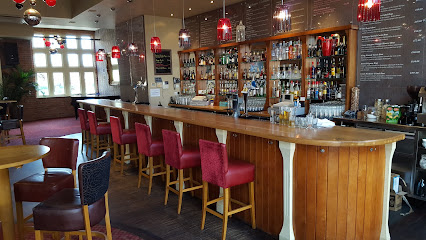
The Black Prince
14.0 km
A lively Northampton pub blending historic charm with vibrant live music and a welcoming beer garden for all to enjoy.
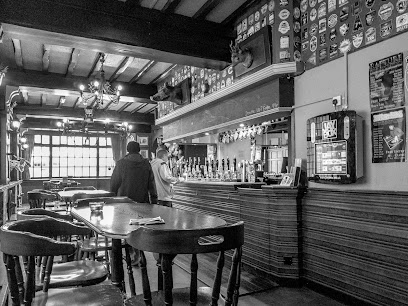
Zapato Lounge
14.1 km
A vibrant, inclusive lounge in Northampton offering diverse British and vegan cuisine in a welcoming, family- and dog-friendly setting.
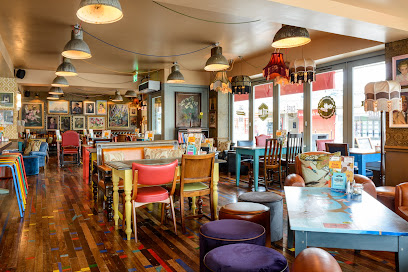
Old House
14.1 km
Quintessential English pub with hearty roasts, cozy vintage charm, and welcoming service on Northampton’s bustling Wellingborough Road.
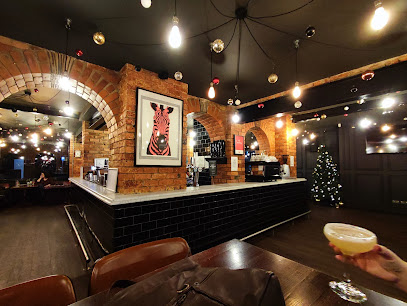
Nightclubs & after hour spots

The Boston
14.0 km
Northampton’s welcoming LGBTQ+ nightclub and pub, The Boston offers lively music, themed nights, and a vibrant inclusive atmosphere.

Club Bar X
14.1 km
Lively basement nightclub on Wellingborough Road, Northampton, offering late-night music, dancing, and a vibrant social scene Thursday to Saturday.
Club 145
14.1 km
Energetic nightclub on Wellingborough Road offering lively music, dancing, and a vibrant social scene in the heart of Northampton.
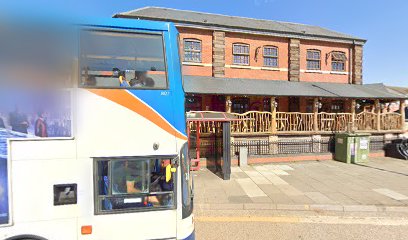
Club43
14.2 km
Northampton’s vibrant underground nightclub offering top electronic acts and a soulful, energetic nightlife experience.
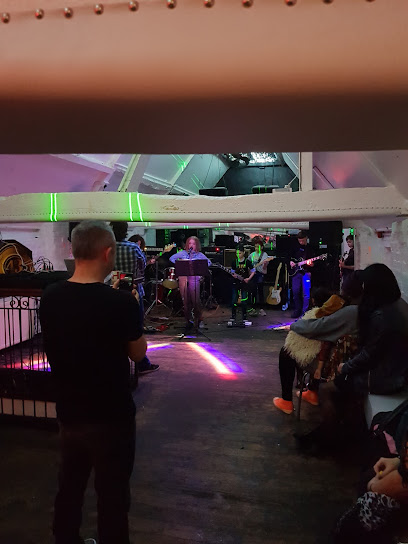
Elysium
14.2 km
Northampton’s premier late-night nightclub for house, bass, and tech house music, famed as the city’s official after-party hotspot.
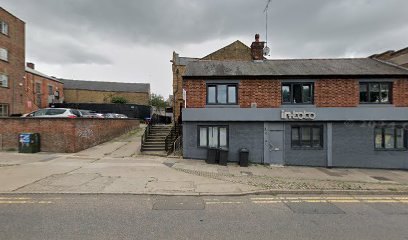
The Platform
14.2 km
Northampton’s vibrant nightclub and bar blending historic charm with lively music, drinks, and student-friendly events.
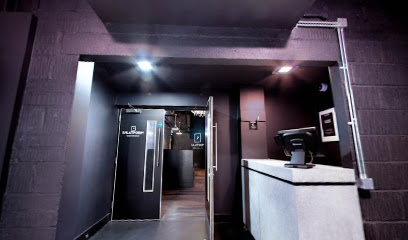
NB's
14.3 km
Experience Northampton’s vibrant nightlife with NB's lively clubbing atmosphere, multiple rooms, and sociable outdoor bar area.
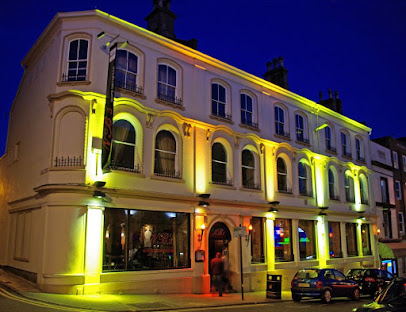
Stereo Bar and Club
14.4 km
Experience Northampton’s vibrant nightlife with eclectic music, lively dancing, and a welcoming atmosphere at Stereo Bar and Club.
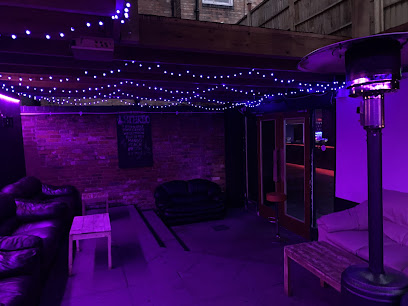
The Basement
32.5 km
Leicester’s underground hotspot for late-night dancing, eclectic music, and unforgettable private events in a vintage-inspired setting.

TRUTH Leicester
32.6 km
Experience Leicester’s vibrant nightlife at TRUTH, a dynamic nightclub pulsing with music and energy in the city centre’s entertainment heart.

Waikiki Nightclub
32.8 km
Experience Leicester’s electric nightlife with futuristic vibes, trendy cocktails, and top RnB beats at Waikiki Nightclub every weekend.

Helsinki
32.9 km
Leicester’s vibrant LGBTQ+ nightclub with electrifying drag shows, diverse music, and late-night celebrations in the heart of the city.
The 2Funky Lounge
32.9 km
Leicester’s energetic two-floor nightclub with live music, private parties, and a rooftop terrace for unforgettable nights out.
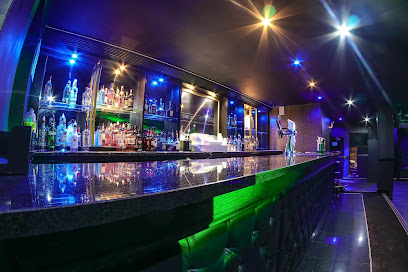
Mosh
33.1 km
Leicester’s vibrant three-floor alternative nightclub, buzzing with indie, emo, and metal beats and budget-friendly drinks.
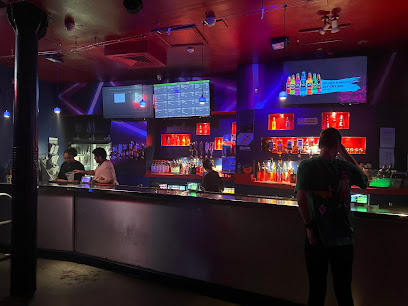
Motto Nightclub
33.3 km
Experience Leicester’s vibrant nightlife at Motto Nightclub, a dynamic venue where music, dancing, and late-night energy come alive.

For the vibe & atmosphere seeker
- Tranquil
- Scenic
- Romantic
- Unique
For the design and aesthetic lover
- Vintage Styles
- Rustic Designs
For the architecture buff
- Historic
- Landmarks
- Parks & Gardens
For the view chaser and sunset hunter
- Iconic Views
- Panoramas
- Sunset Spots
For the social media creator & influencer
- Instagrammable
- Photo Spots
- Selfie Spots
- Architectural Shots
For the eco-conscious traveler
- Sustainable
- Eco-Friendly
- Low Impact
- Locally Managed
- Wildlife Habitat
- Public-Transport Accessible
For the kind of experience you’re after
- Cultural Heritage
- Nature Escape
- Day Trip
- Weekend Getaway
- Photowalk
- Myth & Legends
For how adventurous you want the journey to be
- Easy Access
Location Audience
- Family Friendly
- Senior Friendly
- Child Friendly
- Couple Friendly
- Solo Friendly
- Vegetarian Friendly
- Vegan Friendly


