

Leicester Roman West Gate Site and Jewry Wall Roman Baths
Explore Leicester’s monumental Roman baths and the iconic Jewry Wall, a testament to ancient urban life and architecture.
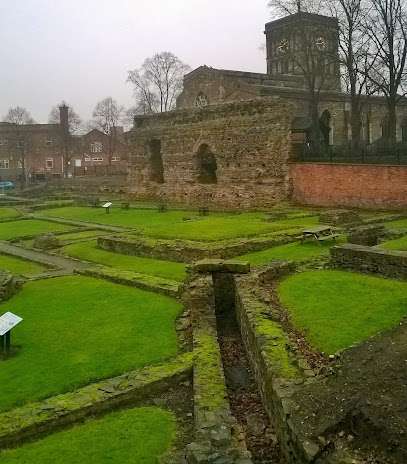
The Leicester Roman West Gate site, dominated by the impressive Jewry Wall, is one of Britain’s largest surviving Roman masonry structures. This 2nd-century Roman wall formed part of a grand public bath complex in the Roman town of Ratae Corieltauvorum (modern Leicester). Excavated in the 1930s by archaeologist Kathleen Kenyon, the site reveals the social and recreational heart of Roman Leicester, with visible remains of the baths and exercise hall. Adjacent to the wall, the Jewry Wall Museum showcases Roman and Iron Age artifacts, offering a vivid glimpse into Leicester’s ancient past.
A brief summary to Leicester Roman West Gate site
- Leicester, LE1 5LX, GB
- Visit website
- Duration: 1 to 2.5 hours
- Free
-
 Outdoor
- Mobile reception: 4 out of 5
Local tips
- Visit the Jewry Wall Museum to see Roman artifacts and immersive exhibits that bring the baths complex to life.
- Take time to appreciate the scale and craftsmanship of the Jewry Wall’s masonry and arches.
- Combine your visit with nearby Roman sites in Leicester city center for a broader historical experience.
- Check for any special exhibitions or events at the museum that highlight recent archaeological discoveries.

For the on-the-go comforts that matter to you
- Restrooms
- Drink Options
- Food Options
- Seating Areas
- Information Boards
- Visitor Center
Getting There
-
Bus
Take local bus services from Leicester city center to St Nicholas Circle, approximately a 10-15 minute ride. Buses run frequently during the day, with tickets costing around £2-£3. The stop is a short walk to the Jewry Wall site.
-
Walking
From Leicester city center, a flat and accessible 15-20 minute walk along pedestrian-friendly streets leads directly to the Jewry Wall site. Suitable for most visitors, with clear signage en route.
-
Taxi
Taxis from Leicester railway station to the Jewry Wall site take about 10 minutes, depending on traffic, with fares typically between £6-£10. Taxis offer convenient door-to-door access.
Leicester Roman West Gate site location weather suitability
-
 Any Weather
-
 Rain / Wet Weather
-
 Clear Skies
-
 Mild Temperatures
Discover more about Leicester Roman West Gate site
Monumental Roman Architecture in Leicester
The Leicester Roman West Gate site is anchored by the Jewry Wall, a massive 2nd-century Roman masonry structure measuring approximately 23 meters long, 9 meters high, and 2.5 meters thick. This wall once formed the west boundary of a large public bath complex in Ratae Corieltauvorum, the Roman settlement that evolved into modern Leicester. The wall’s distinctive alternating bands of Roman brick and local stone, along with its two large arched openings and additional alcoves, reflect Roman engineering and architectural sophistication. For centuries, the wall was misinterpreted as a town gate or temple, but excavations have firmly established its role as part of the baths’ palaestra or exercise hall.Excavations and Archaeological Discoveries
The site was extensively excavated between 1936 and 1939 by Dame Kathleen Kenyon, a pioneering archaeologist whose work was among the first large-scale rescue excavations in Britain. Her investigations uncovered the foundations of the Roman baths adjacent to the Jewry Wall, including furnaces that heated the complex. The discovery transformed understanding of Roman Leicester’s urban layout, revealing a social hub where citizens bathed, exercised, and gathered. Artefacts such as coins, pottery, and bones found on-site help date the baths to the mid-2nd century CE, with use continuing into the 4th century.The Social and Cultural Heart of Roman Leicester
The baths were more than a place for hygiene; they were a vital social center where Romans engaged in exercise, relaxation, and community interaction. The palaestra, accessed through the Jewry Wall arches, was a large hall for physical activities like boxing and ball games. Nearby archaeological finds, including remnants of a Roman theatre and market hall, indicate a vibrant urban life. The baths complex and surrounding public buildings symbolized the town’s importance as the capital of the Corieltauvi tribe’s territory during Roman Britain.Jewry Wall Museum and Modern Interpretation
Facing the ruins, the Jewry Wall Museum houses a rich collection of Roman and Iron Age artifacts excavated from Leicester and its surroundings. Recently renovated and reopened in 2025, the museum offers multimedia exhibitions and immersive experiences that bring the Roman past to life. The museum building itself, a Grade II listed structure, stands on part of the original baths site, linking past and present. Visitors can explore mosaics, painted wall plaster, and other items that illustrate daily life in Roman Leicester.Historical Context and Legacy
Leicester’s Roman heritage is layered, with the Jewry Wall site representing a tangible connection to a town shaped by Iron Age origins, Roman conquest, and medieval transformations. The wall’s survival is partly attributed to its possible reuse in early Anglo-Saxon times, which helped preserve this monumental structure. Today, the site offers a unique window into the urban planning, architecture, and social customs of Roman Britain, standing as a key landmark in Leicester’s long and diverse history.Ongoing Archaeological Interest and Urban Development
Continued excavations in Leicester’s city center have uncovered further Roman streets, houses with mosaic floors, and possible shrines, deepening knowledge of the town’s Roman era. These discoveries complement the Jewry Wall site, highlighting Leicester’s significance as a Roman provincial capital. The integration of archaeological sites with modern urban life reflects the city’s commitment to preserving and celebrating its ancient heritage.Iconic landmarks you can’t miss

Leicester Roman West Gate site
0.0 km
Explore Leicester’s monumental Roman baths and the iconic Jewry Wall, a testament to ancient urban life and architecture.
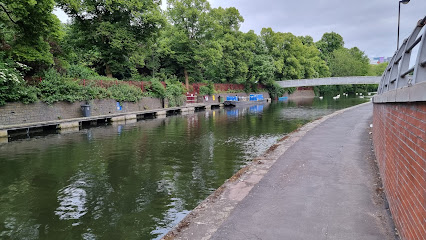
23 St.Nicholas Pl
0.2 km
Leicester's oldest place of worship, where Roman foundations meet medieval splendour and 1,100 years of history.
Welford Place
0.6 km
Explore the historic John Biggs statue at Welford Place, a Victorian landmark celebrating Leicester’s reformist legacy and civic pride.
Museum Development East Midlands
4.0 km
Supporting East Midlands museums with expert guidance, grants, and training from County Hall, Leicester.

King Lear
4.8 km
Explore Leicester’s legendary ties to King Lear, where Roman ruins and medieval myths converge in a captivating historical landmark.

Earl Shilton Castle
12.7 km
Discover the Norman motte and bailey earthworks of Earl Shilton Castle, a historic hunting lodge and fortress near Leicester.
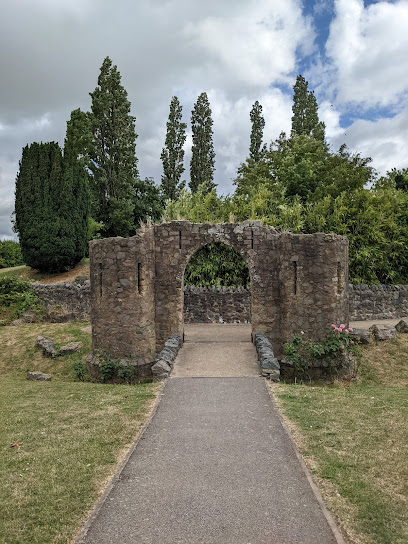
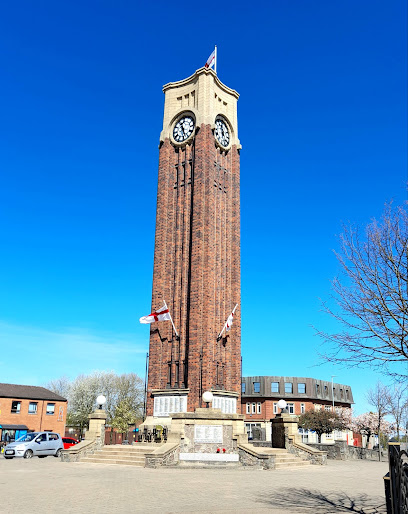
Memorial Clock Tower
18.7 km
A towering Gothic-revival memorial in Coalville honoring 354 fallen WWI soldiers with a commanding clock and rich community history.
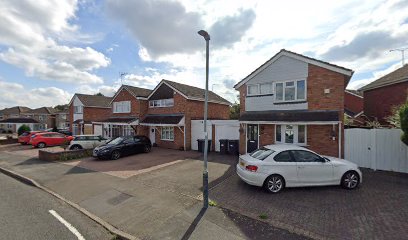
Westmorland Drive
27.1 km
Experience seamless travel in Nuneaton at the Westmorland Drive bus stop, your gateway to local attractions and vibrant community life.
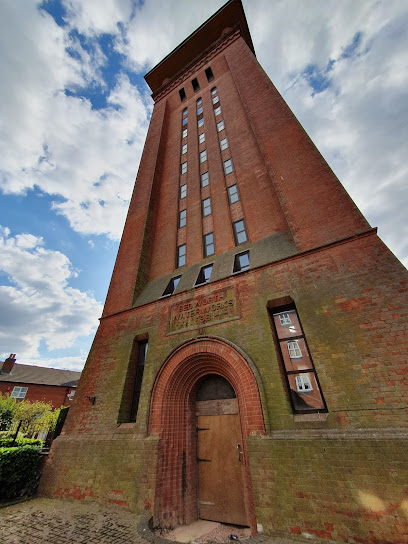
Bedworth Water Tower
28.8 km
A towering Romanesque water tower blending industrial heritage, architectural charm, and urban wildlife in the heart of Bedworth.
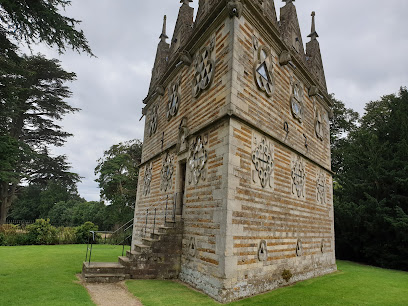
Rushton Triangular Lodge
32.6 km
Explore the architectural wonder of Rushton Triangular Lodge, a unique heritage building steeped in history and stunning design.
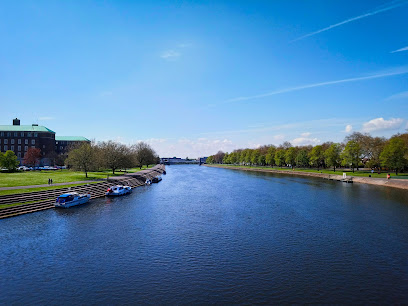
Old Trent Bridge
33.8 km
A historic river crossing in Nottingham blending medieval origins with Victorian engineering and enduring local heritage.
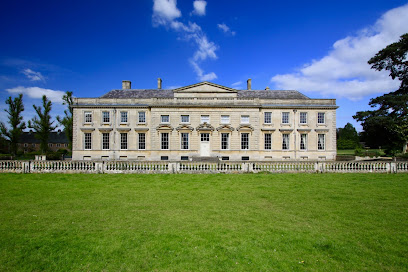
Lamport Hall
34.6 km
Explore Lamport Hall, a stunning historical landmark in Northamptonshire, where rich heritage and breathtaking gardens await every traveler.
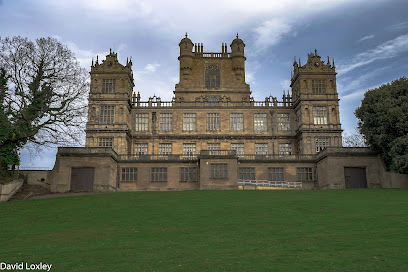
Wollaton Park Lake
34.7 km
Discover the tranquility of Wollaton Park Lake in Nottingham, an ideal retreat for nature lovers and history enthusiasts alike.
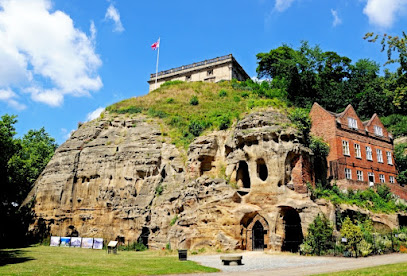
Mortimer’s hole
35.1 km
Explore Mortimer's Hole in Nottingham - a captivating historical landmark steeped in legend and medieval intrigue.
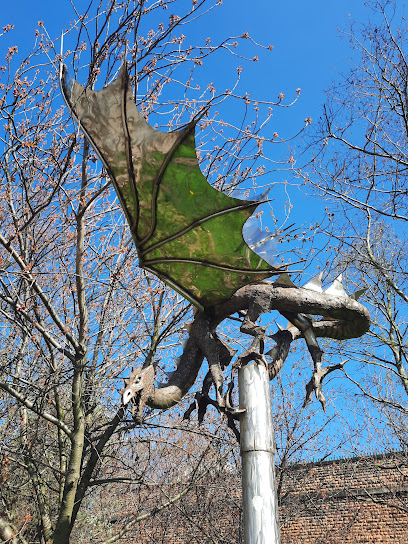
Public Art - The Sneinton Dragon
35.1 km
Discover the enchanting Sneinton Dragon, a striking public art sculpture in Nottingham, embodying local heritage and artistic expression.
Unmissable attractions to see

Jewry Wall & Roman Baths
0.1 km
Explore one of Britain’s largest Roman masonry structures and immerse yourself in Leicester’s ancient Roman baths and heritage museum.
The Newarke Houses Museum
0.3 km
Explore Leicester’s Tudor heritage, immersive WWI trench, and vibrant Victorian shops amid tranquil historic gardens.

The Guildhall Museum
0.3 km
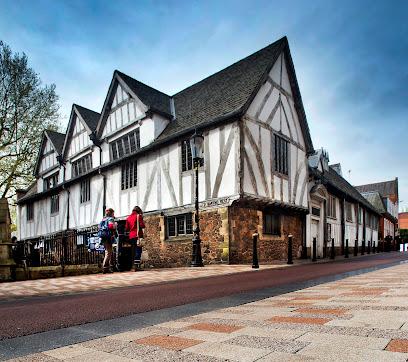
Explore 600 years of Leicester’s history in a beautifully preserved medieval timber-framed Guildhall, from Shakespearean theatre to Victorian police cells.
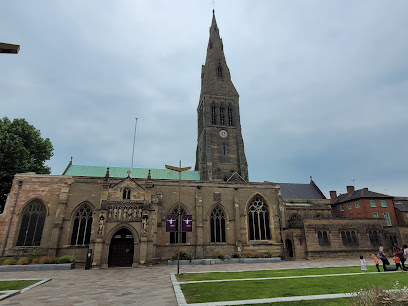
Leicester Cathedral
0.3 km
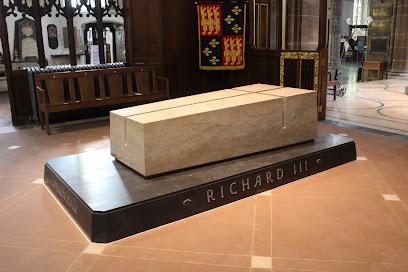
Discover the historic Leicester Cathedral, home to King Richard III’s tomb and centuries of Gothic splendor in the heart of Leicester.
King Richard III Visitor Centre
0.4 km
Discover the incredible story of King Richard III’s life, death, and rediscovery at the site where history was unearthed beneath a Leicester car park.
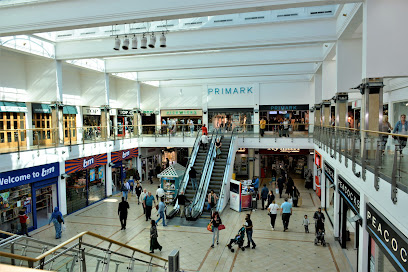
Highcross
0.4 km
Leicester’s vibrant shopping and entertainment destination with over 120 stores, diverse dining, and a luxury cinema experience.
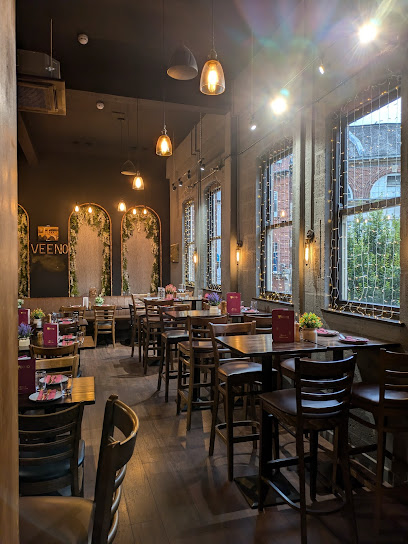
Veeno
0.4 km
Experience authentic Sicilian wines and Italian small plates in Leicester’s vibrant St Martins Square at Veeno.
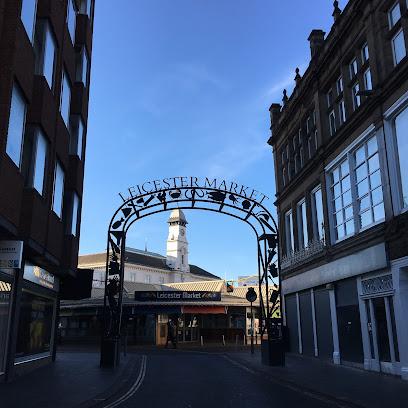
Leicester Market
0.6 km
Europe’s largest outdoor covered market, blending 700 years of history with vibrant multicultural produce and lively community spirit.
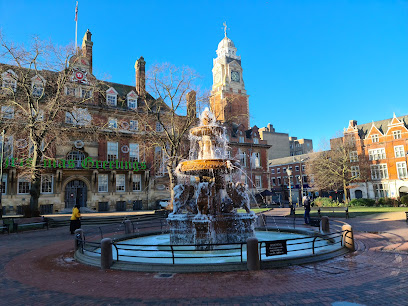
Town Hall Square Fountain
0.6 km
Historic Victorian fountain in Leicester’s Town Hall Square, a symbol of civic pride and architectural elegance.
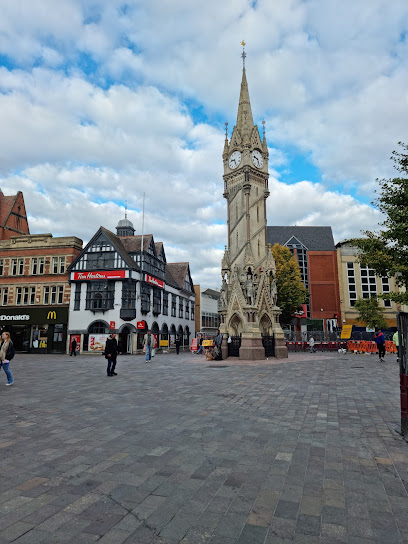
The Clock Tower
0.6 km
Discover the historic Clock Tower in Leicester, a stunning landmark that encapsulates the city's rich heritage and vibrant local culture.
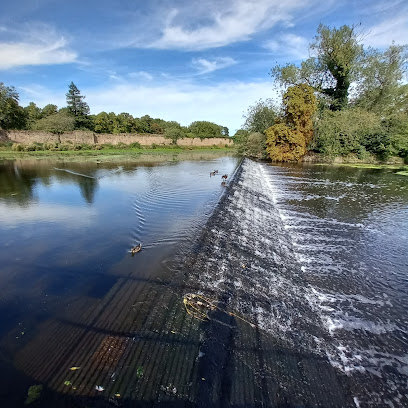
Leicester Museum and Art Gallery
1.1 km
Discover Leicester’s rich heritage through captivating art, natural history, and interactive family galleries on historic New Walk.

Abbey Park
1.5 km
Discover Abbey Park, Leicester’s historic riverside haven blending tranquil gardens, medieval ruins, and family-friendly fun just north of the city centre.
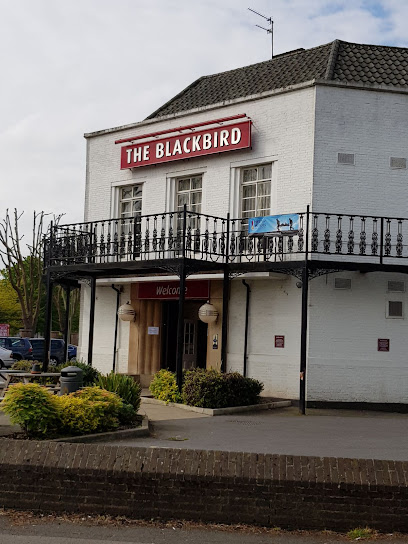
The Blackbird
1.6 km
A welcoming Leicester grill pub serving hearty sizzling dishes and classic pub fare in a lively community atmosphere.
Leicester Abbey
1.7 km
Explore the evocative 12th-century Leicester Abbey ruins amid tranquil riverside gardens and family-friendly attractions in historic Abbey Park.
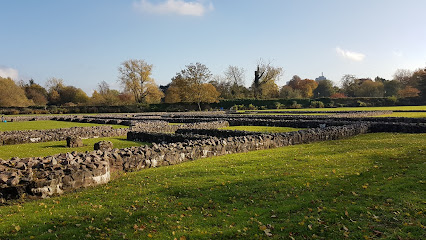
National Space Centre
2.3 km
Explore the UK’s largest planetarium and iconic rocket tower at Leicester’s National Space Centre, a hub of space discovery and interactive science fun.
Essential places to dine

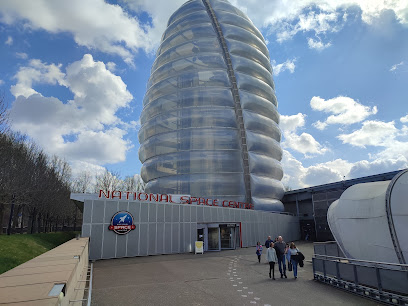
Wygston's House Bar & Restaurant
0.2 km
Historic 15th-century timber-framed house in Leicester’s Old Town serving classic English pub fare and real ales in a vibrant, heritage-rich setting.
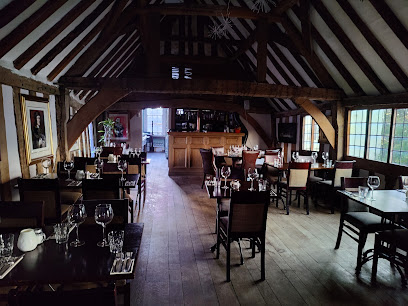
Cosy Club
0.3 km
Stylish British dining and vibrant bar in Leicester’s heart, blending timeless glamour with all-day menus and festive event spaces.
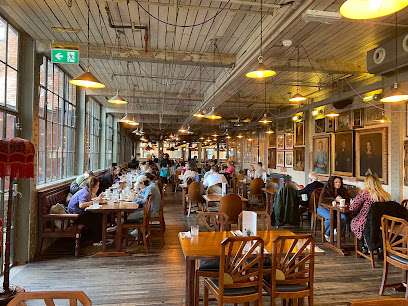
Restaurant263
0.3 km
Experience innovative modern British fine dining with personal chef touches and vibrant vegan options in Leicester’s stylish city centre venue.
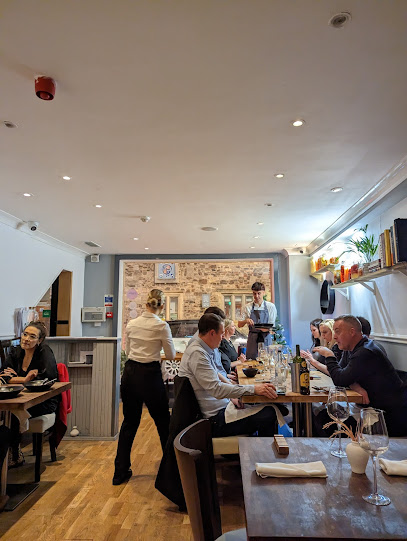
Varanasi Boutique Restaurant
0.4 km
Experience exquisite Indian fine dining in Leicester’s majestic Varanasi Boutique, where culinary artistry meets opulent ambiance.
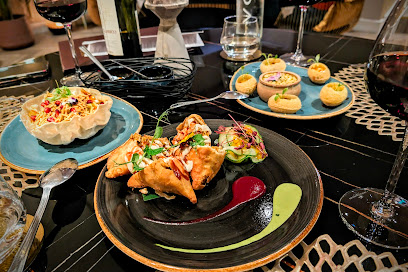
Merchant of Venice
0.4 km
Experience authentic Italian flavors and Renaissance-inspired charm in Leicester’s Merchant of Venice, a unique dining destination blending culture and cuisine.
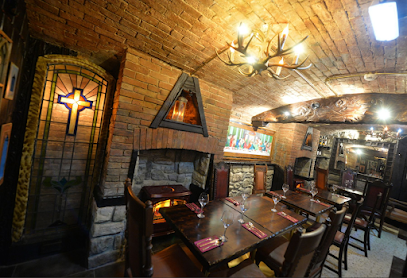
The Frame
0.5 km
A vibrant Mediterranean restaurant and bar in Leicester’s St Martins Square, blending refined flavours with stylish, inviting surroundings.
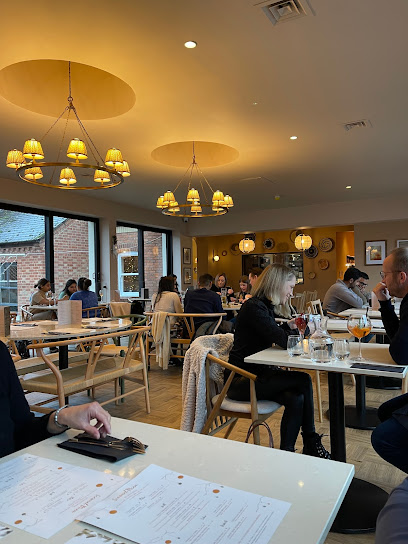
Bistrot Pierre - Leicester
0.5 km
Experience authentic French bistro dining in Leicester’s city centre with classic dishes, seasonal specials, and a warm Parisian atmosphere.
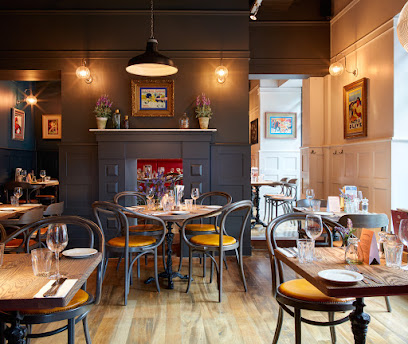
Restaurant Romanesc Leicester (Romanian Restaurant) Grande Gusto
0.6 km
Authentic Romanian flavors and generous portions await you at Grande Gusto, Leicester’s cozy hub for traditional Eastern European cuisine.
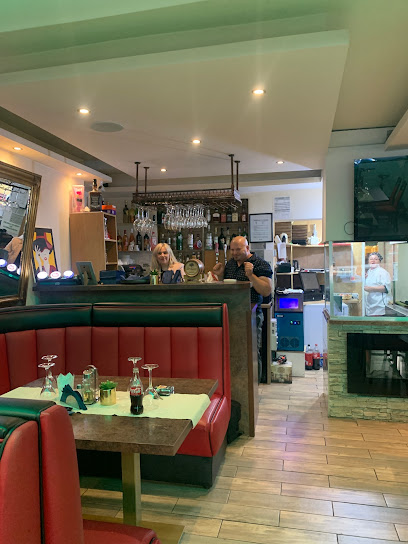
Sapphire Seafood Kitchen - Leicester Restaurant
0.7 km
Savor fresh seafood and American-inspired dishes in a lively, casual setting at Leicester’s vibrant Sapphire Seafood Kitchen.
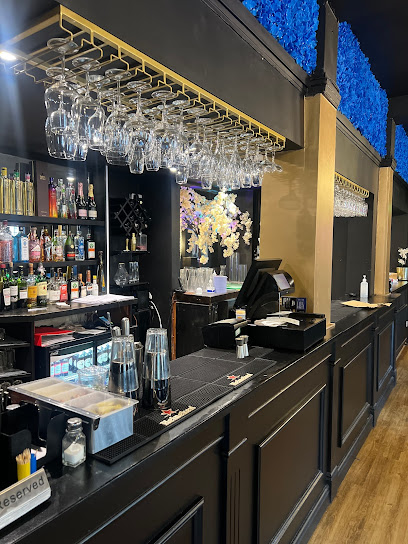
The White Peacock
0.7 km
Elegant modern European dining with innovative tasting menus and warm service in Leicester’s vibrant city centre.
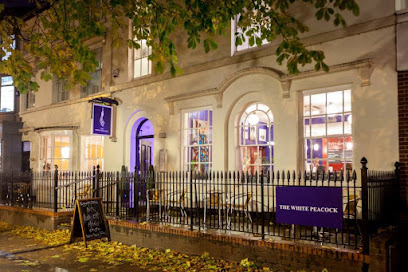
Casa Romana Restaurant
0.7 km
Experience authentic Italian flavors and cozy charm at Casa Romana, Leicester’s cherished seafood and pasta haven.
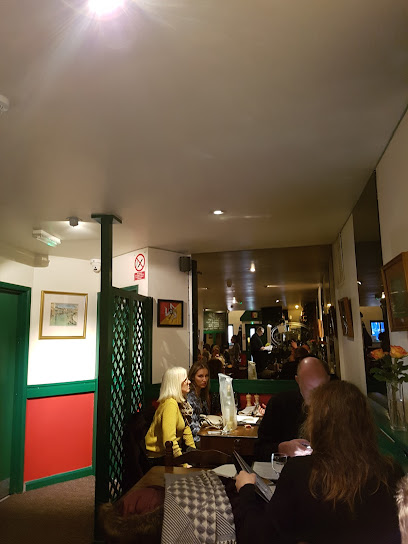
OGGI Italian Restaurant
1.6 km
Experience authentic Italian cuisine with fresh ingredients and warm hospitality at OGGI Italian Restaurant in Leicester’s vibrant London Road.
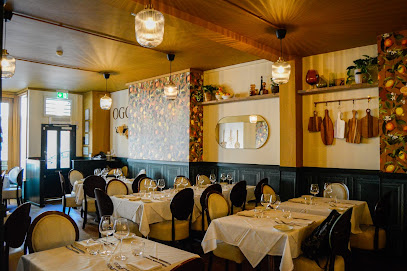
Black Iron
2.6 km
Modern British steakhouse in a historic Georgian mansion, offering charcoal-roasted meats and a refined dining experience in leafy Leicester parkland.
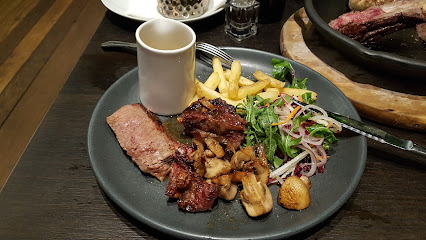
Sapori Restaurant & Bar
5.4 km
Family-run Italian dining in a stylish Victorian setting, blending Neapolitan tradition with modern elegance and a warm, inviting atmosphere.
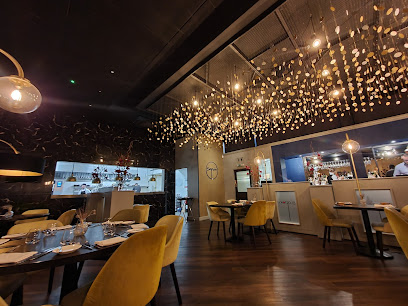
Dom restaurant and bar
9.6 km
A celebrated small plates restaurant in Thurlaston offering refined flavors and a warm, intimate dining experience in a charming village setting.
Markets, malls and hidden boutiques

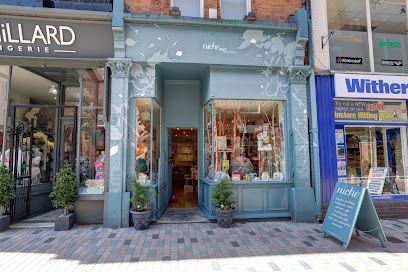
Niche Store
0.4 km
Discover unique gifts and thoughtful treasures in Leicester’s charming Niche Store, where quality meets personal service.
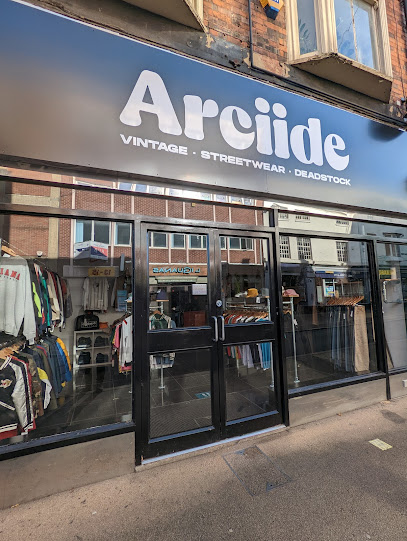
Arciide
0.4 km
Leicester's premier vintage and Y2K streetwear destination for curated pre-loved fashion and authentic brand collections.
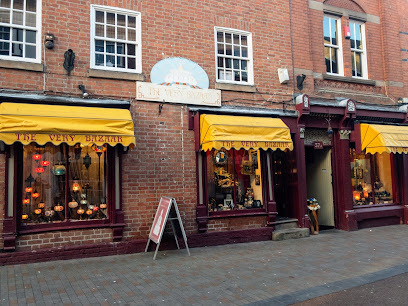
Very Bazaar Leicester
0.4 km
Discover Leicester’s vibrant Very Bazaar, a colourful haven of crystals, unique gifts, and mystical charm in the city centre.
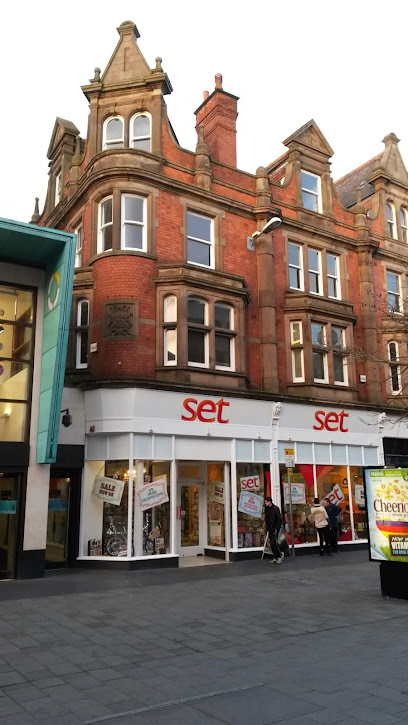
Set
0.4 km
Award-winning gifts, jewellery, and cards in a historic High Street gem with royal connections.
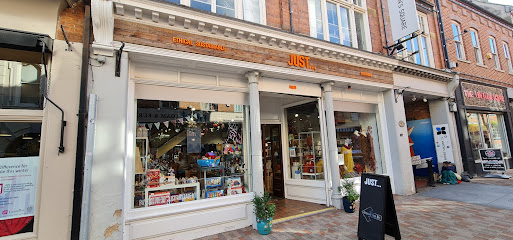
Just Fair Trade
0.5 km
Discover Leicester’s ethical gem offering fair trade gifts and sustainable clothing with a heart for global artisans.
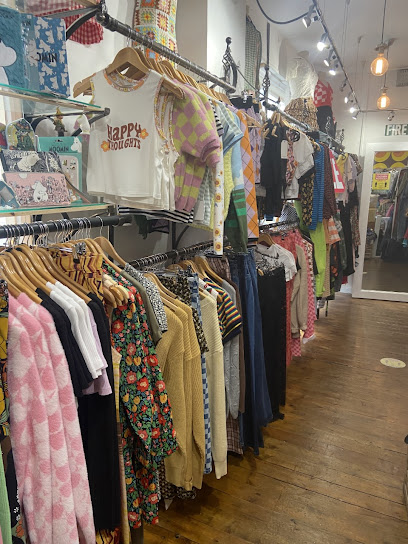
The Wardrobe
0.5 km
Discover timeless style and sustainable fashion at Leicester’s longest-running vintage clothing shop in the historic Royal Arcade.
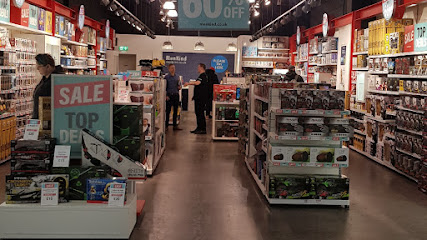
Menkind
0.5 km
Discover unique gadgets, quirky gifts, and exclusive toys at Menkind Leicester in the vibrant Highcross shopping district.
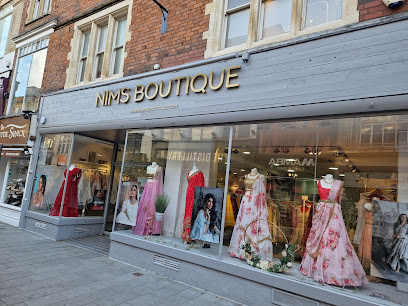
Nim's Boutique ltd
0.6 km
Discover timeless Indian and Asian women's fashion with inclusive sizing and exquisite bridal wear at Nim's Boutique Ltd in Leicester.
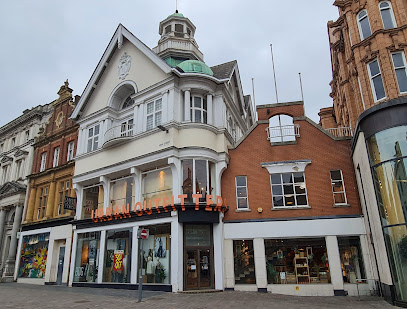
Urban Outfitters
0.6 km
Discover Urban Outfitters Leicester: a stylish blend of fashion, accessories, and homewares in the vibrant heart of the city.
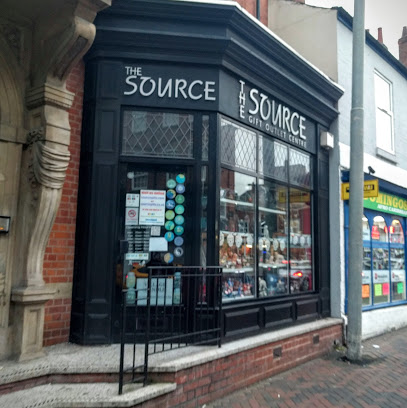
The Source
0.7 km
Discover unique, high-quality gifts with expert service at The Source, Leicester’s cherished family-owned gift shop on Church Gate.
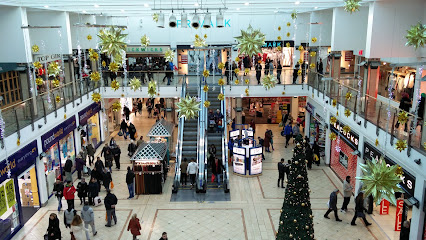
Haymarket Shopping Centre
0.8 km
Leicester's pioneering indoor shopping centre with 60+ stores, dining, and award-winning facilities.
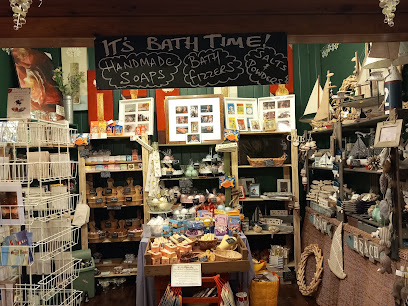
The Pot Pourri Shop Leicester
0.8 km
Discover Leicester’s hidden gem for natural aromatherapy and handcrafted gifts on Free Lane, blending quality, charm, and personalized service.
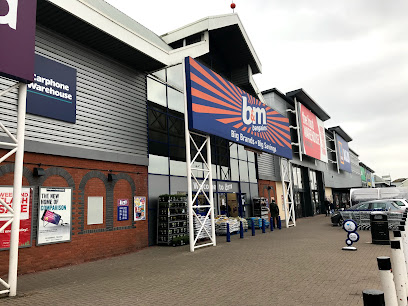
St George's Shopping Park
1.5 km
A vibrant open-air retail park in Leicester offering diverse shops, extended hours, and convenient amenities for a comprehensive shopping experience.
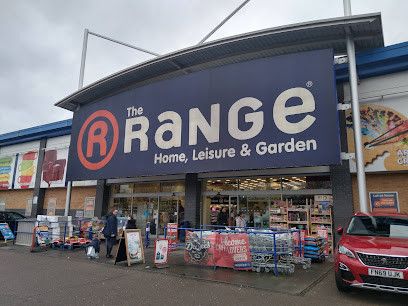
The Range, Leicester
1.6 km
Inspiring homes and creative lives—where furniture, décor, and imagination meet under one expansive roof.
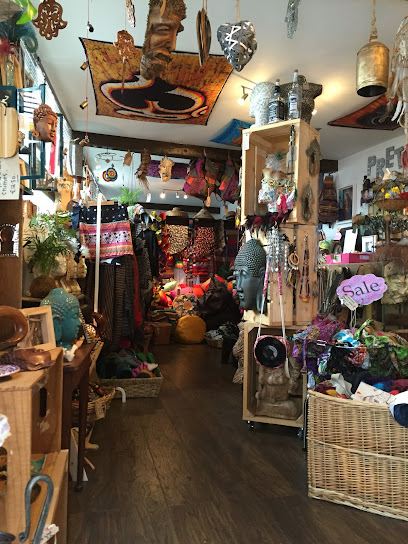
Prettiez
2.3 km
Discover unique gifts and boutique treasures in the heart of Leicester’s vibrant Clarendon Park at Prettiez.
Essential bars & hidden hideouts

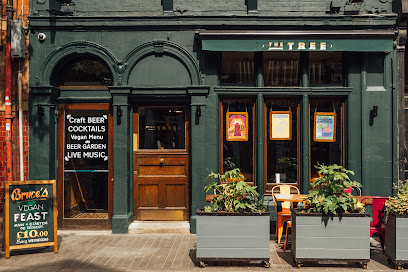
Tree, Leicester
0.3 km
A vibrant craft beer pub in Leicester city centre with a glorious beer garden, fresh food, and a welcoming atmosphere for all.
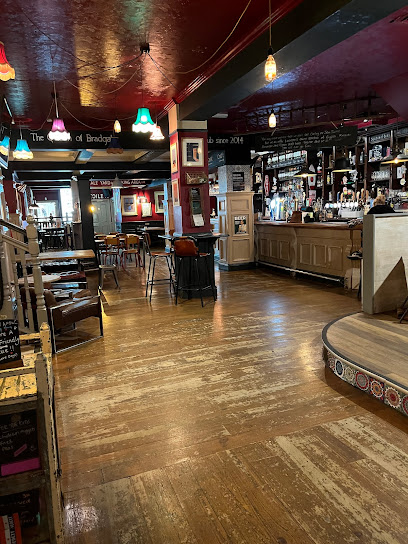
Queen of Bradgate
0.3 km
A lively Leicester gastro pub blending artisan British fare, craft drinks, and vintage charm on the historic High Street.
The Gadabout
0.4 km
A stylish, quirky cocktail bar in Leicester offering a vast selection of drinks in an intimate, character-filled setting.
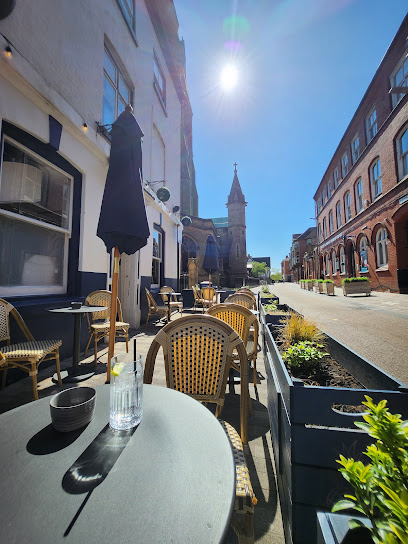
The Rutland & Derby Arms
0.4 km
A lively Leicester pub with top-notch wings, a stunning beer garden, and friendly service in the heart of the city.
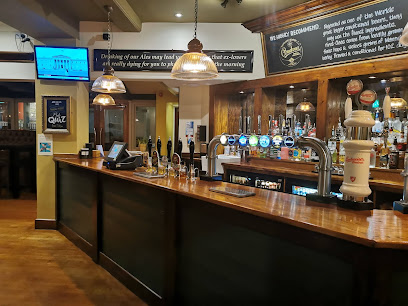
The Globe - Pub & Kitchen
0.4 km
A traditional Leicester pub blending classic Everards ales, hearty local fare, and warm community spirit in a cozy historic setting.
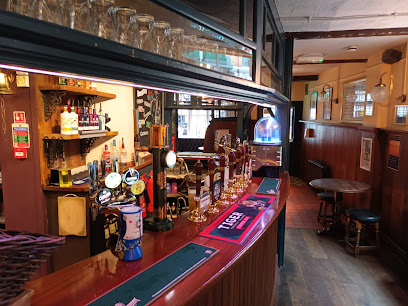
The Blue Boar
0.4 km
A historic Leicester micropub blending traditional real ales with a fresh, sociable atmosphere and classic British pub fare.
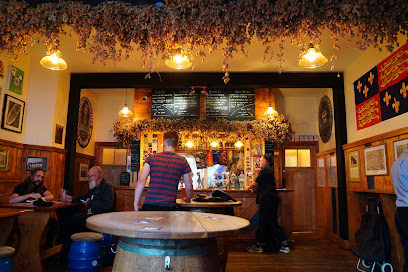
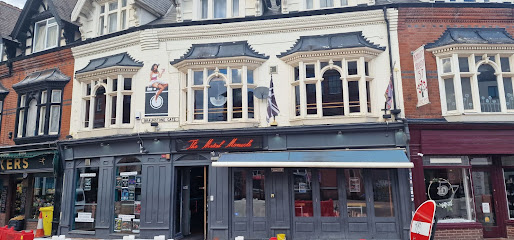
The Metal Monocle
0.4 km
A vibrant steampunk haven in Leicester where rock and metal music meet inventive drinks and immersive atmosphere.
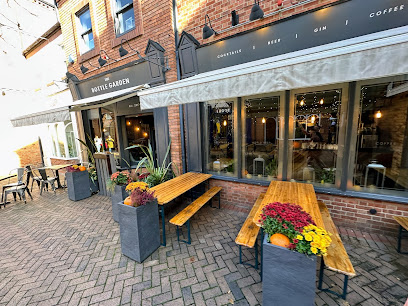
The Bottle Garden Leicester
0.5 km
An urban garden oasis in Leicester serving creative cocktails and live jazz in a stylish, relaxed setting.
Tønne Bar
0.5 km
A stylish craft beer and cocktail bar in Leicester’s heart, perfect for late nights and diverse drink lovers.
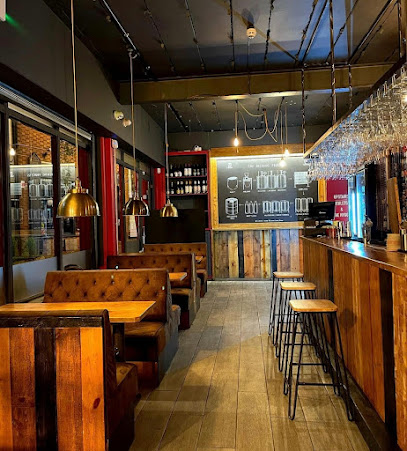
Firebug
0.5 km
Leicester’s energetic pub and live music venue blending cocktails, comedy, and culture in a vibrant city centre setting.
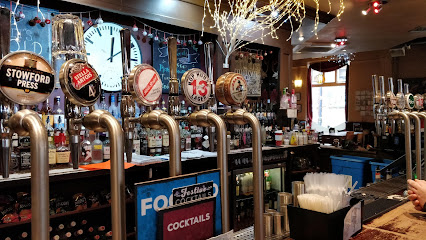
Knight & Garter
0.5 km
A stylish Italian-inspired steakhouse and vibrant bar in Leicester, offering expertly cooked local beef, boutique drinks, and a lively weekend atmosphere.
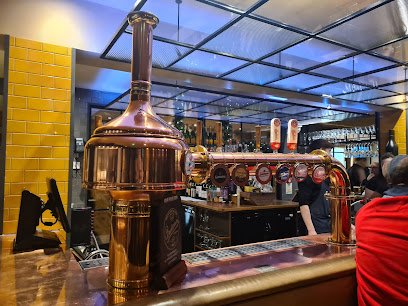
Inside No 9
0.5 km
A stylish Leicester cocktail bar blending expert gin craft, live music, and intimate private events in a historic city centre setting.
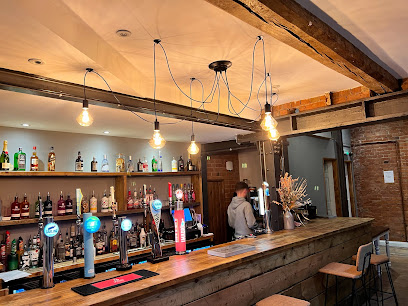
Duffy's Bar
0.5 km
A vibrant, affordable city-centre pub in Leicester known for its welcoming atmosphere and lively social scene.
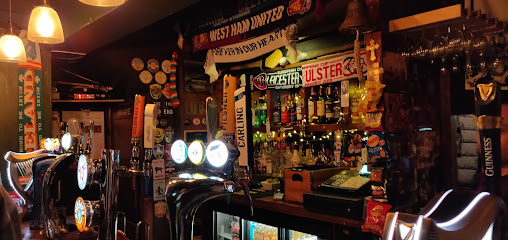
The Distillery
0.6 km
Lively city-centre pub offering craft beers, stone-baked pizzas, stacked burgers, and a vibrant atmosphere for dining and socializing in Leicester.
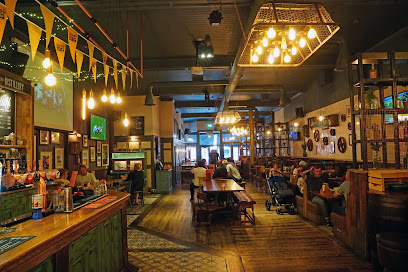
The Crows Nest
0.6 km
A lively Leicester pub with great food, live music, family events, and a welcoming pirate-themed atmosphere.
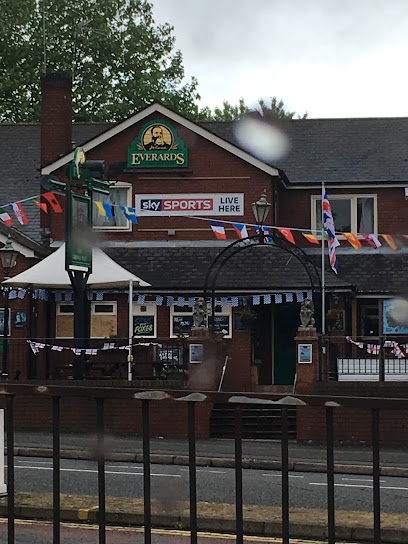
Nightclubs & after hour spots

Mosh
0.2 km
Leicester’s vibrant three-floor alternative nightclub, buzzing with indie, emo, and metal beats and budget-friendly drinks.
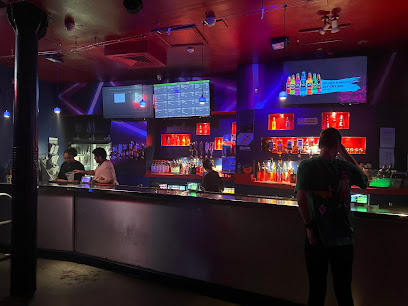
The 2Funky Lounge
0.3 km
Leicester’s energetic two-floor nightclub with live music, private parties, and a rooftop terrace for unforgettable nights out.
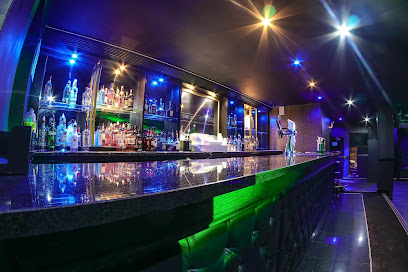
Waikiki Nightclub
0.6 km
Experience Leicester’s electric nightlife with futuristic vibes, trendy cocktails, and top RnB beats at Waikiki Nightclub every weekend.

The Basement
0.7 km
Leicester’s underground hotspot for late-night dancing, eclectic music, and unforgettable private events in a vintage-inspired setting.

TRUTH Leicester
0.7 km
Experience Leicester’s vibrant nightlife at TRUTH, a dynamic nightclub pulsing with music and energy in the city centre’s entertainment heart.

Club Republic
0.8 km
Experience Leicester’s ultimate clubbing hotspot with immersive audiovisuals, live gigs, and a vibrant student-friendly atmosphere.
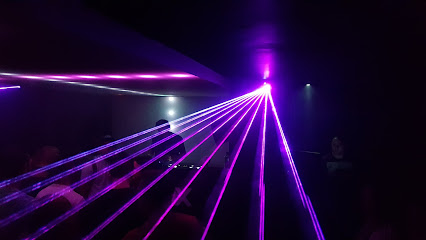
The Fan Club
0.9 km
Leicester’s vibrant weekend nightclub with four rooms, diverse music, and a welcoming atmosphere for unforgettable nights out.
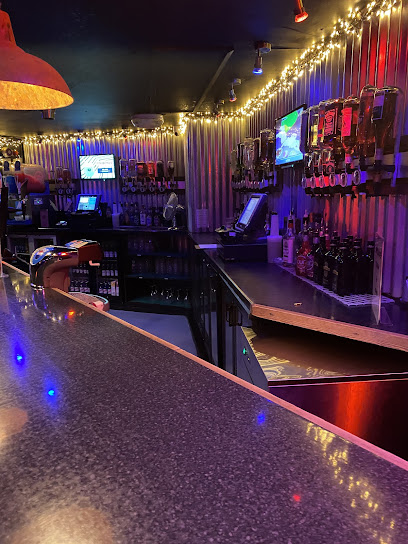
Motto Nightclub
0.9 km
Experience Leicester’s vibrant nightlife at Motto Nightclub, a dynamic venue where music, dancing, and late-night energy come alive.

Corah Works
1.0 km
Experience Leicester’s rich textile heritage transformed into a vibrant nightlife hotspot at Corah Works on St John Street.

Helsinki
1.0 km
Leicester’s vibrant LGBTQ+ nightclub with electrifying drag shows, diverse music, and late-night celebrations in the heart of the city.
Echo's Night Club
16.1 km
Loughborough’s energetic nightclub with dual rooms, affordable drinks, and a lively student-friendly atmosphere on Biggin Street.
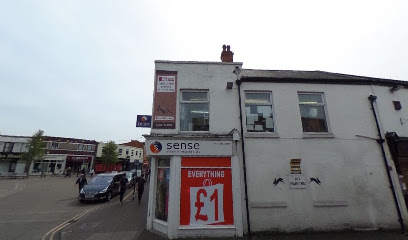
The Emporium
18.6 km
Experience Coalville’s vibrant nightlife at The Emporium, where legendary DJs and electric atmospheres create unforgettable weekends.
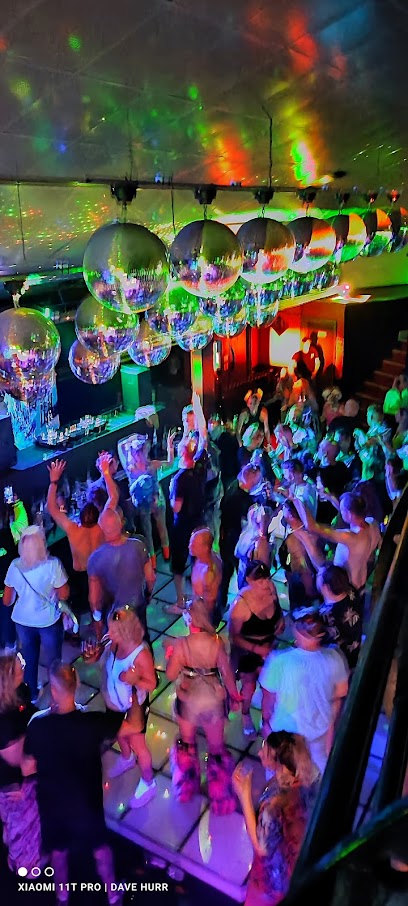
Tubes
22.6 km
Energetic nightlife and affordable drinks come alive at Tubes, Melton Mowbray’s go-to nightclub and bar for fun and dancing.
Ciros Nightclub
25.5 km
Energetic nightlife hotspot in Ashby-de-la-Zouch offering music, dancing, and a vibrant social scene in a central market town setting.
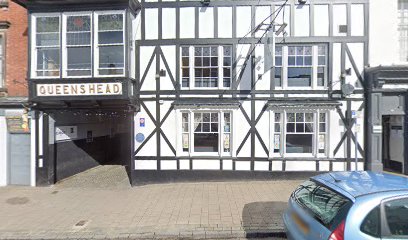
Ocean Nightclub
35.1 km
Unpretentious beats and dazzling lights fuel all-night dances at Nottingham's go-to multi-room nightclub on Greyfriar Gate.

For the vibe & atmosphere seeker
- Historic
- Tranquil
- Scenic
- Unique
For the design and aesthetic lover
- Rustic Designs
For the architecture buff
- Historic
- Landmarks
For the view chaser and sunset hunter
- Iconic Views
For the social media creator & influencer
- Instagrammable
- Photo Spots
- Architectural Shots
For the eco-conscious traveler
- Public-Transport Accessible
For the kind of experience you’re after
- Cultural Heritage
- Photowalk
- Day Trip
- Weekend Getaway
For how adventurous you want the journey to be
- Easy Access
Location Audience
- Family Friendly
- Senior Friendly
- Child Friendly
- Teen Friendly
- Wheelchair Access
- Solo Friendly
- Couple Friendly
- Vegetarian Friendly
- Vegan Friendly


