
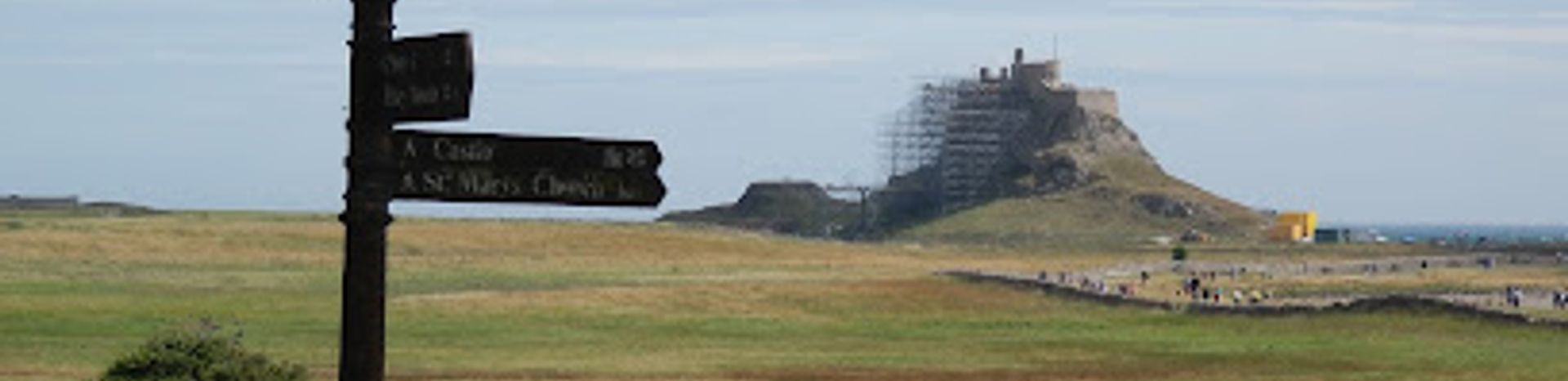
Holy Island of Lindisfarne: A Tidal Sanctuary of History and Nature
Discover Holy Island’s rich spiritual heritage, dramatic tidal landscapes, and vibrant wildlife sanctuary off England’s Northumberland coast.
Holy Island, also known as Lindisfarne, is a small tidal island off Northumberland’s coast in northeast England. Accessible only at low tide via a causeway, it is famed for its rich early Christian heritage, including the ruins of Lindisfarne Priory and Lindisfarne Castle. The island is also a vibrant nature reserve, home to diverse wildlife and a small local community, offering visitors a unique blend of spiritual history, scenic beauty, and tranquil coastal landscapes.
A brief summary to Holy Island
- Berwick-upon-Tweed, Holy Island, GB
- +441670794520
- Visit website
- Duration: 2 to 6 hours
- Mid ranged
-
 Outdoor
- Mobile reception: 4 out of 5
- Monday 12 am-12 am
- Tuesday 12 am-12 am
- Wednesday 12 am-12 am
- Thursday 12 am-12 am
- Friday 12 am-12 am
- Saturday 12 am-12 am
- Sunday 12 am-12 am
Local tips
- Always check the tide times before visiting to ensure safe crossing of the causeway and avoid being stranded.
- Explore the ruins of Lindisfarne Priory and Lindisfarne Castle for a deep dive into the island’s medieval history.
- Bring binoculars and a camera for excellent birdwatching and wildlife photography in the Lindisfarne National Nature Reserve.
- Consider staying overnight to experience the island’s tranquil atmosphere after day visitors leave with the tide.
- Visit the small local shops and cafés to sample regional specialties, including the island’s famous mead.

For the on-the-go comforts that matter to you
- Restrooms
- Drink Options
- Food Options
- Seating Areas
- Trash Bins
- Information Boards
- Visitor Center
Getting There
-
Car
Driving from Berwick-upon-Tweed to Holy Island takes about 20 minutes. Cross the tidal causeway only during safe tide windows, which should be checked in advance. Parking is available on the island but limited, so early arrival is recommended.
-
Train and Taxi
Take a train to Berwick-upon-Tweed station on the London-Edinburgh line, then a taxi to the Holy Island causeway, approximately a 15-minute drive. Confirm tide times before traveling to ensure safe crossing.
-
Bus
Seasonal bus services run from Berwick-upon-Tweed to the Holy Island causeway area, with journey times around 30-40 minutes. Bus schedules are limited and seasonal, so plan accordingly and check tide times.
-
Walking
For the adventurous, the Pilgrim’s Way offers a marked walking route across the sands to the island at low tide. The walk is about 3 miles and requires good fitness and careful timing to avoid the incoming tide.
Holy Island location weather suitability
-
 Any Weather
-
 Rain / Wet Weather
-
 Clear Skies
-
 Windy Conditions
-
 Mild Temperatures
Discover more about Holy Island
Ancient Spiritual Heartland and Early Christian Legacy
Holy Island, or Lindisfarne, holds a pivotal place in British religious history as the cradle of Celtic Christianity in England. Founded in 635 AD by St Aidan at King Oswald’s request, the island became a center of monastic life and learning. It was home to St Cuthbert, whose legacy of spiritual healing and pilgrimage endures today. The Lindisfarne Priory ruins, dating from the 12th century and built on earlier monastic foundations, stand as evocative reminders of the island’s medieval religious significance. The island also produced the Lindisfarne Gospels, a masterpiece of early medieval art and illumination.Geography, Tides, and Access
Holy Island is a tidal island about 2 square miles in size, located approximately 2 miles off the Northumberland coast. It is connected to the mainland by a causeway that is submerged twice daily by the tide, making timing essential for safe access. The causeway crossing offers dramatic views of the surrounding saltmarshes, mudflats, and the North Sea. Visitors can also walk the historic Pilgrim’s Way across the sands at low tide. The island’s geography includes shifting dunes, intertidal flats, saltmarshes, and ancient raised beaches, creating a dynamic coastal environment.Natural Richness and Wildlife Sanctuary
Situated within the Lindisfarne National Nature Reserve, Holy Island is internationally recognized for its ecological importance. The island’s habitats support a wide range of specialist plants, migrating birds, and wildlife. Shorebirds and wildfowl are abundant, and the haunting calls of grey seals echo across the sands. The diverse landscapes—from dunes to saltmarshes—make it a prime destination for birdwatching and nature photography, attracting wildlife enthusiasts year-round.Community, Culture, and Visitor Experience
Beyond its historical and natural significance, Holy Island is a living community with a small population maintaining local shops, pubs, cafés, and accommodations. Visitors can explore charming cottages, sample local mead, and enjoy coastal walks with panoramic views. The island hosts retreats for contemplation and spiritual renewal, reflecting its ongoing role as a place of pilgrimage. The nearby Lindisfarne Castle, perched on a rocky outcrop, adds a dramatic architectural landmark with a rich military history.Practical Considerations and Seasonal Atmosphere
Visitors should always check tide times before traveling to avoid being stranded, as the causeway is submerged twice daily. Accommodation options are limited and often book out early, especially in peak seasons. The island’s atmosphere shifts dramatically with the tides—from bustling with day-trippers to serene and tranquil when the tide cuts it off. Seasonal events, including Easter and Christmas, bring distinctive cultural experiences. The island’s weather can be variable, typical of the North Sea coast, with opportunities for year-round visits under different conditions.Legacy and Enduring Significance
Holy Island remains a symbol of spiritual heritage, natural beauty, and historical resilience. Its blend of ancient ruins, wildlife habitats, and coastal landscapes offers a unique sanctuary for pilgrims, historians, nature lovers, and travelers seeking a profound connection to England’s past and environment. The island’s story of faith, survival, and community continues to inspire and captivate visitors from around the world.Iconic landmarks you can’t miss

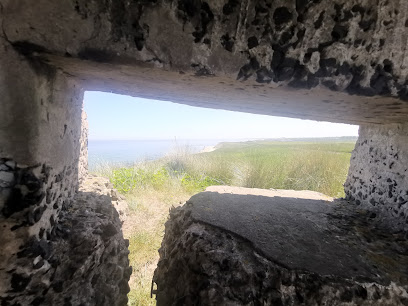
Lozenge Type Coastal Bunker
11.5 km
Explore the unique WWII Lozenge Type Coastal Bunker in Bamburgh, a striking hexagonal pillbox guarding Northumberland’s historic coastline.
Villages in Time Guided Walks no longer functions
12.0 km
Explore the enchanting history of local villages with Villages in Time Guided Walks, where every step uncovers stories from the past.
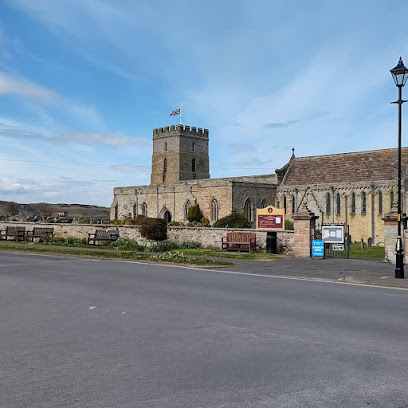
Berwick Lighthouse
14.8 km
Historic 19th-century lighthouse at Berwick Pier’s end, offering stunning coastal views and a glimpse into Berwick-upon-Tweed’s maritime heritage.
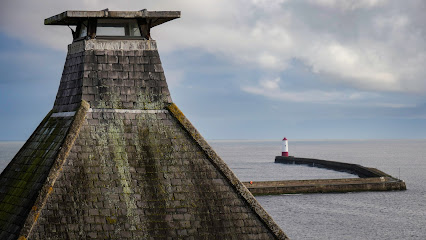
Coxon's Tower
15.7 km
Explore Coxon's Tower, a medieval sentinel transformed through centuries guarding Berwick-upon-Tweed’s iconic Elizabethan walls and river estuary.
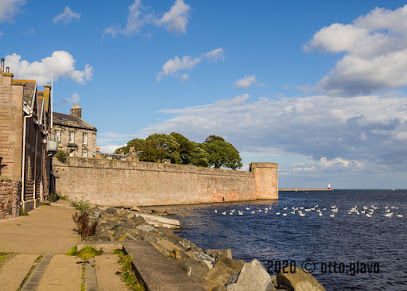
Berwick Town Walls
15.8 km
Explore Britain’s only complete Elizabethan town walls—historic bastions offering panoramic views over Berwick and the North Sea.
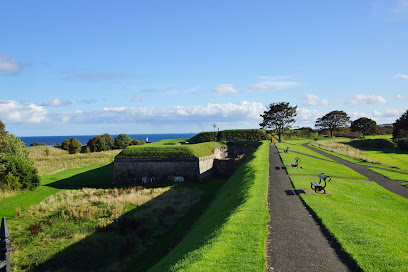
Town Hall
16.1 km
A majestic 18th-century neoclassical landmark, Berwick Town Hall stands as the historic heart of Berwick-upon-Tweed’s civic life and heritage.

Royal Tweed Bridge
16.1 km
A 1920s reinforced concrete arch bridge spanning the River Tweed, blending engineering innovation with scenic river views in historic Berwick-upon-Tweed.
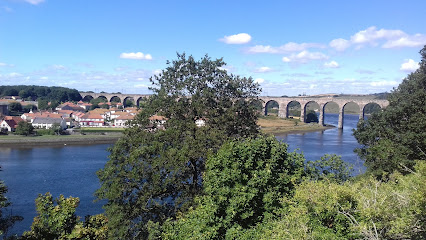
Berwick Bridge
16.2 km
A majestic 17th-century sandstone arch bridge spanning the River Tweed, linking history, heritage, and scenic vistas in Berwick-upon-Tweed.
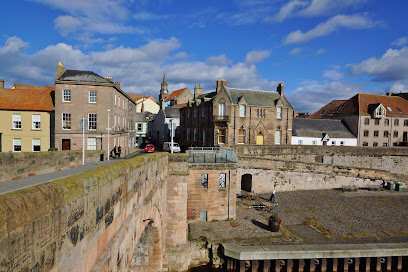
Cumberland Bastion
16.3 km
Explore Cumberland Bastion, a striking Elizabethan fortification embodying Berwick-upon-Tweed’s turbulent border history and military heritage.
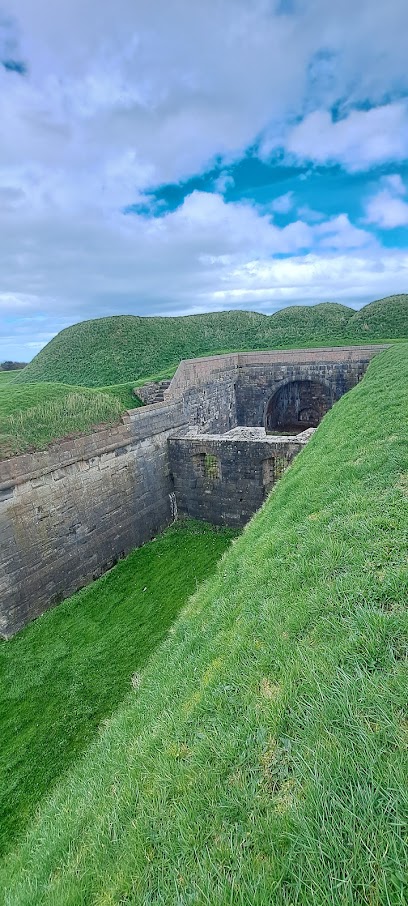
Lord's Mount
16.5 km
Explore Lord’s Mount, a towering Tudor artillery fortification guarding Berwick-upon-Tweed with panoramic views and rich border history.
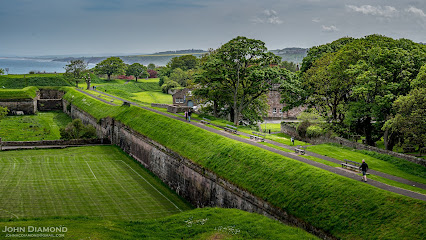
Royal Border Bridge
16.8 km
Victorian engineering triumph spanning the River Tweed—still carrying trains 175 years after Queen Victoria's opening.

Beadnell Harbour
18.2 km
Historic 18th-century harbour with unique west-facing entrance, scenic sandy bay, and preserved lime kilns on Northumberland’s coast.
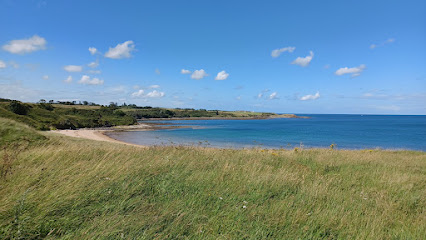
Broad Shiel
18.4 km
Historic fishing shelter on the River Tweed, offering serene views and a glimpse into Berwick-upon-Tweed’s rich border heritage.
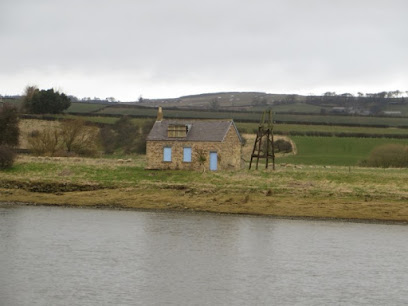
Lamberton Skerrs
22.4 km
Explore the rugged cliffs and historic smuggling ruins of Lamberton Skerrs, where maritime history meets breathtaking North Sea views.
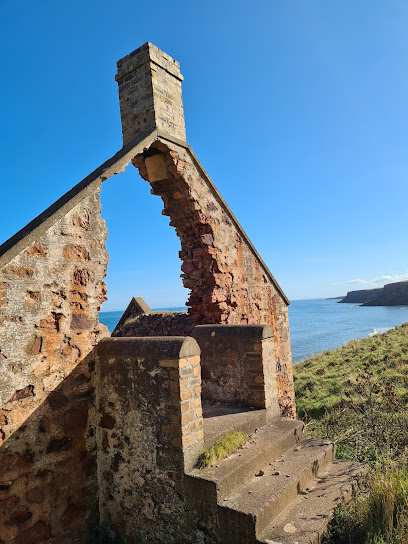
Visit Berwickshire Coast
27.9 km
Explore the Berwickshire Coast: A stunning blend of natural beauty, rich history, and charming coastal towns perfect for a memorable getaway.
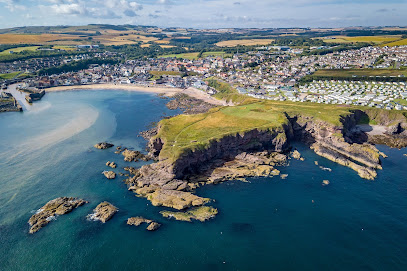
Unmissable attractions to see

Lindisfarne Heritage Centre
1.1 km
Explore Holy Island’s rich heritage through captivating exhibits on history, nature, and culture at the Lindisfarne Heritage Centre.
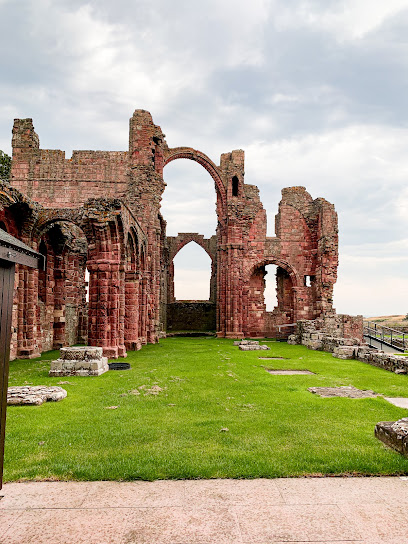
Lindisfarne Castle
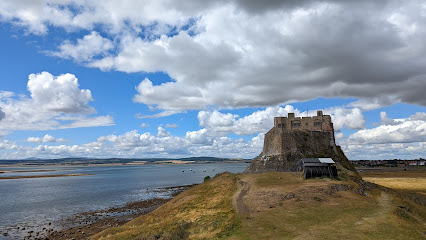
1.6 km
A dramatic Tudor fortress turned Edwardian retreat, Lindisfarne Castle offers stunning coastal views and historic charm on Northumberland’s iconic Holy Island.
Lindisfarne National Nature Reserve
2.6 km
A wild, tidal landscape of mudflats, dunes and saltmarsh, home to wintering birds, seals and rare orchids on the Holy Island of Lindisfarne.
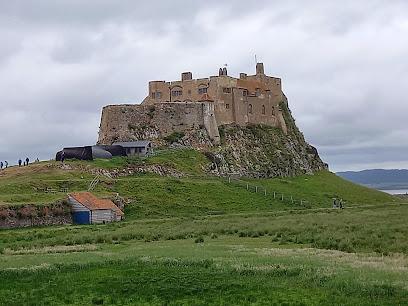
Heritage Walks Northumberland
6.8 km
Explore Northumberland’s hidden heritage on scenic guided walks blending history, nature, and local stories in stunning countryside settings.
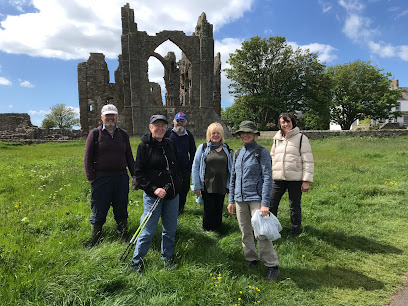
RNLI Grace Darling Museum
9.7 km
Discover the inspiring story of Victorian heroine Grace Darling and her daring sea rescue at this intimate museum near Bamburgh Castle.
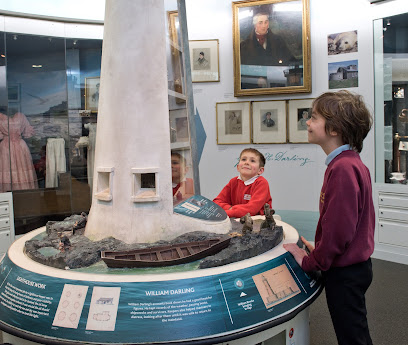
Bamburgh Castle
9.8 km
Explore Bamburgh Castle, a majestic medieval fortress with royal history, stunning coastal views, and a rich cultural legacy on England’s Northumberland coast.
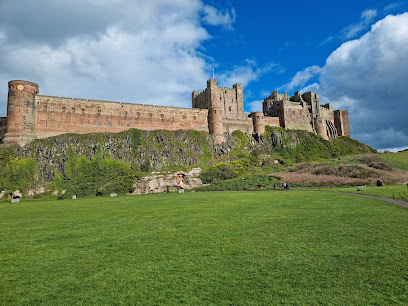
National Trust - St Cuthbert's Cave
10.3 km
Discover the tranquil sandstone refuge where Saint Cuthbert’s legacy and Northumberland’s spiritual history converge amidst stunning countryside.
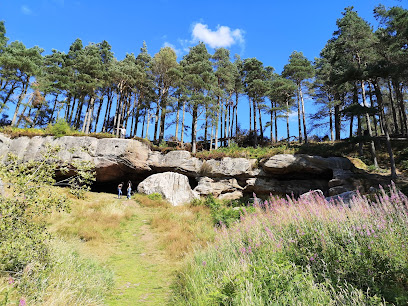
North Wames
11.7 km
Discover the rugged beauty and vibrant wildlife of North Wames, a pristine sanctuary in the Farne Islands off England’s Northumberland coast.

National Trust - Farne Islands
12.0 km
A breathtaking wildlife sanctuary off Northumberland’s coast, famed for puffins, seals, historic lighthouses, and rich cultural heritage.
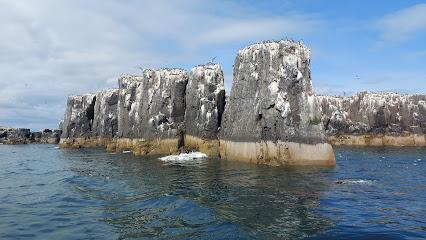
Farne Islands
12.2 km
A breathtaking archipelago off Northumberland’s coast, home to vibrant seabird colonies, playful seals, and rich maritime history.
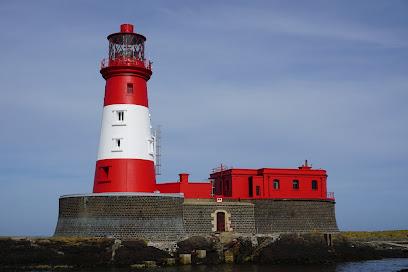
Longstone Lighthouse
12.6 km
Historic 19th-century lighthouse on the Farne Islands, famed for Grace Darling’s heroic 1838 rescue and stunning coastal wildlife cruises.
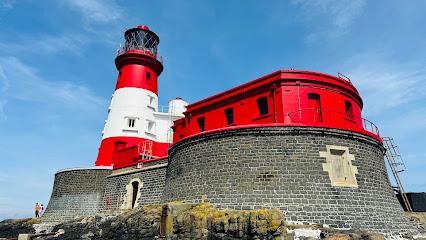
Co-op Food - Seahouses - Main Street
14.4 km
Your friendly neighborhood convenience store in Seahouses, open long hours with a great range of essentials and local products.

Berwick Museum and Art Gallery
16.0 km
Discover Berwick’s rich history and art treasures within the atmospheric Berwick Barracks at this engaging museum and gallery.
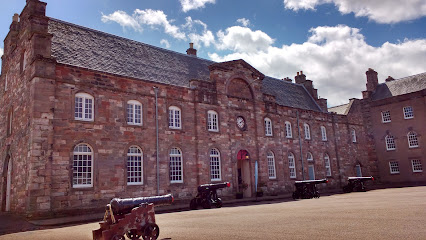
Berwick-Upon-Tweed Barracks and Main Guard
16.0 km
Explore the historic 18th-century Berwick Barracks, a fortress of England’s border heritage with panoramic views and rich military exhibitions.
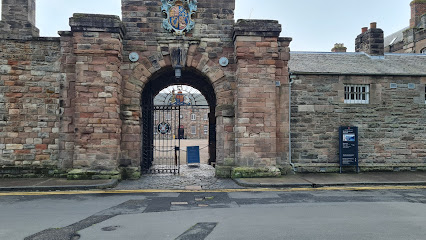
Berwick Boat Trips
16.0 km
Discover Berwick-upon-Tweed from the water on scenic boat trips blending wildlife, history, and stunning river and sea views.
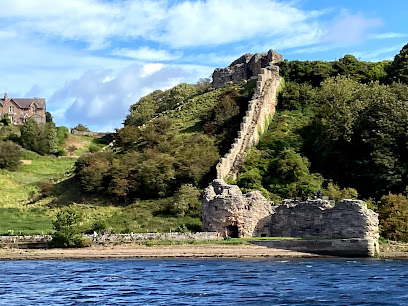
Essential places to dine

The Potted Lobster - Bamburgh
9.8 km
Savor fresh, locally sourced seafood in a relaxed, elegant setting with stunning views of Bamburgh Castle and the Northumberland coast.
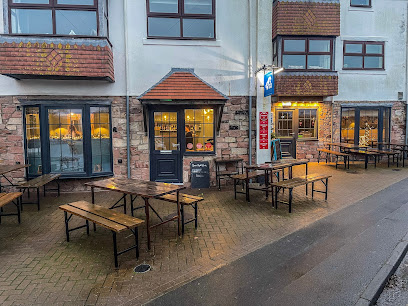
The Black Bull Inn
11.9 km
A charming country pub and inn in Lowick offering luxury rooms, hearty British fare, and a welcoming atmosphere amid Northumberland’s scenic beauty.
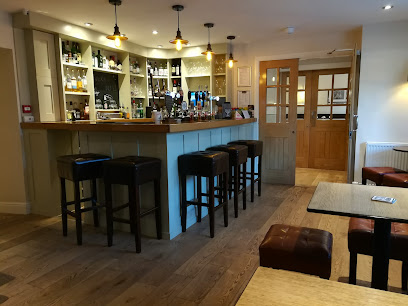
Insieme Seahouses
14.4 km
Experience generous portions of authentic Italian cuisine with a warm, family-friendly atmosphere in the heart of Seahouses.
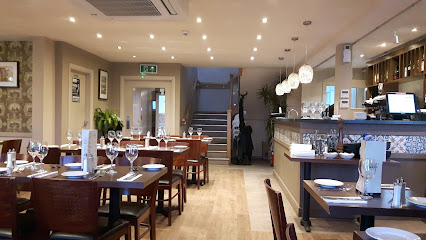
Limoncello
15.9 km
Experience fresh, authentic Italian cuisine in a welcoming setting at Berwick’s beloved Limoncello on historic Hide Hill.
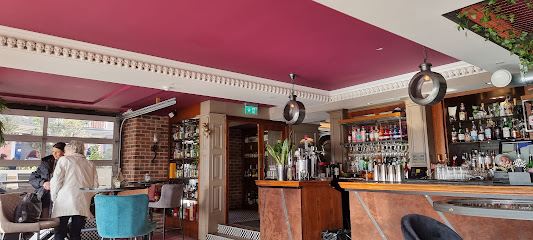
Ivy 43
16.0 km
Ivy 43 offers expertly crafted dishes and warm hospitality within the historic Kings Arms Hotel in the heart of Berwick-upon-Tweed.
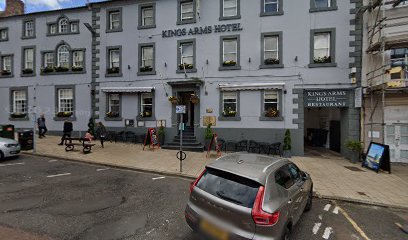
Amore Restaurant
16.0 km
Authentic Italian flavors and warm hospitality in the heart of Berwick-upon-Tweed, with charming indoor and garden terrace dining.
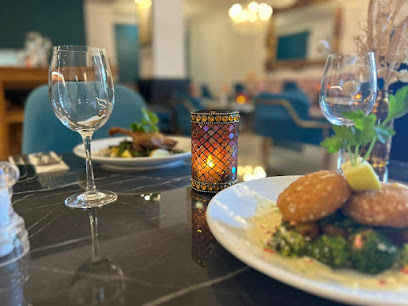
Foxtons Winebar & Restaurant
16.0 km
A cozy Berwick-upon-Tweed wine bar and restaurant offering local flavors, vegan and gluten-free options, and a welcoming atmosphere.
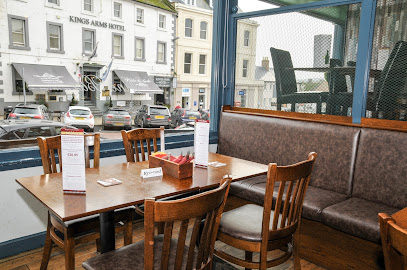
Audela
16.1 km
Experience refined modern British cuisine with fresh local ingredients in a charming historic setting on Berwick’s Bridge Street.
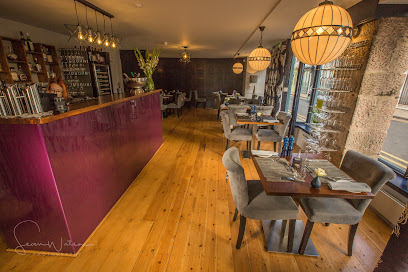
Percy Arms Hotel
16.2 km
Charming 3-star country inn in Chatton offering spacious dog-friendly rooms, hearty British cuisine, and a cosy rural atmosphere.
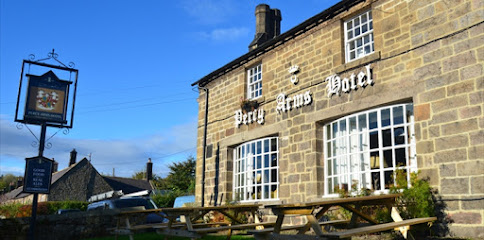
The Castle Hotel & Restaurant
16.7 km
Historic charm meets modern comfort just steps from Berwick’s railway station and town centre.
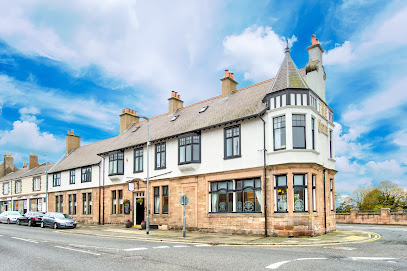
Ord House Lounge Bar & Grill
16.7 km
A welcoming family-friendly bar and grill in Berwick-upon-Tweed serving hearty homemade classics with fun for all ages.
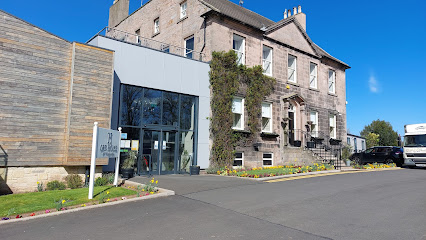
The Craster Arms
17.2 km
Historic gastropub and hotel blending medieval heritage with vibrant coastal charm in the heart of Beadnell village.
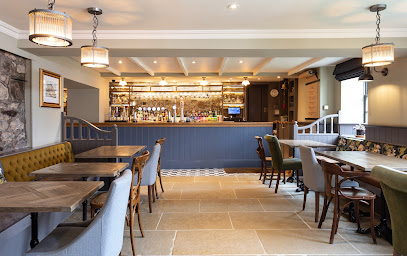
The Landing, Beadnell Bay
17.9 km
Fresh seafood and coastal charm combine at The Landing, Beadnell Bay’s welcoming spot for classic fish and chips and more.
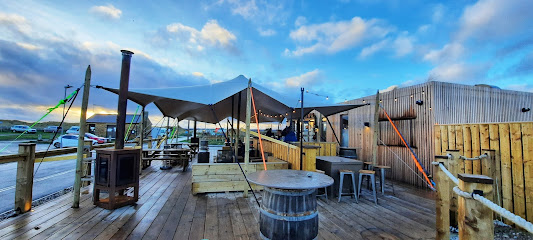
Restaurant 1782
19.9 km
Exquisite modern British dining in a historic manor with stunning sea views and seasonal local ingredients near Berwick-upon-Tweed.
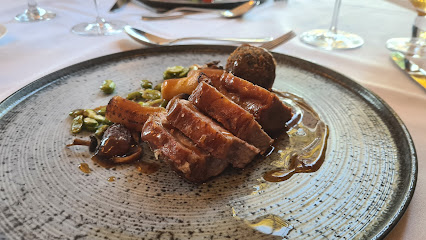
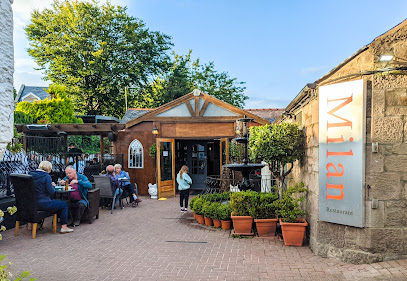
Milan Restaurant
20.1 km
Experience authentic Italian flavors and warm hospitality in the heart of Wooler at Milan Restaurant, where every meal is a celebration.
Markets, malls and hidden boutiques

The National Trust Shop
1.1 km
Discover unique local crafts and heartfelt souvenirs at The National Trust Shop in historic Berwick-upon-Tweed.

Country House Gifts & Gallery
9.8 km
Discover unique gifts and high-quality treasures in the heart of historic Bamburgh at Country House Gifts & Gallery.
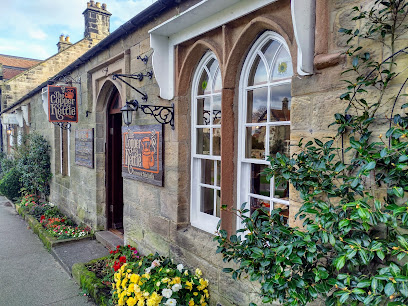
Farne Gifts
14.3 km
Discover unique local crafts and coastal treasures at Farne Gifts, Seahouses’ charming gift shop with a welcoming atmosphere and year-round appeal.

National Trust Shop
14.4 km
Discover charming puffin souvenirs and local crafts at the National Trust Shop in Seahouses, supporting conservation of the Farne Islands.
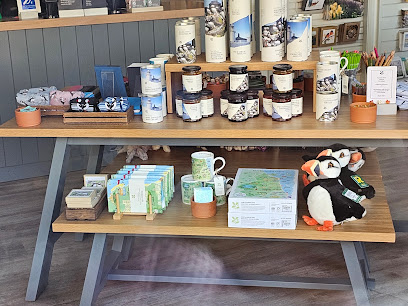
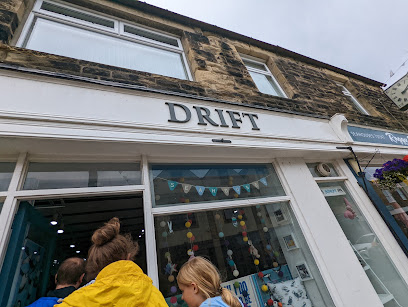
Drift
14.4 km
Discover Drift, a family-run coastal gift shop in Seahouses offering unique yarns and craft goodies inspired by Northumberland’s seaside charm.
Raggy Dolls
14.4 km
Discover unique ladies' fashion in a friendly boutique at the heart of charming Seahouses village.

North Shore Gifts
14.4 km
Discover handmade jewellery and unique coastal gifts at North Shore Gifts, a welcoming boutique celebrating Northumberland’s artisanal spirit.

Granny's Keepsakes
15.9 km
Discover handcrafted gifts and heartfelt keepsakes in the charming, friendly boutique of Granny's Keepsakes in historic Berwick-upon-Tweed.

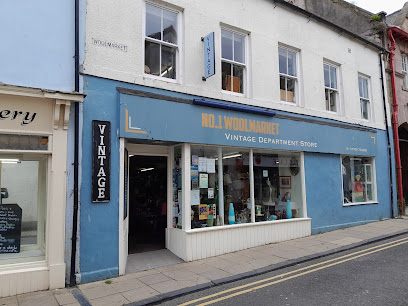
No.1 Woolmarket Vintage Department Store
15.9 km
Discover timeless vintage treasures and local heritage within Berwick-upon-Tweed’s historic Woolmarket district.
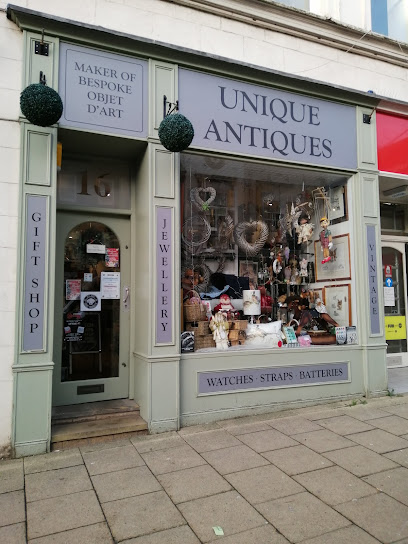
Unique Antiques
16.0 km
Discover quirky, unique antiques in the heart of historic Berwick-upon-Tweed at this charming Hide Hill shop.
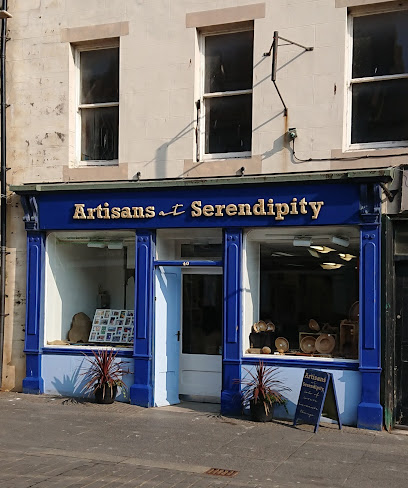
Artisans at Serendipity
16.1 km
Discover unique handmade gifts by local artists in the heart of historic Berwick-upon-Tweed.
Derrants
16.1 km
Discover unique local gifts and artisan treasures in the heart of historic Berwick-upon-Tweed at Derrants.
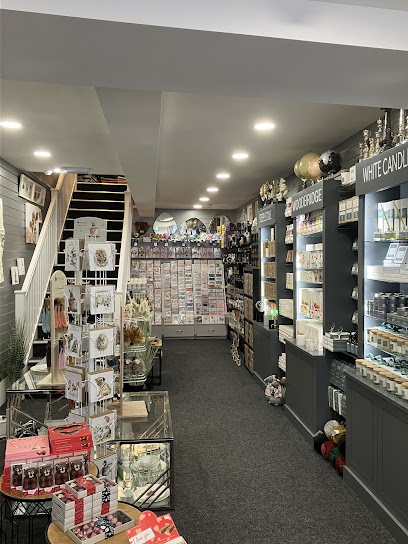
Bijoux
16.1 km
Discover unique gifts and local treasures at Bijoux, a charming gift shop in the heart of historic Berwick-upon-Tweed.
Loop Emporium
16.1 km
Discover unique vintage and upcycled fashion treasures in the heart of historic Berwick-upon-Tweed at Loop Emporium.

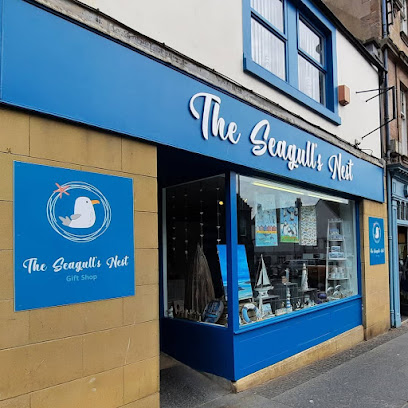
The Seagull's Nest
16.3 km
Discover Berwick-upon-Tweed’s charming seaside gift shop filled with unique nautical treasures and local crafts.
Essential bars & hidden hideouts

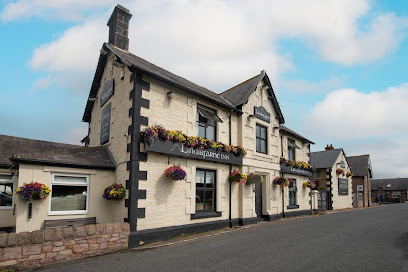
The Lindisfarne Inn
7.3 km
Historic charm meets coastal comfort at The Lindisfarne Inn, your welcoming base in Berwick-upon-Tweed’s scenic borderland.
Schooner Inn
14.5 km
A charming nautical-themed pub in Seahouses offering cozy ambiance, local ales, and a welcoming stop in this vibrant fishing village.
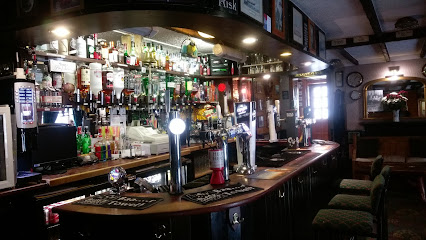
The Radio Rooms
15.9 km
A lively bar and event space in Berwick-upon-Tweed, celebrated for live music, vegan snacks, and a welcoming community vibe.

The Curfew Micropub
16.1 km
A cozy micropub in Berwick-upon-Tweed offering exceptional ales, warm hospitality, and a charming local atmosphere.
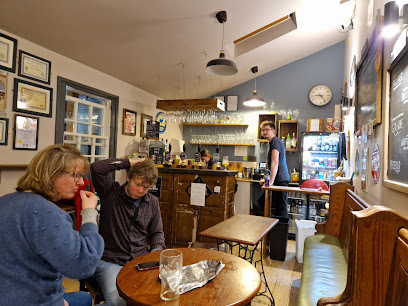
The Barrels
16.1 km
Traditional charm and award-winning ales meet lively music and local spirit in Berwick-upon-Tweed’s beloved Barrels Ale House.
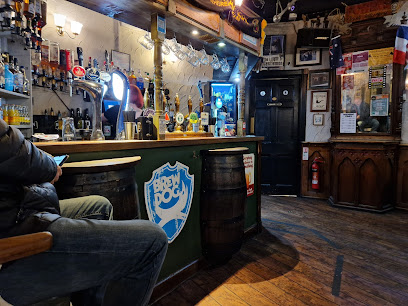
Leaping Salmon
16.3 km
A vibrant, friendly pub in Berwick-upon-Tweed offering hearty British fare, real ales, live sports, and scenic riverside views.
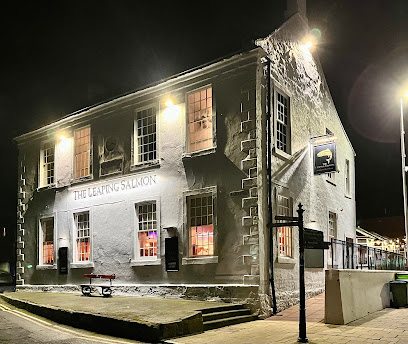
The Thatch
16.4 km
A friendly family-run pub in Tweedmouth offering great drinks, a games room, and a welcoming community atmosphere near Berwick’s old bridge.
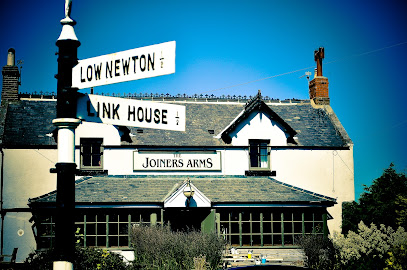
The Joiners Arms
20.9 km
A stylish 5-star boutique inn and gastropub by Northumberland’s stunning coast, blending local flavors, cozy charm, and seaside serenity.
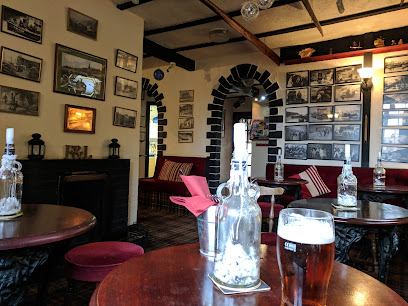
The First & Last Inn
24.8 km
Cozy coastal pub and B&B in Upper Burnmouth offering hearty meals, friendly service, and scenic Scottish Borders charm.
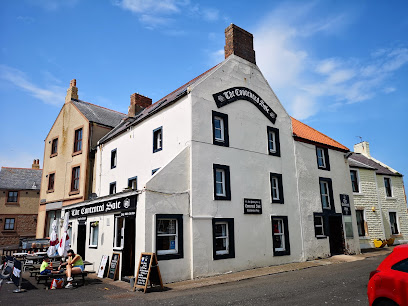
The Contented Sole
27.9 km
A friendly harbour-side pub offering fresh seafood and traditional Scottish fare in the heart of Eyemouth’s fishing community.
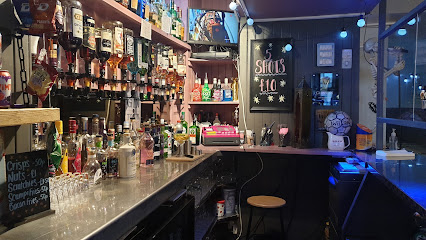
BEST PUBLIC BAR
28.6 km
A cozy, traditional pub in Coldstream offering authentic Scottish Border hospitality in a charming rural setting.
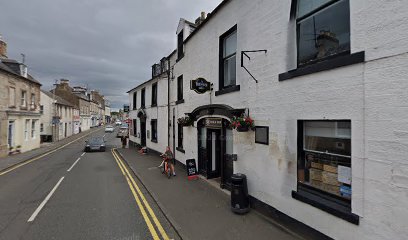
Black Swan Alnwick
30.2 km
Historic charm meets cozy comfort at The Black Swan Alnwick, a welcoming pub and bed & breakfast in the heart of town.
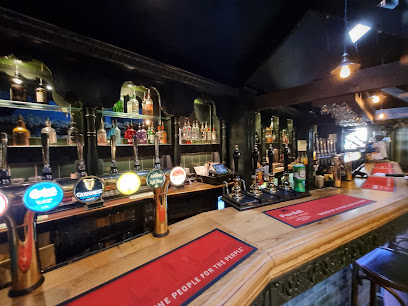
Harry's Bar
30.2 km
A cozy micropub in Alnwick’s historic Narrowgate, offering craft ales, whiskies, and a friendly, quirky atmosphere with a nod to local history.
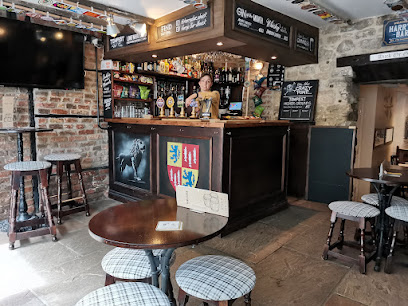
The Queens Head
30.4 km
A welcoming historic pub and hotel in Alnwick, blending traditional charm with modern comfort near Alnwick Castle.
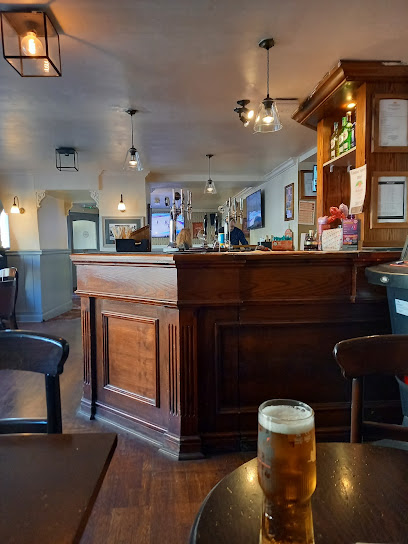
Tanners Arms Alnwick
30.5 km
A cozy, historic pub in Alnwick offering well-kept local ales, friendly vibes, and a true taste of Northumberland hospitality.
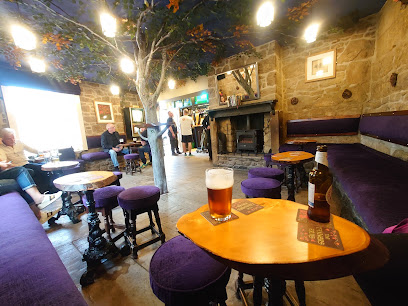
Nightclubs & after hour spots

BedRocks
16.2 km
Discover the vibrant nightlife of Berwick-upon-Tweed at BedRocks, a lively nightclub and bar known for its energetic atmosphere and affordable drinks.
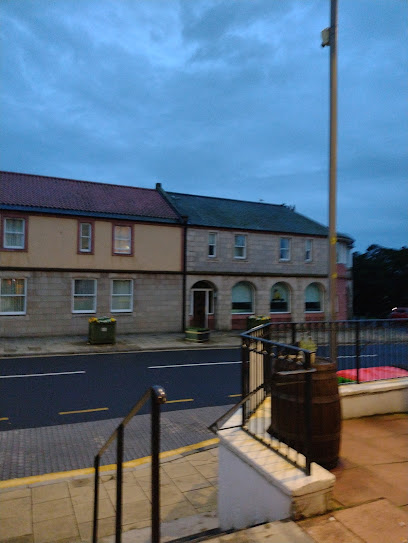
GREEN HOUSE | Berwick Upon Tweed
16.2 km
Berwick-upon-Tweed’s vibrant late-night hotspot offering lively music and dancing in the heart of the historic town.

The Royal British Legion
40.9 km
Discover community, camaraderie, and local entertainment at The Royal British Legion in Kelso - a vibrant hub for visitors and locals.
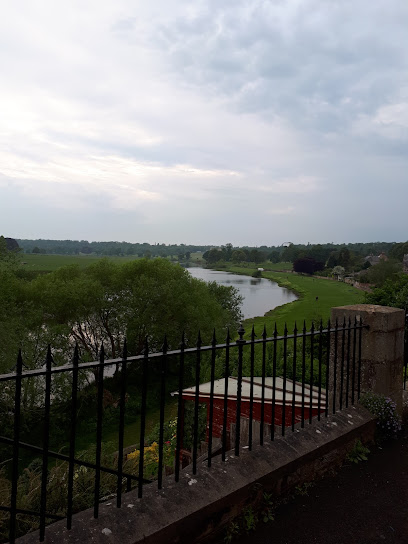
The Brick Club, Red Row Working Mens Club
45.7 km
A welcoming traditional working men's club in Morpeth offering authentic local atmosphere, classic ales, and a strong community spirit.
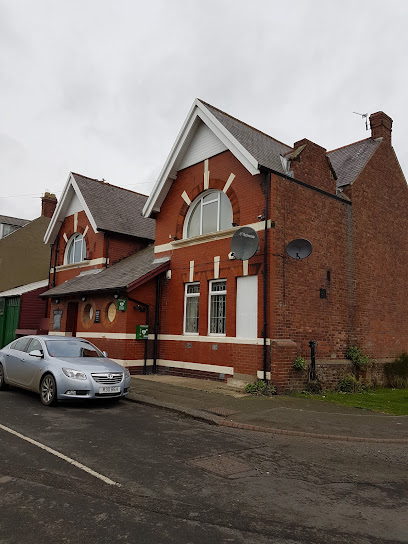
Nothing
55.8 km
Experience immersive alternative rock concerts by Nothing in the intimate, historic setting of London’s Moth Club.
Dance Delicious
57.2 km
Experience vibrant nightlife and modern vibes at Dance Delicious, Ashington’s premier spot for dancing and social fun.
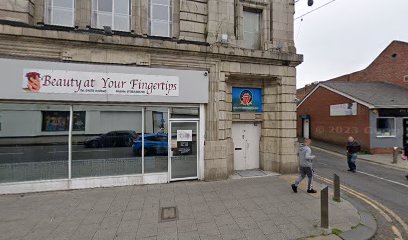
Morven
58.4 km
Discover the electrifying nightlife at Morven Nightclub in Oxnam, near Melrose, where great music, vibrant atmosphere, and unforgettable memories await.
Knightrider Discos
59.2 km
Experience Morpeth’s vibrant nightlife at Knightrider Discos, where dynamic beats and lively crowds create unforgettable nights.

Warehouse Nightclub
63.5 km
Experience the vibrant nightlife and dynamic music scene at Warehouse Nightclub, Galashiels’ lively hub after dark.

The Indigo Rooms
63.6 km
Experience Galashiels' vibrant nightlife at The Indigo Rooms, a welcoming nightclub and bar with themed events and a lively atmosphere.

The Border Club
68.0 km
Experience the vibrant local culture at The Border Club, a friendly social hub in Hawick, Scotland, perfect for travelers seeking community spirit.

Base Nightclub
68.2 km
Experience Hawick’s energetic nightlife at Base Nightclub, where vibrant music and lively crowds create unforgettable Friday nights.
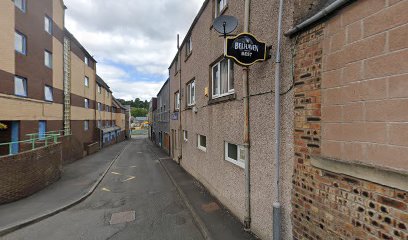
Square One
68.6 km
Vibrant Hawick nightclub with dynamic music floors and a welcoming atmosphere at the heart of Drumlanrig Square.

Borders Blues club
79.4 km
Immerse yourself in the vibrant atmosphere of Borders Blues Club, where the best of British blues music comes alive in Innerleithen.

The Vale Of Leithen Social Club
79.4 km
A friendly members' club in Innerleithen offering live music, affordable drinks, and a warm community atmosphere.
For the vibe & atmosphere seeker
- Tranquil
- Scenic
- Relaxing
- Unique
For the design and aesthetic lover
- Rustic Designs
- Vintage Styles
For the architecture buff
- Historic
- Landmarks
- Sacred Sites
- Parks & Gardens
For the view chaser and sunset hunter
- Iconic Views
- Panoramas
- Waterfront
- Sunset Spots
For the social media creator & influencer
- Instagrammable
- Photo Spots
- Selfie Spots
- Aesthetic Corners
For the eco-conscious traveler
- Protected Area
- Nature Reserve
- Public-Transport Accessible
- Leave-No-Trace Critical
- Locally Managed
- Wildlife Habitat
For the kind of experience you’re after
- Cultural Heritage
- Myth & Legends
- Nature Escape
- Spiritual / Energy Spot
- Photowalk
- Day Trip
- Weekend Getaway
- Festival / Event Nearby
For how adventurous you want the journey to be
- Easy Access
- Requires Hike
- Seasonal Only
Location Audience
- Family Friendly
- Senior Friendly
- Child Friendly
- Teen Friendly
- Wheelchair Access
- Pet Friendly
- Solo Friendly
- Couple Friendly
- Solo Female Friendly
- Vegetarian Friendly
- Vegan Friendly


