
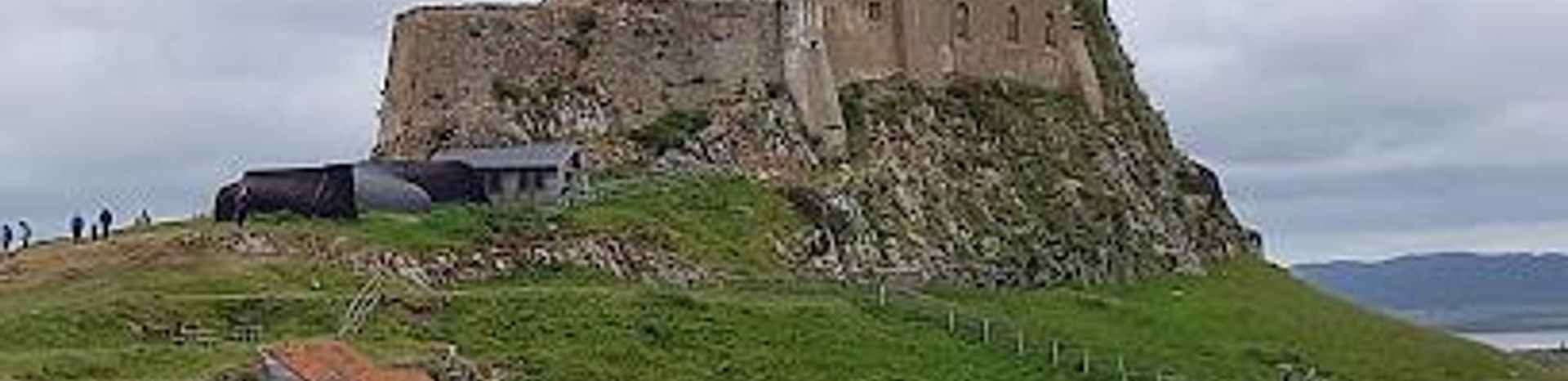
Lindisfarne National Nature Reserve
A wild, tidal landscape of mudflats, dunes and saltmarsh, home to wintering birds, seals and rare orchids on the Holy Island of Lindisfarne.
Stretching across tidal mudflats, saltmarshes and dunes around Holy Island, Lindisfarne National Nature Reserve is a haven for wildlife and a place of quiet beauty. The reserve supports vast flocks of wintering waterfowl, wading birds, and grey seals, while its shifting sands and tides create a constantly changing seascape. A self-guided nature trail leads through dunes and along the shore, offering panoramic views and opportunities to spot rare birds and wildflowers. Respect seasonal access rules and keep to paths to protect this fragile coastal habitat.
A brief summary to Lindisfarne National Nature Reserve
- Lindisfarne, GB
- +441289381470
- Visit website
- Duration: 1.5 to 3 hours
- Free
-
 Outdoor
- Mobile reception: 4 out of 5
- Monday 9 am-5:15 pm
- Tuesday 9 am-5:15 pm
- Wednesday 9 am-5:30 pm
- Thursday 9 am-5:30 pm
- Friday 9 am-5:30 pm
- Saturday 9 am-6:30 pm
Local tips
- Always check the Holy Island tide timetable before visiting; the causeway is covered twice daily and crossing outside safe times is dangerous.
- Bring binoculars and a zoom lens; they allow you to observe birds and seals from a respectful distance without disturbing them.
- Stick to marked paths and avoid trampling dunes or saltmarsh; this protects fragile plants and ground-nesting birds.
- Visit in winter for the best birdwatching, or in spring/summer for wildflowers and breeding birds, but respect seasonal access restrictions.
- Dogs are welcome but must be kept on a short lead to avoid disturbing nesting birds and livestock; do not allow them near seals or in restricted areas.

For the on-the-go comforts that matter to you
- Restrooms
- Drink Options
- Drinking Water
- Food Options
- Seating Areas
- Sheltered Areas
- Trash Bins
- Information Boards
Getting There
-
By car and foot
Drive to the mainland side of the Holy Island causeway near Beal; park in the main Holy Island car park and walk the causeway to the island. The walk takes about 20–30 minutes over flat, exposed ground; check tide times carefully as the causeway is covered twice daily. Once on the island, the nature reserve is accessed on foot via paths from the village and harbour.
-
By public transport and foot
Take a train to Berwick-upon-Tweed or Alnmouth, then a local bus or taxi to the Holy Island causeway car park. From there, walk the causeway to the island (20–30 minutes) and explore the reserve on foot. Bus services are limited, so check timetables in advance, especially outside summer.
-
By bicycle (to the causeway)
Cycle along the Northumberland Coast Path or National Cycle Route 1 to the Holy Island causeway car park. Bicycles are not permitted on the reserve itself, but you can lock them at the car park and walk the causeway to the island before exploring the reserve on foot.
-
On foot (from nearby villages)
Walk from nearby coastal villages such as Beal or Bamburgh to the causeway car park, then cross to Holy Island on foot. The full journey from Bamburgh takes several hours over mixed terrain; allow plenty of time and always check tide times before setting out.
Lindisfarne National Nature Reserve location weather suitability
-
 Any Weather
-
 Clear Skies
-
 Windy Conditions
-
 Mild Temperatures
Discover more about Lindisfarne National Nature Reserve
Where Land Meets Sea
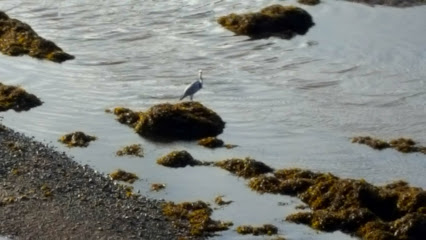
Lindisfarne National Nature Reserve wraps around the Holy Island of Lindisfarne, where the Northumberland coast meets the North Sea in a dramatic interplay of tides, sand and sky. Over 3,500 hectares of tidal mudflats, saltmarsh and dunes form a rich mosaic that supports an extraordinary variety of life. At low tide, vast expanses of mudflat are exposed, teeming with worms, shellfish and other invertebrates that sustain huge flocks of wading birds and wildfowl. As the tide rises, the landscape transforms, with channels and pools reflecting the ever-changing light and drawing in seals and seabirds.Wildlife Through the Seasons
Winter is the peak time to witness the reserve’s avian spectacle, as thousands of waterfowl arrive from the Arctic to feed on the nutrient-rich mud. Pale-bellied brent geese fly in from Svalbard, while flocks of waders such as oystercatchers, curlews and redshanks patrol the edges of the saltmarsh. Spring and summer bring breeding birds to the dunes and grasslands, including lapwings, meadow pipits and reed buntings, as well as delicate orchids like the marsh helleborine. Grey seals are present year-round, often seen hauled out on sandbanks or bobbing in the clear waters around the island, especially on calm days.Exploring the Reserve
The reserve is best explored on foot via a well-marked self-guided nature trail that loops for about 5 km (3 miles), taking 1.5 to 3 hours at a relaxed pace. The trail starts near the harbour and leads past the castle, along the edge of the Lough and through the dunes before returning via Straight Lonnen. Wooden posts along the route highlight different aspects of the landscape, from geology and plant life to birdwatching tips. Bird hides at the Lough and nearby Fenham-le-Moor offer sheltered vantage points, particularly effective at high tide when birds are concentrated on the remaining exposed ground.Responsible Visiting
This is a fragile, protected environment where wildlife depends on space and quiet. Visitors are asked to stay on existing paths and avoid trampling dunes or disturbing ground-nesting birds. A minimum distance of 100 metres is recommended from all wildlife, especially seals and resting birds; if birds take flight, you are already too close. Bicycles are not permitted on the reserve to prevent damage to sensitive habitats, though a Sustrans route runs parallel along the coast. Seasonal access restrictions may apply in spring and summer to protect breeding areas, and these are clearly signposted on site.Island Context and Access
Lindisfarne National Nature Reserve is part of the wider Holy Island experience, which also includes Lindisfarne Priory and Lindisfarne Castle. The island is reached via a tidal causeway from the mainland, which is covered twice daily by the sea; safe crossing times must be checked in advance. Once on the island, the reserve is open to explore on foot, with car parks and basic facilities in the village. The reserve’s character is one of solitude and natural rhythm, contrasting with the more historic and cultural sites nearby, and rewarding those who come prepared for changeable weather and a slow, observant pace.Iconic landmarks you can’t miss

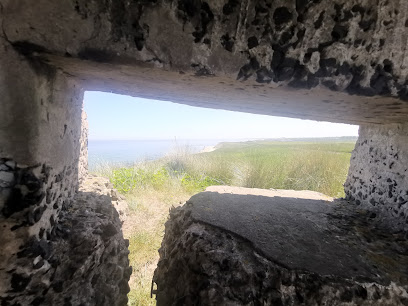
Lozenge Type Coastal Bunker
10.9 km
Explore the unique WWII Lozenge Type Coastal Bunker in Bamburgh, a striking hexagonal pillbox guarding Northumberland’s historic coastline.
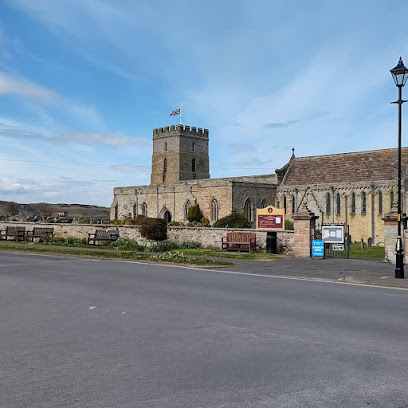
Villages in Time Guided Walks no longer functions
11.4 km
Explore the enchanting history of local villages with Villages in Time Guided Walks, where every step uncovers stories from the past.
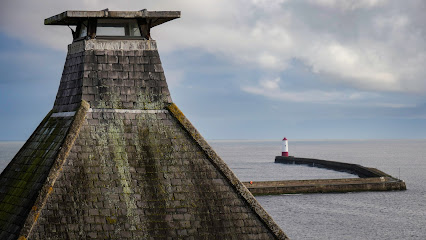
Berwick Lighthouse
15.3 km
Historic 19th-century lighthouse at Berwick Pier’s end, offering stunning coastal views and a glimpse into Berwick-upon-Tweed’s maritime heritage.
Coxon's Tower
16.1 km
Explore Coxon's Tower, a medieval sentinel transformed through centuries guarding Berwick-upon-Tweed’s iconic Elizabethan walls and river estuary.
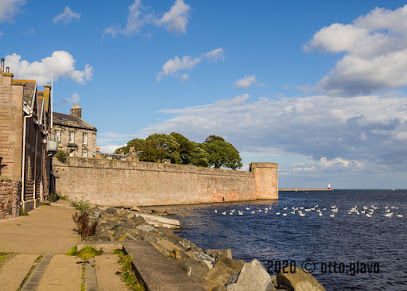
Berwick Town Walls
16.2 km
Explore Britain’s only complete Elizabethan town walls—historic bastions offering panoramic views over Berwick and the North Sea.
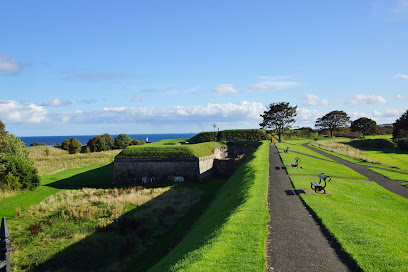
Town Hall
16.5 km
A majestic 18th-century neoclassical landmark, Berwick Town Hall stands as the historic heart of Berwick-upon-Tweed’s civic life and heritage.

Royal Tweed Bridge
16.5 km
A 1920s reinforced concrete arch bridge spanning the River Tweed, blending engineering innovation with scenic river views in historic Berwick-upon-Tweed.
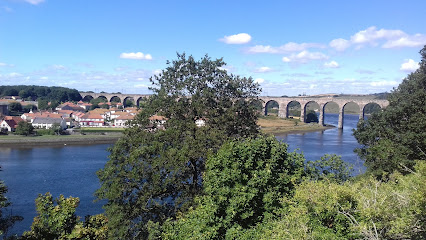
Berwick Bridge
16.5 km
A majestic 17th-century sandstone arch bridge spanning the River Tweed, linking history, heritage, and scenic vistas in Berwick-upon-Tweed.
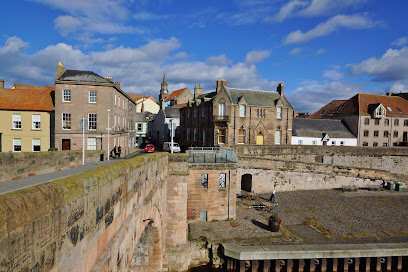
Cumberland Bastion
16.8 km
Explore Cumberland Bastion, a striking Elizabethan fortification embodying Berwick-upon-Tweed’s turbulent border history and military heritage.
Lord's Mount
17.0 km
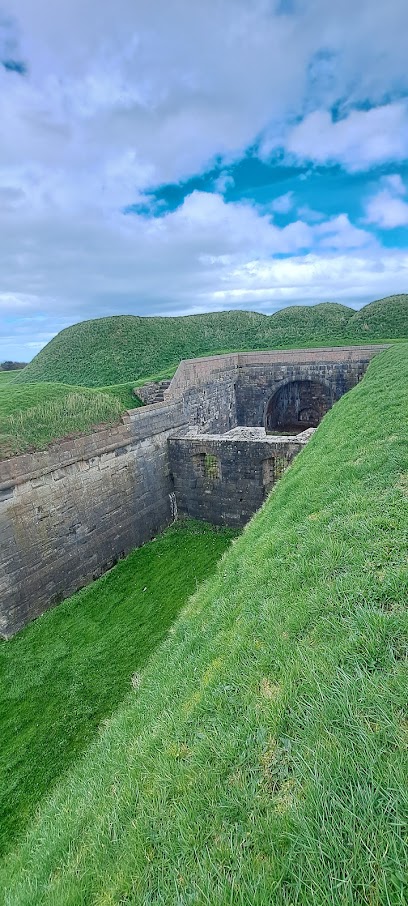
Explore Lord’s Mount, a towering Tudor artillery fortification guarding Berwick-upon-Tweed with panoramic views and rich border history.
Royal Border Bridge
17.1 km
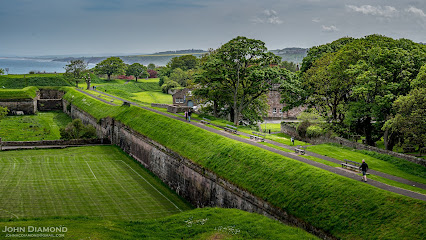
Victorian engineering triumph spanning the River Tweed—still carrying trains 175 years after Queen Victoria's opening.

Beadnell Harbour
17.5 km
Historic 18th-century harbour with unique west-facing entrance, scenic sandy bay, and preserved lime kilns on Northumberland’s coast.
Broad Shiel
18.3 km
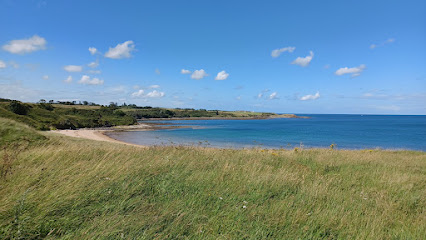
Historic fishing shelter on the River Tweed, offering serene views and a glimpse into Berwick-upon-Tweed’s rich border heritage.
Lamberton Skerrs
23.1 km
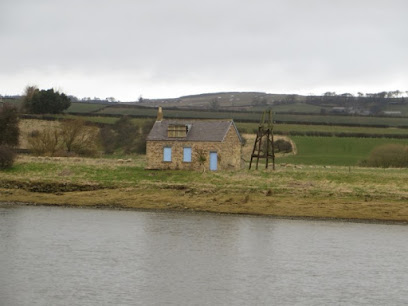
Explore the rugged cliffs and historic smuggling ruins of Lamberton Skerrs, where maritime history meets breathtaking North Sea views.
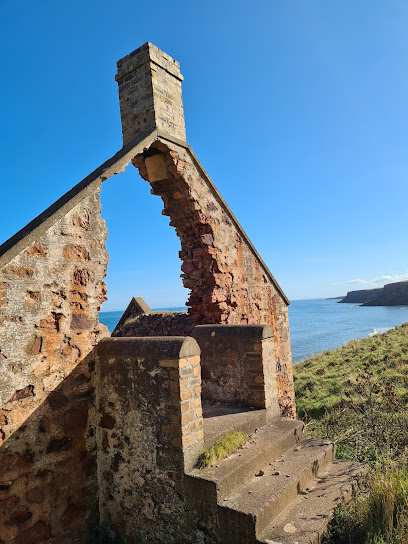
Marjoribanks Monument
26.5 km
A towering tribute to Charles Marjoribanks offering stunning views and rich history at Coldstream’s eastern gateway.
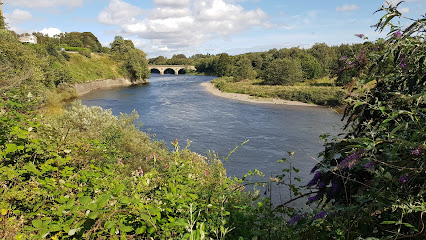
Unmissable attractions to see

Lindisfarne Heritage Centre
1.8 km
Explore Holy Island’s rich heritage through captivating exhibits on history, nature, and culture at the Lindisfarne Heritage Centre.
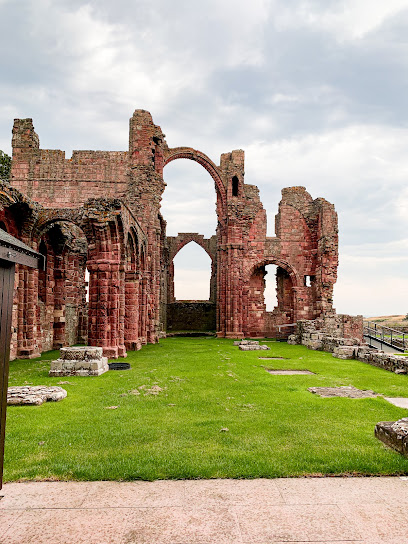
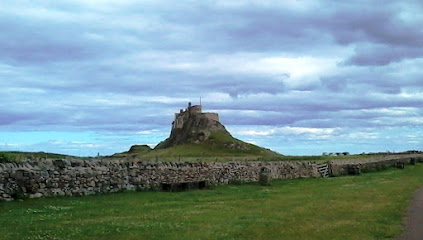
Lindisfarne Castle
2.6 km
A dramatic Tudor fortress turned Edwardian retreat, Lindisfarne Castle offers stunning coastal views and historic charm on Northumberland’s iconic Holy Island.
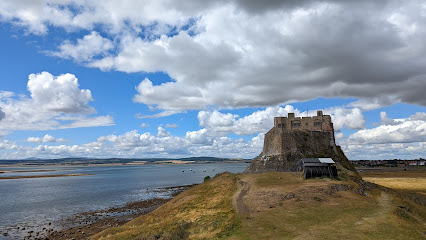
Holy Island
2.6 km
Discover Holy Island, a tidal sanctuary of ancient Christian heritage, stunning coastal beauty, and tranquil village charm off Northumberland’s coast.
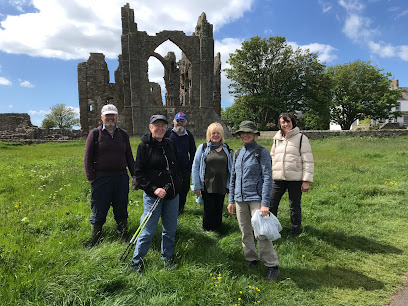
Heritage Walks Northumberland
4.6 km
Explore Northumberland’s hidden heritage on scenic guided walks blending history, nature, and local stories in stunning countryside settings.
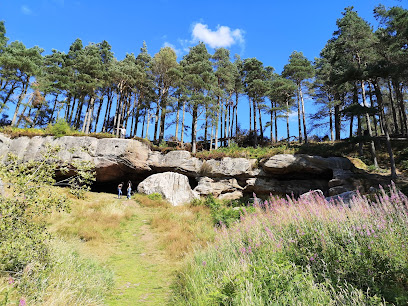
National Trust - St Cuthbert's Cave
7.7 km
Discover the tranquil sandstone refuge where Saint Cuthbert’s legacy and Northumberland’s spiritual history converge amidst stunning countryside.
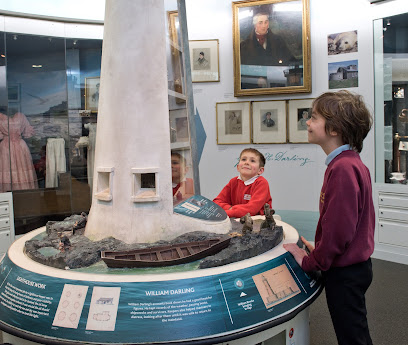
RNLI Grace Darling Museum
8.9 km
Discover the inspiring story of Victorian heroine Grace Darling and her daring sea rescue at this intimate museum near Bamburgh Castle.
Bamburgh Castle
9.2 km
Explore Bamburgh Castle, a majestic medieval fortress with royal history, stunning coastal views, and a rich cultural legacy on England’s Northumberland coast.
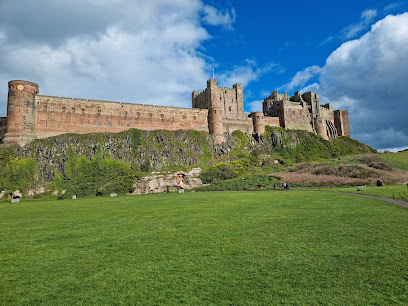
North Wames
12.4 km
Discover the rugged beauty and vibrant wildlife of North Wames, a pristine sanctuary in the Farne Islands off England’s Northumberland coast.

National Trust - Farne Islands
12.6 km
A breathtaking wildlife sanctuary off Northumberland’s coast, famed for puffins, seals, historic lighthouses, and rich cultural heritage.
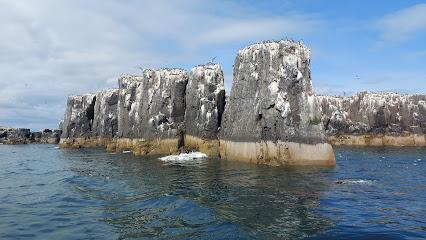
Farne Islands
12.8 km
A breathtaking archipelago off Northumberland’s coast, home to vibrant seabird colonies, playful seals, and rich maritime history.
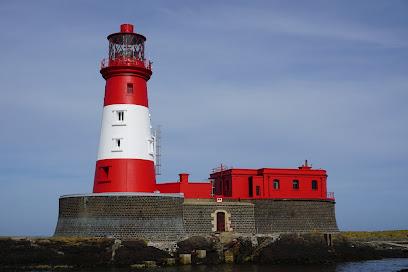
Longstone Lighthouse
13.5 km
Historic 19th-century lighthouse on the Farne Islands, famed for Grace Darling’s heroic 1838 rescue and stunning coastal wildlife cruises.
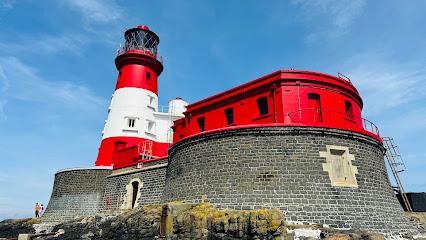
Co-op Food - Seahouses - Main Street
13.9 km
Your friendly neighborhood convenience store in Seahouses, open long hours with a great range of essentials and local products.

Chillingham Castle
15.8 km
Medieval fortress and haunted castle where 800 years of English history come alive in stone and shadow.
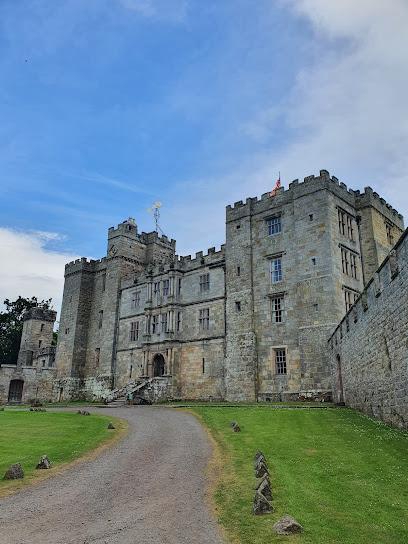
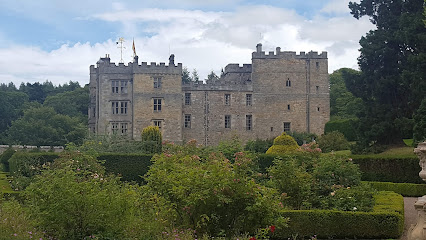
Chillingham Castle
15.8 km
Explore Chillingham Castle’s medieval grandeur and haunted mysteries nestled in Northumberland’s scenic countryside.
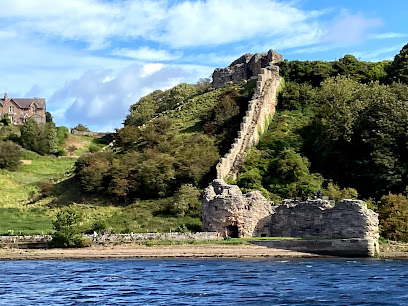
Berwick Boat Trips
16.4 km
Discover Berwick-upon-Tweed from the water on scenic boat trips blending wildlife, history, and stunning river and sea views.
Essential places to dine

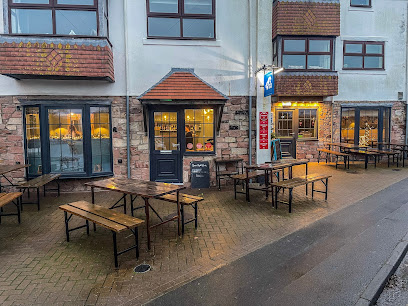
The Potted Lobster - Bamburgh
9.1 km
Savor fresh, locally sourced seafood in a relaxed, elegant setting with stunning views of Bamburgh Castle and the Northumberland coast.
The Black Bull Inn
10.0 km
A charming country pub and inn in Lowick offering luxury rooms, hearty British fare, and a welcoming atmosphere amid Northumberland’s scenic beauty.
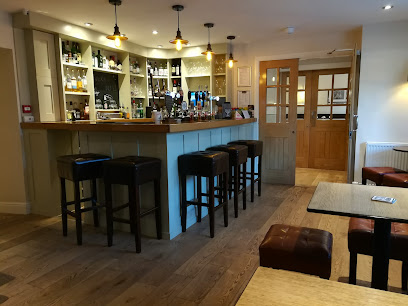
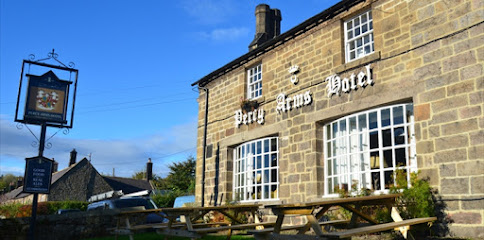
Percy Arms Hotel
13.6 km
Charming 3-star country inn in Chatton offering spacious dog-friendly rooms, hearty British cuisine, and a cosy rural atmosphere.
Insieme Seahouses
13.9 km
Experience generous portions of authentic Italian cuisine with a warm, family-friendly atmosphere in the heart of Seahouses.
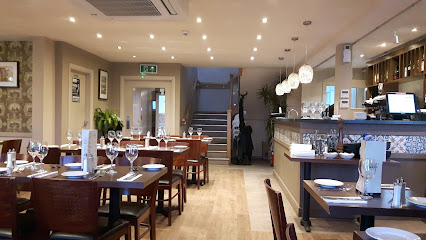
Limoncello
16.3 km
Experience fresh, authentic Italian cuisine in a welcoming setting at Berwick’s beloved Limoncello on historic Hide Hill.
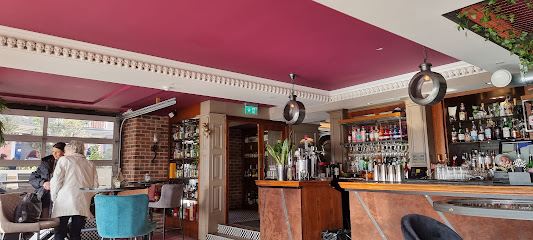
Ivy 43
16.4 km
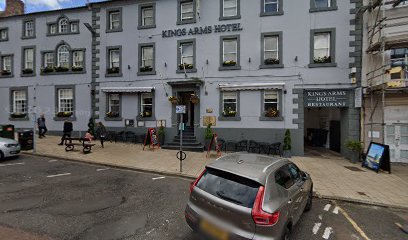
Ivy 43 offers expertly crafted dishes and warm hospitality within the historic Kings Arms Hotel in the heart of Berwick-upon-Tweed.
Amore Restaurant
16.4 km
Authentic Italian flavors and warm hospitality in the heart of Berwick-upon-Tweed, with charming indoor and garden terrace dining.

Foxtons Winebar & Restaurant
16.4 km
A cozy Berwick-upon-Tweed wine bar and restaurant offering local flavors, vegan and gluten-free options, and a welcoming atmosphere.
The Craster Arms
16.5 km
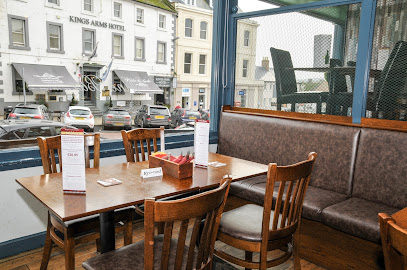
Historic gastropub and hotel blending medieval heritage with vibrant coastal charm in the heart of Beadnell village.
Audela
16.5 km
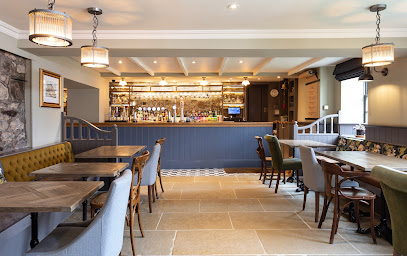
Experience refined modern British cuisine with fresh local ingredients in a charming historic setting on Berwick’s Bridge Street.
Ord House Lounge Bar & Grill
16.8 km
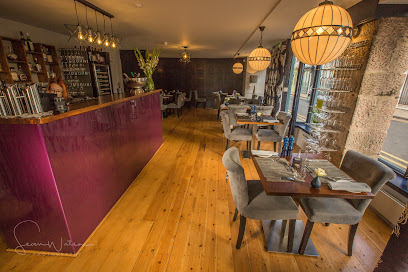
A welcoming family-friendly bar and grill in Berwick-upon-Tweed serving hearty homemade classics with fun for all ages.
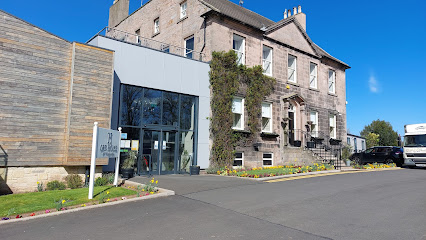
The Castle Hotel & Restaurant
17.1 km
Historic charm meets modern comfort just steps from Berwick’s railway station and town centre.
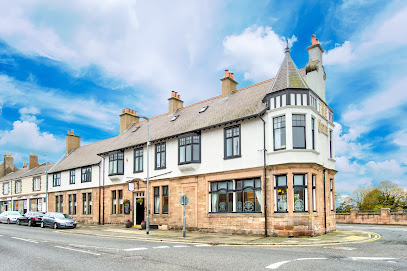
The Landing, Beadnell Bay
17.2 km
Fresh seafood and coastal charm combine at The Landing, Beadnell Bay’s welcoming spot for classic fish and chips and more.
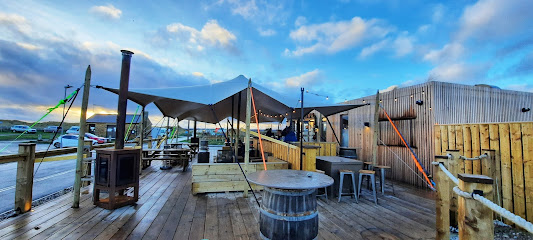
Milan Restaurant
17.5 km
Experience authentic Italian flavors and warm hospitality in the heart of Wooler at Milan Restaurant, where every meal is a celebration.
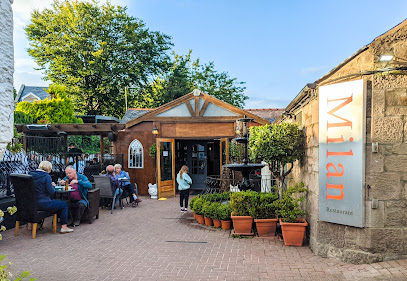
The Blue Bell Inn
20.2 km
A charming country inn blending rustic warmth with modern comfort, serving hearty meals in scenic Northumberland borders.
Markets, malls and hidden boutiques

The National Trust Shop
1.9 km
Discover unique local crafts and heartfelt souvenirs at The National Trust Shop in historic Berwick-upon-Tweed.
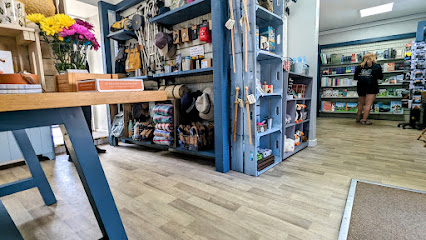
Country House Gifts & Gallery
9.1 km
Discover unique gifts and high-quality treasures in the heart of historic Bamburgh at Country House Gifts & Gallery.
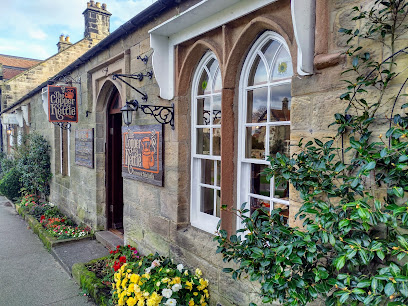
Farne Gifts
13.8 km
Discover unique local crafts and coastal treasures at Farne Gifts, Seahouses’ charming gift shop with a welcoming atmosphere and year-round appeal.

Drift
13.9 km
Discover Drift, a family-run coastal gift shop in Seahouses offering unique yarns and craft goodies inspired by Northumberland’s seaside charm.
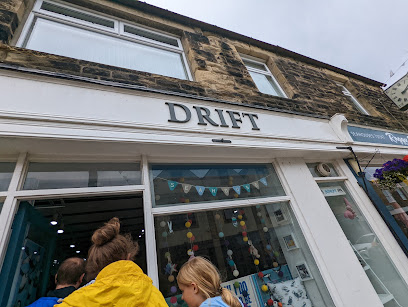
National Trust Shop
13.9 km
Discover charming puffin souvenirs and local crafts at the National Trust Shop in Seahouses, supporting conservation of the Farne Islands.
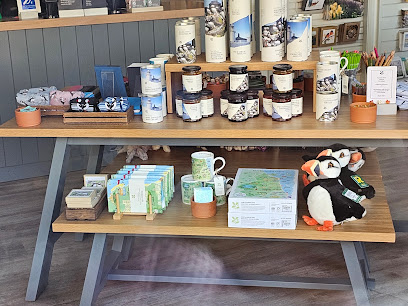
Raggy Dolls
13.9 km
Discover unique ladies' fashion in a friendly boutique at the heart of charming Seahouses village.

North Shore Gifts
13.9 km
Discover handmade jewellery and unique coastal gifts at North Shore Gifts, a welcoming boutique celebrating Northumberland’s artisanal spirit.

Granny's Keepsakes
16.3 km
Discover handcrafted gifts and heartfelt keepsakes in the charming, friendly boutique of Granny's Keepsakes in historic Berwick-upon-Tweed.

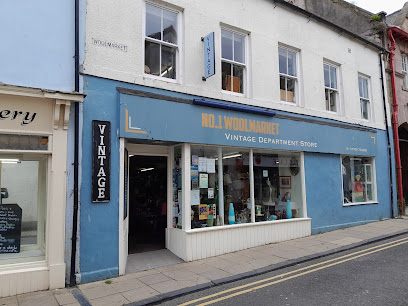
No.1 Woolmarket Vintage Department Store
16.4 km
Discover timeless vintage treasures and local heritage within Berwick-upon-Tweed’s historic Woolmarket district.
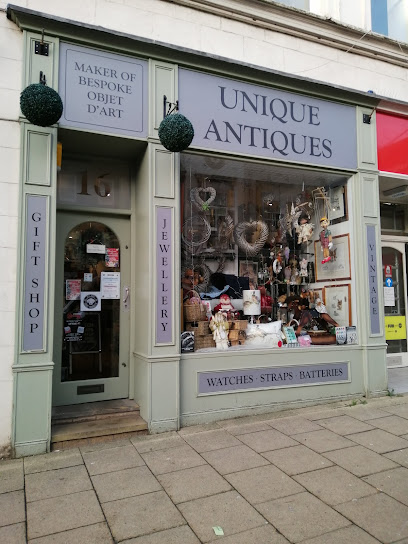
Unique Antiques
16.4 km
Discover quirky, unique antiques in the heart of historic Berwick-upon-Tweed at this charming Hide Hill shop.
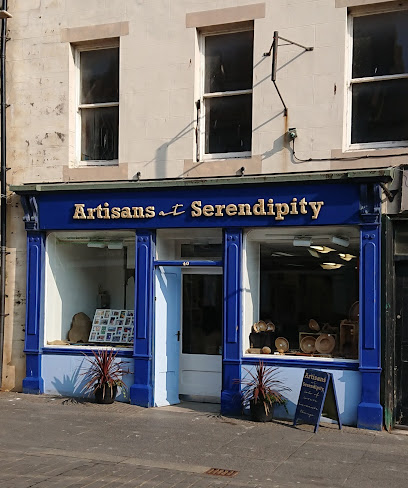
Artisans at Serendipity
16.5 km
Discover unique handmade gifts by local artists in the heart of historic Berwick-upon-Tweed.
Derrants
16.5 km
Discover unique local gifts and artisan treasures in the heart of historic Berwick-upon-Tweed at Derrants.
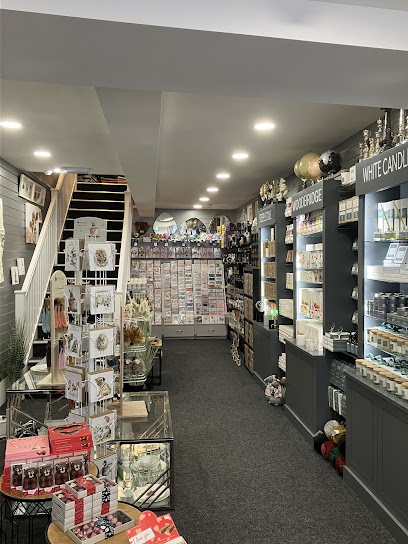
Bijoux
16.5 km
Discover unique gifts and local treasures at Bijoux, a charming gift shop in the heart of historic Berwick-upon-Tweed.
Loop Emporium
16.5 km
Discover unique vintage and upcycled fashion treasures in the heart of historic Berwick-upon-Tweed at Loop Emporium.

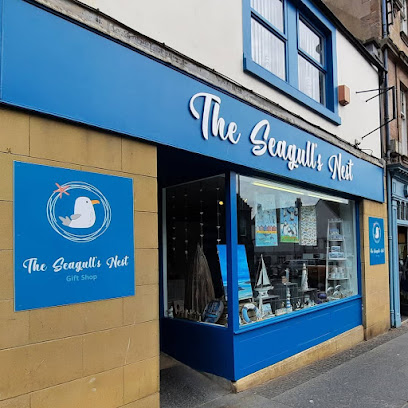
The Seagull's Nest
16.7 km
Discover Berwick-upon-Tweed’s charming seaside gift shop filled with unique nautical treasures and local crafts.
Essential bars & hidden hideouts

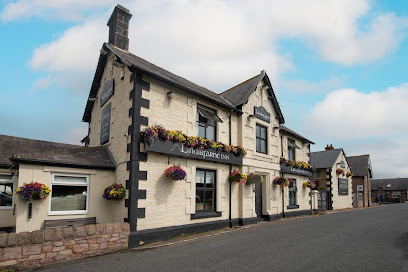
The Lindisfarne Inn
5.9 km
Historic charm meets coastal comfort at The Lindisfarne Inn, your welcoming base in Berwick-upon-Tweed’s scenic borderland.
Schooner Inn
14.0 km
A charming nautical-themed pub in Seahouses offering cozy ambiance, local ales, and a welcoming stop in this vibrant fishing village.
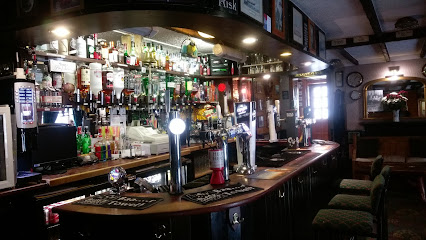
The Radio Rooms
16.2 km
A lively bar and event space in Berwick-upon-Tweed, celebrated for live music, vegan snacks, and a welcoming community vibe.

The Curfew Micropub
16.4 km
A cozy micropub in Berwick-upon-Tweed offering exceptional ales, warm hospitality, and a charming local atmosphere.
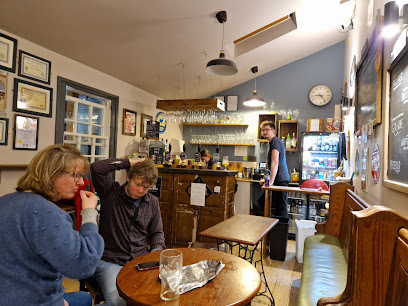
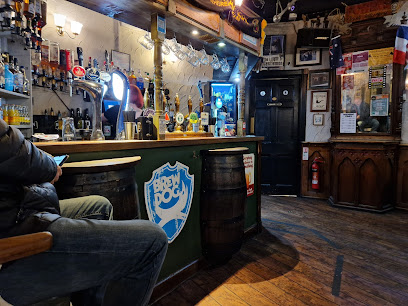
The Barrels
16.5 km
Traditional charm and award-winning ales meet lively music and local spirit in Berwick-upon-Tweed’s beloved Barrels Ale House.
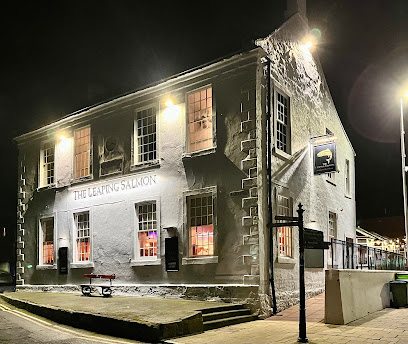
Leaping Salmon
16.6 km
A vibrant, friendly pub in Berwick-upon-Tweed offering hearty British fare, real ales, live sports, and scenic riverside views.
The Thatch
16.7 km
A friendly family-run pub in Tweedmouth offering great drinks, a games room, and a welcoming community atmosphere near Berwick’s old bridge.
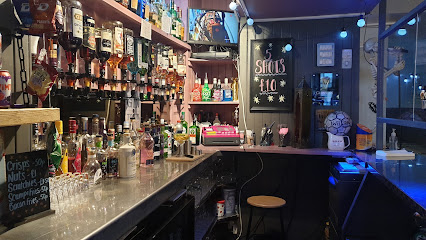
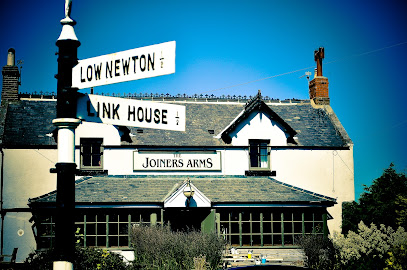
The Joiners Arms
19.9 km
A stylish 5-star boutique inn and gastropub by Northumberland’s stunning coast, blending local flavors, cozy charm, and seaside serenity.
The First & Last Inn
25.5 km
Cozy coastal pub and B&B in Upper Burnmouth offering hearty meals, friendly service, and scenic Scottish Borders charm.
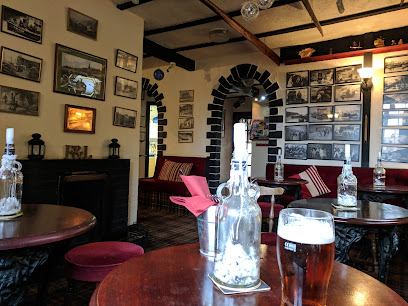
BEST PUBLIC BAR
26.9 km
A cozy, traditional pub in Coldstream offering authentic Scottish Border hospitality in a charming rural setting.
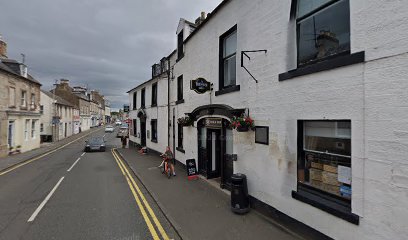
Black Swan Alnwick
28.4 km
Historic charm meets cozy comfort at The Black Swan Alnwick, a welcoming pub and bed & breakfast in the heart of town.
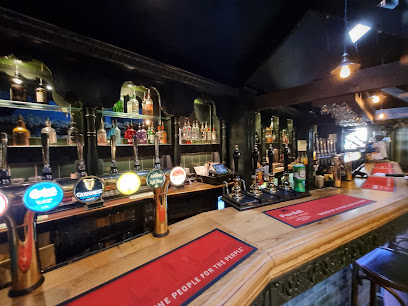
Harry's Bar
28.4 km
A cozy micropub in Alnwick’s historic Narrowgate, offering craft ales, whiskies, and a friendly, quirky atmosphere with a nod to local history.
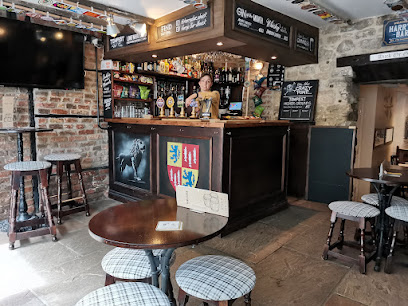
The Queens Head
28.6 km
A welcoming historic pub and hotel in Alnwick, blending traditional charm with modern comfort near Alnwick Castle.
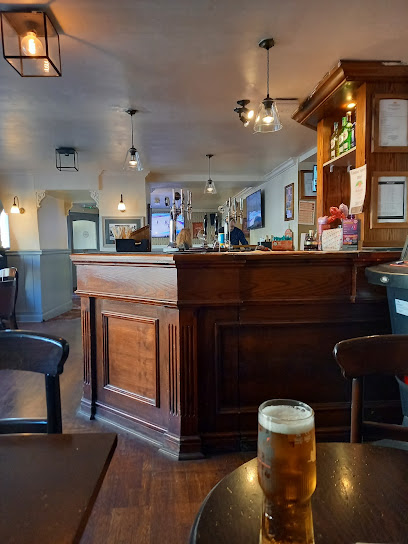
The Contented Sole
28.7 km
A friendly harbour-side pub offering fresh seafood and traditional Scottish fare in the heart of Eyemouth’s fishing community.
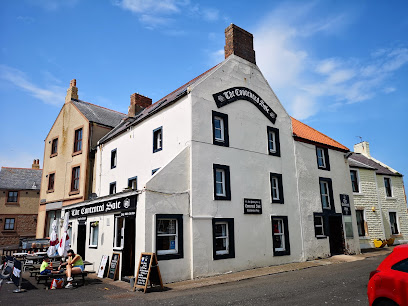
Tanners Arms Alnwick
28.7 km
A cozy, historic pub in Alnwick offering well-kept local ales, friendly vibes, and a true taste of Northumberland hospitality.
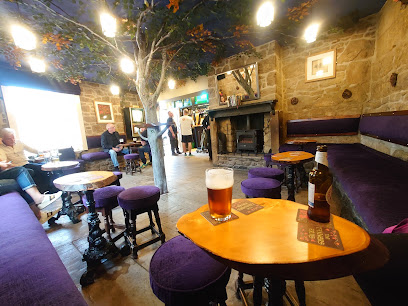
Nightclubs & after hour spots

BedRocks
16.6 km
Discover the vibrant nightlife of Berwick-upon-Tweed at BedRocks, a lively nightclub and bar known for its energetic atmosphere and affordable drinks.
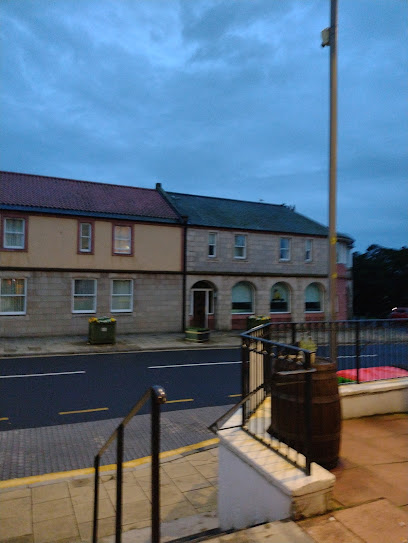
GREEN HOUSE | Berwick Upon Tweed
16.6 km
Berwick-upon-Tweed’s vibrant late-night hotspot offering lively music and dancing in the heart of the historic town.

The Royal British Legion
39.1 km
Discover community, camaraderie, and local entertainment at The Royal British Legion in Kelso - a vibrant hub for visitors and locals.
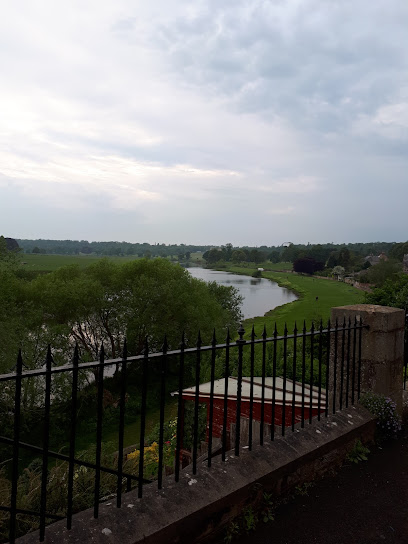
The Brick Club, Red Row Working Mens Club
44.1 km
A welcoming traditional working men's club in Morpeth offering authentic local atmosphere, classic ales, and a strong community spirit.
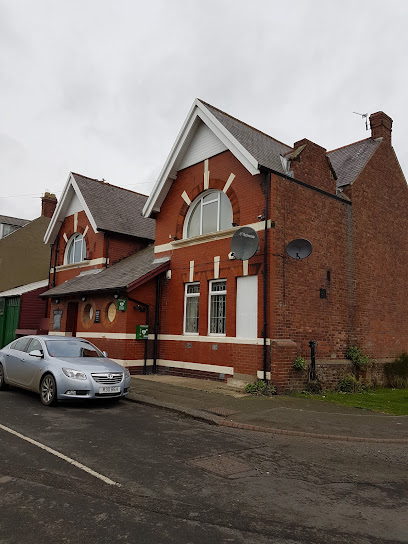
Nothing
54.0 km
Experience immersive alternative rock concerts by Nothing in the intimate, historic setting of London’s Moth Club.
Dance Delicious
55.5 km
Experience vibrant nightlife and modern vibes at Dance Delicious, Ashington’s premier spot for dancing and social fun.
Morven
56.5 km
Discover the electrifying nightlife at Morven Nightclub in Oxnam, near Melrose, where great music, vibrant atmosphere, and unforgettable memories await.
Knightrider Discos
57.2 km
Experience Morpeth’s vibrant nightlife at Knightrider Discos, where dynamic beats and lively crowds create unforgettable nights.
Warehouse Nightclub
61.9 km
Experience the vibrant nightlife and dynamic music scene at Warehouse Nightclub, Galashiels’ lively hub after dark.

The Indigo Rooms
61.9 km
Experience Galashiels' vibrant nightlife at The Indigo Rooms, a welcoming nightclub and bar with themed events and a lively atmosphere.

The Border Club
65.7 km
Experience the vibrant local culture at The Border Club, a friendly social hub in Hawick, Scotland, perfect for travelers seeking community spirit.

Base Nightclub
66.0 km
Experience Hawick’s energetic nightlife at Base Nightclub, where vibrant music and lively crowds create unforgettable Friday nights.
Square One
66.4 km
Vibrant Hawick nightclub with dynamic music floors and a welcoming atmosphere at the heart of Drumlanrig Square.

Cosmic Ballroom
77.6 km
Newcastle's longest-running underground club: two floors of electronic beats, guest DJs, and non-stop dancing till dawn in an intimate Stowell Street hideaway.

Sinners
77.7 km
Dive into sinfully themed nights at this affordable Newcastle nightclub, where red lights, bold art, and cheap drinks fuel the city's unbeatable party spirit.

For the vibe & atmosphere seeker
- Relaxing
- Tranquil
- Scenic
- Nature Escape
For the architecture buff
- Parks & Gardens
- Viewpoints
For the view chaser and sunset hunter
- Panoramas
- Waterfront
- Skyline
For the social media creator & influencer
- Photo Spots
- Selfie Spots
- Aesthetic Corners
For the eco-conscious traveler
- Sustainable
- Eco-Friendly
- Protected Area
- Nature Reserve
- Public-Transport Accessible
- Leave-No-Trace Critical
- Wildlife Habitat
For the kind of experience you’re after
- Cultural Heritage
- Photowalk
- Nature Escape
- Day Trip
For how adventurous you want the journey to be
- Easy Access
- Seasonal Only
Location Audience
- Family Friendly
- Senior Friendly
- Child Friendly
- Teen Friendly
- Wheelchair Access
- Pet Friendly
- Solo Friendly
- Couple Friendly
- Solo Female Friendly
- Vegetarian Friendly
- Vegan Friendly


