Berwick Bridge Travel Guide
Free Guide: A majestic 17th-century sandstone arch bridge spanning the River Tweed, linking history, heritage, and scenic vistas in Berwick-upon-Tweed.


A brief summary of Berwick Bridge
A majestic 17th-century sandstone arch bridge spanning the River Tweed, linking history, heritage, and scenic vistas in Berwick-upon-Tweed.
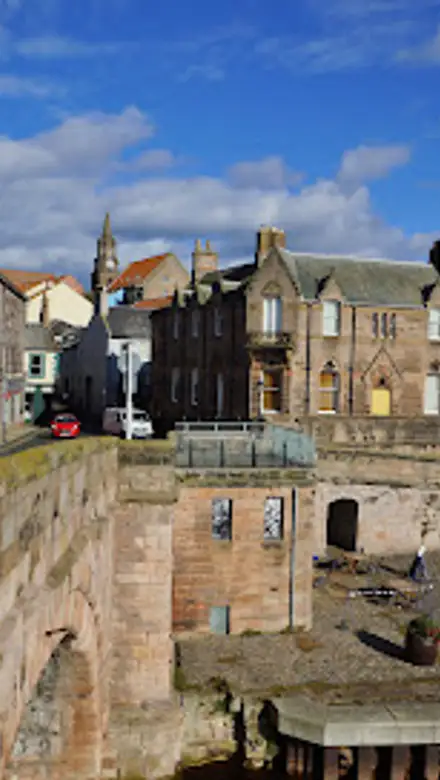
Berwick Bridge, also known locally as the Old Bridge, is a magnificent 17th-century sandstone structure spanning the River Tweed in Berwick-upon-Tweed. Built between 1611 and 1624, this Grade I listed bridge features 15 arches and was a vital crossing on the Great North Road connecting London and Edinburgh. Today, it remains open to pedestrians and traffic, showcasing centuries of engineering heritage and offering scenic views of the river and town.
On-site amenities
 Restrooms
 Drink options
 Food options
 Seating areas
 Information boards
Opening hours
- Every dayOpen 24 hours
Opening hours as listed on the venue’s Google Business Profile. Hours can change for services and special events, so check with the venue before you go.
- Address
- Berwick-upon-Tweed TD15 1AR
- Website
Getting there
Train
Bus
Car
Walking
Discover more about Berwick Bridge
Origins and Royal Patronage
Berwick Bridge’s construction began on 19 June 1611, following repeated destruction of earlier wooden bridges by floods and military actions. The bridge was commissioned as a permanent stone crossing after petitions from the town and intervention by George Home, Earl of Dunbar. Funded initially by the Crown with a grant of £8,000, the project symbolized the union of the Scottish and English crowns under James VI and I, serving both practical and political purposes.
Engineering and Construction Challenges
Crafted from locally quarried sandstone and supported by 15 elegant arches, the bridge stretches approximately 355 metres. Its piers rest on large oak piles sourced mainly from Chopwell Forest, ensuring stability against the River Tweed’s strong currents. The construction faced setbacks, including a devastating flood in October 1621 that destroyed much of the initial work, requiring rebuilding efforts that extended the timeline until 1624 for initial use, with final completion in 1634.
Design Features and Functionality
The bridge’s triangular cutwaters rise to form pedestrian refuges, allowing safe pauses while crossing. For centuries, it was a crucial artery for commerce and travel, forming part of the Great North Road until 1928. Market days were notably busy, with the bridge accommodating both foot traffic and cattle movements. Despite its narrow width by modern standards, it remains a testament to early 17th-century engineering ingenuity.
Historical Significance and Preservation
Berwick Bridge is a Grade I listed structure, recognized for its architectural and historical importance. It has witnessed centuries of border town history and remains a vital link between Berwick and Tweedmouth. Recent restoration efforts have preserved its structural integrity and aesthetic charm, ensuring it continues to serve as both a functional crossing and a heritage landmark.
Scenic and Cultural Context
From the bridge, visitors can enjoy sweeping views of the River Tweed estuary, the bustling port of Berwick, and glimpses of the town’s other iconic bridges. The bridge’s setting at the northernmost town in England enriches its cultural resonance, bridging not only two riverbanks but also the histories of England and Scotland.
Continuing Legacy
More than 400 years after its inception, Berwick Bridge remains open to pedestrians and traffic, embodying a living connection to the past. It stands alongside Berwick’s other historic bridges, collectively narrating the story of the town’s evolution and its enduring role as a border gateway.
Evendo Review Centre
 Google
Guest reviews
Best time to go
Quietest: Jan, Feb & Dec · before 6am or at 10pm
Busy times are Evendo estimates for a typical year, to help you plan. Actual crowds vary with events, school holidays and the weather.
Explore Berwick Bridge on the map
A handpicked selection of must-see spots near Berwick Bridge, mapped for you.
Get your free copy of our complete guide to Berwick Bridge, delivered straight to you.
Everything on this page, from opening hours and how to get there to Eve’s tips and the best time to go, in one PDF you can read offline, print or share.
Already have an account? Sign in
Your Berwick Bridge guide is ready.
We'll send it to · Not you? Sign out

Getting your guide ready…
We are putting together a fresh copy of the Berwick Bridge guide. This can take up to a minute.
This can take a few moments. If your browser asks, choose Allow so the download can start. You'll find the guide in your Downloads folder.
Nothing happened? Download it again
Sorry, the guide is taking longer than usual. Please try again in a minute, or get it by email instead.
Other nearby places you may find interesting
The closest places of the same kind, if this one is not quite what you had in mind.
-
-
-
-
-


Swipe for more places
More to explore near Berwick Bridge

 Best experiences near Berwick Bridge
 Best hotels near Berwick Bridge
 Best landmarks near Berwick Bridge
 Best attractions near Berwick Bridge
 Best shops near Berwick Bridge
 Best restaurants near Berwick Bridge
 Best bars near Berwick Bridge
Do you manage this location?
Take control to get all the benefits, like improved information, better appearance, and stronger visibility across AI-powered discovery.
Explore more
Explore more of Berwickshire
Discover Berwickshire: A blend of coastal beauty, historic landmarks, and charming villages in Scotland's serene southeastern corner.
Explore Berwickshire
Explore more of United Kingdom
Discover the United Kingdom: A blend of rich history, stunning landscapes, and vibrant cities, offering a unique travel experience for every visitor.
Explore United Kingdom