

Farne Islands: Sanctuary of Seabirds and Seals off Northumberland
A breathtaking archipelago off Northumberland’s coast, home to vibrant seabird colonies, playful seals, and rich maritime history.
The Farne Islands are a stunning archipelago of 15 to 20 rocky islands located off the coast of Northumberland, England. Owned by the National Trust, these islands are renowned for their dramatic cliffs, rich wildlife including large colonies of seabirds and Atlantic grey seals, and historical links to saints and lighthouse keepers. Visitors can experience spectacular wildlife viewing, historic lighthouses, and the tranquil natural beauty of this protected marine reserve.
A brief summary to Farne Islands
- GB
- Duration: 2 to 4 hours
- Mid ranged
-
 Outdoor
- Mobile reception: 4 out of 5
Local tips
- Book boat trips in advance during the breeding season (April to September) to secure landing visits on Inner Farne.
- Wear a hat and protective clothing during spring and summer to guard against swooping Arctic terns.
- Bring binoculars for better wildlife viewing, especially to spot puffins and seals from the boat.
- Check weather and tide conditions before your trip, as boat landings can be affected by rough seas.
- Support conservation by joining the National Trust or purchasing souvenirs from Seahouses.

For the on-the-go comforts that matter to you
- Restrooms
- Drink Options
- Food Options
- Seating Areas
- Trash Bins
- Information Boards
Getting There
-
Bus and Boat Combination
From Newcastle upon Tyne, take a train to Alnmouth station (approximately 1.5 hours). From Alnmouth, catch the X18 or 418 bus to Seahouses (around 1 hour). From Seahouses harbour, several boat operators run trips to the Farne Islands; boat trips typically last 2 to 4 hours with prices ranging from £25 to £40 per person. Bus services may be infrequent, so check timetables in advance.
-
Car and Boat
Drive from Newcastle or surrounding areas to Seahouses, a journey of about 1.5 to 2 hours depending on traffic. Parking is available in Seahouses but can be limited during peak season. From the harbour, take a boat tour to the Farne Islands with ticket prices between £25 and £40. Boat trips operate mainly from April to September and are weather-dependent.
-
Walking and Boat
For nearby visitors, walking along the Northumberland coast to Seahouses is possible but may take several hours depending on starting point. The terrain is coastal paths and can be uneven. Once at Seahouses, boat trips to the islands provide the main access. This option is best for those staying locally and physically fit for longer walks.
Farne Islands location weather suitability
-
 Any Weather
-
 Rain / Wet Weather
-
 Clear Skies
-
 Windy Conditions
-
 Mild Temperatures
Discover more about Farne Islands
Geological and Natural Formation of the Farne Islands
The Farne Islands are a remarkable group of between 15 and 20 islands and reefs situated approximately 1.5 to 6 miles off the Northumberland coast in northeast England. Formed from the volcanic intrusion known as the Great Whin Sill, these islands exhibit resistant dolerite rock that creates striking blackened cliffs and sea stacks rising up to 24 metres high. The islands’ geology is closely related to nearby landmarks such as Bamburgh and Dunstanburgh castles and Hadrian’s Wall, all built on the same Whin Sill formation. Over millennia, rising sea levels after the last ice age separated the islands from the mainland, creating a unique offshore archipelago with diverse habitats ranging from bare rock to peat and clay soils supporting vegetation.Ecological Importance and Wildlife Sanctuary
Designated as a National Nature Reserve and managed by the National Trust, the Farne Islands are internationally significant for their seabird colonies and Atlantic grey seals. The islands host around 200,000 breeding seabirds during spring and summer, including puffins, kittiwakes, guillemots, razorbills, shags, eider ducks, and various tern species. The puffins, with approximately 43,000 breeding pairs, are among the most charismatic inhabitants. The islands also provide critical breeding and resting grounds for the grey seal population, which can be seen lounging on the rocks or swimming curiously in the surrounding waters. The islands’ protected status helps maintain this delicate ecosystem, offering a rare glimpse into vibrant marine wildlife.Historical and Cultural Legacy
The Farne Islands have a rich human history, once inhabited by monks and hermits such as St. Cuthbert and St. Aidan, who sought solitude and spiritual retreat on the largest island, Inner Farne. The islands’ historical narrative also includes lighthouse keepers and their families, notably Grace Darling, a Victorian heroine famed for her daring 1838 sea rescue of shipwreck survivors from Longstone Island’s lighthouse. The islands’ lighthouses, now automated, remain iconic landmarks, symbolizing maritime safety and human courage amidst the treacherous North Sea. St. Cuthbert’s Chapel on Inner Farne, with its 17th-century wood carvings and stained glass, reflects the islands’ spiritual heritage.Visitor Experience and Wildlife Observation
Visitors to the Farne Islands typically embark on boat trips from the nearby village of Seahouses, offering close-up views of the islands’ wildlife and dramatic cliffs. Landing trips to Inner Farne allow for walking among nesting seabirds during the breeding season, from April to September, providing an awe-inspiring wildlife spectacle. Seal watching is a highlight year-round, with seal pups visible from late October. The islands’ natural beauty, combined with the sounds of seabirds and the sight of playful seals, creates an immersive sensory experience. Visitors are advised to prepare for the occasional swooping Arctic terns during nesting season and to respect the fragile environment.Conservation and Seasonal Access
The Farne Islands are carefully managed to balance public access with conservation priorities. The National Trust oversees habitat protection and wildlife monitoring, with rangers present to safeguard the islands’ ecological integrity. Public landings are generally restricted to the warmer months, with boat tours operating seasonally and weather permitting. Recent closures due to avian diseases highlight the ongoing challenges in preserving this delicate ecosystem. Visitors are encouraged to support conservation efforts through National Trust membership and responsible tourism practices, ensuring the islands remain a sanctuary for future generations.Scenic Views and Surrounding Landscape
The islands offer stunning panoramic views of the North Sea and the Northumberland coastline, including Bamburgh Castle and the mainland villages. The interplay of sea, sky, and rugged rock formations creates iconic photo opportunities and a tranquil atmosphere. The nearby harbor at Seahouses provides a lively contrast with its fishing boats and visitor amenities, serving as the gateway to this remarkable archipelago. From the water, the sight of thousands of seabirds nesting on cliffs and the occasional dolphin or seal adds to the islands’ allure as one of the UK’s premier wildlife destinations.Iconic landmarks you can’t miss

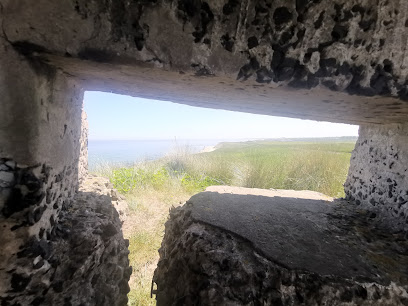
Lozenge Type Coastal Bunker
5.1 km
Explore the unique WWII Lozenge Type Coastal Bunker in Bamburgh, a striking hexagonal pillbox guarding Northumberland’s historic coastline.
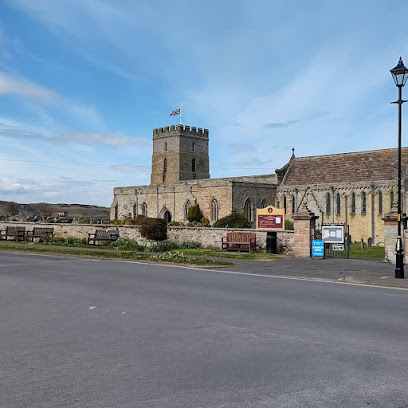
Villages in Time Guided Walks no longer functions
5.6 km
Explore the enchanting history of local villages with Villages in Time Guided Walks, where every step uncovers stories from the past.
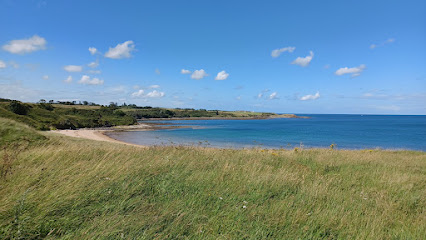
Beadnell Harbour
9.1 km
Historic 18th-century harbour with unique west-facing entrance, scenic sandy bay, and preserved lime kilns on Northumberland’s coast.
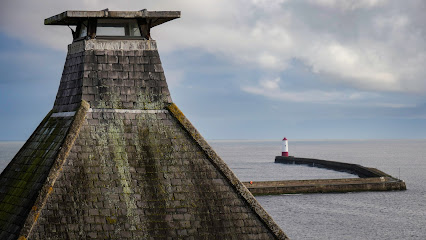
Berwick Lighthouse
26.8 km
Historic 19th-century lighthouse at Berwick Pier’s end, offering stunning coastal views and a glimpse into Berwick-upon-Tweed’s maritime heritage.
Coxon's Tower
27.8 km
Explore Coxon's Tower, a medieval sentinel transformed through centuries guarding Berwick-upon-Tweed’s iconic Elizabethan walls and river estuary.
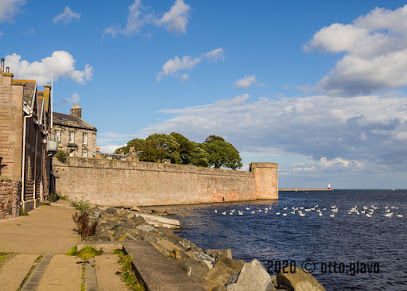
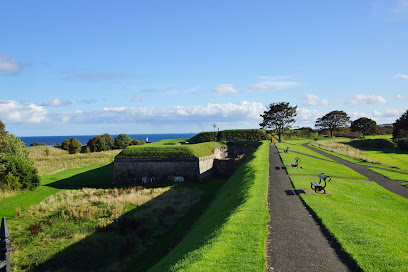
Berwick Town Walls
27.9 km
Explore Britain’s only complete Elizabethan town walls—historic bastions offering panoramic views over Berwick and the North Sea.
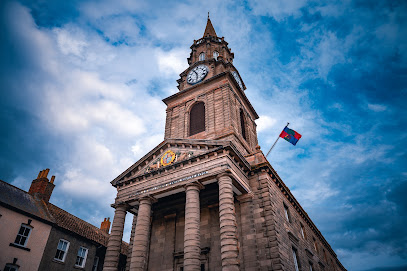
Town Hall
28.1 km
A majestic 18th-century neoclassical landmark, Berwick Town Hall stands as the historic heart of Berwick-upon-Tweed’s civic life and heritage.
Royal Tweed Bridge
28.1 km
A 1920s reinforced concrete arch bridge spanning the River Tweed, blending engineering innovation with scenic river views in historic Berwick-upon-Tweed.
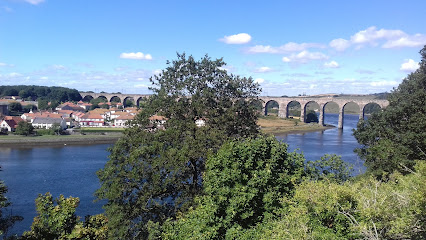
Berwick Bridge
28.2 km
A majestic 17th-century sandstone arch bridge spanning the River Tweed, linking history, heritage, and scenic vistas in Berwick-upon-Tweed.
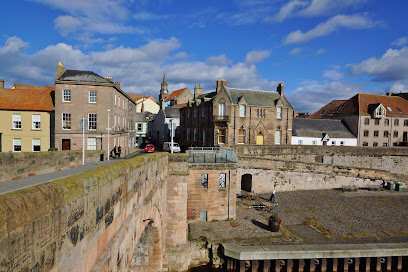
Cumberland Bastion
28.3 km
Explore Cumberland Bastion, a striking Elizabethan fortification embodying Berwick-upon-Tweed’s turbulent border history and military heritage.
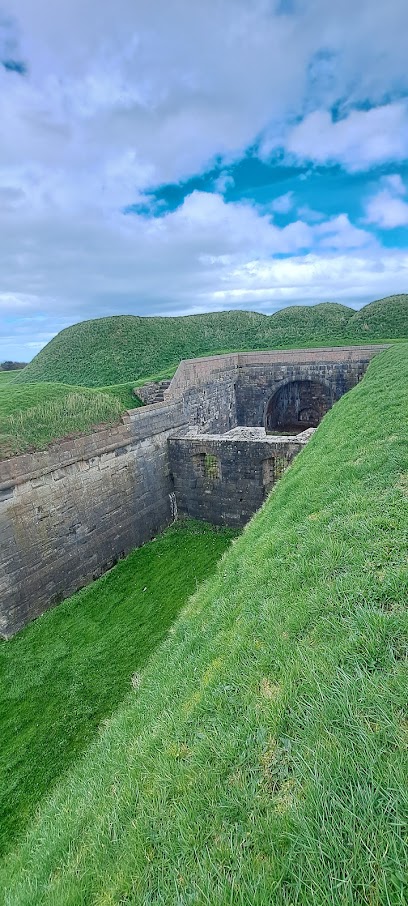
Lord's Mount
28.5 km
Explore Lord’s Mount, a towering Tudor artillery fortification guarding Berwick-upon-Tweed with panoramic views and rich border history.
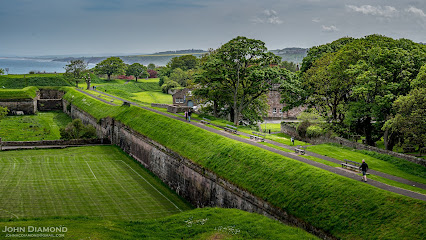
Royal Border Bridge
28.8 km
Victorian engineering triumph spanning the River Tweed—still carrying trains 175 years after Queen Victoria's opening.
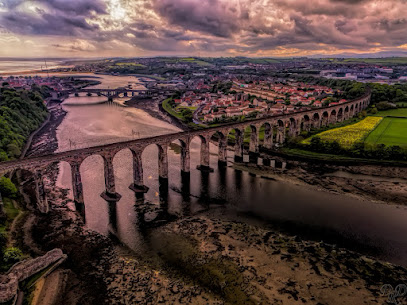
Broad Shiel
30.5 km
Historic fishing shelter on the River Tweed, offering serene views and a glimpse into Berwick-upon-Tweed’s rich border heritage.
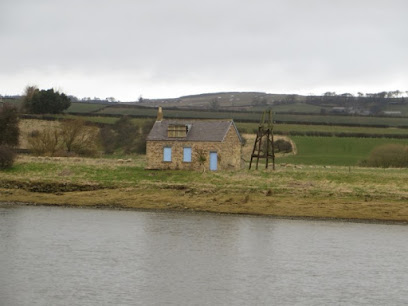
Warkworth Hermitage
31.7 km
A medieval chapel carved into riverside cliffs, accessible only by boat—where history and legend intertwine.
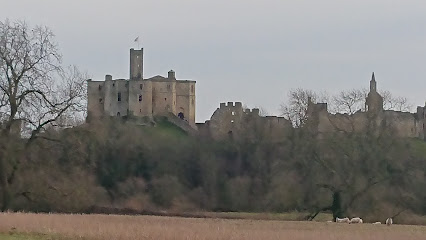
Lamberton Skerrs
34.1 km
Explore the rugged cliffs and historic smuggling ruins of Lamberton Skerrs, where maritime history meets breathtaking North Sea views.
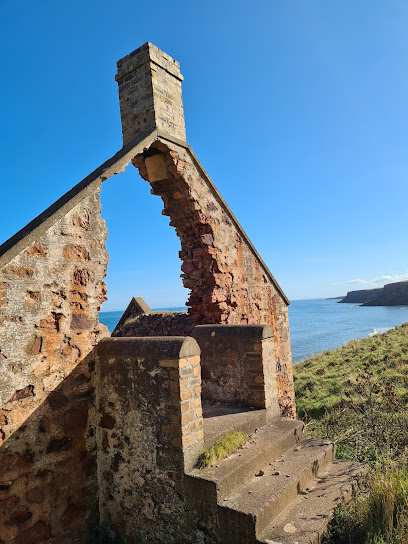
Unmissable attractions to see

National Trust - Farne Islands
0.2 km
A breathtaking wildlife sanctuary off Northumberland’s coast, famed for puffins, seals, historic lighthouses, and rich cultural heritage.
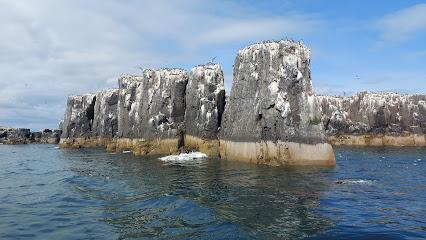
North Wames
0.9 km
Discover the rugged beauty and vibrant wildlife of North Wames, a pristine sanctuary in the Farne Islands off England’s Northumberland coast.

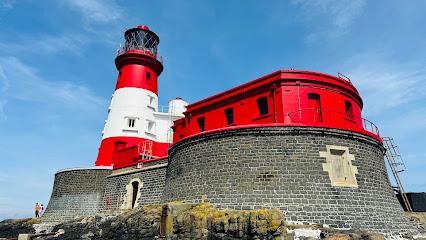
Longstone Lighthouse
1.7 km
Historic 19th-century lighthouse on the Farne Islands, famed for Grace Darling’s heroic 1838 rescue and stunning coastal wildlife cruises.
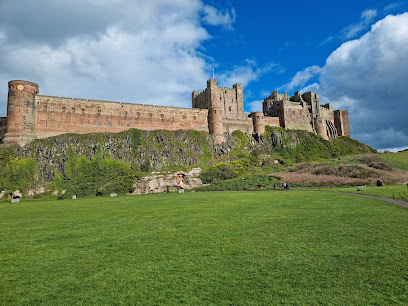
Bamburgh Castle
5.8 km
Explore Bamburgh Castle, a majestic medieval fortress with royal history, stunning coastal views, and a rich cultural legacy on England’s Northumberland coast.
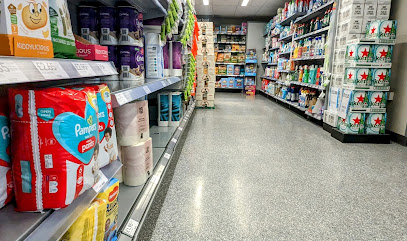
Co-op Food - Seahouses - Main Street
5.9 km
Your friendly neighborhood convenience store in Seahouses, open long hours with a great range of essentials and local products.
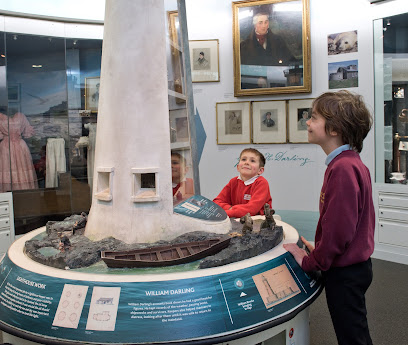
RNLI Grace Darling Museum
6.3 km
Discover the inspiring story of Victorian heroine Grace Darling and her daring sea rescue at this intimate museum near Bamburgh Castle.
Beadnell Bay Beach
9.0 km
Discover Beadnell Bay Beach’s golden sands, unique west-facing harbor, and tranquil wildlife haven on the stunning Northumberland coast.
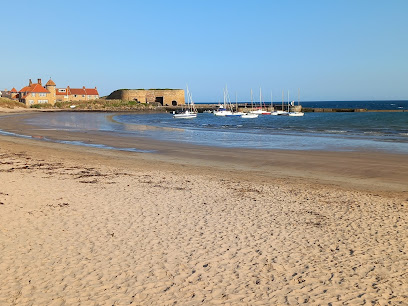
Northumberland Coast National Landscape
10.6 km
Explore the wild beauty and rich heritage of England’s dramatic Northumberland Coast National Landscape.
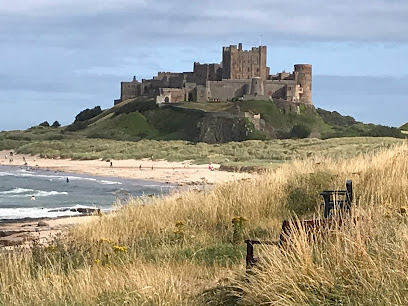
Lindisfarne Castle
10.7 km
A dramatic Tudor fortress turned Edwardian retreat, Lindisfarne Castle offers stunning coastal views and historic charm on Northumberland’s iconic Holy Island.
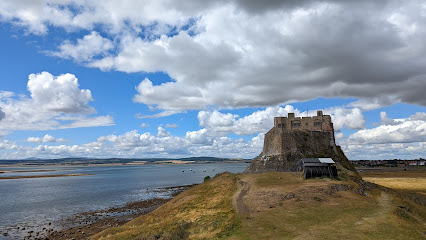
Lindisfarne Heritage Centre
11.8 km
Explore Holy Island’s rich heritage through captivating exhibits on history, nature, and culture at the Lindisfarne Heritage Centre.
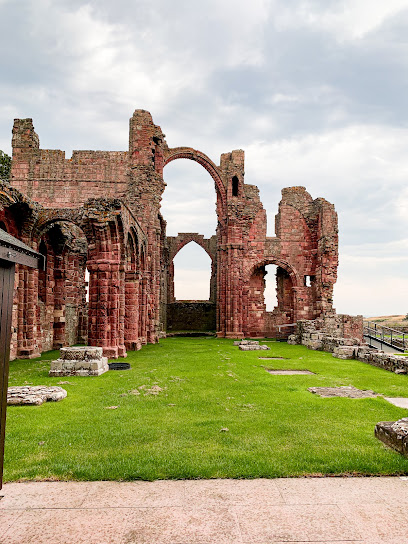
Holy Island
12.2 km
Discover Holy Island’s rich spiritual heritage, dramatic tidal landscapes, and vibrant wildlife sanctuary off England’s Northumberland coast.
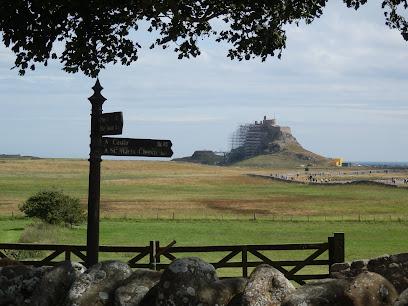
Lindisfarne National Nature Reserve
12.8 km
A wild, tidal landscape of mudflats, dunes and saltmarsh, home to wintering birds, seals and rare orchids on the Holy Island of Lindisfarne.
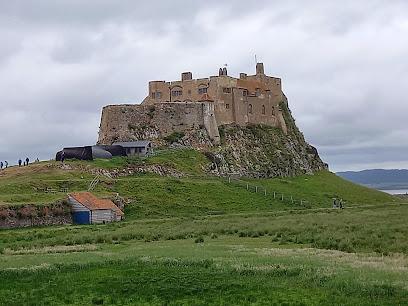
Preston Tower | Historic Garden Wedding & Events Venue in Northumberland
13.2 km
Discover Preston Tower, a medieval pele tower set in scenic Northumberland gardens, perfect for history lovers and unforgettable weddings.
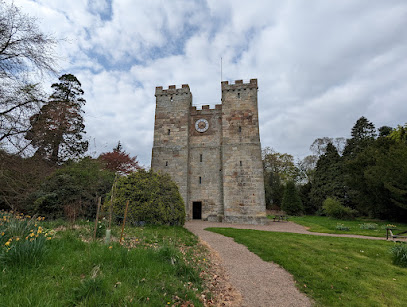
Dunstanburgh Castle
16.0 km
Explore the evocative ruins of Dunstanburgh Castle, a majestic 14th-century fortress set against Northumberland’s stunning coastal landscape.
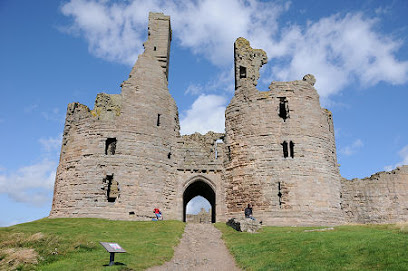
Heritage Walks Northumberland
17.0 km
Explore Northumberland’s hidden heritage on scenic guided walks blending history, nature, and local stories in stunning countryside settings.
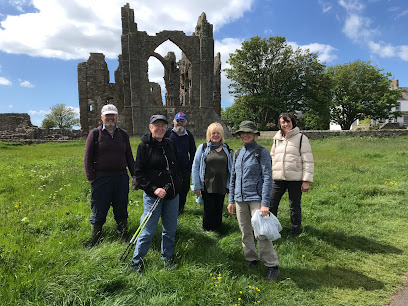
Essential places to dine

Insieme Seahouses
5.9 km
Experience generous portions of authentic Italian cuisine with a warm, family-friendly atmosphere in the heart of Seahouses.
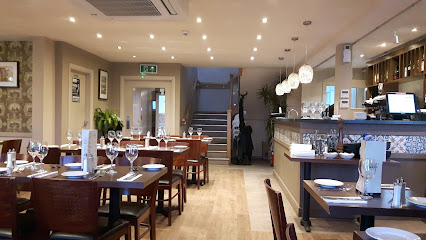
The Potted Lobster - Bamburgh
6.3 km
Savor fresh, locally sourced seafood in a relaxed, elegant setting with stunning views of Bamburgh Castle and the Northumberland coast.
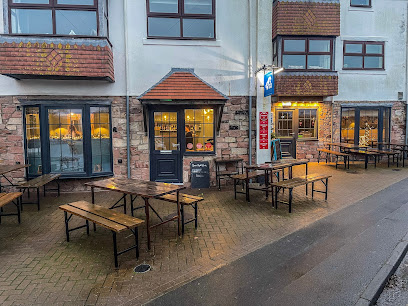
The Craster Arms
8.4 km
Historic gastropub and hotel blending medieval heritage with vibrant coastal charm in the heart of Beadnell village.
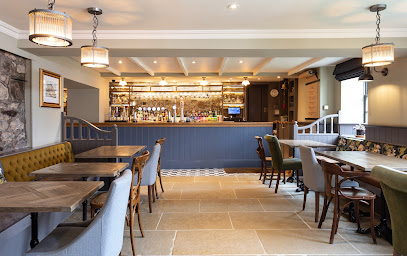
The Landing, Beadnell Bay
8.8 km
Fresh seafood and coastal charm combine at The Landing, Beadnell Bay’s welcoming spot for classic fish and chips and more.
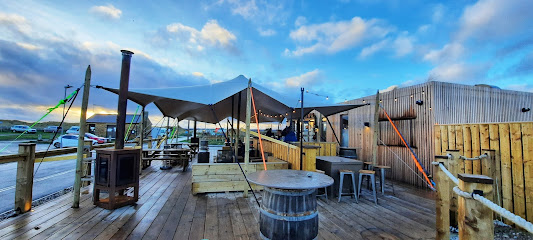
The Ship Inn
13.1 km
Historic seaside gastropub with home-brewed ales and fresh seafood, offering rustic charm and stunning Northumberland coast views.
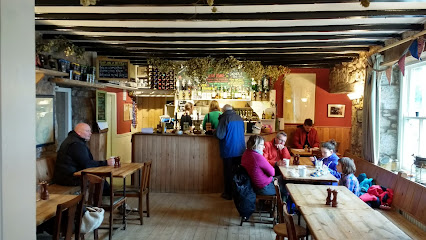
The Jolly Fisherman Inn
17.9 km
A charming coastal inn in Craster serving fresh, traditional seafood with stunning harbour views and a warm, welcoming atmosphere.
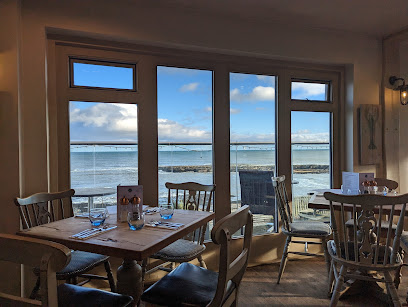
Percy Arms Hotel
20.1 km
Charming 3-star country inn in Chatton offering spacious dog-friendly rooms, hearty British cuisine, and a cosy rural atmosphere.
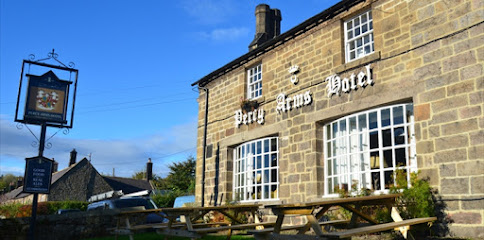
The Black Bull Inn
22.3 km
A charming country pub and inn in Lowick offering luxury rooms, hearty British fare, and a welcoming atmosphere amid Northumberland’s scenic beauty.
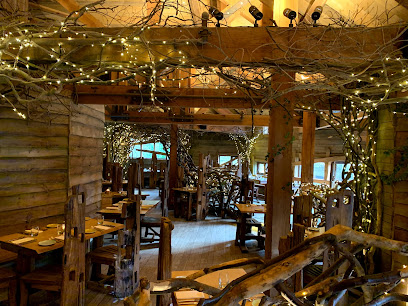
The Treehouse Restaurant
24.6 km
Dine enchanted in the treetops of The Alnwick Garden, where local British flavors meet magical woodland charm and handcrafted rustic elegance.
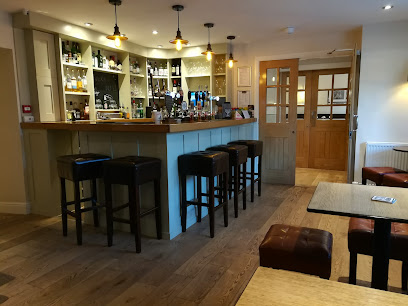
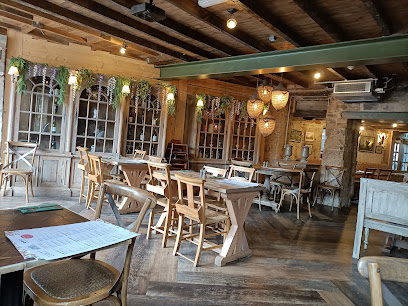
The Dirty Bottles
24.7 km
A charming historic pub, cocktail bar, and boutique hotel in Alnwick blending local character with cozy comfort and hearty fare.
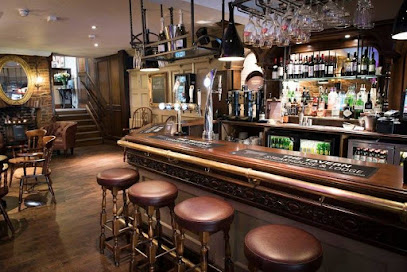
The Market Tavern, Steakhouse and Lodge
24.8 km
A beloved steakhouse and lodge in Alnwick’s heart, offering hearty local fare and warm hospitality near historic landmarks.
Sonnet Restaurant
24.9 km
Experience a poetic 14-course tasting menu inspired by Shakespearean sonnets, blending local Northumberland flavors with refined culinary artistry.
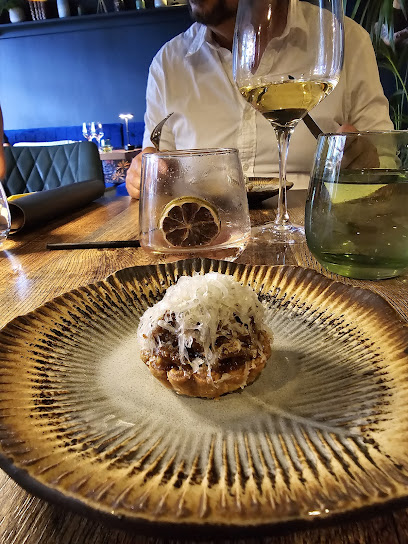
Adam and Eve
24.9 km
A stylish gastropub in Alnwick blending local seasonal produce with creative cocktails in a relaxed, welcoming setting.
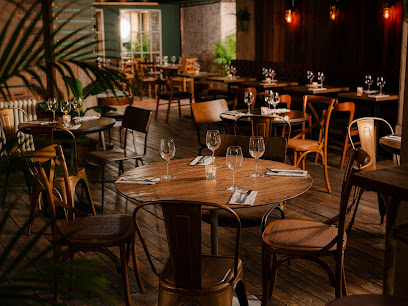
Milan Restaurant
26.1 km
Experience authentic Italian flavors and warm hospitality in the heart of Wooler at Milan Restaurant, where every meal is a celebration.
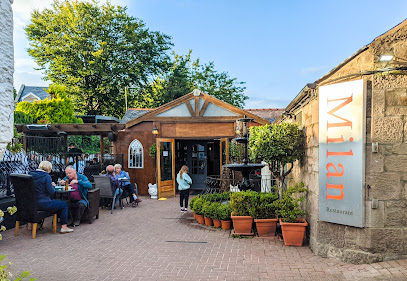
The Hope & Anchor Hotel
27.0 km
Cozy coastal retreat with modern rooms, Italian dining, and warm hospitality in the heart of Alnmouth village.
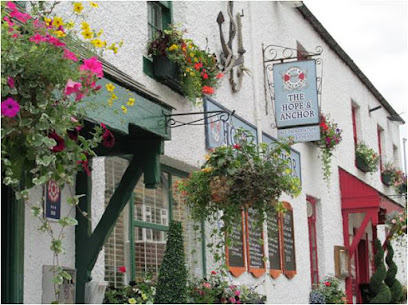
Markets, malls and hidden boutiques

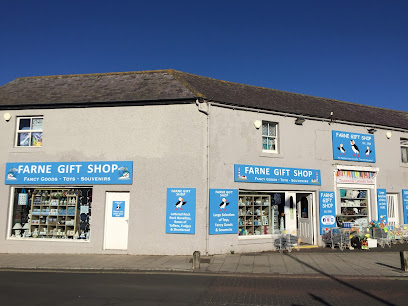
Farne Gifts
5.7 km
Discover unique local crafts and coastal treasures at Farne Gifts, Seahouses’ charming gift shop with a welcoming atmosphere and year-round appeal.
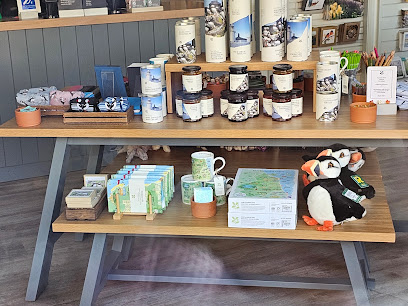
National Trust Shop
5.8 km
Discover charming puffin souvenirs and local crafts at the National Trust Shop in Seahouses, supporting conservation of the Farne Islands.
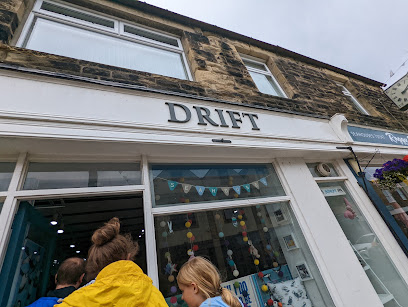
Drift
5.8 km
Discover Drift, a family-run coastal gift shop in Seahouses offering unique yarns and craft goodies inspired by Northumberland’s seaside charm.
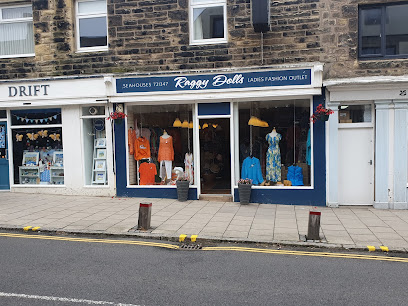
Raggy Dolls
5.8 km
Discover unique ladies' fashion in a friendly boutique at the heart of charming Seahouses village.
North Shore Gifts
5.9 km
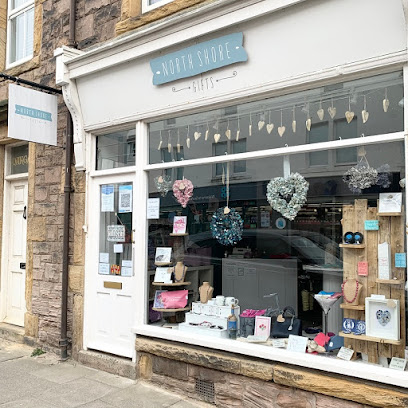
Discover handmade jewellery and unique coastal gifts at North Shore Gifts, a welcoming boutique celebrating Northumberland’s artisanal spirit.
Country House Gifts & Gallery
6.1 km
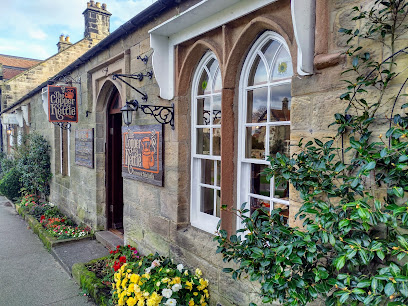
Discover unique gifts and high-quality treasures in the heart of historic Bamburgh at Country House Gifts & Gallery.
The National Trust Shop
11.7 km
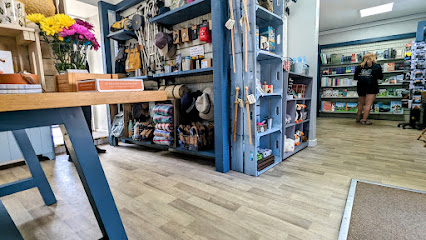
Discover unique local crafts and heartfelt souvenirs at The National Trust Shop in historic Berwick-upon-Tweed.
Ruby Tuesday Alnwick
24.7 km
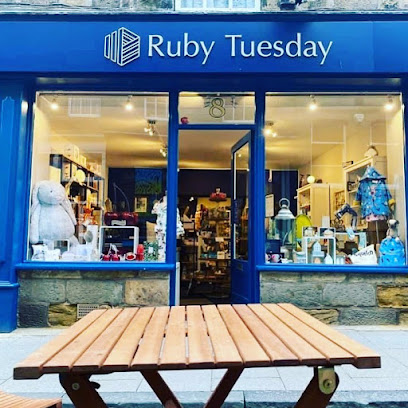
Discover unique, high-quality gifts from small businesses at Ruby Tuesday Alnwick, a charming boutique in the heart of historic Alnwick.
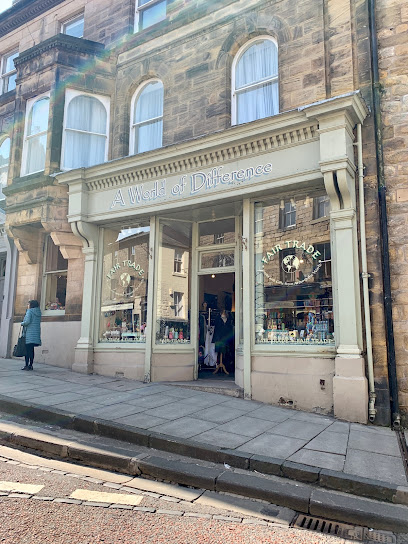
A World Of Difference
24.7 km
Discover fair trade gifts and organic health foods in Alnwick’s welcoming shop committed to sustainability and ethical shopping.
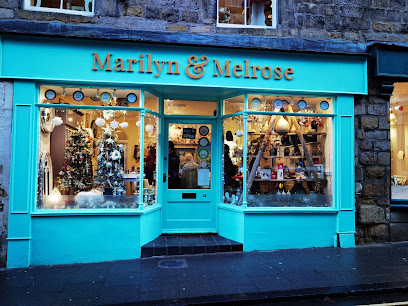
Marilyn & Melrose
24.7 km
Discover unique gifts, restored furniture, and creative workshops at Alnwick’s charming Marilyn & Melrose boutique.
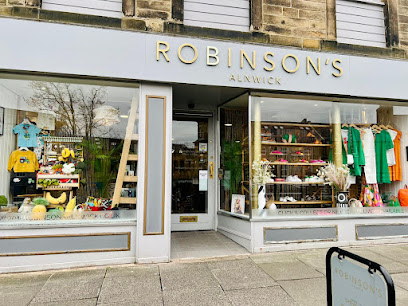
Robinson's
24.8 km
A charming department and gift shop in Alnwick’s historic center offering quality apparel, home furnishings, and friendly service.
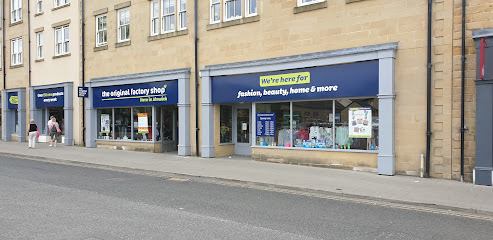
The Original Factory Shop (Alnwick)
24.9 km
Affordable brand-name fashion, footwear, and homeware bargains in the heart of Alnwick’s shopping district.
Notes of Northumberland
25.6 km
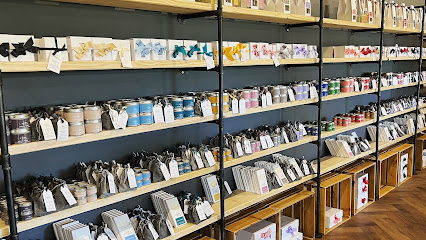
Experience the enchanting world of handcrafted candles at Notes of Northumberland in Alnwick, where every scent tells a story.
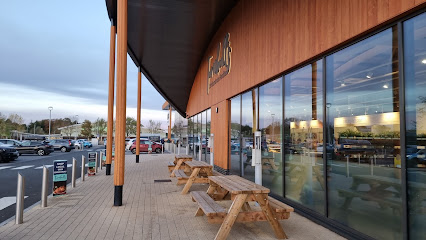
Willowburn Retail Park
25.9 km
A convenient and diverse retail hub in Alnwick offering national brands and local specialties with ample parking and easy A1 access.
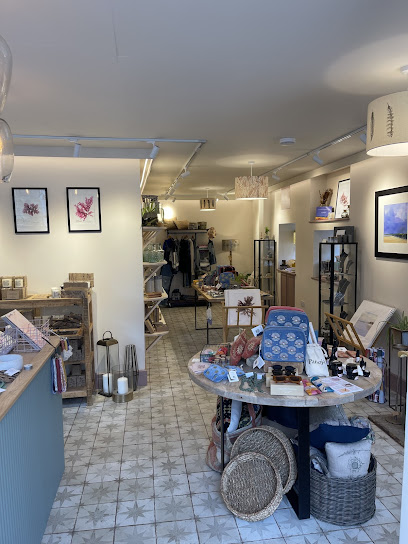
Jane & Harry
27.0 km
Discover unique gifts and local charm at Jane & Harry, Alnmouth’s welcoming treasure trove on Northumberland Street.
Essential bars & hidden hideouts

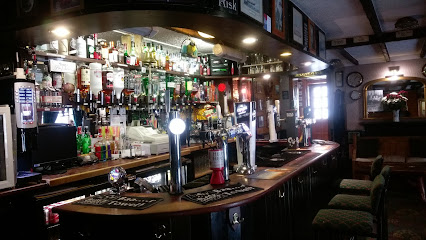
Schooner Inn
5.8 km
A charming nautical-themed pub in Seahouses offering cozy ambiance, local ales, and a welcoming stop in this vibrant fishing village.
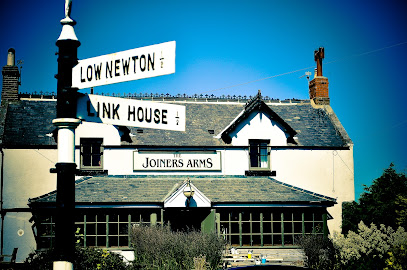
The Joiners Arms
12.5 km
A stylish 5-star boutique inn and gastropub by Northumberland’s stunning coast, blending local flavors, cozy charm, and seaside serenity.
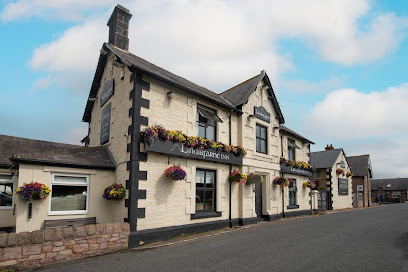
The Lindisfarne Inn
18.7 km
Historic charm meets coastal comfort at The Lindisfarne Inn, your welcoming base in Berwick-upon-Tweed’s scenic borderland.
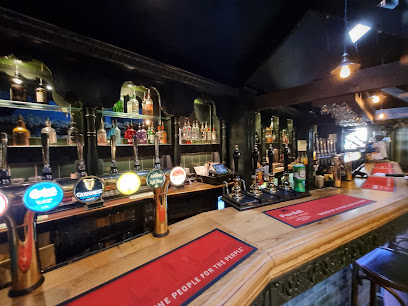
Black Swan Alnwick
24.7 km
Historic charm meets cozy comfort at The Black Swan Alnwick, a welcoming pub and bed & breakfast in the heart of town.
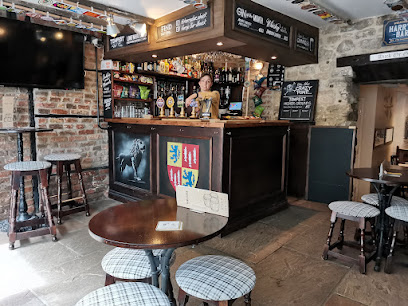
Harry's Bar
24.7 km
A cozy micropub in Alnwick’s historic Narrowgate, offering craft ales, whiskies, and a friendly, quirky atmosphere with a nod to local history.
The Queens Head
24.9 km
A welcoming historic pub and hotel in Alnwick, blending traditional charm with modern comfort near Alnwick Castle.
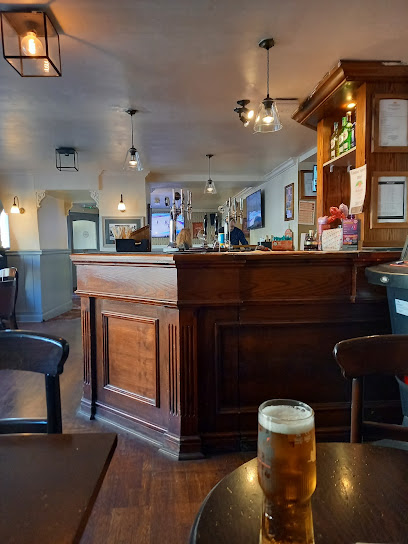
Tanners Arms Alnwick
24.9 km
A cozy, historic pub in Alnwick offering well-kept local ales, friendly vibes, and a true taste of Northumberland hospitality.
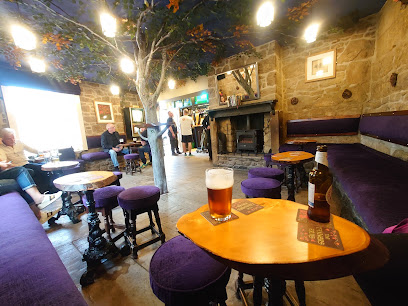
The Sun Inn
27.0 km
A cozy 3-star inn and lively pub in Alnmouth offering local charm, hearty food, and a welcoming atmosphere by the Northumberland coast.
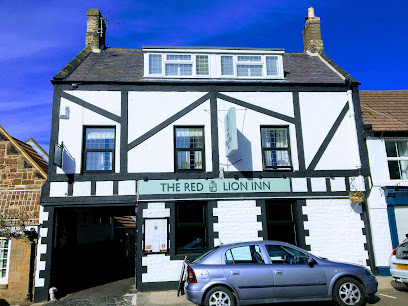
The Red Lion Inn
27.1 km
Charming coastal pub and cozy B&B in Alnmouth, famed for wood-fired pizzas, local ales, and warm hospitality just steps from the beach.
The Radio Rooms
28.0 km
A lively bar and event space in Berwick-upon-Tweed, celebrated for live music, vegan snacks, and a welcoming community vibe.
The Curfew Micropub
28.1 km
A cozy micropub in Berwick-upon-Tweed offering exceptional ales, warm hospitality, and a charming local atmosphere.
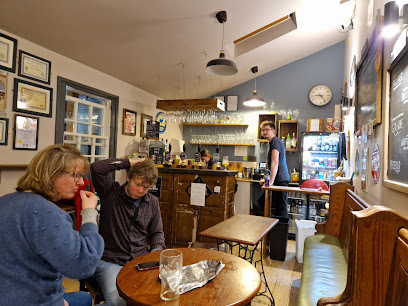
The Barrels
28.1 km
Traditional charm and award-winning ales meet lively music and local spirit in Berwick-upon-Tweed’s beloved Barrels Ale House.
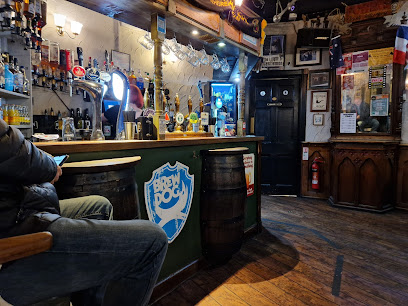
Leaping Salmon
28.3 km
A vibrant, friendly pub in Berwick-upon-Tweed offering hearty British fare, real ales, live sports, and scenic riverside views.
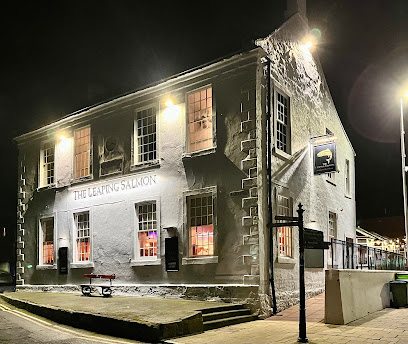
The Thatch
28.5 km
A friendly family-run pub in Tweedmouth offering great drinks, a games room, and a welcoming community atmosphere near Berwick’s old bridge.
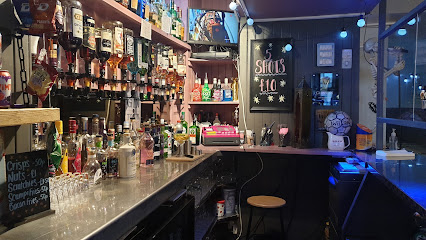
The Lounge Bar
33.3 km
A quirky and lively cocktail and wine bar in Amble, offering great drinks, live music, and a welcoming atmosphere.
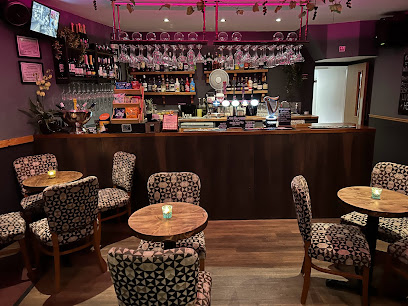
Nightclubs & after hour spots

BedRocks
28.2 km
Discover the vibrant nightlife of Berwick-upon-Tweed at BedRocks, a lively nightclub and bar known for its energetic atmosphere and affordable drinks.
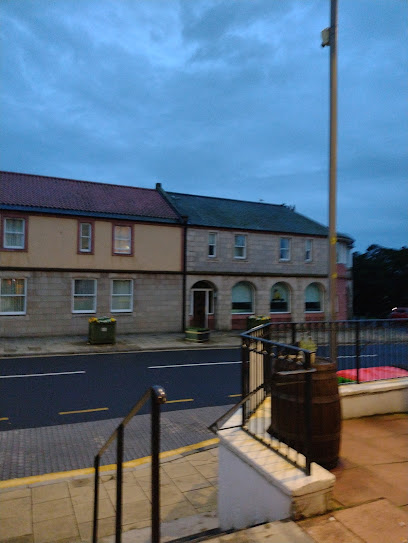
GREEN HOUSE | Berwick Upon Tweed
28.3 km
Berwick-upon-Tweed’s vibrant late-night hotspot offering lively music and dancing in the heart of the historic town.
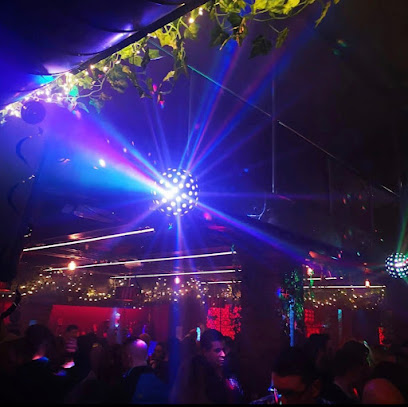
The Brick Club, Red Row Working Mens Club
38.6 km
A welcoming traditional working men's club in Morpeth offering authentic local atmosphere, classic ales, and a strong community spirit.
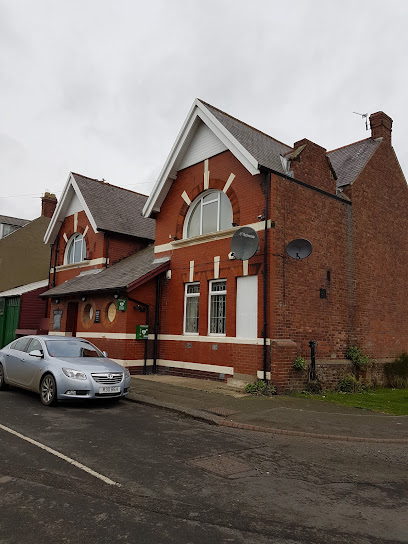
Dance Delicious
50.0 km
Experience vibrant nightlife and modern vibes at Dance Delicious, Ashington’s premier spot for dancing and social fun.
The Royal British Legion
50.9 km
Discover community, camaraderie, and local entertainment at The Royal British Legion in Kelso - a vibrant hub for visitors and locals.
Knightrider Discos
53.5 km
Experience Morpeth’s vibrant nightlife at Knightrider Discos, where dynamic beats and lively crowds create unforgettable nights.
Nothing
65.9 km
Experience immersive alternative rock concerts by Nothing in the intimate, historic setting of London’s Moth Club.
Morven
68.3 km
Discover the electrifying nightlife at Morven Nightclub in Oxnam, near Melrose, where great music, vibrant atmosphere, and unforgettable memories await.
Cosmic Ballroom
73.3 km
Newcastle's longest-running underground club: two floors of electronic beats, guest DJs, and non-stop dancing till dawn in an intimate Stowell Street hideaway.
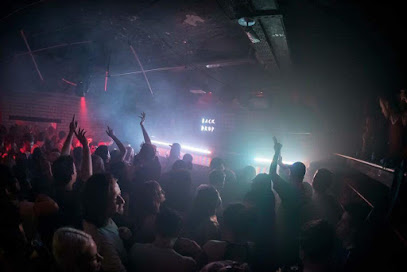
World HQ
73.3 km
A multi‑level warehouse club and arts hub in Curtis Mayfield House with a heavy sound, creative studios above and a grassroots nightlife spirit.
Sinners
73.4 km
Dive into sinfully themed nights at this affordable Newcastle nightclub, where red lights, bold art, and cheap drinks fuel the city's unbeatable party spirit.

Popworld - Newcastle
73.4 km
A neon-soaked pop party on Newcastle’s Bigg Market—cheap drinks, nostalgic anthems and a packed dancefloor for late-night revelry.
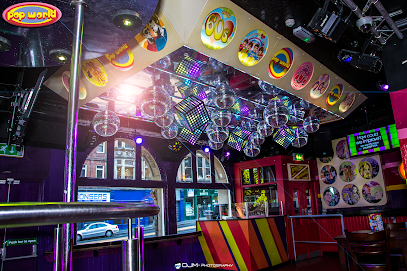
Greys Club
73.5 km
Experience Newcastle’s iconic nightlife at Greys Club, where vibrant music, a stylish terrace, and lively crowds create unforgettable late-night memories.
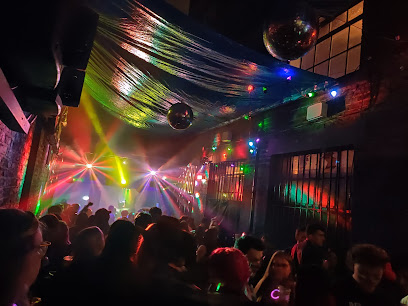
SOHO ROOMS | Newcastle
73.5 km
Four floors of late‑night music and cocktails in the heart of Newcastle’s city‑centre party district, favoured by students and night owls.
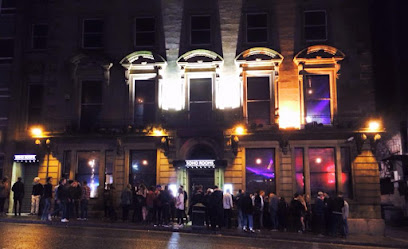
Flares - Newcastle
73.5 km
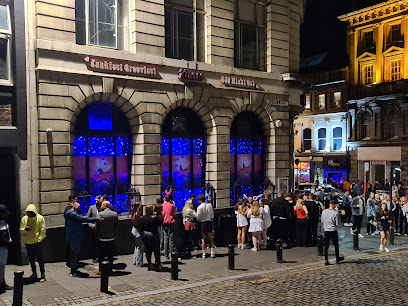
Newcastle's ultimate retro disco den: neon grooves, cheesy anthems, and non-stop dancing from 70s to 00s in the heart of the nightlife scene.
For the vibe & atmosphere seeker
- Relaxing
- Tranquil
- Scenic
- Unique
- Fun-filled
For the design and aesthetic lover
- Rustic Designs
- Vintage Styles
For the architecture buff
- Historic
- Landmarks
- Sacred Sites
- Parks & Gardens
For the view chaser and sunset hunter
- Iconic Views
- Panoramas
- Waterfront
- Sunrise Spots
- Sunset Spots
For the social media creator & influencer
- Instagrammable
- Photo Spots
- Selfie Spots
- Aesthetic Corners
For the eco-conscious traveler
- Protected Area
- Nature Reserve
- National Park
- Public-Transport Accessible
- Locally Managed
- Wildlife Habitat
For the kind of experience you’re after
- Cultural Heritage
- Nature Escape
- Day Trip
- Weekend Getaway
- Photowalk
- Myth & Legends
For how adventurous you want the journey to be
- Easy Access
- Seasonal Only
Location Audience
- Family Friendly
- Senior Friendly
- Child Friendly
- Teen Friendly
- Solo Friendly
- Couple Friendly
- Vegetarian Friendly
- Vegan Friendly
- Pet Friendly


