Dovedale: Limestone Ravine and National Nature Reserve in Derbyshire
Explore Dovedale’s breathtaking limestone ravines, iconic stepping stones, and rich wildlife in Derbyshire’s cherished National Nature Reserve.
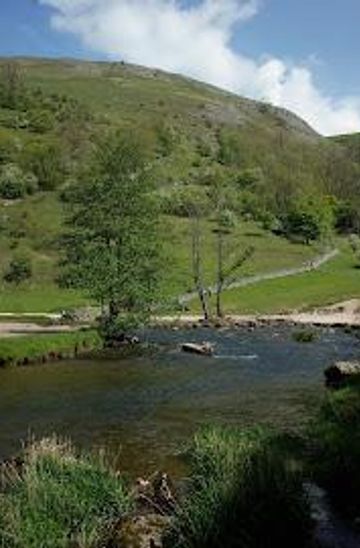
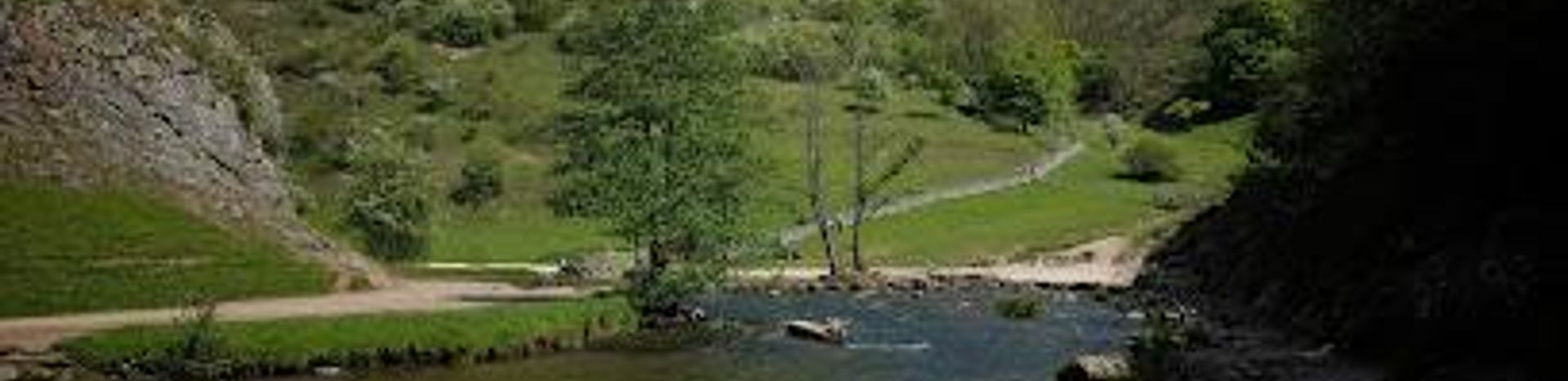
Dovedale is a stunning limestone valley in the Peak District near Ashbourne, England, renowned for its dramatic ravines, crystal-clear River Dove, and iconic stepping stones. Owned by the National Trust and designated a National Nature Reserve, it features ancient ash woodlands, rare flora, and diverse wildlife. The area offers scenic walking trails, historic caves, and picturesque villages, making it a cherished destination for nature lovers and hikers.
A brief summary to Dovedale
- Ashbourne, GB
- Duration: 1 to 4.5 hours
- Budget
-
 Outdoor
- Mobile reception: 4 out of 5

Know before you go
Hi, I'm Eve. Here are a few practical things to know before exploring Dovedale.
- Visit early in the morning or on weekdays to avoid crowds, especially at the popular stepping stones.
- Wear sturdy footwear as some paths are rocky and uneven, particularly near the river and caves.
- Bring binoculars for birdwatching; kingfishers and dippers are often spotted along the River Dove.
- Explore nearby Ilam Park and Ashbourne town for additional historical and cultural experiences.
- Respect conservation rules by staying on marked paths and taking all litter home to protect the fragile environment.
Do you manage this location?
Take control to get all the benefits, like improved information, better appearance, and stronger visibility across AI-powered discovery. Learn more
Activate your presence
Getting There
-
Car
Driving from Ashbourne town center to Dovedale takes about 15-20 minutes. Parking is available at Dovedale car parks for a small fee of approximately £3. Note that parking can fill quickly during peak times, so early arrival is recommended.
-
Bus
Regular bus services connect Ashbourne with nearby towns such as Derby and Buxton. From Ashbourne, local buses or taxis can be used to reach Dovedale, with total travel times ranging from 45 minutes to 1 hour depending on connections. Bus services may be less frequent on weekends.
-
Walking
For active visitors, a scenic 4.5-mile (7 km) walk from Ashbourne to Dovedale follows part of the Tissington Trail, a traffic-free path suitable for walkers and cyclists. The terrain is mostly flat and accessible, taking approximately 1.5 to 2 hours.
For the on-the-go comforts that matter to you
-
 Restrooms
-
 Drink Options
-
 Food Options
-
 Seating Areas
-
 Information Boards
-
 Visitor Center
-
 Trash Bins
Discover more about Dovedale
Geological Marvel and Natural Beauty
Dovedale is a spectacular limestone valley carved over millions of years, shaped by glacial meltwaters that sculpted its dramatic ravines and rock formations. The valley lies within the White Peak area of the Peak District and is characterized by craggy limestone pinnacles, caves such as Reynard's Cave and Dove Holes, and the gently flowing River Dove. This river, famous for trout fishing and immortalized in the 17th-century book *The Compleat Angler*, forms the border between Derbyshire and Staffordshire for much of its course. The valley’s ash woodlands are among the finest in England, hosting rare plants like wild lily of the valley and providing habitat for kingfishers, dippers, and shy water voles.Historical and Cultural Significance
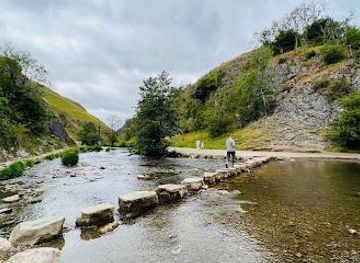
Dovedale has attracted visitors since at least the 18th century, becoming a favored spot for poets, artists, and nature enthusiasts. The area’s accessibility improved with the Ashbourne to Buxton railway line operating from 1899 to the 1960s, facilitating Victorian-era tourism. The iconic stepping stones across the River Dove, laid in the 1890s, remain a quintessential feature, offering visitors a charming and interactive way to experience the river. Nearby Viator’s Bridge, a medieval packhorse bridge in Milldale, reflects the valley’s historical role in regional trade routes. The caves in Dovedale reveal evidence of human habitation dating back to the Upper Paleolithic era, with Neolithic and Bronze Age artifacts discovered, enriching the valley’s archaeological importance.Visitor Experience and Outdoor Activities
Dovedale offers a variety of walking trails suitable for moderate hikers, including the popular Ashbourne and Mapleton Loop, a 20 km route that passes through lush meadows, rolling hills, and the heart of the nature reserve. The stepping stones provide a picturesque focal point for visitors, while Thorpe Cloud hill offers panoramic views of the valley. The valley’s natural beauty and tranquility make it ideal for wildlife watching, photography, and picnicking. The National Trust manages the area, ensuring conservation and visitor facilities such as information boards and nearby tea rooms. Seasonal events and guided walks enhance the experience, inviting visitors to connect deeply with the landscape.Conservation and Environmental Importance
Dovedale’s status as a National Nature Reserve and Site of Special Scientific Interest underscores its ecological value. Conservation efforts focus on protecting the ancient ash woodlands from threats like ash dieback disease and maintaining the delicate limestone habitats. The National Trust promotes sustainable visitor practices, encouraging respect for wildlife and the environment. The valley’s diverse ecosystems support a rich variety of flora and fauna, making it a critical area for biodiversity in the Peak District.Nearby Attractions and Local Charm
Close to Dovedale lies the market town of Ashbourne, known as the 'Gateway to Dovedale', with its Tudor and Georgian architecture, historic inns, and cultural heritage. The town offers amenities, quaint shops, and traditional events like the Royal Shrovetide Football match. Ilam Park, also managed by the National Trust, complements the Dovedale experience with formal gardens, woodland walks, and a youth hostel. Together, these sites provide a well-rounded visit combining natural wonders, history, and local culture.Seasonal Highlights and Practical Considerations
Dovedale is accessible year-round, with each season offering unique charms—from spring wildflowers and bird activity to autumnal foliage and winter’s crisp tranquility. Visitors should prepare for variable weather typical of the English countryside and wear sturdy footwear due to rocky and uneven terrain. Parking is available near Ashbourne and at designated car parks near the valley entrance, with a modest fee. Public transport options connect Ashbourne to nearby cities, facilitating access for those without cars.Explore the best of what Dovedale has to offer















More about Derbyshire
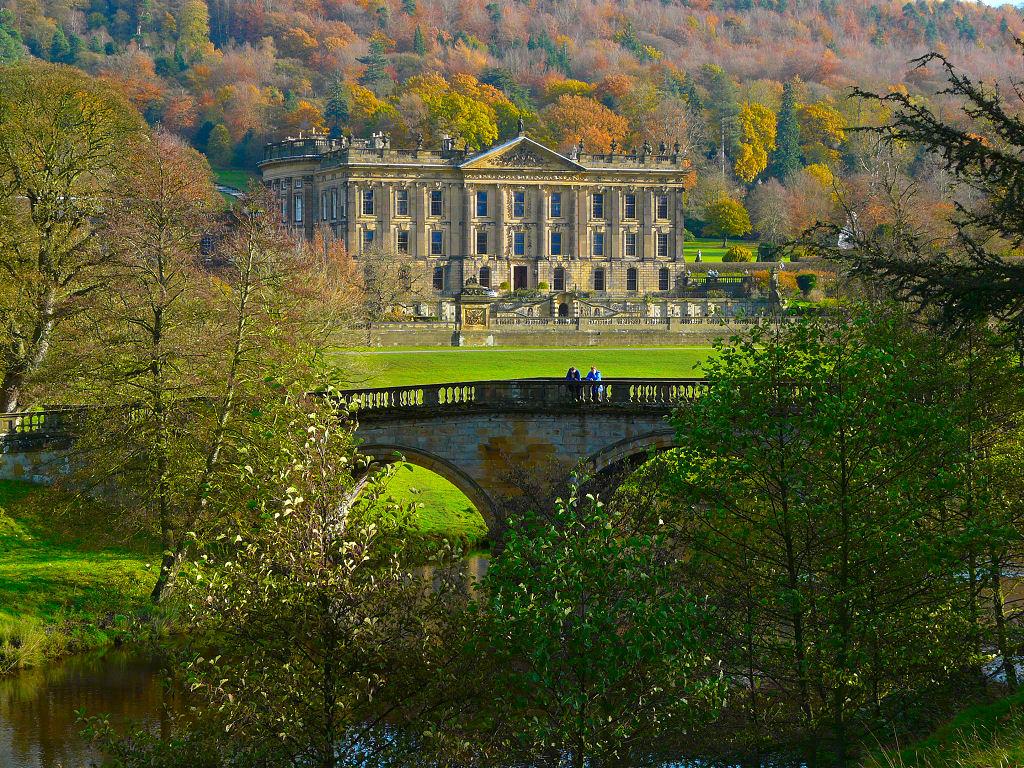
Explore Derbyshire: Discover the breathtaking landscapes of the Peak District, historic estates, and charming market towns in England's picturesque heartland.
Tell me more about Derbyshire
A 17th-century timber-framed farmhouse revealing authentic domestic life through world-class collections of textiles, ceramics, and period furnishings.
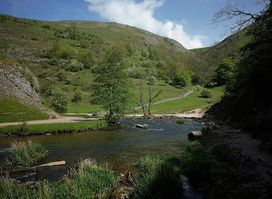
A dramatic limestone gorge in the Peak District, famous for its river, crags, stepping stones and ancient caves – a timeless landscape of natural beauty and legend.