
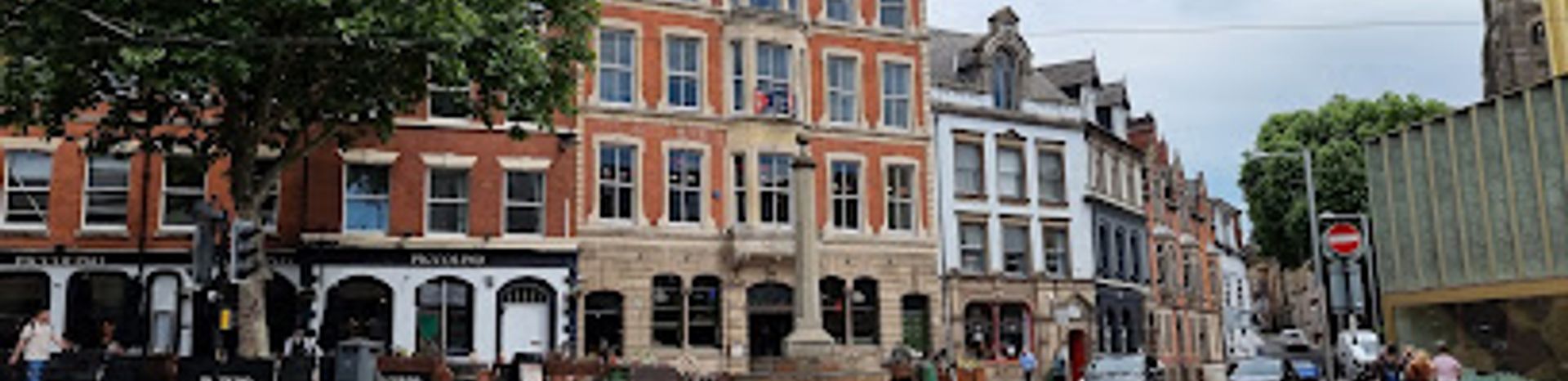
Weekday Cross Monument, Nottingham
Historic heart of Nottingham’s medieval market life, commemorating centuries of trade and community gatherings in the Lace Market district.
The Weekday Cross Monument in Nottingham marks the historic site of the medieval Weekday Market, once the civic and commercial heart of the city. Located in the Lace Market area, this monument commemorates a market cross that stood for centuries as a focal point for daily trade and gatherings before the Norman Conquest. Though the original cross was demolished in the early 19th century, the monument preserves the legacy of Nottingham’s vibrant medieval marketplace and civic life.
A brief summary to Weekday Cross Monument
- 21 High Pavement, Nottingham, GB
- Duration: 0.5 to 1.5 hours
- Free
-
 Outdoor
- Mobile reception: 4 out of 5
Local tips
- Visit early morning or late afternoon for the best natural light to photograph the monument and surrounding historic buildings.
- Combine your visit with a stroll through the nearby Lace Market area to explore Nottingham’s rich industrial heritage.
- Look for informational plaques nearby to deepen your understanding of the site’s historical significance.
- Wear comfortable shoes to enjoy exploring the historic streets and nearby attractions around Weekday Cross.

For the on-the-go comforts that matter to you
- Restrooms
- Drink Options
- Food Options
- Seating Areas
- Information Boards
Getting There
-
Public Transport
Take Nottingham’s tram system to the Lace Market stop, located approximately 300 meters from Weekday Cross Monument. Trams run frequently every 7-15 minutes with tickets costing around £2.50-£3.50. The walk from the stop is on paved urban streets and takes about 5 minutes.
-
Walking
From Nottingham city center, walk east along High Pavement for about 10 minutes on mostly flat, paved streets. The route passes notable landmarks such as Nottingham Contemporary art gallery. Suitable for most fitness levels and wheelchair accessible.
-
Taxi or Rideshare
A taxi or rideshare from Nottingham Railway Station to Weekday Cross Monument takes approximately 5-10 minutes depending on traffic. Expect fares in the range of £6-£10. Drop-off is possible close to the monument, but parking nearby is limited.
Weekday Cross Monument location weather suitability
-
 Any Weather
-
 Mild Temperatures
-
 Rain / Wet Weather
Discover more about Weekday Cross Monument
Medieval Origins and Market Heritage
Weekday Cross was the central marketplace of Nottingham long before the Norman Conquest, originally known as "Snotingaham." It served as the hub for the town’s domestic trade and civic activities, with a market cross symbolizing this important gathering place. The market was held on weekdays, distinguishing it from the Saturday market that later developed in the Old Market Square. The cross itself was a traditional feature, marking the market’s location and acting as a point for proclamations and public events.The Cross and Its Role in Civic Life
The Weekday Cross was more than a market marker; it was a site of social and legal significance. Historical records mention a bull ring nearby and references to public gatherings and celebrations, such as wine drinking on Corpus Christi Day. The cross was repaired and altered over centuries, appearing on maps from the early 17th century. It stood near Fletcher Gate, Nottingham’s butchers’ quarter, and was a focal point for the community until its demolition in 1804.Transition and Legacy
By the late 18th century, the limited space at Weekday Cross led to the transfer of the market to the larger Great Market Place (now Old Market Square). Although the physical cross was removed, the site’s historical importance remains commemorated by the modern monument at 21 High Pavement. Nearby, other historic crosses and market structures, such as the Malt Cross, tell the story of Nottingham’s rich mercantile past.Architectural and Cultural Context
The Weekday Cross Monument stands in the Lace Market, an area renowned for its historic buildings and industrial heritage. The monument’s presence evokes Nottingham’s evolution from a fortified Saxon settlement to a bustling medieval town. The surrounding architecture, including Victorian and Georgian buildings, complements the monument’s historical narrative and offers visitors a tangible connection to the city’s past.Modern Significance and Visitor Experience
Today, the Weekday Cross Monument is a quiet yet evocative landmark. It invites reflection on Nottingham’s medieval roots and the daily lives of its past inhabitants. Visitors can appreciate the monument’s symbolism while exploring the vibrant Lace Market district, known for its cultural events, cafes, and preserved heritage. The site offers a glimpse into the city’s transformation and enduring community spirit.Preservation and Commemoration
Though the original cross was dismantled over two centuries ago, the monument and the surrounding area are protected as part of Nottingham’s historic fabric. The site serves as a reminder of the city’s mercantile traditions and civic history, preserving the memory of a marketplace that shaped Nottingham’s identity for centuries.Iconic landmarks you can’t miss

Weekday Cross Monument
0.0 km
Historic heart of Nottingham’s medieval market life, commemorating centuries of trade and community gatherings in the Lace Market district.
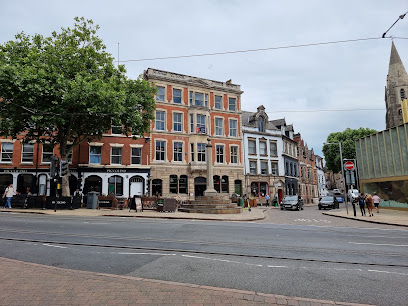
Citylife UK
0.1 km
Explore Nottingham with Citylife UK, your trusted travel agency for personalized experiences and local insights.
The Tokenhouse
0.2 km
Explore The Tokenhouse in Nottingham for unique gifts and heartfelt treasures that capture the essence of the city.
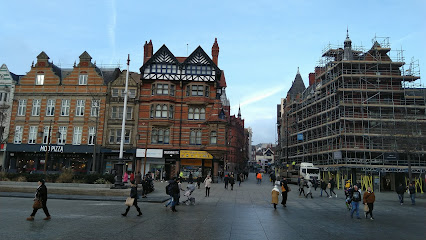
St Peter's Church, Nottingham
0.2 km
A medieval sanctuary and historic gem in Nottingham’s city centre, blending centuries of architecture and community spirit.
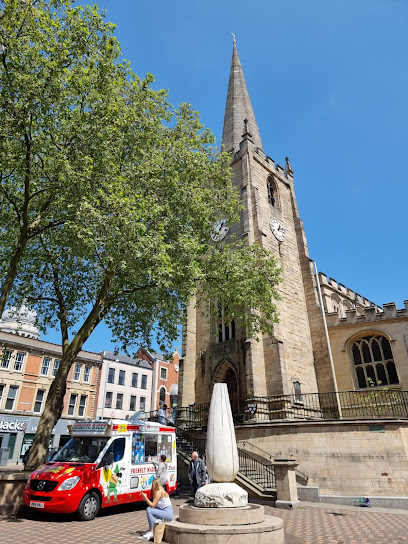
16 Stoney Street
0.2 km
Discover 16 Stoney Street, a preserved Victorian lace warehouse in Nottingham’s historic Lace Market, echoing the city’s rich industrial heritage.
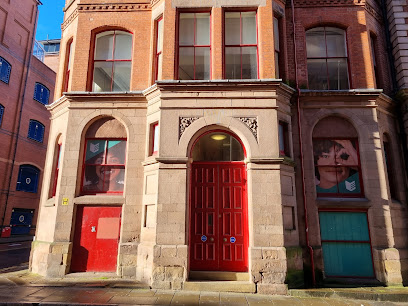
The Hockley Arts Club
0.2 km
Discover Nottingham's vibrant cocktail culture at The Hockley Arts Club, where artistry meets exceptional mixology in a stylish bar setting.
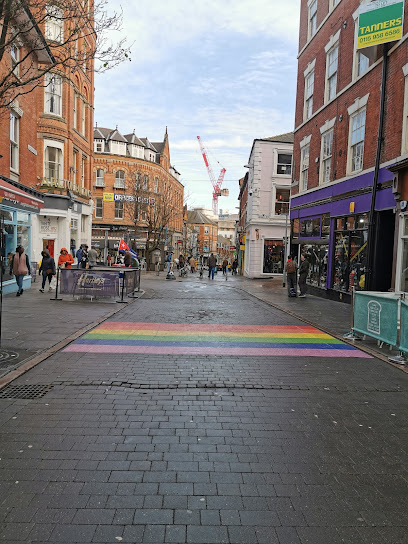
Right Lion
0.3 km
Discover Nottingham’s iconic Right Lion, a historic stone sculpture and beloved meeting point near the Council House in Old Market Square.
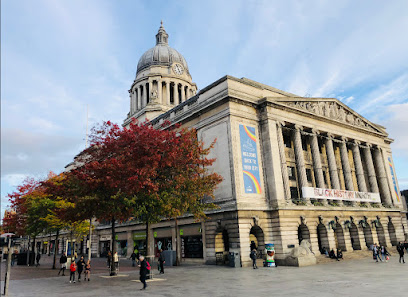
The Left Lion
0.3 km
Meet Nottingham’s iconic Left Lion, a historic stone sentinel and beloved city landmark at the heart of Old Market Square.
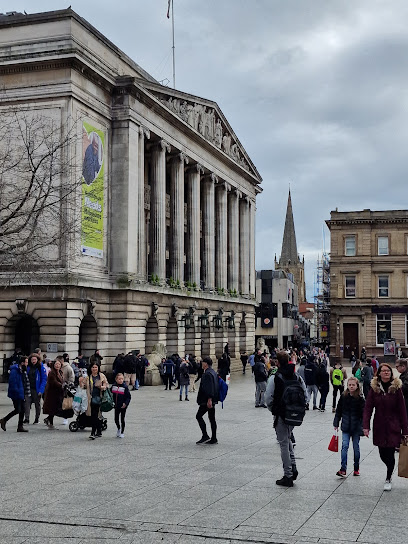
Watson Fothergill's Office
0.3 km
Explore the vibrant Gothic Revival office of Watson Fothergill, Nottingham’s iconic Victorian architect, showcasing intricate brickwork and historic homage.
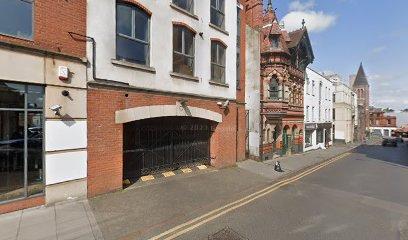
St Nic's Church
0.4 km
Medieval survivor rebuilt from Civil War ashes, standing as Nottingham's testament to faith and resilience.
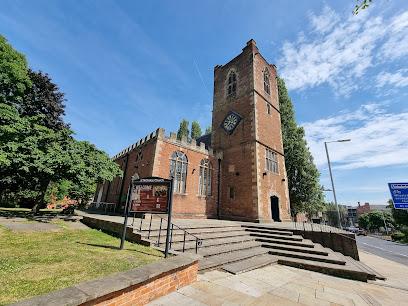
Speakers' Corner
0.4 km
Nottingham’s vibrant Speakers' Corner offers a historic platform for free speech, lively debates, and community connection in the heart of the city.
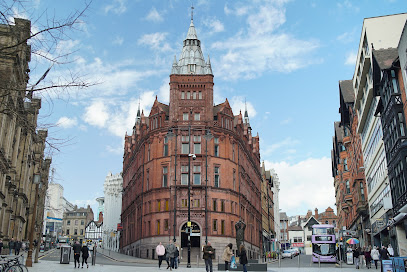
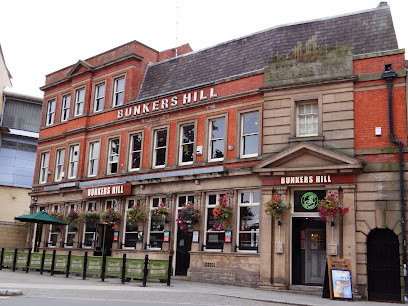
Bunkers Hill
0.5 km
Discover Bunkers Hill, Nottingham's lively pub and restaurant, offering local flavors and a welcoming atmosphere in the heart of the city.
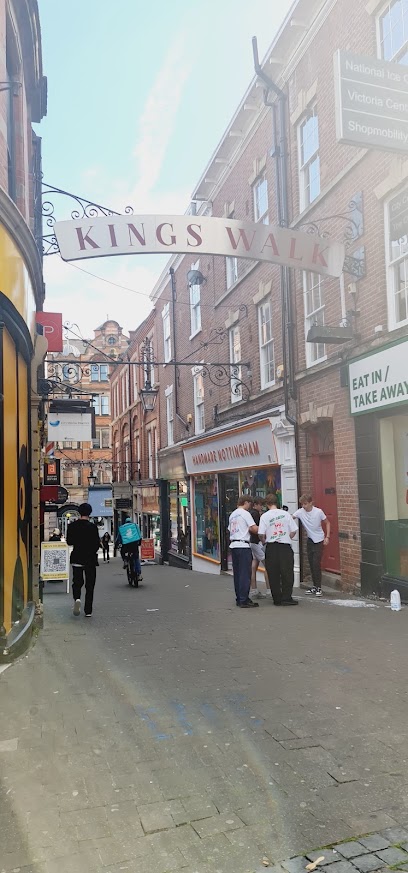
King's Walk sign
0.5 km
A pedestrianised passage where Georgian elegance meets contemporary commerce in Nottingham's historic heart.
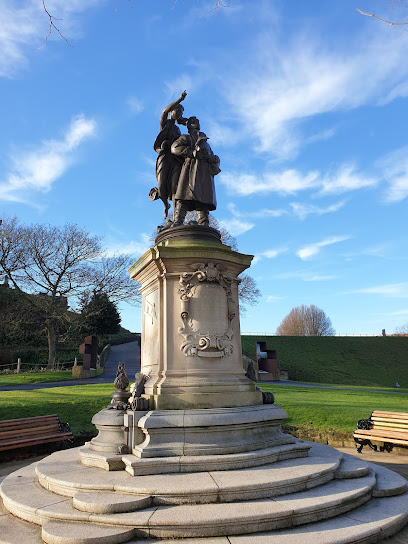
Statue of Captain Albert Ball
0.5 km
A striking bronze tribute in Nottingham Castle Gardens honoring WWI flying ace Captain Albert Ball’s valor and legacy.
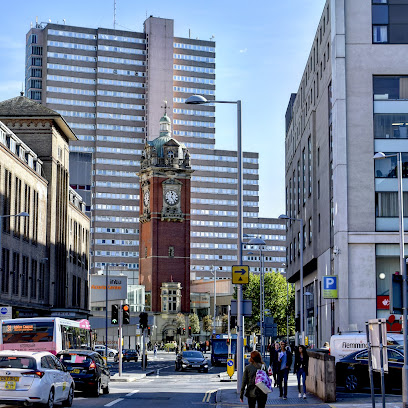
Victoria Station Clock Tower
0.7 km
A towering 100-foot clock tower preserving the grandeur and history of Nottingham's lost Victoria railway station.
Unmissable attractions to see

City of Caves
0.1 km
Explore Nottingham’s hidden underground world: medieval tanneries, wartime shelters and centuries of history carved into sandstone beneath the city streets.
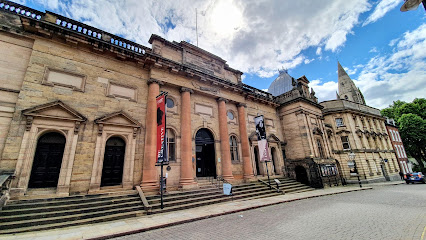
National Justice Museum
0.1 km
Explore five centuries of crime, punishment, and justice in Nottingham's authentic Georgian gaol and Victorian courtroom.
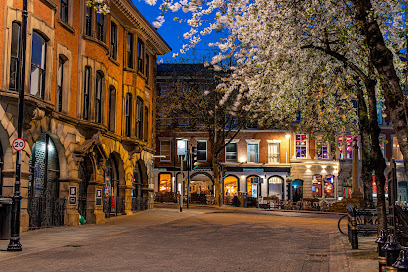
Lace Market Square
0.2 km
Historic heart of Nottingham’s lace industry, blending Victorian charm with vibrant cultural life and creative energy.

Lace Market
0.2 km
Explore Nottingham’s oldest district, the Lace Market, where industrial heritage meets vibrant creativity in a historic lace-making hub.
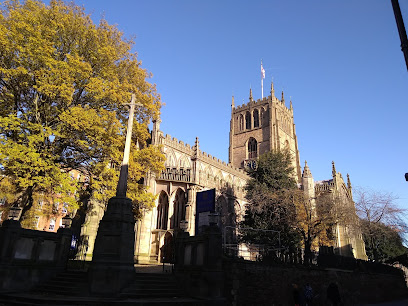
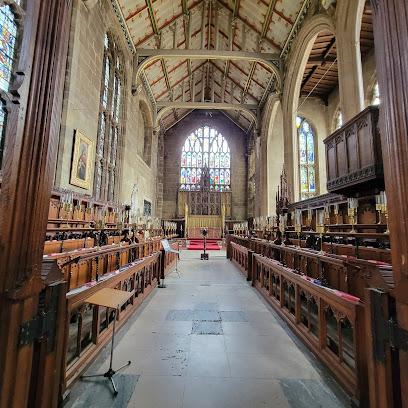
St Mary’s Church Nottingham
0.2 km
Explore Nottingham’s grand medieval parish church, rich in Gothic architecture, historic tombs, and stained glass celebrating centuries of faith and community.
Flying Horse Walk
0.2 km
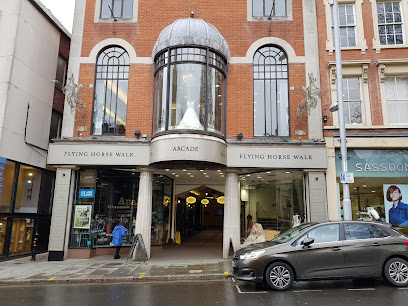
Discover Nottingham’s elegant boutique arcade blending historic charm with artisanal shops and cozy cafes in a tranquil city-centre setting.
Inspired
0.2 km
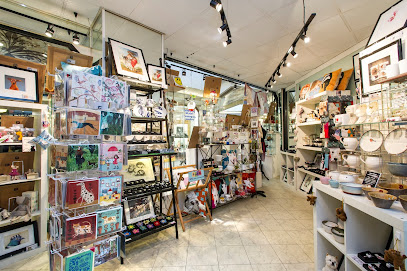
Discover Nottingham’s historic boutique arcade blending timeless charm, independent shops, and elegant Georgian architecture in the city’s vibrant heart.
The Lacehouse
0.2 km
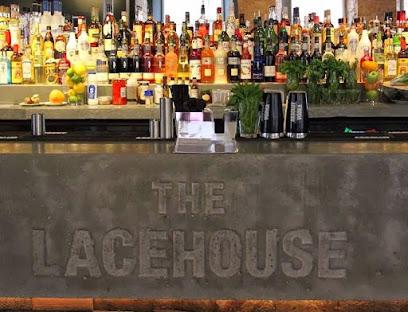
Experience the vibrant heart of Nottingham at The Lacehouse, where cocktails, brunch, and live music come together in a unique setting.
The Exchange (Exchange Arcade)
0.3 km
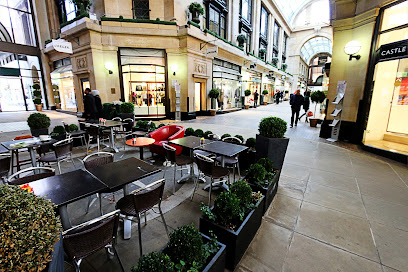
Discover Nottingham’s oldest shopping arcade with exclusive boutiques beneath a stunning 200ft glass dome in the city centre.
Nottingham Council House
0.3 km
Historic Edwardian elegance in Nottingham's heart—where nine versatile rooms create unforgettable celebrations.
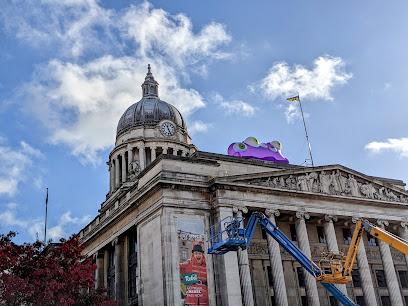
Nottingham Tourism Centre
0.3 km
Your welcoming gateway to Nottingham’s attractions, events, and local insights in the heart of the city.
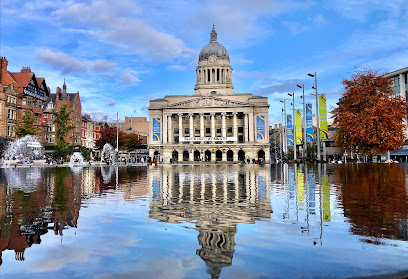
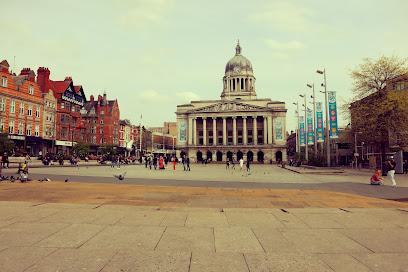
Old Market Square
0.3 km
Discover the bustling heart of Nottingham at Old Market Square, a historical landmark rich in culture, events, and captivating architecture.
Old Mkt Sq
0.4 km
Nottingham’s historic Old Market Square: a vibrant civic heart blending medieval roots with modern urban life and lively events.
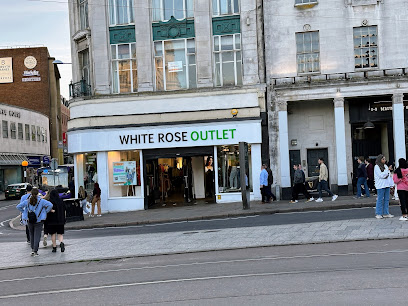
White Rose Nottingham Outlet
0.4 km
Leeds’ vibrant shopping and entertainment hub with over 120 stores, an IMAX cinema, and family-friendly outdoor play area.
Nottingham City Council
0.4 km
Central Nottingham’s modern civic heart, housing the City Council and vital public services in a contemporary landmark opposite the railway station.
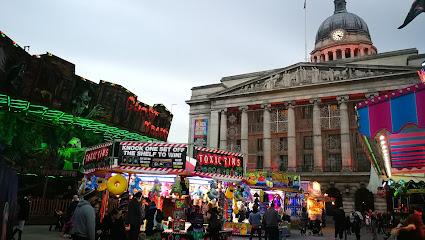
Essential places to dine

Piccolino Nottingham
0.0 km
Elegant Italian dining with classic flavors, a vibrant cocktail bar, and alfresco terrace in Nottingham’s city centre.
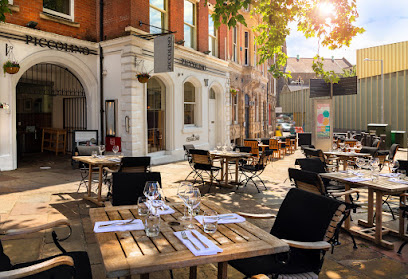
Everyday People
0.1 km
MasterChef-inspired ramen with rich broths and creative fusion dishes in Nottingham’s stylish Byard Lane eatery.
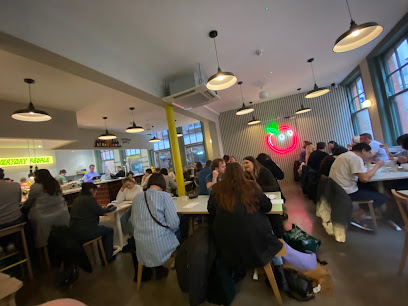
baresca
0.1 km
Experience authentic Spanish tapas and vibrant atmosphere in Nottingham’s lively Baresca, where Catalan flavours meet rustic charm.
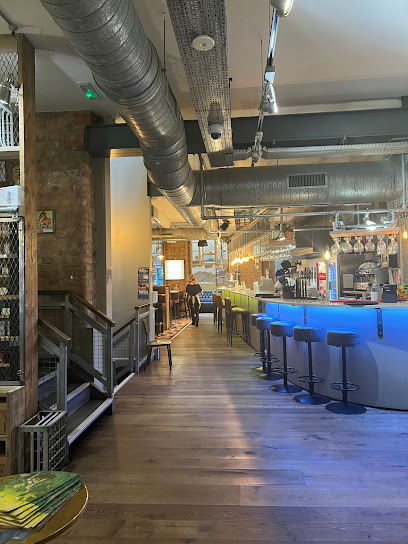
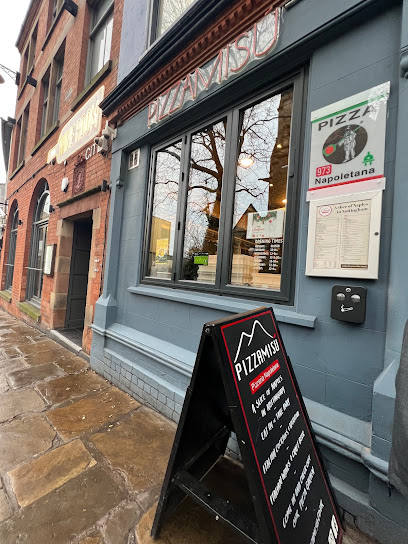
Pizzamisú
0.1 km
Experience authentic Neapolitan pizza and Italian charm in Nottingham’s historic High Pavement at Pizzamisú.
Iberico World Tapas
0.1 km
Experience authentic Spanish tapas in Nottingham’s historic Shire Hall with refined flavors and a warm, intimate atmosphere.
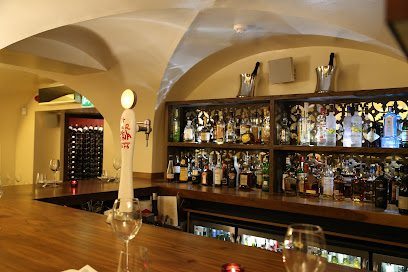
The Pelican Club
0.2 km
Experience authentic Umbrian Italian cuisine, live jazz, and crafted cocktails in Nottingham’s elegant and intimate Pelican Club.
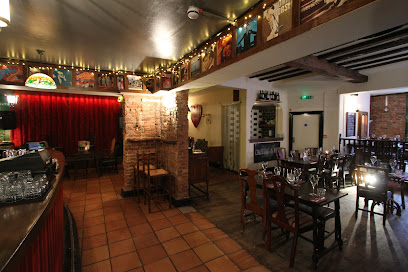
Cosy Club
0.2 km
Historic charm meets eclectic British dining and vibrant bar culture in the heart of Nottingham city centre.
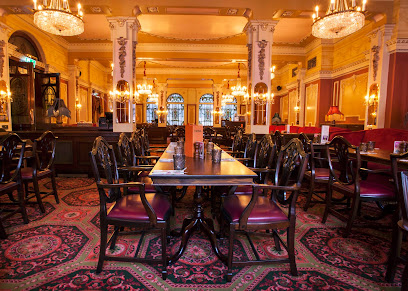
Dino
0.2 km
Modern dining and lively bar in Nottingham city centre, known for juicy burgers, generous portions, and a welcoming atmosphere.
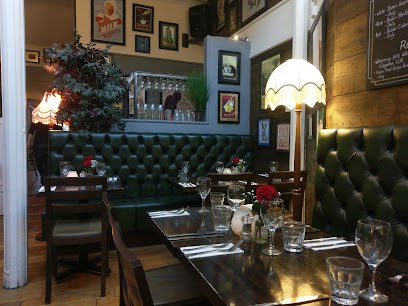
Annie's Burger Shack
0.2 km
Vibrant American diner in Nottingham’s Lace Market, serving over 30 creative burgers with vegan options and craft beers in a lively, casual setting.
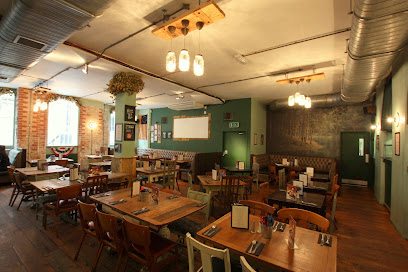
The Loxley
0.2 km
Discover Nottingham's vibrant pub culture at The Loxley – where great food meets friendly faces in a cozy atmosphere.
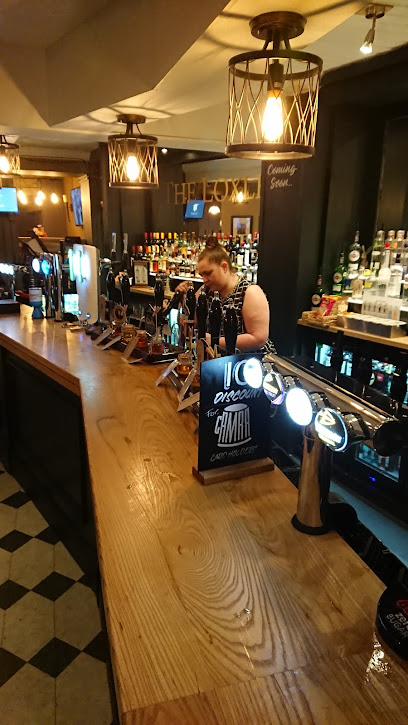
Paste Contemporary Thai Cuisine
0.2 km
Experience authentic Thai flavors with a contemporary twist in the heart of Nottingham’s vibrant Lace Market.
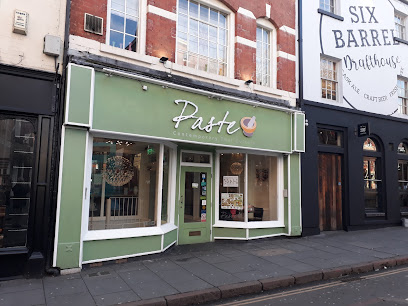
Spice Cay Restaurant & Bar
0.2 km
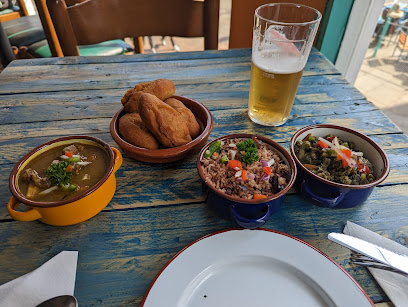
Discover bold Caribbean flavors and vibrant vibes at Spice Cay, Nottingham’s premier tapas-style restaurant and bar on Pelham Street.
Bistro Live Nottingham
0.2 km
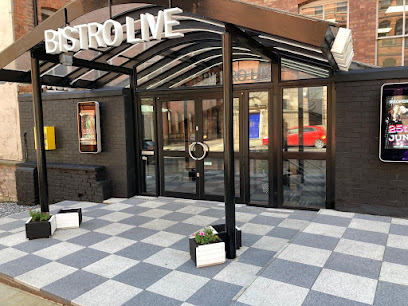
Experience vibrant nightlife, delicious dining, and unforgettable celebrations all under one roof at Bistro Live Nottingham.
Restaurant Bar Gigi
0.2 km
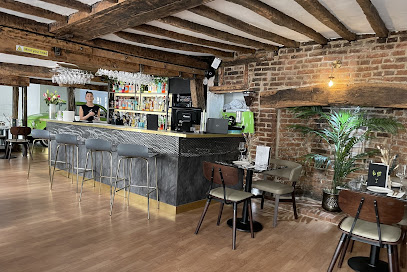
Elegant Italian dining and cocktails in a historic Nottingham setting, perfect for intimate evenings and sharing inspired plates.
ViDa by Lorentes
0.2 km
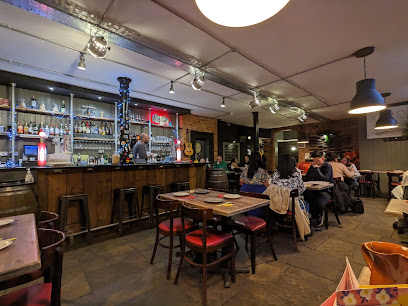
Experience authentic Spanish tapas in a cozy Lace Market basement with creative dishes, warm hospitality, and a rustic atmosphere.
Markets, malls and hidden boutiques

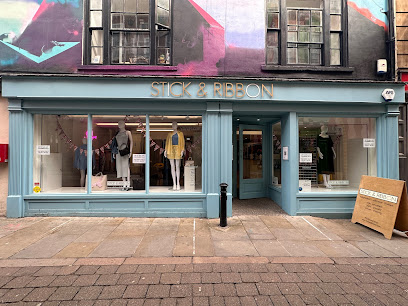
Stick & Ribbon
0.1 km
Discover curated women’s fashion with a personal, sustainable touch in Nottingham’s historic Bridlesmith Gate.
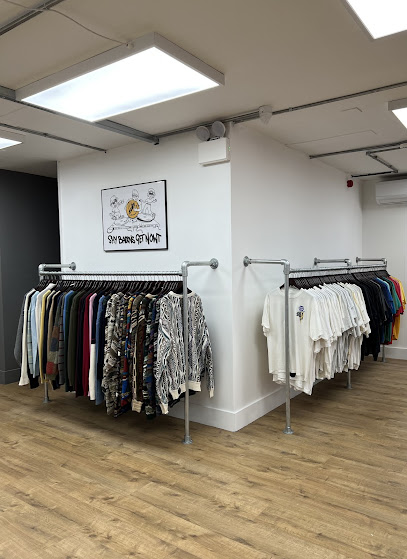
Garms Nottingham
0.1 km
Discover unique vintage streetwear and stylish outerwear at Garms Nottingham, a vibrant boutique nestled in the historic heart of Bridlesmith Gate.
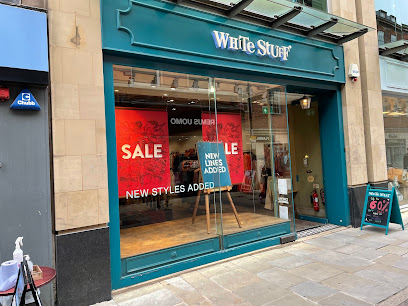
White Stuff Nottingham
0.1 km
A cheerful, independent-feel clothing store on Nottingham’s main shopping street, offering relaxed British style for women, men and children.
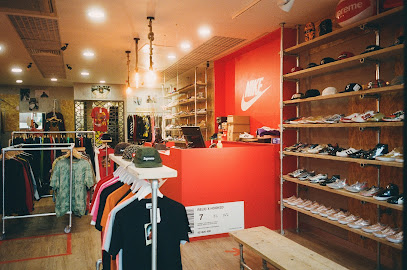
Relic x Hooked Nottingham
0.1 km
Discover eclectic vintage fashion and unique style treasures in Nottingham’s edgy and vibrant Relic x Hooked store.
18montrose
0.1 km
Discover premium streetwear and designer fashion at 18montrose, nestled in Nottingham’s historic Bridlesmith Gate shopping district.
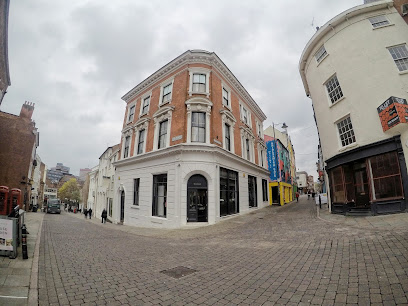
Debbie Bryan | Nottingham Lace Market
0.2 km
Discover Nottingham’s heritage through artisan crafts, exquisite lace, and delightful tearoom treats in the heart of the Lace Market.
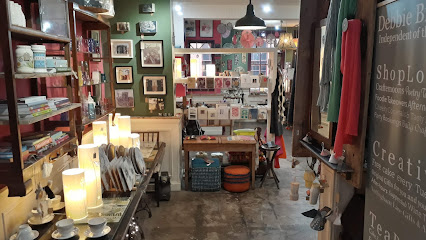
Mood Outfitters
0.2 km
Discover Nottingham's boldest independent fashion at Mood Outfitters, where local designers craft unique, wearable art in the heart of Hockley's creative scene.
Vivienne Westwood
0.2 km
Discover bold British fashion and iconic accessories at Vivienne Westwood’s Nottingham boutique in historic Flying Horse Walk.
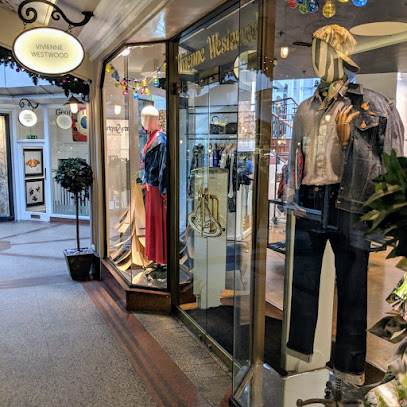
Cow
0.2 km
Discover timeless threads in Nottingham's coolest vintage haven—Cow curates retro gems with style and soul on Carlton Street.

Tutu urban boutique
0.3 km
Discover Nottingham’s stylish independent ladieswear boutique offering unique, high-quality fashion from emerging designers in a charming city centre arcade.
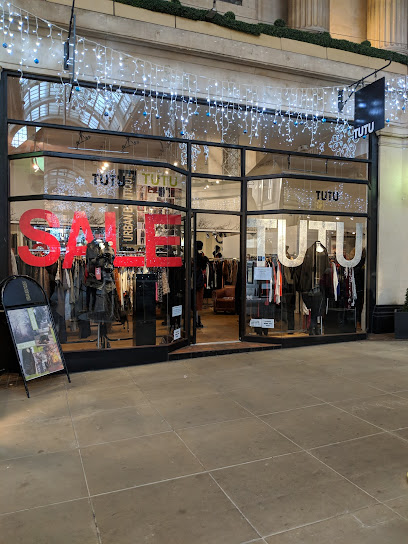
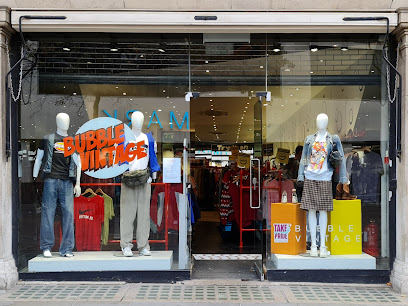
Bubble Vintage
0.3 km
Discover timeless style and sustainable fashion treasures at Bubble Vintage, Nottingham’s vibrant vintage clothing shop in The Exchange.
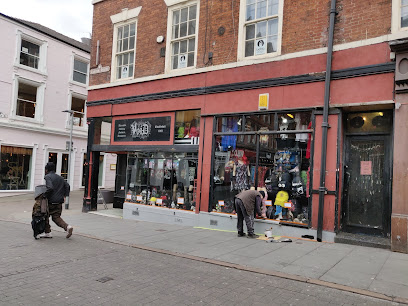
Void Clothing
0.3 km
Discover Nottingham’s premier alternative fashion destination blending music culture, unique styles, and local creativity on Carlton Street.
Your Unique Day
0.3 km
Letterbox magic on Goose Gate: bespoke cakes that deliver joy through your mailbox in Nottingham's creative heart.
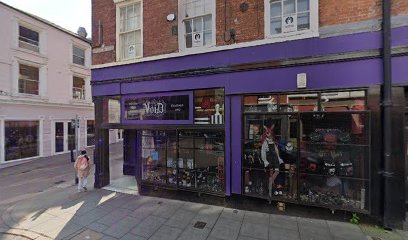
Hopkinsons @ Cobden Place
0.3 km
Vintage emporium with bar and café flair in Nottingham's creative Hockley—hunt treasures, sip pints, savor cakes in a restored lace factory gem.
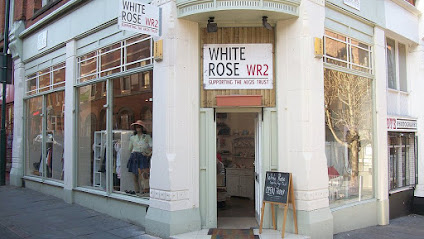
White Rose Hockley WR2
0.3 km
Discover handpicked vintage treasures and sustainable style at this Hockley charity shop, where retro fashion supports noble causes in Nottingham's creative heart.
Essential bars & hidden hideouts

The Blind Rabbit
0.0 km
New York-inspired Nottingham bar blending juicy burgers, wild cocktails, live sports on mega screens, arcade games, and casual vibes in a historic Lace Market gem.
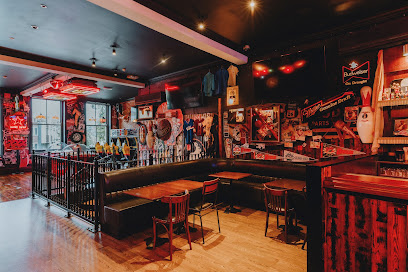
Billy Bootleggers Nottingham (formerly Percy Picklebackers)
0.0 km
Dive into Nottingham's live music heartbeat at Billy Bootleggers, where nightly gigs, moonshine cocktails, and Lace Market history fuel epic nights until 3am.
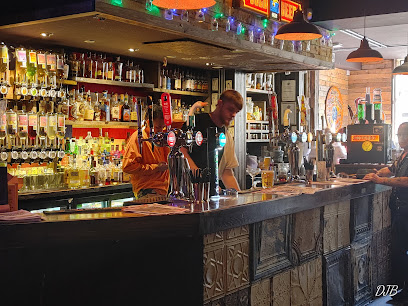
All Bar One Nottingham
0.0 km
Sophisticated wine bar in Nottingham's Weekday Cross, perfect for after-work unwinds, bottomless brunches, and vibrant evenings with global wines and sharing plates.
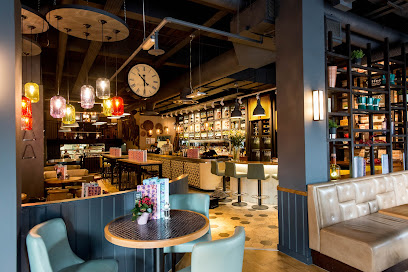
Brass Monkey
0.1 km
Late‑night Lace Market cocktail bar with a big rum selection, polished service and warm, low‑lit interiors — ideal for cocktails into the small hours.
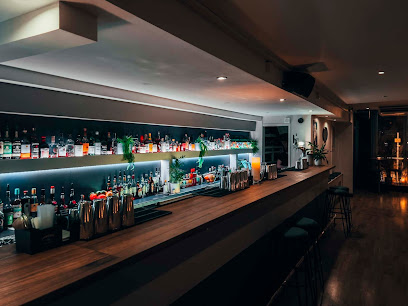
Coco Tang -Cocktail Bar
0.1 km
Daytime Asian café and a theatrical underground cocktail bar — two distinct moods under one roof in Nottingham’s Lace Market.
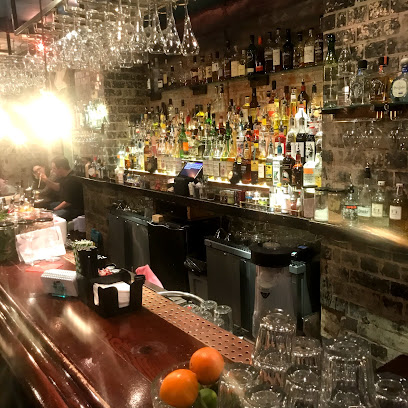
Pitcher & Piano Nottingham
0.1 km
Experience vibrant social life in a stunning Gothic church setting with creative cocktails and hearty British classics in Nottingham’s Lace Market.
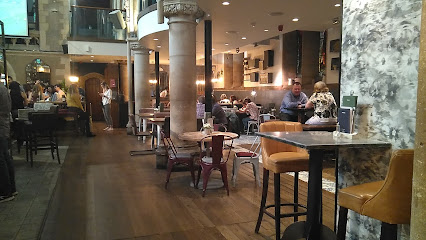
Pepper Rocks
0.1 km
A lively Nottingham cocktail bar blending quirky charm, great value drinks, and a vibrant two-floor atmosphere for memorable nights out.
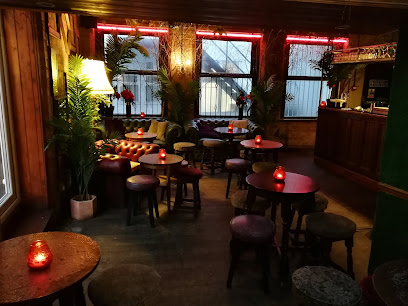
Cock & Hoop
0.1 km
Cozy Lace Market pub pouring local ales and pub favorites in a historic nook, perfect for relaxed escapes amid Nottingham's creative buzz.
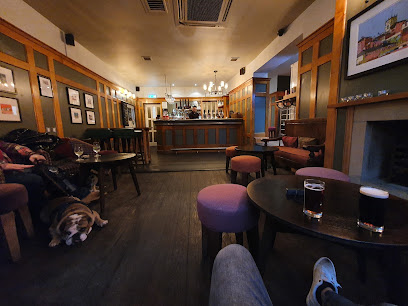
Penny Lane
0.1 km
Step into Nottingham’s Penny Lane for nostalgic arcade fun, creative cocktails, and a lively, family-friendly vibe in the heart of the Lace Market.
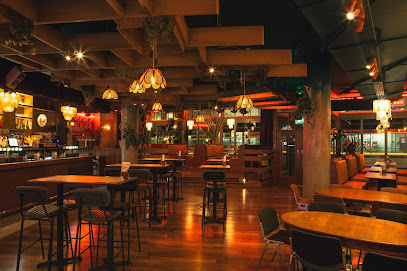
Be At One - Nottingham
0.2 km
Discover Nottingham’s vibrant cocktail scene with over 100 expertly crafted drinks and a lively late-night atmosphere at Be At One.
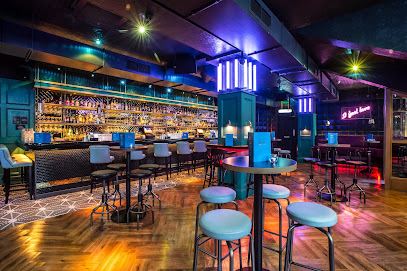
Pit & Pendulum
0.2 km
Descend into Poe-inspired gothic splendor at Nottingham's most haunting pub, where shadowy decor, themed cocktails, and rock anthems craft unforgettable nights.
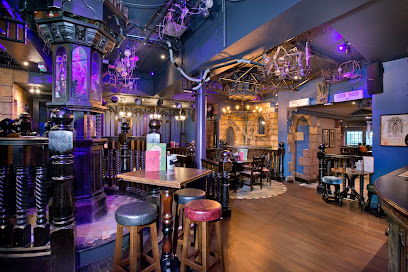
TIER Nottingham
0.2 km
A lively Nottingham cocktail bar with quirky décor, creative drinks, and popular Happy Hours in the heart of the city.
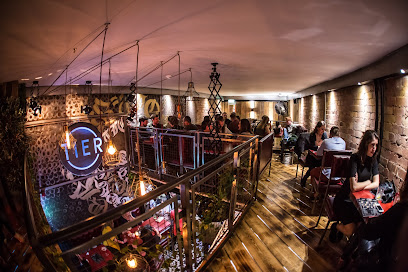
Six Barrel Drafthouse
0.2 km
Hockley’s friendly craft-beer pub — six rotating taps, large bottle fridge and a relaxed, dog-welcoming atmosphere.
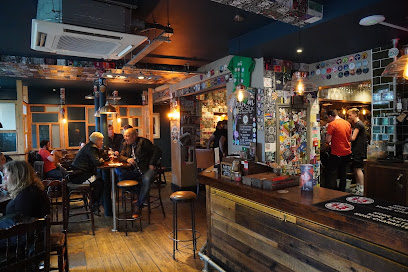
Bunk
0.3 km
Crispy wings, killer cocktails, and Lace Market vibes—Bunk delivers Nottingham's boldest bite in a historic street setting.
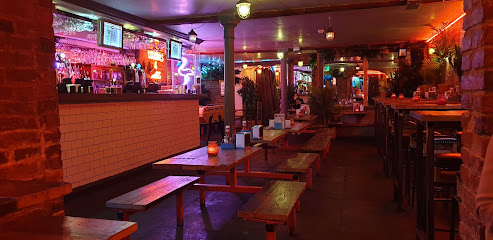
Tilt
0.3 km
Discover Nottingham’s cozy cocktail retreat, where expertly crafted drinks meet intimate candle-lit ambiance and soulful blues.
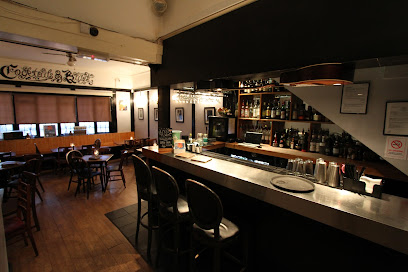
Nightclubs & after hour spots

The Cell
0.1 km
Dive into Nottingham's pulsing heart at The Cell, where affordable drinks, diverse beats, and Hockley's electric vibe fuel unforgettable nights of dance and discovery.

Tantra Night Clubs
0.2 km
Dive into Nottingham's electric nightlife at Tantra Night Clubs, where pulsating beats, dazzling lights, and stylish vibes create unforgettable nights of dance and discovery in the city center.
Popworld - Nottingham
0.2 km
A neon-soaked, singalong pop-club in Nottingham city centre — colourful cocktails, nostalgic anthems and compact dancefloor energy.
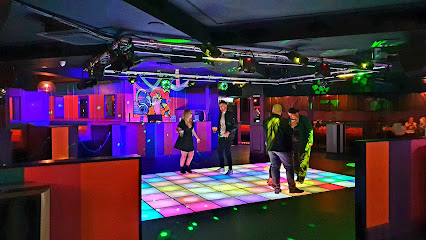
The Bodega Nottingham
0.2 km
Intimate two-level live-music bar and late-night club on Pelham Street — gritty, affordable and centred on close-up gigs and local sounds.
Eleven
0.3 km
A lively, multi-bar nightclub in Nottingham’s Hockley district, famed for great cocktails, student nights, and an intimate yet energetic party vibe.
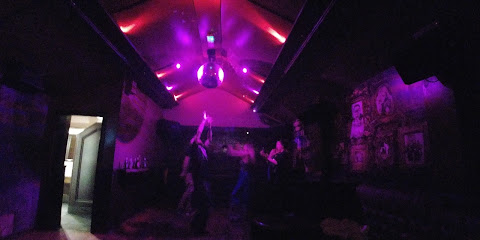
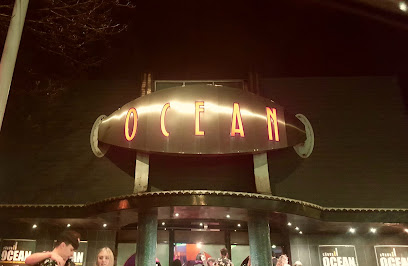
Ocean Nightclub
0.3 km
Unpretentious beats and dazzling lights fuel all-night dances at Nottingham's go-to multi-room nightclub on Greyfriar Gate.
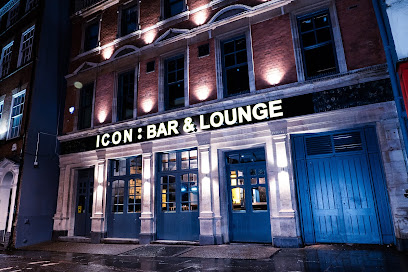
ICON
0.5 km
A compact, DJ-driven late-night club on St James’s Street — small footprint, high-energy nights and a tight city-centre atmosphere.
NG-One
0.5 km
A large, late‑night Nottingham club with multiple dancefloors, strong sound and long weekend hours — built for night owls and student crowds.
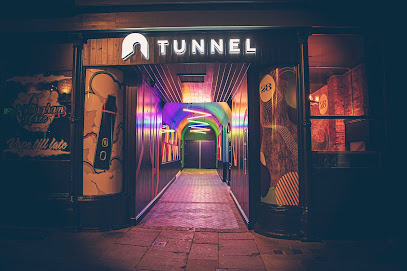
Tunnel Club
0.5 km
Loud. Intimate. Disruptive. Dive into Nottingham's raw underground beats at this city-center nightclub powerhouse.
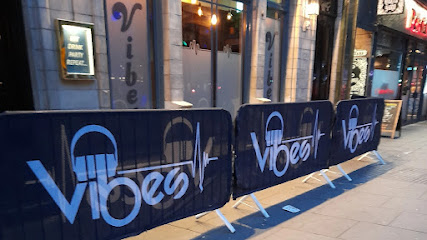
VIBES NIGHTLIFE
0.6 km
Dive into Nottingham's pulsating party hub where weekend beats, neon lights, and vibrant crowds fuel epic nights until 2am—pure vibes unleashed.
Unit 13
0.6 km
Dive into Nottingham's underground bassline haven at Unit 13, where industrial beats and stellar DJs fuel unforgettable warehouse raves.

Love zoo
0.6 km
Dive into Nottingham's electrifying beats at Love Zoo, where house rhythms, dazzling lights, and cocktail-fueled nights create pure nightlife magic on Weekday Cross.
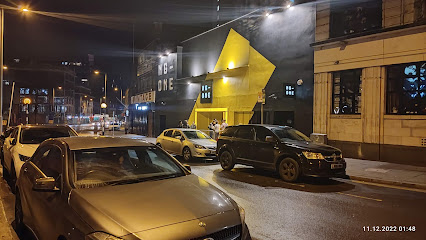
Stealth
0.7 km
Nottingham's drum and bass dynamo: world-ranked beats, epic nights, and unrelenting energy since 2004 in the heart of Goldsmith Street.
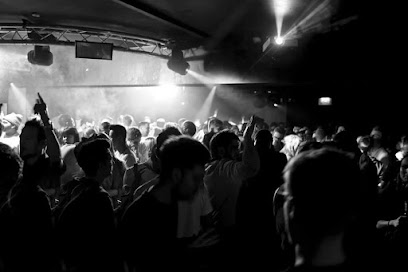
Rescue Rooms
0.7 km
Nottingham's intimate live music powerhouse: raw gigs, electric crowds, and beats till 3am in a historic nook.
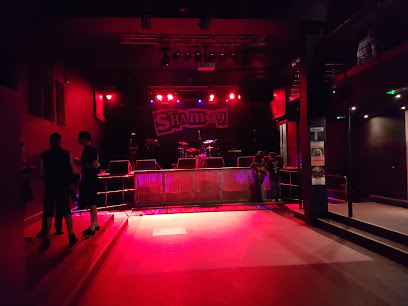
Rock City
0.7 km
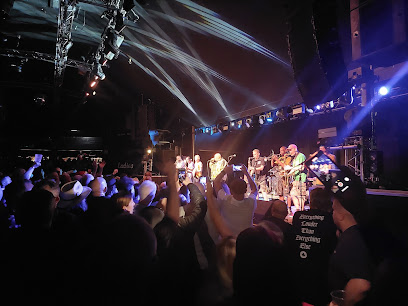
Experience Nottingham’s iconic live music and nightclub venue, where legendary acts and vibrant club nights come alive in an intimate, energetic setting.
For the vibe & atmosphere seeker
- Historic
- Tranquil
- Scenic
- Unique
For the design and aesthetic lover
- Vintage Styles
- Rustic Designs
For the architecture buff
- Historic
- Heritage Neighborhoods
- Parks & Gardens
For the view chaser and sunset hunter
- Iconic Views
- Panoramas
For the social media creator & influencer
- Instagrammable
- Photo Spots
- Architectural Shots
For the eco-conscious traveler
- Public-Transport Accessible
- Locally Managed
For the kind of experience you’re after
- Cultural Heritage
- Photowalk
- Day Trip
- Weekend Getaway
For how adventurous you want the journey to be
- Easy Access
Location Audience
- Family Friendly
- Senior Friendly
- Child Friendly
- Teen Friendly
- Wheelchair Access
- Solo Friendly
- Couple Friendly
- Vegetarian Friendly
- Vegan Friendly


