

Free Orkney Travel Guide & Mobile App
Explore Orkney with free travel guides. Discover regional history, expert tips, proposed trips, and audio guides on web or mobile app.


Explore Orkney’s Neolithic monuments, island communities, sea cliffs, wildlife, historic harbours and distinctive northern Scottish food culture.
Read more about Orkney
When is the best time to visit Orkney?
Best: June–August · 15–17°C| Month | High (°C) | Rainfall (mm) |
|---|---|---|
| January | 6 | 100 |
| February | 6 | 80 |
| March | 7 | 70 |
| April | 10 | 60 |
| May | 12 | 60 |
| June (best) | 15 | 60 |
| July (best) | 17 | 70 |
| August (best) | 17 | 80 |
| September | 15 | 80 |
| October | 12 | 90 |
| November | 8 | 100 |
| December | 7 | 110 |
Getting to and around Orkney
How to get there
Transportation
Best attractions in Orkney
Orkney’s attractions range from internationally important prehistoric archaeology to working harbours, wartime remains and wildlife-rich coastlines. On Mainland, the Heart of Neolithic Orkney links Skara Brae, Maeshowe, the Ring of Brodgar and the Stones of Stenness in a landscape where lochs, pasture and stone monuments remain closely connected. Kirkwall offers St Magnus Cathedral and the Orkney Museum, while Stromness provides maritime history and access towards Hoy. The Italian Chapel on Lamb Holm recalls the ingenuity of Italian prisoners of war, and the Churchill Barriers combine engineering history with distinctive coastal scenery. Rousay is noted for dense archaeological remains, including Midhowe Broch and nearby cairns, while Hoy appeals to walkers with hills, cliffs and the Old Man of Hoy. Westray and Papa Westray are valued for seabirds, beaches and archaeological sites, and North Ronaldsay offers a distinctive island landscape shaped by its seaweed-eating sheep. Across the archipelago, attractions are often experienced outdoors, so tides, weather, ferry times and walking conditions are part of the practical planning.
-
Tourist attraction
Skara Brae Prehistoric Village
Step back 5,000 years at Skara Brae, Europe’s best-preserved Neolithic village with stone houses, ancient furniture, and immersive exhibitions.
-
Historical landmark
Ring of Brodgar
Explore the majestic Neolithic Ring of Brodgar, a vast stone circle and henge steeped in mystery and ancient ritual on Orkney’s Mainland.
-
Church
Italian Chapel
A stunning WWII chapel on Lamb Holm, crafted by Italian POWs, symbolizing faith, artistry, and resilience amid adversity.
-
Cathedral
St Magnus Cathedral
Explore Scotland’s oldest cathedral, a stunning medieval masterpiece and spiritual heart of Orkney, rich with Norse history and vibrant cultural life.


Best landmarks in Orkney
St Magnus Cathedral dominates Kirkwall’s historic centre with its distinct red and yellow sandstone, Norman and later Gothic features, and centuries-long association with Orkney’s religious and political history. In the west of Mainland, the Ring of Brodgar forms an imposing ceremonial circle within the Neolithic landscape, while the Stones of Stenness preserve another group of monumental stones on a narrow isthmus between lochs. Nearby Maeshowe is a carefully constructed chambered tomb whose passage admits winter sunlight, and Skara Brae’s stone-built houses offer an unusually intimate view of Neolithic domestic life. Stromness itself is a landmark maritime town, its long waterfront and stone lanes shaped by North Atlantic trade. On Hoy, the Old Man of Hoy rises as a striking sea stack from the cliffs, while the Italian Chapel on Lamb Holm stands as a deeply personal wartime memorial. These places differ in scale and age, but together express Orkney’s defining relationship with stone, sea routes and exposed northern landscapes.
-
Cathedral
St Magnus Cathedral
Discover Scotland’s only complete medieval cathedral, a stunning red and yellow sandstone masterpiece steeped in Viking history and spiritual heritage.
-
Historical landmark
Cuween Hill Chambered Cairn
A 5,000-year-old Neolithic tomb where ancient rituals and mysteries still whisper from the darkness.
-
Historical landmark
Churchill Barriers
Historic WWII causeways in Orkney that safeguarded Scapa Flow and now link islands with a rich legacy of resilience and culture.
-
Historical landmark
The Cannon
Historic cannon from an American privateer, set against the stunning backdrop of Stromness harbour’s maritime heritage.


Explore Orkney on the map
Plan your trip on one map. See where the top cities, national parks and sights are, and book hotels and experiences in a few clicks.
Best hotels in Orkney
Best restaurants in Orkney
Orkney’s food culture is grounded in the surrounding sea, fertile grazing land and small-scale island production. Seafood is central, with crab, lobster, scallops, mussels, salmon and other catches appearing in cafés, restaurants and seasonal menus. Orkney beef and lamb are widely associated with the islands, while Orkney cheddar and other dairy products reflect the importance of pasture. Bere, an ancient barley variety, remains a distinctive local ingredient found in flour, bannocks, biscuits and craft drinks. Kirkwall and Stromness have the broadest choice of restaurants, cafés, bakeries and pubs, while rural inns and island cafés often provide simpler menus shaped by available produce and service days. Food shops and farm outlets are useful for picnics, particularly when exploring archaeological sites or waiting for ferries. Local whisky, beer and soft drinks complement the regional larder, but opening arrangements can be limited outside the principal towns, so advance planning is sensible for evening meals on smaller islands.
-
Inn
Ferry Inn Stromness
A cozy, historic inn on Stromness harbour offering hearty local cuisine and warm hospitality just steps from the ferry terminal.
-
Restaurant
Helgi's
A vibrant harbourfront gastropub blending Orkney’s Viking heritage with fresh local fare and lively community spirit.
-
Italian
Lucano
Experience authentic Italian flavors and warm hospitality in the heart of Kirkwall at Lucano, a beloved local restaurant and pizzeria.
-
Seafood
The Murray Arms Hotel & Seafood Restaurant
Historic charm meets fresh seafood in Orkney’s welcoming Murray Arms Hotel, a cozy coastal retreat in St Margaret's Hope.


Best bars in Orkney
Orkney’s evening life is centred on traditional pubs, hotel bars, restaurants and occasional live-music nights rather than a large nightclub scene. Kirkwall has the broadest selection, with places where residents, ferry travellers and visitors share a social setting, while Stromness offers a smaller harbour-town choice. Pubs across Mainland and the outer islands may serve local beer, whisky and food, but hours and availability vary considerably with the season and day of the week. Community halls sometimes host dances, concerts or cultural events, although these should be checked locally rather than assumed to run on a regular schedule. Evenings on smaller islands are generally quiet and shaped by conversation, dining, music and the weather. Visitors should arrange transport in advance, particularly outside Kirkwall and Stromness, as rural bus services and taxi availability can be limited after dark.
-
Bar
Ferry Inn Stromness
Cozy harbourside inn in Stromness offering authentic Orkney hospitality, fresh local cuisine, and easy ferry access.
-
Bar
Helgi's
Cozy Kirkwall bar and restaurant blending Viking heritage with fresh local seafood, craft ales, and inventive cocktails.
-
Seafood
The Murray Arms Hotel & Seafood Restaurant
Historic Orkney hotel and seafood restaurant offering cozy stays and fresh local flavors in scenic St Margaret's Hope.
-
 Bar
Ayre Hotel & Apartments
Comfortable harbor-side hotel with a lively bar, friendly staff, and easy access to Kirkwall’s historic center.


Best nightclubs in Orkney
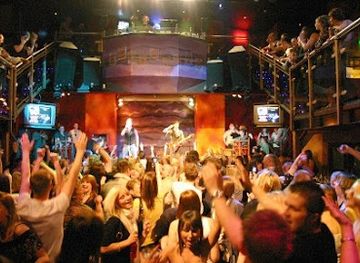
Orkney’s evening life is centred on traditional pubs, hotel bars, restaurants and occasional live-music nights rather than a large nightclub scene. Kirkwall has the broadest selection, with places where residents, ferry travellers and visitors share a social setting, while Stromness offers a smaller harbour-town choice. Pubs across Mainland and the outer islands may serve local beer, whisky and food, but hours and availability vary considerably with the season and day of the week. Community halls sometimes host dances, concerts or cultural events, although these should be checked locally rather than assumed to run on a regular schedule. Evenings on smaller islands are generally quiet and shaped by conversation, dining, music and the weather. Visitors should arrange transport in advance, particularly outside Kirkwall and Stromness, as rural bus services and taxi availability can be limited after dark.
-
Hotel
The Shore
Comfortable and centrally located hotel in Kirkwall offering cozy rooms, local charm, and easy access to Orkney’s historic sites and dining.
-
Nightclub
Skinandi's Nightclub
Experience the vibrant nightlife at Skinandi's, Thurso's northernmost nightclub with live music, two bars, and energetic dance floors.
-
Social club
The Orkney Club
A welcoming social hub in Kirkwall offering lively evening entertainment and a friendly community atmosphere in the heart of Orkney.

Best shops in Orkney
Kirkwall and Stromness provide Orkney’s main concentration of independent shops, galleries, bookshops, food retailers and craft outlets. Visitors can find locally produced knitwear, ceramics, jewellery, prints, textiles and artwork, often reflecting maritime scenery, prehistoric forms or island wildlife. Orkney food products make practical souvenirs: cheese, bere flour and baking, smoked seafood, preserves, confectionery, whisky and locally made beer are widely associated with the islands, although availability varies between settlements. Small community shops on outer islands are useful for provisions and locally made goods but have limited stock and more restricted opening patterns than urban retailers. Craft studios, galleries and farm shops are scattered across Mainland and some outer islands, making a car or carefully planned route helpful. Kirkwall’s town centre is the best general-purpose shopping base, while Stromness has a more compact harbour-town character; neither should be treated as a major department-store or luxury-shopping destination.
-
Gift shop
Judith Glue
Discover Kirkwall’s charming Aladdin’s Cave of local gifts, knitwear, and jewellery at Judith Glue, a beloved hub of Orcadian craftsmanship since 1976.
-
Jewellery Designer
Celina Rupp Jewellery
Handcrafted Orkney jewellery and café where island stories become wearable art.
-
Book Shop
The Orcadian Bookshop
Discover Orkney’s stories and culture at The Orcadian Bookshop, Kirkwall’s independent literary gem in the historic city centre.
-
Craft shop
Orkney Tweed
Discover authentic Orkney tweed craftsmanship in Kirkwall’s charming boutique, where tradition meets sustainable artisan quality.


Get your free copy of our complete guide to Orkney, delivered straight to you.
Everything on this page, from attractions and restaurants to essentials and local phrases, in one PDF you can read offline, print or share.
Already have an account? Sign in
Your Orkney guide is ready.
We'll send it to · Not you? Sign out

Getting your guide ready…
We are putting together a fresh copy of the Orkney guide. This can take up to a minute.
This can take a few moments. If your browser asks, choose Allow so the download can start. You'll find the guide in your Downloads folder.
Nothing happened? Download it again
Sorry, the guide is taking longer than usual. Please try again in a minute, or get it by email instead.
Orkney essentials
Currency and Payment
Safety
Emergency Situations
Do's and Don'ts
Local Tips
From Eve
Local phrases worth knowing
You don't need to get them perfect. A few words go a long way, and locals appreciate the effort.
Basics
| English | Local | Say it |
|---|---|---|
| Hello | Hoo's it gaun? | [Hoo's it gawn?] |
| Goodbye | See ye later | [See ye lay-ter] |
| Yes | Aye | [Aye] |
| No | Nae | [Nay] |
| Please/You're welcome | Please | [Please] |
| Thank you | Cheers | [Cheers] |
| Excuse me/Sorry | Scuse me/Sorry | [Skewz me/Sorry] |
| How are you? | Hoo's it gaun? | [Hoo's it gawn?] |
| Fine. And you? | Aye, fine. An ye? | [Aye, fine. An ye?] |
| Do you speak English? | Dae ye speak English? | [Day ye speak English?] |
| I don't understand | I dinnae understand | [I din-ne understand] |
Eating & Drinking
| English | Local | Say it |
|---|---|---|
| I'd like to see the menu, please | Ah'd like tae see the menu, please | [Ah'd like tay see the menu, please] |
| I don't eat meat | Ah dinnae eat meat | [Ah din-ne eat meat] |
| Cheers! | Cheers! | [Cheers!] |
| I would like to pay, please | Ah'd like tae pay, please | [Ah'd like tay pay, please] |
Emergencies
| English | Local | Say it |
|---|---|---|
| Help! | Help! | [Help!] |
| Go away! | Gae awa! | [Gae awa!] |
| Call the Police! | Call the polis! | [Call the polis!] |
| Call a doctor! | Call a doctor! | [Call a doctor!] |
| I'm lost | Ah'm lost | [Ah'm lost] |
| I'm ill | Ah'm ill | [Ah'm ill] |
Shopping
| English | Local | Say it |
|---|---|---|
| I'd like to buy... | Ah'd like tae buy... | [Ah'd like tay buy...] |
| I'm just looking | Ah'm just lookin' | [Ah'm just look-in'] |
| How much is it? | Hoo much is it? | [Hoo much is it?] |
| That's too expensive | That's ower dear | [That's ower deer] |
| Can you lower the price? | Can ye lower the price? | [Can ye lower the price?] |
Time & Numbers
| English | Local | Say it |
|---|---|---|
| What time is it? | Whit time is it? | [Whit time is it?] |
| It's one o'clock | It's one o'clock | [It's one o'clock] |
| Half past (10) | Half past ten | [Half past ten] |
| Morning | Mornin' | [Mornin'] |
| Afternoon | Aftirnoon | [Aftirnoon] |
| Evening | Evenin' | [Evenin'] |
| Yesterday | Yestreen | [Yestreen] |
| Today | Tiday | [Tiday] |
| Tomorrow | Morn | [Morn] |
| 1 | Ae | [Ae] |
| 2 | Twa | [Twa] |
| 3 | Tree | [Tree] |
| 4 | Fower | [Fower] |
| 5 | Five | [Five] |
| 6 | Six | [Six] |
| 7 | Seven | [Seven] |
| 8 | Eight | [Eight] |
| 9 | Nine | [Nine] |
| 10 | Ten | [Ten] |
Transport & Directions
| English | Local | Say it |
|---|---|---|
| Where's a/the...? | Whar's a/the...? | [Whar's a/the...?] |
| What's the address? | Whit’s the address? | [Whit’s the address?] |
| Can you show me (on the map)? | Can ye show me (on the map)? | [Can ye show me (on the map)?] |
| When's the next (bus)? | When's the next (bus)? | [When's the next (bus)?] |
| A ticket (to ....) | A ticket (ta ...) | [A ticket (ta ...)] |
History of Orkney
Neolithic Orkney, c. 3200–2200 BCE
Orkney contains one of northern Europe’s most important concentrations of Neolithic monuments. The extraordinary village at Skara Brae, the chambered tomb of Maeshowe and the ceremonial monuments around the Ring of Brodgar and Stones of Stenness demonstrate settled farming, skilled construction and complex beliefs. The monuments’ alignment within a broad landscape of lochs and cultivated land is as significant as the individual structures. Together they form the Heart of Neolithic Orkney World Heritage Site and provide evidence of communities that were connected to wider prehistoric networks across Britain and the North Atlantic.
Pictish and Iron Age Communities
After the Neolithic period, Orkney remained an important maritime region inhabited by communities whose archaeology includes brochs, wheelhouses, settlements and burial sites. The best-known surviving structures include the Broch of Gurness on Mainland and the exceptionally well-preserved Midhowe Broch on Rousay. These monumental stone buildings were not simply defensive towers: they formed part of wider settlements and reflect social organisation, regional power and adaptation to an island environment. Pictish-era carved stones and later archaeological discoveries add evidence for cultural change before the arrival of Norse rule.
Norse Orkney and the Earldom
From the late eighth and ninth centuries, Norse settlers and rulers reshaped Orkney’s language, landholding patterns and political connections. The islands became the centre of the Norse earldom of Orkney, which at times extended influence across parts of northern Scotland and the western seaways. Norse place names remain widespread, while the Orkneyinga Saga preserves a literary, though not wholly literal, account of the earls and their rivalries. In 1468, Orkney was pledged to the Scottish crown by the Norwegian king Christian I, and its subsequent integration into Scotland gradually altered its political orientation.
Kirkwall and Medieval Christianity
The construction of St Magnus Cathedral in Kirkwall began in the early twelfth century under the Norse earls and created a major ecclesiastical centre in the North Atlantic. Built from local red and yellow sandstone, the cathedral embodies Orkney’s Scandinavian connections as well as its later relationship with Scotland. Kirkwall developed around the cathedral and its associated religious institutions, while smaller churches and chapels served island communities. The Reformation in the sixteenth century transformed religious life, but medieval ecclesiastical buildings and place names continue to shape Orkney’s towns and landscapes.
Maritime Trade and the Hudson’s Bay Company
From the seventeenth century, Orkney’s position between Scotland, Norway and the wider North Atlantic supported seafaring, fishing and trade. Stromness became an important harbour for ships heading towards the Arctic and North America, and Orcadian sailors were recruited in considerable numbers by the Hudson’s Bay Company. The town’s long waterfront, warehouses and narrow streets preserve the character of a port shaped by transoceanic commerce. Maritime work remained central to island life even as agriculture, kelp production and local fishing continued to sustain communities across the archipelago.
The First World War and Scapa Flow
Scapa Flow, the sheltered waters between Orkney’s islands, became a major British naval base during the First World War and again during the Second. Defensive batteries, barriers, piers and other military remains still mark the coastline, particularly around the eastern approaches to the anchorage. In 1919, the interned German High Seas Fleet was scuttled in Scapa Flow, a dramatic episode whose surviving wrecks later became a major attraction for experienced divers. Wartime infrastructure altered island life and left a lasting imprint on Orkney’s maritime landscape.
Italian Prisoners of War and the Italian Chapel
During the Second World War, Italian prisoners of war held on Lamb Holm built a chapel from corrugated iron, concrete and salvaged materials between 1943 and 1945. The interior was decorated with remarkable care by the prisoners, creating a place of worship that has survived as a moving symbol of creativity and faith under difficult conditions. The chapel also reflects the scale of wartime activity in Orkney, when the islands hosted naval personnel, defences and infrastructure associated with the protection of Scapa Flow.
Modern Island Communities and Sustainable Heritage
Twentieth- and twenty-first-century Orkney has combined farming, fishing, public services, tourism and renewable-energy development while maintaining strong community identities across the islands. Improved roads, causeways, ferries and air links have changed access, although remoteness and weather still influence daily life. Heritage conservation, marine archaeology and wildlife protection are now important parts of the regional economy. Contemporary Orkney remains shaped by debates familiar to island communities worldwide: how to support local populations, manage visitors and protect landscapes without reducing living places to museum pieces.
Orkney in Photos
Browse through our photo collection highlighting the charm and character of the destination.
Neighbouring regions of Orkney
The closest regions to Orkney, if you have time for more than one.
-
-
-
-

-


Swipe for more regions
Explore more

Explore more of United Kingdom
Discover the United Kingdom: A blend of rich history, stunning landscapes, and vibrant cities, offering a unique travel experience for every visitor.
Explore United Kingdom