Kinder Downfall, Peak District Travel Guide
Peak District's tallest waterfall, famous for its reversed-flow effect during high winds and dramatic moorland setting.
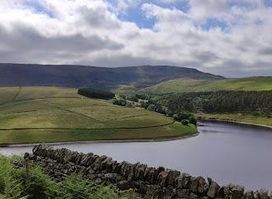
Kinder Downfall is the Peak District's tallest waterfall at 30 metres, cascading dramatically from the edge of Kinder Scout plateau. Located on the River Kinder near Hayfield, this iconic natural landmark is famous for its spectacular reversed waterfall effect during high winds, when water is blown back up and over the cliff edge. Accessible via moderate hiking routes from Hayfield or Edale, it offers breathtaking views and is a favourite destination for hikers, nature enthusiasts, and photographers seeking an unforgettable moorland experience.
A brief summary to Kinder Downfall
- High Peak, Hayfield, GB
- Duration: 4.5 to 5.5 hours
- Free
-
 Outdoor
- Mobile reception: 2 out of 5

Know before you go
Hi, I'm Eve. Here are a few practical things to know before exploring Kinder Downfall.
- Visit after heavy rainfall to see the waterfall at its most powerful, but exercise caution when crossing the River Kinder as water levels can be high and the rocks slippery.
- Windy days offer the best chance to witness the reversed waterfall effect, where water is blown back up and over the cliff edge—check weather forecasts before planning your visit.
- Start early to secure parking at Bowden Bridge Car Park in Hayfield, as it fills quickly during weekends and peak season; street parking is available but limited.
- Bring waterproof clothing and sturdy hiking boots; the moorland is exposed and weather can change rapidly, and the terrain is boggy in places.
- Combine your visit with nearby attractions such as Kinder Low trig point, Edale Rocks, or the Pennine Way to create a fuller day's experience on the plateau.
Do you manage this location?
Take control to get all the benefits, like improved information, better appearance, and stronger visibility across AI-powered discovery. Learn more about listing your business on Evendo
Activate your presenceOther nearby places you may find interesting
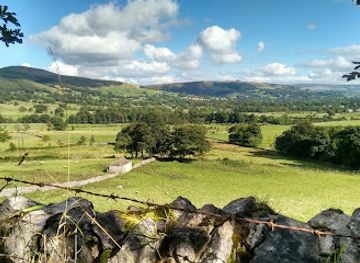
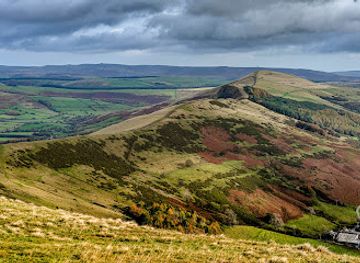
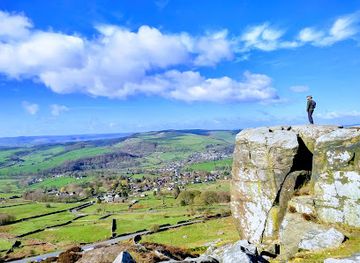
The closest places of the same kind, if this one is not quite what you had in mind.

Explore Kinder Downfall on the Map
A handpicked selection of must-see spots near Kinder Downfall, mapped for you.
Getting There
-
From Hayfield by foot
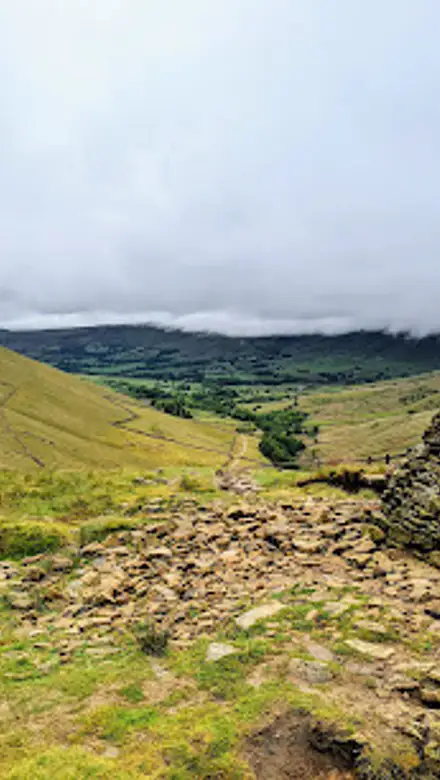
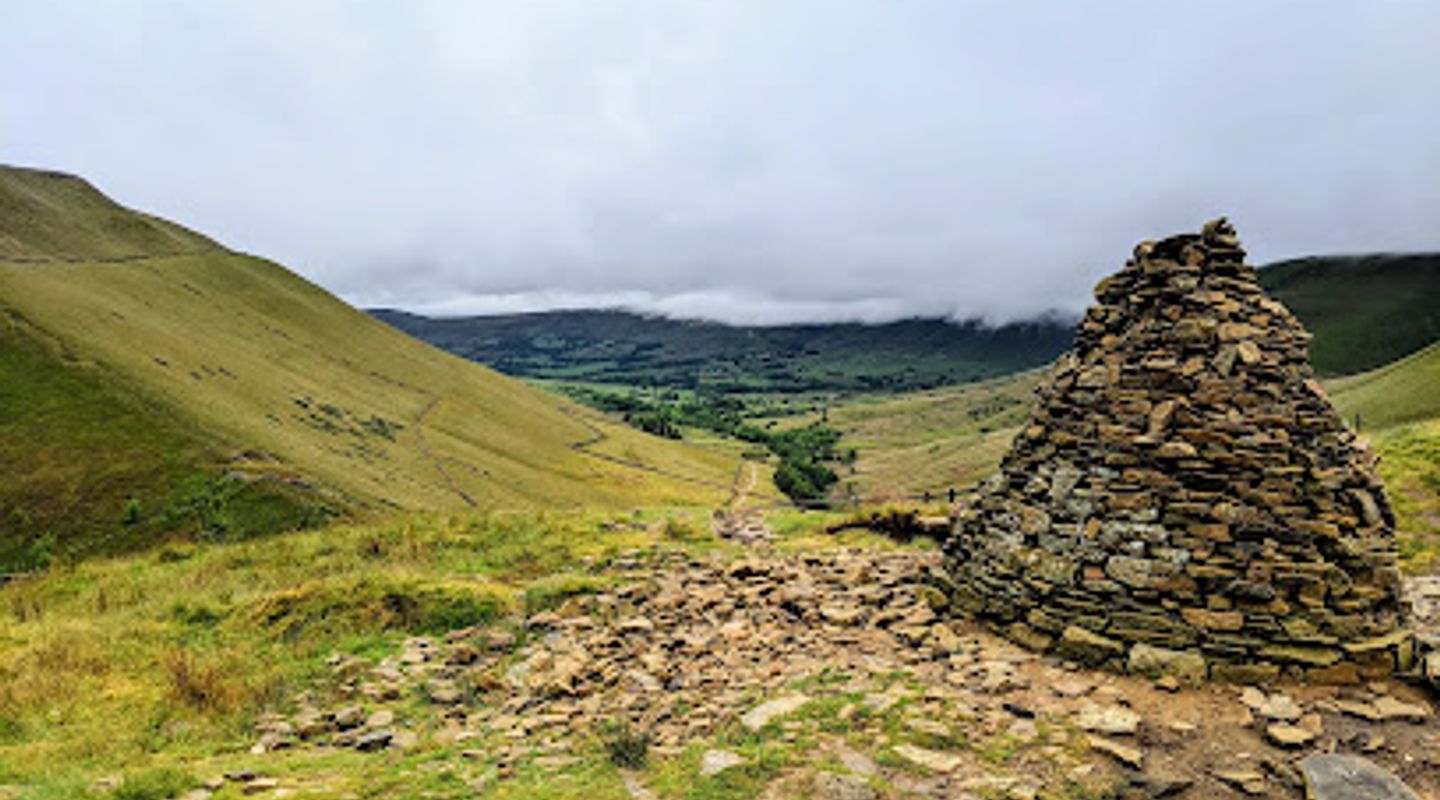
Start at Bowden Bridge Car Park (165 Kinder Road, Hayfield, High Peak SK22 2LH). Follow William Clough uphill steeply for approximately 1.5 kilometres, gaining 200 metres elevation. The path winds through moorland before reaching the Kinder Plateau edge. Continue along the plateau footpath for approximately 1 kilometre, following the rocky path as it winds along the edge. The total walk is approximately 13.8 kilometres with 596 metres total ascent, taking 4.5 to 5.5 hours. Terrain includes steep initial ascent, exposed moorland, and boggy sections. Suitable for moderate to experienced hikers.
-
From Edale by foot
Start from Edale village (accessible by train from Manchester or Sheffield). Follow Jacob's Ladder, a historic stepped path ascending steeply onto the Kinder Plateau. Once on the plateau, traverse eastward along the Pennine Way footpath, following the edge until reaching Kinder Downfall. Total distance approximately 13 to 14 kilometres with similar elevation gain to the Hayfield route. Walking time 4.5 to 5.5 hours. The route offers varied terrain and passes through distinctive landscape features. Suitable for moderate to experienced hikers.
-
By car and public transport to trailhead
By car: From Manchester, take the A57 towards Glossop, then the A624 towards Hayfield. Parking available at Bowden Bridge Car Park or street parking near the Sportsman pub. From Sheffield, take the A6187 towards Edale. By public transport: Edale has regular train services from Manchester Piccadilly and Sheffield (approximately 45 minutes from Manchester, 30 minutes from Sheffield). Hayfield is accessible by bus from Buxton and Stockport. Both villages have visitor facilities including pubs, cafes, and outdoor shops.
-
Accommodation and facilities nearby
Hayfield and Edale both offer accommodation options ranging from budget to mid-range. Upper Booth farm campsite provides affordable parking and camping facilities. Hayfield village has pubs, cafes, and outdoor shops. Edale, as the southern terminus of the Pennine Way, offers more extensive visitor amenities. No facilities exist at Kinder Downfall itself; all supplies must be brought from the villages. Mobile reception is variable on the plateau.
For the on-the-go comforts that matter to you
-
 Drinking Water
-
 Trash Bins
Discover more about Kinder Downfall
A Waterfall Like No Other
Kinder Downfall stands as the Peak District's most impressive waterfall, plunging 30 metres from the edge of the Kinder Scout plateau into the valley below. The River Kinder creates this dramatic spectacle as it tumbles over the gritstone edge, but what makes Kinder Downfall truly unique is its behaviour during windy conditions. When strong winds sweep across the exposed plateau, the falling water is caught and blown back up and over the cliff edge, creating a stunning reversed waterfall effect that can be seen from miles around. This meteorological phenomenon transforms the waterfall into something almost otherworldly, producing a steam-like cloud that rises mysteriously above the moorland.The Kinder Scout Plateau and Its Significance
Kinder Downfall sits on the edge of Kinder Scout, the highest point in the Peak District at 636 metres above sea level. This vast, windswept plateau has long held cultural and historical importance to the region. The area is closely associated with the Kinder Trespass of 1932, a pivotal moment in British outdoor access history when hundreds of ramblers walked across the moorland to challenge restrictions on public access to the countryside. Today, the plateau remains a symbol of freedom and open access, drawing thousands of visitors annually who wish to experience its rugged beauty and historical resonance.Water, Weather, and Transformation
The character of Kinder Downfall changes dramatically with the seasons and weather conditions. After heavy rainfall, the waterfall becomes a powerful torrent, with the River Kinder swollen and forceful as it plunges over the edge. During dry periods, the flow may reduce to a modest trickle, yet even then the location retains its grandeur. The surrounding gritstone formations, weathered and sculpted by millennia of wind and water, create a raw, primordial landscape that feels far removed from civilisation. The moorland vegetation—heather, bilberry, and hardy grasses—clings to the exposed plateau, adding texture and colour to the austere terrain.Hiking Routes and Access
Two main villages serve as gateways to Kinder Downfall: Hayfield and Edale, each offering distinct approaches to the waterfall. The Hayfield route typically follows William Clough upwards, ascending steeply to the plateau edge before traversing the moorland to reach the downfall. The Edale approach uses Jacob's Ladder, a historic stepped path that climbs onto the plateau from the south. Both routes are moderate to challenging, requiring between 4.5 and 5.5 hours of walking and covering approximately 13 to 14 kilometres. The terrain is exposed and can be demanding, particularly in poor weather, but the rewards are immense. From the waterfall, walkers can continue along the Pennine Way, visit the Kinder Low trig point, or explore the distinctive Edale Rocks gritstone formation.A Landscape of Contrasts
The setting around Kinder Downfall embodies the Peak District's characteristic blend of wild moorland and pastoral valleys. The plateau itself is stark and exposed, offering panoramic views across the surrounding hills and valleys on clear days. The descent from the waterfall reveals the contrast sharply—the rugged, treeless moorland gives way to more sheltered terrain, with streams and cloughs (steep-sided valleys) cutting through the landscape. The River Kinder, which feeds the waterfall, winds through these valleys, creating pockets of relative shelter where vegetation flourishes more abundantly.Photography and Natural Beauty
Kinder Downfall has become an essential destination for landscape photographers and nature enthusiasts. The waterfall's dramatic setting, combined with the ever-changing light and weather conditions, creates endless photographic possibilities. The gritstone formations surrounding the waterfall provide striking compositional elements, while the moorland backdrop offers depth and scale. Sunrise and sunset visits can be particularly rewarding, as the low-angle light transforms the landscape into a study of shadow and colour. The reversed waterfall phenomenon, though unpredictable, remains one of the most sought-after natural spectacles in the Peak District.












Your all‑in‑one travel companion app
Explore expert travel guides, compare and book tours, experiences, hotels, and more—all from the palm of your hand. Download now for seamless trip planning wherever your wanderlust takes you.


Explore More of Peak District
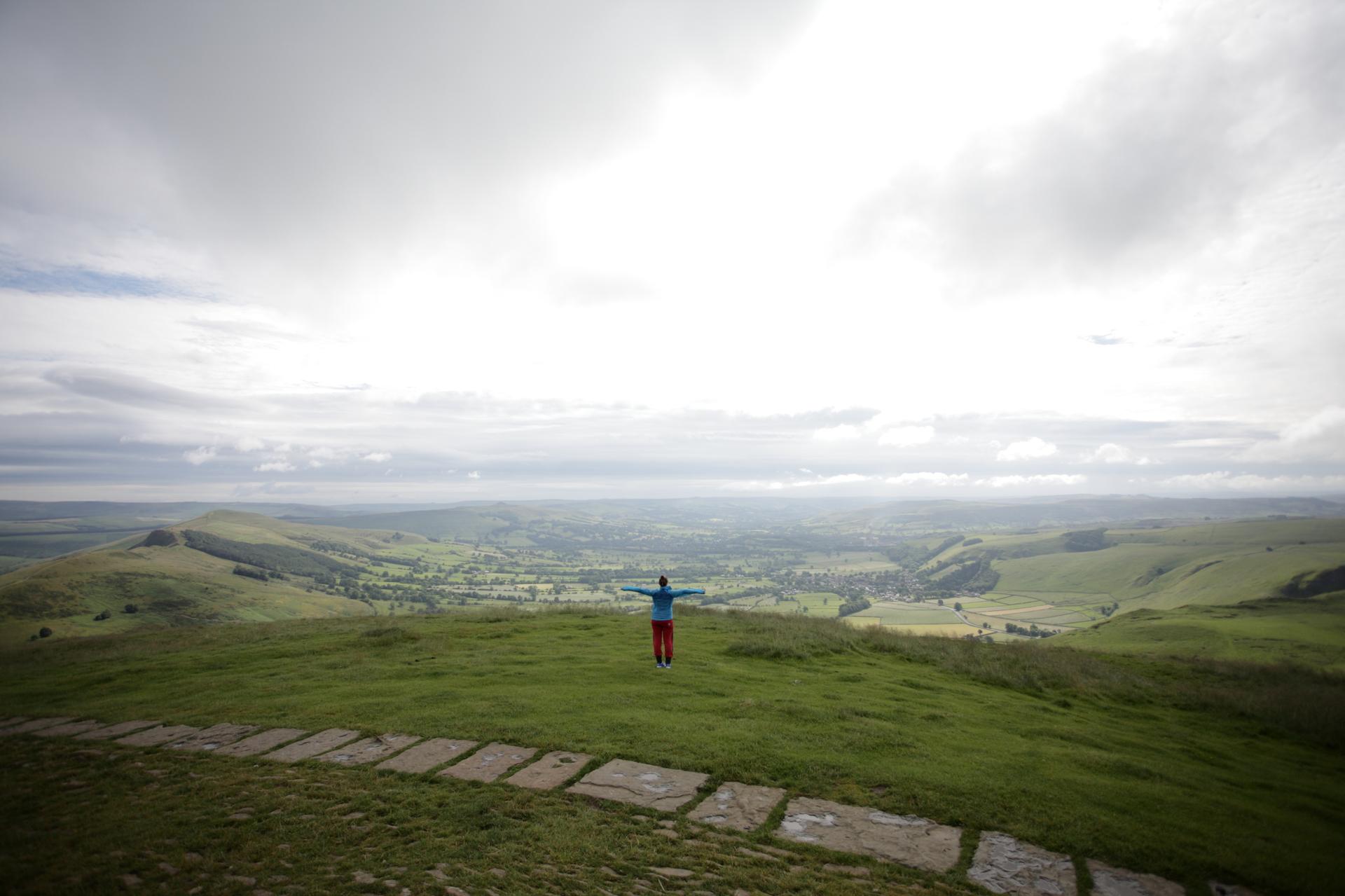
Looking beyond Kinder Downfall? Discover Peak District for broader travel guides, local hot-spots, and regional highlights.
Explore Peak District