
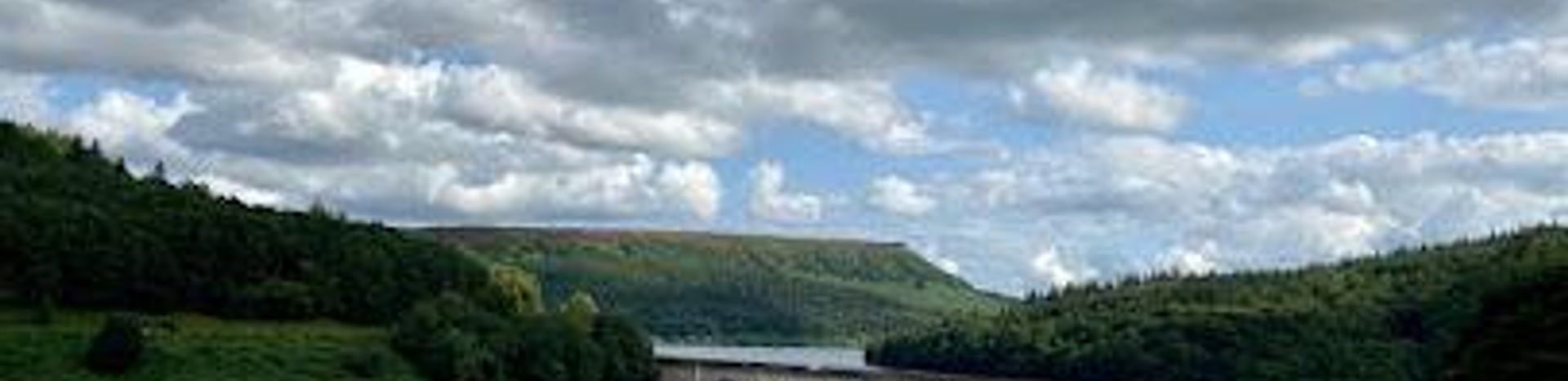
Derwent Reservoir in Hope Valley, Peak District
Historic reservoir and dam in Peak District with stunning views, scenic walks, and wartime heritage near Hope Valley.
Derwent Reservoir, nestled in the Upper Derwent Valley of the Peak District National Park, is a historic and scenic water body stretching about 1.5 miles. Known for its impressive Derwent Dam, the reservoir offers stunning views, walking trails, and a rich history linked to early 20th-century engineering and WWII Dambusters training. Surrounded by moorlands and forests, it is a tranquil spot for nature lovers and hikers near Hope Valley.
A brief summary to Derwent Reservoir
- Hope Valley, GB
- Duration: 1 to 4 hours
- Mid ranged
-
 Outdoor
- Mobile reception: 4 out of 5
Local tips
- Visit after rainfall to see the Derwent Dam overflow spectacularly, creating a waterfall effect.
- Start your walk at Fairholmes Visitor Centre for parking and access to multiple reservoir trails.
- Bring sturdy footwear for moorland and hillside paths around the reservoir and Derwent Edge.
- Explore nearby Hope Valley villages for local pubs, shops, and additional Peak District attractions.
- Respect the natural environment by following Leave-No-Trace principles to preserve the area.

For the on-the-go comforts that matter to you
- Restrooms
- Seating Areas
- Information Boards
- Visitor Center
- Trash Bins
Getting There
-
Car
Driving to Derwent Reservoir is straightforward via GPS to Fairholmes Car Park, Derwent Lane, Bamford, Hope Valley S33 0AQ. Parking fees apply (£3.50 for up to 2 hours, £6.00 all day). The route is suitable for standard vehicles, but parking can fill quickly on weekends and holidays.
-
Train and Walk
Take the train to Bamford station, approximately 4 miles from the reservoir. From Bamford, a moderate 1.5-hour walk along marked trails leads to Derwent Reservoir through scenic countryside. The terrain includes some uneven and moorland paths.
-
Bus and Walk
Local bus services connect Hope Valley villages with Bamford and nearby towns. From bus stops, expect a 30–45 minute walk on rural paths to reach the reservoir. Bus frequency varies, so check schedules in advance.
Derwent Reservoir location weather suitability
-
 Any Weather
-
 Rain / Wet Weather
-
 Clear Skies
-
 Mild Temperatures
-
 Windy Conditions
Discover more about Derwent Reservoir
Engineering Marvel of the Early 20th Century
Derwent Reservoir is the middle of three reservoirs in the Upper Derwent Valley, Derbyshire, constructed between 1902 and 1916. Built to meet the growing water demands of nearby industrial cities such as Sheffield and Derby, the reservoir extends approximately 1.5 miles in length and covers around 70 hectares. The Derwent Dam, a key feature, stands nearly 35 meters tall and 340 meters long, constructed with massive stones transported via a specially built railway from local quarries. Over 1,000 workers lived in a purpose-built settlement called Birchinlee or "Tin Town" during the dam's construction. The reservoir began filling in 1914 and started supplying water by 1916, with further river diversions added in the 1920s and 1930s to increase capacity.Natural Beauty and Outdoor Recreation
Set within the Peak District National Park, Derwent Reservoir is surrounded by moorland, woodland, and rolling hills offering scenic walking and hiking opportunities. Trails around the reservoir lead to panoramic viewpoints over the water and adjacent Ladybower Reservoir. The dam itself, especially after heavy rainfall, can overflow spectacularly, creating a cascading waterfall effect. Nearby, the Derwent Edge ridge offers elevated views and unique rock formations, popular with hikers seeking both tranquility and adventure. The reservoir's peaceful waters and natural setting make it a favored destination for nature escapes and photowalks.Historical Significance and Wartime Legacy
Derwent Reservoir is historically notable not only for its engineering but also for its role during World War II. The reservoir and its dam served as a training ground for the RAF’s 617 Squadron, famously known as the "Dambusters," who practiced low-level flights in preparation for Operation Chastise. A commemorative plaque at the dam honors this legacy, and occasional flypasts by the Battle of Britain Memorial Flight continue to mark the historical importance of the site. Additionally, the reservoir's creation led to the flooding of the villages of Derwent and Ashopton to make way for the larger Ladybower Reservoir downstream.Visitor Experience and Surrounding Attractions
Visitors to Derwent Reservoir often start at the Fairholmes Visitor Centre, which provides parking and information. From here, walking routes circle the reservoir and connect to neighboring Howden and Ladybower Reservoirs, creating extensive hiking possibilities. The area is rich in wildlife and offers peaceful spots for picnicking and photography. The nearby Hope Valley villages provide charming local pubs, shops, and access to other Peak District highlights such as Mam Tor, Castleton, and historic sites. While swimming in the reservoir is not permitted, the surrounding landscape offers plenty of outdoor activities year-round.Environmental Setting and Conservation
The reservoir lies within a protected national park environment, balancing its role as a water supply with conservation of the surrounding moorlands and woodlands. The area supports diverse flora and fauna, with efforts to maintain the natural habitat and minimize human impact. The reservoir's presence enhances the local ecosystem, providing habitat for birds and aquatic life. Visitors are encouraged to respect the environment and follow Leave-No-Trace principles to preserve this tranquil and scenic location.Access and Seasonal Considerations
Derwent Reservoir is accessible year-round, with best visits during mild weather for comfortable hiking and sightseeing. The surrounding terrain includes some steep paths and moorland sections, so appropriate footwear is recommended. Public transport options include nearby Bamford train station, about 4 miles away, connecting to Sheffield and Manchester. Parking is available at Fairholmes Car Park, with a fee required for longer stays. The reservoir’s size and open setting mean that crowds are generally moderate, with peak visitor levels in summer months and weekends.Iconic landmarks you can’t miss

Bamford Edge
7.4 km
Bamford Edge offers stunning panoramic views of Ladybower Reservoir and Hope Valley, a must-visit gritstone escarpment in the Peak District.
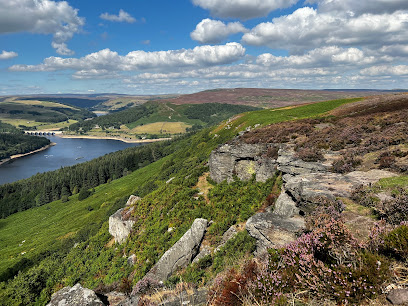
Carl Wark
13.4 km
Explore Carl Wark, an ancient Iron Age hillfort on a rugged Peak District promontory with sweeping moorland views and rich prehistoric heritage.
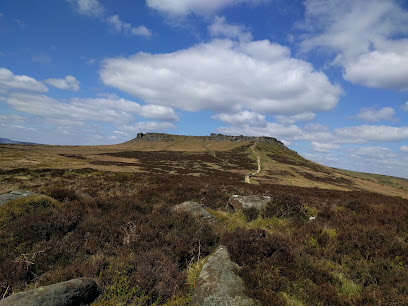
The Endcliffe Campus
16.8 km
A vibrant student village blending modern living, social hubs, and green spaces at the University of Sheffield’s Endcliffe Campus.
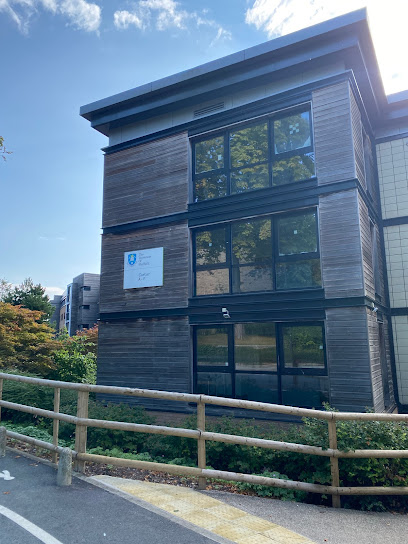
Lost & Found Sheffield
17.5 km
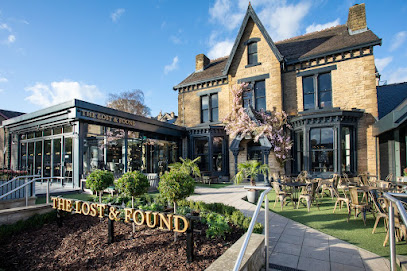
Experience the vibrant nightlife at Lost & Found Sheffield, a charming bar and pub with creative cocktails, delicious food, and a welcoming atmosphere.
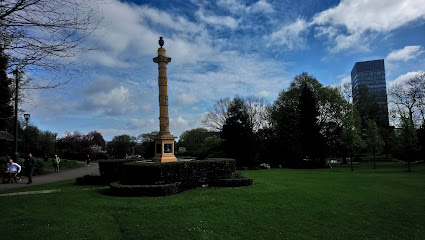
Godfrey Sykes Memorial
17.6 km
Victorian design genius immortalised in terracotta—Sheffield's tribute to a master craftsman.
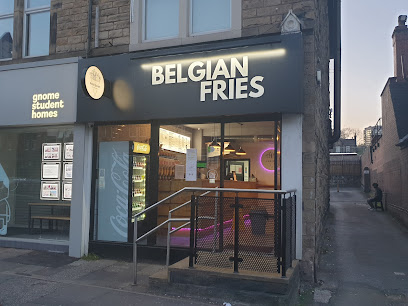
Friesday Belgian Fries
18.0 km
Savor authentic Belgian fries in a cozy diner atmosphere at Friesday Belgian Fries, the perfect quick bite in Sheffield.
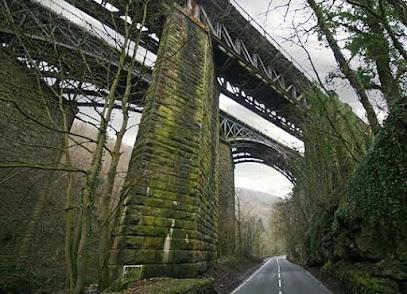
Millers Dale Viaduct
18.1 km
Experience the breathtaking Millers Dale Viaduct on the Monsal Trail, a stunning bridge offering rich history and picturesque views in the heart of the Peak District.
Abbeydale Industrial Hamlet
18.3 km
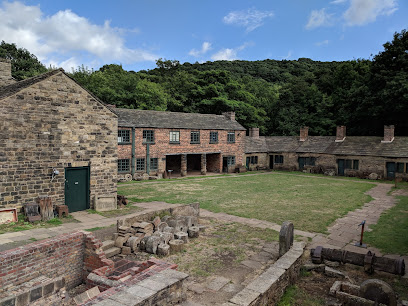
Explore the rich industrial heritage of Sheffield at Abbeydale Industrial Hamlet, where history comes to life in a beautifully preserved setting.
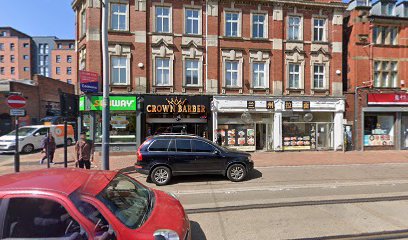
Devonshire Quarter
18.4 km
Sheffield's indie heart: wander Division Street's boutiques, sip in historic pubs, and unwind on Devonshire Green in this urban village gem.
The River Don Engine
18.6 km
Explore the River Don Engine in Sheffield, a fascinating museum celebrating the city's industrial heritage and engineering marvels.
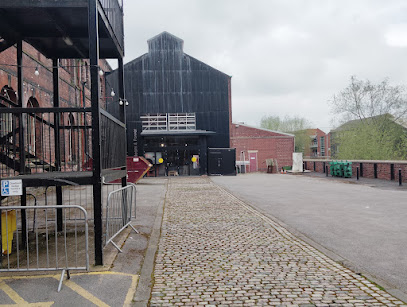
Kelham Island Museum
18.6 km
Uncover the fascinating industrial history of Sheffield at Kelham Island Museum, featuring interactive exhibits, a café, and a unique gift shop.
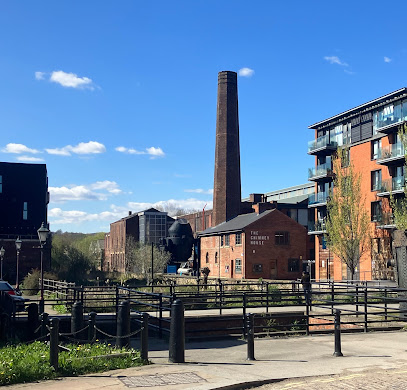
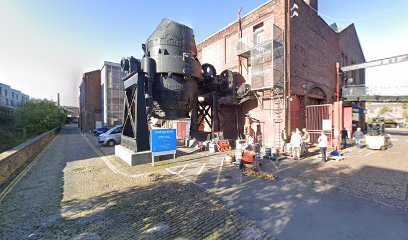
Kelham Island Walks
18.6 km
Discover Kelham Island, Sheffield’s historic steelmaking heart transformed into a vibrant hub of culture, craft beer, and urban charm.
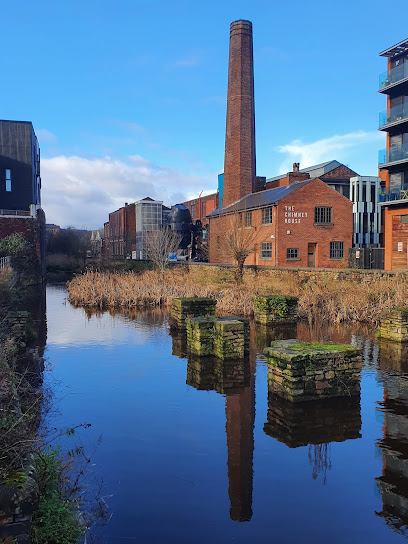
The Chimney House
18.7 km
Award-winning industrial-chic venue in Kelham Island offering intimate events with exceptional food and warm hospitality in Sheffield.
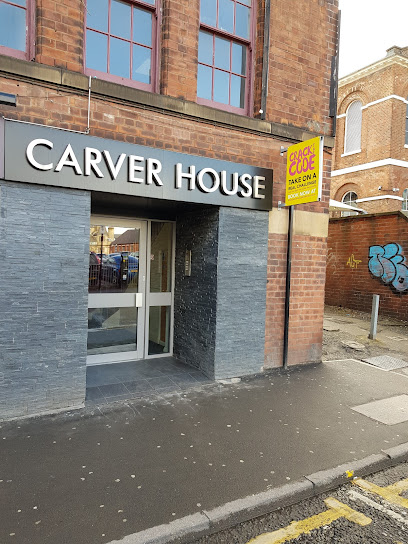
Crack The Code Escape Rooms Sheffield
18.7 km
Experience the thrill of teamwork and mystery at Crack The Code Escape Rooms in Sheffield, where every game unlocks an adventure.
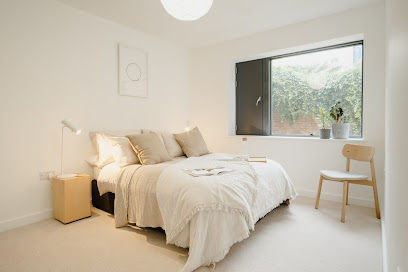
Kelham Central
18.7 km
Experience modern urban living at Kelham Central, Sheffield's innovative housing development, blending sustainability with community spirit.
Unmissable attractions to see

Snake Woodland- Forestry England
5.8 km
Discover the serene beauty and peaceful trails of Snake Woodland, a lush forest retreat nestled in the heart of Hope Valley’s Peak District.
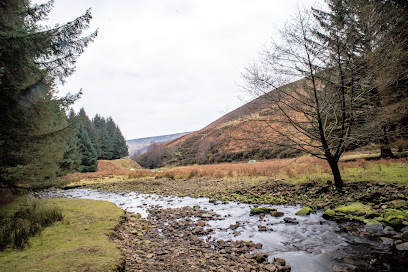
Dark Peak Estate
6.4 km
Explore the wild moorlands and gritstone edges of the Dark Peak Estate, a dramatic upland landscape in the heart of the Peak District National Park.
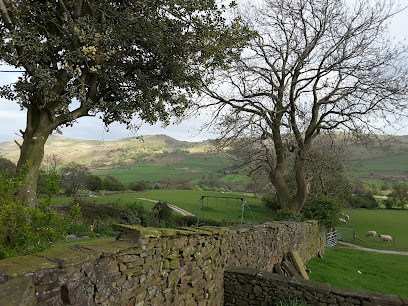
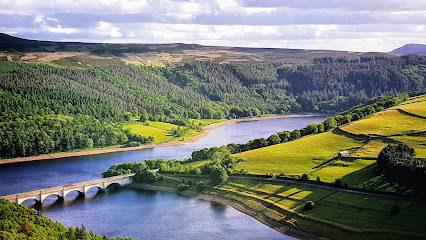
Ladybower Reservoir
6.6 km
A vast Peak District reservoir famous for its dramatic ‘plugholes’, drowned villages and Dambusters history, surrounded by moorland walks and cycling trails.
Edale
7.0 km
Edale, nestled in Hope Valley, is the Peak District’s scenic gateway and starting point of the iconic Pennine Way, offering stunning hiking and rich heritage.
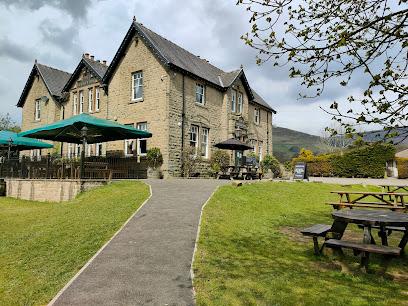
Castleton
8.3 km
Discover Castleton, Hope Valley’s charming village famed for ancient castles, unique Blue John caverns, and stunning Peak District landscapes.
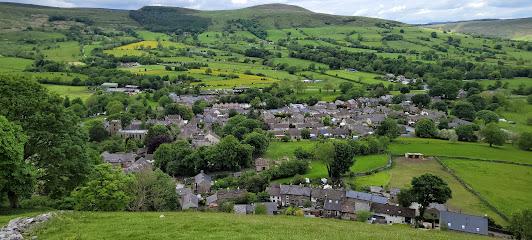
Castleton Visitor Centre
8.4 km
Your welcoming gateway to Castleton’s history, nature, and the Peak District’s breathtaking landscapes.
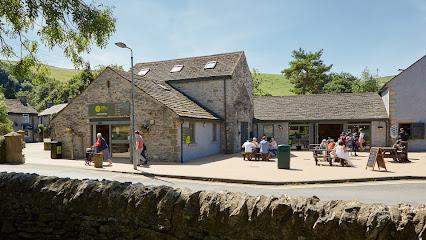
Mam Tor
8.5 km
Discover Mam Tor, the iconic 'Mother Hill' of the Peak District, offering ancient history, dramatic landslips, and panoramic views over Hope Valley.
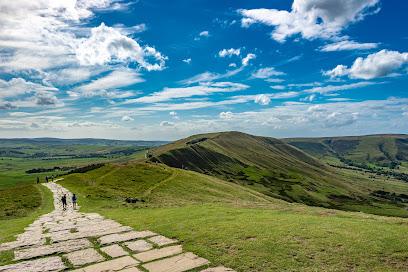
Treak Cliff Cavern
8.6 km
Explore a working Blue John stone mine with stunning geological formations and rare minerals in the Peak District.
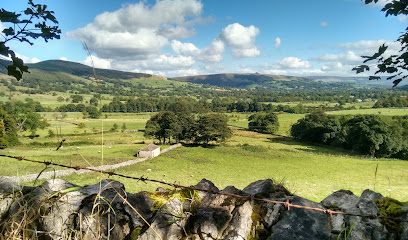
Kinder Downfall
8.7 km
Peak District's tallest waterfall, famous for its reversed-flow effect during high winds and dramatic moorland setting.
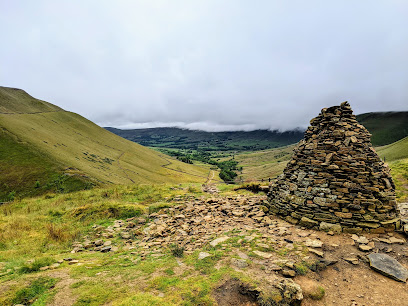
Blue John Cavern
8.7 km
Discover Britain’s rare Blue John stone in Castleton’s spectacular limestone caves, where history and geology intertwine beneath the Peak District.
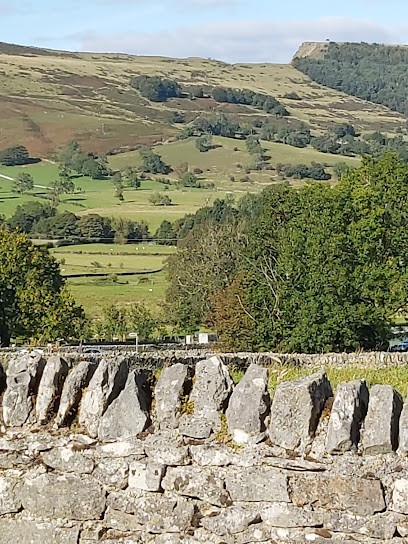
Peveril Castle
8.7 km
Explore the atmospheric Norman ruins of Peveril Castle, crowned by sweeping views over Castleton and the Peak District’s scenic valleys.

Peak Cavern
8.7 km
Explore Britain’s largest natural cave entrance and historic rope-making cavern beneath Castleton’s iconic cliffs.
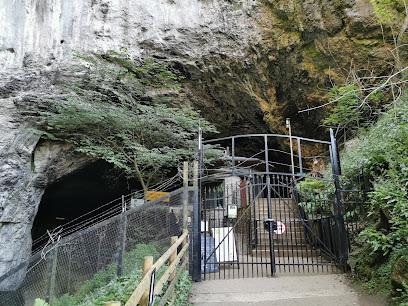
National Trust - Dark Peak
8.8 km
Explore the wild, windswept moorlands and iconic gritstone edges of the Peak District’s Dark Peak, a haven for nature and history lovers.
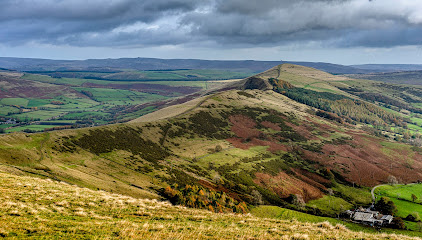
Speedwell Cavern
8.8 km
Explore a historic lead mine on a unique underground boat tour beneath the Peak District’s dramatic Winnats Pass.
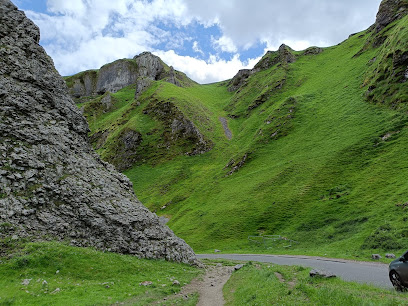
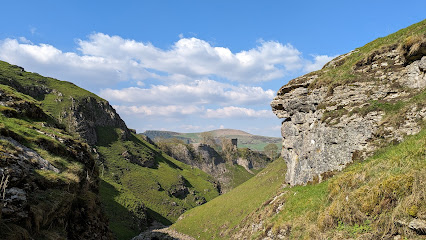
Cave Dale
8.9 km
Explore the rugged limestone valley of Cave Dale, where dramatic cliffs frame historic Peveril Castle in the heart of the Peak District.
Essential places to dine

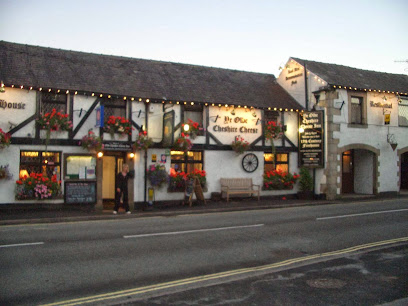
Ye Olde Cheshire Cheese Inn
8.2 km
Historic village inn and pub in Castleton offering cozy rooms, hearty English fare, and a warm welcome in the heart of the Peak District.
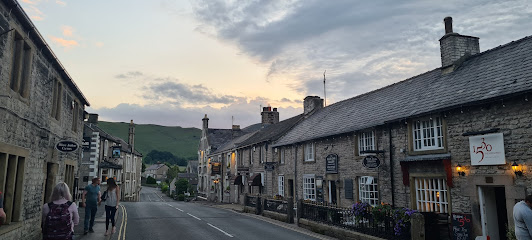
1530 The Restaurant
8.3 km
Charming Italian restaurant in Castleton offering fresh homemade dishes and vegan options in a cozy historic setting within the Peak District.
Ye Olde Nags Head
8.4 km
Historic 17th-century coaching inn in Castleton offering cozy pub vibes, hearty British fare, and a lively community atmosphere.
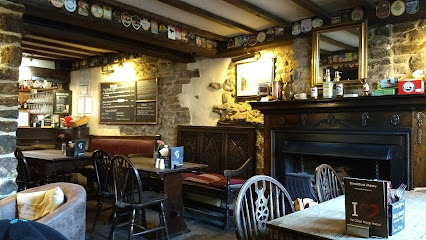
The Lamb Inn
13.6 km
Historic 18th-century pub in Chinley offering hearty British fare, real ales, and cozy en-suite rooms near Peak District attractions.
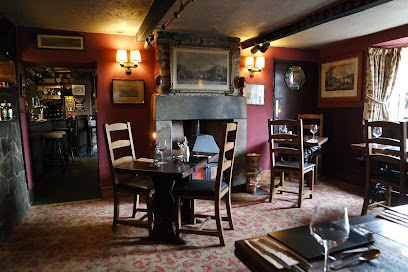
The Pack Horse Hayfield
13.6 km
A Michelin-recommended gastropub in Hayfield serving seasonal British cuisine and local ales in a warm, welcoming Peak District setting.
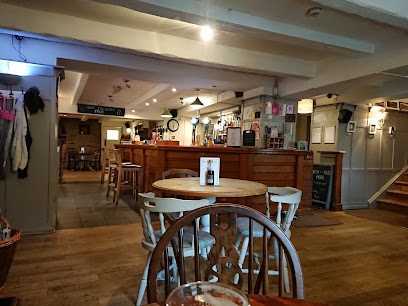
The Anchor Inn
14.8 km
A classic Peak District pub offering hearty meals, friendly service, and a welcoming atmosphere in the heart of Tideswell.
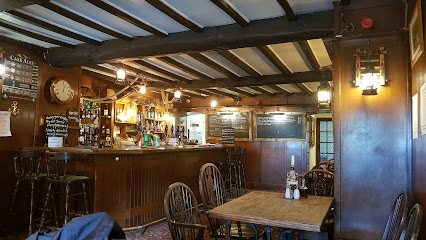
Derbyshire Eats
15.3 km
Experience refined dining and bespoke catering excellence in the charming village of Tideswell at Derbyshire Eats.
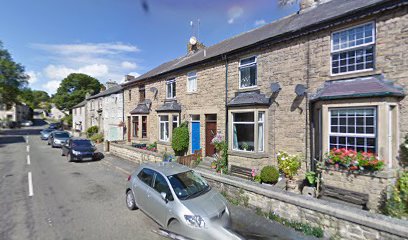
The Merchant's Yard
15.4 km
A charming boutique hotel and award-winning restaurant in Tideswell, blending historic character with seasonal Peak District cuisine.
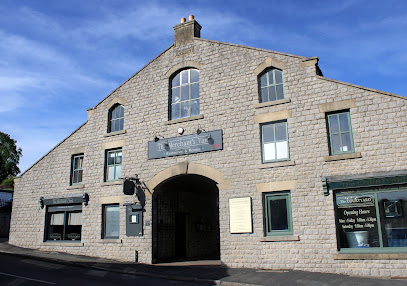
The Paper Mill Inn
15.7 km
Charming historic country pub and inn in Whitehough, Peak District, renowned for real ales, seasonal food, and warm local hospitality.
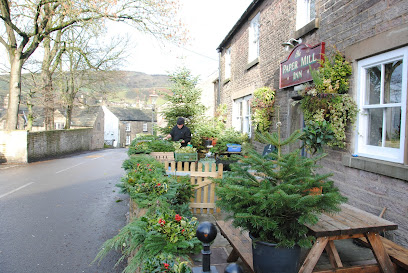
Old Hall Inn
15.7 km
A charming Georgian inn in the Peak District offering refined pub dining, cozy rooms, and a warm welcome amid stunning countryside.
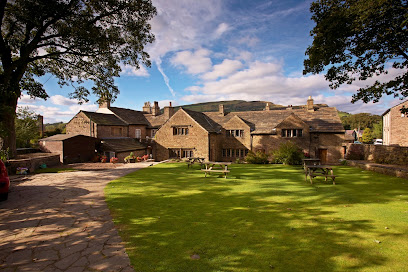
The Little Mill @ Rowarth
15.7 km
A welcoming country inn in Rowarth offering cozy rooms, hearty home-cooked meals, and scenic Peak District charm.
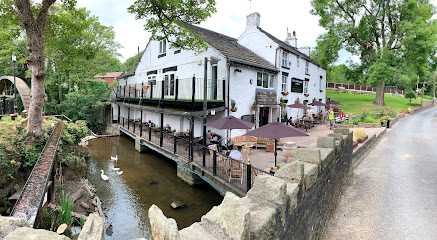
The Horse & Jockey
15.8 km
A cozy, traditional village pub and B&B in Tideswell offering hearty meals, warm fires, and comfortable rooms in the Peak District.
Rafters Restaurant
15.9 km
Discover Sheffield’s refined modern British dining at Rafters, where rustic charm meets innovative flavors and impeccable service.
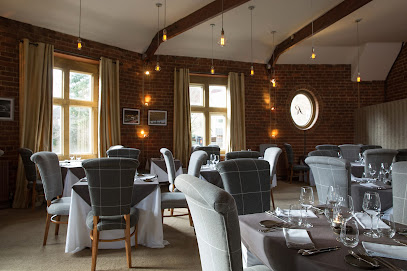
Borgo Antica Osteria
16.0 km
Experience authentic Italian hospitality and cuisine in Sheffield’s warm and welcoming Borgo Antica Osteria.
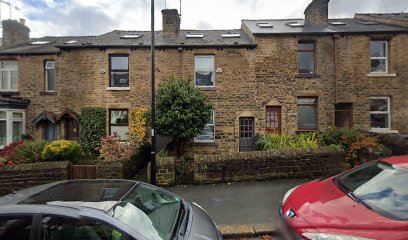
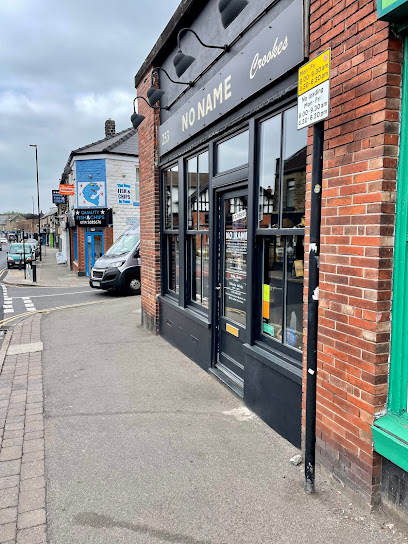
NO NAME
16.4 km
An intimate, creative bistro in Sheffield’s vibrant Crookes suburb offering bold flavors, cozy vibes, and BYOB dining Wednesday to Saturday evenings.
Markets, malls and hidden boutiques

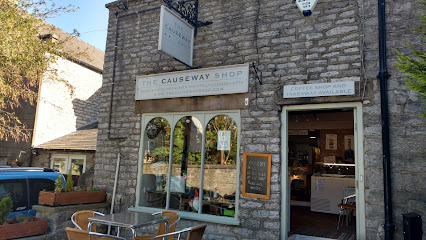
The Causeway Shop
8.3 km
Discover unique gifts and cozy café delights in the heart of Castleton’s picturesque Hope Valley at The Causeway Shop.
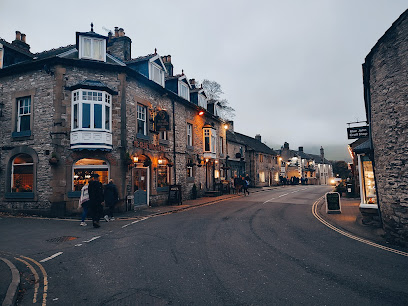
The Original Blue John Craft Shop
8.3 km
Discover unique handcrafted Blue John jewellery and gifts in Castleton’s charming craft shop, celebrating Derbyshire’s rare gemstone heritage.
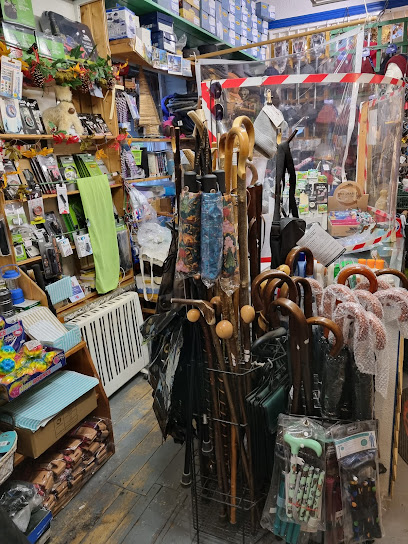
The Outdoor Shop
8.4 km
Your essential outfitter for quality outdoor gear and clothing in Hope Valley, perfect for Peak District adventures.
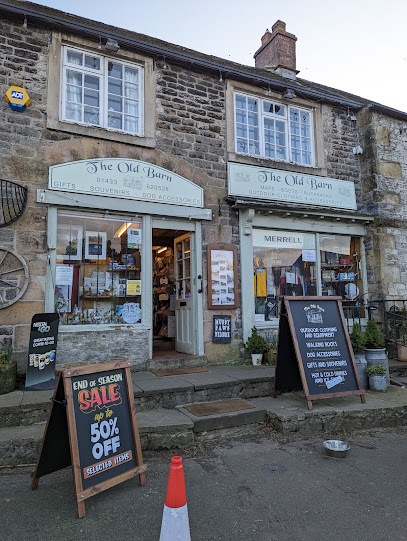
The Old Barn
8.5 km
A practical outdoor and gift shop in Castleton’s Market Place, perfect for stocking up before exploring the Peak District’s hills and caves.
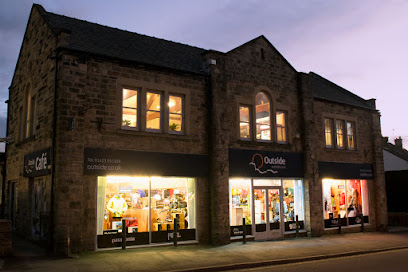
Outside.co.uk
11.5 km
Your essential outdoor clothing and equipment shop in Hathersage, offering expert gear and a cozy café for Peak District adventurers.
Pookie - Wookie Ltd
11.7 km
Handcrafted artisan ceramics by a mother-daughter duo in the scenic Hope Valley, perfect for unique and meaningful gifts.

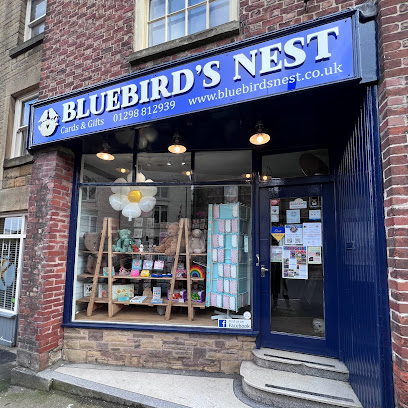
Bluebird’s Nest UK
15.1 km
Handpicked gifts and treasures in the heart of the Peak District's historic market town.
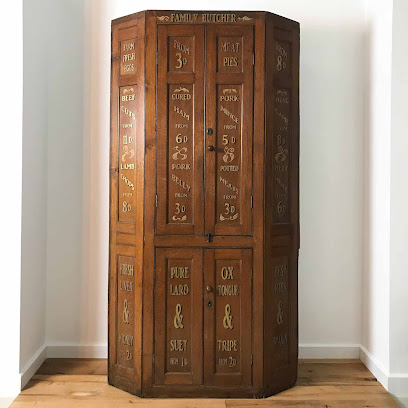
Antique and Unique
15.1 km
Three decades of authentic antiques and vintage treasures in the heart of the Peak District.
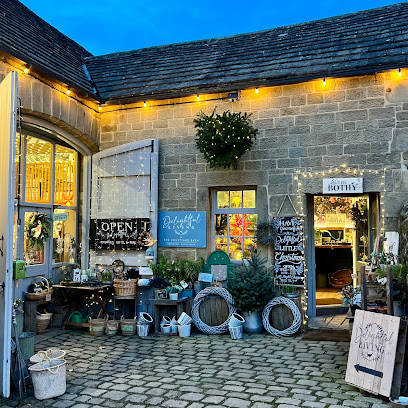
Delightful Living
15.4 km
Discover unique artisan gifts in the heart of Eyam’s historic craft centre, blending heritage with handcrafted charm.
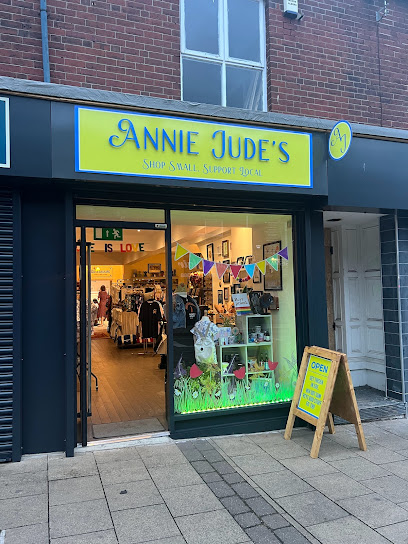
Annie Jude's Ltd
16.4 km
Discover unique handmade gifts and artisan treasures in the heart of Hillsborough at Annie Jude's Ltd, Sheffield’s beloved independent shop.
Space 205
16.4 km
Whimsical gifts, decadent chocolates, sparkling jewelry, and expert framing in Sheffield's Crookes—a treasure trove of creative delights awaits.

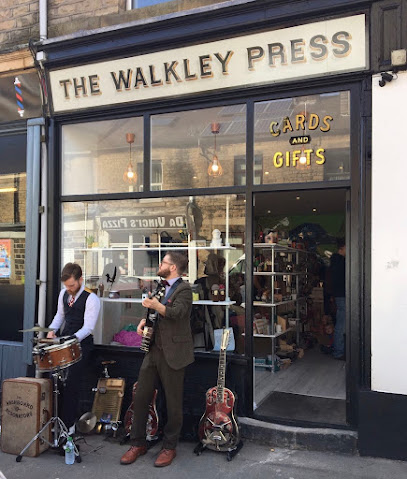
The Walkley Press
16.6 km
Explore The Walkley Press in Sheffield for unique gifts, handmade crafts, and local art that capture the essence of your visit.
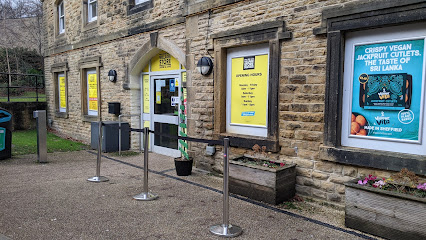
The Village Store
16.7 km
Discover The Village Store in Sheffield: Your go-to convenience stop for snacks, drinks, and local treats in a cozy atmosphere.
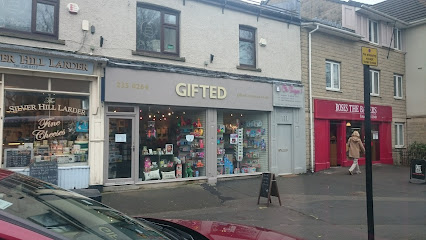
Gifted
17.2 km
Discover Sheffield's premier spot for unique gifts and artisanal treasures on vibrant Ecclesall Road South—perfect for thoughtful finds.
The Stock Exchange
17.3 km
A compact, curated women's boutique in Hunters Bar offering distinctive clothing and accessories in a friendly neighbourhood setting.
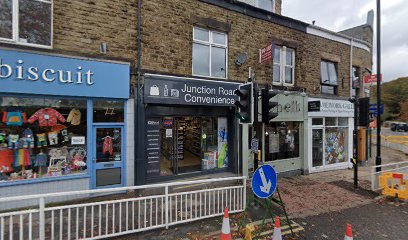
Essential bars & hidden hideouts

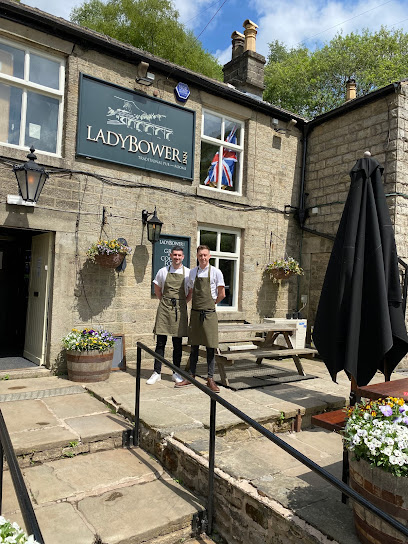
Ladybower Inn
5.9 km
A cozy 3-star inn in Hope Valley offering hearty pub meals, friendly hospitality, and scenic access to Ladybower Reservoir and Peak District trails.
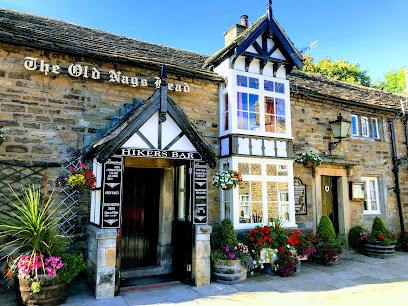
The Old Nags Head
6.8 km
Historic 16th-century country pub at the start of the Pennine Way, offering rustic charm, real ales, and hearty fare in Edale’s scenic Peak District.
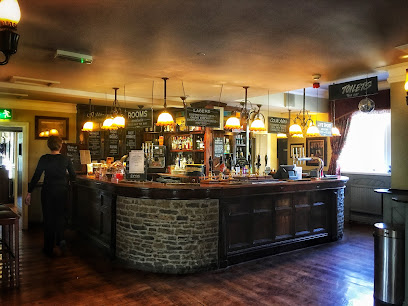
The Rambler Inn
7.2 km
Cozy stone-built pub and inn in Edale, offering hearty fare, local ales, and a warm welcome for Peak District hikers.
Bulls Head, Castleton
8.3 km
Historic pub and cozy inn in Castleton offering traditional British fare, comfortable rooms, and a welcoming atmosphere in the Peak District.
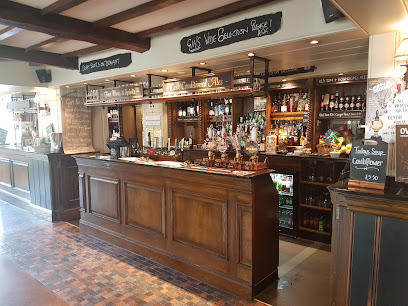
The Castle
8.4 km
A historic pub in Castleton offering hearty British fare, scenic views, and a warm, welcoming atmosphere in the heart of Hope Valley.
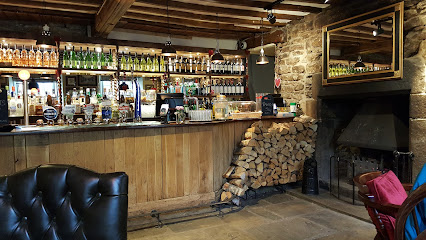
The George
8.4 km
Traditional British charm meets cozy comfort in Castleton’s welcoming pub with rooms, great food, and scenic Hope Valley views.
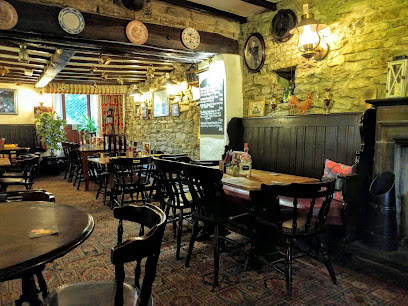
The Barrel Inn
13.6 km
Historic hilltop inn offering cozy rooms, excellent local cuisine, and breathtaking views over Hope Valley and the Peak District.
The Bull at Foolow
14.5 km
Historic Peak District pub and boutique inn offering cozy rooms, hearty fare, and scenic countryside charm in the village of Foolow.
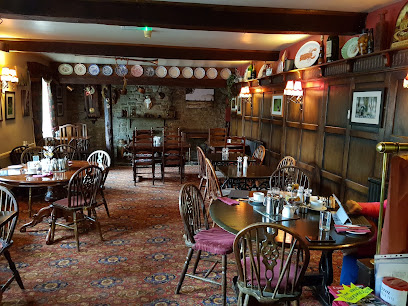
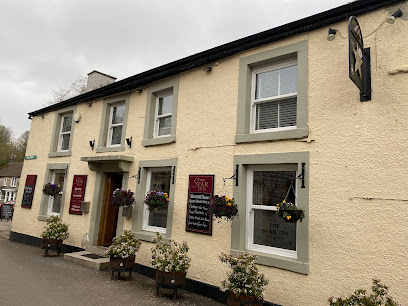
Star Inn
15.4 km
A classic Peak District pub in Tideswell offering hearty pies, real ales, and a warm, lively atmosphere in a charming village setting.
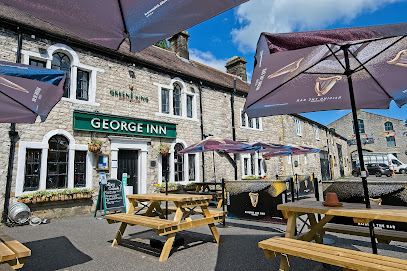
The George Inn
15.4 km
Traditional Peak District pub and cozy B&B in Tideswell offering hearty food, friendly service, and a warm village atmosphere.
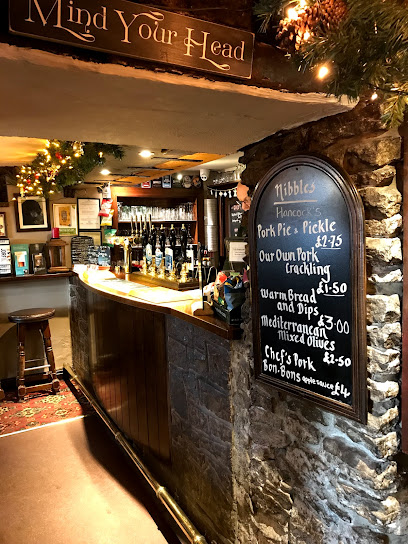
Red Lion Inn
15.9 km
A quintessential Peak District country pub offering hearty fare, real fires, and warm hospitality in the charming village of Litton.
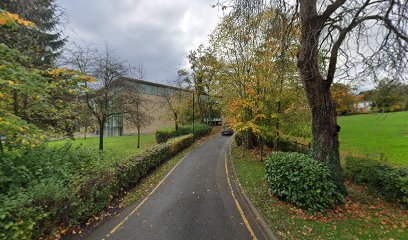
The Edge Bar
16.8 km
Vibrant University of Sheffield bar buzzing with pub grub, craft drinks, pool, darts, quizzes, and live sports in the heart of student residences.
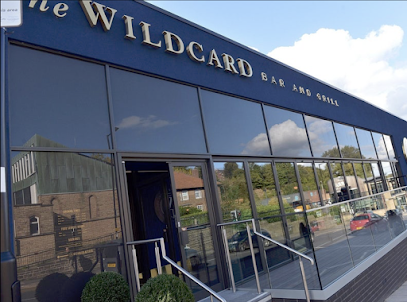
Wildcard Bar and Grill
17.1 km
Sheffield's ultimate sports bar: 40+ screens, giant Jumbotron, epic American grill, shuffleboard, pool, and cocktails in luxury style.
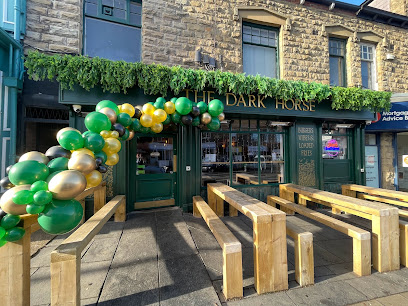
The Dark Horse Bar
17.2 km
Sheffield's cozy fusion of pub warmth, cocktail flair, and burger bliss on vibrant Ecclesall Road—perfect for craft drinks and casual nights out.
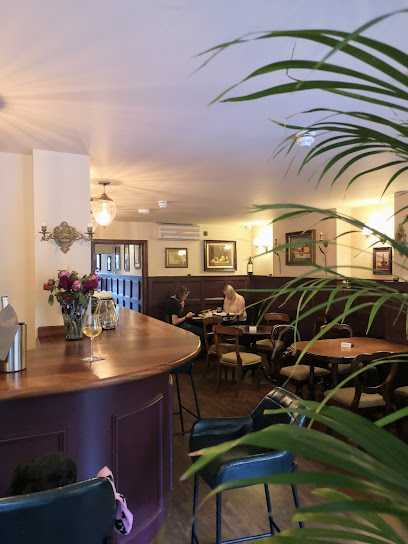
The Harritt wine bar
17.4 km
Cozy Sheffield wine bar with exceptional selections, cheeseboards, and personal service on vibrant Ecclesall Road – ideal for intimate evenings.
Nightclubs & after hour spots

Fez Sheffield
18.6 km
Dive into Sheffield’s vibrant electronic dance scene at Fez, the city centre’s intimate nightclub with pulsating beats and dazzling laser shows.
The Night Kitchen
18.6 km
Dive into Sheffield's industrial heartbeat at The Night Kitchen, where former cutlery factory walls pulse with electronic beats until dawn in a raw, inclusive nightlife haven.

ONYX Nightclub Sheffield
18.6 km
Dive into Sheffield's raucous nightlife at ONYX, where neon quirks, bass-heavy beats, and cheap thrills fuel epic nights till dawn in the city centre.

Al Ahsa Night Club
18.6 km
Dance the night away at Al Ahsa Night Club, Sheffield's premier disco destination for unforgettable nightlife experiences.

Corporation
18.7 km
Sheffield’s iconic nightclub with non-stop dance beats and an electric atmosphere in the heart of the city centre.

Popworld - Sheffield
18.7 km
A vibrant nightclub in Sheffield city centre, Popworld offers lively pop beats, affordable drinks, and a welcoming party atmosphere every weekend.

The Viper Rooms
18.8 km
Sheffield's stylish split-level nightclub: upscale cocktails on the terrace lounge, eclectic beats on the dancefloor—dress sharp for urban nights that pulse till dawn.

Dempseys Bar and Club
18.9 km
Sheffield's enduring gay bar and club: two floors of drinks, dances, karaoke, and late-night energy from noon till dawn in the city centre.

Code Sheffield
19.0 km
Sheffield's ultimate nightclub: massive dance floor, six bars, LED lights, and epic nights till 6am—student favorites and global DJs collide in city-centre chaos.

Tank
19.3 km
A gritty, late‑night underground club on Arundel Gate — loud sound, house and techno nights, and a compact, rave‑style dancefloor.

Plot 22
19.4 km
Immerse in Sheffield's underground beats at Plot 22: no phones, pure rave energy, techno to jungle in an intimate 120-cap haven.

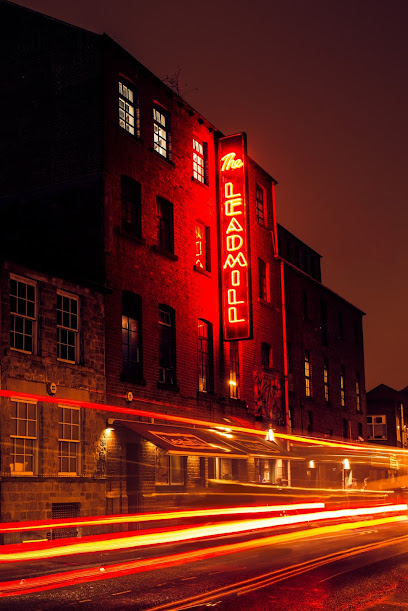
The Leadmill
19.4 km
Sheffield's 40-year heartbeat of live music, club nights, and comedy in a gritty, immersive venue near the station—where crowds roar and nights ignite.
Temple Sheffield
19.6 km
Dive into Sheffield's underground heartbeat at Temple Nightclub, where beats thump till 6am, drinks flow affordably, and nights ignite with raw energy.

Level 2
21.0 km
Buxton’s vibrant two-floor nightclub with diverse music, lively bars, and themed nights, perfect for an energetic night out.

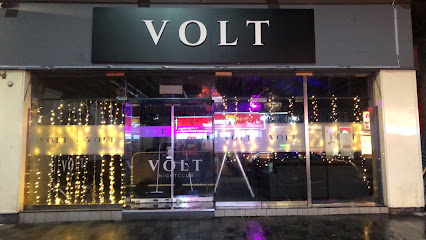
Volt Nightclub
23.2 km
Experience Barnsley's vibrant nightlife at Volt Nightclub, where lively music, dazzling lights, and affordable drinks create unforgettable nights.
For the vibe & atmosphere seeker
- Relaxing
- Tranquil
- Scenic
- Unique
- Casual
For the architecture buff
- Historic
- Landmarks
- Parks & Gardens
For the view chaser and sunset hunter
- Iconic Views
- Panoramas
- Sunset Spots
For the social media creator & influencer
- Instagrammable
- Photo Spots
- Selfie Spots
For the eco-conscious traveler
- Protected Area
- Public-Transport Accessible
- Leave-No-Trace Critical
- Locally Managed
- Wildlife Habitat
For the kind of experience you’re after
- Nature Escape
- Photowalk
- Cultural Heritage
- Day Trip
- Weekend Getaway
For how adventurous you want the journey to be
- Easy Access
Location Audience
- Family Friendly
- Senior Friendly
- Child Friendly
- Teen Friendly
- Wheelchair Access
- Pet Friendly
- Solo Friendly
- Couple Friendly
- Vegetarian Friendly
- Vegan Friendly


