

Dark Peak Estate Travel Guide
Free Guide: Explore the wild moorlands and gritstone edges of the Dark Peak Estate, a dramatic upland landscape in the heart of the Peak District National Park.


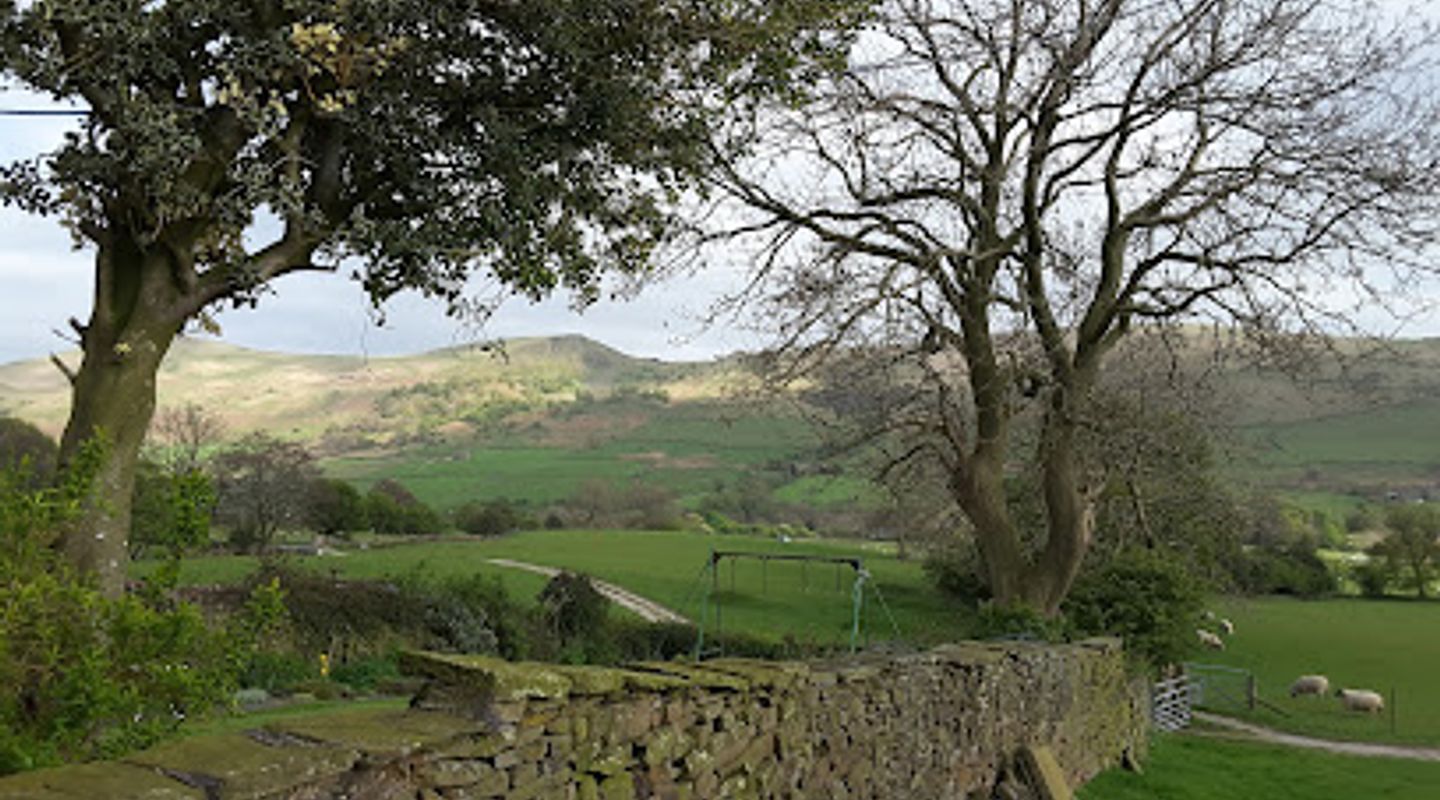
A brief summary of Dark Peak Estate
Explore the wild moorlands and gritstone edges of the Dark Peak Estate, a dramatic upland landscape in the heart of the Peak District National Park.
The Dark Peak Estate is a wild, high moorland area in the northern Peak District, known for its dramatic gritstone edges, peat moors, and panoramic views. It forms part of the National Trust’s High Peak Estate and is a key area for conservation and walking in the Dark Peak region. The landscape is rugged and atmospheric, with heather-clad plateaux, deep cloughs, and important habitats like blanket bog and upland heath. It’s a place of raw natural beauty, shaped by geology, weather, and centuries of land use.
On-site amenities
 Restrooms
 Drink options
 Drinking water
 Food options
 Seating areas
 Sheltered areas
 Trash bins
 Information boards
 Visitor centre
- Address
- Edale, Hope Valley S33 6RF
- Phone
Getting there
Car
Public Transport
Walking
Cycling
Discover more about Dark Peak Estate
A Wild Pennine Landscape
Dark Peak Estate lies in the heart of the Dark Peak, the higher, wilder northern section of the Peak District National Park. This is a landscape of sweeping moorlands, capped with Millstone Grit and blanketed in deep peat, where the ground is often soft and waterlogged underfoot. The estate is part of the National Trust’s High Peak Estate, which protects some of the most important upland habitats in England. Here, the land rises to high plateaux such as Kinder Scout and Bleaklow, with gritstone edges and tors that stand out against the skyline, especially in mist or low cloud.The area is defined by its geology: beneath the peat lies a thick layer of gritstone, which weathers into dramatic edges and boulder fields. In winter, the saturated soils and exposed summits create a stark, almost Arctic feel, while in late summer the heather turns the moors a rich purple. This is not a gentle countryside, but a place of elemental forces – wind, rain, and open space – that has shaped both the land and the way people have used it over centuries.
Conservation and Moorland Restoration
The Dark Peak moors are internationally important for their blanket bog and upland heath habitats, which support rare birds like merlin, golden plover, and short-eared owl. Over the past two centuries, these habitats have suffered from erosion, overgrazing, and pollution, leaving large areas of bare peat. Since the early 2000s, the Moors for the Future Partnership has worked across the Dark Peak, including on the High Peak Estate, to stabilise the peat, block erosion gullies, and reintroduce sphagnum moss.These efforts are crucial not only for wildlife but also for people: healthy blanket bog stores vast amounts of carbon and regulates water flow, helping to reduce flooding downstream. The estate is a living example of large-scale moorland restoration, where conservation work is visible in the form of grough dams, fenced exclosures, and areas of recovering vegetation. Visitors can see how careful management is helping to heal a landscape that has been heavily impacted by industrialisation and intensive land use.
Walking and the Pennine Way
Dark Peak Estate is a walker’s paradise, with a network of footpaths and bridleways that cross high moorland, follow cloughs, and climb to gritstone edges. The estate is close to Edale, the traditional start of the Pennine Way, and many long-distance routes pass through or near this area. Paths lead up to Kinder Scout, along Derwent Edge, and across the Snake Pass moors, offering some of the most exhilarating walking in the Peak District.The terrain is challenging: paths can be rough, boggy, and exposed, especially in poor weather. Proper footwear, navigation skills, and appropriate clothing are essential. But the rewards are immense – panoramic views across the Dark Peak, the sense of being in a vast, open landscape, and the chance to see moorland birds and plants up close. For many, this is the true spirit of the Peak District: wild, remote, and deeply atmospheric.
History and Cultural Significance
The Dark Peak has a long human history, from prehistoric settlements on the edges to the remains of old lead mines and quarries scattered across the moors. The area was shaped by centuries of sheep farming, quarrying, and later by the demands of nearby industrial cities for water and recreation. The Mass Trespass of 1932 on Kinder Scout, a landmark event in the fight for public access to the countryside, took place nearby, and the spirit of that struggle still resonates in the way people value these open moors.The estate itself reflects a more recent chapter in this story: the acquisition of large tracts of moorland by the National Trust and other conservation bodies to protect them from overuse and development. This has created a landscape that is both wild and carefully managed, where traditional farming coexists with conservation and public access. It’s a place where the past is written into the land – in walls, ruins, and paths – and where the future of the uplands is being actively shaped.
Atmosphere and Visitor Experience
Visiting Dark Peak Estate is an experience of scale and atmosphere. On a clear day, the views stretch for miles across the Pennines, with reservoirs, valleys, and distant hills laid out below. In mist or rain, the moors become mysterious and intimate, with visibility reduced and the sound of wind and running water dominating. The landscape changes dramatically with the seasons: snow in winter, green growth in spring, heather in late summer, and golden bracken in autumn.Because this is open moorland, there are few formal facilities on the estate itself. Visitors come for the walking, the views, and the sense of escape from the everyday. It’s a place for solitude, for photography, for birdwatching, and for simply standing on a high edge and feeling the wind. The estate is not a manicured park, but a working, evolving landscape that rewards patience, respect, and a willingness to engage with the raw beauty of the uplands.
Evendo Review Centre
 Google
Guest reviews
Best time to go
Quietest: Jan, Feb & Dec · before 8am or from 9pm
Busy times are Evendo estimates for a typical year, to help you plan. Actual crowds vary with events, school holidays and the weather.
Explore Dark Peak Estate on the map
A handpicked selection of must-see spots near Dark Peak Estate, mapped for you.
Get your free copy of our complete guide to Dark Peak Estate, delivered straight to you.
Everything on this page, from opening hours and how to get there to Eve’s tips and the best time to go, in one PDF you can read offline, print or share.
Already have an account? Sign in
Your Dark Peak Estate guide is ready.
We'll send it to · Not you? Sign out

Getting your guide ready…
We are putting together a fresh copy of the Dark Peak Estate guide. This can take up to a minute.
This can take a few moments. If your browser asks, choose Allow so the download can start. You'll find the guide in your Downloads folder.
Nothing happened? Download it again
Sorry, the guide is taking longer than usual. Please try again in a minute, or get it by email instead.
Other nearby places you may find interesting
The closest places of the same kind, if this one is not quite what you had in mind.
-
-
-
-

-


Swipe for more places
More to explore near Dark Peak Estate

 Best experiences near Dark Peak Estate
 Best hotels near Dark Peak Estate
 Best landmarks near Dark Peak Estate
 Best attractions near Dark Peak Estate
 Best shops near Dark Peak Estate
 Best restaurants near Dark Peak Estate
 Best bars near Dark Peak Estate
Do you manage this location?
Take control to get all the benefits, like improved information, better appearance, and stronger visibility across AI-powered discovery.
Explore more

Explore more of Peak District
Discover the breathtaking beauty and rich heritage of the Peak District, the UK's first national park, where adventure and tranquility await amidst stunning landscapes.
Explore Peak District
Explore more of United Kingdom
Discover the United Kingdom: A blend of rich history, stunning landscapes, and vibrant cities, offering a unique travel experience for every visitor.
Explore United Kingdom
