
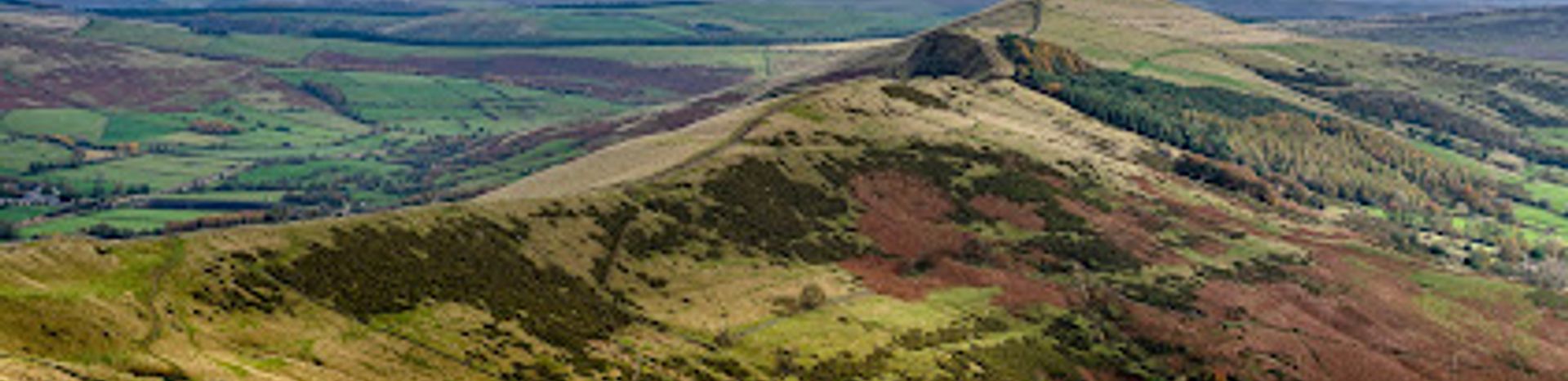
National Trust - Dark Peak: Rugged Moorlands of the Peak District
Explore the wild, windswept moorlands and iconic gritstone edges of the Peak District’s Dark Peak, a haven for nature and history lovers.
The Dark Peak is the wild, elevated northern moorland region of the Peak District National Park, managed in part by the National Trust. Known for its dramatic gritstone edges, expansive peat bogs, and windswept landscapes, it offers a raw natural beauty rich in wildlife and history. Visitors can explore iconic upland areas such as Kinder Scout and Mam Tor, with opportunities for hiking, wildlife spotting, and experiencing a unique moorland ecosystem.
A brief summary to National Trust - Dark Peak
- Edale Rd, Hope Valley, S33 8WA, GB
- +441433670368
- Visit website
- Duration: 2 to 6 hours
- Mid ranged
-
 Outdoor
- Mobile reception: 4 out of 5
Local tips
- Wear sturdy waterproof footwear and layered clothing due to unpredictable weather and boggy terrain.
- Bring binoculars or a camera with zoom for birdwatching and wildlife spotting.
- Respect conservation efforts by staying on marked paths and following Leave No Trace principles.
- Visit local villages like Edale or Hope for amenities, refreshments, and accommodation.
- Consider joining guided walks or events organized by the National Trust to deepen your understanding of the area.

For the on-the-go comforts that matter to you
- Restrooms
- Drink Options
- Food Options
- Seating Areas
- Trash Bins
- Information Boards
Getting There
-
Car
Driving from Sheffield, take the A57 towards Glossop, then the A6187 to Hope and Edale Road. Parking is available near the National Trust Dark Peak site, with fees typically between £2 and £5 depending on duration. Travel time is approximately 30-40 minutes.
-
Train and Bus
Take a train from Sheffield to Hope station (about 30 minutes). From Hope, either walk 1.5 miles along the A6187 to Edale Road or catch a local bus running frequently between Hope and Edale. Bus fare is around £2.50.
-
Walking
From nearby villages like Edale or Castleton, walking to the Dark Peak is a scenic option. The terrain includes moorland paths and minor roads, with walks typically around 2 miles. Suitable footwear and water are recommended.
National Trust - Dark Peak location weather suitability
-
 Any Weather
-
 Rain / Wet Weather
-
 Clear Skies
-
 Windy Conditions
-
 Cold Weather
-
 Mild Temperatures
- Snow
Discover more about National Trust - Dark Peak
Distinctive Landscape and Geology
The Dark Peak forms the higher, more rugged northern section of the Peak District, mainly within Derbyshire but extending into surrounding counties. Its name derives from the dark Millstone Grit sandstone that caps the landscape, contrasting with the limestone of the White Peak to the south. This geology creates a distinctive terrain of gritstone edges, plateaus, and deep peat bogs that retain water, giving the moorlands a perpetually damp, brooding character. The area’s soils are acidic and nutrient-poor, supporting heathland vegetation and sphagnum moss that help form the peat bogs, vital for carbon storage and water regulation.Wildlife and Natural Heritage
The Dark Peak is internationally important for its upland habitats and bird populations. It supports species such as red grouse, curlew, golden plover, and merlin, along with deer and other moorland mammals. The mosaic of heather moorland, blanket bog, and rough grassland provides a sanctuary for this wildlife, making it a prime location for nature enthusiasts and photographers. Conservation efforts by the National Trust and partners focus on restoring peatlands and moorland vegetation to enhance biodiversity and combat climate change.Historical and Cultural Significance
The Dark Peak holds a rich cultural history, from Bronze Age settlements to the famous 1932 Mass Trespass on Kinder Scout, a pivotal event in the campaign for public access to open countryside. The area also features ancient landmarks and remnants of past agricultural practices. Mam Tor, known as the 'Shivering Mountain' due to its landslides, is a Scheduled Monument offering insight into the region’s geological activity and human history. The National Trust’s stewardship includes preserving these cultural sites alongside natural habitats.Visitor Experience and Activities
Visitors to the Dark Peak can enjoy a variety of outdoor activities including hiking, birdwatching, and photography. Iconic routes traverse the gritstone edges and moorland plateaus, with trails ranging from challenging upland hikes to gentler walks near villages like Edale and Hope. The area’s remote, windswept character offers a sense of solitude and connection with nature. Facilities are limited to preserve the wild atmosphere, but nearby villages provide amenities and accommodation.Conservation and Sustainable Management
The National Trust is engaged in a long-term project to protect and restore the Dark Peak’s moorlands. This includes rewetting peat bogs, planting native woodland, and managing habitats to support wildlife and reduce flood risk downstream. Visitors are encouraged to follow Leave No Trace principles to minimize their impact. The area’s status as a Site of Special Scientific Interest and part of the South Pennine Moors Special Area of Conservation underlines its environmental importance.Seasonal and Weather Considerations
The Dark Peak’s upland climate means weather can be unpredictable and often harsh, with strong winds, rain, and fog common year-round. Winter brings cold temperatures and sometimes snow, while summer offers milder conditions but still requires preparation for sudden changes. Clear days reward visitors with expansive views across the moors and distant valleys, enhancing the dramatic landscape experience.Iconic landmarks you can’t miss

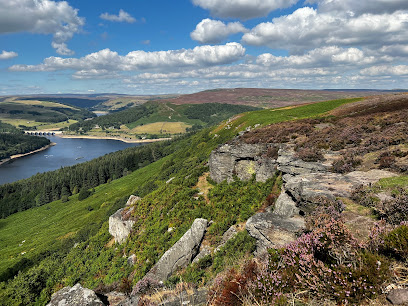
Bamford Edge
8.2 km
Bamford Edge offers stunning panoramic views of Ladybower Reservoir and Hope Valley, a must-visit gritstone escarpment in the Peak District.
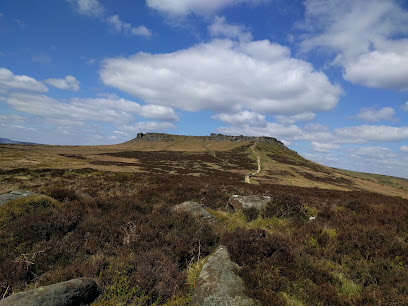
Carl Wark
13.5 km
Explore Carl Wark, an ancient Iron Age hillfort on a rugged Peak District promontory with sweeping moorland views and rich prehistoric heritage.
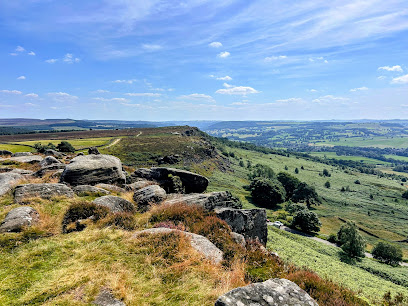
Baslow Edge
15.9 km
Experience stunning panoramas and serene walks at Baslow Edge in Peak District National Park, the perfect escape for nature lovers and photographers.
Peak District National Park Authority
16.7 km
Explore the breathtaking landscapes and rich heritage of Peak District National Park, a haven for outdoor enthusiasts and nature lovers.
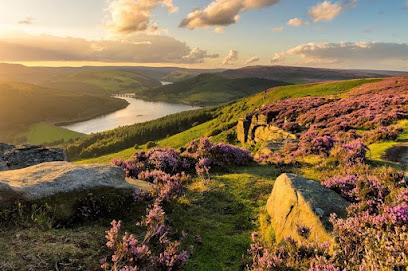
Shepherd Wheel
19.1 km
Discover the historical significance of Sheffield at Shepherd Wheel, a heritage museum showcasing traditional water-powered grinding techniques in a breathtaking woodland setting.
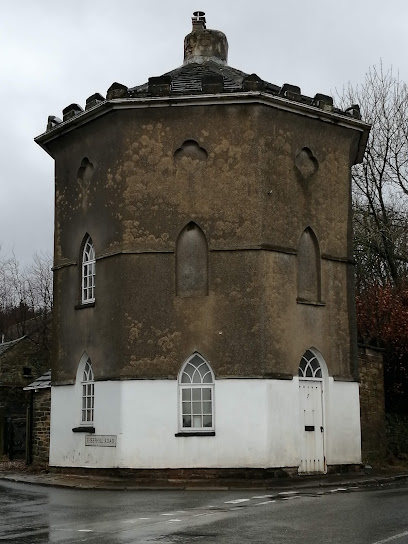
White Nancy
19.7 km
Historic hilltop folly offering sweeping Cheshire Plain views and a symbol of Bollington’s heritage and community spirit.
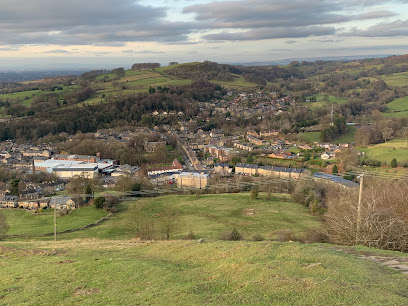
Ecclesall Woods
19.8 km
Ecclesall Woods: A lush escape in Sheffield, perfect for outdoor adventures, serene walks, and connecting with nature amidst stunning landscapes.
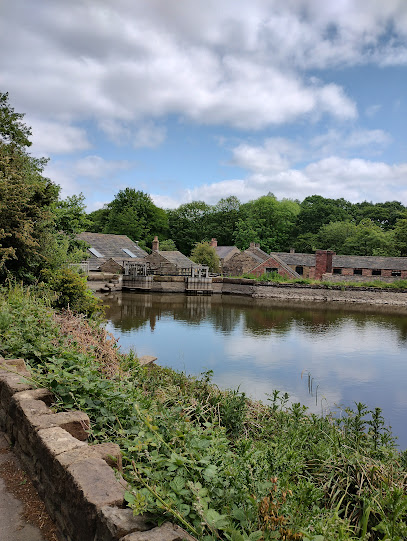
Abbeydale Industrial Hamlet
19.9 km
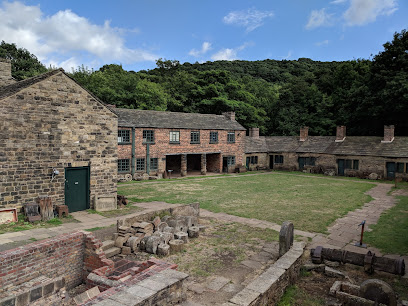
Explore the rich industrial heritage of Sheffield at Abbeydale Industrial Hamlet, where history comes to life in a beautifully preserved setting.
Arbor Low Stone Circle and Gib Hill Barrow
20.0 km
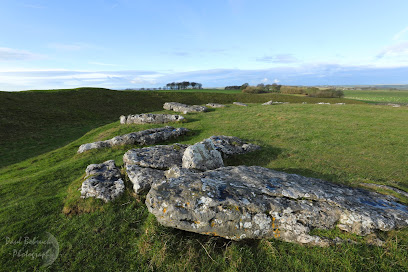
Explore the ancient wonders of Arbor Low Stone Circle and Gib Hill Barrow, a historical landmark steeped in mystery and breathtaking Derbyshire landscapes.
Haddon Hall
20.0 km
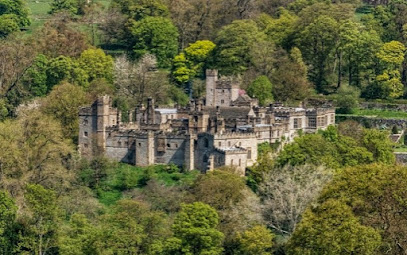
Explore the enchanting Haddon Hall, a historical gem in the Peak District with stunning architecture, beautiful gardens, and delightful dining experiences.
Endcliffe Park
20.2 km
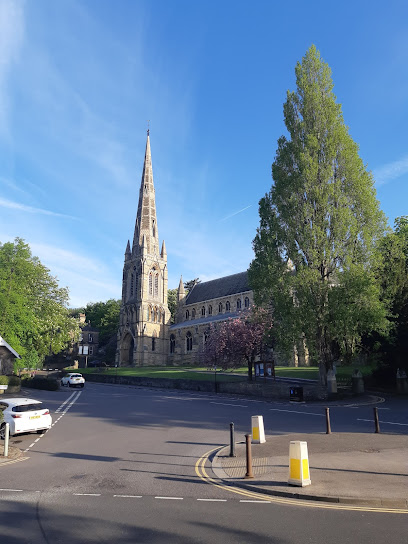
Explore the beauty of Endcliffe Park in Sheffield, a perfect blend of nature, community, and tranquility for all visitors seeking relaxation.
Tegg's Nose Country Park
20.3 km
Discover Tegg's Nose Country Park: A Scenic Retreat for Nature Enthusiasts and Adventure Seekers in Macclesfield.
The Endcliffe Campus
20.4 km
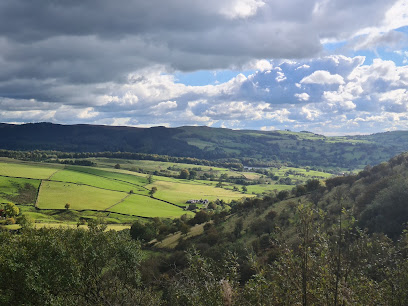
A vibrant student village blending modern living, social hubs, and green spaces at the University of Sheffield’s Endcliffe Campus.

Endcliffe Park Playground
20.4 km
Discover fun and adventure at Endcliffe Park Playground in Sheffield, a perfect family destination with scenic parkland and vibrant play areas.
Chelsea Park
20.6 km
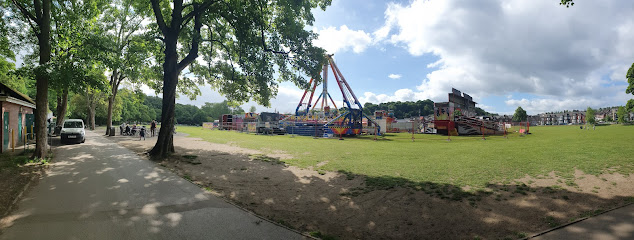
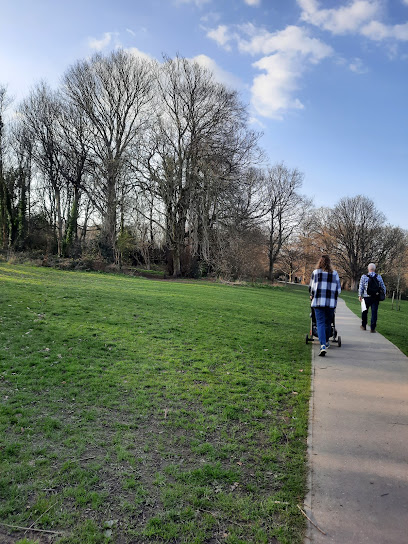
Discover Chelsea Park in Sheffield: a peaceful retreat with stunning gardens, perfect for leisurely strolls and picnics in a tranquil environment.
Unmissable attractions to see

Mam Tor
0.3 km
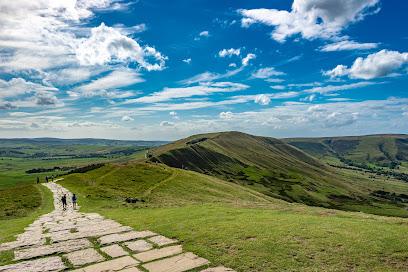
Discover Mam Tor, the iconic 'Mother Hill' of the Peak District, offering ancient history, dramatic landslips, and panoramic views over Hope Valley.
Blue John Cavern
0.5 km
Discover Britain’s rare Blue John stone in Castleton’s spectacular limestone caves, where history and geology intertwine beneath the Peak District.
Winnats Pass
0.9 km
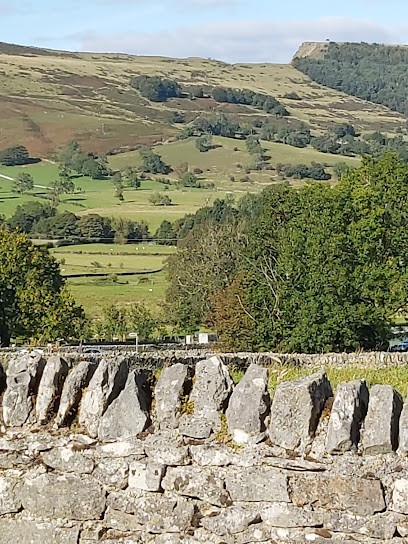
Experience the breathtaking limestone gorge of Winnats Pass, a scenic and historic route through the heart of Hope Valley’s Peak District.
Treak Cliff Cavern
0.9 km
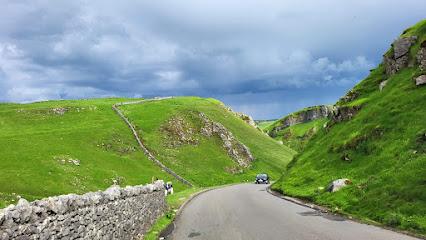
Explore a working Blue John stone mine with stunning geological formations and rare minerals in the Peak District.
Speedwell Cavern
1.4 km
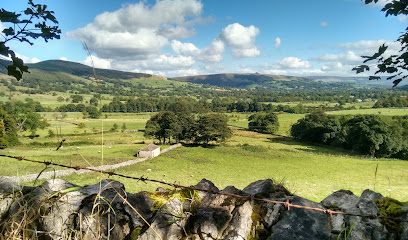
Explore a historic lead mine on a unique underground boat tour beneath the Peak District’s dramatic Winnats Pass.
Castleton Visitor Centre
2.3 km
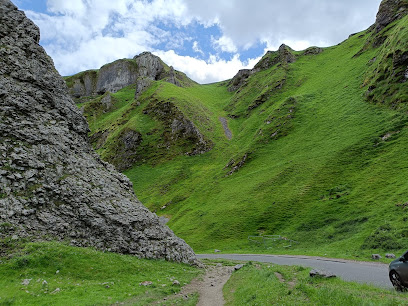
Your welcoming gateway to Castleton’s history, nature, and the Peak District’s breathtaking landscapes.
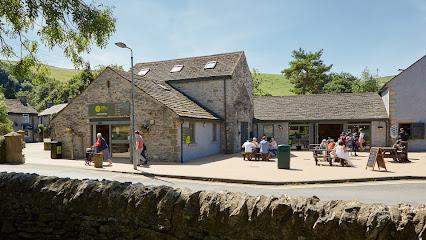
Peak Cavern
2.3 km
Explore Britain’s largest natural cave entrance and historic rope-making cavern beneath Castleton’s iconic cliffs.
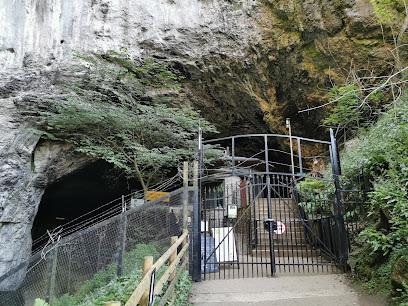
Edale
2.3 km
Edale, nestled in Hope Valley, is the Peak District’s scenic gateway and starting point of the iconic Pennine Way, offering stunning hiking and rich heritage.
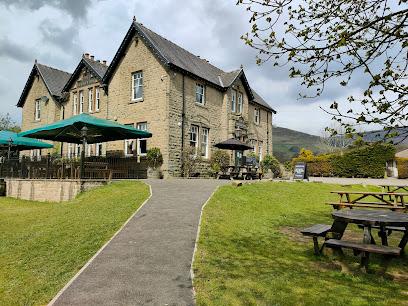
Castleton
2.3 km
Discover Castleton, Hope Valley’s charming village famed for ancient castles, unique Blue John caverns, and stunning Peak District landscapes.
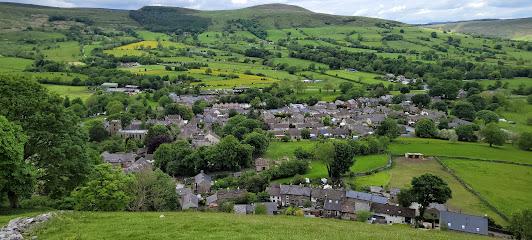
Peveril Castle
2.4 km
Explore the atmospheric Norman ruins of Peveril Castle, crowned by sweeping views over Castleton and the Peak District’s scenic valleys.

Cave Dale
2.4 km
Explore the rugged limestone valley of Cave Dale, where dramatic cliffs frame historic Peveril Castle in the heart of the Peak District.
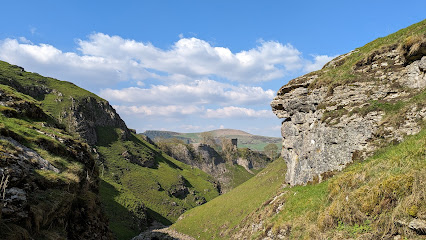
Dark Peak Estate
2.6 km
Explore the wild moorlands and gritstone edges of the Dark Peak Estate, a dramatic upland landscape in the heart of the Peak District National Park.
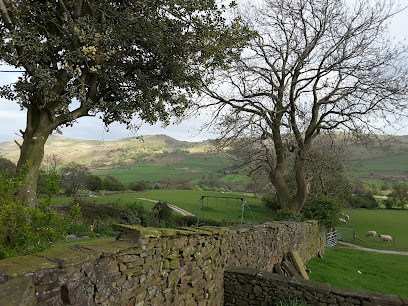
Eldon Hole
2.6 km
A legendary 55-metre pothole steeped in geology, folklore, and Peak District heritage.
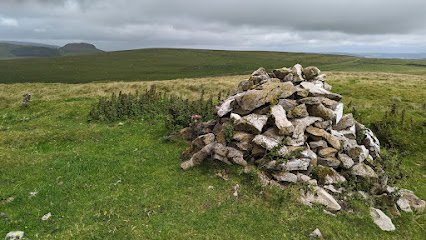
Brown Knoll
4.6 km
A peaceful moorland summit near Edale offering gentle walks and sweeping views across the Peak District’s Hope Valley.
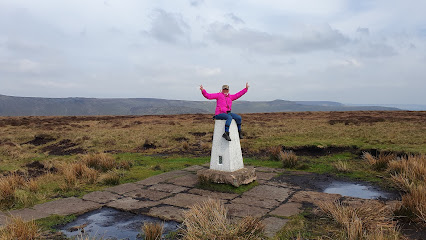
Jacob's Ladder
4.9 km
Steep stone steps leading to Kinder Scout’s wild moorlands, Jacob's Ladder is a Peak District classic for adventurous walkers.
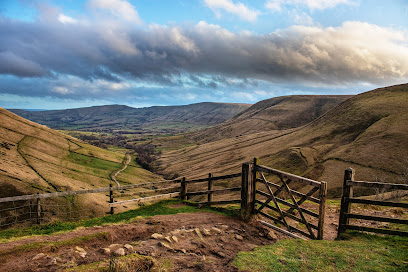
Essential places to dine

1530 The Restaurant
2.4 km
Charming Italian restaurant in Castleton offering fresh homemade dishes and vegan options in a cozy historic setting within the Peak District.
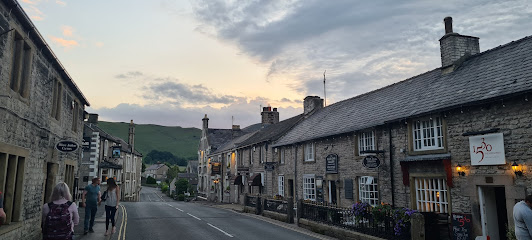
Ye Olde Nags Head
2.4 km
Historic 17th-century coaching inn in Castleton offering cozy pub vibes, hearty British fare, and a lively community atmosphere.
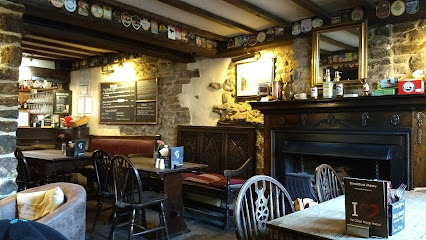
Ye Olde Cheshire Cheese Inn
2.6 km
Historic village inn and pub in Castleton offering cozy rooms, hearty English fare, and a warm welcome in the heart of the Peak District.
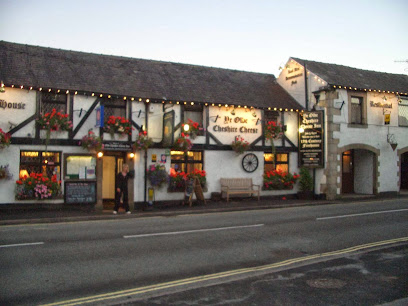
The Anchor Inn
7.8 km
A classic Peak District pub offering hearty meals, friendly service, and a welcoming atmosphere in the heart of Tideswell.
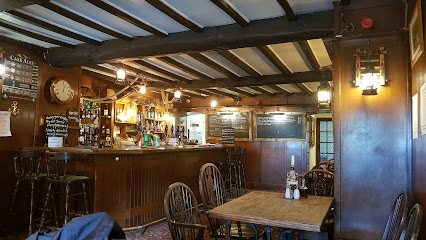
The Lamb Inn
7.8 km
Historic 18th-century pub in Chinley offering hearty British fare, real ales, and cozy en-suite rooms near Peak District attractions.
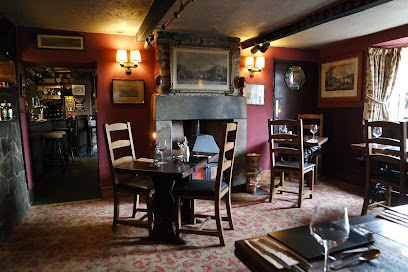
Derbyshire Eats
7.8 km
Experience refined dining and bespoke catering excellence in the charming village of Tideswell at Derbyshire Eats.
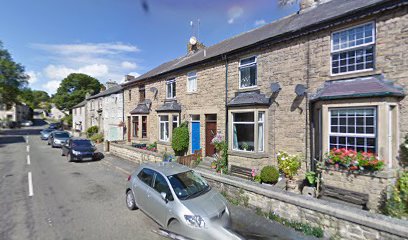
The Merchant's Yard
8.0 km
A charming boutique hotel and award-winning restaurant in Tideswell, blending historic character with seasonal Peak District cuisine.
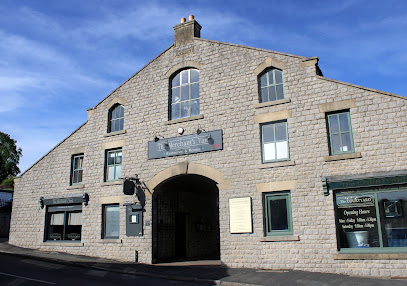
The Horse & Jockey
8.3 km
A cozy, traditional village pub and B&B in Tideswell offering hearty meals, warm fires, and comfortable rooms in the Peak District.
The Paper Mill Inn
8.8 km
Charming historic country pub and inn in Whitehough, Peak District, renowned for real ales, seasonal food, and warm local hospitality.
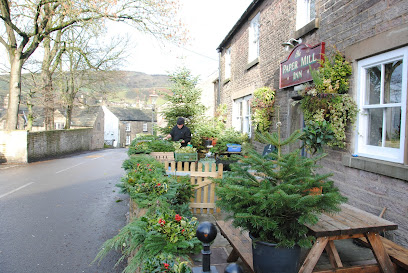
Old Hall Inn
8.8 km
A charming Georgian inn in the Peak District offering refined pub dining, cozy rooms, and a warm welcome amid stunning countryside.
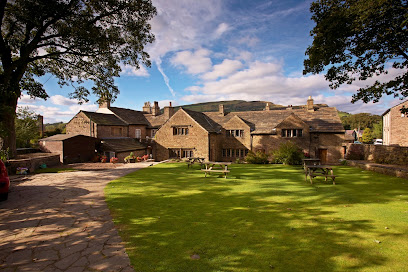
The Hanging Gate
9.2 km
Family-run pub and restaurant in the scenic High Peak offering hearty meals, event hosting, and outside catering in Chapel-en-le-Frith.
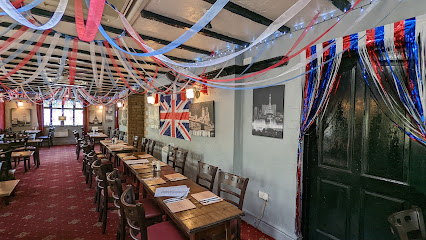
The Pack Horse Hayfield
9.7 km
A Michelin-recommended gastropub in Hayfield serving seasonal British cuisine and local ales in a warm, welcoming Peak District setting.
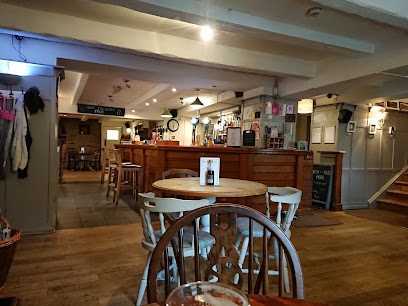
The Little Mill @ Rowarth
12.9 km
A welcoming country inn in Rowarth offering cozy rooms, hearty home-cooked meals, and scenic Peak District charm.
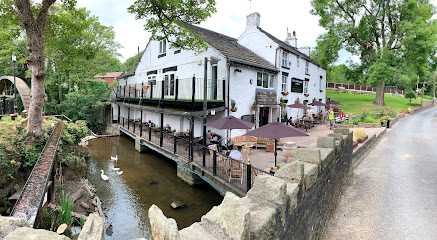
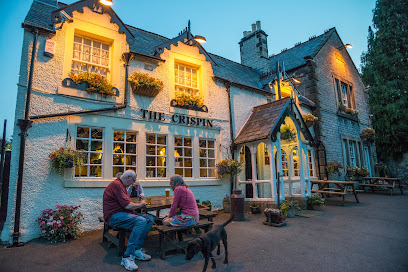
The Crispin
13.5 km
A welcoming traditional pub in Great Longstone offering hearty British fare and local ales in the heart of the Peak District.
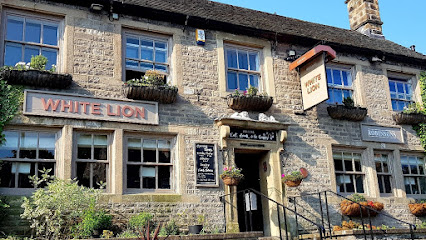
White Lion
13.7 km
A charming Peak District gastropub offering hearty British fare, warm welcomes, and a cozy village atmosphere in Great Longstone.
Markets, malls and hidden boutiques

The Outdoor Shop
2.2 km
Your essential outfitter for quality outdoor gear and clothing in Hope Valley, perfect for Peak District adventures.
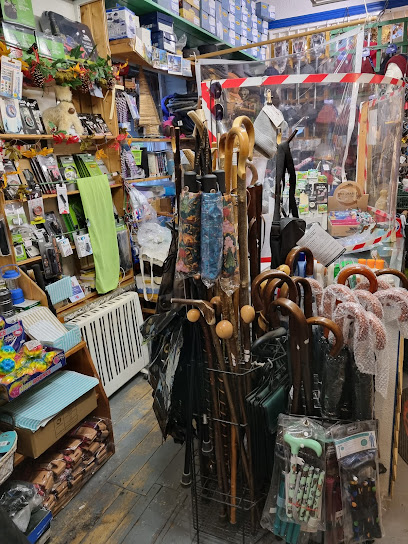
The Old Barn
2.4 km
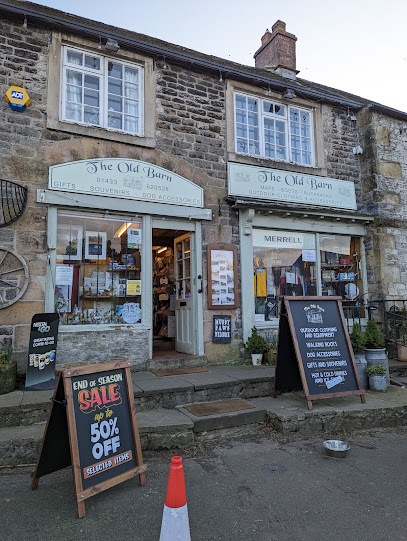
A practical outdoor and gift shop in Castleton’s Market Place, perfect for stocking up before exploring the Peak District’s hills and caves.
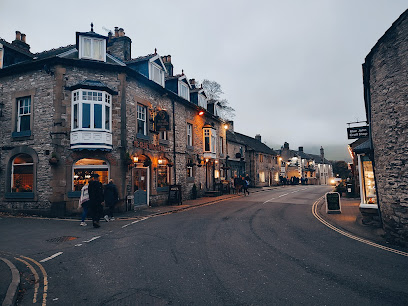
The Original Blue John Craft Shop
2.4 km
Discover unique handcrafted Blue John jewellery and gifts in Castleton’s charming craft shop, celebrating Derbyshire’s rare gemstone heritage.
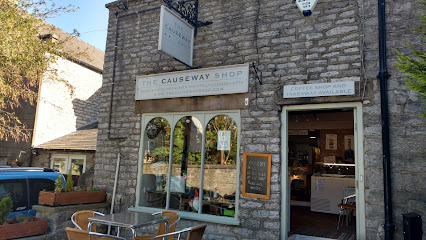
The Causeway Shop
2.4 km
Discover unique gifts and cozy café delights in the heart of Castleton’s picturesque Hope Valley at The Causeway Shop.
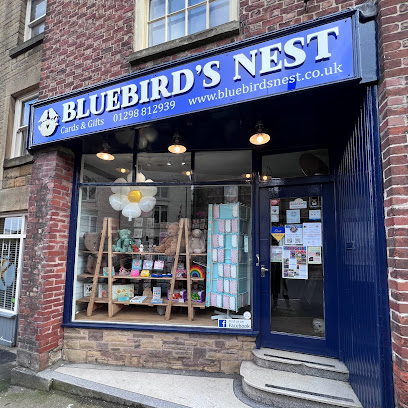
Bluebird’s Nest UK
7.3 km
Handpicked gifts and treasures in the heart of the Peak District's historic market town.
Antique and Unique
7.8 km
Three decades of authentic antiques and vintage treasures in the heart of the Peak District.
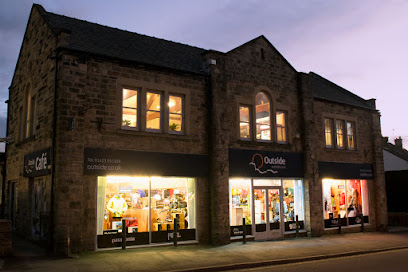
Outside.co.uk
10.5 km
Your essential outdoor clothing and equipment shop in Hathersage, offering expert gear and a cozy café for Peak District adventurers.
Pookie - Wookie Ltd
10.5 km
Handcrafted artisan ceramics by a mother-daughter duo in the scenic Hope Valley, perfect for unique and meaningful gifts.

Delightful Living
11.2 km
Discover unique artisan gifts in the heart of Eyam’s historic craft centre, blending heritage with handcrafted charm.
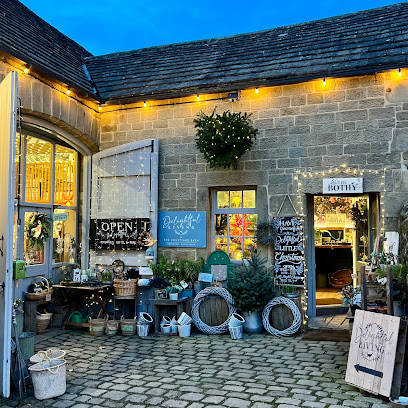
Ivie & luxe
11.7 km
A stylish boutique in Whaley Bridge offering unique clothing, gifts, and homewares with a local touch – perfect for thoughtful souvenirs and personal treats.

The Springs Shopping Centre
11.7 km
Buxton's central shopping hub with 450 parking spaces and popular high street chains.
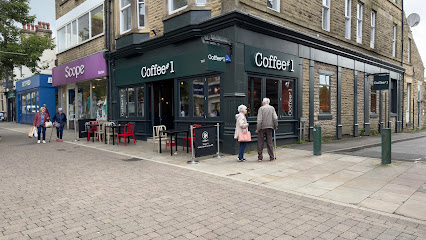
Atticusboo
11.9 km
Discover unique gifts and warm hospitality at Atticusboo, Buxton’s charming independent boutique in the historic Cavendish Arcade.
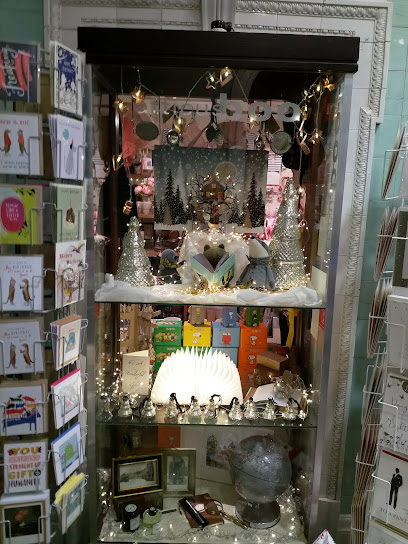
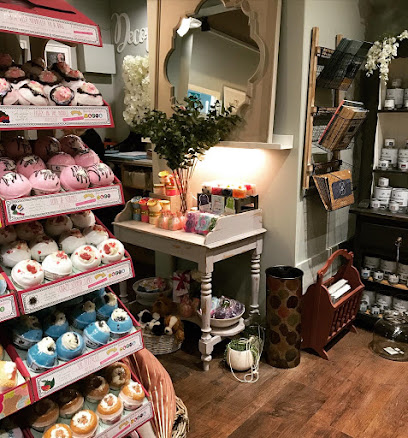
Decor Boutique
11.9 km
Discover unique gifts and stylish homewares in Buxton’s charming Decor Boutique, nestled in the historic Cavendish Arcade.
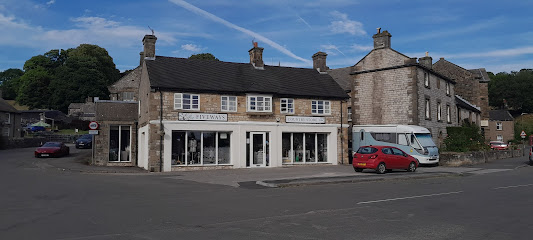
Fiveways Country Store
12.1 km
Charming family-owned shop in Buxton’s Market Place offering unique gifts and local artisan products in the heart of the Peak District.
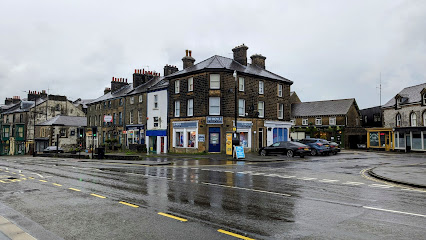
Jo Royle Outdoor
12.1 km
Discover quality outdoor gear and expert advice at Jo Royle Outdoor, Buxton’s beloved independent boutique for adventurers.
Essential bars & hidden hideouts

The Rambler Inn
2.1 km
Cozy stone-built pub and inn in Edale, offering hearty fare, local ales, and a warm welcome for Peak District hikers.
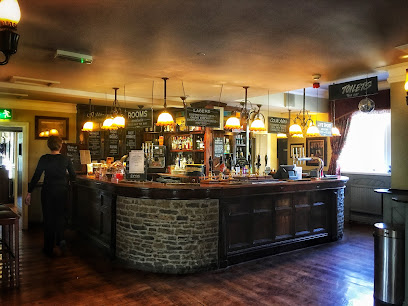
Bulls Head, Castleton
2.3 km
Historic pub and cozy inn in Castleton offering traditional British fare, comfortable rooms, and a welcoming atmosphere in the Peak District.
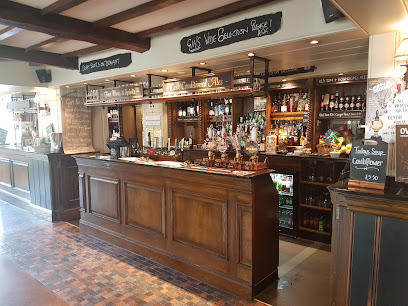
The Castle
2.3 km
A historic pub in Castleton offering hearty British fare, scenic views, and a warm, welcoming atmosphere in the heart of Hope Valley.
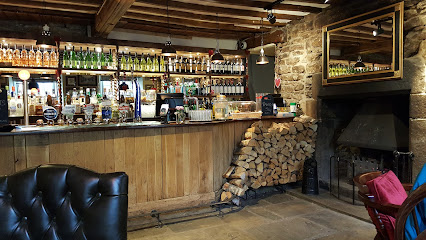
The George
2.4 km
Traditional British charm meets cozy comfort in Castleton’s welcoming pub with rooms, great food, and scenic Hope Valley views.
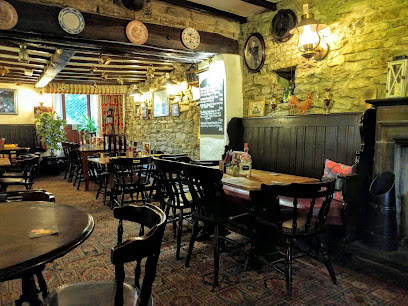
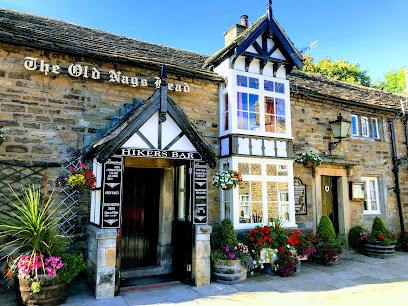
The Old Nags Head
2.7 km
Historic 16th-century country pub at the start of the Pennine Way, offering rustic charm, real ales, and hearty fare in Edale’s scenic Peak District.
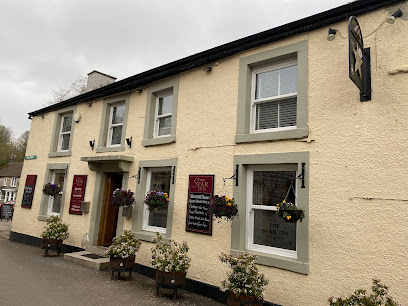
Star Inn
7.9 km
A classic Peak District pub in Tideswell offering hearty pies, real ales, and a warm, lively atmosphere in a charming village setting.
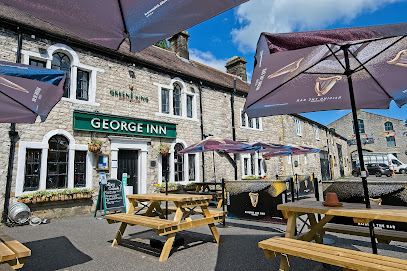
The George Inn
8.0 km
Traditional Peak District pub and cozy B&B in Tideswell offering hearty food, friendly service, and a warm village atmosphere.
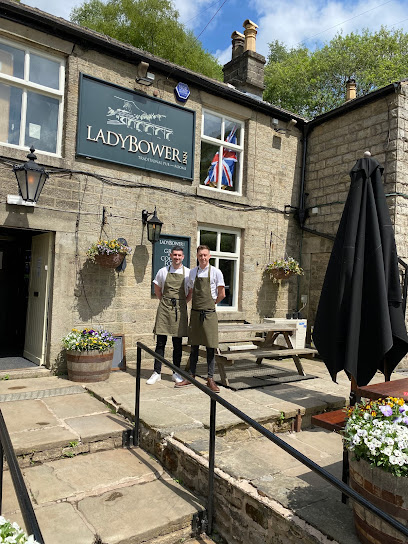
Ladybower Inn
8.4 km
A cozy 3-star inn in Hope Valley offering hearty pub meals, friendly hospitality, and scenic access to Ladybower Reservoir and Peak District trails.
Red Lion Inn
8.9 km
A quintessential Peak District country pub offering hearty fare, real fires, and warm hospitality in the charming village of Litton.
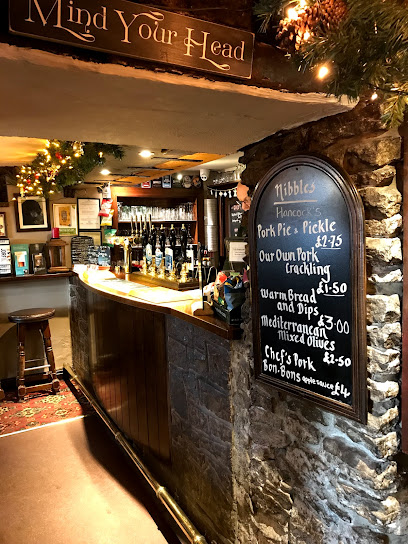
The Barrel Inn
9.1 km
Historic hilltop inn offering cozy rooms, excellent local cuisine, and breathtaking views over Hope Valley and the Peak District.
The Bull at Foolow
9.2 km
Historic Peak District pub and boutique inn offering cozy rooms, hearty fare, and scenic countryside charm in the village of Foolow.
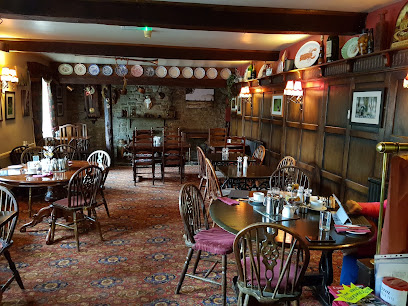
Anglers Rest
10.1 km
A cozy riverside pub in Millers Dale offering hearty home-cooked meals, local ales, and a tranquil garden in the heart of the Peak District.
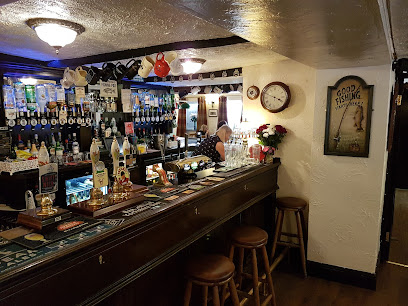
San Pedro (By Santiago)
11.9 km
A vibrant Spanish wine bar and cocktail lounge in Buxton offering authentic tapas, fine wines, and a lively atmosphere.
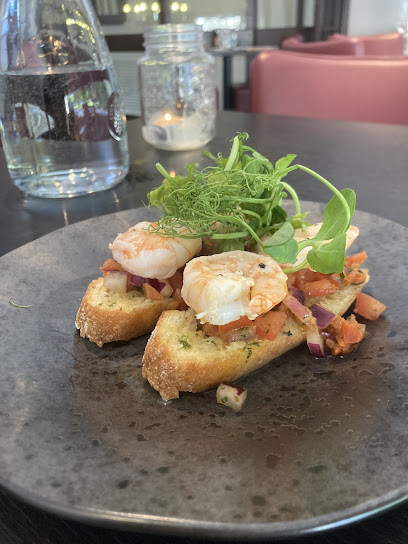
Buxton Brewery Tap House & Cellar Bar
11.9 km
Lively flagship brewery bar in Buxton’s historic heart, serving fresh local beers and seasonal dishes in a rustic, welcoming setting.
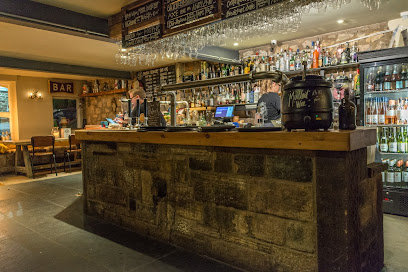
The Packhorse Inn
13.2 km
A cozy, traditional Peak District pub with warm fires, local ales, scenic views, and welcoming rooms near Bakewell.
Nightclubs & after hour spots

Level 2
12.2 km
Buxton’s vibrant two-floor nightclub with diverse music, lively bars, and themed nights, perfect for an energetic night out.

Corporation
22.5 km
Sheffield’s iconic nightclub with non-stop dance beats and an electric atmosphere in the heart of the city centre.

Fez Sheffield
22.5 km
Dive into Sheffield’s vibrant electronic dance scene at Fez, the city centre’s intimate nightclub with pulsating beats and dazzling laser shows.
Dempseys Bar and Club
22.5 km
Sheffield's enduring gay bar and club: two floors of drinks, dances, karaoke, and late-night energy from noon till dawn in the city centre.

ONYX Nightclub Sheffield
22.6 km
Dive into Sheffield's raucous nightlife at ONYX, where neon quirks, bass-heavy beats, and cheap thrills fuel epic nights till dawn in the city centre.

Popworld - Sheffield
22.7 km
A vibrant nightclub in Sheffield city centre, Popworld offers lively pop beats, affordable drinks, and a welcoming party atmosphere every weekend.

The Viper Rooms
22.7 km
Sheffield's stylish split-level nightclub: upscale cocktails on the terrace lounge, eclectic beats on the dancefloor—dress sharp for urban nights that pulse till dawn.

Al Ahsa Night Club
22.7 km
Dance the night away at Al Ahsa Night Club, Sheffield's premier disco destination for unforgettable nightlife experiences.

The Night Kitchen
22.8 km
Dive into Sheffield's industrial heartbeat at The Night Kitchen, where former cutlery factory walls pulse with electronic beats until dawn in a raw, inclusive nightlife haven.

Code Sheffield
22.8 km
Sheffield's ultimate nightclub: massive dance floor, six bars, LED lights, and epic nights till 6am—student favorites and global DJs collide in city-centre chaos.

The Leadmill
23.2 km
Sheffield's 40-year heartbeat of live music, club nights, and comedy in a gritty, immersive venue near the station—where crowds roar and nights ignite.
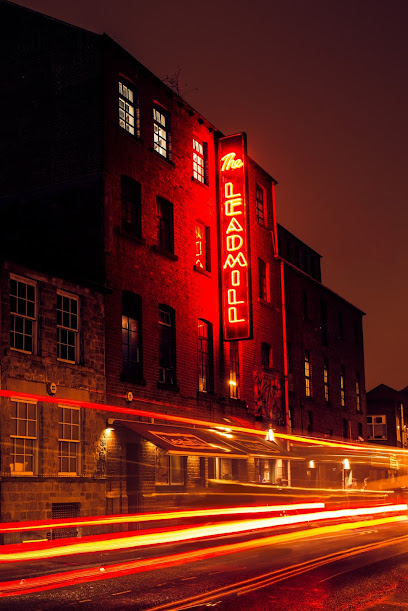
Tank
23.2 km
A gritty, late‑night underground club on Arundel Gate — loud sound, house and techno nights, and a compact, rave‑style dancefloor.

Temple Sheffield
23.2 km
Dive into Sheffield's underground heartbeat at Temple Nightclub, where beats thump till 6am, drinks flow affordably, and nights ignite with raw energy.
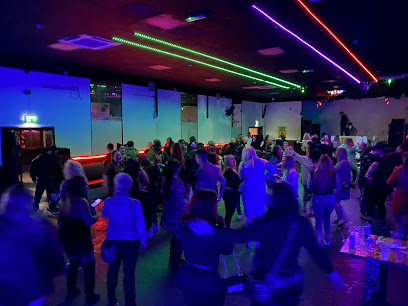
Plot 22
23.5 km
Immerse in Sheffield's underground beats at Plot 22: no phones, pure rave energy, techno to jungle in an intimate 120-cap haven.
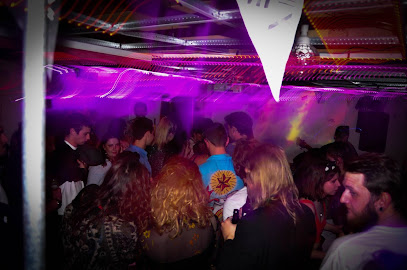
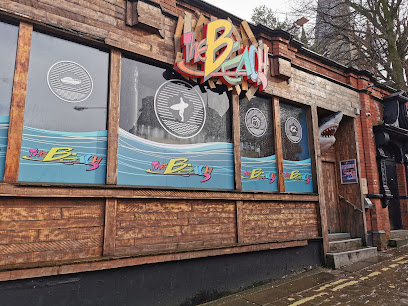
Waikiki Beach Bar
28.5 km
Experience the vibrant nightlife at Waikiki Beach Bar, Derbyshire's go-to destination for dancing, drinks, and unforgettable memories.
For the vibe & atmosphere seeker
- Adventurous
- Relaxing
- Tranquil
- Scenic
- Unique
For the design and aesthetic lover
- Rustic Designs
For the architecture buff
- Historic
- Landmarks
- Parks & Gardens
- Heritage Neighborhoods
For the view chaser and sunset hunter
- Iconic Views
- Panoramas
- Sunrise Spots
- Sunset Spots
For the social media creator & influencer
- Instagrammable
- Photo Spots
- Selfie Spots
- Aesthetic Corners
For the eco-conscious traveler
- Sustainable
- Eco-Friendly
- Low Impact
- Protected Area
- Nature Reserve
- National Park
- Car-Free Access
- Public-Transport Accessible
- Leave-No-Trace Critical
- Locally Managed
- Wildlife Habitat
For the kind of experience you’re after
- Mindfulness
- Spiritual / Energy Spot
- Myth & Legends
- Cultural Heritage
- Photowalk
- Nature Escape
- Day Trip
- Weekend Getaway
- Festival / Event Nearby
For how adventurous you want the journey to be
- Easy Access
Location Audience
- Family Friendly
- Senior Friendly
- Child Friendly
- Teen Friendly
- Wheelchair Access
- Pet Friendly
- Solo Friendly
- Couple Friendly
- Solo Female Friendly
- Vegetarian Friendly
- Vegan Friendly


