Mam Tor, Sheffield Travel Guide
Free Guide: Discover Mam Tor, the iconic 'Mother Hill' of the Peak District, offering ancient history, dramatic landslips, and panoramic views over Hope Valley.


A brief summary of Mam Tor
Discover Mam Tor, the iconic 'Mother Hill' of the Peak District, offering ancient history, dramatic landslips, and panoramic views over Hope Valley.
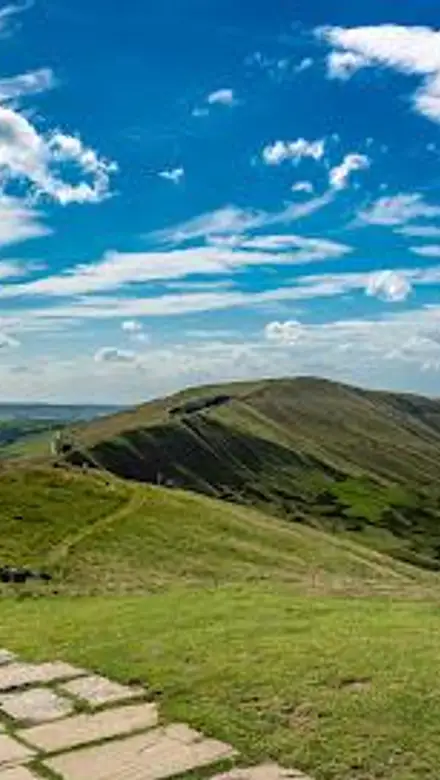
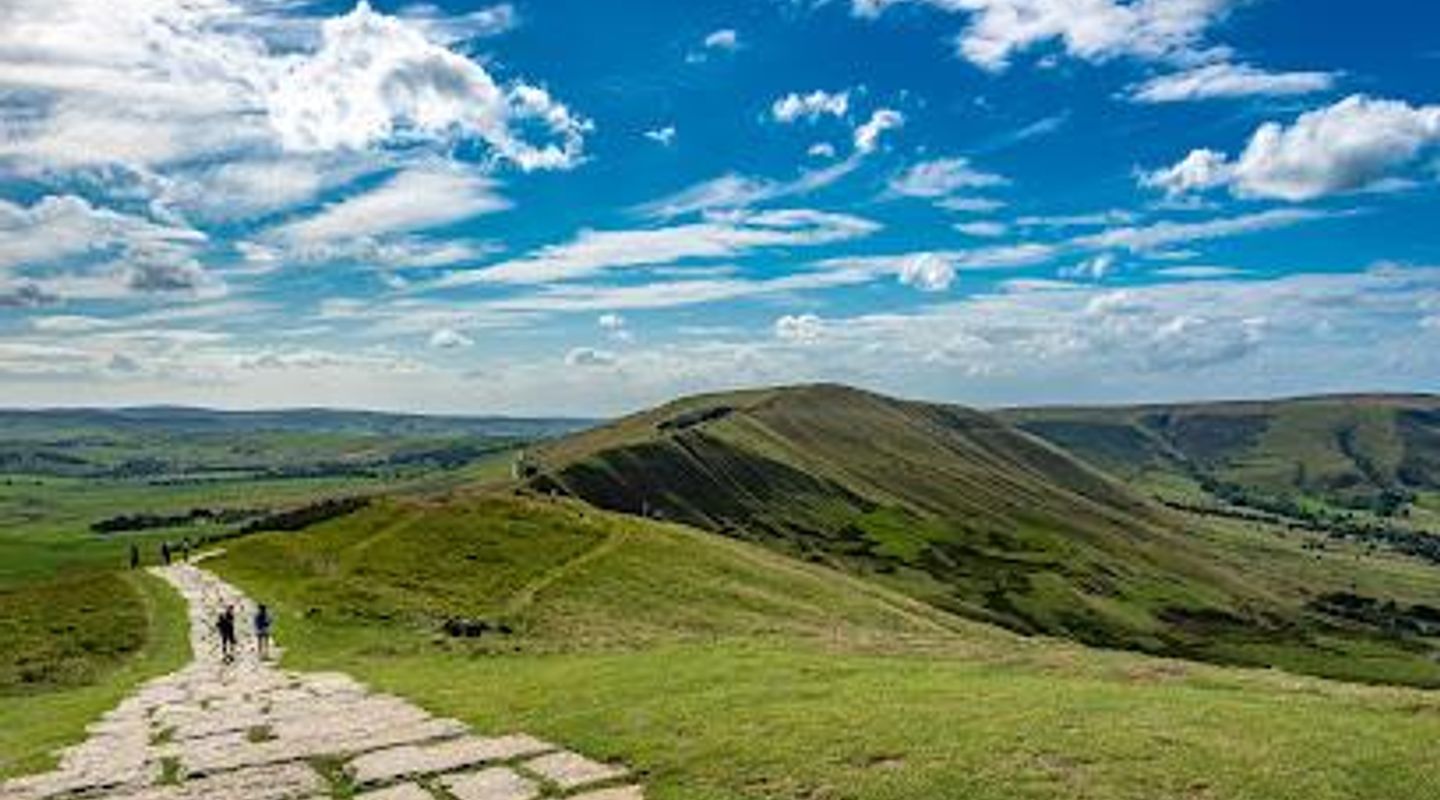
Mam Tor is a striking 517-meter hill near Castleton in the High Peak of Derbyshire, England, known as the 'Mother Hill' due to its frequent landslips creating a unique landscape. It offers panoramic views over Hope Valley and Edale, crowned by ancient Bronze and Iron Age hill forts. The hill is a gateway to the famous Great Ridge walk, surrounded by dramatic geology and historic caves, making it a must-visit landmark in the Peak District National Park.
On-site amenities
 Restrooms
 Drink options
 Food options
 Seating areas
 Information boards
 Visitor centre
- Address
- Hope Valley S33 8WA
Getting there
Train and Walk
Car Access
Bus and Hike
Discover more about Mam Tor
A Geological and Historical Marvel
Mam Tor, standing at 517 meters (1,696 feet), is a prominent hill near Castleton in Derbyshire’s High Peak. Its name, meaning 'Mother Hill,' reflects its dynamic landscape shaped by frequent landslips on its eastern face. These movements have formed numerous smaller hills beneath it, earning Mam Tor the nickname 'Shivering Mountain.' The unstable shale layers beneath cause these slips, which famously led to the closure of the A625 road in 1979, now known as the 'Broken Road,' a visible testament to the hill’s restless nature.The summit is rich in archaeological significance, featuring a late Bronze Age and early Iron Age univallate hill fort, one of the earliest and largest in Britain, covering around 16 acres. Nearby, two Bronze Age bowl barrows add to the historical landscape. Excavations have revealed an Iron Age village with over a hundred timber roundhouses, showcasing ancient human settlement and activity on the hill.
Scenic Vistas and Natural Beauty
From the summit, visitors are rewarded with breathtaking 360-degree views. To the south lies the picturesque Hope Valley, while to the north, the Edale Valley stretches out towards Kinder Scout and the Derwent Moors. On clear days, distant cities such as Manchester and Sheffield can be glimpsed on the horizon. The hill’s position on the boundary between the gritstone edges of the Dark Peak and the limestone plateaux of the White Peak offers a striking contrast in geological features.The Great Ridge, extending roughly 3 kilometers from Mam Tor to Lose Hill, is a celebrated ridge walk that provides continuously stunning panoramas of the surrounding valleys and tors like Hollins Cross and Back Tor. The well-paved path along the ridge helps preserve the landscape from erosion despite heavy foot traffic, making it accessible for many walkers.
Geological Wonders and Nearby Attractions
Mam Tor’s geology is complemented by nearby natural wonders such as Winnats Pass, a dramatic limestone gorge favored by photographers for its towering cliffs and narrow winding road. At the base of Mam Tor lie several famous show caves, including Blue John Cavern, Speedwell Cavern, Peak Cavern, and Treak Cliff Cavern, where minerals like lead and the rare Blue John stone were historically mined.The 'Broken Road' beneath Mam Tor, closed due to landslides, is itself a point of interest, illustrating the ongoing geological activity. Layers of tarmac and gravel up to two meters thick reveal the extensive efforts to maintain this route before its abandonment.
Walking and Outdoor Experience
Despite its height, Mam Tor is considered a relatively easy climb, especially from the National Trust car park at Mam Nick, where a well-paved path leads to the summit. The popular Mam Tor Circular Walk spans about 5 kilometers and typically takes around two hours, offering a moderate challenge with rewarding views.The Great Ridge walk from Mam Tor to Lose Hill is a highlight for hikers, featuring varied terrain and spectacular scenery. Hollins Cross, a key junction on the ridge, has historical significance as part of the traditional coffin route between Edale and Hope.
Cultural and Natural Heritage
Mam Tor embodies a rich cultural heritage with its ancient hill forts and Iron Age village remains, set within the stunning natural environment of the Peak District National Park. It serves as a link between the Dark Peak’s gritstone and the White Peak’s limestone, symbolizing the geological diversity of the region.Visitors can immerse themselves in the landscape’s stories, from prehistoric settlements to the enduring geological processes shaping the hill. The area’s caves, ridges, and valleys offer diverse experiences for nature lovers, history enthusiasts, and photographers alike.
Photographic and Seasonal Highlights
The summit of Mam Tor often rises above the cloud line, providing spectacular views above mist and cloud inversions common in the Hope Valley. Photographers prize the location for its panoramic vistas, especially during sunrise and sunset, and for capturing the dramatic interplay of light and shadow across the ridges and valleys.Seasonal changes bring varied atmospheres, from lush green summers to snow-dusted winters, each enhancing the hill’s visual appeal. The well-maintained paths and nearby amenities encourage visitors year-round, with the landscape offering unique moods and photographic opportunities in all seasons.
Evendo Review Centre
 Google
Guest reviews
Best time to go
Quietest: Jan, Feb & Dec · before 6am
Busy times are Evendo estimates for a typical year, to help you plan. Actual crowds vary with events, school holidays and the weather.
Explore Mam Tor on the map
A handpicked selection of must-see spots near Mam Tor, mapped for you.
Get your free copy of our complete guide to Mam Tor, delivered straight to you.
Everything on this page, from opening hours and how to get there to Eve’s tips and the best time to go, in one PDF you can read offline, print or share.
Already have an account? Sign in
Your Mam Tor guide is ready.
We'll send it to · Not you? Sign out

Getting your guide ready…
We are putting together a fresh copy of the Mam Tor guide. This can take up to a minute.
This can take a few moments. If your browser asks, choose Allow so the download can start. You'll find the guide in your Downloads folder.
Nothing happened? Download it again
Sorry, the guide is taking longer than usual. Please try again in a minute, or get it by email instead.
Unlock the best of Mam Tor
Skip-the-line tickets, guided tours with entry, and walking tours of the area, booked in a few clicks.


Other nearby places you may find interesting
The closest places of the same kind, if this one is not quite what you had in mind.
-
-
-
-
-


Swipe for more places
More to explore near Mam Tor

 Best experiences near Mam Tor
 Best hotels near Mam Tor
 Best landmarks near Mam Tor
 Best attractions near Mam Tor
 Best shops near Mam Tor
 Best restaurants near Mam Tor
 Best bars near Mam Tor
Do you manage this location?
Take control to get all the benefits, like improved information, better appearance, and stronger visibility across AI-powered discovery.
Explore more

Explore more of Sheffield
Discover Sheffield: A dynamic city where industrial heritage meets abundant green spaces, thriving culture, and culinary delights in the heart of the UK.
Explore Sheffield
Explore more of United Kingdom
Discover the United Kingdom: A blend of rich history, stunning landscapes, and vibrant cities, offering a unique travel experience for every visitor.
Explore United Kingdom