
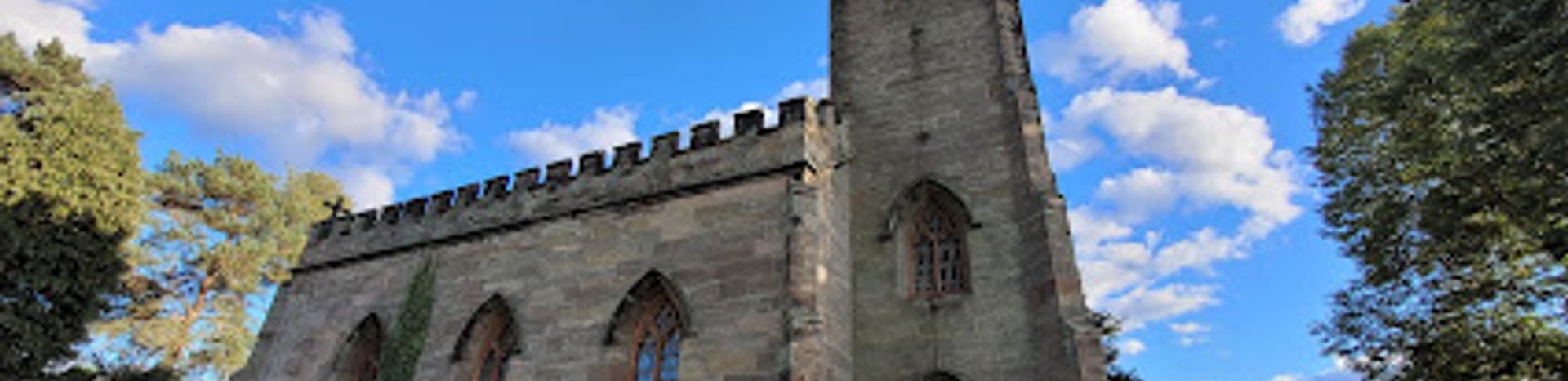
Calke Abbey
A deliberately preserved country estate where elegant decay reveals the authentic story of a collecting family's decline.
Calke Abbey is a National Trust property near Derby that showcases the dramatic decline of a grand country estate through its deliberately preserved state of elegant decay. The house contains one of the largest natural history collections in the National Trust, with stuffed animals, rare textiles, and everyday objects collected by the Harpur-Crewe family. The walled gardens burst with seasonal colour, while the parkland features woodland walks, a National Nature Reserve, and heritage buildings including a domed orangery and rare auricula theatre. Perfect for those seeking authentic history over polished perfection.
A brief summary to National Trust - Calke Abbey
- Derby, Ticknall, DE73 7JF, GB
- +441332863822
- Visit website
- Duration: 2 to 5 hours
- Mid ranged
-
 Mixed
Mixed
- Mobile reception: 4 out of 5
- Monday 8 am-6 pm
- Tuesday 8 am-6 pm
- Wednesday 8 am-6 pm
- Thursday 8 am-6 pm
- Friday 8 am-6 pm
- Saturday 8 am-6 pm
- Sunday 8 am-6 pm
Local tips
- Arrive early to avoid waiting times for house entry, particularly on busy days. Last entry to the house is 4pm, so plan accordingly if you wish to explore the interior thoroughly.
- Book a guided walk with staff to access restricted areas of the grounds and gain deeper insight into the estate's history and collections—visitors consistently report this significantly enhances their experience.
- Wear warm clothing if visiting during winter evening events, as the Pleasure Grounds light trail and festive celebrations run into the evening with outdoor elements.
- Bring a camera or smartphone—the contrast between grand rooms and abandoned spaces, combined with the natural history displays, creates compelling photographic opportunities throughout the property.
- Explore Calke Explore for natural play areas, walking trails, and cycle hire, which provide easy access to the Limeyards, wetlands, and parkland beyond the main house and gardens.

For the on-the-go comforts that matter to you
- Restrooms
- Drink Options
- Drinking Water
- Food Options
- Lockers
- Seating Areas
- Sheltered Areas
- Picnic Areas
- Trash Bins
- Information Boards
- Visitor Center
Getting There
-
Car from Derby City Centre
Drive approximately 12 miles south from Derby city centre via the A514 and A511 towards Ticknall, following National Trust signage. Journey time is typically 25–35 minutes depending on traffic. Car parking is available at the main site with designated accessible spaces; parking charges apply. The entrance gates are open 9am–6pm daily.
-
Public Transport from Derby Station
Take a bus service from Derby city centre towards Ticknall (services vary seasonally; journey approximately 45–60 minutes). Alternatively, combine train travel to nearby stations with local bus connections. Services are less frequent on weekends and evenings. Confirm current timetables before travelling, as rural bus services may have limited frequency.
-
Cycling from Ticknall Village
Calke Abbey is accessible via cycle routes from Ticknall village, approximately 2 miles away. The National Forest cycle network connects to the property. Cycle racks are available at the site. This option works well for those staying locally or combining visits with other National Forest attractions.
-
Guided Tour Operators
Several local tour operators offer guided visits to Calke Abbey as part of Peak District or Derbyshire heritage tours, typically departing from Derby or nearby towns. These tours usually include transport, admission, and expert commentary. Prices vary but typically range from £35–£60 per person depending on the operator and tour length.
National Trust - Calke Abbey location weather suitability
-
 Any Weather
-
 Clear Skies
-
 Mild Temperatures
Discover more about National Trust - Calke Abbey
A House Frozen in Time: The Story of Decline and Preservation
Calke Abbey tells an extraordinary tale of a grand country estate in decline, deliberately preserved rather than restored to its former glory. When the National Trust took over in 1985, they made the radical decision to maintain the house as they found it—with peeling paintwork, abandoned rooms, and objects left exactly where they were discovered. This unconventional approach creates a haunting atmosphere that reveals far more about the reality of historic houses than any polished stately home could. The Harpur-Crewe family, who lived here for generations, were passionate collectors who never discarded anything, no matter how humble or broken. Walking through the rooms, you encounter this philosophy made tangible: old lamps, kitchen tools, children's toys, and broken chairs sit alongside grand furnishings and priceless artworks, creating a fascinating contrast between aspiration and everyday life.One of Britain's Most Remarkable Collections
Calke Abbey houses one of the largest natural history collections in the National Trust, a testament to the family's Victorian passion for collecting specimens from around the world. Stuffed birds, mammals, fish, and reptiles populate nearly every room, creating an almost cabinet-of-curiosities atmosphere. Among the most remarkable treasures is a collection of Chinese silk hangings—the State Bed hangings—discovered perfectly preserved inside a chest, thought never to have been used. These exquisite embroidered textiles represent a moment frozen in time, a glimpse into the refined tastes and international connections of the family. The collection extends far beyond natural history; you'll find art, furniture, and decorative objects that reveal the varied interests and considerable wealth of the Harpur-Crewe family across centuries. What makes this collection truly special is that it represents only half of the original accumulation—much was sold to meet death duties, yet what remains is still staggering in scope and diversity.Gardens and Grounds: From Formal Beauty to Wild Escape
The walled garden at Calke Abbey bursts with seasonal colour and produce, maintained as a working garden that continues the traditions of centuries past. A domed orangery, faded glasshouses, and a gardener's bothy echo the estate's horticultural heritage, while the rare auricula theatre—a specialist structure for displaying prized flowers—hints at the former fortunes and refined interests of the family. Beyond the formal gardens, the pleasure grounds offer peaceful strolls through woodland and parkland, where you can discover hidden features including a grotto and ice house. The estate encompasses a National Nature Reserve within Calke Park, protecting ancient and fragile habitats that support diverse wildlife. Ancient trees, woodland, ponds, and meadows create a landscape that feels both cultivated and wild, offering visitors multiple ways to experience the property—from formal garden exploration to woodland wandering.Exploring the Working Estate: Stables and Outbuildings
The stableyards and outbuildings at Calke Abbey tell the story of a once self-supporting estate with a family passion for horse racing. These spaces feature overgrown courtyards and peeling paintwork that speak to the decline of the estate's working functions. Rather than being hidden away, these areas are preserved as part of the visitor experience, allowing you to understand how such grand houses operated. The stables, with their deteriorating structures and atmospheric spaces, offer insight into the practical side of estate life that is often overlooked in heritage properties. During the festive season, the Riding School transforms into a hub of activity with Christmas markets and seasonal celebrations, demonstrating how these historic spaces continue to serve the community.Seasonal Transformations and Special Events
Calke Abbey transforms throughout the year, with the walled gardens providing colour and interest in every season. Winter brings a spectacular Christmas celebration, with the house decorated with festive displays featuring colourful feathers, antlers on Christmas trees, and twinkling lights. The Pleasure Grounds sparkle with festive illuminations during evening hours, creating a magical atmosphere. Beyond Christmas, the property hosts various events and tours that deepen understanding of the collections and history. Guided walks with knowledgeable staff provide access to areas otherwise restricted, adding another dimension to visits. The property's calendar reflects its commitment to bringing history alive while maintaining the integrity of its unique preservation philosophy.Accessibility and Visitor Facilities
Calke Abbey is committed to welcoming visitors of all abilities. Designated accessible parking is available at the main site, and a buggy service operates from the ticket office to transport visitors between the house and gardens. Tramper mobility scooters are available to hire with advance booking. Paths around the grounds are primarily compacted gravel with some grass paths and sloping terrain; accessible routes reach the gardens, ground floor of the house, and facilities around the restaurant and shop. Accessible toilets are positioned near visitor reception, in the gardens, and at Calke Explore. The property provides wheelchairs and personal mobility vehicles for borrowing, and staff are available to discuss the most up-to-date accessibility information on arrival. Free lockers are available in the Entrance Hall for bag storage, protecting the historic interiors while ensuring visitors can explore comfortably.Iconic landmarks you can’t miss

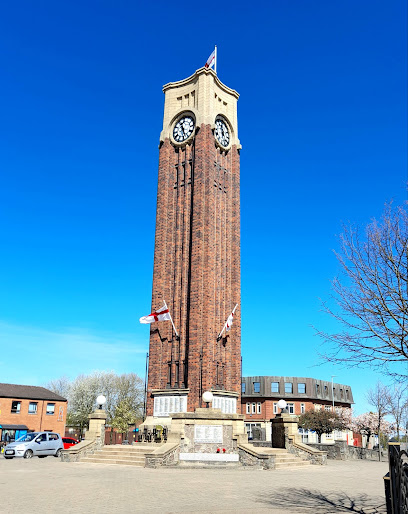
Memorial Clock Tower
9.9 km
A towering Gothic-revival memorial in Coalville honoring 354 fallen WWI soldiers with a commanding clock and rich community history.
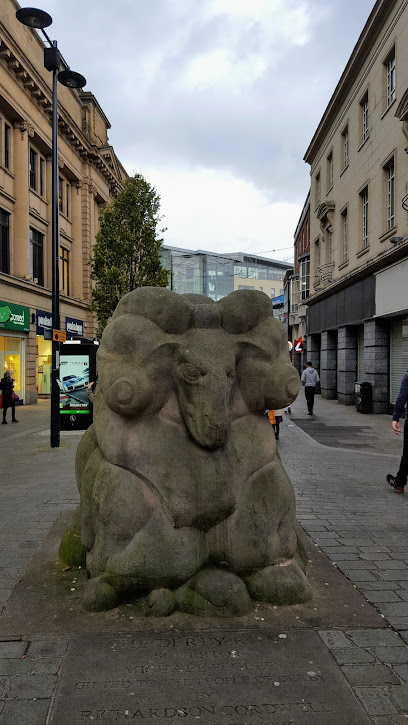
The Derby Ram Statue
13.6 km
Discover Derby’s iconic ram statue, a vibrant symbol of local legend, heritage, and community pride in the heart of the city.
The Hemlock Stone
22.5 km
Towering sandstone sentinel amid Nottinghamshire woods, blending ancient geology, whispered legends, and sweeping valley views for an effortless nature immersion.
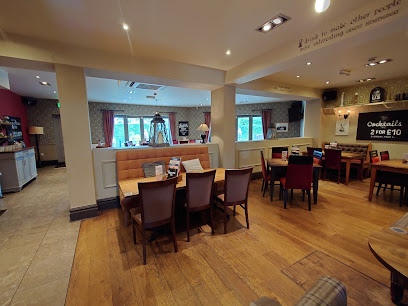
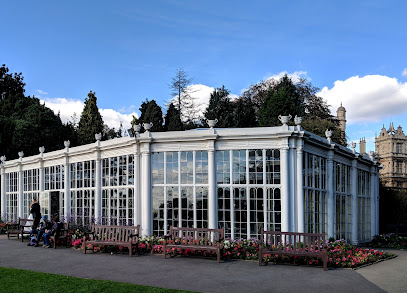
Camellia House
23.3 km
Explore the historical beauty of Camellia House in Nottingham, a landmark showcasing exquisite architecture and serene gardens.
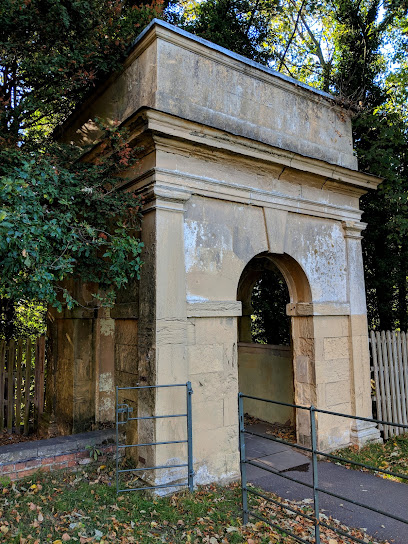
Gazebo
23.3 km
A serene early 19th-century stone pavilion nestled in Wollaton Park, blending heritage charm with tranquil garden beauty.
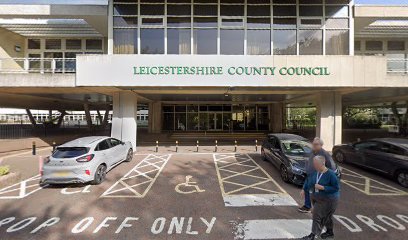
Museum Development East Midlands
24.1 km
Supporting East Midlands museums with expert guidance, grants, and training from County Hall, Leicester.
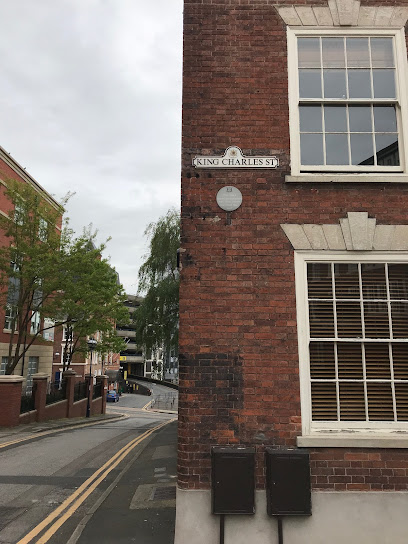
King Charles I Standard Hill Monument
26.2 km
Historic site where King Charles I raised his standard in 1642, igniting the English Civil War and shaping Nottingham’s rich heritage.
Statue of Captain Albert Ball
26.3 km
A striking bronze tribute in Nottingham Castle Gardens honoring WWI flying ace Captain Albert Ball’s valor and legacy.
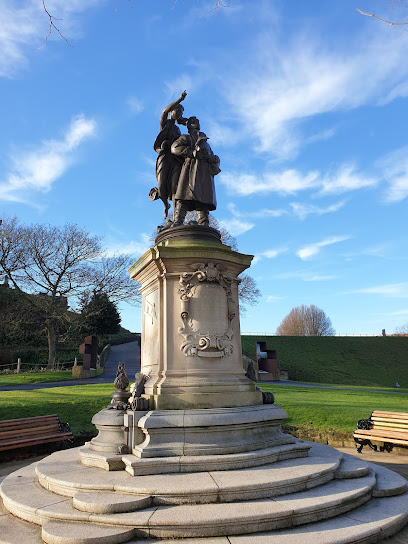
Robin Hood Statue
26.3 km
Explore Nottingham's rich heritage at the Robin Hood Statue, a captivating monument celebrating the legendary outlaw and his enduring legacy.
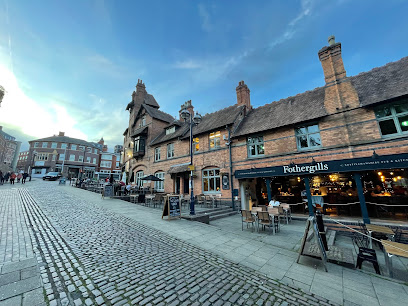
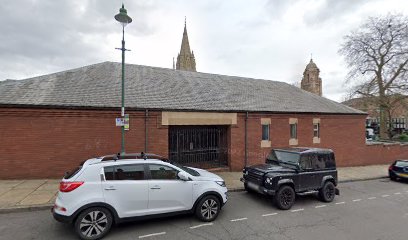
Cathedral Hall
26.4 km
Pugin's masterpiece: England's grandest post-Reformation Catholic cathedral, where Gothic Revival vision endures.
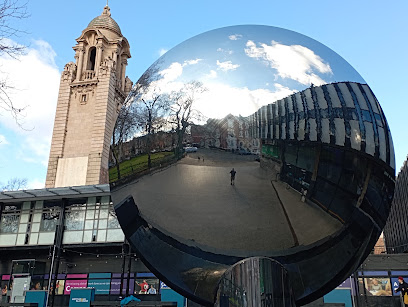
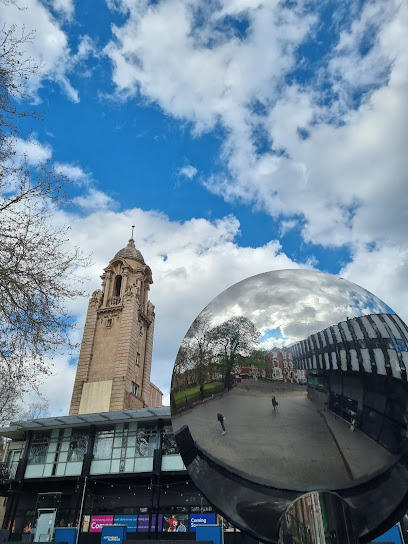
Public Art - Sky Mirror
26.4 km
Explore the Sky Mirror in Nottingham, a stunning public sculpture that reflects the beauty of the sky and the creativity of art in an urban setting.
Old Trent Bridge
26.4 km
A historic river crossing in Nottingham blending medieval origins with Victorian engineering and enduring local heritage.
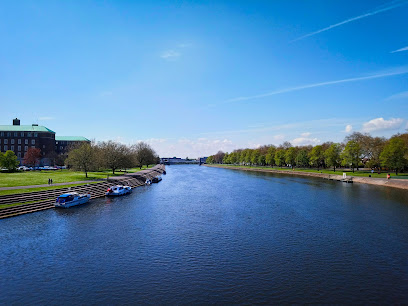
Nottingham Playhouse
26.4 km
Discover the magic of theater at Nottingham Playhouse, where captivating performances and artistic innovation come together in a stunning venue.
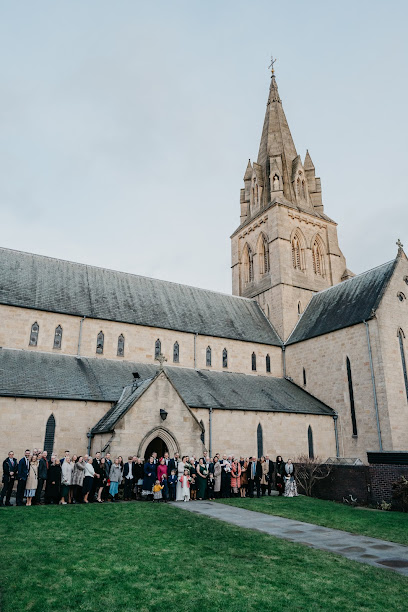
St Barnabas Cathedral Nottingham
26.4 km
A Gothic Revival masterpiece in the heart of Nottingham, home to centuries of Catholic worship and Pugin’s architectural vision.
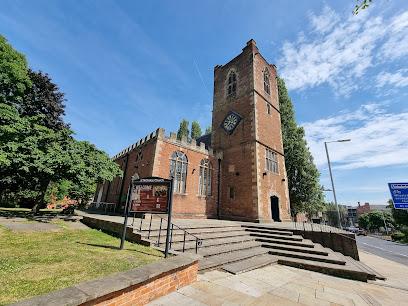
St Nic's Church
26.4 km
Medieval survivor rebuilt from Civil War ashes, standing as Nottingham's testament to faith and resilience.
Unmissable attractions to see

Calke Explore
1.0 km
Explore ancient woodlands, accessible trails, and natural play areas at Calke Explore, the perfect outdoor adventure base within Calke Abbey’s historic estate.
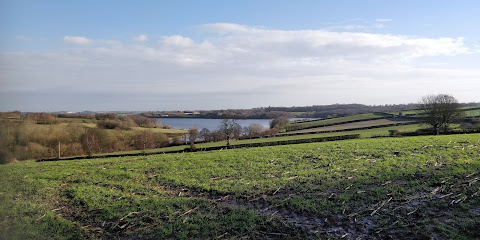
Ashby de la Zouch Castle
6.0 km
Explore the evocative medieval ruins and literary heritage of Ashby de la Zouch Castle, crowned by its iconic Hastings Tower and underground passage.

Grace Dieu Priory
7.9 km
Explore the peaceful 13th-century ruins of Grace Dieu Priory, a secluded Augustinian nunnery in the Leicestershire countryside, now a quiet haven of history and nature.
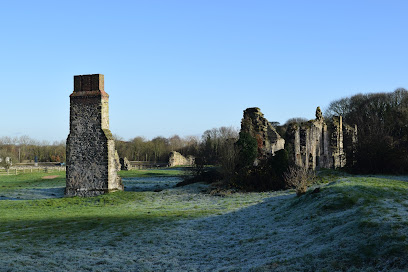
East Midlands Aeropark
8.1 km
Explore historic aircraft and watch modern airliners take off at East Midlands Aeropark, a unique aviation museum and viewing spot near Castle Donington.

Alvaston Park
11.8 km
A scenic riverside park in Derby with inclusive playgrounds, BMX tracks, sports courts, and vibrant community events for all ages.
Coopers Square
11.8 km
A central shopping hub in Burton-on-Trent offering diverse stores, casual dining, and a welcoming atmosphere for all visitors.
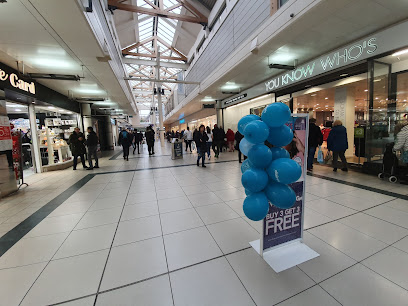
Derbion
13.3 km
Derbion: Derby’s vibrant heart for shopping, dining, entertainment, and culture under one roof.

Derbion shopping centre
13.7 km
Derbion Shopping Centre: Over 200 shops, vibrant dining, and entertainment in the heart of Derby city centre.
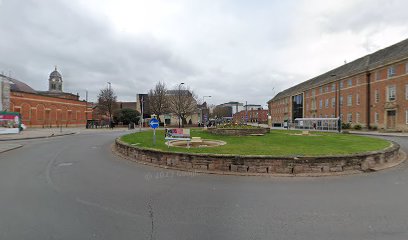
Cathedral Quarter Derby
13.7 km
Derby’s historic heart: cobbled lanes, Victorian arcades, independent boutiques, cafés and culture around the cathedral.
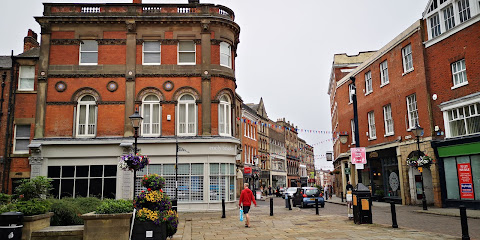
Derby Museum & Art Gallery
13.8 km
Free world-class art and antiquities in Derby's cultural heart, anchored by the world's largest Joseph Wright collection.
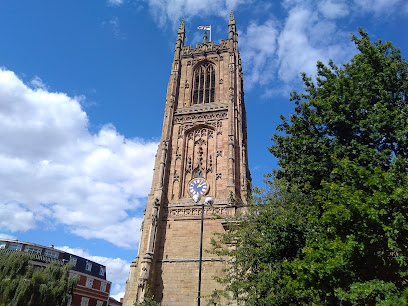
Derby Cathedral
14.0 km
Discover Derby’s historic cathedral blending Georgian elegance, rich heritage, and vibrant cultural life in the city centre.
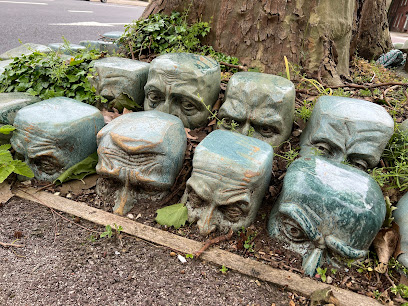
Reform Bill Heads (Friar Gate Heads)
14.0 km
Historic sculptural heads on Friar Gate commemorating Derby’s pivotal role in the 19th-century Reform Bill riots and political change.
Pickford's House
14.0 km
Discover Georgian elegance, local legends, and cultural heritage at Derby’s Pickford's House Museum, a free-entry historic gem with period rooms and unique exhibitions.
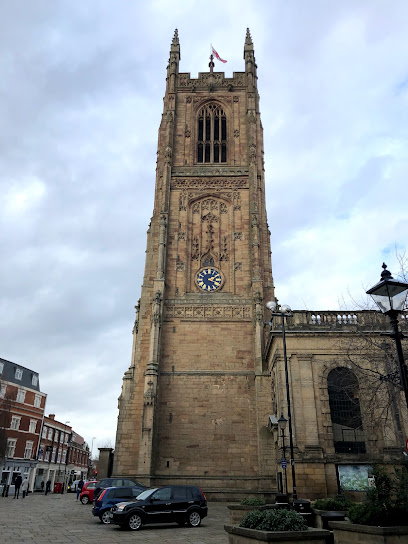
Derby Ghost Walk and Jail
14.1 km
An 18th-century haunted prison where history, paranormal mystery, and immersive theatre converge in England's ghost capital.
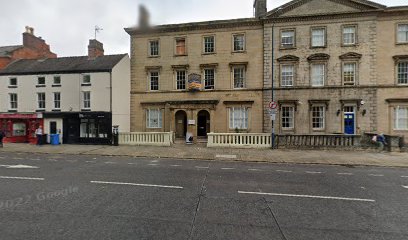
The Apple Tree Gift Shop and Teahouse
14.3 km
A charming village teahouse and gift shop in Ockbrook, blending homemade treats with unique gifts in a cozy, rustic setting.
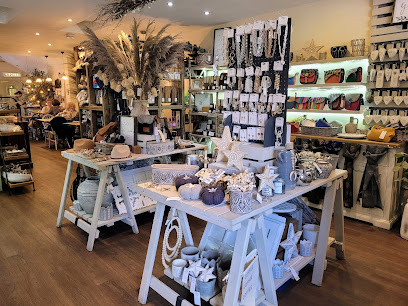
Essential places to dine

Amalfi White
3.4 km
Stylish modern European dining and elegant events venue with inclusive menus and a grand ballroom in Melbourne, Derbyshire.
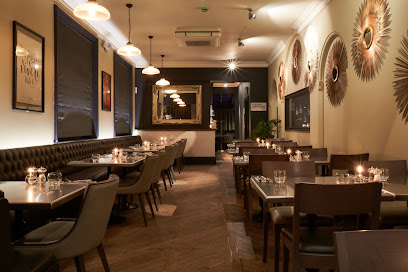
The Bulls Head Repton
7.3 km
A vibrant and quaint pub in Repton serving generous, delicious meals in a warm, historic setting with a lively atmosphere.
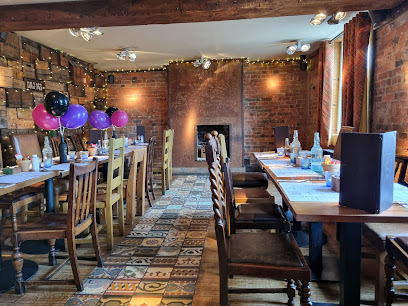
The Boot Inn
7.7 km
Historic 17th-century coaching inn in Repton offering award-winning British cuisine, boutique rooms, and a lively, welcoming atmosphere.
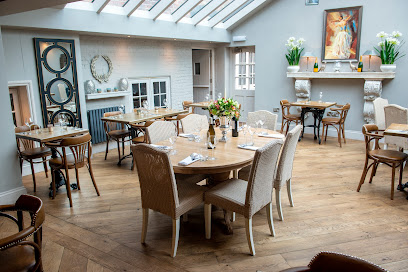
Craig Riley @ Donington Manor Hotel
9.0 km
Experience Michelin-level modern British cuisine in the historic charm of Donington Manor with Chef Craig Riley’s exceptional culinary artistry.
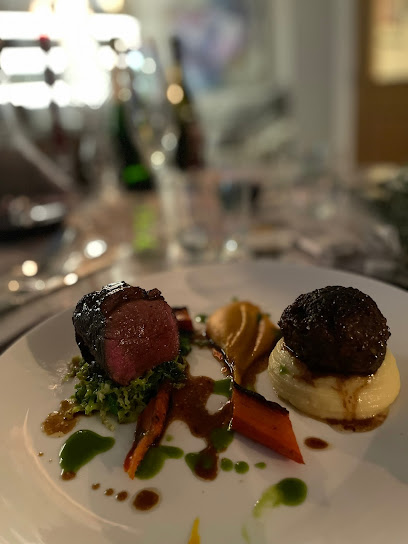
The Royal Oak
11.6 km
Charming Long Whatton gastropub with modern British cuisine, stylish rooms, and a welcoming village atmosphere near East Midlands Airport.
Carnero Lounge
13.6 km
A welcoming Derby lounge offering vibrant vegan and gluten-free dishes in a relaxed, dog-friendly setting with excellent coffee and friendly service.
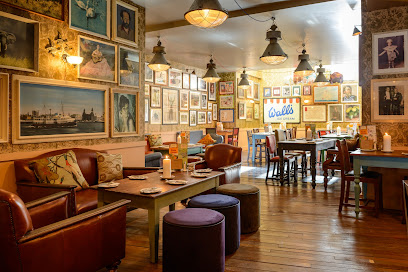
Emily's Steakhouse
13.6 km
Cozy British steakhouse in Derby offering expertly cooked steaks with classic sides and friendly service in a relaxed setting.
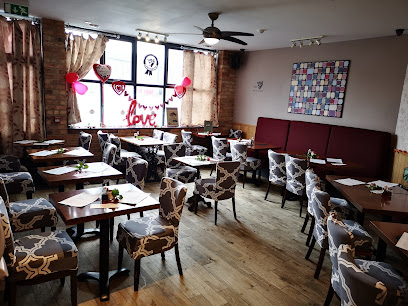
The Dining Room
13.8 km
An intimate Derby restaurant serving exquisite, locally sourced British dishes with warm, attentive service in a cozy setting.
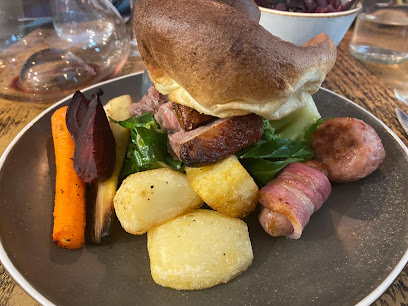
Clock Bistro
14.0 km
A cozy bistro in Spondon blending English, Italian, and Mediterranean flavors with friendly service and a welcoming atmosphere.
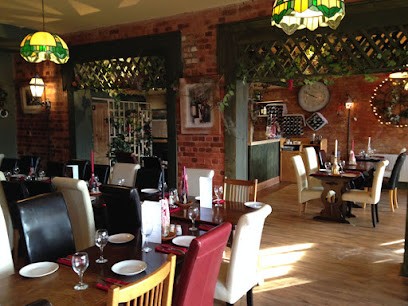
Darleys Restaurant & Terrace
16.0 km
Contemporary British dining with scenic river views in a historic mill setting at Darley Abbey, Derby.
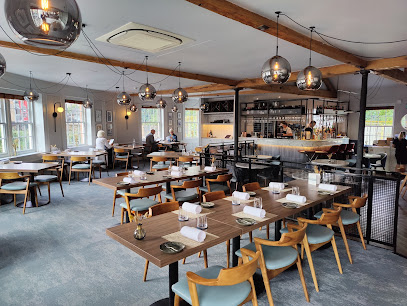
La Rock Restaurant
17.8 km
Experience refined Modern European cuisine with impeccable service in the warm, elegant setting of La Rock Restaurant, Sandiacre’s fine dining jewel.
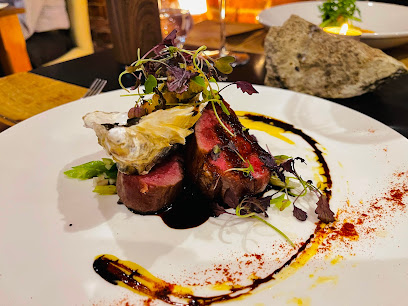
Dovecote Restaurant
19.8 km
Elegant countryside dining with seasonal British cuisine and serene views at Morley Hayes Golf Club near Ilkeston.
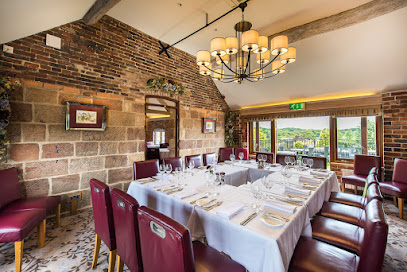
The Windmill Inn
21.0 km
Historic 19th-century pub in Brascote offering hearty English fare, real ales, and a warm countryside welcome.
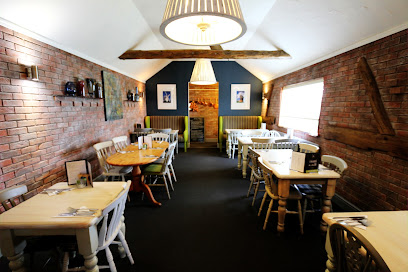
The Restaurant at Horsley
21.3 km
Elegant dining with scenic golf course views, serving British classics and steaks in a tranquil Derbyshire setting.
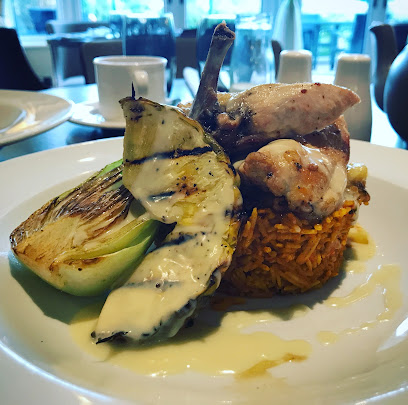
The Tasting Club Restaurant
21.8 km
An intimate tasting menu experience blending rustic charm and refined flavors in Ashbourne’s historic Buttermilk Coffee House.
Markets, malls and hidden boutiques

Typically Unique
8.5 km
Discover beautiful, realistic gifts and exceptional service at Typically Unique, a beloved shop in the historic village of Aston-on-Trent.
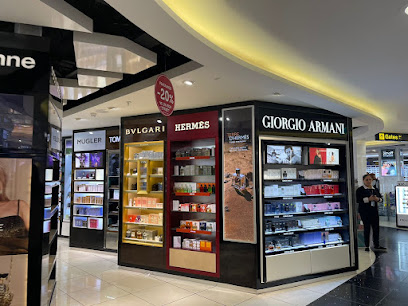
World Duty Free - East Midlands Airport
8.9 km
Shop premium beauty, fragrances, spirits, and more at East Midlands Airport’s World Duty Free with convenient Reserve & Collect service.
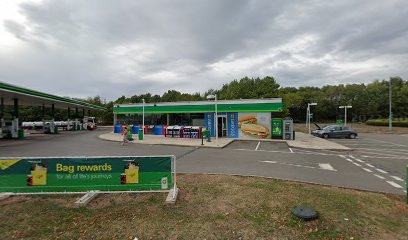
Shop
10.2 km
Discover Derby's unique shop filled with local crafts and artisanal treasures, a must-visit for every tourist.
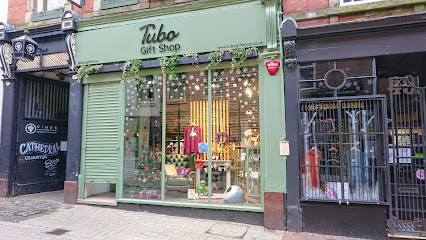
Tubo Gift Shop
13.8 km
Discover handcrafted gifts and eco-friendly treasures at Tubo Gift Shop, Derby’s award-winning indie gem in the historic Cathedral Quarter.
Park Farm Shopping Centre
16.3 km
A welcoming local shopping centre in Allestree, Derby, blending independent stores with essential services in a relaxed community setting.
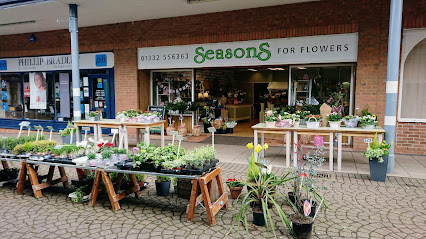
Kim's Handmade Gift Shop
16.6 km
Explore Kim's Handmade Gift Shop in Long Eaton for unique handcrafted gifts that celebrate local artistry and creativity.
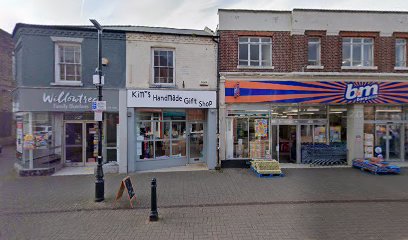
Winged Ape Vintage
16.9 km
Discover unique vintage treasures and timeless style at Winged Ape, Loughborough’s beloved family-run vintage shop since 2016.
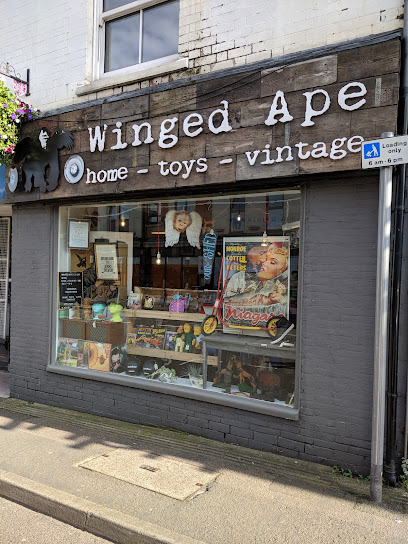
Wheelers Luxury Gifts
17.1 km
Discover exquisite personalized luxury gifts and impeccable service at Wheelers Luxury Gifts in Loughborough’s Devonshire Square.
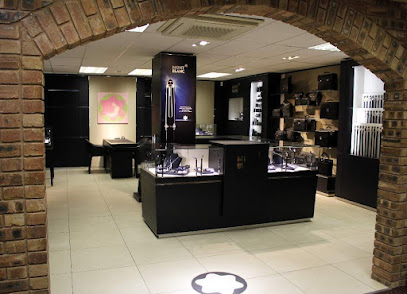
Something Different
18.5 km
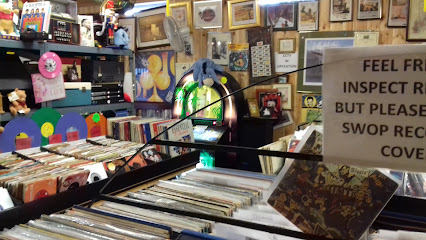
Discover vintage treasures and unique collectibles in a charming Stapleford shop filled with antiques, records, and secondhand gems.
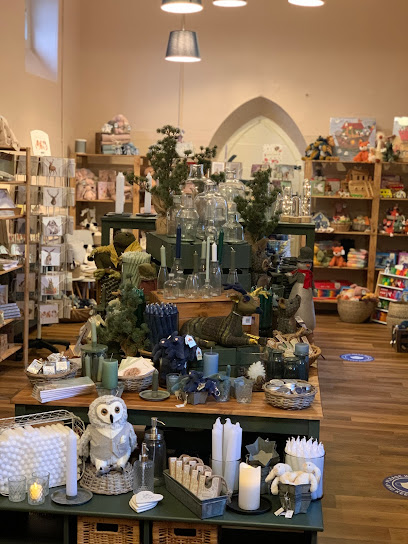
Watkinghams Gift & Homeware Store
20.1 km
Discover unique handcrafted gifts and stylish homeware in a charming village shop celebrating local artistry near Bradgate Park.
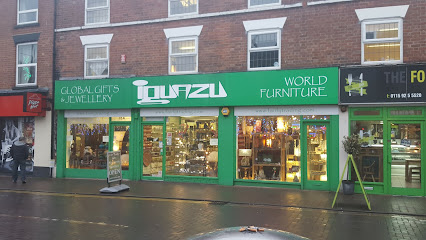
Iguazu Fair Trade Superstore
21.7 km
Discover ethically crafted furniture, gifts, and clothing at Iguazu Fair Trade Superstore in Beeston, Nottingham’s hub for sustainable shopping.
Catherine’s Exclusive Fashion
22.2 km
Discover unique fashion treasures at Catherine's Exclusive Fashion, Nottingham's premier boutique for stylish clothing and accessories.

Grocery Store & Florist
22.2 km
Explore Nottingham's local culture at this delightful grocery store and florist, perfect for unique gifts and fresh flowers.
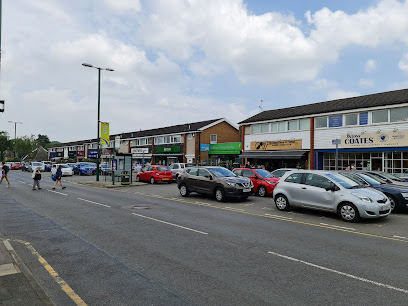
Indigo Ladieswear, Gifts & Accessories
22.2 km
Discover unique ladies' fashion, gifts, and jewelry at Indigo Ladieswear, Gifts & Accessories in Nottingham, a stylish destination for every shopper.

Aryaan Straps
22.2 km
Explore the vibrant world of fashion accessories at Aryaan Straps in Beeston, Nottingham, where style meets uniqueness in every piece.
Essential bars & hidden hideouts

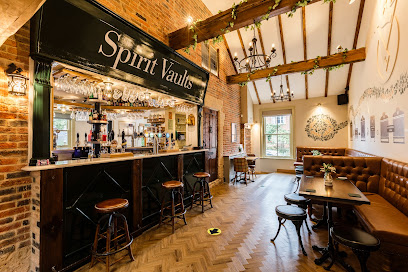
The Spirit Vaults
3.2 km
A welcoming microbrewery and pub at The Blue Bell Inn offering craft beers, hearty food, and cozy accommodation in historic Melbourne.
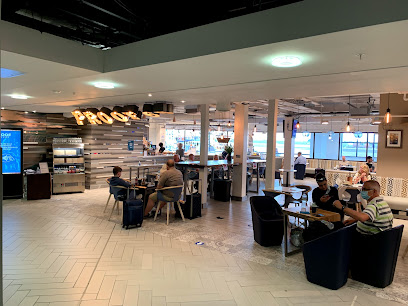
Proof 65
9.0 km
A lively bar and small-plate restaurant offering innovative flavors and relaxed vibes within East Midlands Airport.
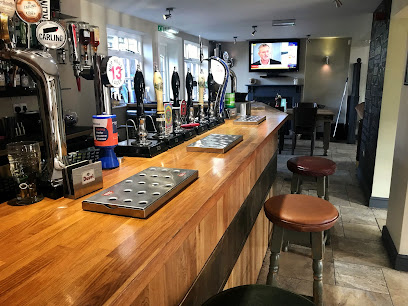
The Bell & Castle
13.1 km
A lively and welcoming Irish-style pub in Derby offering great drinks, casual dining, and a friendly community atmosphere.
The White Horse
13.6 km
A lively Derby city-centre pub famed for live music, friendly vibes, and a solid selection of ales and ciders.
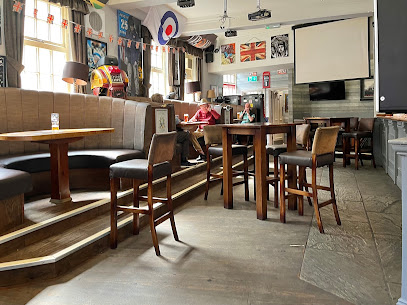
Cosy Club
13.7 km
Historic elegance and modern dining converge in Cosy Club Derby’s vibrant Royal Buildings setting.
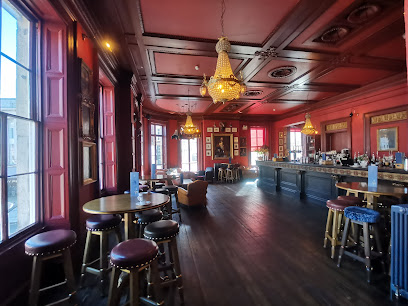
Malt Shovel
13.7 km
Historic 18th-century pub in Spondon, Derby, offering cozy rooms, home-cooked meals, and a welcoming family-friendly atmosphere.
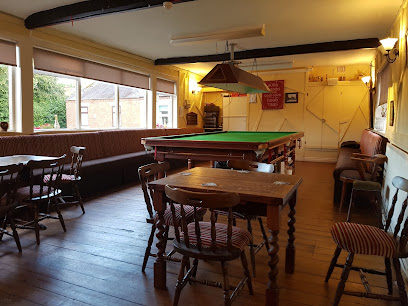
The Hideout Derby
13.8 km
A vibrant Derby pub blending gaming fun, street food, and bottomless brunch in a lively, social atmosphere.
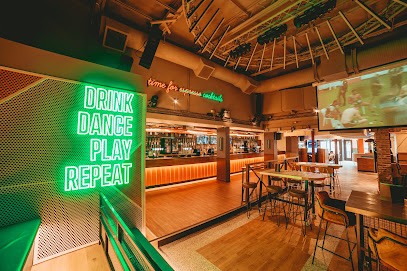
Blacksmiths Lounge
13.8 km
Lively cocktail bar and live music venue in Derby’s historic Sadler Gate, blending rustic charm with vibrant entertainment.
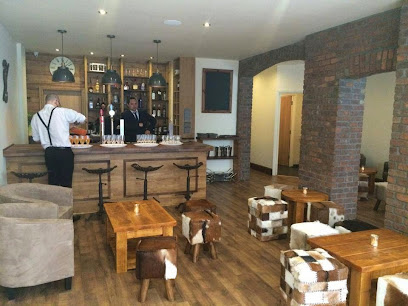
BlueNote
13.8 km
Derby’s late-night hotspot for live music and DJ-driven clubbing in the heart of the city’s vibrant nightlife scene.
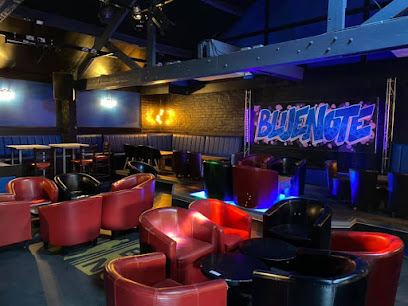
Bunk
13.8 km
Lively Derby bar specializing in chicken wings and cocktails, perfect for casual evenings and vibrant nightlife.
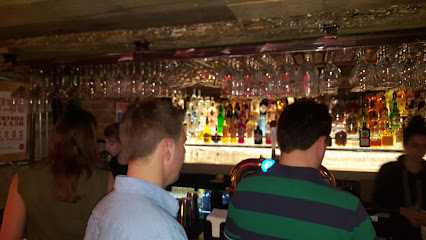
The Distillery
13.9 km
Derby’s independent bar and restaurant with the largest spirit collection, innovative menus, and a lively atmosphere in the Cathedral Quarter.
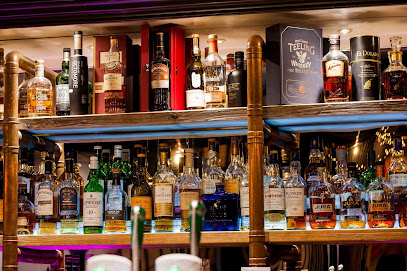
The Mixing House
13.9 km
A lively Derby cocktail bar offering creative drinks, delicious tapas, and a vibrant social atmosphere on historic Friar Gate.
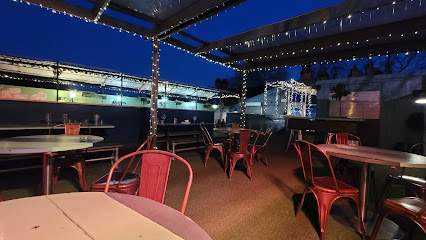
Slug & Lettuce - Derby
13.9 km
Lively cocktail bar and casual dining venue in Derby city centre, perfect for drinks, socialising, and celebrations with stylish vibes and great deals.
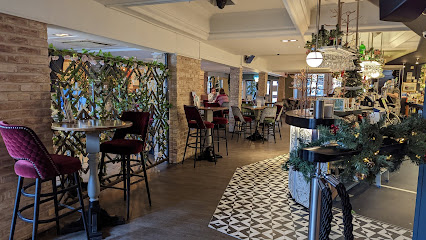
Exeter Arms
13.9 km
A cozy, traditional Derby pub offering hearty meals, excellent ales, and a warm, rustic atmosphere in the city center.
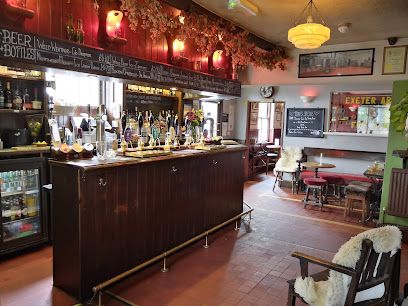
the Orange tree
13.9 km
A stylish and welcoming cocktail bar and events venue in Derby’s city centre, known for quality drinks and versatile social spaces.
Nightclubs & after hour spots

Ciros Nightclub
5.8 km
Energetic nightlife hotspot in Ashby-de-la-Zouch offering music, dancing, and a vibrant social scene in a central market town setting.
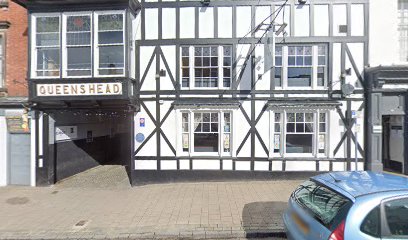
The Emporium
10.1 km
Experience Coalville’s vibrant nightlife at The Emporium, where legendary DJs and electric atmospheres create unforgettable weekends.
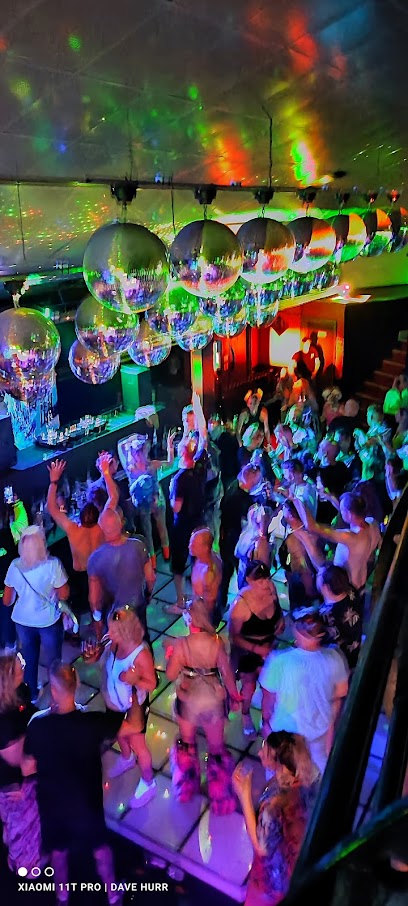
The Attic Adult Club
11.2 km
An intimate adult nightclub in Derby offering lively entertainment, friendly staff, and affordable fun in a welcoming atmosphere.
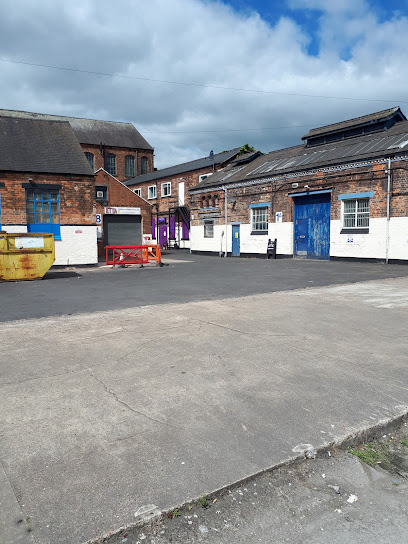
Bar Fever Derby
13.7 km
Experience Derby’s vibrant nightlife at Fever Derby, a dynamic three-floor nightclub with diverse music, lively bars, and exclusive VIP areas.
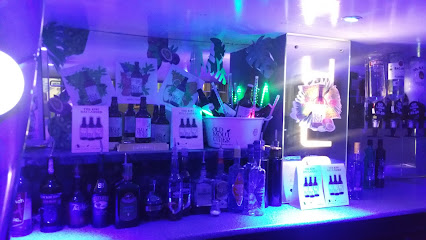
Together
13.7 km
Vibrant Afrobeat nightclub and cocktail bar in Derby’s city centre with affordable drinks and lively events.
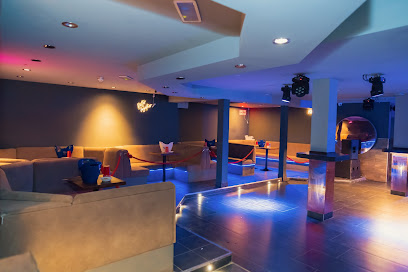
MooMoo Nightclub Derby
13.7 km
Experience Derby’s vibrant nightlife with diverse music rooms, premium booths, and affordable drinks at MooMoo Nightclub on St James's Street.
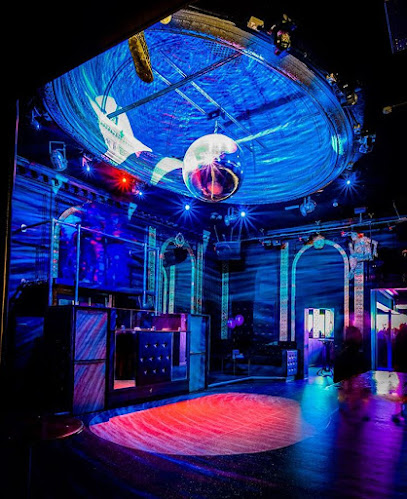
Mosh
13.9 km
Three floors of diverse music and affordable drinks make Mosh a lively, student-friendly nightclub in Derby’s city center.
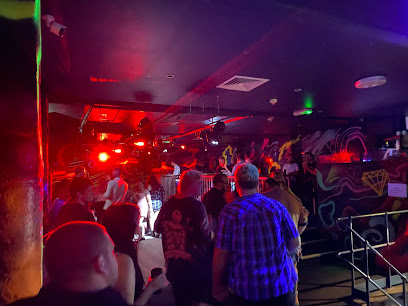
Echo's Night Club
17.0 km
Loughborough’s energetic nightclub with dual rooms, affordable drinks, and a lively student-friendly atmosphere on Biggin Street.
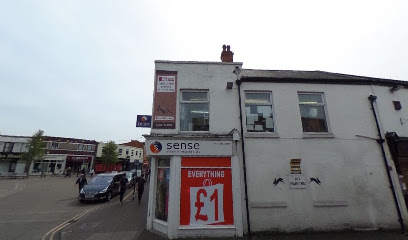
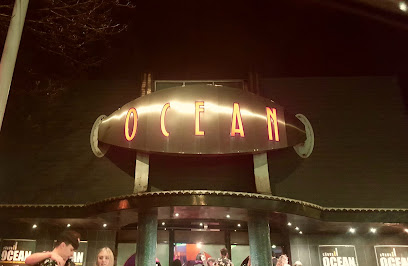
Ocean Nightclub
26.4 km
Unpretentious beats and dazzling lights fuel all-night dances at Nottingham's go-to multi-room nightclub on Greyfriar Gate.
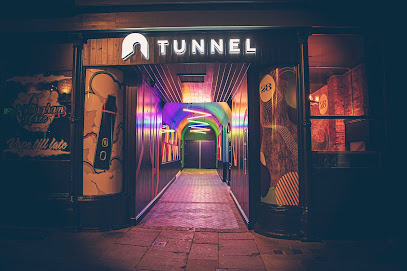
Tunnel Club
26.5 km
Loud. Intimate. Disruptive. Dive into Nottingham's raw underground beats at this city-center nightclub powerhouse.
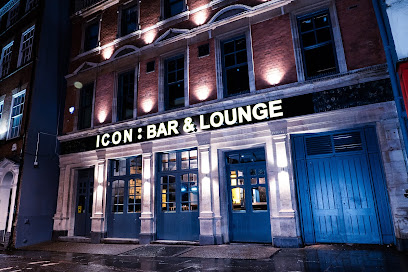
ICON
26.5 km
A compact, DJ-driven late-night club on St James’s Street — small footprint, high-energy nights and a tight city-centre atmosphere.
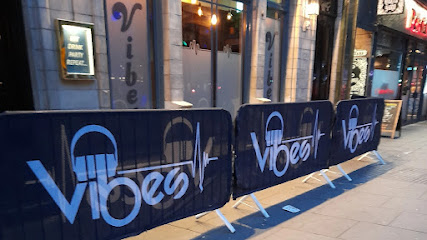
VIBES NIGHTLIFE
26.7 km
Dive into Nottingham's pulsating party hub where weekend beats, neon lights, and vibrant crowds fuel epic nights until 2am—pure vibes unleashed.
CRISIS
26.7 km
Experience Nottingham’s legendary live music and nightlife at Rock City, a vibrant venue with a rich history and dynamic club nights.
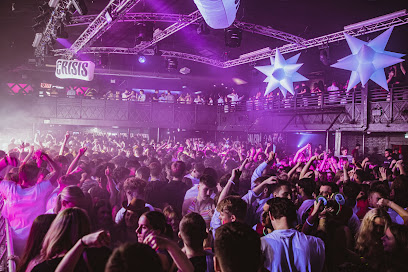
Rock City
26.7 km
Experience Nottingham’s iconic live music and nightclub venue, where legendary acts and vibrant club nights come alive in an intimate, energetic setting.
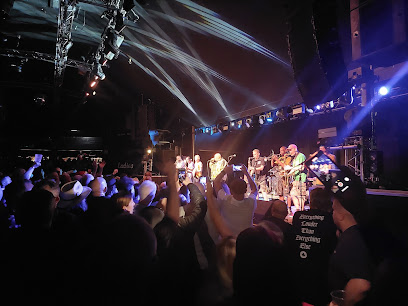
Rescue Rooms
26.7 km
Nottingham's intimate live music powerhouse: raw gigs, electric crowds, and beats till 3am in a historic nook.
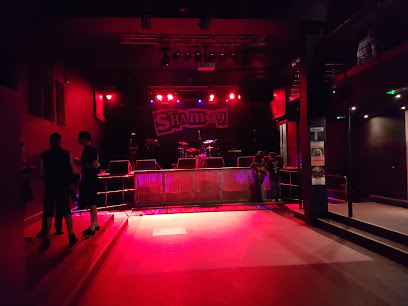
For the vibe & atmosphere seeker
- Scenic
- Unique
- Relaxing
- Adventurous
For the design and aesthetic lover
- Vintage Styles
- Rustic Designs
For the architecture buff
- Historic
- Landmarks
- Heritage Neighborhoods
- Parks & Gardens
For the view chaser and sunset hunter
- Iconic Views
- Panoramas
- Sunset Spots
For the social media creator & influencer
- Instagrammable
- Photo Spots
- Architectural Shots
For the eco-conscious traveler
- Protected Area
- Nature Reserve
- Wildlife Habitat
- Locally Managed
For the kind of experience you’re after
- Cultural Heritage
- Photowalk
- Nature Escape
- Day Trip
- Weekend Getaway
For how adventurous you want the journey to be
- Easy Access
- Requires Hike
Location Audience
- Family Friendly
- Senior Friendly
- Child Friendly
- Wheelchair Access
- Pet Friendly
- Solo Friendly
- Couple Friendly


