
Old Trent Bridge: Nottingham’s Historic River Crossing
A historic river crossing in Nottingham blending medieval origins with Victorian engineering and enduring local heritage.
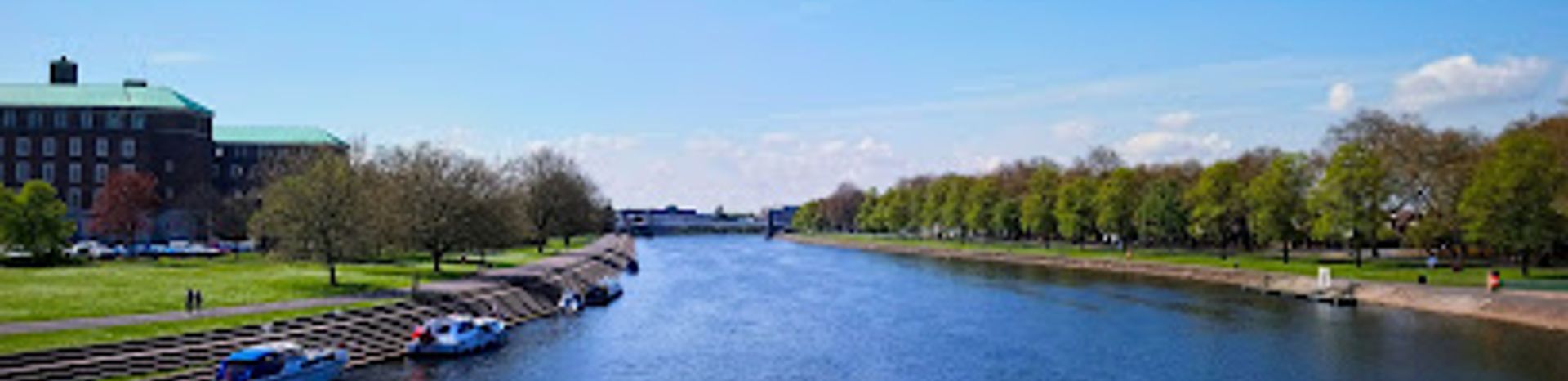
Old Trent Bridge, located in West Bridgford, Nottingham, is a historic river crossing with origins dating back to the early 10th century. The site has seen successive medieval and post-medieval bridges, evolving from timber and stone structures to the iron and stone bridge completed in 1871. Notable for its flood marks carved into the stonework and its role in Nottingham’s urban development, Old Trent Bridge remains a significant landmark reflecting centuries of engineering and local heritage.
A brief summary to Old Trent Bridge
- Nottingham, West Bridgford, GB
- +447870644487
- Visit website
- Duration: 0.5 to 1.5 hours
- Free
-
 Outdoor
- Mobile reception: 4 out of 5
Local tips
- Visit the northern abutment to see the carved flood marks that chronicle historic river levels since the mid-19th century.
- Combine your visit with a trip to the nearby Trent Bridge cricket ground, a world-renowned sports venue.
- Explore the surrounding Victoria Embankment area for scenic views and riverside walks.

For the on-the-go comforts that matter to you
- Seating Areas
- Information Boards
- Trash Bins
Getting There
-
Bus
Local bus services from Nottingham city centre to West Bridgford run frequently, with journey times of approximately 15-25 minutes. Buses stop near the bridge, but check schedules for evening and weekend frequency. Single fares cost around £2-£3 GBP.
-
Train and Walk
Nottingham Railway Station is about 3 km from Old Trent Bridge. From the station, a 30-40 minute walk along the riverside or a short taxi ride (5-10 minutes) will bring you to the bridge. Walking routes are flat and accessible.
-
Car
Driving from Nottingham city centre to Old Trent Bridge takes about 10-15 minutes depending on traffic. Limited parking is available nearby, especially on match days or weekends, so plan accordingly. Parking fees typically range from £3 to £8 GBP.
Old Trent Bridge location weather suitability
-
 Any Weather
-
 Rain / Wet Weather
-
 Clear Skies
-
 Mild Temperatures
-
 Windy Conditions
Discover more about Old Trent Bridge
Ancient Origins and Early Constructions
Old Trent Bridge’s history begins around 924 AD when Edward the Elder, son of Alfred the Great, constructed the first bridge over the River Trent at Nottingham. This initial structure, built to replace a ferry service, consisted of stone piers supporting timber beams and flooring. By the mid-12th century, around 1156, this was replaced by a more durable stone bridge featuring seventeen Gothic arches and a chapel dedicated to St. James. This medieval bridge was maintained by a religious organisation and became a vital crossing for the region.Medieval and Post-Medieval Transformations
The bridge underwent numerous repairs and reconstructions over the centuries. Several arches were rebuilt during the reign of Edward I in the late 13th and early 14th centuries. The bridge suffered significant damage during the English Civil War and from a major flood in 1683, which washed away the northern half. Subsequent repairs restored the bridge with fifteen arches spanning the river and flood plains. Despite these efforts, the foundations became unsafe by the 19th century, prompting plans for a replacement.The Victorian Era Rebuild and Engineering Marvel
The current Trent Bridge, completed in 1871, was designed by Marriott Ogle Tarbotton and constructed by Andrew Handyside. This iron and stone bridge features three main cast iron arch spans, each 100 feet long, supported by wrought iron girders. It was originally 40 feet wide and later widened to 80 feet in the 1920s. The bridge is a Grade II listed structure, notable for its Victorian engineering and decorative stone carvings by Mawer and Ingle of Leeds. It also forms part of a wider flood defence scheme along the riverbanks.Flood Marks and Historical Significance
A unique feature of Old Trent Bridge is the series of flood marks carved into its northern abutment, recording high water levels since 1852 and preserving marks from the earlier Hethbeth Bridge. The highest recorded flood mark dates from October 1875. These marks serve as a historical record of the river’s behaviour and the bridge’s resilience. The bridge estate, established by royal charter in 1551, continues to manage maintenance and supports public benefits for Nottingham.Legacy and Surrounding Heritage
Old Trent Bridge is closely linked with Nottingham’s sporting heritage, notably lending its name to the nearby Trent Bridge cricket ground, one of England’s most famous cricket venues. The bridge remains a vital transport link and a symbol of the city’s rich history, blending medieval origins with Victorian innovation. Its presence at West Bridgford marks the gateway to Nottingham from the south and connects to a vibrant urban and cultural landscape.Architectural and Cultural Context
The bridge’s design reflects Victorian aesthetics and engineering prowess, combining functional ironwork with ornamental stone details. It stands as a testament to the evolution of bridge-building technology over a millennium. The surrounding area includes historic parks, sports venues, and urban developments that highlight Nottingham’s growth while preserving its heritage landmarks.Iconic landmarks you can’t miss

Old Trent Bridge
0.0 km
A historic river crossing in Nottingham blending medieval origins with Victorian engineering and enduring local heritage.
Weekday Cross Monument
1.7 km
Historic heart of Nottingham’s medieval market life, commemorating centuries of trade and community gatherings in the Lace Market district.
St Nic's Church
1.8 km
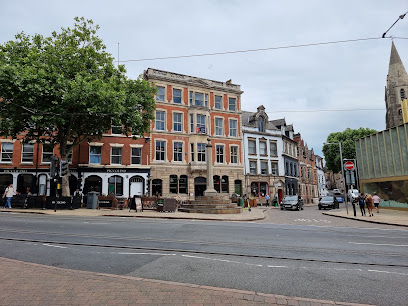
Medieval survivor rebuilt from Civil War ashes, standing as Nottingham's testament to faith and resilience.
16 Stoney Street
1.8 km
Discover 16 Stoney Street, a preserved Victorian lace warehouse in Nottingham’s historic Lace Market, echoing the city’s rich industrial heritage.
Citylife UK
1.8 km
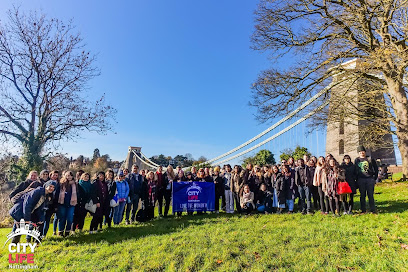
Explore Nottingham with Citylife UK, your trusted travel agency for personalized experiences and local insights.
Bunkers Hill
1.8 km
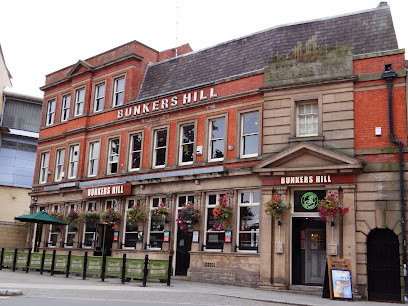
Discover Bunkers Hill, Nottingham's lively pub and restaurant, offering local flavors and a welcoming atmosphere in the heart of the city.
Statue of Captain Albert Ball
1.9 km
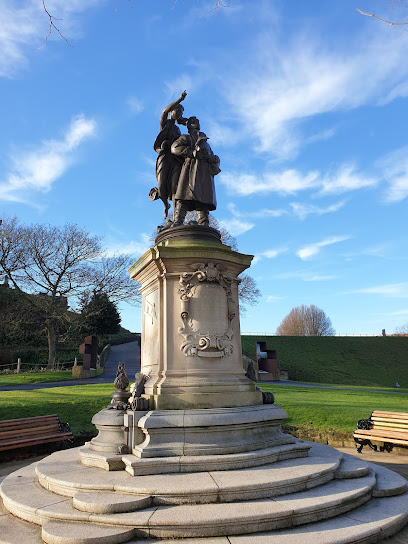
A striking bronze tribute in Nottingham Castle Gardens honoring WWI flying ace Captain Albert Ball’s valor and legacy.
The Tokenhouse
1.9 km
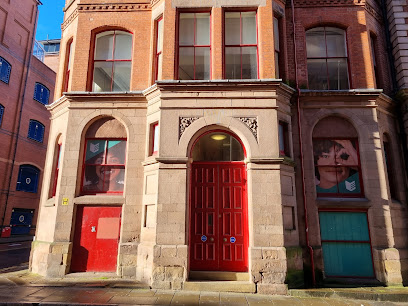
Explore The Tokenhouse in Nottingham for unique gifts and heartfelt treasures that capture the essence of the city.
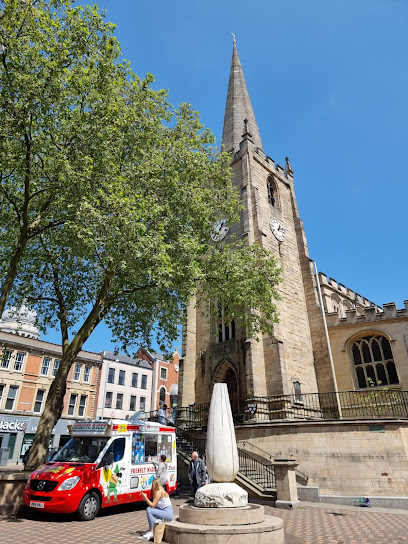
St Peter's Church, Nottingham
1.9 km
A medieval sanctuary and historic gem in Nottingham’s city centre, blending centuries of architecture and community spirit.
The Hockley Arts Club
1.9 km
Discover Nottingham's vibrant cocktail culture at The Hockley Arts Club, where artistry meets exceptional mixology in a stylish bar setting.
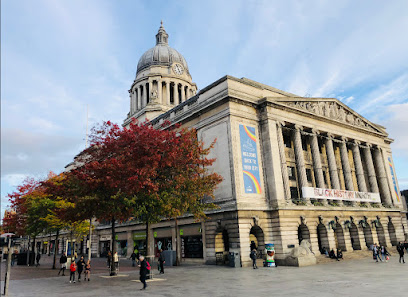
Right Lion
2.0 km
Discover Nottingham’s iconic Right Lion, a historic stone sculpture and beloved meeting point near the Council House in Old Market Square.
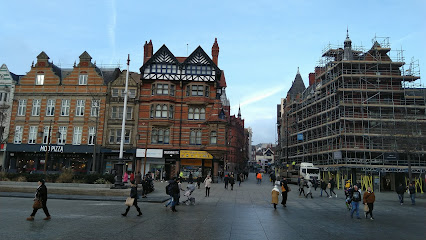
Watson Fothergill's Office
2.0 km
Explore the vibrant Gothic Revival office of Watson Fothergill, Nottingham’s iconic Victorian architect, showcasing intricate brickwork and historic homage.
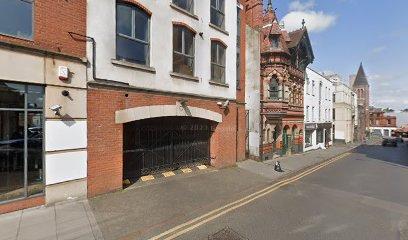
The Left Lion
2.0 km
Meet Nottingham’s iconic Left Lion, a historic stone sentinel and beloved city landmark at the heart of Old Market Square.
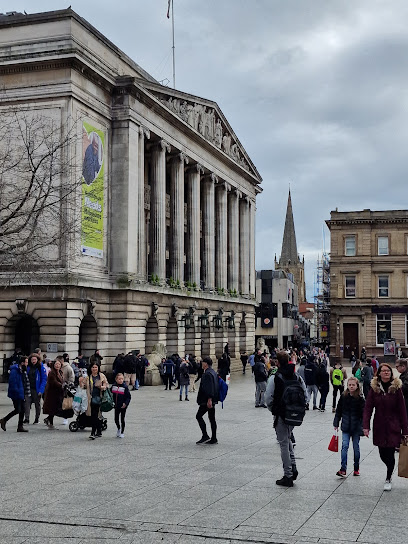
King Charles I Standard Hill Monument
2.1 km
Historic site where King Charles I raised his standard in 1642, igniting the English Civil War and shaping Nottingham’s rich heritage.
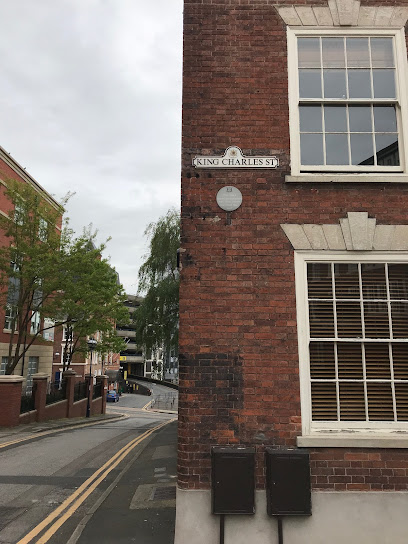
Speakers' Corner
2.1 km
Nottingham’s vibrant Speakers' Corner offers a historic platform for free speech, lively debates, and community connection in the heart of the city.
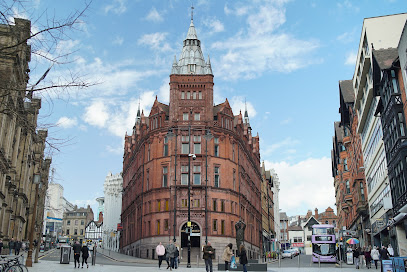
Unmissable attractions to see

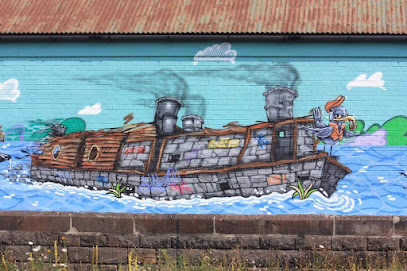
Nottingham Beeston Canal (Art
1.1 km
Explore vibrant street art and tranquil waterside views along Nottingham’s Beeston Canal, a unique urban oasis of culture and nature.
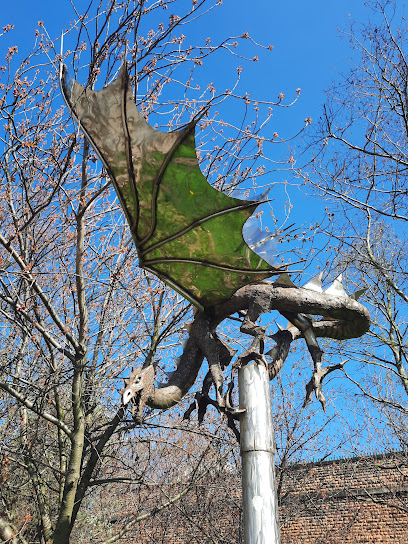
Public Art - The Sneinton Dragon
1.3 km
A gleaming stainless steel dragon born from community spirit, guarding Sneinton with myth, history, and striking craftsmanship.
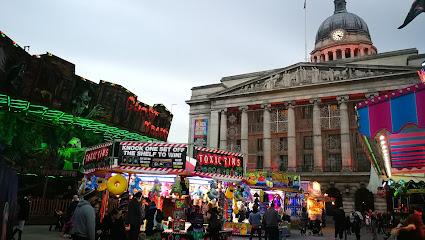
Nottingham City Council
1.3 km
Central Nottingham’s modern civic heart, housing the City Council and vital public services in a contemporary landmark opposite the railway station.
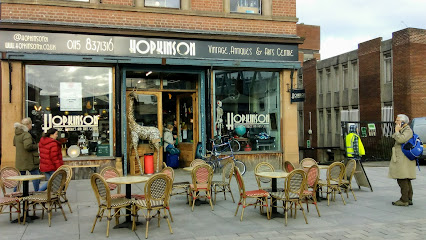
Hopkinson
1.4 km
A quirky blend of antiques, vintage treasures, and artisan café culture near Nottingham train station.
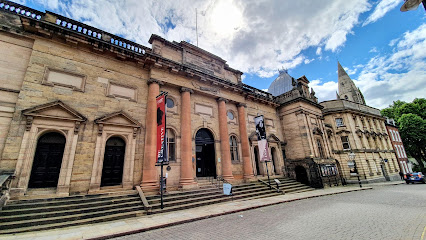
National Justice Museum
1.6 km
Explore five centuries of crime, punishment, and justice in Nottingham's authentic Georgian gaol and Victorian courtroom.
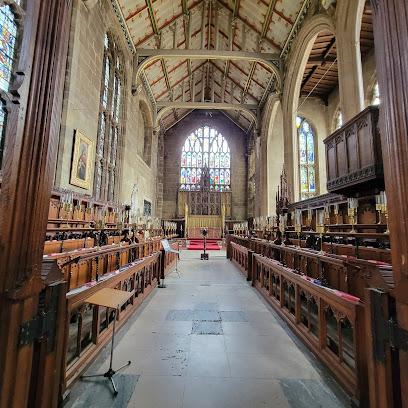
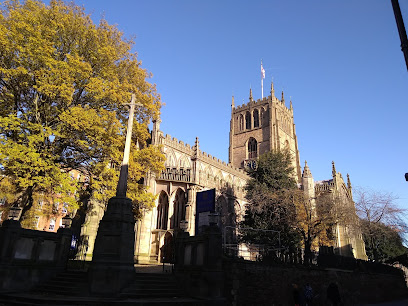
St Mary’s Church Nottingham
1.6 km
Explore Nottingham’s grand medieval parish church, rich in Gothic architecture, historic tombs, and stained glass celebrating centuries of faith and community.
City of Caves
1.6 km
Explore Nottingham’s hidden underground world: medieval tanneries, wartime shelters and centuries of history carved into sandstone beneath the city streets.
Green's Windmill and Science Centre
1.7 km
Explore Nottingham’s historic working windmill and interactive science centre celebrating the legacy of mathematician George Green.
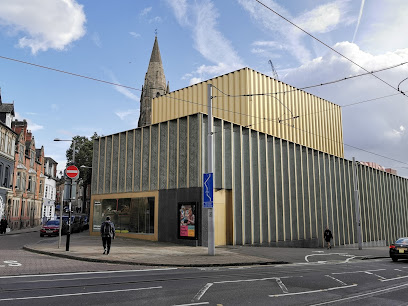
Nottingham Contemporary
1.7 km
Explore cutting-edge contemporary art in Nottingham’s iconic sandstone gallery with free exhibitions, lively events, and a vibrant café.
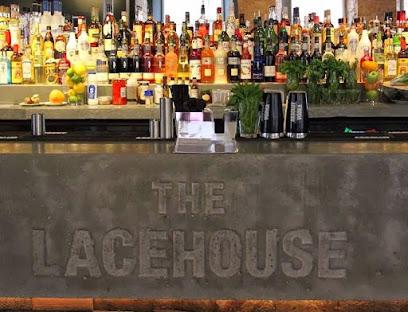
The Lacehouse
1.7 km
Experience the vibrant heart of Nottingham at The Lacehouse, where cocktails, brunch, and live music come together in a unique setting.
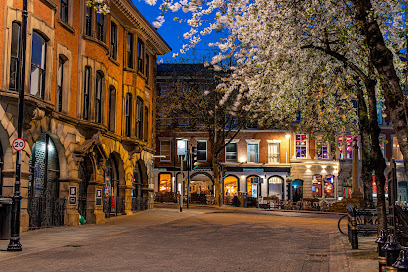
Lace Market
1.7 km
Explore Nottingham’s oldest district, the Lace Market, where industrial heritage meets vibrant creativity in a historic lace-making hub.
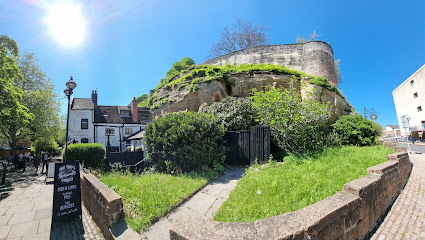
Ye Olde Trip To Jerusalem
1.8 km
Tucked beneath Nottingham Castle, this legendary pub claims to be England’s oldest inn, with cave-like rooms, centuries of history, and a famously cursed galleon.
Mortimer’s hole
1.8 km
Explore Mortimer’s Hole, a secret medieval tunnel beneath Nottingham Castle steeped in history and mystery.
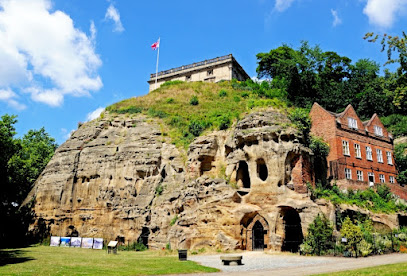
The Original Nottingham Ghost Walk
1.8 km
Step into Nottingham’s haunted past with The Original Nottingham Ghost Walk, starting at the legendary Ye Olde Trip to Jerusalem pub.
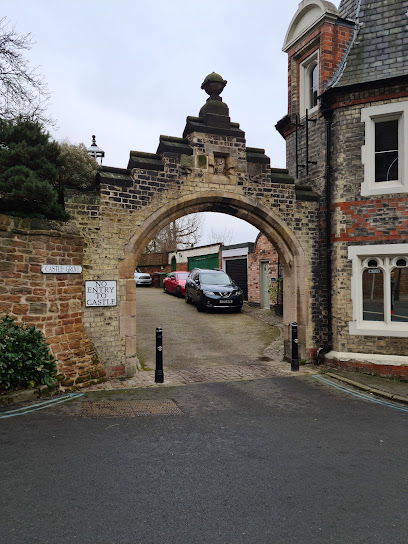
Museum of Nottingham Life
1.8 km
Explore 300 years of Nottingham’s social history beneath historic 17th-century cottages and intriguing sandstone caves.
Essential places to dine

Cleaver & Wake
1.3 km
Experience refined modern British cuisine in a stylish art deco setting beside Nottingham’s scenic canal.
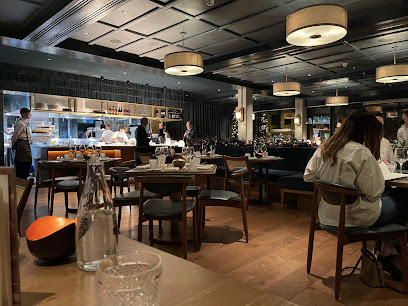
Binks Yard
1.3 km
Lively restaurant and social hub in Nottingham’s Island Quarter, serving creative wood-fired dishes in a vibrant urban regeneration setting.
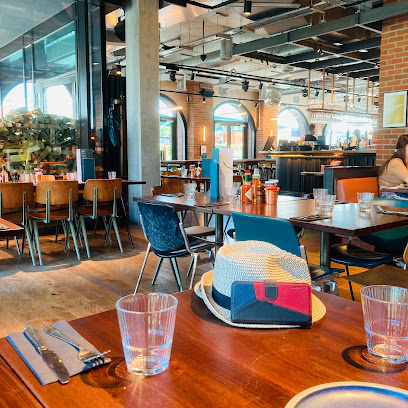
Iberico World Tapas
1.6 km
Experience authentic Spanish tapas in Nottingham’s historic Shire Hall with refined flavors and a warm, intimate atmosphere.
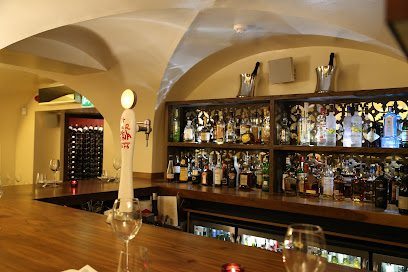
ViDa by Lorentes
1.7 km
Experience authentic Spanish tapas in a cozy Lace Market basement with creative dishes, warm hospitality, and a rustic atmosphere.
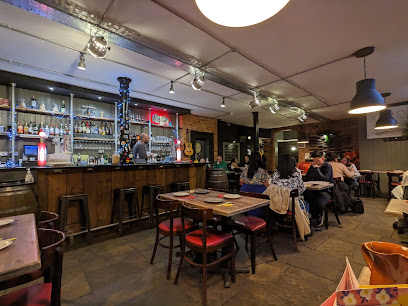
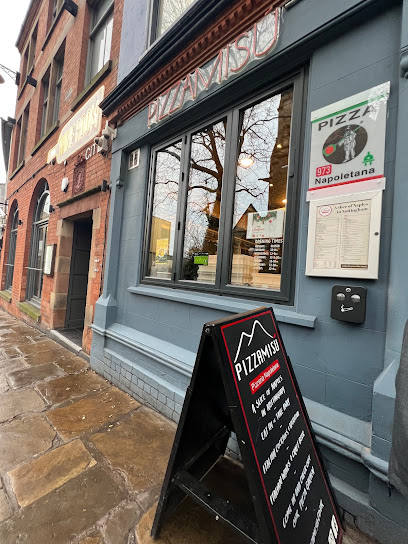
Pizzamisú
1.7 km
Experience authentic Neapolitan pizza and Italian charm in Nottingham’s historic High Pavement at Pizzamisú.
Annie's Burger Shack
1.7 km
Vibrant American diner in Nottingham’s Lace Market, serving over 30 creative burgers with vegan options and craft beers in a lively, casual setting.
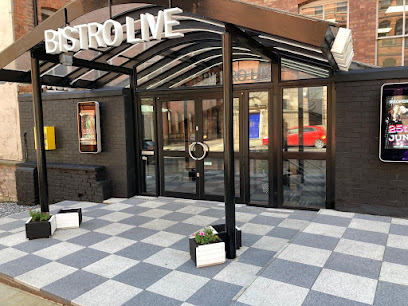
Bistro Live Nottingham
1.7 km
Experience vibrant nightlife, delicious dining, and unforgettable celebrations all under one roof at Bistro Live Nottingham.
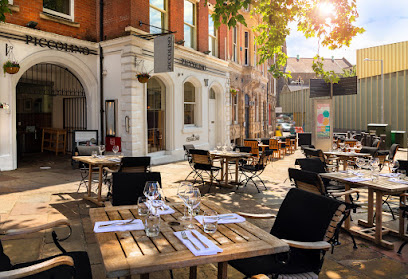
Piccolino Nottingham
1.7 km
Elegant Italian dining with classic flavors, a vibrant cocktail bar, and alfresco terrace in Nottingham’s city centre.
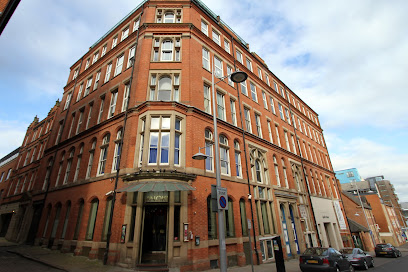
Anoki Restaurant Nottingham
1.8 km
Experience refined Indian cuisine in Nottingham’s Gothic House, where tradition meets elegance in every flavorful dish.
Everyday People
1.8 km
MasterChef-inspired ramen with rich broths and creative fusion dishes in Nottingham’s stylish Byard Lane eatery.
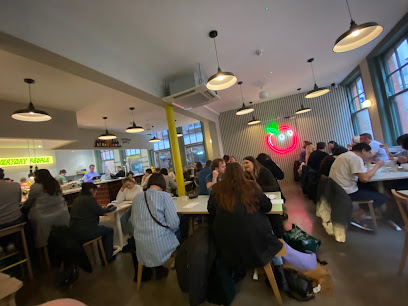
The Pelican Club
1.8 km
Experience authentic Umbrian Italian cuisine, live jazz, and crafted cocktails in Nottingham’s elegant and intimate Pelican Club.
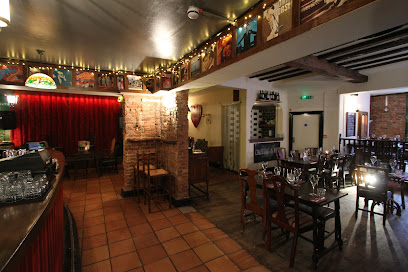
baresca
1.8 km
Experience authentic Spanish tapas and vibrant atmosphere in Nottingham’s lively Baresca, where Catalan flavours meet rustic charm.
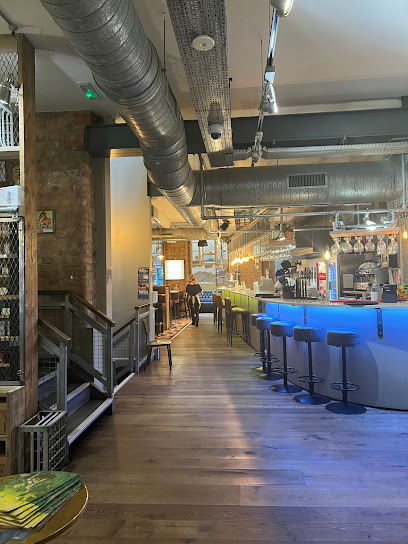
Dino
1.9 km
Modern dining and lively bar in Nottingham city centre, known for juicy burgers, generous portions, and a welcoming atmosphere.
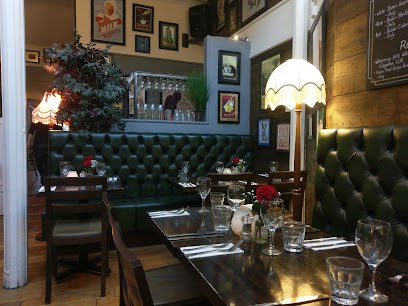
Mesa
1.9 km
Innovative small plates and a celebrated cheeseburger in Nottingham’s creative Hockley district, Mesa offers a lively dining experience with a modern twist.
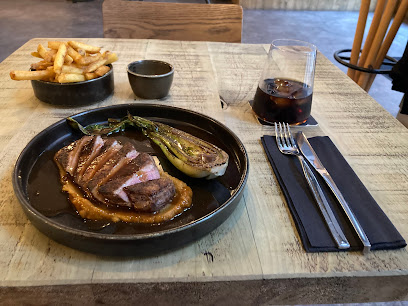
Vi-Va Indian Tapas
1.9 km
Experience vibrant Indian street food culture in cozy Nottingham with Vi-Va’s flavorful tapas-style dining and warm, inviting atmosphere.
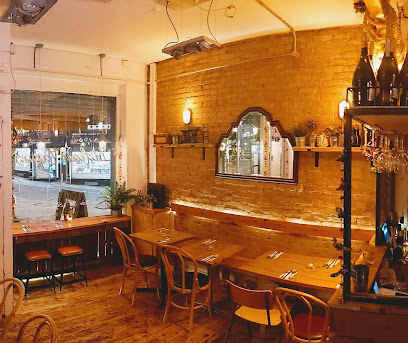
Markets, malls and hidden boutiques

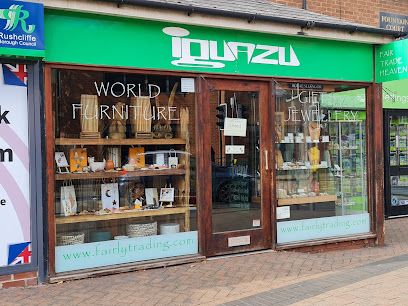
Iguazu Fair Trade Superstore
1.0 km
Discover unique, ethically sourced gifts and homewares that support global artisans at Iguazu Fair Trade Superstore in Nottingham.
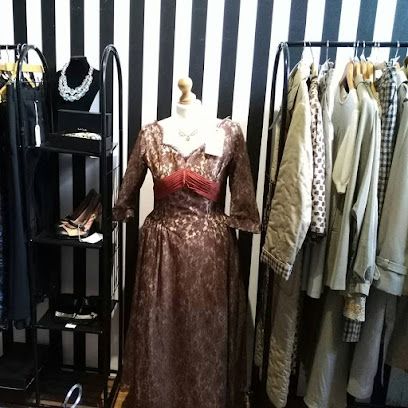
Lulu Brandy Vintage
1.4 km
Discover timeless style and sustainable fashion at Lulu Brandy Vintage, Nottingham’s premier vintage clothing boutique.
MAISON GB
1.8 km
Discover stylish clothing in Nottingham's Gothic House, a Victorian warehouse on historic Barker Gate amid Lace Market's tanneries, graveyards, and mail coach legacy.
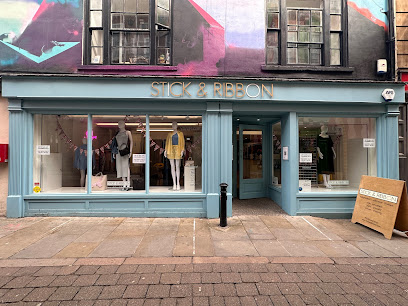
Stick & Ribbon
1.8 km
Discover curated women’s fashion with a personal, sustainable touch in Nottingham’s historic Bridlesmith Gate.
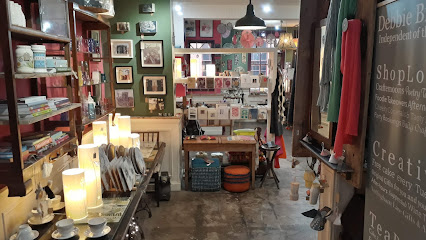
Debbie Bryan | Nottingham Lace Market
1.8 km
Discover Nottingham’s heritage through artisan crafts, exquisite lace, and delightful tearoom treats in the heart of the Lace Market.
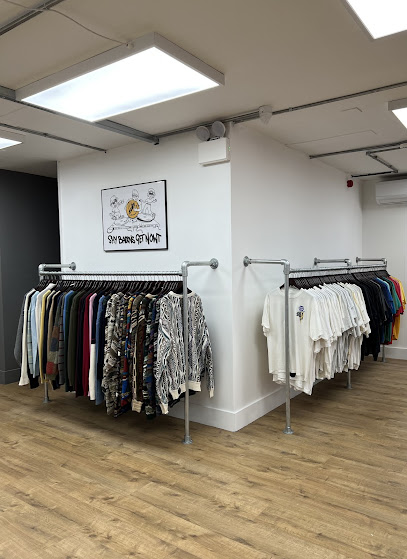
Garms Nottingham
1.8 km
Discover unique vintage streetwear and stylish outerwear at Garms Nottingham, a vibrant boutique nestled in the historic heart of Bridlesmith Gate.
That Weird Shop
1.8 km
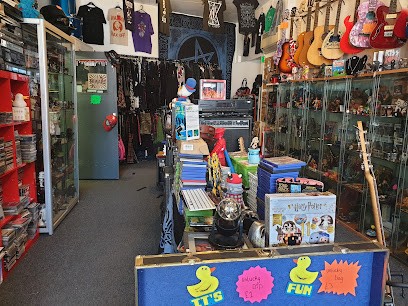
Dive into Nottingham's quirkiest emporium: vinyl, retro toys, alt fashion, and a haunted basement brimming with eerie artifacts and spectral whispers.
Luisa's Vegan Chocolates
1.8 km
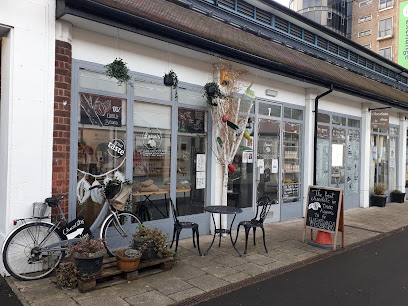
Discover Nottingham’s only 100% plant-based, bean-to-bar chocolate shop blending ethical sourcing with award-winning vegan flavors.
Castle Marina Retail Park
1.8 km
Nottingham's go-to retail park for home essentials, pet supplies, and coffee breaks, with free parking and canal-side convenience.

Mood Outfitters
1.8 km
Discover Nottingham's boldest independent fashion at Mood Outfitters, where local designers craft unique, wearable art in the heart of Hockley's creative scene.

Relic x Hooked Nottingham
1.9 km
Discover eclectic vintage fashion and unique style treasures in Nottingham’s edgy and vibrant Relic x Hooked store.
18montrose
1.9 km
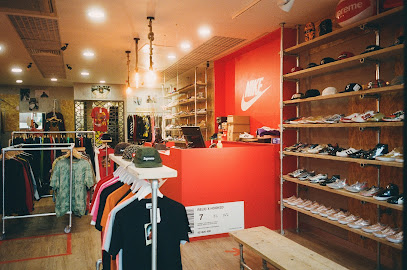
Discover premium streetwear and designer fashion at 18montrose, nestled in Nottingham’s historic Bridlesmith Gate shopping district.
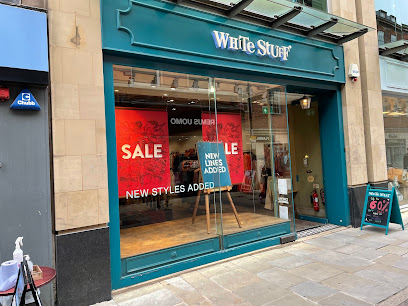
White Stuff Nottingham
1.9 km
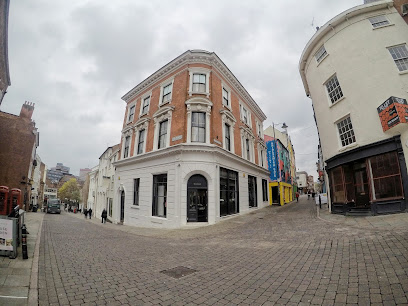
A cheerful, independent-feel clothing store on Nottingham’s main shopping street, offering relaxed British style for women, men and children.
Catori's Gift Shop
1.9 km
A compact Sneinton Market boutique of handmade gifts, local crafts and seasonal surprises — ideal for curious shoppers seeking one-off presents.
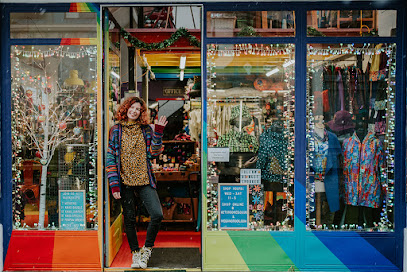
Megan Crook Textiles
1.9 km
Discover handmade vibrant fashion at Sneinton Market: bespoke clothing, accessories, and interiors bursting with color and Nottingham creativity.
Essential bars & hidden hideouts

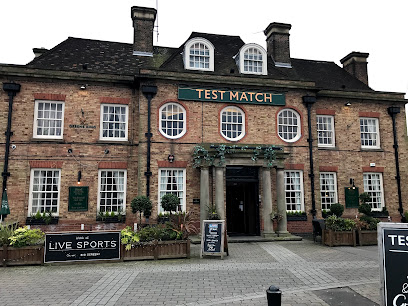
The Test Match
1.1 km
A beautifully preserved Art Deco pub in West Bridgford offering great food, lively sports viewing, and warm hospitality.
Canalhouse
1.5 km
Iconic canal-pierced pub blending Grade II heritage, world-class craft beers, and waterside vibes in Nottingham's vibrant core.
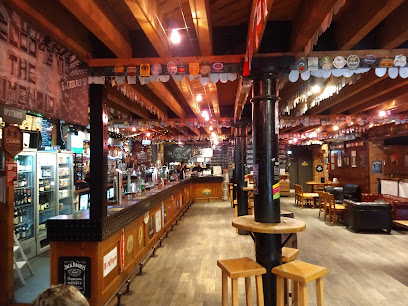
Pitcher & Piano Nottingham
1.6 km
Historic church turned buzzing bar: stained-glass cocktails, pub feasts, and electric nights in Nottingham's Lace Market heart.
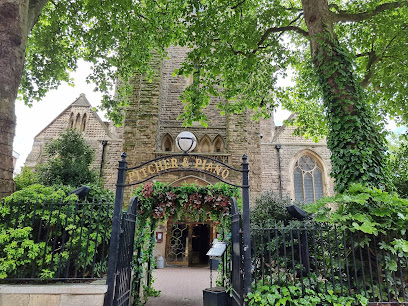
Cock & Hoop
1.6 km
Cozy Lace Market pub pouring local ales and pub favorites in a historic nook, perfect for relaxed escapes amid Nottingham's creative buzz.
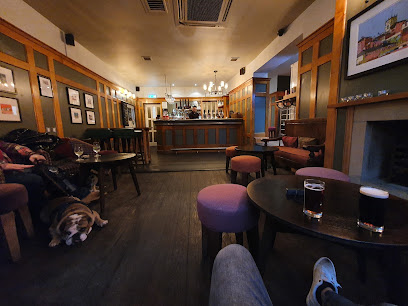
Brass Monkey
1.7 km
Late‑night Lace Market cocktail bar with a big rum selection, polished service and warm, low‑lit interiors — ideal for cocktails into the small hours.
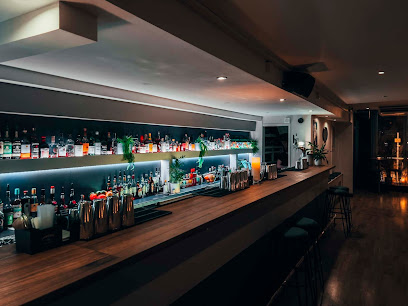
Billy Bootleggers Nottingham (formerly Percy Picklebackers)
1.7 km
Dive into Nottingham's live music heartbeat at Billy Bootleggers, where nightly gigs, moonshine cocktails, and Lace Market history fuel epic nights until 3am.
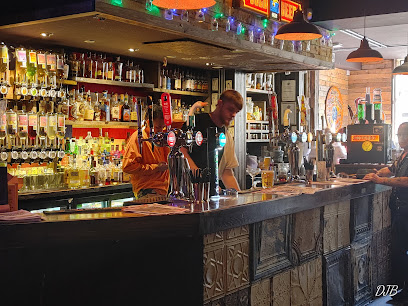
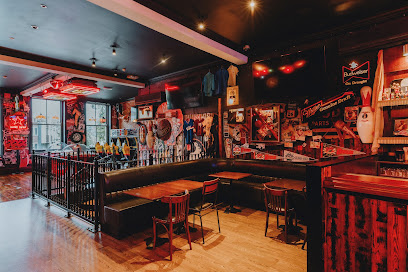
The Blind Rabbit
1.7 km
New York-inspired Nottingham bar blending juicy burgers, wild cocktails, live sports on mega screens, arcade games, and casual vibes in a historic Lace Market gem.
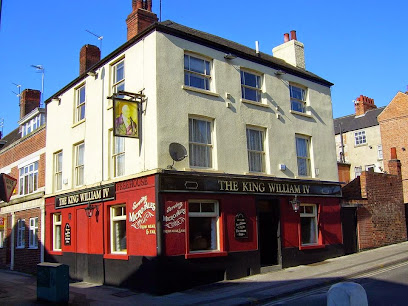
King William IV
1.7 km
A compact, traditional Nottingham pub — friendly bar service, rotating ales, classic pub food and a relaxed, dog‑friendly atmosphere.
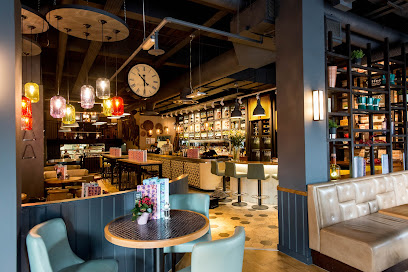
All Bar One Nottingham
1.8 km
Sophisticated wine bar in Nottingham's Weekday Cross, perfect for after-work unwinds, bottomless brunches, and vibrant evenings with global wines and sharing plates.
Coco Tang -Cocktail Bar
1.8 km
Daytime Asian café and a theatrical underground cocktail bar — two distinct moods under one roof in Nottingham’s Lace Market.
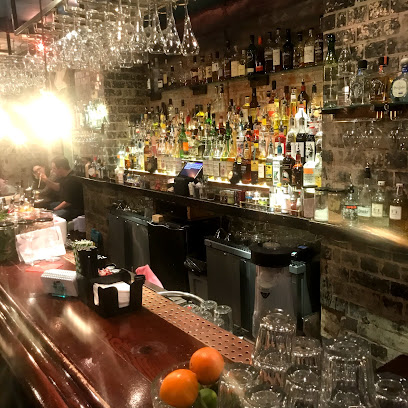
The New Castle
1.8 km
Traditional Nottingham back-street pub with caves, pool, roasts, and a mature local vibe—perfect for authentic pints and hearty classics.
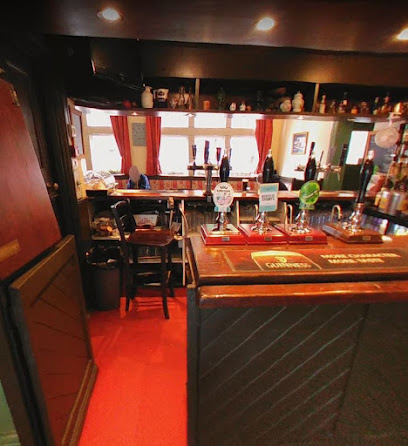
Bunk
1.8 km
Crispy wings, killer cocktails, and Lace Market vibes—Bunk delivers Nottingham's boldest bite in a historic street setting.
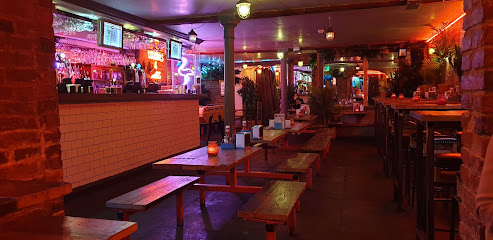
Pepper Rocks
1.8 km
A lively Nottingham cocktail bar blending quirky charm, great value drinks, and a vibrant two-floor atmosphere for memorable nights out.
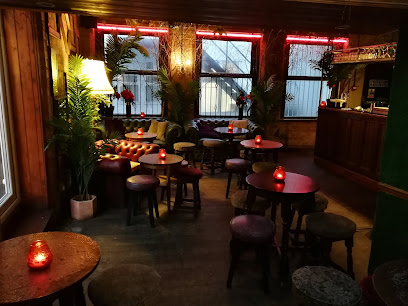
Penny Lane
1.8 km
Step into Nottingham’s Penny Lane for nostalgic arcade fun, creative cocktails, and a lively, family-friendly vibe in the heart of the Lace Market.
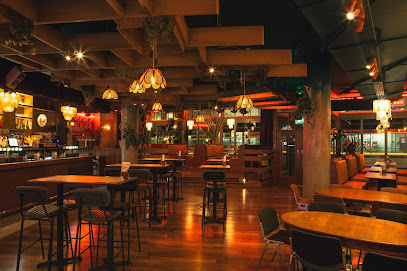
31K
1.9 km
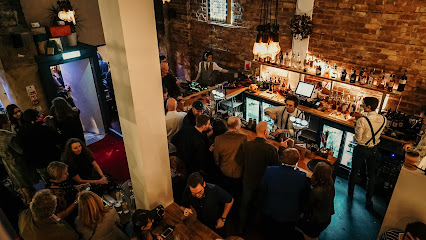
NYC loft-style bar on Nottingham's Goose Gate, mastering cocktails, meatballs, and fusion street food in Hockley's creative heart.
Nightclubs & after hour spots

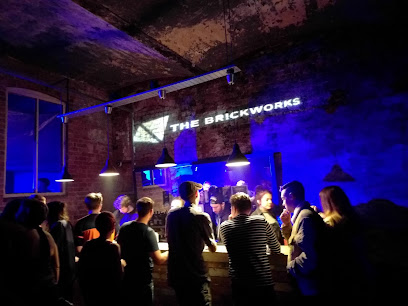
The Brickworks
1.5 km
Nottingham's raw warehouse heartbeat: intimate DJ nights, killer cocktails, and pure underground energy in a brick-clad haven.
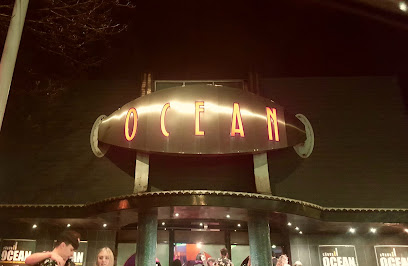
Ocean Nightclub
1.6 km
Unpretentious beats and dazzling lights fuel all-night dances at Nottingham's go-to multi-room nightclub on Greyfriar Gate.
The Cell
1.8 km
Dive into Nottingham's pulsing heart at The Cell, where affordable drinks, diverse beats, and Hockley's electric vibe fuel unforgettable nights of dance and discovery.

Eleven
1.9 km
A lively, multi-bar nightclub in Nottingham’s Hockley district, famed for great cocktails, student nights, and an intimate yet energetic party vibe.
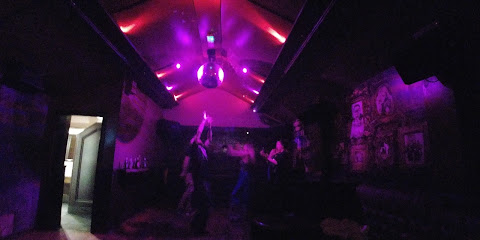
Tantra Night Clubs
1.9 km
Dive into Nottingham's electric nightlife at Tantra Night Clubs, where pulsating beats, dazzling lights, and stylish vibes create unforgettable nights of dance and discovery in the city center.
Popworld - Nottingham
2.0 km
A neon-soaked, singalong pop-club in Nottingham city centre — colourful cocktails, nostalgic anthems and compact dancefloor energy.
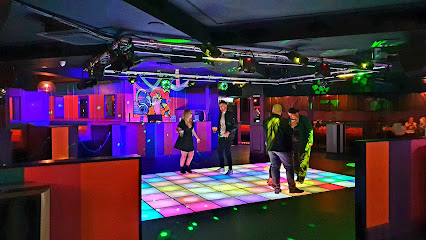
The Bodega Nottingham
2.0 km
Intimate two-level live-music bar and late-night club on Pelham Street — gritty, affordable and centred on close-up gigs and local sounds.
NG-One
2.0 km
A large, late‑night Nottingham club with multiple dancefloors, strong sound and long weekend hours — built for night owls and student crowds.
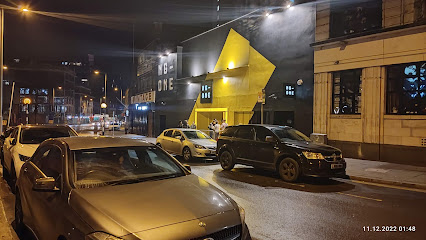
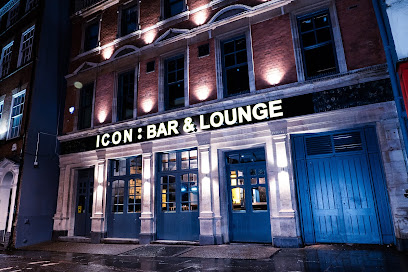
ICON
2.1 km
A compact, DJ-driven late-night club on St James’s Street — small footprint, high-energy nights and a tight city-centre atmosphere.
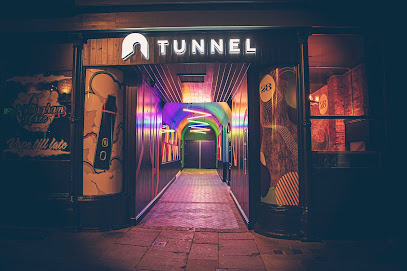
Tunnel Club
2.1 km
Loud. Intimate. Disruptive. Dive into Nottingham's raw underground beats at this city-center nightclub powerhouse.
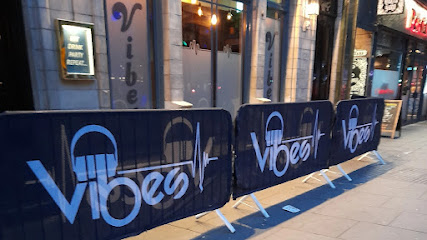
VIBES NIGHTLIFE
2.2 km
Dive into Nottingham's pulsating party hub where weekend beats, neon lights, and vibrant crowds fuel epic nights until 2am—pure vibes unleashed.
Unit 13
2.3 km
Dive into Nottingham's underground bassline haven at Unit 13, where industrial beats and stellar DJs fuel unforgettable warehouse raves.

Love zoo
2.3 km
Dive into Nottingham's electrifying beats at Love Zoo, where house rhythms, dazzling lights, and cocktail-fueled nights create pure nightlife magic on Weekday Cross.
Stealth
2.4 km
Nottingham's drum and bass dynamo: world-ranked beats, epic nights, and unrelenting energy since 2004 in the heart of Goldsmith Street.
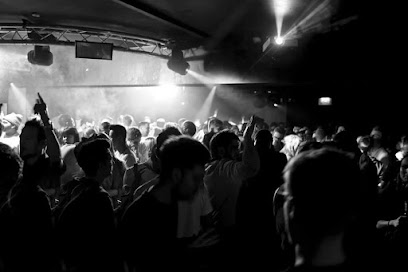
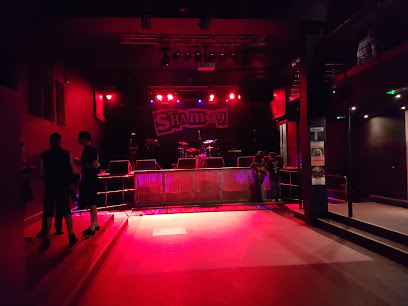
Rescue Rooms
2.4 km
Nottingham's intimate live music powerhouse: raw gigs, electric crowds, and beats till 3am in a historic nook.
For the vibe & atmosphere seeker
- Historic
- Scenic
- Tranquil
For the design and aesthetic lover
- Vintage Styles
- Rustic Designs
For the architecture buff
- Historic
- Landmarks
For the view chaser and sunset hunter
- Iconic Views
- Waterfront
For the social media creator & influencer
- Instagrammable
- Photo Spots
For the eco-conscious traveler
- Public-Transport Accessible
- Locally Managed
For the kind of experience you’re after
- Cultural Heritage
- Photowalk
- Day Trip
For how adventurous you want the journey to be
- Easy Access
Location Audience
- Family Friendly
- Senior Friendly
- Child Friendly
- Teen Friendly
- Wheelchair Access
- Solo Friendly
- Couple Friendly
- Pet Friendly


