

Grace Dieu Priory
Explore the peaceful 13th-century ruins of Grace Dieu Priory, a secluded Augustinian nunnery in the Leicestershire countryside, now a quiet haven of history and nature.
Grace Dieu Priory is a peaceful 13th-century Augustinian nunnery ruin nestled in the Leicestershire countryside near Coalville. Founded around 1239 by noblewoman Roesia de Verdun, it once housed a community of Augustinian canonesses known as the White Nuns of St Augustine. Today, ivy-clad stone walls and arches stand as a quiet testament to medieval monastic life, cared for by a local trust and open to visitors exploring history, nature, and quiet reflection in the National Forest.
A brief summary to Grace Dieu Priory
- Ashby Rd, Coalville, LE67 5UG, GB
- +441530454545
- Visit website
- Duration: 0.5 to 2 hours
- Free
-
 Outdoor
- Mobile reception: 4 out of 5
- Monday 12 am-12 am
- Tuesday 12 am-12 am
- Wednesday 12 am-12 am
- Thursday 12 am-12 am
- Friday 12 am-12 am
- Saturday 12 am-12 am
- Sunday 12 am-12 am
Local tips
- Visit in spring to see the surrounding woodland carpeted with bluebells, especially along the old railway line.
- Wear sturdy footwear as the ground around the ruins can be uneven and muddy, particularly after rain.
- Bring a small torch if exploring in low light; some areas are shaded by trees and ivy, making details hard to see.
- Combine your visit with a walk through Grace Dieu Woods and the nearby National Forest trails for a full day in nature.

For the on-the-go comforts that matter to you
- Seating Areas
- Trash Bins
- Information Boards
Getting There
-
By car
From Coalville, follow Ashby Road east towards Thringstone; Grace Dieu Priory is clearly signposted from the main road. There is a small informal parking area near the entrance, suitable for standard vehicles, but space is limited and the access track can be muddy after rain.
-
On foot
From Thringstone village, follow public footpaths and woodland trails through Grace Dieu Woods; the walk takes about 15–20 minutes on well-maintained but sometimes uneven paths, suitable for moderate fitness.
-
By bus
Local bus services run along Ashby Road between Coalville and Ashby de la Zouch; alight at a nearby stop and walk about 10–15 minutes along the roadside and then woodland paths to reach the priory entrance.
Grace Dieu Priory location weather suitability
-
 Any Weather
-
 Mild Temperatures
-
 Rain / Wet Weather
Discover more about Grace Dieu Priory
A Noblewoman’s Vision
Grace Dieu Priory was founded around 1239 by Roesia de Verdun, a powerful and independent noblewoman of the 13th century. As a widow and heiress to extensive lands, she chose to dedicate her wealth and status to religious life, establishing a house for Augustinian canonesses dedicated to God, the Holy Trinity and St Mary. The name Grace Dieu, meaning ‘Grace of God’ in French, reflects the spiritual foundation she envisioned. Unlike many monastic houses, this priory was unusually independent, with its nuns calling themselves the White Nuns of St Augustine and wearing white habits rather than the more common black. Roesia’s tomb was later moved to St John’s Church in Belton, but her legacy lives on in the ruins that still stand today.Life Within the Walls
At its height in the 14th century, Grace Dieu housed around sixteen nuns living under a strict rule that forbade them from ever leaving the priory precincts. This seclusion was central to their contemplative life of prayer and meditation. The community was supported by lands in Belton and Lincolnshire, and the priory also maintained an attached hospital that cared for twelve poor people, reflecting its role as both a spiritual and charitable centre. The Augustinian canonesses followed a life of simplicity and devotion, their days shaped by the rhythms of the liturgical hours and manual work. The priory’s independence and unusual customs make it a distinctive example of medieval female monasticism in England.Dissolution and Ruin
Grace Dieu Priory survived the first wave of Henry VIII’s dissolution of the smaller monasteries but was finally suppressed in October 1538. After dissolution, the site passed into secular hands: first to Sir Humphrey Foster, then to John Beaumont, Master of the Rolls, who converted the buildings into a residence. The priory remained a private home for generations until the late 17th century, when Sir Ambrose Phillipps acquired it and had most of the buildings demolished. By the 18th century, only fragments of the original structure remained roofed, and the site gradually became the romantic ruin we see today, slowly reclaimed by ivy and woodland.Rediscovery and Renewal
By the 1990s, Grace Dieu Priory had become little more than a pile of ivy-covered stone, at risk of being lost entirely. A dedicated group of local people formed the Grace Dieu Priory Charitable Trust and began a long process of conservation and restoration. Their work has preserved the remaining walls, arches and foundations, making the site accessible to the public once again. Today, the ruins are maintained by the Friends of Grace Dieu Priory, who ensure that this important piece of Leicestershire’s heritage remains open for visitors to explore, photograph and reflect upon.Atmosphere and Landscape
The priory sits in a quiet, wooded setting near Thringstone, within the National Forest. The surrounding woodland, once part of the medieval estate, is now a haven for wildlife and a popular spot for walking and nature observation. Bluebells carpet the ground in spring, and the old railway line that once served the area adds another layer of history to the landscape. The atmosphere is peaceful and contemplative, with the ruins standing as a quiet counterpoint to the surrounding trees and undergrowth. It’s easy to imagine the nuns’ daily life here, their voices rising in prayer within walls now open to the sky.Visiting the Ruins
Today, Grace Dieu Priory is a free-to-enter historical site that appeals to history enthusiasts, walkers and those seeking a quiet place for reflection. The ruins are not extensive, but they are evocative, with standing walls, window openings and fragments of masonry that hint at the priory’s former scale. Information boards help visitors understand the layout and history of the buildings. The site is informal and unstaffed, with no visitor centre or ticketing, but it is well cared for and clearly signposted. It makes a rewarding stop when combined with a walk through the surrounding woods or a visit to nearby Ashby de la Zouch.Iconic landmarks you can’t miss

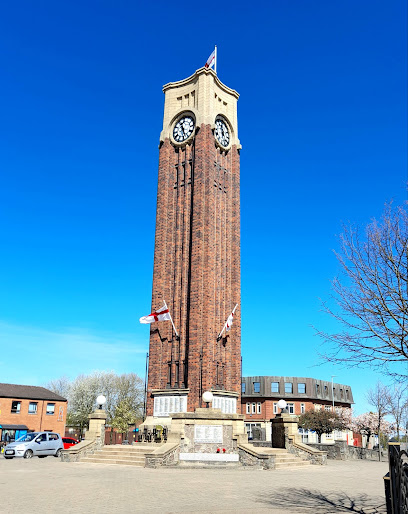
Memorial Clock Tower
4.1 km
A towering Gothic-revival memorial in Coalville honoring 354 fallen WWI soldiers with a commanding clock and rich community history.
Museum Development East Midlands
16.3 km
Supporting East Midlands museums with expert guidance, grants, and training from County Hall, Leicester.

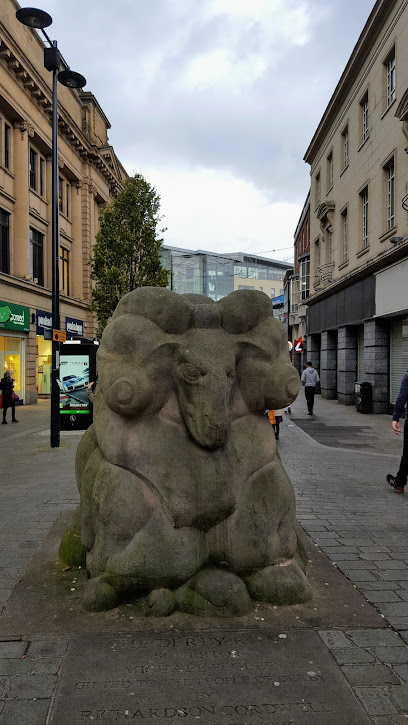
The Derby Ram Statue
19.5 km
Discover Derby’s iconic ram statue, a vibrant symbol of local legend, heritage, and community pride in the heart of the city.
23 St.Nicholas Pl
20.3 km
Leicester's oldest place of worship, where Roman foundations meet medieval splendour and 1,100 years of history.
Leicester Roman West Gate site
20.3 km
Explore Leicester’s monumental Roman baths and the iconic Jewry Wall, a testament to ancient urban life and architecture.
Earl Shilton Castle
20.5 km
Discover the Norman motte and bailey earthworks of Earl Shilton Castle, a historic hunting lodge and fortress near Leicester.
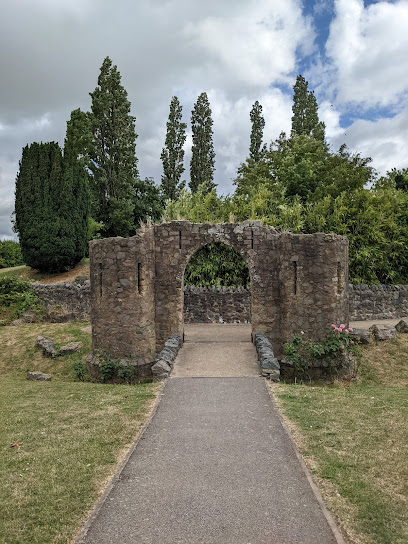
Welford Place
20.8 km
Explore the historic John Biggs statue at Welford Place, a Victorian landmark celebrating Leicester’s reformist legacy and civic pride.
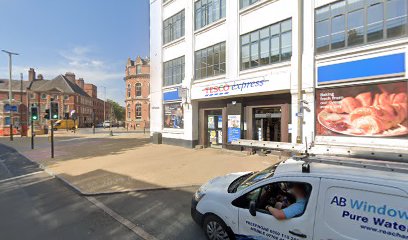
King Lear
21.9 km
Explore Leicester’s legendary ties to King Lear, where Roman ruins and medieval myths converge in a captivating historical landmark.

The Hemlock Stone
22.5 km
Towering sandstone sentinel amid Nottinghamshire woods, blending ancient geology, whispered legends, and sweeping valley views for an effortless nature immersion.
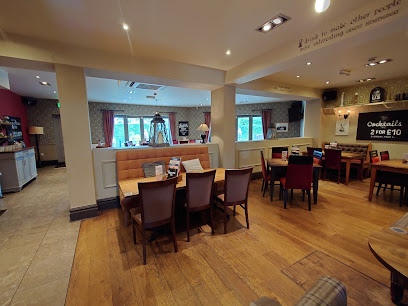
Camellia House
22.9 km
Explore the historical beauty of Camellia House in Nottingham, a landmark showcasing exquisite architecture and serene gardens.
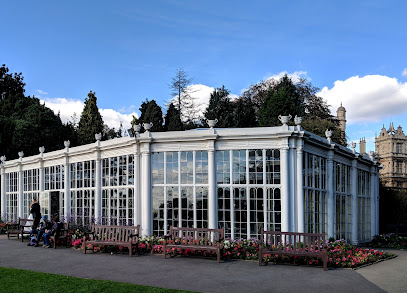
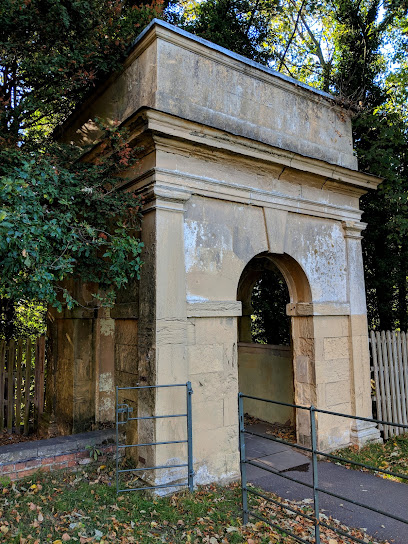
Gazebo
23.0 km
A serene early 19th-century stone pavilion nestled in Wollaton Park, blending heritage charm with tranquil garden beauty.
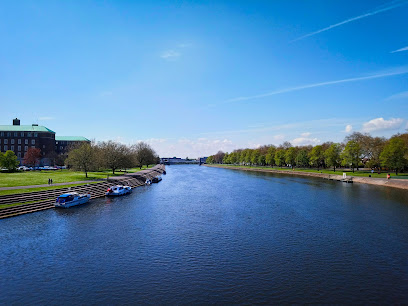
Old Trent Bridge
24.6 km
A historic river crossing in Nottingham blending medieval origins with Victorian engineering and enduring local heritage.
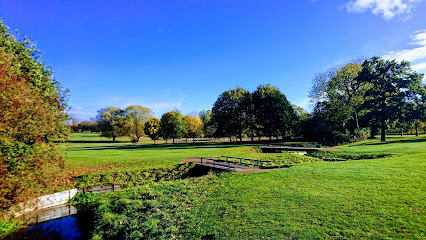
Shady Lane Arboretum
24.9 km
Explore Shady Lane Arboretum in Leicester, a serene park filled with diverse flora, historical landmarks, and peaceful walking trails.
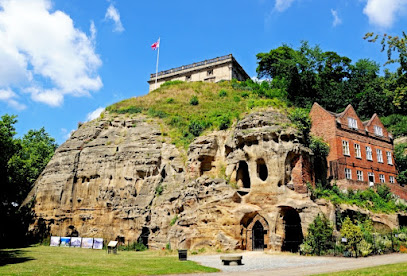
Mortimer’s hole
25.0 km
Explore Mortimer's Hole in Nottingham - a captivating historical landmark steeped in legend and medieval intrigue.
Nottingham Castle
25.0 km
Discover Nottingham Castle, a historical landmark blending art, culture, and breathtaking views in the heart of England.

Unmissable attractions to see

Ashby de la Zouch Castle
7.6 km
Explore the evocative medieval ruins and literary heritage of Ashby de la Zouch Castle, crowned by its iconic Hastings Tower and underground passage.
National Trust - Calke Abbey
7.9 km
Explore Calke Abbey’s timeless charm, where history lingers in every faded corner amid stunning Derbyshire parklands and gardens.
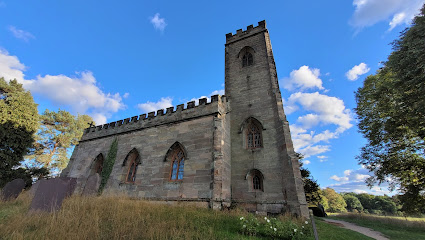
East Midlands Aeropark
8.0 km
Explore historic aircraft and watch modern airliners take off at East Midlands Aeropark, a unique aviation museum and viewing spot near Castle Donington.

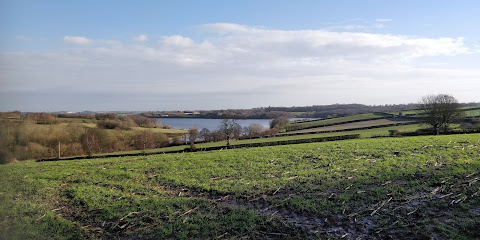
Calke Explore
8.8 km
Explore ancient woodlands, accessible trails, and natural play areas at Calke Explore, the perfect outdoor adventure base within Calke Abbey’s historic estate.
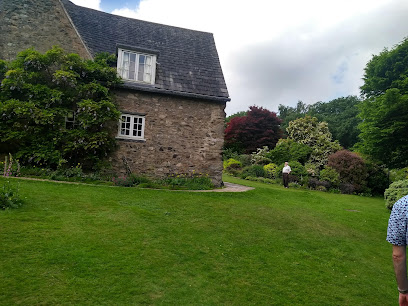
National Trust - Stoneywell
9.1 km
Explore a charming Arts & Crafts cottage nestled in vibrant gardens and woodlands, offering a peaceful retreat steeped in heritage and natural beauty.
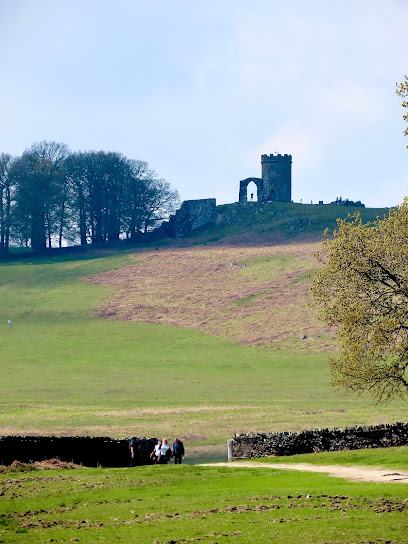
Old John Tower
11.5 km
Discover the historic Old John Tower in Bradgate Park, a stunning landmark offering panoramic views and rich heritage amidst beautiful natural surroundings.
Bradgate House
12.8 km
Explore the historic beauty of Bradgate House, the former home of Lady Jane Grey, surrounded by stunning landscapes and rich heritage.
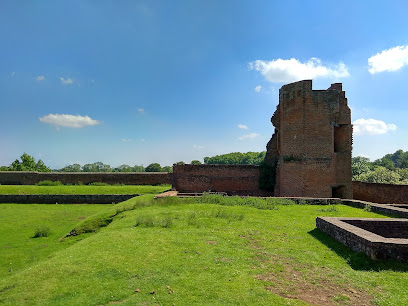
Bradgate Park
13.1 km
Explore Bradgate Park’s medieval deer park, ancient ruins, and scenic landscapes in Leicestershire’s historic natural sanctuary.
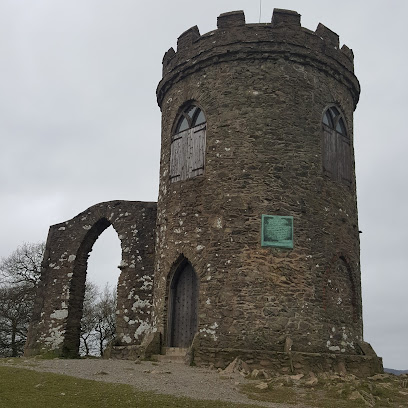
Manor Farm Park & Woodlands
14.4 km
Explore rescued animals, expansive play areas, and scenic woodlands at Manor Farm Park & Woodlands—an ideal family day out near Loughborough.
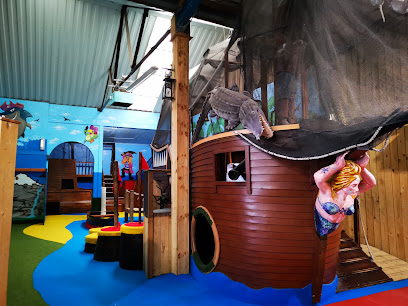
Tropical Birdland
14.9 km
Discover over 250 exotic birds in a lush 6.5-acre sanctuary with free-flying parrots, interactive feeding, and family-friendly amenities in Leicester.
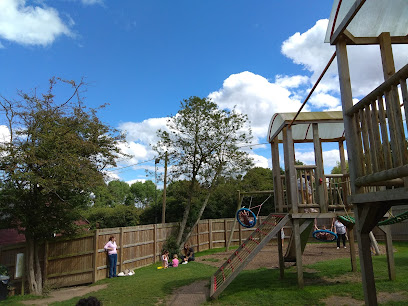
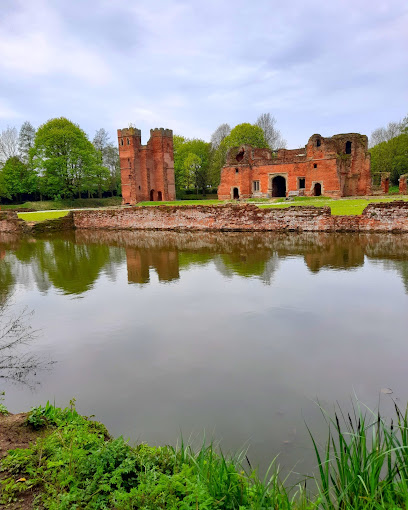
Kirby Muxloe Castle
16.4 km
Explore the evocative ruins and tranquil moated grounds of Kirby Muxloe Castle, a spectacular unfinished 15th-century brick fortress steeped in history.
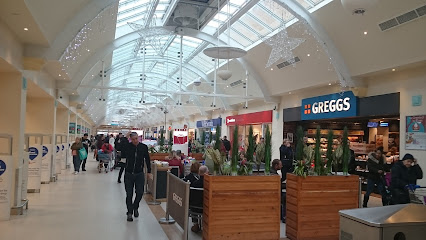
Beaumont Shopping Centre
16.6 km
A vibrant community hub in Leicester offering diverse shopping, dining, and weekend markets in a welcoming atmosphere.
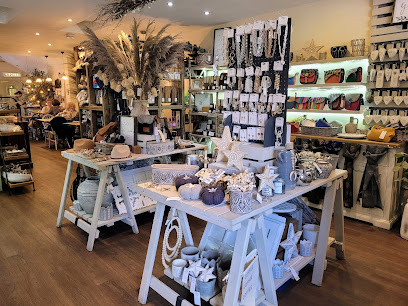
Alvaston Park
16.9 km
A scenic riverside park in Derby with inclusive playgrounds, BMX tracks, sports courts, and vibrant community events for all ages.
The Apple Tree Gift Shop and Teahouse
17.5 km
A charming village teahouse and gift shop in Ockbrook, blending homemade treats with unique gifts in a cozy, rustic setting.
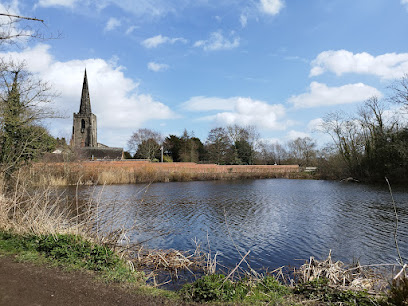
Attenborough Nature Reserve
17.7 km
Discover serene lakes, rich birdlife, and peaceful trails at Attenborough Nature Reserve, a celebrated wildlife sanctuary near Nottingham.
Essential places to dine

The Royal Oak
6.8 km
Charming Long Whatton gastropub with modern British cuisine, stylish rooms, and a welcoming village atmosphere near East Midlands Airport.
Amalfi White
8.7 km
Stylish modern European dining and elegant events venue with inclusive menus and a grand ballroom in Melbourne, Derbyshire.
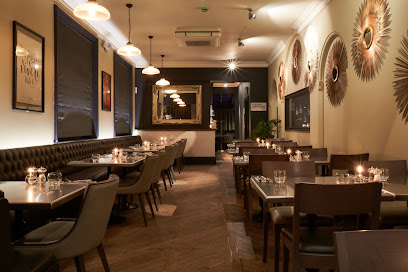
Craig Riley @ Donington Manor Hotel
8.9 km
Experience Michelin-level modern British cuisine in the historic charm of Donington Manor with Chef Craig Riley’s exceptional culinary artistry.
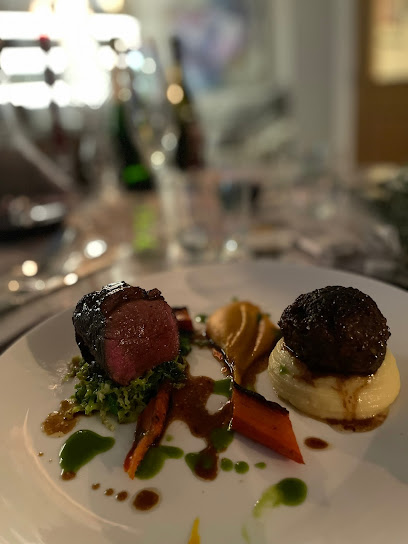
John's House
14.5 km
Michelin-starred farm-to-table dining in a rustic farmhouse setting, blending local produce with refined culinary artistry.
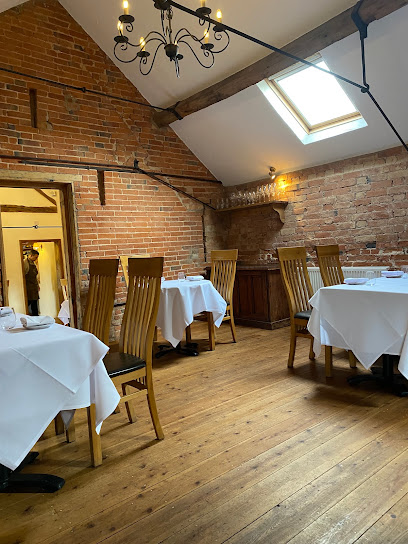
Sapori Restaurant & Bar
15.0 km
Family-run Italian dining in a stylish Victorian setting, blending Neapolitan tradition with modern elegance and a warm, inviting atmosphere.
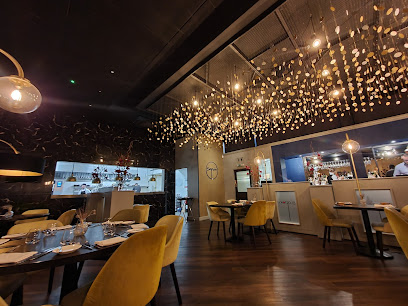
The Bulls Head Repton
15.3 km
A vibrant and quaint pub in Repton serving generous, delicious meals in a warm, historic setting with a lively atmosphere.
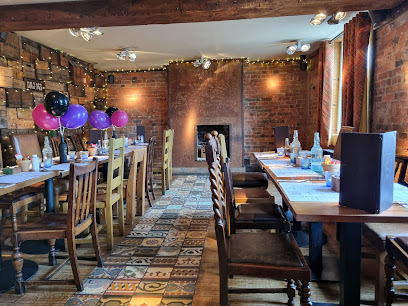
The Windmill Inn
15.3 km
Historic 19th-century pub in Brascote offering hearty English fare, real ales, and a warm countryside welcome.
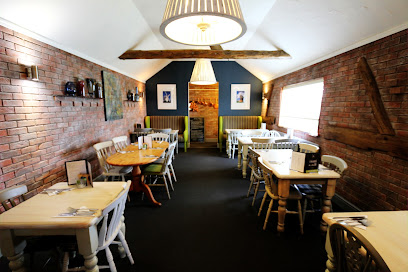
The Boot Inn
15.7 km
Historic 17th-century coaching inn in Repton offering award-winning British cuisine, boutique rooms, and a lively, welcoming atmosphere.
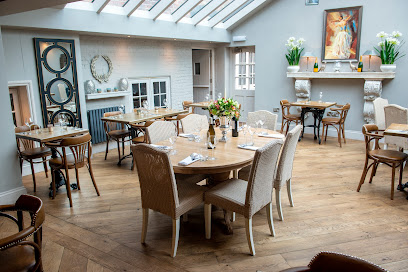
Hammer & Pincers
17.7 km
A refined modern British restaurant in historic Wymeswold blending heritage charm with creative cuisine and boutique stays.

Clock Bistro
18.2 km
A cozy bistro in Spondon blending English, Italian, and Mediterranean flavors with friendly service and a welcoming atmosphere.
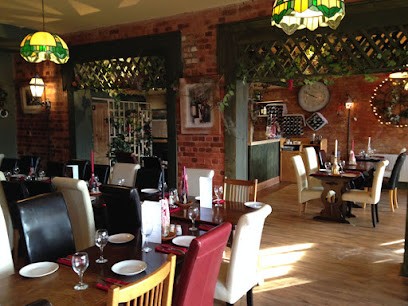
La Rock Restaurant
18.6 km
Experience refined Modern European cuisine with impeccable service in the warm, elegant setting of La Rock Restaurant, Sandiacre’s fine dining jewel.
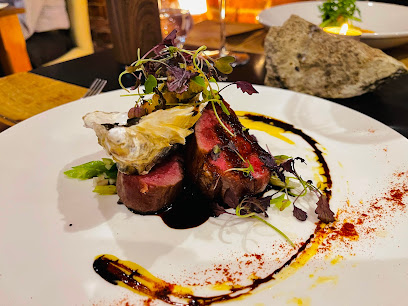
Black Iron
19.4 km
Modern British steakhouse in a historic Georgian mansion, offering charcoal-roasted meats and a refined dining experience in leafy Leicester parkland.
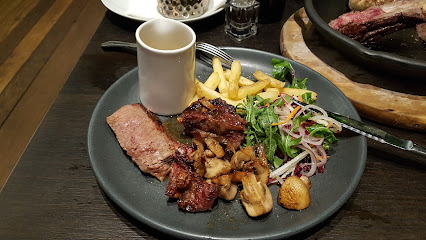
Carnero Lounge
19.6 km
A welcoming Derby lounge offering vibrant vegan and gluten-free dishes in a relaxed, dog-friendly setting with excellent coffee and friendly service.
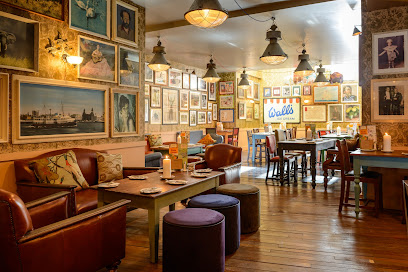
Emily's Steakhouse
19.7 km
Cozy British steakhouse in Derby offering expertly cooked steaks with classic sides and friendly service in a relaxed setting.
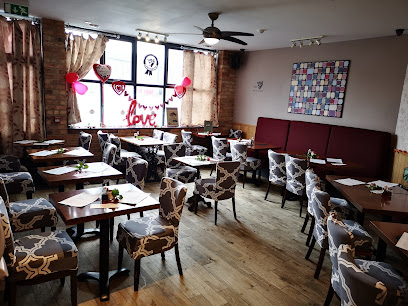
The Dining Room
19.9 km
An intimate Derby restaurant serving exquisite, locally sourced British dishes with warm, attentive service in a cozy setting.
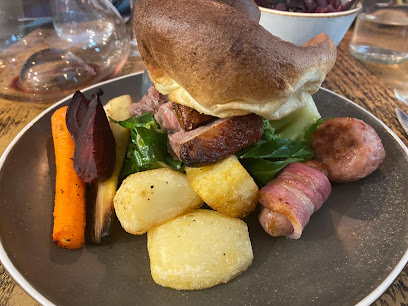
Markets, malls and hidden boutiques

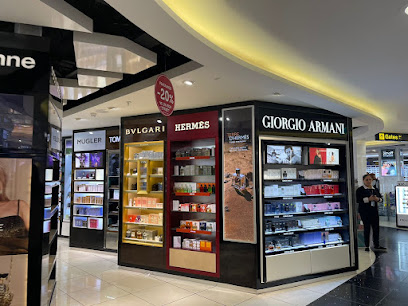
World Duty Free - East Midlands Airport
7.5 km
Shop premium beauty, fragrances, spirits, and more at East Midlands Airport’s World Duty Free with convenient Reserve & Collect service.
Shop
7.6 km
Discover Derby's unique shop filled with local crafts and artisanal treasures, a must-visit for every tourist.
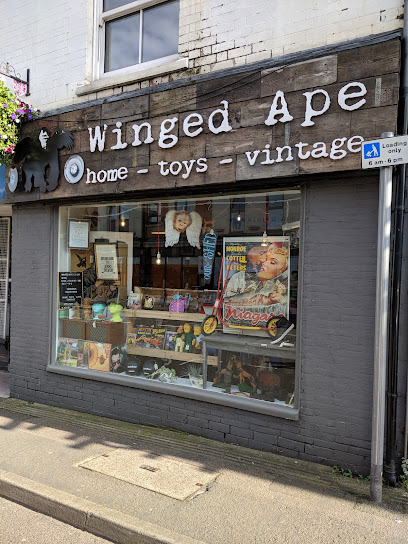
Winged Ape Vintage
10.0 km
Discover unique vintage treasures and timeless style at Winged Ape, Loughborough’s beloved family-run vintage shop since 2016.
Wheelers Luxury Gifts
10.1 km
Discover exquisite personalized luxury gifts and impeccable service at Wheelers Luxury Gifts in Loughborough’s Devonshire Square.
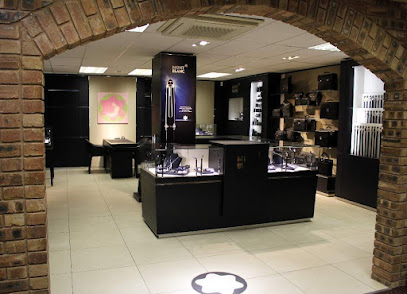
Typically Unique
11.4 km
Discover beautiful, realistic gifts and exceptional service at Typically Unique, a beloved shop in the historic village of Aston-on-Trent.
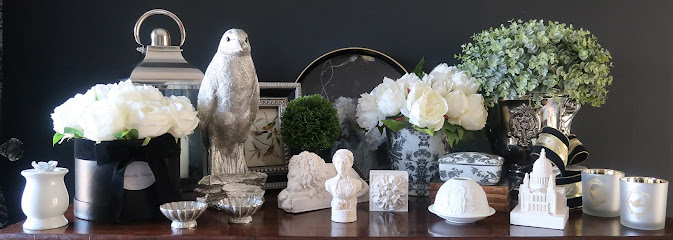
Watkinghams Gift & Homeware Store
12.2 km
Discover unique handcrafted gifts and stylish homeware in a charming village shop celebrating local artistry near Bradgate Park.
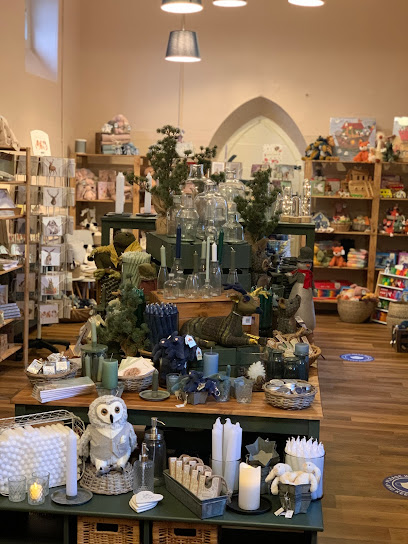
Forget Me Knot Leicester Ltd
15.1 km
Anstey's beloved independent gift shop, where thoughtful curation meets genuine hospitality.
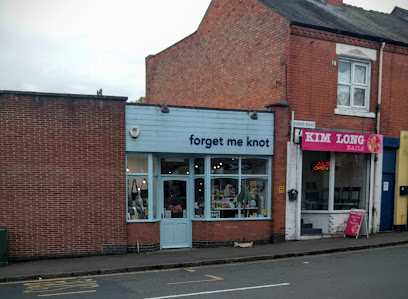
A Few Nice Things UK
15.6 km
Discover unique personalised gifts and local artisan treasures in Rothley’s charming boutique, A Few Nice Things UK.

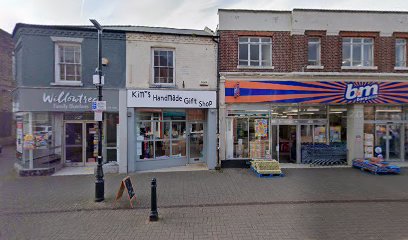
Kim's Handmade Gift Shop
16.2 km
Explore Kim's Handmade Gift Shop in Long Eaton for unique handcrafted gifts that celebrate local artistry and creativity.
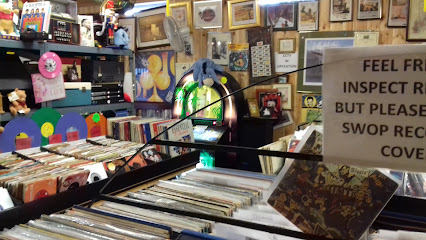
Something Different
18.7 km
Discover vintage treasures and unique collectibles in a charming Stapleford shop filled with antiques, records, and secondhand gems.
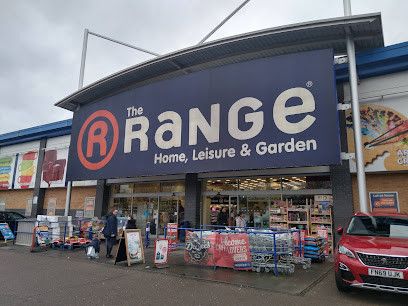
The Range, Leicester
19.2 km
Inspiring homes and creative lives—where furniture, décor, and imagination meet under one expansive roof.
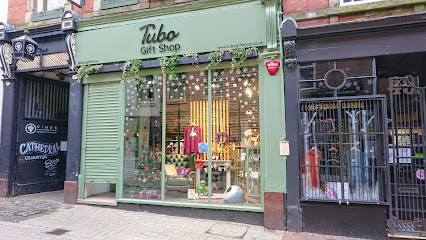
Tubo Gift Shop
19.8 km
Discover handcrafted gifts and eco-friendly treasures at Tubo Gift Shop, Derby’s award-winning indie gem in the historic Cathedral Quarter.
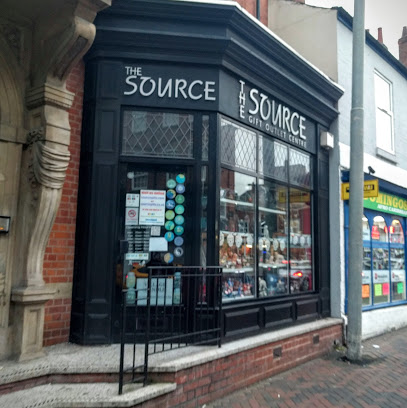
The Source
20.2 km
Discover unique, high-quality gifts with expert service at The Source, Leicester’s cherished family-owned gift shop on Church Gate.
Menkind
20.3 km
Discover unique gadgets, quirky gifts, and exclusive toys at Menkind Leicester in the vibrant Highcross shopping district.

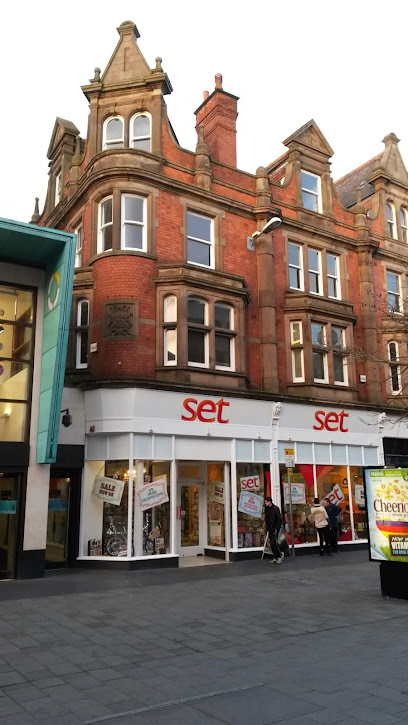
Set
20.4 km
Award-winning gifts, jewellery, and cards in a historic High Street gem with royal connections.
Essential bars & hidden hideouts

Proof 65
7.5 km
A lively bar and small-plate restaurant offering innovative flavors and relaxed vibes within East Midlands Airport.

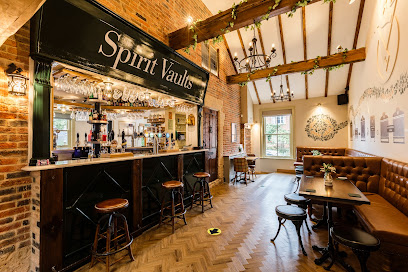
The Spirit Vaults
8.2 km
A welcoming microbrewery and pub at The Blue Bell Inn offering craft beers, hearty food, and cozy accommodation in historic Melbourne.
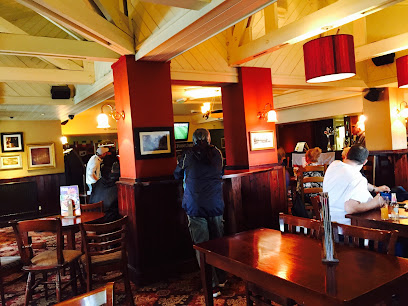
The Keepers Lodge
16.6 km
A friendly community pub in Leicester offering great food, drinks, and a welcoming atmosphere for all occasions.
The Cross Keys
17.9 km
A cozy village pub in Ockbrook offering real ales, homemade pizzas, and a warm, welcoming atmosphere for locals and visitors alike.
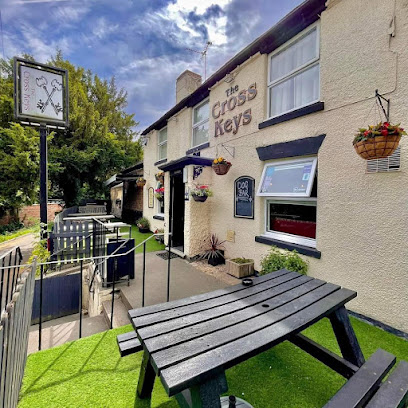
Malt Shovel
18.0 km
Historic 18th-century pub in Spondon, Derby, offering cozy rooms, home-cooked meals, and a welcoming family-friendly atmosphere.
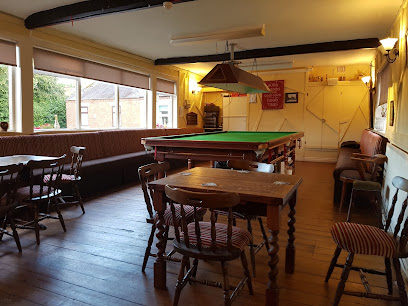
The Bulls Head
18.0 km
A warm and lively pub in Leicester Forest West offering expertly cooked food, a great beer garden, and a welcoming atmosphere for all occasions.
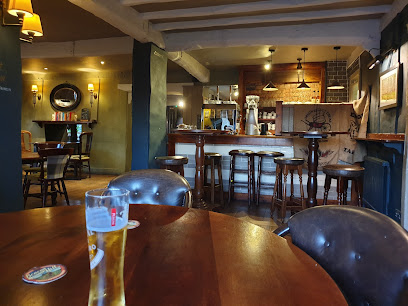
The Bell & Castle
19.1 km
A lively and welcoming Irish-style pub in Derby offering great drinks, casual dining, and a friendly community atmosphere.
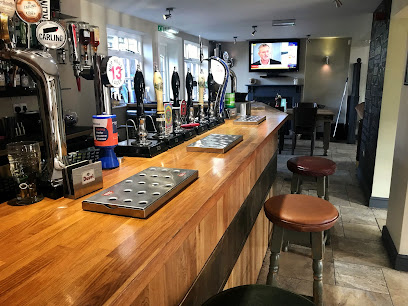
The White Horse
19.5 km
A lively Derby city-centre pub famed for live music, friendly vibes, and a solid selection of ales and ciders.
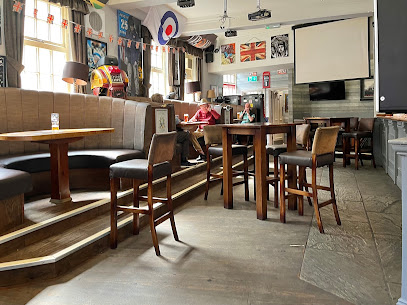
The Crows Nest
19.8 km
A lively Leicester pub with great food, live music, family events, and a welcoming pirate-themed atmosphere.
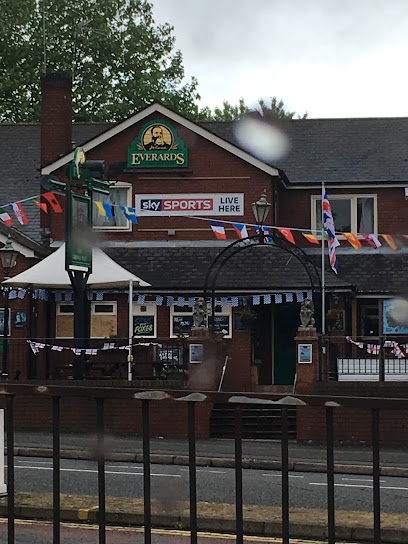
The Hideout Derby
19.8 km
A vibrant Derby pub blending gaming fun, street food, and bottomless brunch in a lively, social atmosphere.
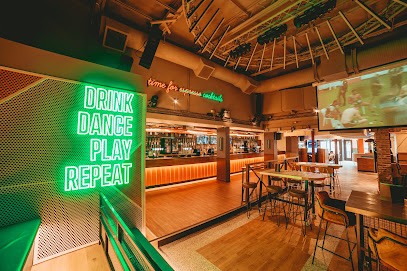
Exeter Arms
19.8 km
A cozy, traditional Derby pub offering hearty meals, excellent ales, and a warm, rustic atmosphere in the city center.
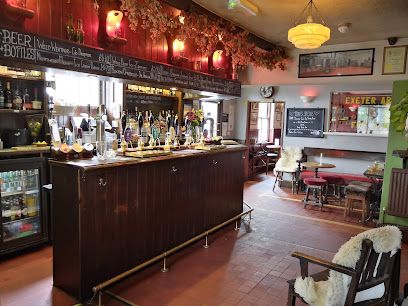
BlueNote
19.8 km
Derby’s late-night hotspot for live music and DJ-driven clubbing in the heart of the city’s vibrant nightlife scene.

Bunk
19.8 km
Lively Derby bar specializing in chicken wings and cocktails, perfect for casual evenings and vibrant nightlife.
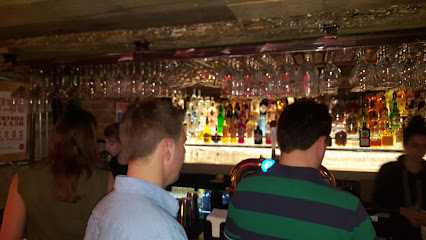
Blacksmiths Lounge
19.8 km
Lively cocktail bar and live music venue in Derby’s historic Sadler Gate, blending rustic charm with vibrant entertainment.
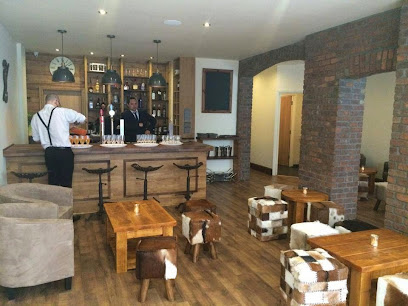
Slug & Lettuce - Derby
19.9 km
Lively cocktail bar and casual dining venue in Derby city centre, perfect for drinks, socialising, and celebrations with stylish vibes and great deals.
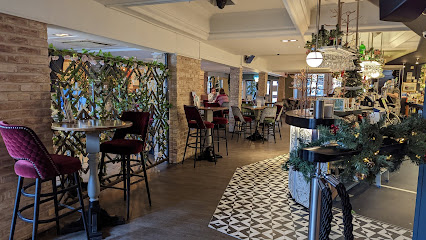
Nightclubs & after hour spots

The Emporium
4.3 km
Experience Coalville’s vibrant nightlife at The Emporium, where legendary DJs and electric atmospheres create unforgettable weekends.

Ciros Nightclub
7.7 km
Energetic nightlife hotspot in Ashby-de-la-Zouch offering music, dancing, and a vibrant social scene in a central market town setting.
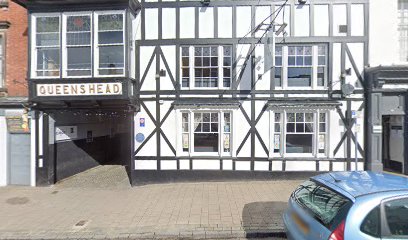
Echo's Night Club
10.1 km
Loughborough’s energetic nightclub with dual rooms, affordable drinks, and a lively student-friendly atmosphere on Biggin Street.
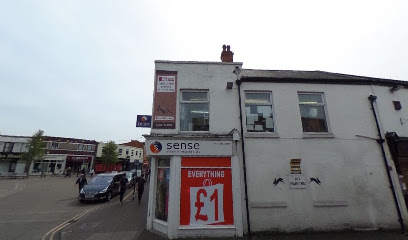
The Attic Adult Club
16.8 km
An intimate adult nightclub in Derby offering lively entertainment, friendly staff, and affordable fun in a welcoming atmosphere.
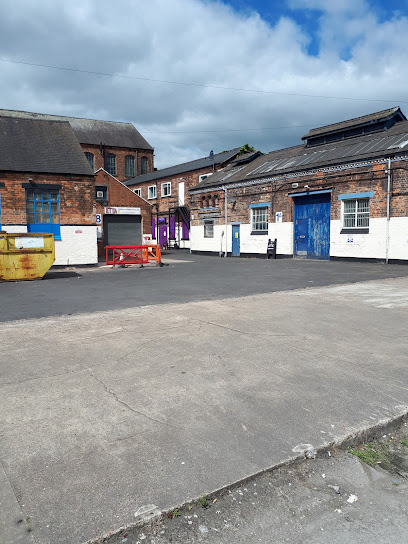
MooMoo Nightclub Derby
19.7 km
Experience Derby’s vibrant nightlife with diverse music rooms, premium booths, and affordable drinks at MooMoo Nightclub on St James's Street.
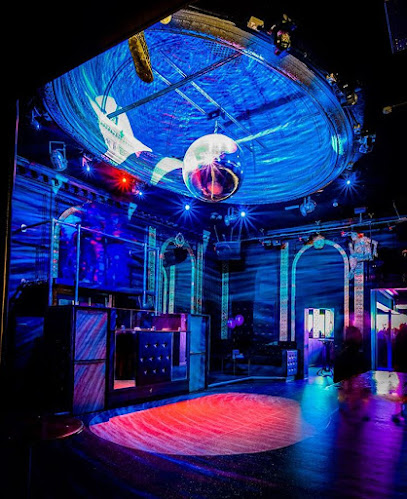
Bar Fever Derby
19.7 km
Experience Derby’s vibrant nightlife at Fever Derby, a dynamic three-floor nightclub with diverse music, lively bars, and exclusive VIP areas.

Together
19.7 km
Vibrant Afrobeat nightclub and cocktail bar in Derby’s city centre with affordable drinks and lively events.
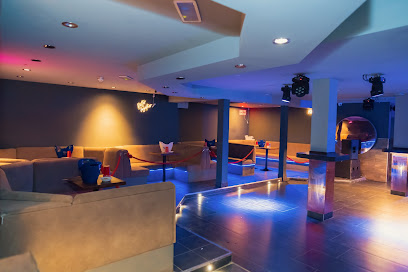
Mosh
19.9 km
Three floors of diverse music and affordable drinks make Mosh a lively, student-friendly nightclub in Derby’s city center.

Corah Works
20.1 km
Experience Leicester’s rich textile heritage transformed into a vibrant nightlife hotspot at Corah Works on St John Street.

The 2Funky Lounge
20.2 km
Leicester’s energetic two-floor nightclub with live music, private parties, and a rooftop terrace for unforgettable nights out.
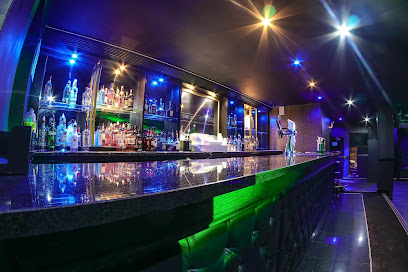
Club Republic
20.2 km
Experience Leicester’s ultimate clubbing hotspot with immersive audiovisuals, live gigs, and a vibrant student-friendly atmosphere.

The Fan Club
20.3 km
Leicester’s vibrant weekend nightclub with four rooms, diverse music, and a welcoming atmosphere for unforgettable nights out.
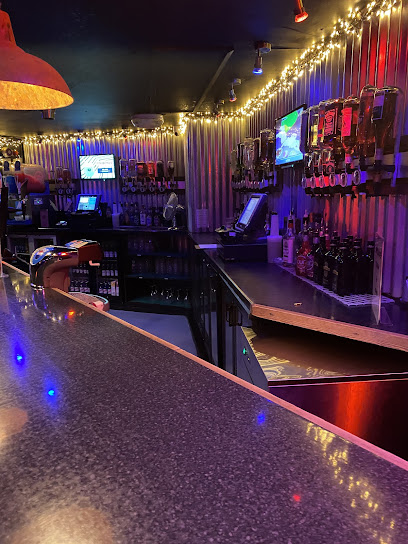
Motto Nightclub
20.3 km
Experience Leicester’s vibrant nightlife at Motto Nightclub, a dynamic venue where music, dancing, and late-night energy come alive.

Waikiki Nightclub
20.7 km
Experience Leicester’s electric nightlife with futuristic vibes, trendy cocktails, and top RnB beats at Waikiki Nightclub every weekend.

Helsinki
20.8 km
Leicester’s vibrant LGBTQ+ nightclub with electrifying drag shows, diverse music, and late-night celebrations in the heart of the city.

For the vibe & atmosphere seeker
- Relaxing
- Tranquil
- Scenic
- Unique
For the design and aesthetic lover
- Rustic Designs
- Vintage Styles
For the architecture buff
- Historic
- Landmarks
- Parks & Gardens
For the view chaser and sunset hunter
- Panoramas
- Sunrise Spots
- Sunset Spots
For the social media creator & influencer
- Instagrammable
- Photo Spots
- Aesthetic Corners
For the eco-conscious traveler
- Low Impact
- Protected Area
- Public-Transport Accessible
- Leave-No-Trace Critical
For the kind of experience you’re after
- Cultural Heritage
- Photowalk
- Nature Escape
- Day Trip
For how adventurous you want the journey to be
- Easy Access
Location Audience
- Family Friendly
- Senior Friendly
- Child Friendly
- Teen Friendly
- Wheelchair Access
- Solo Friendly
- Couple Friendly
- Vegetarian Friendly
- Vegan Friendly


