Cave Dale Travel Guide
Free Guide: Explore the rugged limestone valley of Cave Dale, where dramatic cliffs frame historic Peveril Castle in the heart of the Peak District.


A brief summary of Cave Dale
Explore the rugged limestone valley of Cave Dale, where dramatic cliffs frame historic Peveril Castle in the heart of the Peak District.
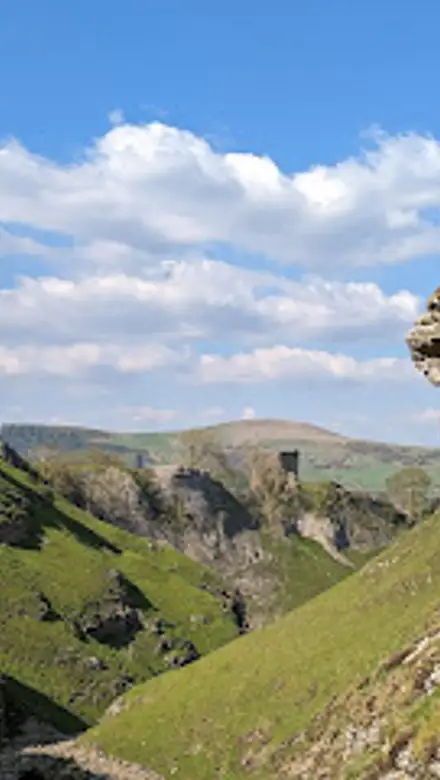
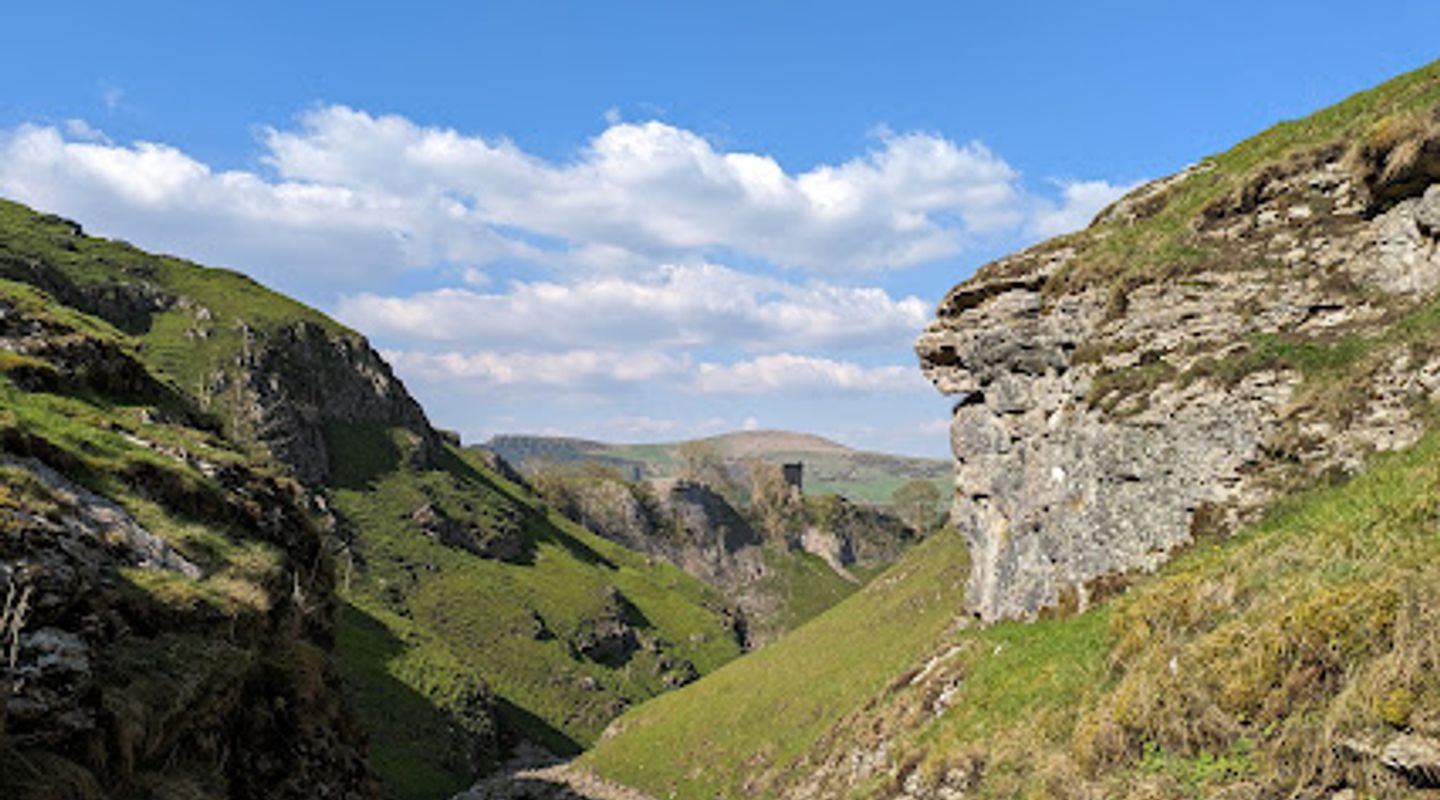
Cave Dale is a striking dry limestone valley located in the Peak District near Castleton, Derbyshire. Characterized by towering cliffs and rugged terrain, it offers spectacular views of Peveril Castle perched above the valley. Formed by ancient glacial meltwater, the valley features steep sides, fascinating rock formations, and hidden caves beneath. A popular destination for hikers and nature lovers, Cave Dale is part of the Limestone Way footpath and provides a memorable outdoor experience in England’s scenic Hope Valley.
On-site amenities
 Restrooms
 Drink options
 Food options
 Seating areas
 Information boards
Opening hours
- Every dayOpen 24 hours
Opening hours as listed on the venue’s Google Business Profile. Hours can change for services and special events, so check with the venue before you go.
- Address
- Secret Valley, Hope Valley, Derbyshire S33 8WS
Getting there
Public Bus
Car
Train and Walk
Discover more about Cave Dale
Geological Origins and Natural Features
Cave Dale is a dry limestone valley carved by glacial meltwater during the last ice age. The valley’s steep, almost vertical sides rise over 50 metres high, creating a dramatic gorge-like landscape. Beneath the valley floor lie extensive caverns of the Peak Cavern system, into which small streams disappear through limestone fissures. The valley’s limestone cliffs reveal mineral veins and remnants of historic lead mining, adding geological and industrial heritage to its natural allure.
Historic Significance and Peveril Castle
Overlooking Cave Dale is the Norman-era Peveril Castle, strategically built on the valley’s western slopes for natural defense and surveillance. Founded by William Peverel shortly after the Norman Conquest, the castle was the administrative center of the Honour of Peveril, encompassing numerous manors. The imposing ruins remain a focal point for visitors, offering a glimpse into medieval history framed by the valley’s rugged terrain.
Walking Experience and Scenic Views
The valley is accessible via a narrow rocky entrance near Castleton village and is traversed by a bridleway forming part of the Limestone Way. The walk ascends gently before steepening to a viewpoint overlooking the valley, Peveril Castle, and the surrounding Hope Valley landscape including Lose Hill and Mam Tor. The path can be uneven and slippery, especially in wet weather, requiring sturdy footwear. The route continues through fields before descending back to Castleton, making a rewarding 4.3 km circular hike.
Wildlife, Caves, and Outdoor Activities
Cave Dale’s cliffs are popular with rock climbers seeking challenging routes. The valley’s caves and fissures are part of a larger karst system, with the Peak Cavern beneath known locally as the “Devils Arse.” Visitors often encounter grazing sheep sharing the path. The valley’s natural amphitheater atmosphere and rugged limestone formations create a unique outdoor environment cherished by photographers, hikers, and nature enthusiasts.
Local Stories and Cultural Notes
Cave Dale holds a somber place in local history as the site of a tragic event in 1983, but it remains primarily celebrated for its natural beauty and heritage. The valley’s name reflects its cave-like, enclosed feel, though it is not a traditional cave. It is a hidden gem often overlooked by casual visitors, offering an immersive experience of the Peak District’s geological and historical richness.
Visitor Amenities and Practical Information
The main access point is from Castleton village, where parking is available at the Visitor Centre for a fee. The walk is suitable for most hikers but involves some steep and rocky sections. There are no facilities within the dale itself, so visitors should come prepared. The valley is open year-round and offers different moods and challenges depending on weather conditions, from misty, atmospheric mornings to bright, clear days.
Evendo Review Centre
 Google
Guest reviews
Best time to go
Quietest: Jan, Feb & Dec · before 6am or at 10pm
Busy times are Evendo estimates for a typical year, to help you plan. Actual crowds vary with events, school holidays and the weather.
Explore Cave Dale on the map
A handpicked selection of must-see spots near Cave Dale, mapped for you.
Get your free copy of our complete guide to Cave Dale, delivered straight to you.
Everything on this page, from opening hours and how to get there to Eve’s tips and the best time to go, in one PDF you can read offline, print or share.
Already have an account? Sign in
Your Cave Dale guide is ready.
We'll send it to · Not you? Sign out

Getting your guide ready…
We are putting together a fresh copy of the Cave Dale guide. This can take up to a minute.
This can take a few moments. If your browser asks, choose Allow so the download can start. You'll find the guide in your Downloads folder.
Nothing happened? Download it again
Sorry, the guide is taking longer than usual. Please try again in a minute, or get it by email instead.
Other nearby places you may find interesting
The closest places of the same kind, if this one is not quite what you had in mind.
-
-
-

-
-


Swipe for more places
More to explore near Cave Dale

 Best experiences near Cave Dale
 Best hotels near Cave Dale
 Best landmarks near Cave Dale
 Best attractions near Cave Dale
 Best shops near Cave Dale
 Best restaurants near Cave Dale
 Best bars near Cave Dale
Do you manage this location?
Take control to get all the benefits, like improved information, better appearance, and stronger visibility across AI-powered discovery.
Explore more

Explore more of Peak District
Discover the breathtaking beauty and rich heritage of the Peak District, the UK's first national park, where adventure and tranquility await amidst stunning landscapes.
Explore Peak District
Explore more of United Kingdom
Discover the United Kingdom: A blend of rich history, stunning landscapes, and vibrant cities, offering a unique travel experience for every visitor.
Explore United Kingdom