

Dunfallandy Stone Travel Guide
Free Guide: A 1,200-year-old Pictish cross-slab revealing ancient artistry and the clash of pagan and Christian worlds.


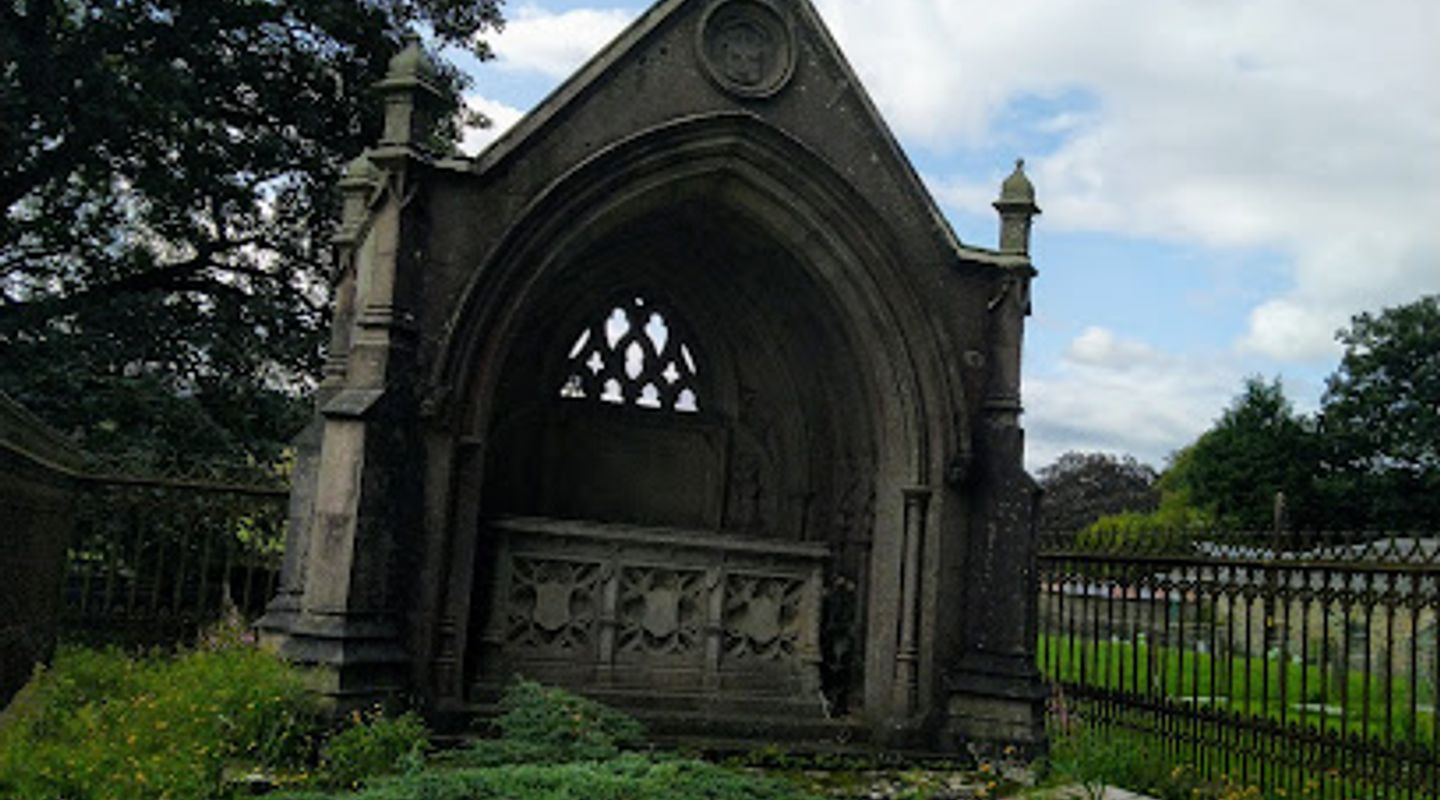
A brief summary of Dunfallandy Stone
A 1,200-year-old Pictish cross-slab revealing ancient artistry and the clash of pagan and Christian worlds.
An exceptionally well-preserved Pictish cross-slab standing over two metres tall near Pitlochry in Perthshire. Dating to around the 8th or 9th century AD, this red sandstone monument features intricate Celtic knotwork on one side and mysterious Pictish symbols—including warriors, animals, and geometric patterns—on the reverse. Protected within a small shelter, it offers a rare window into the artistic and spiritual life of the ancient Picts and the early spread of Christianity in Scotland.
On-site amenities
 Information boards
 Sheltered areas
Opening hours
- Every dayOpen 24 hours
Opening hours as listed on the venue’s Google Business Profile. Hours can change for services and special events, so check with the venue before you go.
- Address
- Pitlochry PH16 5NA
- Website
Getting there
Car from Pitlochry town centre
Walking from Pitlochry
Bus and walking combination
Cycling from Pitlochry
Discover more about Dunfallandy Stone
A Monument to Ancient Pictish Craftsmanship
The Dunfallandy Stone stands as one of Scotland's finest surviving Pictish cross-slabs, a remarkable testament to the artistic skill and cultural sophistication of the ancient Picts. Carved from red sandstone and rising over two metres in height, this exceptional monument dates to approximately the 8th or 9th century AD, placing it at a pivotal moment in Scottish history when pagan traditions were giving way to Christian influence. The stone's exceptional preservation allows visitors to appreciate the intricate detail of its carvings with remarkable clarity, making it one of the most important archaeological sites in the Scottish Highlands.
Symbols of Faith and Mystery
The Dunfallandy Stone presents two distinct artistic narratives. On one face, a Celtic-style cross dominates the composition, filled with elaborate knotwork and interlacing patterns that demonstrate the growing influence of Christianity among the Pictish people. The reverse side, however, reveals a more enigmatic world: carved human figures, including warriors in apparent motion, alongside animals and beasts whose meanings continue to perplex historians and archaeologists. These mysterious symbols may form religious allegories or depict scenes from Pictish mythology, their true significance lost to time. The interplay between Christian iconography and pre-Christian Pictish imagery makes this stone a unique artifact of cultural transition.
The Picts and Their Legacy
The Picts were an ancient people who inhabited what is now northern Scotland long before the unification of the Scottish kingdom. Little is known of their origins or language, yet their artistic legacy—preserved in stones like Dunfallandy—reveals a sophisticated society with deep spiritual beliefs and remarkable technical skill. The Dunfallandy Stone likely remained in its original location throughout the centuries, though it may have been repositioned at some point to ensure its preservation. This continuity of place adds to the stone's significance, suggesting it held importance to successive generations of Scots who recognized its historical value.
A Sheltered Sanctuary in the Perthshire Countryside
Located just outside Pitlochry near Dunfallandy Farm, the stone occupies a peaceful setting in the heart of Perthshire, where rolling hills and open countryside provide a serene backdrop. The monument is now protected within a small shelter structure, a modern conservation measure that shields the delicate carvings from weathering while allowing visitors to examine the stone's details up close. This thoughtful preservation approach ensures that future generations will continue to marvel at the craftsmanship of artisans who worked over twelve centuries ago. The site's rural location, tucked away from major roads, preserves something of the quiet contemplation that such ancient monuments inspire.
A Gateway to Understanding Scotland's Past
For those interested in archaeology, history, or the deeper currents of Scottish heritage, the Dunfallandy Stone offers profound insights into a civilization that shaped the nation's identity. The monument bridges two worlds—the pagan traditions of the Picts and the early Christian faith that would eventually dominate Scotland. Standing before this ancient carving, visitors connect directly with the hands and minds of craftspeople whose names are forgotten but whose work endures. The stone's presence in the landscape serves as a powerful reminder that Scotland's story extends far deeper into time than many realize, rooted in the achievements of peoples whose legacy lives on in monuments like this.
Evendo Review Centre
 Google
Guest reviews
Best time to go
Quietest: Jan, Feb & Nov · before 7am or from 7pm
Busy times are Evendo estimates for a typical year, to help you plan. Actual crowds vary with events, school holidays and the weather.
Explore Dunfallandy Stone on the map
A handpicked selection of must-see spots near Dunfallandy Stone, mapped for you.
Get your free copy of our complete guide to Dunfallandy Stone, delivered straight to you.
Everything on this page, from opening hours and how to get there to Eve’s tips and the best time to go, in one PDF you can read offline, print or share.
Already have an account? Sign in
Your Dunfallandy Stone guide is ready.
We'll send it to · Not you? Sign out

Getting your guide ready…
We are putting together a fresh copy of the Dunfallandy Stone guide. This can take up to a minute.
This can take a few moments. If your browser asks, choose Allow so the download can start. You'll find the guide in your Downloads folder.
Nothing happened? Download it again
Sorry, the guide is taking longer than usual. Please try again in a minute, or get it by email instead.
Other nearby places you may find interesting
The closest places of the same kind, if this one is not quite what you had in mind.
-
-
-
-
-


Swipe for more places
More to explore near Dunfallandy Stone

 Best experiences near Dunfallandy Stone
 Best hotels near Dunfallandy Stone
 Best landmarks near Dunfallandy Stone
 Best attractions near Dunfallandy Stone
 Best shops near Dunfallandy Stone
 Best restaurants near Dunfallandy Stone
 Best bars near Dunfallandy Stone
Do you manage this location?
Take control to get all the benefits, like improved information, better appearance, and stronger visibility across AI-powered discovery.
Explore more
Explore more of Perthshire
Discover Perthshire: Scotland's Heartland of Natural Beauty, Cultural Heritage, and Outdoor Adventure.
Explore Perthshire
Explore more of United Kingdom
Discover the United Kingdom: A blend of rich history, stunning landscapes, and vibrant cities, offering a unique travel experience for every visitor.
Explore United Kingdom
