
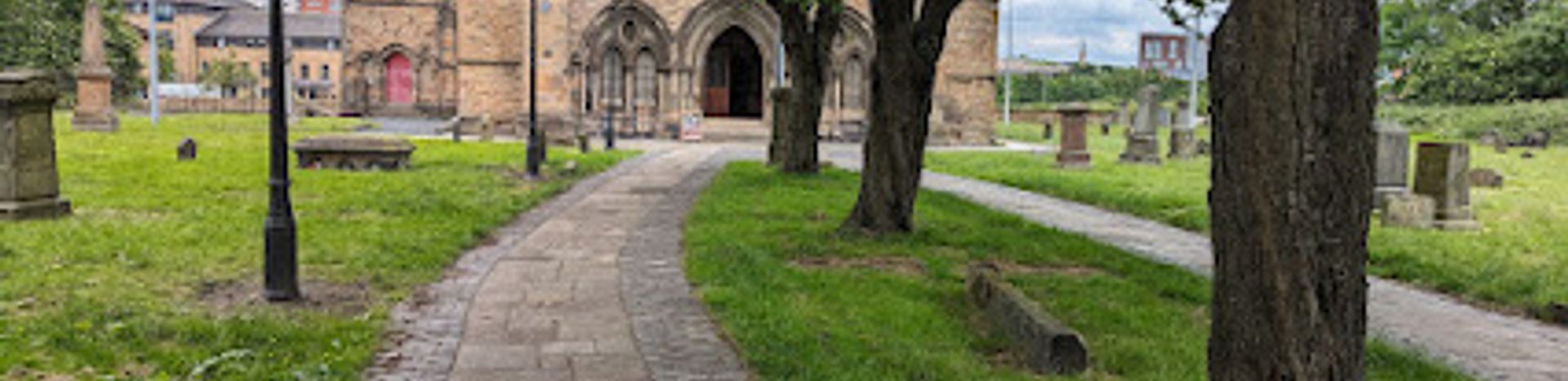
The Govan Stones: Medieval Sculptural Treasures of Strathclyde
Discover the Govan Stones, a rare collection of Viking-age carved monuments revealing the rich medieval heritage of Scotland’s Kingdom of Strathclyde.
The Govan Stones, housed within Govan Old Parish Church in Glasgow, are a remarkable collection of 31 early medieval carved stones dating from the 9th to 11th centuries. These Viking-age monuments, including crosses, hogbacks, and a unique sarcophagus, reflect the power and heritage of the Kingdom of Strathclyde. Once scattered in the churchyard, they now offer a rare glimpse into Scotland’s early medieval history and artistry.
A brief summary to The Govan Stones
- 866 Govan Rd, Glasgow, Govan, G51 3DL, GB
- Visit website
- Duration: 0.5 to 2 hours
- Free
-
 Indoor
- Mobile reception: 4 out of 5
- Monday 1 pm-4 pm
- Tuesday 1 pm-4 pm
- Wednesday 1 pm-4 pm
- Thursday 1 pm-4 pm
- Friday 1 pm-4 pm
- Saturday 1 pm-4 pm
- Sunday 1 pm-4 pm
Local tips
- Visit during opening hours from 1pm to 4pm daily to see the stones in optimal lighting and avoid crowds.
- Take time to explore the detailed carvings on the sarcophagus and hogback stones, which tell stories of medieval life and power.
- Check out the archaeological displays and information boards inside Govan Old Parish Church to deepen your understanding.
- Combine your visit with a walk around the historic Govan area to appreciate its shipbuilding heritage and evolving urban landscape.

For the on-the-go comforts that matter to you
- Restrooms
- Information Boards
- Seating Areas
Getting There
-
Public Transport
Take the Glasgow Subway to Govan Station, then a 10-minute walk along Govan Road to the church. The subway runs every 6-8 minutes, with tickets costing around £1.50-£2.50 GBP.
-
Bus
Several bus routes, including the 3, 4, and 18, serve Govan Road with stops near the church. Journey times from central Glasgow vary between 15-25 minutes. Single fares cost approximately £1.80-£2.50 GBP.
-
Car
Driving to Govan Old Parish Church is possible with limited street parking nearby. Expect a 15-25 minute drive from Glasgow city centre. Parking may be challenging during peak hours; pay-and-display zones apply.
The Govan Stones location weather suitability
-
 Any Weather
-
 Rain / Wet Weather
-
 Mild Temperatures
Discover more about The Govan Stones
Legacy of a Lost Kingdom
The Govan Stones are a unique assemblage of early medieval sculpture that once marked the burial grounds of the Kingdom of Strathclyde, a powerful Brittonic realm that thrived from the 9th to the 11th centuries. Following the Viking destruction of Dumbarton Rock in 870 AD, Govan rose as the kingdom’s new political and ecclesiastical heart. The stones, carved primarily from local sandstone, embody this turbulent era when Viking incursions and native dynasties shaped the region's destiny. They stand as enduring symbols of a kingdom that bridged Celtic and Norse cultures.Artistry and Symbolism in Stone
The collection includes 31 carved monuments such as cross-slabs, cross shafts, and five hogback stones—distinctive Viking-era tomb markers shaped like longhouses. The centerpiece is the Govan Sarcophagus, a rare, intricately carved stone coffin believed to hold the relics of St. Constantine, a figure linked to Strathclyde’s royal lineage. The stones feature elaborate Celtic knotwork, warrior figures, hunting scenes, and animal motifs, reflecting both Christian iconography and Norse artistic influences. Many stones bear inscriptions and were reused as grave markers well into the post-medieval period, preserving their legacy through centuries.From Graveyard to Heritage Centre
Originally scattered in the pear-shaped churchyard of Govan Old Parish Church, the stones suffered exposure and damage over centuries. Recognizing their cultural importance, they were moved indoors in 1926 to protect them from the elements. A major redisplay in 2013 enhanced their presentation with modern lighting and interpretive design, making the site a focal point for heritage and education. Archaeological excavations since the 1990s have uncovered Christian burials dating back to the 5th century, affirming Govan Old’s status as one of the oldest Christian sites on the Clyde.Political and Spiritual Significance
The stones mark a period when Govan was a royal burial site and religious centre, linked to the Kingdom of Strathclyde’s rulers. Nearby, the now-lost Doomster Hill once served as a place of assembly and justice, underscoring Govan’s role as a seat of power. The sarcophagus and carved stones symbolize the intertwining of political authority and Christian faith in early medieval Scotland. The site’s continued reverence and archaeological study reveal the complex identities and alliances forged during a formative chapter in Scottish history.Community Engagement and Preservation
The Govan Heritage Trust manages the stones, fostering public appreciation through exhibitions, educational programs, and community archaeology projects. University of Glasgow-led research continues to refine understanding of the stones’ chronology and cultural context. The site’s Scheduled Monument status ensures legal protection, while ongoing efforts aim to sustain Govan Old as a vibrant cultural hub integral to Glasgow’s urban regeneration.A Window into Scotland’s Viking Age Past
The Govan Stones offer visitors an extraordinary encounter with Scotland’s early medieval world, where Norse and British traditions converged. Their survival and display provide insight into the artistry, spirituality, and power struggles of a kingdom that once shaped the Clyde region. As one of the most significant collections of Viking-age sculpture in Britain, the stones connect modern audiences with a distant past etched in stone.Iconic landmarks you can’t miss

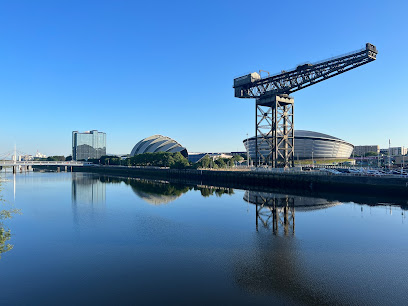
Finnieston Crane
1.9 km
Glasgow's iconic industrial sentinel—a 175-ton testament to engineering brilliance and maritime heritage.
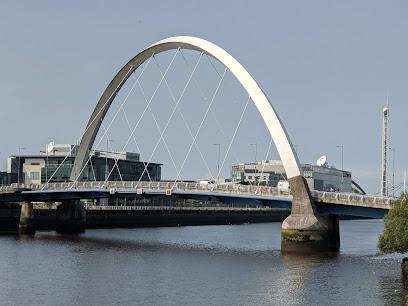
The Clyde Arc
2.0 km
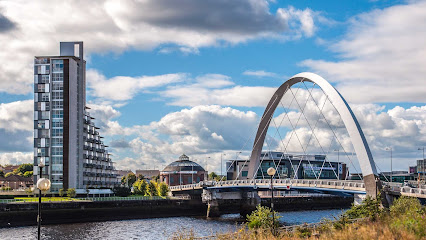
Glasgow’s Squinty Bridge: A modern architectural icon spanning the River Clyde with stunning views and vibrant urban energy.
Caledonian Mansions
2.3 km
Discover Glasgow’s Victorian charm at Caledonian Mansions, a stunning landmark showcasing intricate stonework and historic grandeur on Great Western Road.
Savings Bank of Glasgow building
2.4 km
A Victorian banking landmark symbolizing Glasgow's rise to financial prominence in 19th-century Britain.
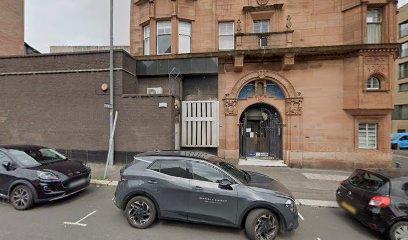
The Sixty Steps
2.4 km
Discover Glasgow’s historic Sixty Steps, a beautifully designed Victorian staircase by Alexander 'Greek' Thomson nestled in the charming Kelvinside district.
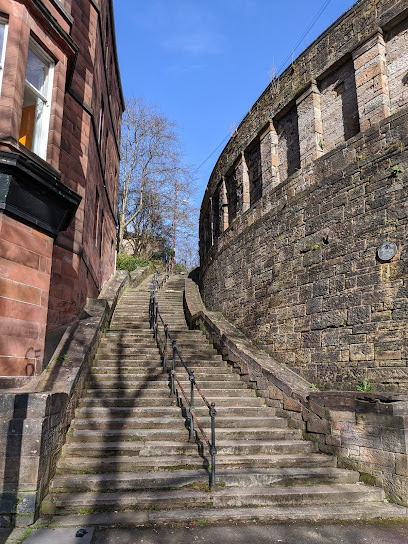
The Tenement House
2.8 km
Explore The Tenement House in Glasgow, a museum that showcases the rich social history and culture of the city's working-class families.
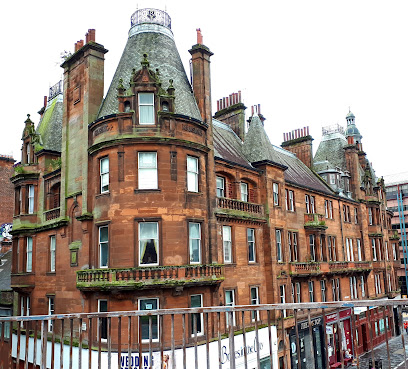
Box Hub
2.9 km
Discover Box Hub: Glasgow's dynamic events venue, where live music, celebrations, and vibrant nightlife come together in a unique atmosphere.
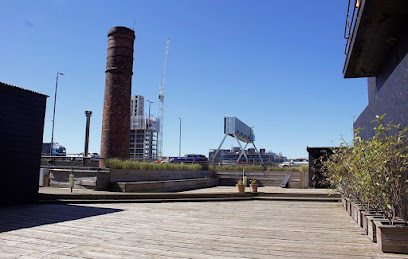
Statue of Light and Life
3.0 km
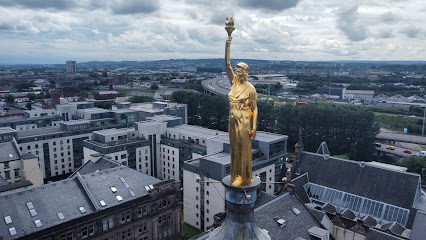
Gilded guardian of Glasgow’s skyline, the Statue of Light and Life shines atop 95 Morrison Street, symbolizing guidance and vitality.
The Glasgow School of Art
3.1 km
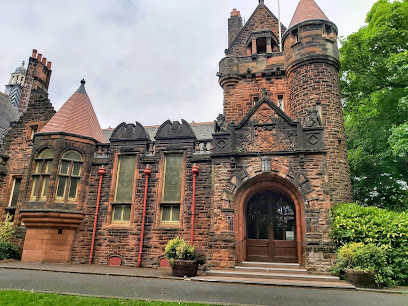
Mackintosh's revolutionary masterpiece where Scottish baronial tradition meets modernist vision.

Maxwell Park
3.2 km
Experience the tranquility of Maxwell Park in Glasgow’s South Side, a perfect escape for nature lovers and families alike.
McLellan Galleries
3.2 km
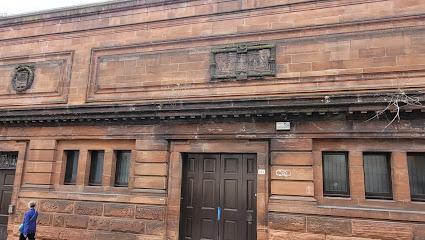
Victorian art gallery turned creative workspace, preserving Glasgow's 19th-century cultural ambitions.
ToursByLocals - Glasgow
3.4 km
Discover Glasgow's rich culture and hidden gems through personalized tours with local experts at ToursByLocals.
glasgow south side
3.4 km
Discover the cultural heart of Glasgow's South Side, where vibrant art, historic landmarks, and local cuisine create an unforgettable experience.
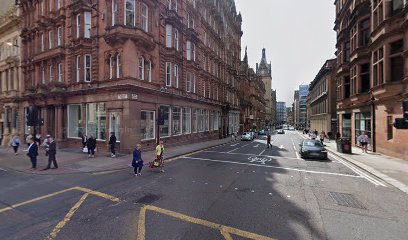
Braehead Shopping Centre
3.5 km
A vibrant retail and leisure destination near Glasgow with over 100 stores, diverse dining, and family-friendly entertainment.
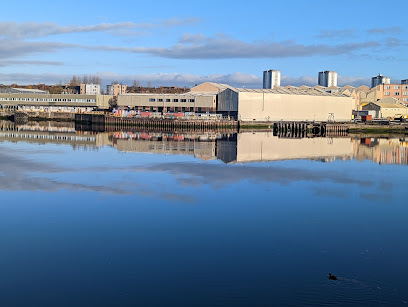
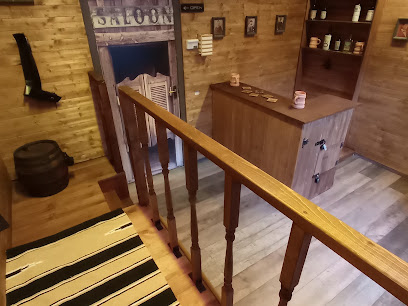
Riddle Rooms Glasgow
3.6 km
Experience the thrill of escape rooms in Glasgow, where adventure awaits around every corner with engaging puzzles and immersive themes.
Unmissable attractions to see

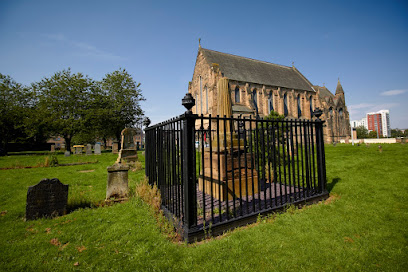
Govan Old Church
0.0 km
Discover Glasgow’s ancient Christian heart through the Govan Stones and a Victorian church set on a sacred site over 1,500 years old.
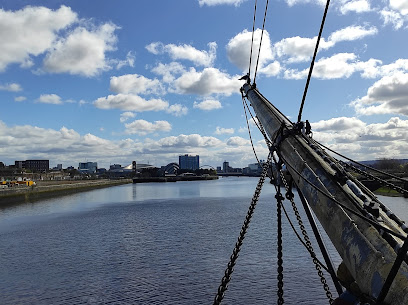
The Tall Ship Glenlee
0.4 km
Explore Glasgow’s iconic Tall Ship Glenlee, a beautifully restored 1896 steel sailing barque and living museum of maritime heritage on the River Clyde.
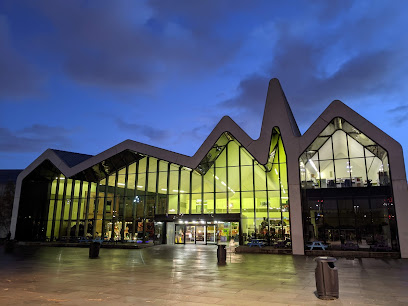
Riverside Museum
0.4 km
Explore Glasgow’s transport heritage through interactive exhibits and historic street scenes at the award-winning Riverside Museum on the River Clyde.
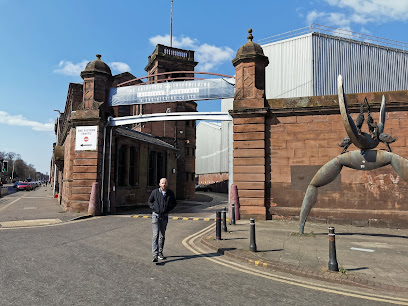
Fairfield Heritage
0.4 km
Explore Glasgow’s shipbuilding heritage in a beautifully restored historic building brought to life by passionate community volunteers.
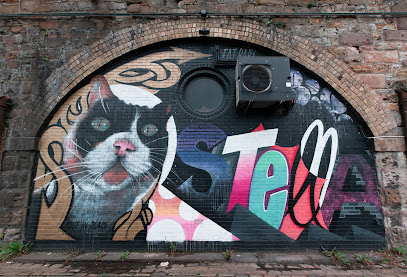
Railway Arches Murals
0.9 km
Discover Glasgow’s vibrant culture and history expressed through ever-changing murals beneath the iconic railway arches on Pointhouse Road.
The Clydeside Distillery
1.0 km
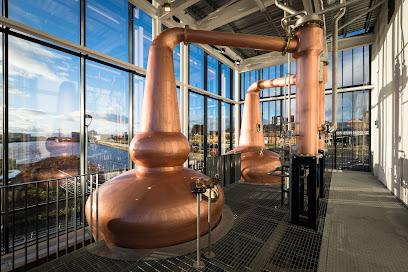
Discover Glasgow’s whisky heritage revived at The Clydeside Distillery, where history, craft, and riverside charm blend into a unique tasting experience.
Glasgow Science Centre Tower
1.2 km
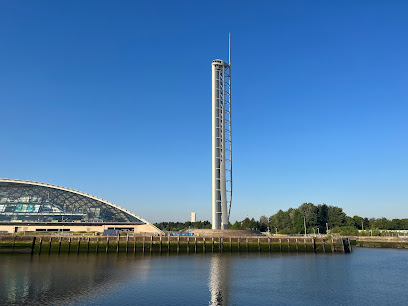
Experience Scotland’s tallest rotating tower with breathtaking panoramic views and cutting-edge engineering on the banks of the River Clyde.
Visit West End
1.2 km
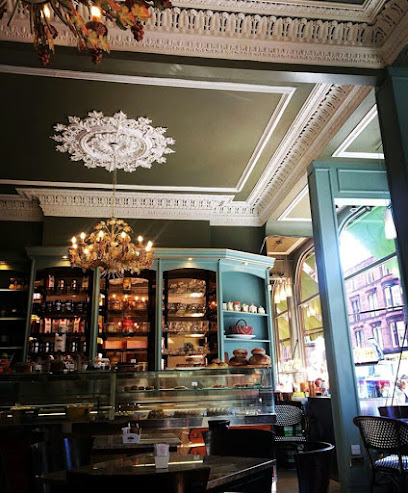
Discover Glasgow West End’s blend of historic charm, vibrant arts, independent shops, and lush green spaces in a lively cultural hotspot.
Paddle Steamer Waverley
1.2 km
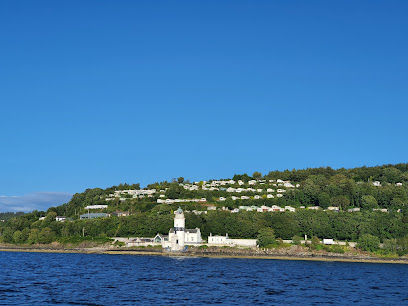
Step aboard the world’s last seagoing paddle steamer for a nostalgic cruise along Scotland’s stunning west coast and beyond.
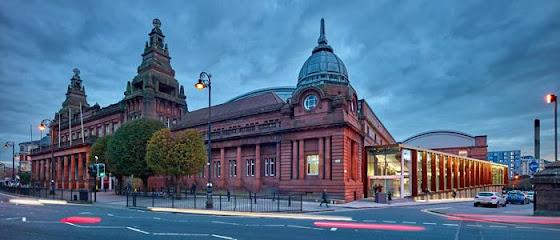
Kelvin Hall Open Collections
1.3 km
Historic Glasgow landmark blending rich cultural collections with modern amenities in a vibrant West End setting.
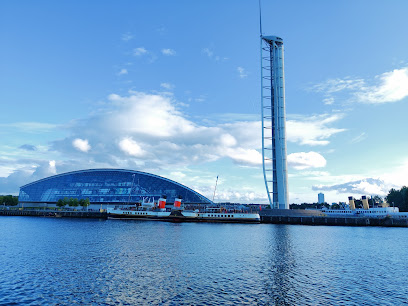
Glasgow Science Centre
1.4 km
Explore science hands-on with interactive exhibits, a planetarium, and Scotland’s tallest rotating tower on the scenic banks of the River Clyde.
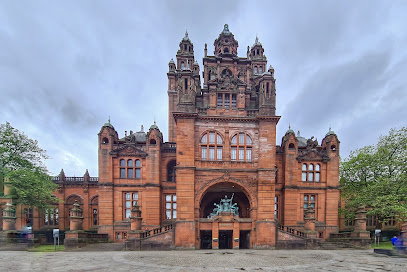
Kelvingrove Art Gallery and Museum
1.5 km
Explore Glasgow’s iconic Kelvingrove Art Gallery and Museum, home to world-class art, historic artifacts, and captivating exhibits in a stunning historic setting.
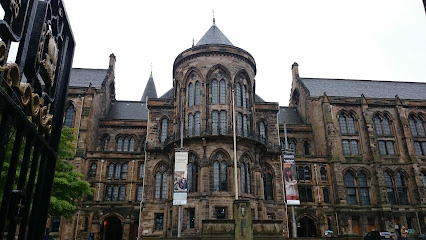
Hunterian Zoology Museum
1.5 km
Discover the fascinating diversity of the animal kingdom at the University of Glasgow's historic Hunterian Zoology Museum.
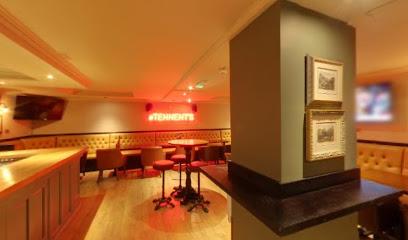
Tennents Byres Rd Glasgow
1.6 km
Discover the vibrant atmosphere of Tennent's Byres Road, a quintessential Glasgow pub offering local brews and authentic Scottish hospitality.
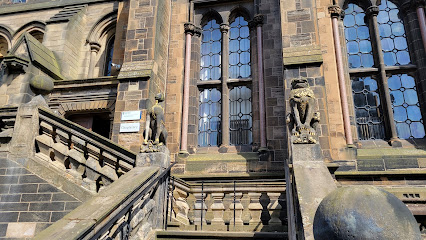
The Lion and Unicorn Staircase
1.6 km
A dramatic Gothic Revival staircase guarded by stone lions and unicorns in the heart of the University of Glasgow’s West Quadrangle.
Essential places to dine

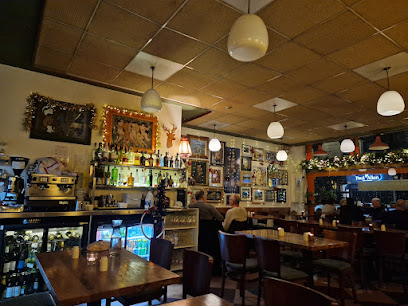
Roastit Bubbly Jocks
0.7 km
A vibrant modern European restaurant in Glasgow’s Partick, celebrated for exceptional Scottish-inspired cuisine and warm, lively hospitality.
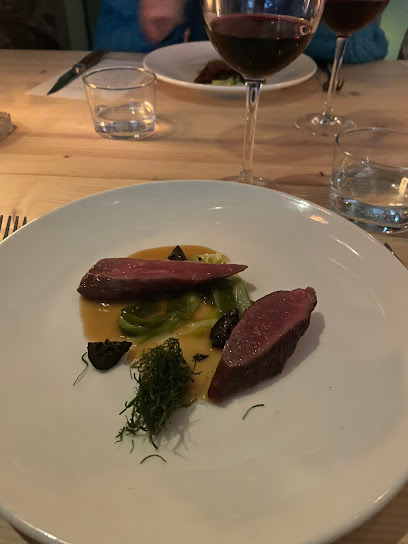
Fallachan Kitchen
0.9 km
Experience Scotland’s finest seasonal tasting menu at Fallachan Kitchen’s intimate 12-seat chef’s table in a unique Glasgow railway arch.
Celino's
0.9 km
A lively Italian restaurant and deli in Partick offering authentic flavors and a bustling atmosphere with moderate prices.
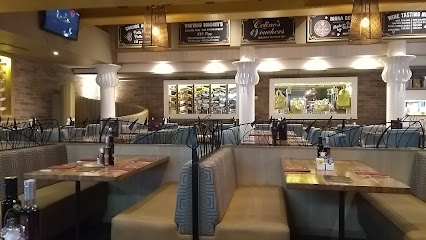
Number 16 Restaurant
1.1 km
Intimate West End restaurant serving inventive modern Scottish cuisine with fresh, local ingredients in a cozy, award-winning setting.
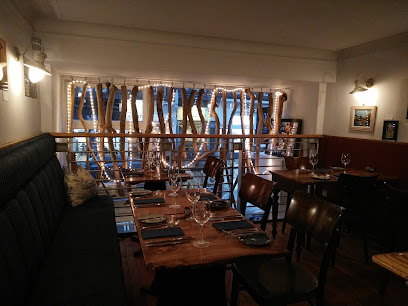
Eighty Eight
1.2 km
Discover Eighty Eight, Glasgow’s cozy small plates restaurant blending Mediterranean flair with seasonal, locally sourced delights in a vibrant West End setting.
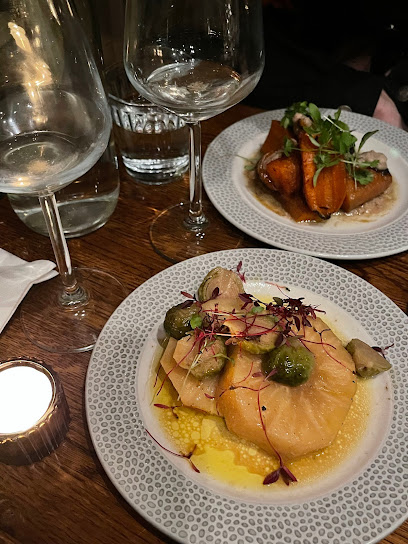
Argyle House Restaurant
1.2 km
Modern British and European dining in Glasgow’s South Side with a stylish atmosphere and approachable prices.
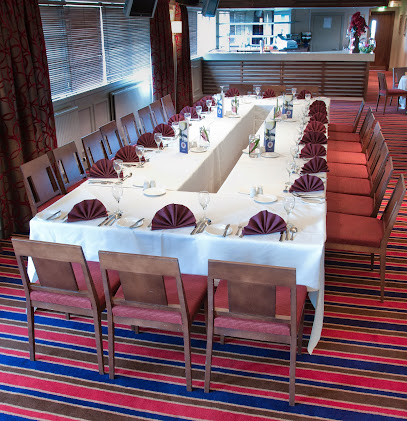
Bothy Glasgow
1.7 km
Experience creative Scottish cuisine with a modern twist in Glasgow’s vibrant West End at Bothy Glasgow.
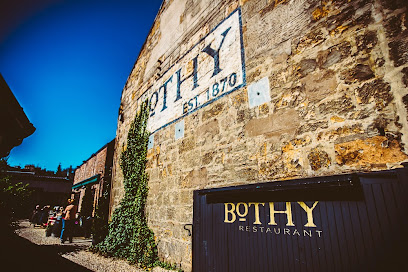
Ubiquitous Chip
1.7 km
Experience Glasgow’s iconic Scottish dining landmark blending tradition, innovation, and lush ambiance in Ashton Lane’s historic heart.
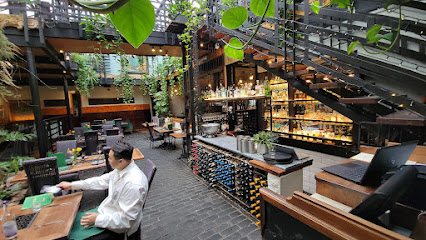
The Gannet
1.7 km
A stylish Finnieston restaurant blending modern Scottish flavors with sustainable sourcing and refined fine dining elegance.
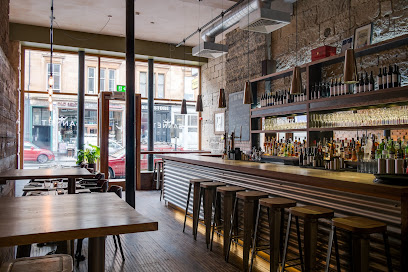
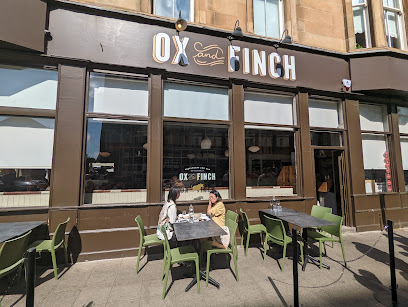
Ox and Finch
1.8 km
Michelin-recognised sharing plates in Glasgow's most vibrant foodie neighbourhood, where seasonal simplicity meets culinary craft.
Porter & Rye
1.8 km
Discover Glasgow’s premier steakhouse in Finnieston, where expertly dry-aged Scottish beef meets rustic charm and impeccable service.
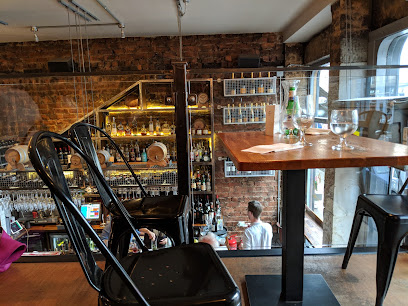
The Finnieston
1.8 km
A stylish seafood haven paired with an award-winning gin bar in the heart of Glasgow’s vibrant Finnieston district.
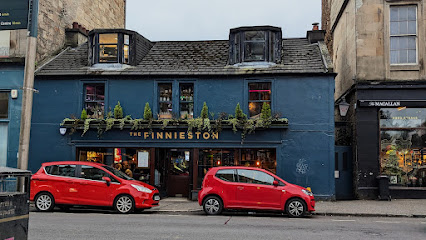
UNALOME by Graeme Cheevers
1.8 km
Michelin-starred fine dining in Glasgow’s vibrant Finnieston, blending seasonal Scottish seafood with warm, elegant service in a relaxed setting.
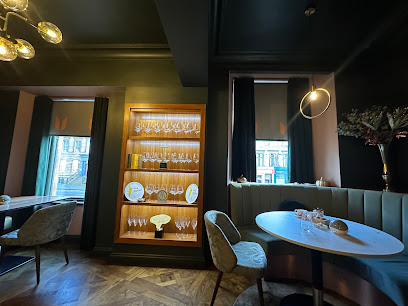
Big Slope
1.8 km
Cozy Finnieston basement bar serving top-tier pub grub, craft cocktails, and dog-friendly vibes in a shabby-chic haven with summer beer garden bliss.
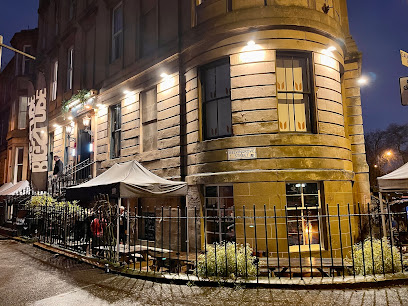
Fanny Trollopes
1.9 km
Seasonal Scottish bistro in Glasgow’s Finnieston, blending rustic charm with fine dining and crafted cocktails in an intimate setting.
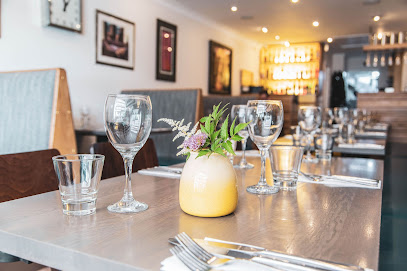
Markets, malls and hidden boutiques

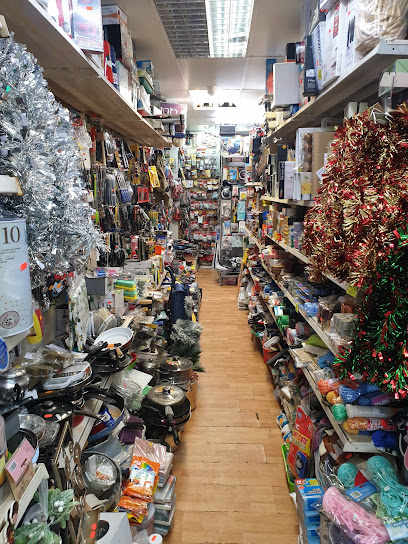
Cut Price Gift Shop
0.7 km
Independent gift shop in Partick offering eclectic treasures and exceptional value on Dumbarton Road.
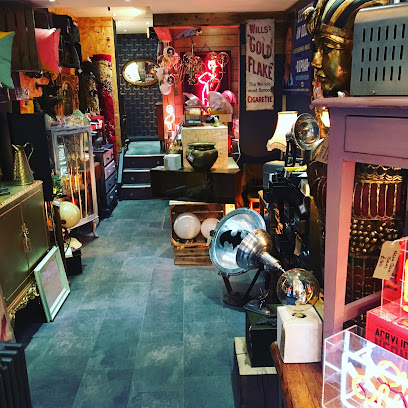
Found
0.7 km
Discover unique and vintage-inspired homewares and lighting in the heart of Partick, Glasgow’s creative shopping district.
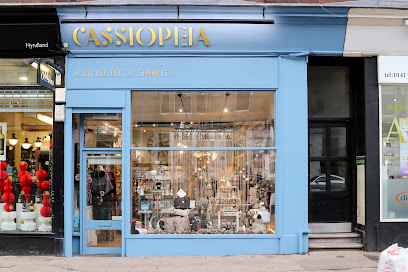
Cassiopeia Gift Ltd
1.4 km
Discover unique gifts and stylish home accessories with personalized service in Glasgow’s charming Cassiopeia Gift Ltd.
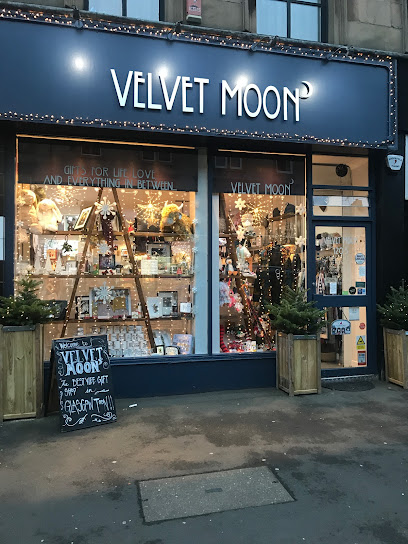
VELVET MOON
1.6 km
Discover unique handmade gifts and local treasures in the charming and characterful Velvet Moon gift shop in Glasgow’s Finnieston.
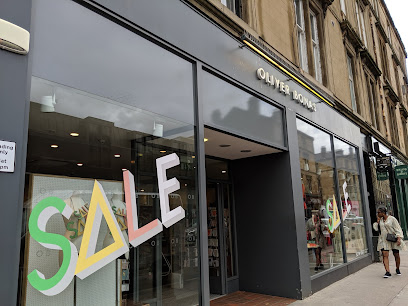
Oliver Bonas
1.7 km
Discover joyful style at Oliver Bonas on Byres Road: eclectic fashion, sparkling jewellery, chic homewares, and gifts that brighten everyday life in Glasgow's creative West End.
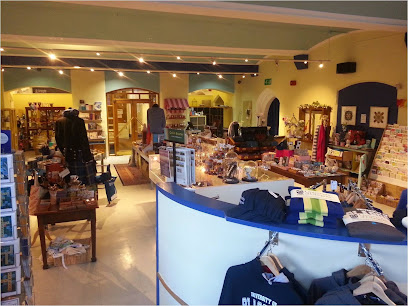
University of Glasgow Gift Shop
1.7 km
Discover official University of Glasgow merchandise and authentic Scottish gifts in a lively, accessible shop nestled beneath the Hunterian Museum.
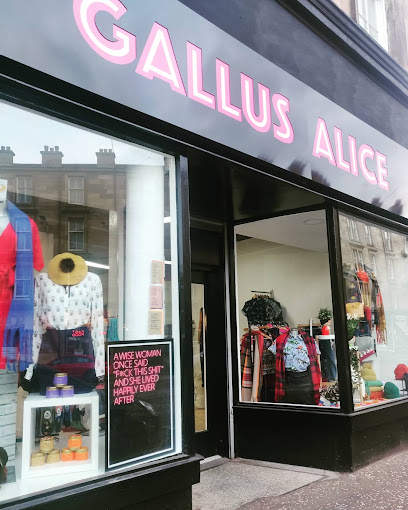
Gallus Alice
2.0 km
A stylish boutique in Glasgow’s vibrant Finnieston offering unique fashion with a bold local flair and a curated shopping experience.
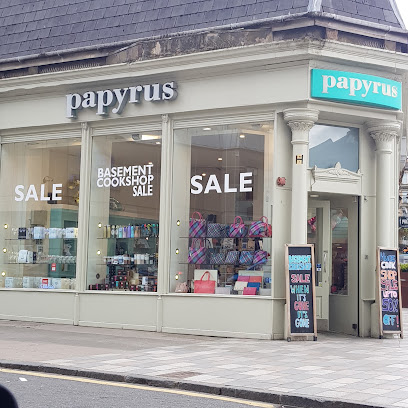
Papyrus
2.0 km
Quirky gifts, cookware delights, and sustainable finds in Glasgow's vibrant West End – Papyrus sparks joy on every shelf.
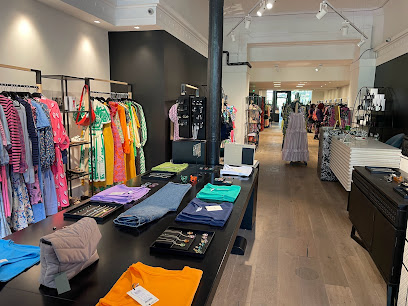
Amaryllis Westend
2.1 km
Discover unique lifestyle products at Amaryllis Westend, a charming boutique in Glasgow's artistic West End, perfect for finding memorable souvenirs.
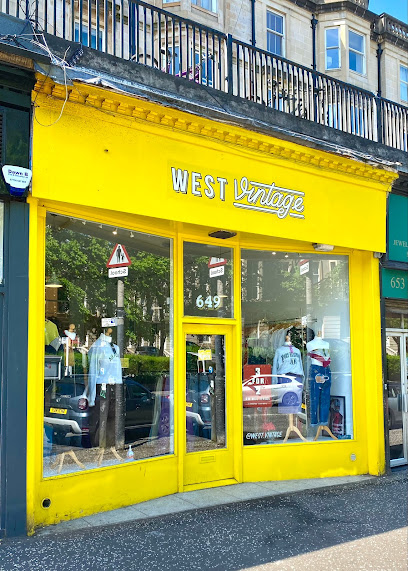
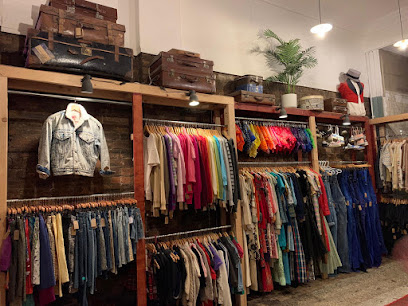
West Vintage
2.1 km
A compact West End boutique specialising in well‑curated vintage clothing and sustainable style on Great Western Road.
Love it! Boutique
2.3 km
A Glasgow boutique offering stylish, size-inclusive women’s fashion in a friendly, relaxed setting.

Ark
2.3 km
Explore Ark, a charming gift shop in Glasgow, offering unique souvenirs and local treasures perfect for every traveler.

The Glasgow Vintage Co
2.3 km
Discover curated vintage fashion treasures at The Glasgow Vintage Co, a stylish hub for timeless apparel in Glasgow’s West End.
Downstair Design Co.
2.4 km
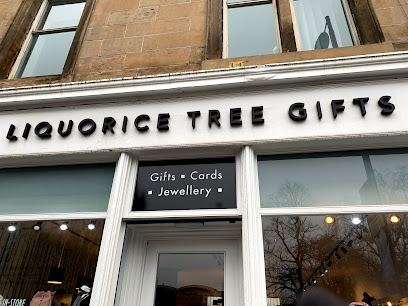
Compact West End gift shop showcasing curated cards, jewellery and design-led presents in a cosy, maker-focused setting.
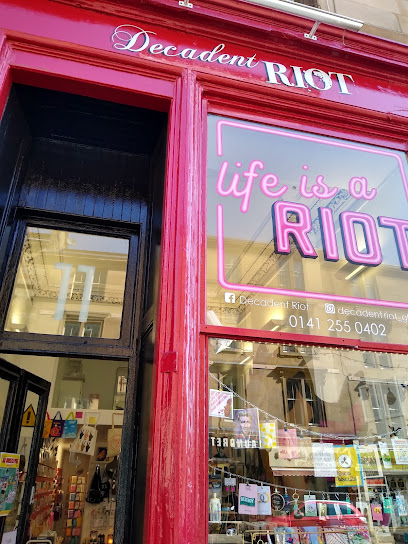
Decadent Riot
2.4 km
A quirky Glasgow boutique offering unique gifts, artistic cards, and a warm, welcoming shopping experience for those seeking something truly distinctive.
Essential bars & hidden hideouts

Deoch An Dorus
0.7 km
Authentic Glasgow pub in Partick offering hearty fare, well-poured pints, and a lively sports atmosphere with friendly local vibes.
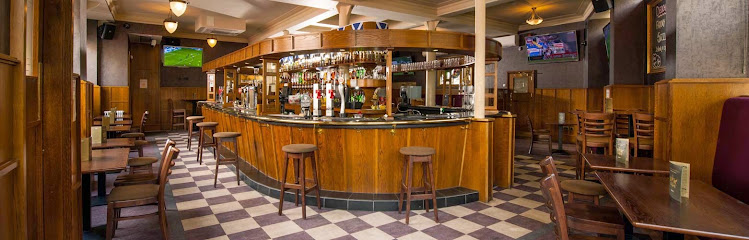
Smiddy Bar
0.8 km
A lively and welcoming West End pub in Glasgow’s Partick, known for friendly vibes, great drinks, and community spirit.
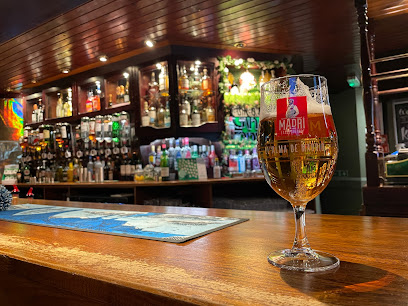
The Thornwood Bar
0.9 km
Rustic-chic pub in Glasgow’s Partick offering elevated pub grub, cocktails, and a warm, welcoming atmosphere.
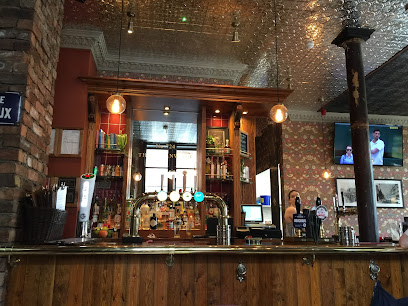
The Record Factory
1.1 km
A West End bar with dive‑bar energy, a large beer garden and DJs that keep the party rolling late into the night.
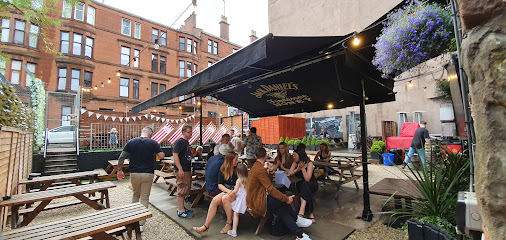
EightySix
1.1 km
Cozy Glasgow cocktail bar famed for creative drinks like the red wine float and margaritas, perfect for relaxed evening socializing.
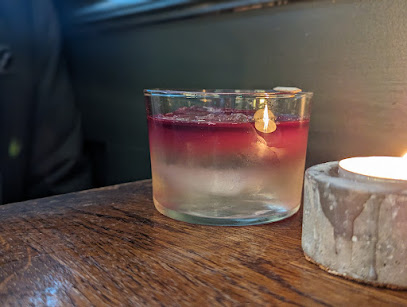
Dukes Bar
1.3 km
A cozy and welcoming West End pub in Glasgow, blending relaxed vibes with quality drinks and friendly service.
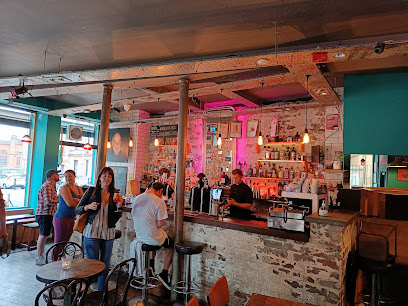
The Aragon Bar
1.4 km
Cozy West End pub pouring local pints, quiz nights, and live Scottish tunes in a dog-friendly, no-frills haven on Byres Road.
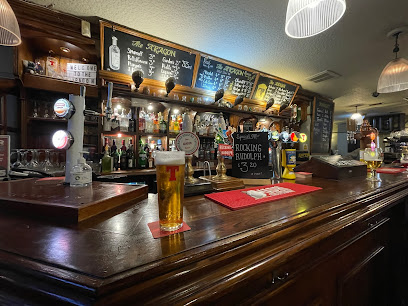
The Islay Inn
1.5 km
Experience Glasgow’s spirited whisky culture and hearty pub fare at The Islay Inn, a vibrant hub of friendly service and live music on Argyle Street.
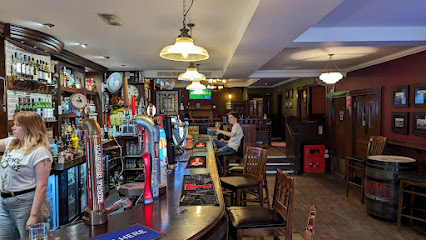
The Park Bar
1.6 km
Experience Glasgow’s vibrant traditional music scene and warm local hospitality at The Park Bar, a historic Scottish pub in Finnieston.
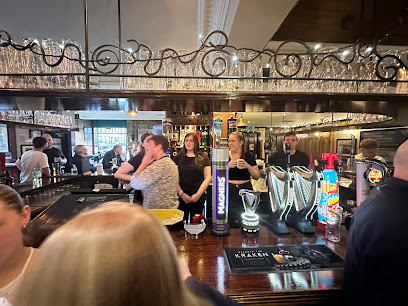
Innis & Gunn Glasgow West End Brewery Taproom
1.7 km
Tank-fresh brews and a rotating craft tap list in a warm, industrial-chic taproom tucked on Glasgow’s Ashton Lane.
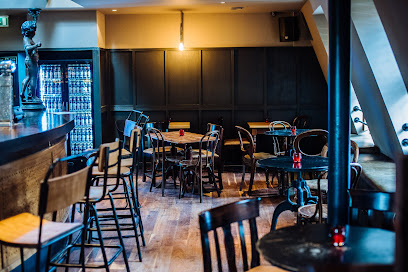
Vodka Wodka
1.7 km
Quirky West End cocktail bar with an all-weather, multi-level beer garden and a colossal vodka list — casual, lively and unpretentious.
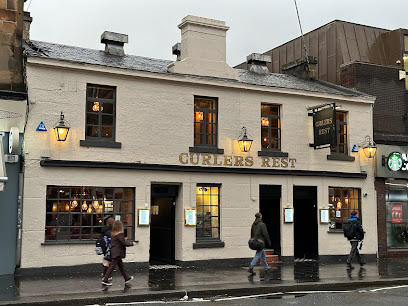
Curlers Rest Glasgow
1.7 km
Historic Byres Road pub pouring 25 draught beers amid exposed brick charm and open-kitchen Scottish fare in Glasgow's West End.
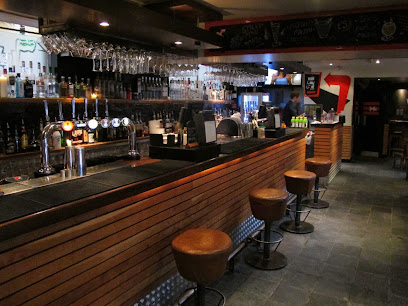
The Ben Nevis
1.8 km
Cozy Scottish pub in Finnieston with a vast whisky selection, rustic charm, and lively Celtic music nights.
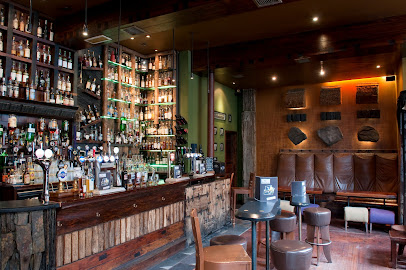
The Dirty Duchess
1.9 km
A cozy, contemporary pub on Argyle Street blending traditional charm with lively cocktails and a dog-friendly vibe.
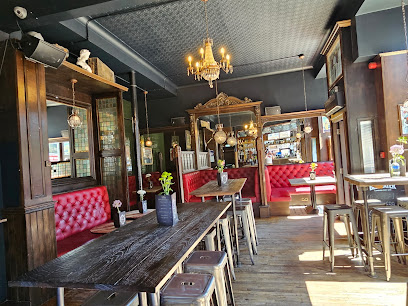
Hillhead Bookclub
2.0 km
Retro cinema vibes meet quirky cocktails and ping pong in Glasgow's West End— a multi-level playground for drinks, bites, and unbeatable energy.
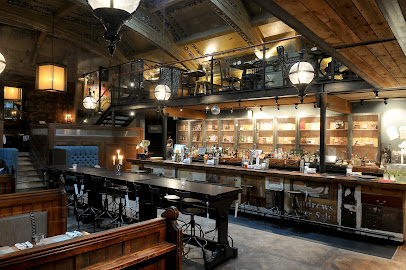
Nightclubs & after hour spots

The Berkeley Suite
2.6 km
Discover Glasgow’s hidden vintage nightclub with top DJs, retro vibes, and an intimate dancehall atmosphere beneath a 1940s ballroom.
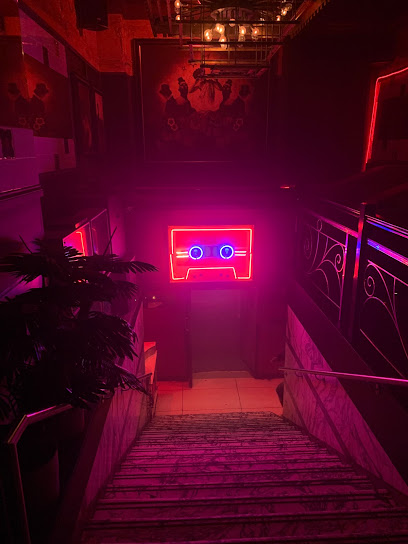
Firewater
2.9 km
Dive into Glasgow's indie nightlife at Firewater, where two rooms blast alternative anthems, cheap entry fuels the fun, and Sauchiehall Street's energy ignites until 2:30am Thu-Sat.
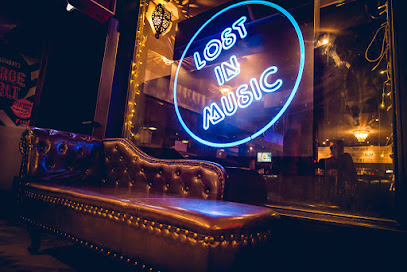
Saint Judes After Dark
3.2 km
Glasgow's electrifying after-dark escape: pulsating DJ beats, craft cocktails, and retro club vibes fuel nights until 3am on Bath Street.
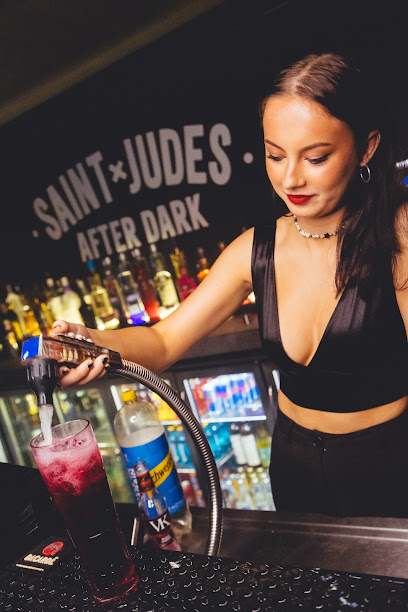
Buff Club
3.2 km
Dive into Glasgow's funky basement beats at The Buff Club, where soul, disco, and 80s grooves light up the night under disco ball magic.
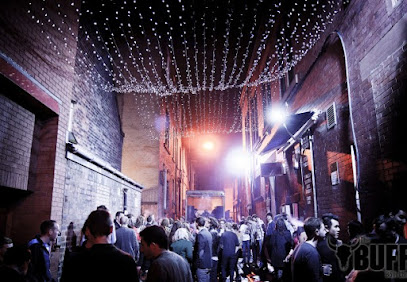
The Plug Glasgow
3.3 km
Experience Glasgow’s premier Afrobeat nightclub where Nigerian wedding vibes meet luxury nightlife and vibrant celebration.
142B Lounge
3.4 km
Glasgow's premier spot for Afrobeats, Amapiano, and African flavors—dance, dine, and vibe in luxury VIP style until dawn.
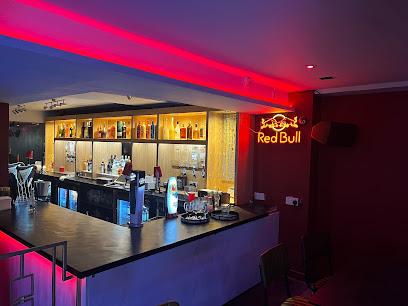
The Savoy
3.4 km
Experience Glasgow’s vibrant weekend nightlife at The Savoy, a lively nightclub on Sauchiehall Street pulsing with music and energy until dawn.

Club Tropicana & Venga
3.5 km
Two-room retro nightclub in central Glasgow with themed ’80s/’90s nights, booth bookings and a high-energy weekend atmosphere.
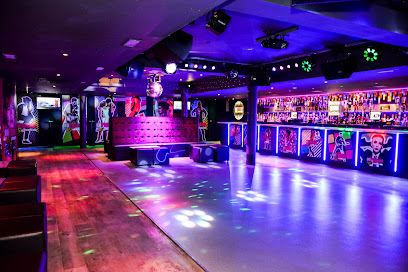
Kokomo Glasgow
3.5 km
Kokomo Glasgow was a late-night nightclub and bar known for its energetic vibe and central city location on West Regent Street.
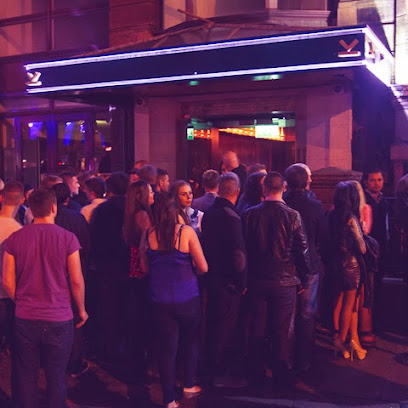
Bamboo
3.5 km
Glasgow’s energetic three-room basement nightclub offering affordable drinks and diverse music for a lively student crowd.
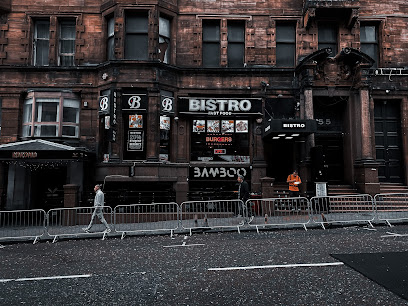
Cathouse Rock Club
3.6 km
Glasgow's unrelenting rock fortress since 1990—metal riffs, live gigs, and alternative fury across three pounding rooms.
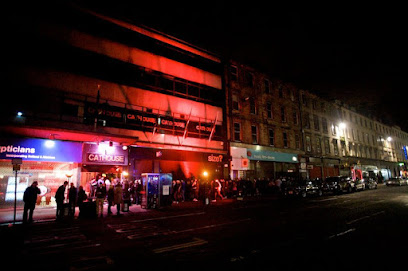
Popworld Glasgow
3.6 km
Dive into a whirlwind of 80s-00s pop anthems, retro props, and cocktail-fueled dance marathons at Glasgow's ultimate cheesy nightclub escape.

Sub Club
3.6 km
Glasgow’s legendary underground nightclub, Sub Club, pulses with cutting-edge sound and authentic dance culture in an intimate basement setting.
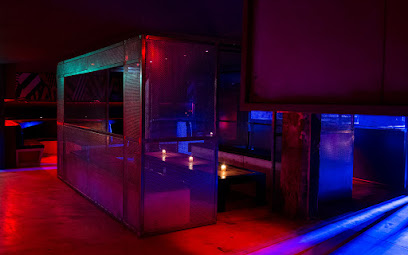
Classic Grand
3.6 km
Glasgow's ultimate electronic music haven in a reborn cinema, where thunderous beats and euphoric crowds collide until dawn.
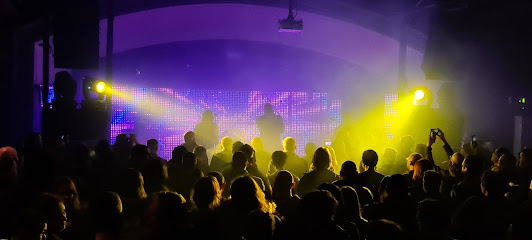
Platinum Lace Glasgow
3.6 km
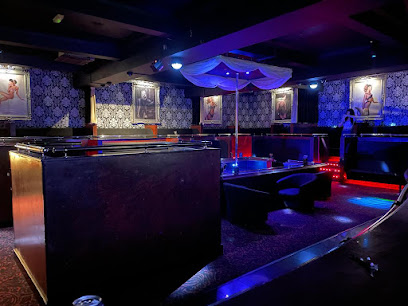
Glasgow’s premier gentlemen’s club with stunning dancers, VIP luxury, and an electric nightlife atmosphere in the city centre.
For the vibe & atmosphere seeker
- Tranquil
- Scenic
- Unique
- Cultural Heritage
For the design and aesthetic lover
- Rustic Designs
For the architecture buff
- Historic
- Sacred Sites
For the view chaser and sunset hunter
- Iconic Views
For the social media creator & influencer
- Instagrammable
- Photo Spots
- Architectural Shots
For the eco-conscious traveler
- Protected Area
- Public-Transport Accessible
- Locally Managed
For the kind of experience you’re after
- Cultural Heritage
- Photowalk
- Day Trip
- Weekend Getaway
For how adventurous you want the journey to be
- Easy Access
Location Audience
- Family Friendly
- Senior Friendly
- Child Friendly
- Teen Friendly
- Wheelchair Access
- Solo Friendly
- Couple Friendly
- Vegetarian Friendly
- Vegan Friendly


