
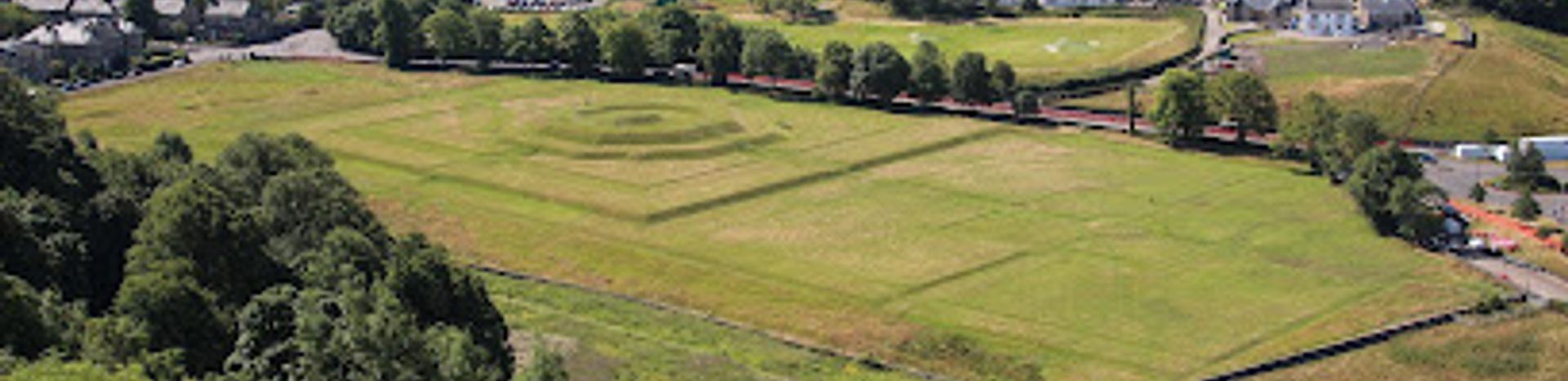
The King's Knot: Stirling's Historic Royal Garden Earthworks
Explore the historic octagonal earthworks of the King's Knot, a serene royal garden beneath Stirling Castle, rich with Scottish heritage and scenic views.
The King's Knot is a historic earthwork garden located in Stirling, Scotland, beneath the imposing Stirling Castle. Originally part of the royal pleasure grounds established in the 12th century, it features an octagonal stepped mound rising 3 meters high and a rectangular parterre. Created for Charles I’s Scottish coronation in the 1630s and restored by Queen Victoria in the 19th century, it offers scenic views of the castle and a peaceful green space popular for walks and dog outings.
A brief summary to The King's Knot
- Scotland, Stirling, GB
- Visit website
- Duration: 0.5 to 2 hours
- Free
-
 Outdoor
- Mobile reception: 4 out of 5
- Monday 12 am-12 am
- Tuesday 12 am-12 am
- Wednesday 12 am-12 am
- Thursday 12 am-12 am
- Friday 12 am-12 am
- Saturday 12 am-12 am
- Sunday 12 am-12 am
Local tips
- Visit the Ladies' Lookout in Stirling Castle for the best panoramic views of the King's Knot and its geometric garden layout.
- Bring comfortable walking shoes as some areas have uneven ground, which may be challenging for strollers.
- The King's Knot is dog-friendly and a popular spot for locals to walk their pets in a peaceful setting.
- Research the site's rich history before visiting, as on-site historical signage is limited.

For the on-the-go comforts that matter to you
- Seating Areas
- Trash Bins
- Information Boards
Getting There
-
Bus
Take local bus services from Stirling city center to the vicinity of Stirling Castle, with a walking distance of approximately 10 minutes to the King's Knot. Buses run frequently throughout the day, with fares typically around £1.50–£3.00 GBP.
-
Walking
From Stirling city center, enjoy a 15 to 20-minute walk along mostly paved and gently sloping paths to reach the King's Knot. The terrain is mostly flat but may be uneven in places, suitable for most walkers.
-
Car
Visitors driving to the area can park in nearby public car parks in Stirling city center, about a 10-minute walk from the King's Knot. Parking fees vary but typically range from £1 to £3 per hour. Note that there is no dedicated parking at the King's Knot itself.
The King's Knot location weather suitability
-
 Any Weather
-
 Rain / Wet Weather
-
 Clear Skies
-
 Mild Temperatures
-
 Windy Conditions
Discover more about The King's Knot
Origins of a Royal Pleasure Ground
The King's Knot sits within the ancient King's Park, a Crown property dating back to at least the 1100s. This park was a favored leisure ground for Scottish royalty, where monarchs engaged in hunting, jousting, and hawking. The park expanded over centuries, notably in the late 15th century under James IV, who enriched it with fruit trees, ornamental hedges, fish ponds, and vegetable gardens. These features made the park a cultivated retreat designed to impress visitors and showcase royal wealth and status.Design and Purpose of the King's Knot
Constructed between 1627 and 1629 for King Charles I’s 'hamecoming' and Scottish coronation in 1633, the King's Knot was an ornamental garden featuring geometric earthworks. Its centerpiece is an octagonal stepped mound rising approximately 3 meters, complemented by a rectangular parterre to the southeast. The design was inspired by formal European knot gardens, intended to enchant visitors and symbolize the Stuart monarchy’s power and cultured refinement. The garden was meant to be admired both from within and from the vantage points of Stirling Castle.Evolution and Restoration Through the Centuries
After the royal court moved permanently to London in 1603, the King's Park and its gardens fell into neglect. By the 19th century, Queen Victoria noted the gardens’ deteriorated state during her visit in 1842 and ordered extensive restoration. This refurbishment altered the King's Knot significantly, possibly changing its orientation and restoring its stepped mound and parterre. Today, the garden's form is largely a product of this Victorian restoration, preserving a tangible link to Scotland’s royal past.A Living Landscape and Community Space
Currently, the King's Knot is a grassy, open green space popular with locals for walking, dog outings, and quiet reflection. While much of the original royal garden layout has been lost, the existing earthworks and the unique geometric undulations of the landscape offer a peaceful setting beneath Stirling Castle’s towering presence. The scale and historical significance of the site are best appreciated from the Ladies' Lookout within Stirling Castle, which provides a panoramic view of the garden and surrounding parkland.Connection to Stirling’s Heritage Today
The King's Knot remains a symbol of Stirling’s rich history and royal heritage. It inspired the logo of the Stirling City Heritage Trust, reflecting its cultural importance to the city. The site is freely accessible year-round, inviting visitors to explore the grounds and connect with centuries of Scottish monarchy and landscape design traditions. Its blend of natural beauty and historical resonance makes it a unique landmark within Stirling’s historic environment.Experiencing the King's Knot
Visitors can enjoy leisurely walks across the gently undulating grassy terrain, with spectacular views of Stirling Castle from the mound’s summit. The area is largely flat and accessible, though some uneven patches may challenge strollers. The absence of extensive signage encourages visitors to research its history beforehand, enriching the experience of this serene and evocative royal garden remnant.Iconic landmarks you can’t miss

The Statues
0.3 km
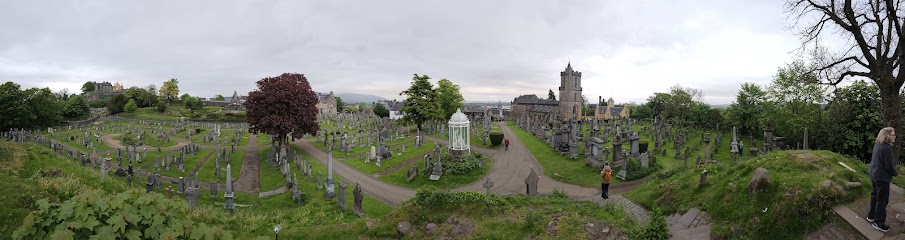
Historic statues in Stirling celebrating Scotland’s heroes and cultural legends, set amidst a rich urban heritage landscape.
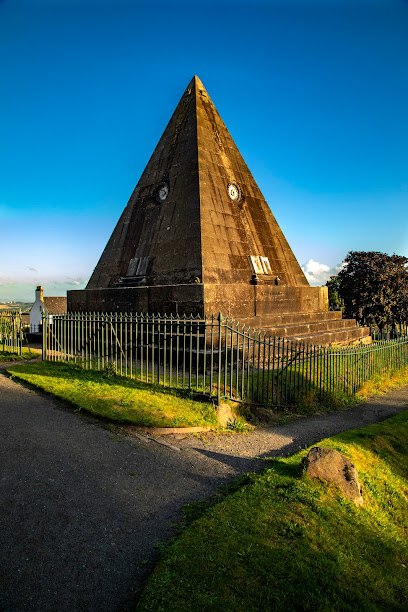
The Star Pyramid
0.3 km
A striking Victorian pyramid honouring Scottish Presbyterian heritage within an ornamental 19th-century cemetery.
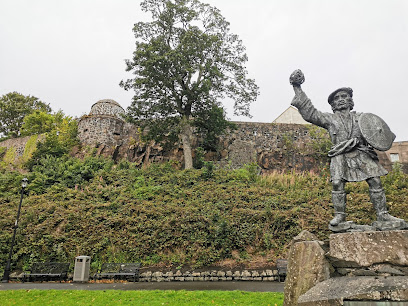
Rob Roy McGregor Statue
0.6 km
Discover the stirring legacy of Rob Roy MacGregor, Scotland’s legendary outlaw and folk hero, immortalized in bronze in the heart of Stirling.
Stirling War Memorial
0.6 km
A dignified sandstone obelisk honoring Stirling’s fallen heroes from World War I and beyond, standing as a lasting symbol of sacrifice and remembrance.
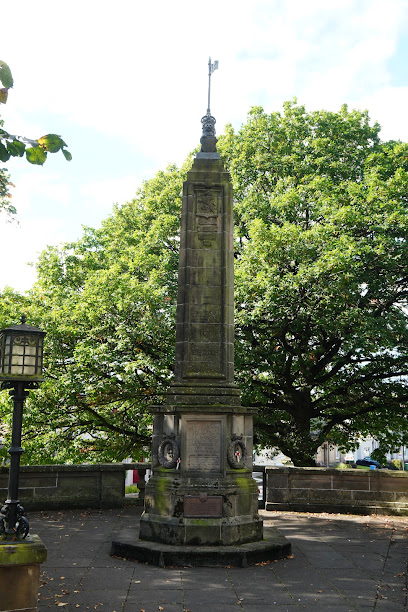
The Crossed Peels
0.7 km
Historic Stirling pub offering real ales, hearty fare, and a welcoming atmosphere in the heart of the Old Town.
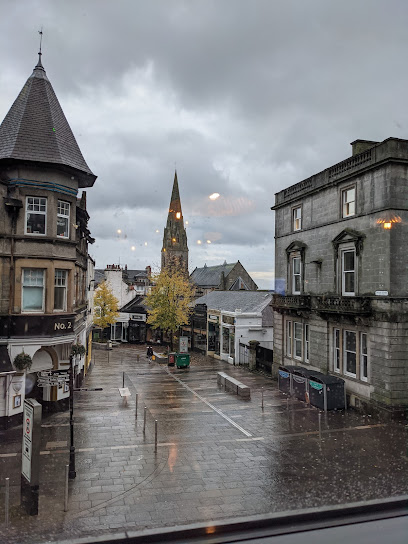
Monterey Jack's Stirling
0.7 km
Experience the authentic taste of American cuisine at Monterey Jack's Stirling, where delicious burgers and creative cocktails await you in a vibrant atmosphere.
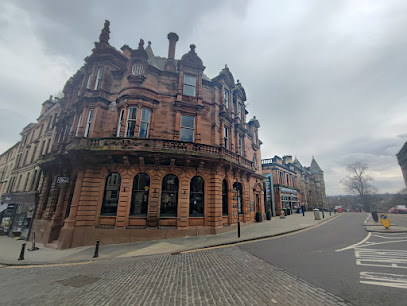
Tinkerbells Emporium
0.7 km
Discover the enchanting Tinkerbells Emporium in Stirling, a magical gift shop filled with unique treasures and delightful souvenirs for every traveler.
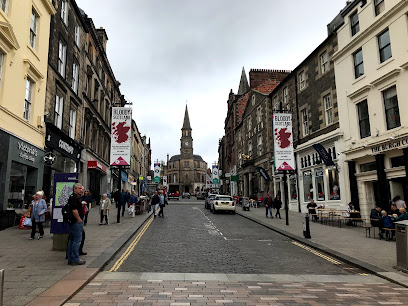
City Walls
0.7 km
Discover the historic City Walls Pub in Stirling, where ancient charm meets modern Scottish hospitality, offering local dishes and brews.
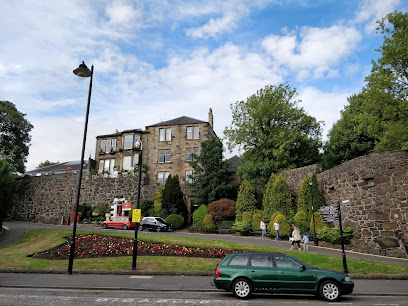
Castle Walk Bed & Breakfast
0.7 km
Discover comfort and Scottish hospitality at Castle Walk Bed & Breakfast, a charming retreat in the heart of Stirling with stunning views and easy access to local attractions.

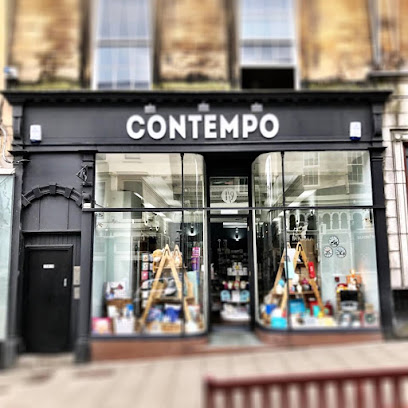
Contempo
0.8 km
Explore Contempo, Stirling's charming gift shop offering unique souvenirs, jewelry, and handcrafted treasures that capture the essence of Scotland.
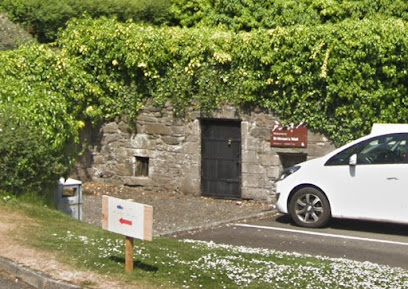
St Ninians Well
1.0 km
Discover Stirling’s historic St Ninians Well, a tranquil stone spring steeped in healing lore and centuries of local tradition.
Tourist Information Point
1.0 km
Explore Stirling like a local with insights and resources from the Tourist Information Point, your guide to unforgettable adventures in Scotland.
Stirling City Heritage Trust
1.1 km
Explore the Stirling City Heritage Trust and uncover the stories of Scotland's past through its dedicated preservation efforts.
Historic Scotland
1.8 km
Discover the artistry of stone-cutting at Historic Scotland, a captivating experience in Stirling that showcases Scotland's rich architectural heritage.

memorial
2.6 km
A solemn stone memorial honouring Stirling's fallen, set within a verdant park of woodland walks and quiet reflection.

Unmissable attractions to see

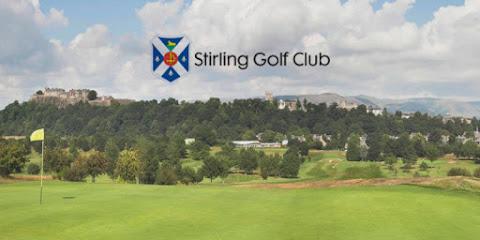
Stirling Golf Club
0.2 km
Historic Scottish golf in King’s Park with championship design, stunning views, and warm hospitality near Stirling Castle.
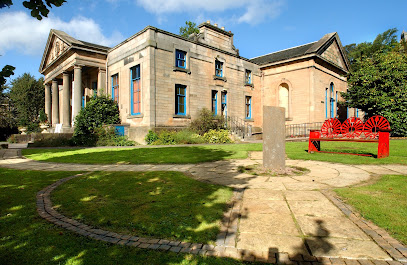
The Stirling Smith Art Gallery & Museum
0.2 km
Discover Stirling’s rich heritage and vibrant art scene at this Victorian museum set within beautiful gardens and dynamic exhibitions.
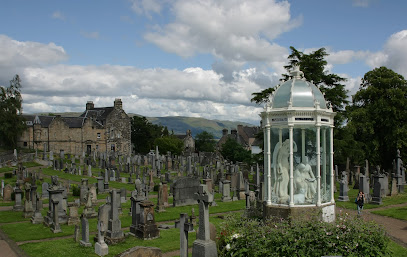
Martyrs' Memorial
0.3 km
Explore the Martyrs' Memorial in Stirling, a poignant historical landmark honoring those who sacrificed for their beliefs amidst stunning landscapes.
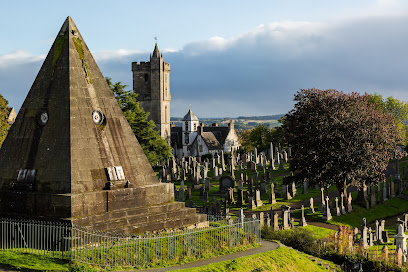
Old Town Cemetery
0.3 km
Historic Stirling Old Town Cemetery, a serene necropolis rich with centuries of Scottish heritage and evocative monuments.
Cowane's Hospital
0.3 km
Explore Cowane's Hospital, a stunning 17th-century almshouse in Stirling, blending rich history, Scottish Renaissance architecture, and community legacy.
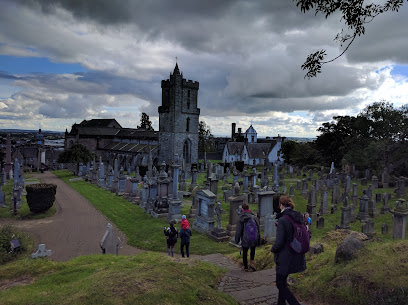
Church of the Holy Rude
0.3 km
Discover Stirling’s medieval Church of the Holy Rude, a royal coronation site with stunning Gothic architecture and centuries of Scottish history.
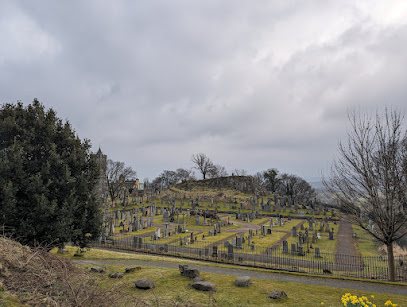
Drummond Pleasure Ground
0.3 km
A serene Victorian garden in Stirling featuring the iconic Star Pyramid, blending faith, history, and landscape beauty.
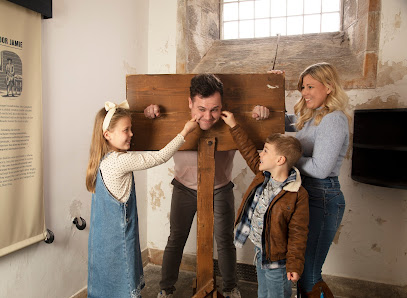
Stirling Old Town Jail
0.3 km
Step back into Victorian Scotland with immersive live tours, historic cells, and panoramic views at Stirling Old Town Jail.
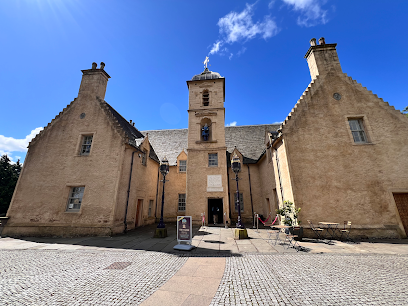
Mar's Wark
0.3 km
Explore the evocative Renaissance façade of Mar's Wark, a 16th-century aristocratic townhouse ruin near Stirling Castle.
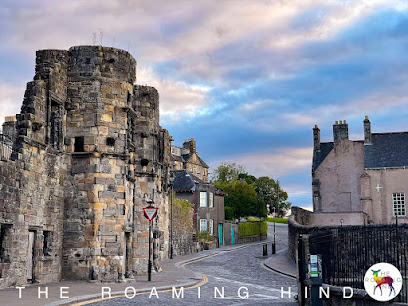
Queen Anne’s garden
0.4 km
A historic and tranquil garden beneath Stirling Castle, where royal heritage meets vibrant blooms and sweeping Scottish vistas.
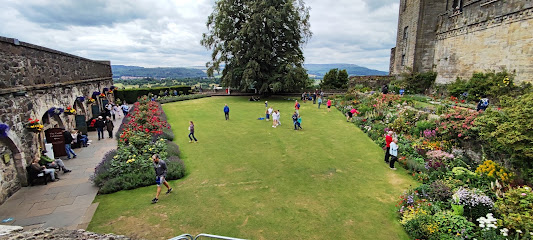
VisitScotland Stirling iCentre (Old Town Jail)
0.4 km
Discover Stirling’s history and culture through the iconic Old Town Jail, once home to the VisitScotland iCentre, your gateway to exploring Scotland’s heritage.

Stirling GhostWalk & Old Town Tour
0.4 km
Experience Stirling’s haunted Old Town with the charismatic Happy Hangman on a thrilling evening of ghost stories, history, and humor.
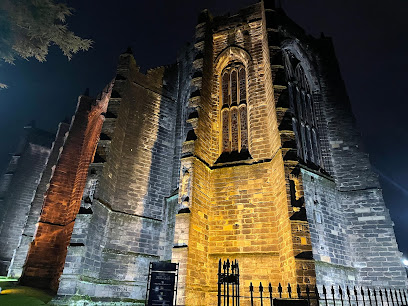
Argyll's Lodging
0.4 km
Explore the finest surviving 17th-century Scottish townhouse, rich with aristocratic history and Renaissance artistry in the heart of Stirling.
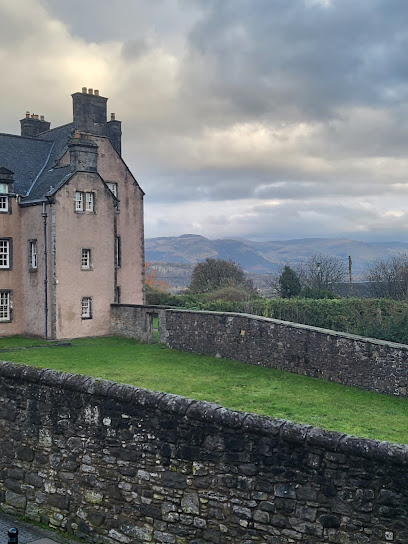
Stirling - Lower Castlehill
0.4 km
Historic gateway to Stirling Castle’s royal past, where medieval streets lead to grand halls and living history comes alive.

Stirling Castle
0.4 km
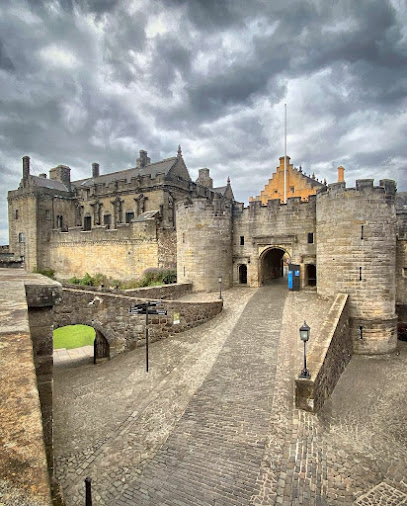
Explore Scotland’s iconic Renaissance fortress with royal history, grand halls, lush gardens, and breathtaking Highland views.
Essential places to dine

MacMillans Kitchen
0.3 km
Relax in a cozy bistro surrounded by scenic gardens, savoring fresh, locally sourced dishes and homebaked treats in Stirling’s welcoming garden centre.
Victoria Square
0.3 km
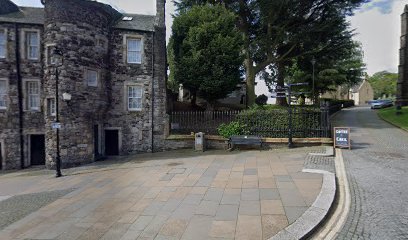
A 5-star Victorian guesthouse and fine-dining restaurant in the heart of Stirling, just steps from the castle and Old Town.
The Orangery at Victoria Square
0.3 km
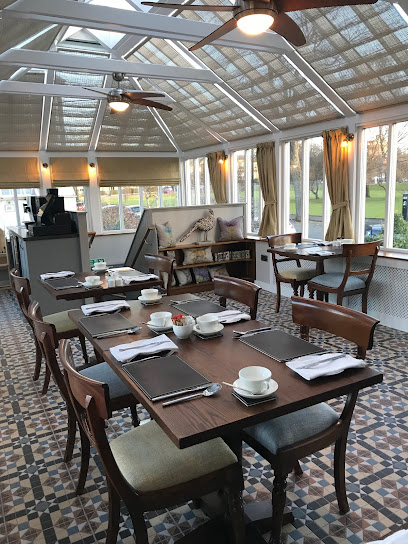
Refined Scottish dining in a historic conservatory setting, famed for its Grand Afternoon Tea and seasonal local produce.
The Portcullis
0.4 km
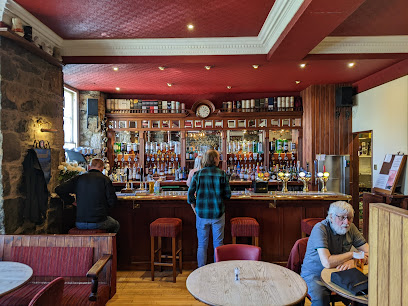
Historic Scottish hotel beside Stirling Castle with authentic pub, hearty food, and genuine Highland hospitality.
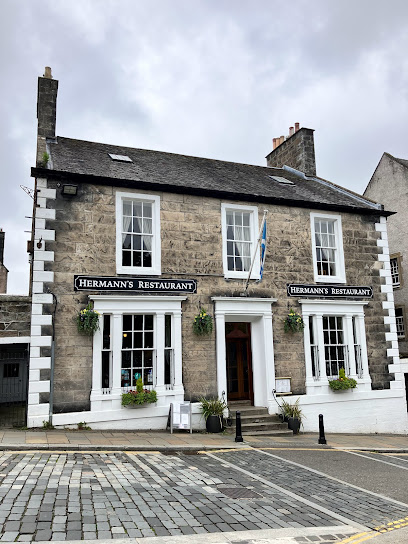
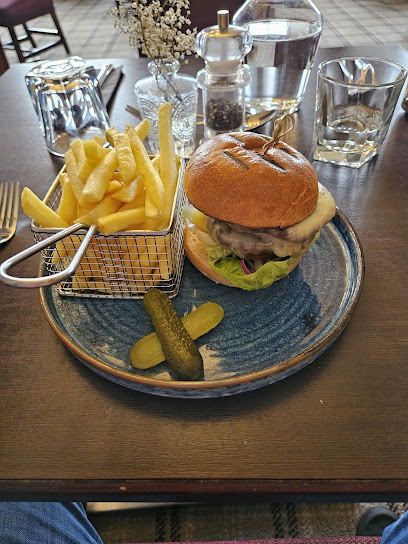
Hermanns
0.4 km
Authentic Austrian cuisine meets Scottish tradition in historic Stirling's most charming restaurant.
Scholars Restaurant
0.6 km
Classic British dining in the heart of Stirling with welcoming indoor and outdoor settings at the historic Stirling Highland Hotel.
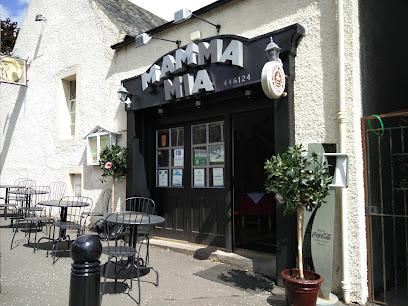
Mamma Mia Restaurant
0.6 km
Authentic Italian flavors and warm hospitality await you in the heart of Stirling at Mamma Mia Restaurant.
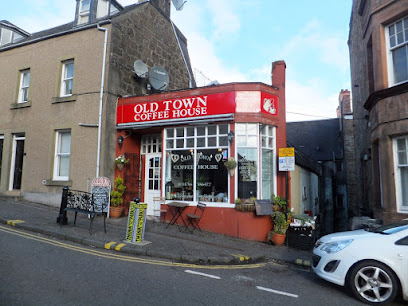
Old Town Coffee House
0.6 km
Cozy family-run café in Stirling’s Old Town, serving fresh baked goods, specialty coffee, and hearty British-Polish fare in a welcoming setting.
Nicky-Tams Bar & Bothy
0.6 km
Discover Nicky-Tams Bar & Bothy: A vibrant gastropub in Stirling offering delicious food, local ales, and live music in an inviting atmosphere.
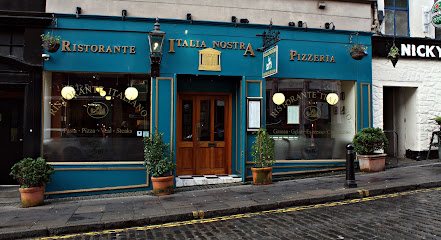
Italia Nostra Ltd
0.6 km
Experience authentic Italian flavors and warm hospitality in the heart of Stirling at Italia Nostra Ltd.
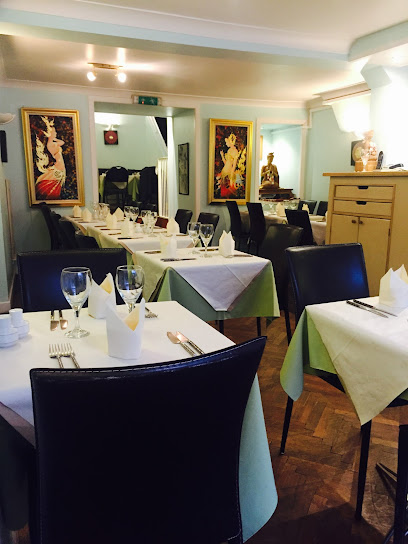
Sida Thai
0.7 km
Experience authentic Thai cuisine in a cozy Stirling setting with fresh, flavorful dishes and friendly service at Sida Thai.
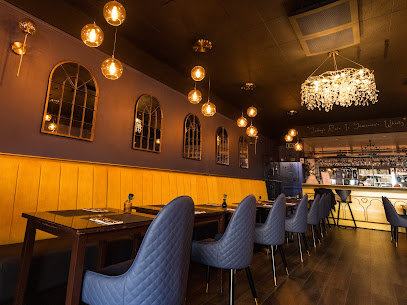
Brea - Scottish Restaurant
0.7 km
Experience award-winning modern Scottish cuisine crafted with fresh, local ingredients in a cozy Stirling bistro.
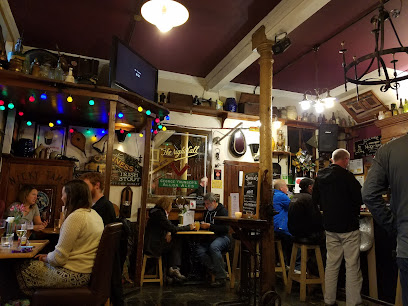
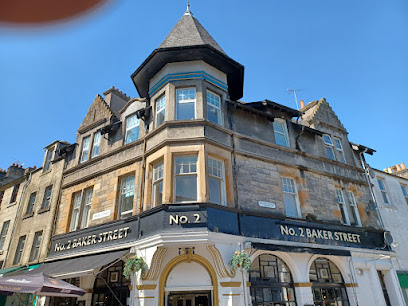
No 2 Baker Street
0.7 km
Cozy Victorian pub in Stirling serving hearty British classics, real ales, and lively live music in a warm, family-friendly atmosphere.
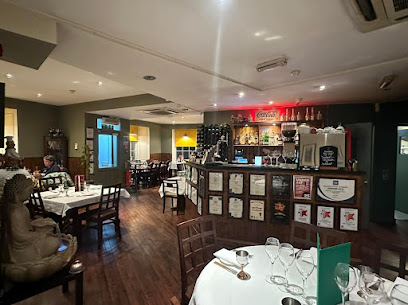
Green Gates Authentic Indian Restaurant.
0.7 km
Experience authentic Indian flavors with generous portions and warm hospitality in the heart of Stirling.
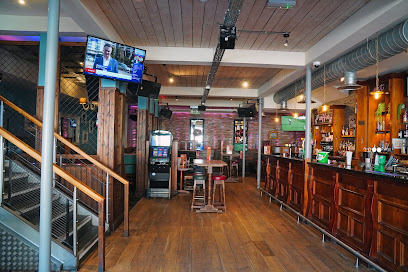
Corn Exchange
0.7 km
A lively Stirling pub and nightclub blending historic charm with vibrant dining and late-night entertainment.
Markets, malls and hidden boutiques

Courtyard Gift Shop
0.4 km
Discover authentic Scottish treasures and exclusive souvenirs in the charming Courtyard Gift Shop nestled within historic Stirling Castle.
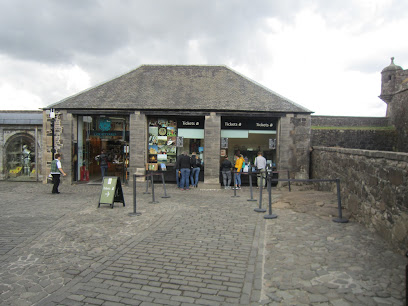
Palace Gift Shop
0.4 km
Discover authentic Scottish gifts and souvenirs in the charming Palace Gift Shop nestled within historic Stirling Castle.
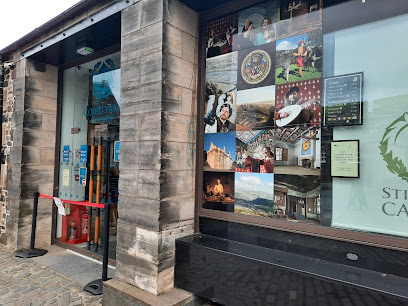
Abbey Antiques Ltd.
0.7 km
Carefully curated antiques and fine art hidden on historic Friars Street in Stirling.
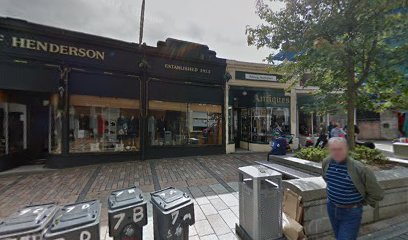
Made In Stirling
0.7 km
Discover Stirling’s vibrant creative heart with unique handmade art, crafts, and workshops at Made in Stirling’s flagship store.
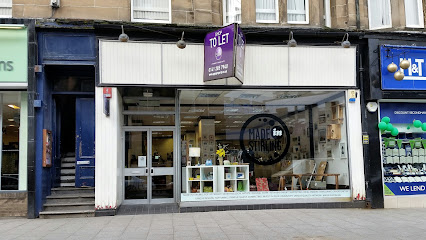
House of Henderson
0.7 km
Discover bespoke Scottish Highlandwear crafted with tradition and care at Stirling’s House of Henderson, kiltmakers since 1923.

Europa Music
0.7 km
Stirling's independent vinyl and CD sanctuary for collectors and music enthusiasts.

A'ila Home
0.7 km
Discover Stirling’s unique homewares treasure trove offering quirky, quality décor and gifts that add personality to every room.
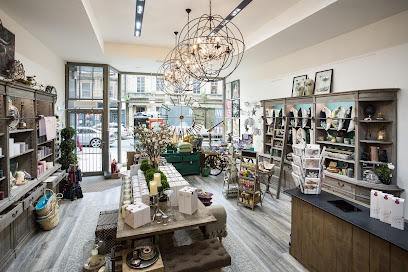
Bluebell's Childrenswear
0.7 km
Discover stylish, quality children's clothing and gifts in Stirling’s charming Bluebell's Childrenswear boutique.
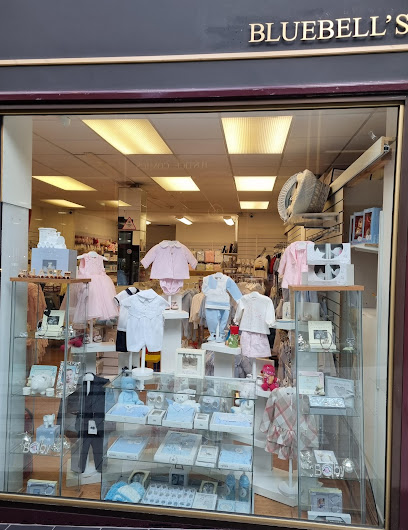
Cancer Research UK
0.8 km
Treasure hunt for a cause—quality secondhand finds funding cancer research in Stirling's heart.

Stirling Health Food Store
0.8 km
Stirling Health Food Store offers over 45 years of trusted natural, vegan, and organic products with expert advice in the heart of Stirling.
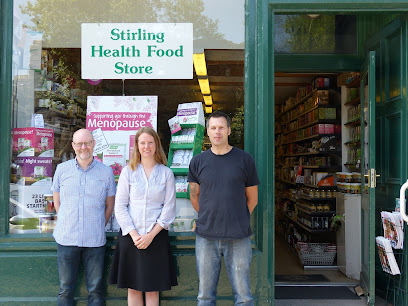
Calluna ethical living
0.8 km
Discover Stirling’s charming hub for sustainable gifts, ethical homewares, and beautiful plants at Calluna Ethical Living.
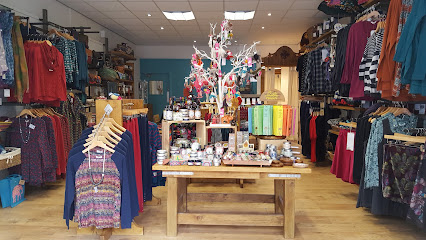
Trend
0.8 km
Discover Trend in Stirling, a unique clothing shop offering the latest fashion styles and timeless pieces for every occasion.
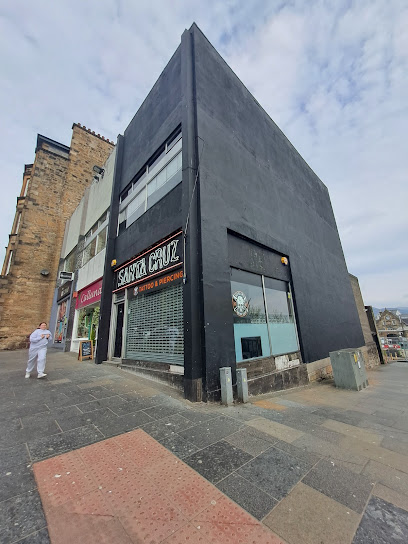
Nickel & Dime
0.9 km
Discover Stirling’s eclectic emporium offering unique gifts, practical household goods, and charming finds at Nickel & Dime.
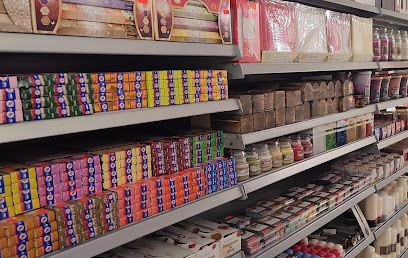
F&F Clothing
0.9 km
Affordable, stylish fashion for the whole family, conveniently located inside Tesco Stirling Superstore with extended hours and quality guarantees.

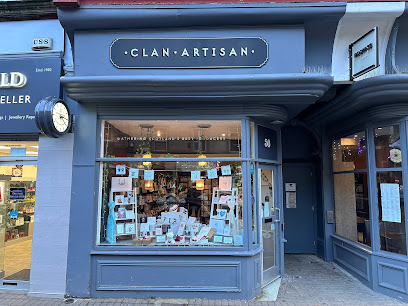
Clan Artisan Ltd
0.9 km
A charming Scottish gift shop in Stirling, where every hamper and handmade item celebrates local makers and the spirit of Scotland.
Essential bars & hidden hideouts

Settle Inn
0.5 km
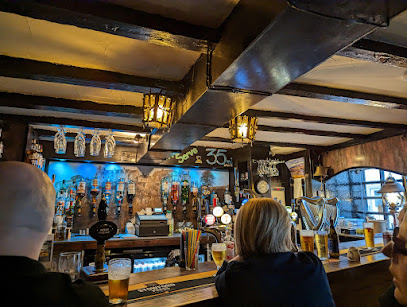
Historic Stirling pub with cozy charm, lively folk music, and a welcoming atmosphere for ale lovers and locals alike.
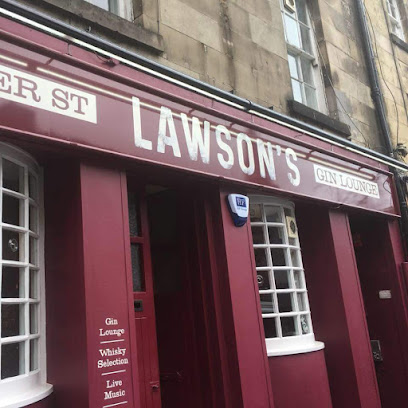
Lawsons
0.7 km
Discover Lawsons, Stirling’s cozy gin lounge with over 95 gins, craft cocktails, and warm Scottish hospitality in a lively, welcoming setting.
BrewDog Stirling
0.7 km
A lively craft beer bar and restaurant in Stirling offering 15 taps, classic bar food, and a vibrant atmosphere near the castle and station.
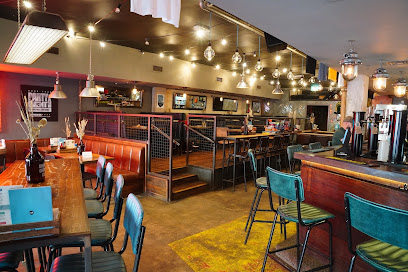
Curly Coo Bar
0.7 km
Discover Stirling’s cozy whisky sanctuary with over 130 malt whiskies, warm hospitality, and a quirky yet traditional atmosphere.
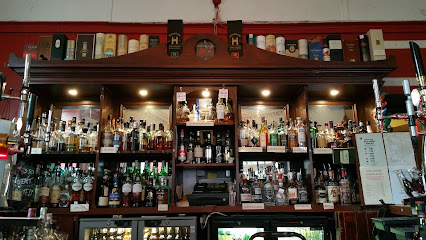
Cross Keys
0.7 km
A cozy historic pub and inn in Stirling offering hearty local fare, guest beers, and comfortable rooms with scenic views.
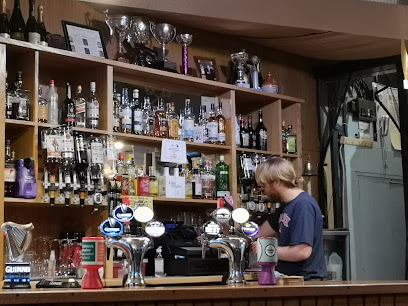
meraki
0.7 km
A vibrant and quirky cocktail bar in Stirling city centre, known for expertly crafted classics and innovative creations in a relaxed, friendly setting.
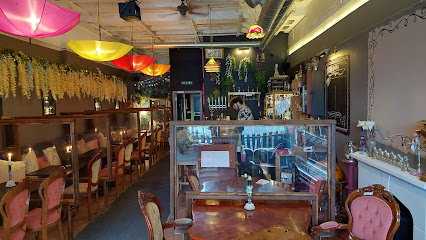
King Cons
0.7 km
Experience Stirling’s vibrant nightlife at King Cons, a lively bar offering great drinks, live music, and a welcoming atmosphere in the city centre.
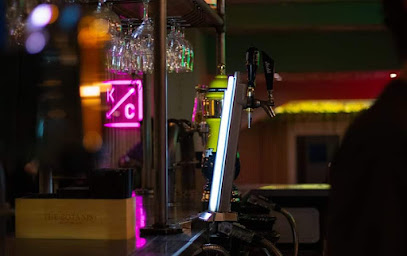
Port Customs Bar
0.9 km
A classic Stirling pub offering well-kept beers, fine whiskies, and a friendly, inviting atmosphere for locals and visitors alike.
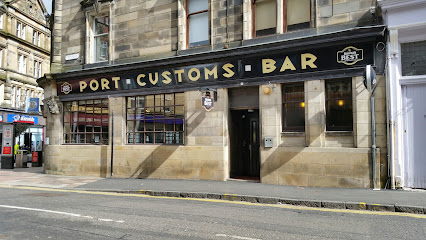
Vinney’s Bar
1.3 km
A friendly, budget-friendly bar in Raploch, Stirling, known for its welcoming vibe and lively local nights.

The Borestone Bar
2.4 km
A friendly and affordable Stirling pub with a spacious lounge, welcoming locals, and a lively atmosphere near Bannockburn Road.
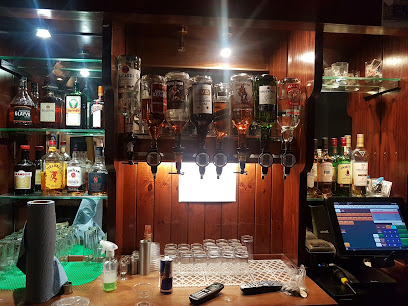
Anchor Bar
2.5 km
A friendly and affordable community pub in Stirling with pool, darts, live sports, and a spacious function room for vibrant local gatherings.
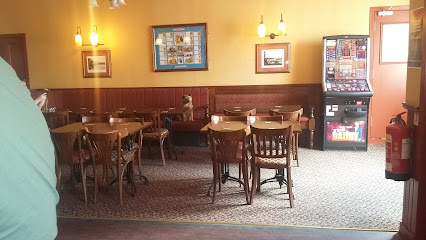
The William Wallace
2.6 km
A cosy, affordable Scottish pub near the Wallace Monument, offering hearty food, fresh beer, and a warm, friendly atmosphere in Stirling's Causewayhead.
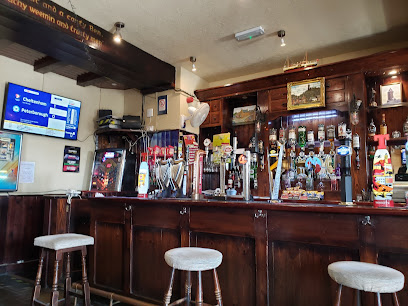
1314 Inn
3.4 km
A friendly Stirling pub offering hearty Scottish fare, generous portions, and a warm community atmosphere at great value.
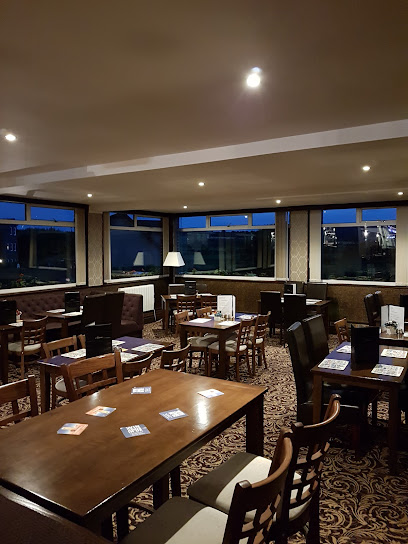
Westerton Arms
3.9 km
A cherished Bridge of Allan pub and restaurant blending hearty Scottish fare with warm hospitality and a cozy atmosphere.
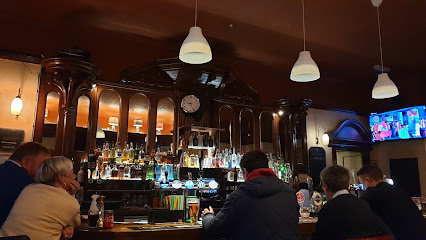
The Bawbee
3.9 km
Vibrant cocktail bar and restaurant in Bridge of Allan, known for lively atmosphere, live music, generous portions, and expertly crafted drinks.
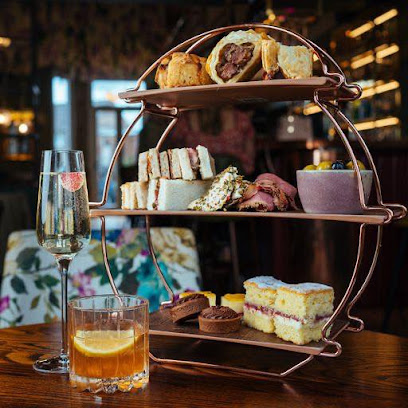
Nightclubs & after hour spots

Castle Leisure Group
0.7 km
Discover the lively atmosphere of Castle Leisure Group in Stirling – a perfect blend of dining, nightlife, and entertainment for tourists.

Fubar Nightclub
0.7 km
Experience Stirling’s energetic student nightlife at Fubar Nightclub, where music, lights, and lively crowds come alive late into the night.

XOXO
16.8 km
Central Scotland’s largest nightclub offering vibrant nightlife, pool hall fun, and private event spaces in the heart of Falkirk.
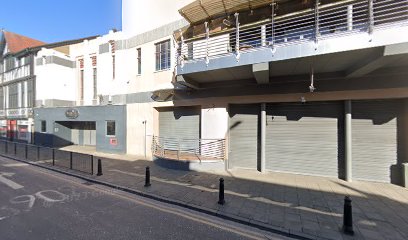
City Nightclub
16.8 km
Experience Falkirk’s vibrant nightlife at City Nightclub, the town’s energetic weekend hotspot for music, dancing, and late-night fun.
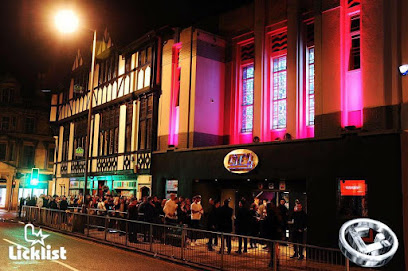
I-Kandy Nightclub
28.2 km
Discover the electrifying nightlife at I-Kandy Nightclub in Airdrie, where vibrant music and a lively atmosphere await!

Pulse
28.3 km
Experience Airdrie’s vibrant nightlife at Pulse Nightclub, where music, dancing, and unforgettable moments come alive.
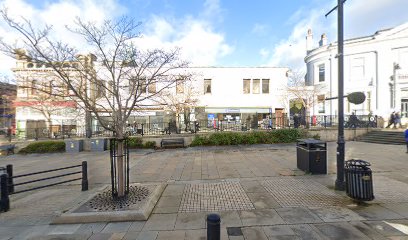
Eden Night Club
29.1 km
Vibrant late-night hotspot in Coatbridge offering house, R&B, and chart music with a lively atmosphere and smart dress code.

Avenue Nightclub Coatbridge
29.1 km
Coatbridge’s premier late-night nightclub for over-21s, offering vibrant music, modern vibes, and a lively weekend party scene.
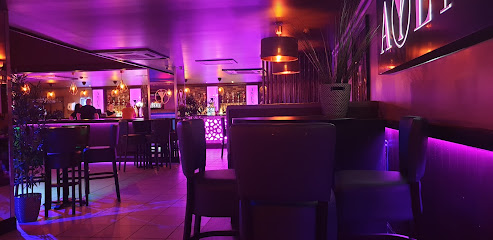
LIFE
30.6 km
Experience vibrant nightlife and late-night fun at LIFE, Dunfermline’s energetic nightclub with a welcoming atmosphere and great music.

The Twig Nightclub
30.7 km
Bathgate’s oldest nightclub offering lively, affordable, and historic nightlife experiences every Saturday night.

Midnight Breakfast Club
30.9 km
A cozy live music venue and bar in Bathgate known for great tribute acts, strong drinks, and a friendly, lively atmosphere.

DreadnoughtRock Nightclub & Live Music Venue
31.1 km
Experience the pulse of Bathgate's nightlife at DreadnoughtRock, the ultimate live music venue and nightclub in the heart of the city.
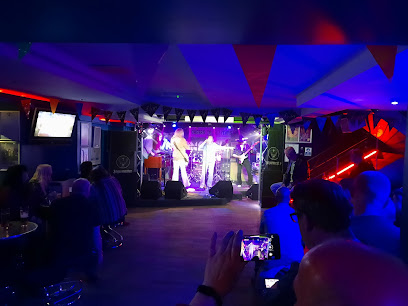
Hustlers Pool Hall
33.8 km
Affordable, lively pool hall and sports bar in Rosyth offering fun games, friendly vibes, and great social atmosphere for all ages.

Backstage at The Green
33.9 km
Discover the heart of Kinross' nightlife at Backstage at The Green, a premier live music venue showcasing diverse musical talent.
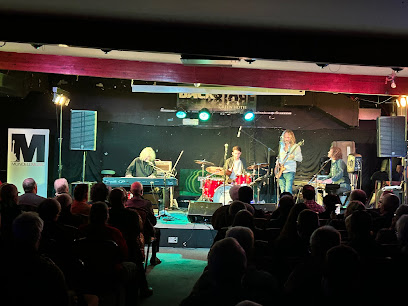
Mundell Music
33.9 km
Discover the heartbeat of Kinross at Mundell Music, where unforgettable live performances and a welcoming atmosphere await every music lover.
For the vibe & atmosphere seeker
- Relaxing
- Tranquil
- Scenic
- Casual
For the design and aesthetic lover
- Rustic Designs
- Vintage Styles
For the architecture buff
- Historic
- Landmarks
- Parks & Gardens
For the view chaser and sunset hunter
- Iconic Views
- Panoramas
- Sunset Spots
For the social media creator & influencer
- Instagrammable
- Photo Spots
- Selfie Spots
For the eco-conscious traveler
- Public-Transport Accessible
- Leave-No-Trace Critical
- Locally Managed
For the kind of experience you’re after
- Cultural Heritage
- Photowalk
- Nature Escape
- Day Trip
- Weekend Getaway
For how adventurous you want the journey to be
- Easy Access
Location Audience
- Family Friendly
- Senior Friendly
- Child Friendly
- Teen Friendly
- Pet Friendly
- Solo Friendly
- Couple Friendly
- Vegetarian Friendly
- Vegan Friendly


