Torwood Castle Travel Guide
Free Guide: Explore the evocative ruins of Torwood Castle, a 16th-century Scots Baronial fortress steeped in royal forest heritage and Scottish history.


A brief summary of Torwood Castle
Explore the evocative ruins of Torwood Castle, a 16th-century Scots Baronial fortress steeped in royal forest heritage and Scottish history.
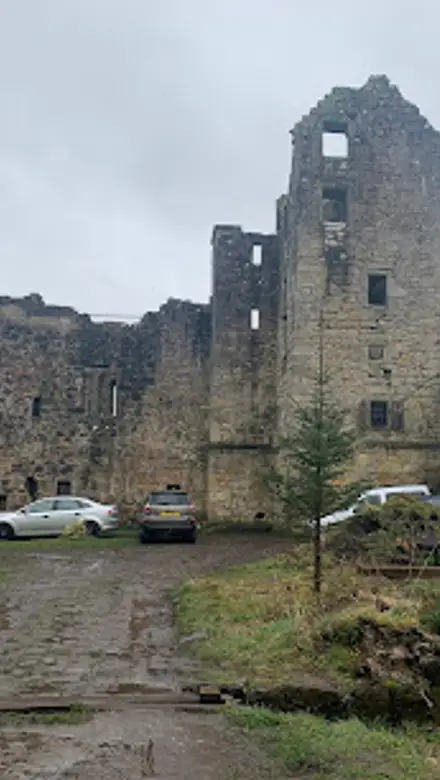
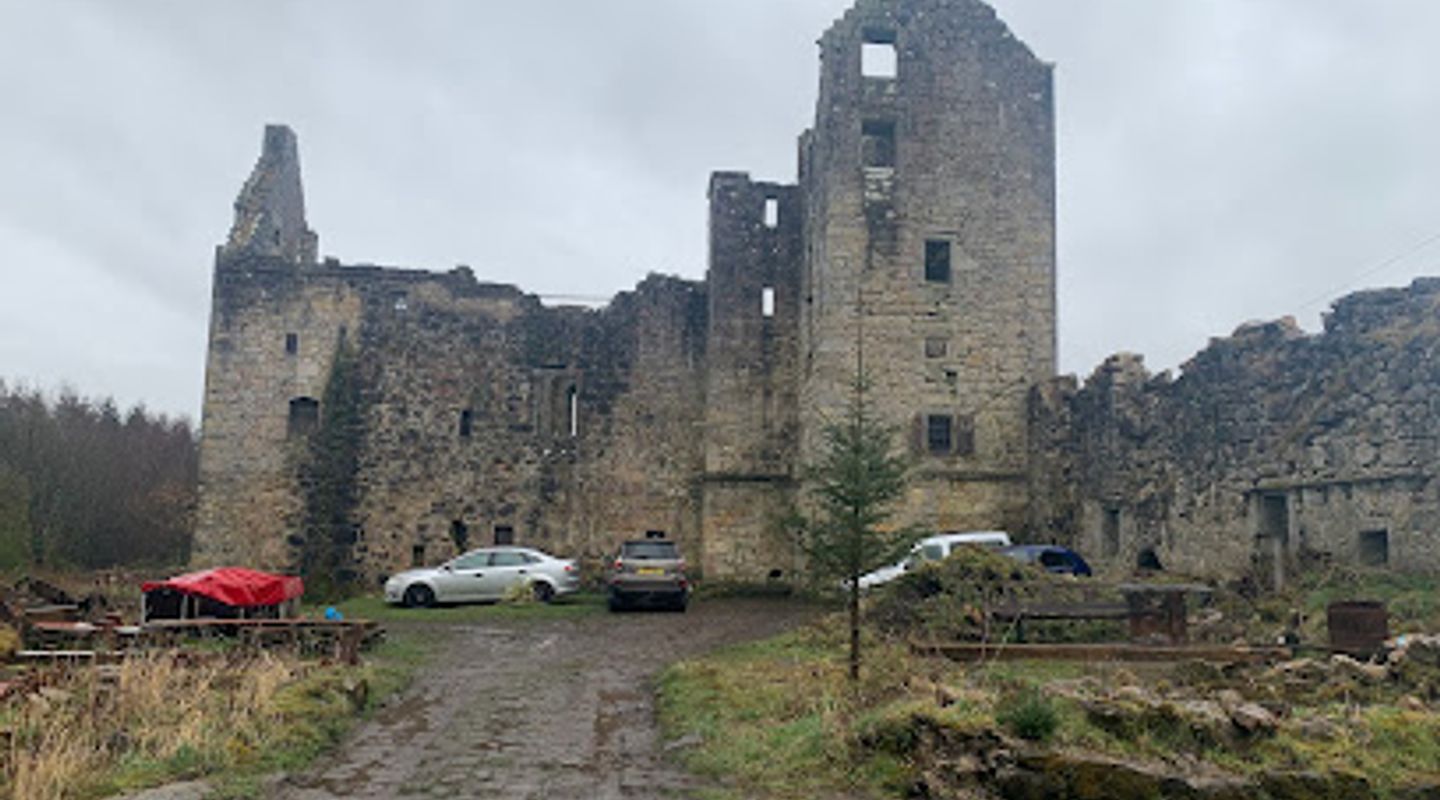
Torwood Castle is a striking 16th-century Scots Baronial ruin near Larbert, Scotland, built around 1566 for Sir Alexander Forrester. Once the seat of the Forester family, hereditary royal foresters of the nearby Tor Wood, the castle features a three-storey L-plan tower house with crow-stepped gables and vaulted ground floors. Though roofless and partially ruined, it remains an evocative landmark surrounded by woodland walks and rich local history.
On-site amenities
 Seating areas
 Information boards
Opening hours
- MonClosed
- TueClosed
- WedClosed
- ThuClosed
- FriClosed
- Sat1 pm–5 pm
- Sun1 pm–5 pm
Opening hours as listed on the venue’s Google Business Profile. Hours can change for services and special events, so check with the venue before you go.
- Address
- Torwood, Larbert FK5 4SW
- Website
Getting there
Car
Bus
Walking
Discover more about Torwood Castle
Origins and Historical Significance of Torwood Castle
Torwood Castle was constructed circa 1566 by Sir Alexander Forrester, a member of the Forester family who held the hereditary office of forester for the Royal Forest of Tor Wood. This position required the family to manage the forest and supply timber for the King's artillery, establishing their close ties to Scottish royalty. The castle served as a fortified residence and administrative center for the Forresters through the 16th and early 17th centuries. It witnessed notable historical events, including its capture in 1585 by the Earls of Mar and Angus during a rebellion preceding the siege of Stirling Castle.
Architectural Features and Layout
Torwood Castle exemplifies Scots Baronial architecture, built primarily from yellow sandstone. The castle’s L-shaped tower house rises three storeys high with crow-stepped gables crowning its short wing, which housed a staircase. The vaulted ground floor, first floor, and attic reflect a blend of defensive and domestic design. Excavations have revealed remnants of a cobbled courtyard and ancillary buildings, including a kitchen and well room in the north range. Two spiral staircases—one narrow likely for servants and a wider one for residents—add to the castle’s architectural intrigue.
Decline, Restoration Efforts, and Current Condition
Following financial difficulties in the 17th century, the castle was sold in 1698 and gradually fell into ruin by the early 19th century. In 1946 (or possibly 1957), Gordon MacLachlan Millar acquired the ruins and dedicated nearly five decades to stabilizing and partially restoring the structure. Upon his death in 1998, the Torwood Castle Trust was established to continue preservation efforts, although the trust ceased activity by 2015. Presently, the castle remains roofless and vulnerable, listed on the Buildings at Risk Register for Scotland with ongoing concerns about its future stability.
The Castle’s Surroundings and Visitor Experience
Set amidst the scenic woodlands of Torwood near Larbert, the castle offers visitors atmospheric walks through historic forest paths once managed by the Foresters. While the castle is not officially open to the public and caution is advised due to its ruinous state, visitors can explore the grounds and appreciate the evocative silhouette of the tower house against the Scottish countryside. Nearby historical sites, including ancient Pictish brochs and Roman roads, enrich the cultural landscape surrounding Torwood Castle.
Legacy and Cultural Importance
Torwood Castle stands as the only surviving castle within the Falkirk council area, symbolizing the enduring legacy of the Forester family and their royal duties. Its architecture and history reflect the turbulent political landscape of 16th-century Scotland and the evolution of fortified residences. Local efforts to protect and restore the castle underscore its significance as a cultural heritage site, with hopes for future conservation and potential reopening to visitors.
Preservation Challenges and Future Prospects
Despite its historical importance, Torwood Castle faces ongoing risks from neglect and vandalism. Recent local stewardship has aimed to secure the site, but comprehensive restoration remains a challenge requiring expert involvement and funding. The castle’s future depends on balancing preservation with safe public access, ensuring that this emblem of Scottish history endures for generations to come.
Evendo Review Centre
 Google
Guest reviews
Best time to go
Quietest: Jan, Feb & Dec · before 7am or from 8pm
Busy times are Evendo estimates for a typical year, to help you plan. Actual crowds vary with events, school holidays and the weather.
Explore Torwood Castle on the map
A handpicked selection of must-see spots near Torwood Castle, mapped for you.
Get your free copy of our complete guide to Torwood Castle, delivered straight to you.
Everything on this page, from opening hours and how to get there to Eve’s tips and the best time to go, in one PDF you can read offline, print or share.
Already have an account? Sign in
Your Torwood Castle guide is ready.
We'll send it to · Not you? Sign out

Getting your guide ready…
We are putting together a fresh copy of the Torwood Castle guide. This can take up to a minute.
This can take a few moments. If your browser asks, choose Allow so the download can start. You'll find the guide in your Downloads folder.
Nothing happened? Download it again
Sorry, the guide is taking longer than usual. Please try again in a minute, or get it by email instead.
Other nearby places you may find interesting
The closest places of the same kind, if this one is not quite what you had in mind.
-
-
-
-
-


Swipe for more places
More to explore near Torwood Castle

 Best experiences near Torwood Castle
 Best hotels near Torwood Castle
 Best landmarks near Torwood Castle
 Best attractions near Torwood Castle
 Best shops near Torwood Castle
 Best restaurants near Torwood Castle
 Best bars near Torwood Castle
Do you manage this location?
Take control to get all the benefits, like improved information, better appearance, and stronger visibility across AI-powered discovery.
Explore more
Explore more of Scotland
Discover the magic of Scotland: stunning landscapes, historic castles, vibrant cities, and world-famous whisky. An unforgettable journey awaits in this enchanting land.
Explore Scotland
Explore more of United Kingdom
Discover the United Kingdom: A blend of rich history, stunning landscapes, and vibrant cities, offering a unique travel experience for every visitor.
Explore United Kingdom