
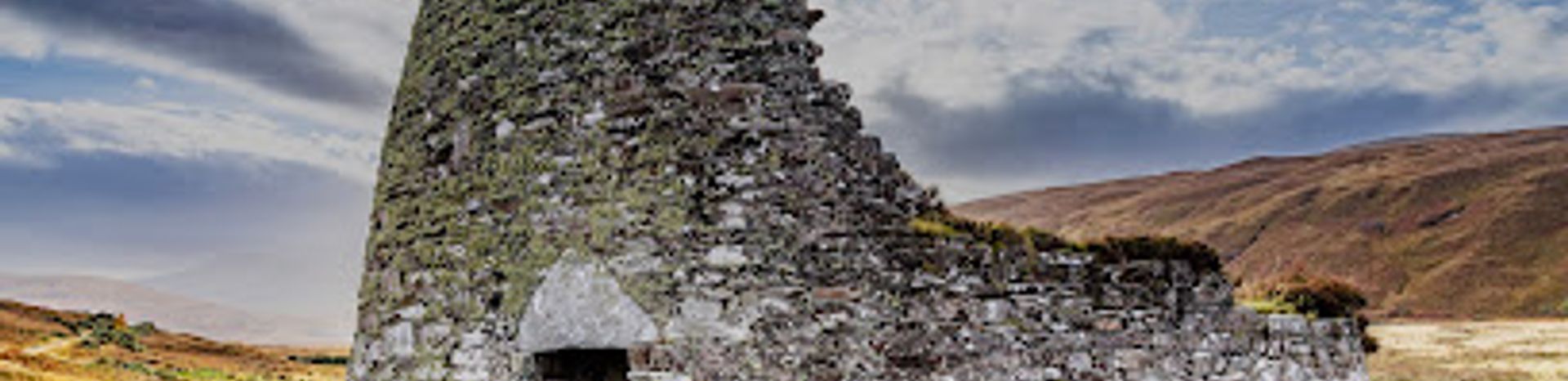
Dun Dornaigil Broch: Majestic Iron Age Tower in Remote Sutherland
Explore Dun Dornaigil Broch, a towering Iron Age drystone marvel nestled beside the Strathmore River in the remote Scottish Highlands.
Dun Dornaigil Broch is a striking Iron Age drystone roundhouse located in the remote Scottish Highlands near Lairg. Standing up to 7 meters tall, this ancient broch features a distinctive massive triangular lintel over its entrance and overlooks the Strathmore River with the dramatic backdrop of Ben Hope. Built over 2,000 years ago, it remains one of Scotland’s best-preserved brochs, symbolizing ancient engineering prowess and social prestige in a secluded, atmospheric setting.
A brief summary to Broch Dun Dornaigil
- Lairg, GB
- +441667460232
- Visit website
- Duration: 0.5 to 1.5 hours
- Free
-
 Outdoor
- Mobile reception: 3 out of 5
- Monday 12 am-12 am
- Tuesday 12 am-12 am
- Wednesday 12 am-12 am
- Thursday 12 am-12 am
- Friday 12 am-12 am
- Saturday 12 am-12 am
- Sunday 12 am-12 am
Local tips
- Visit during early morning or late afternoon for the best natural light to photograph the broch and its dramatic lintel.
- Prepare for a narrow, single-track road with limited passing places; drive carefully and allow extra time for the journey.
- Wear sturdy footwear as the terrain around the broch is uneven and the interior is inaccessible due to rubble.
- Bring water and snacks, as there are no facilities on site; nearest amenities are in Altnaharra or Tongue.

For the on-the-go comforts that matter to you
- Parking
- Information Boards
Getting There
-
Car
Driving from Hope, take the single-track road south for approximately 10 miles to reach Dun Dornaigil. The road is narrow with limited passing places and a rough surface; allow 25 to 35 minutes. Parking is available near the broch, but there are no facilities. Fuel up beforehand as services are limited along this route.
-
Bus and Walking
From Lairg or nearby towns, take regional bus services to Hope (check current schedules as service frequency is limited). From Hope, a taxi or local transport can be arranged for the 10-mile journey south to the broch. Walking from the roadside parking area to the broch is a short but uneven terrain walk requiring sturdy footwear.
-
Walking
For adventurous walkers, the area around Dun Dornaigil offers rugged terrain and scenic views. Access from nearby settlements involves long hikes over uneven ground and is recommended only for experienced hikers prepared for remote conditions and variable weather.
Broch Dun Dornaigil location weather suitability
-
 Any Weather
-
 Rain / Wet Weather
-
 Clear Skies
-
 Windy Conditions
-
 Cold Weather
-
 Mild Temperatures
Discover more about Broch Dun Dornaigil
Ancient Architecture of Dun Dornaigil
Dun Dornaigil Broch, also known as Dun Dornadilla, is an exceptional example of a broch—a type of drystone roundhouse unique to Scotland, dating back at least 2,000 to 2,500 years. These structures were built during the Iron Age and are characterized by their double concentric stone walls, narrow entrance passages, and internal chambers. Dun Dornaigil’s walls rise impressively to about 7 meters in height, though originally it may have reached nearly twice that. Its massive triangular lintel stone above the northeast entrance is one of the finest surviving examples in Scotland, symbolizing the status and power of its ancient inhabitants.Historical and Cultural Significance
Brochs like Dun Dornaigil are found mainly in northern and western Scotland, with over 500 identified across the country. While their exact purpose remains debated, they likely served multiple roles: defensive strongholds, symbols of prestige for local chieftains, and everyday dwellings. Dun Dornaigil’s strategic location beside the Strathmore River and near ancient routes into northern Sutherland suggests it was an important site for controlling movement and asserting influence in the region. Remarkably, Dun Dornaigil remains unexcavated archaeologically, and its interior is filled with rubble from collapsed upper sections, preserving its mystery and allure.Setting and Surroundings
The broch sits in an isolated valley within Strathmore, south of the imposing Ben Hope mountain. Its remote setting enhances the atmospheric experience, with the quiet Strathmore River flowing nearby and views of the surrounding rugged landscape largely unchanged since Iron Age times. The approach involves a narrow, challenging single-track road with limited passing places, adding to the sense of adventure and discovery. The site itself is easily visible from the roadside, with parking available nearby, though no visitor facilities are present.Visitor Experience and Preservation
Visitors to Dun Dornaigil can admire the towering remains and distinctive entrance lintel, capturing photographs especially in the soft light of early morning or late afternoon. The interior is inaccessible due to safety concerns and collapsed stonework. Information boards provide context about the broch’s history and significance. The site is managed by Historic Environment Scotland, emphasizing preservation of this remarkable monument. The remote location and rugged access mean visitors should prepare adequately, especially in poor weather, and respect the fragile stonework.Architectural Features and Construction Techniques
The broch’s drystone construction employs carefully fitted stones without mortar, creating thick, double walls that once enclosed a spiral staircase between them. This technique allowed the broch to reach considerable heights and provided defensive strength. The entrance passage, with its massive triangular lintel measuring approximately 1.4 meters wide and 0.9 meters tall, is a rare architectural highlight. The surrounding walls vary in height, with some sections standing 2 to 3 meters tall, while the northeast side reaches the maximum height.Legacy and Broader Context
Dun Dornaigil stands as a testament to Iron Age ingenuity and social organization in Scotland. As part of a network of brochs scattered across the Highlands and islands, it offers insight into prehistoric life and landscape use. The broch’s preservation amidst a largely natural setting invites reflection on Scotland’s ancient past and the enduring presence of these enigmatic stone towers in the cultural heritage of the region.Iconic landmarks you can’t miss

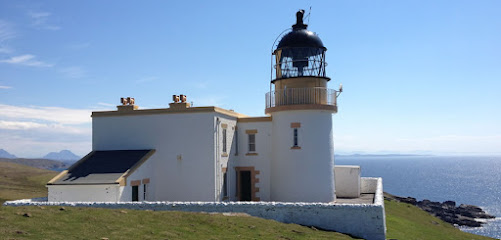
Stoer Lighthouse
46.8 km
Experience a unique self-catering lighthouse stay with panoramic coastal views on Scotland’s remote and rugged Stoer Head.
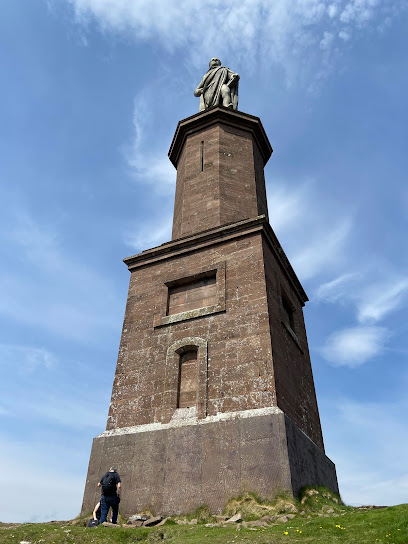
Duke Of Sutherland Monument
56.6 km
A towering Highland landmark blending breathtaking views with the complex legacy of the Duke of Sutherland’s era.
Ardgay Bespoke Tours
56.7 km
Experience the Scottish Highlands like never before with personalized tours that celebrate nature, history, and culture in Ardgay.
Monument to Harriet, Duchess of Sutherland
58.9 km
A dignified monument in Golspie honoring Harriet, Duchess of Sutherland, a Victorian political hostess and social reformer with a lasting Highland legacy.

Walkhighlands
68.9 km
Explore Scotland step by step with Walkhighlands, your comprehensive guide to hiking and walking routes across the Highlands and beyond.

Braal Castle
69.5 km
A 14th-century Highland fortress overlooking the River Thurso, once seat of the Earls of Caithness.
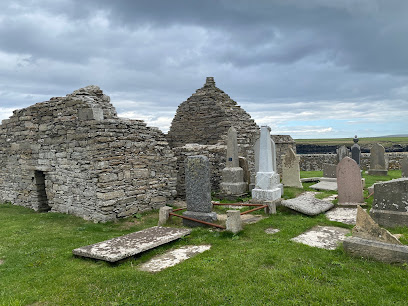
Dunnet Links: St. Coomb Chapel (6th century, former site))
78.0 km
Discover the ancient ruins of St. Coomb Chapel, a 6th-century site near Castletown that reveals Scotland’s early Christian heritage.
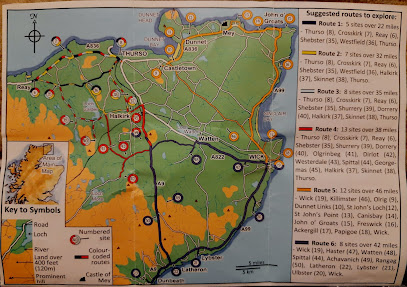
Caithness.Org
79.3 km
Explore the breathtaking landscapes, rich history, and vibrant culture of Caithness, Scotland's northern gem, where adventure awaits at every turn.
Above and Beyond Tours
79.9 km
Discover the breathtaking landscapes of Caithness with Above and Beyond Tours, where adventure meets local expertise in Scotland's stunning north.
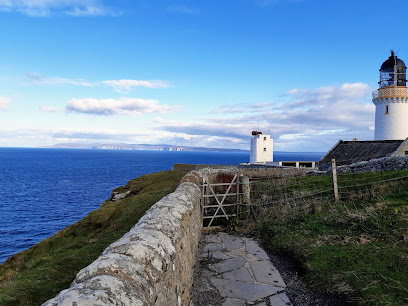
Dunnet Head Lighthouse
80.8 km
Experience the stunning beauty and rich heritage of Dunnet Head Lighthouse, Scotland's northernmost landmark with breathtaking coastal views.
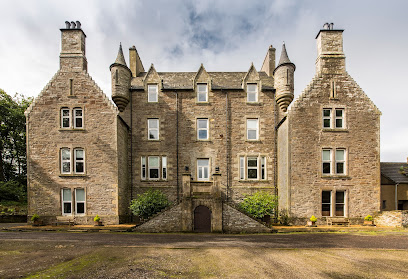
Craig Castle
82.9 km
Explore the evocative ruins of Craig Castle, a 16th-century fortress overlooking the scenic Cromarty Firth on Scotland’s historic Black Isle.
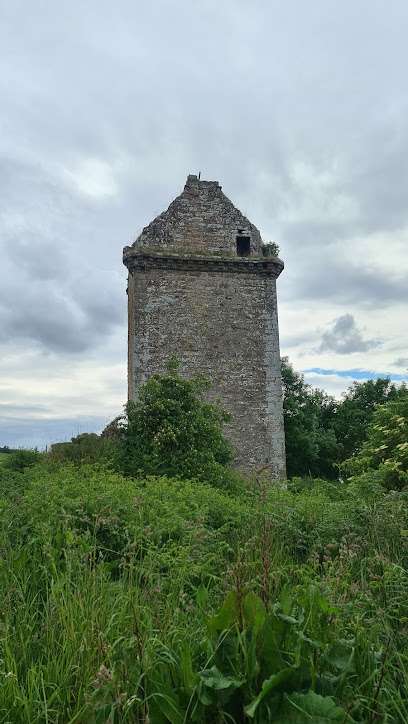
Hill O' Many Stanes
83.8 km
Discover the ancient mysteries of Hill O' Many Stanes, a Neolithic landmark in Scotland's breathtaking Highlands, steeped in history and natural beauty.
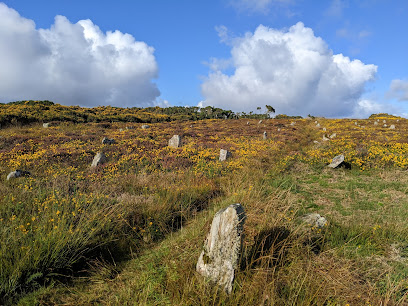
The National Trust For Scotland
84.3 km
Explore Scotland's rich heritage at The National Trust For Scotland in Cromarty, where history and nature come together for an unforgettable experience.
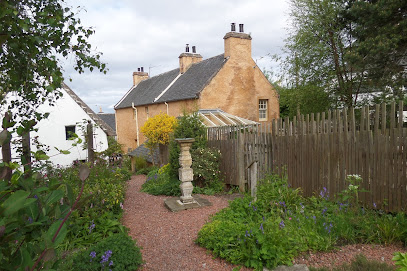
Cairn of Get
85.4 km
Explore the ancient wonders of the Cairn of Get, a remarkable historical landmark in Lybster, Scotland, steeped in rich heritage and breathtaking scenery.
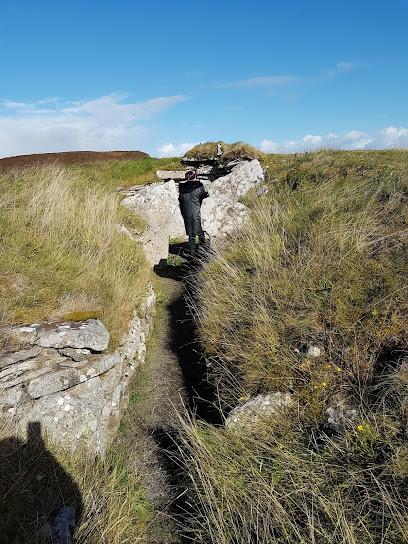
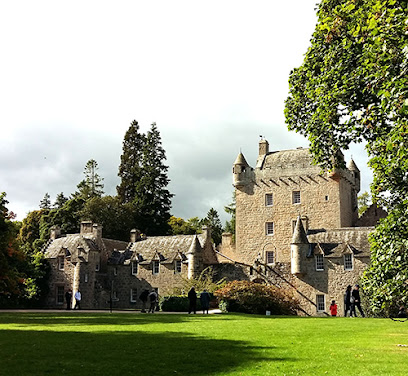
Castle Leod
85.6 km
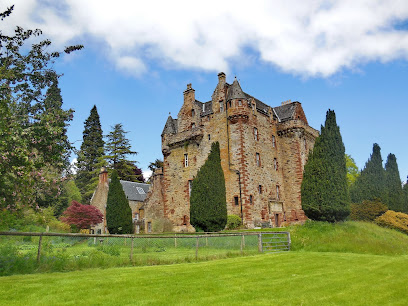
Explore Castle Leod, a stunning Scottish castle in Strathpeffer, rich in history and surrounded by breathtaking nature.
Unmissable attractions to see

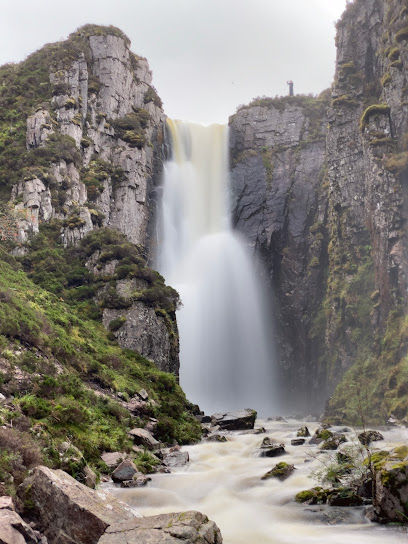
North West Sutherland National Scenic Area
15.4 km
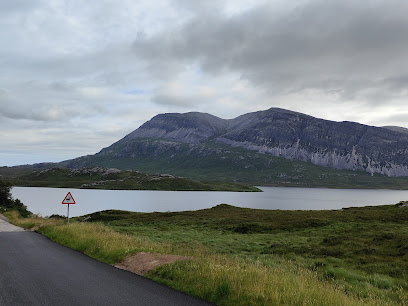
Explore ancient landscapes, rich wildlife, and rugged beauty in Scotland’s North West Sutherland National Scenic Area.
Castle Varrich
17.0 km
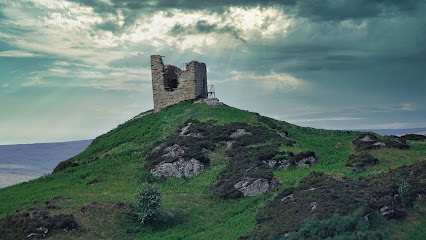
Explore Castle Varrich, a historic castle in the Scottish Highlands, offering stunning views and a glimpse into Scotland's medieval past.
Tongue Causeway
18.1 km
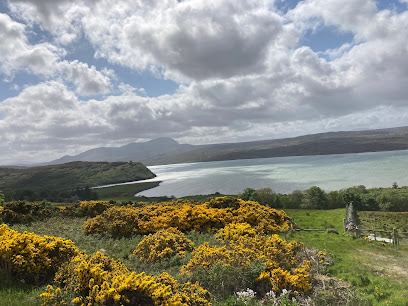
Scenic 3.8 km causeway and bridge crossing the Kyle of Tongue, offering stunning Highland views and wildlife encounters.
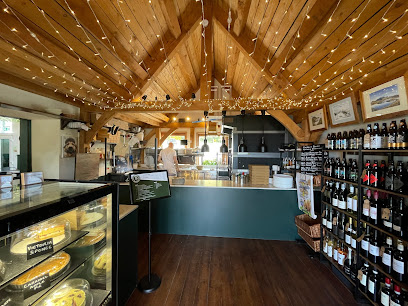
Norse Bakehouse
20.1 km
A cozy family-run cafe in Rhitongue serving artisan focaccia, pizzas, and cakes with friendly service and stunning Highland views.
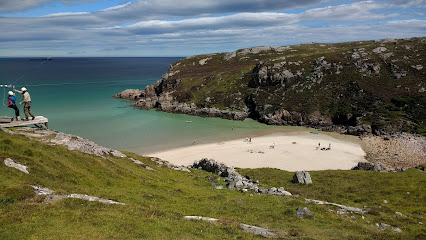
Golden Eagle Zip Line in Durness
20.4 km
Britain's most northerly zipline: 37 meters of pure adrenaline above the Atlantic.
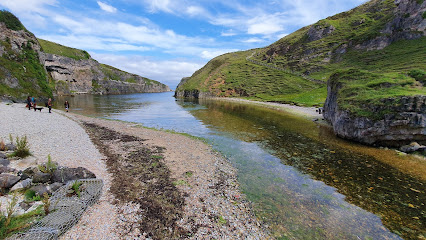
Smoo Cave
22.5 km
Explore Britain’s largest sea cave with a stunning waterfall, hidden chambers, and rich history in Scotland’s wild North West Highlands.
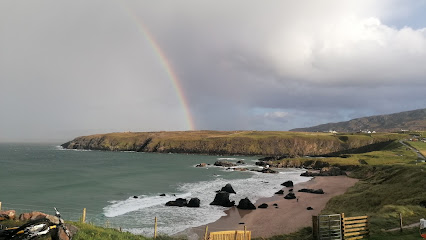
Durness Beach
23.3 km
Discover the wild, golden sands and tranquil beauty of Durness Beach, a remote Highland gem where sea meets rugged cliffs.
Balnakeil Church
24.5 km
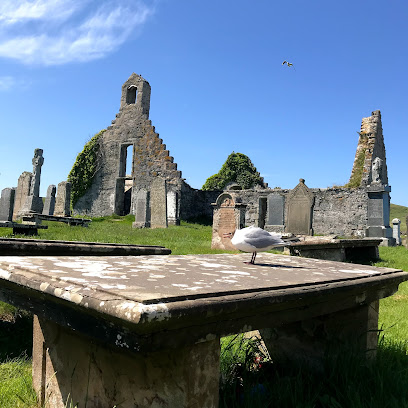
A windswept 17th-century church ruin above Balnakeil Bay, with a haunting graveyard, Gaelic bard’s memorial, and a highwayman buried in the wall.
North West Highlands Geopark
25.2 km
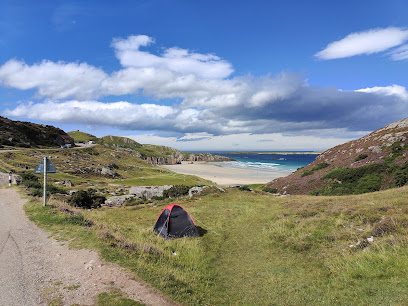
Explore ancient landscapes and geological wonders at Scotland’s North West Highlands UNESCO Global Geopark, where Earth’s history comes alive.
Kylesku Bridge
25.5 km
A visually striking curved concrete bridge in the Scottish Highlands offering stunning views and rich history along the North Coast 500.
Assynt Viewpoint
26.5 km
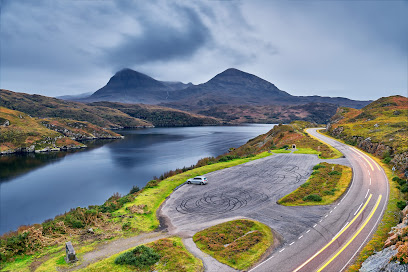
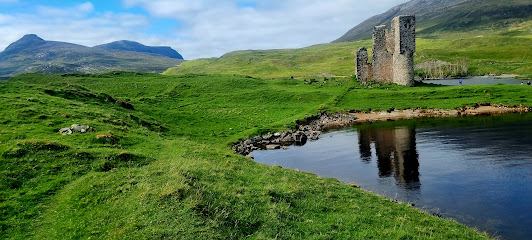
Dramatic Highland peaks frame an ancient loch and castle ruins in Scotland's remote geological wonderland.
Allt Chranaidh Waterfall
26.5 km
Discover the dramatic beauty and serene wilderness of Allt Chranaidh Waterfall, a hidden gem cascading through the Scottish Highlands.
Torrisdale beach
28.7 km
A pristine mile of golden sand and dunes on Scotland's wild north coast, where rivers meet the sea and history whispers through ancient stones.
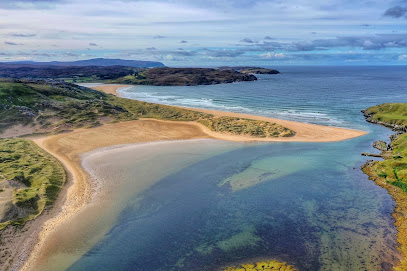
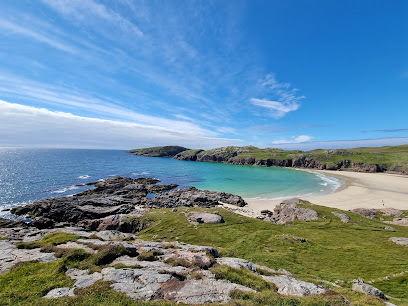
Polin Beach
29.9 km
Discover the tranquil beauty of Polin Beach, a secluded golden sandy cove framed by dunes in the wild Scottish Highlands.
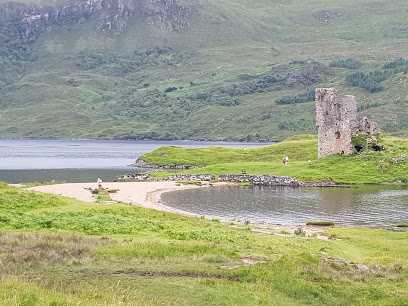
Ardvreck Castle Waterfall
30.1 km
Discover the haunting ruins and cascading waterfall of Ardvreck Castle, where Scottish history meets breathtaking Highland nature.
Essential places to dine

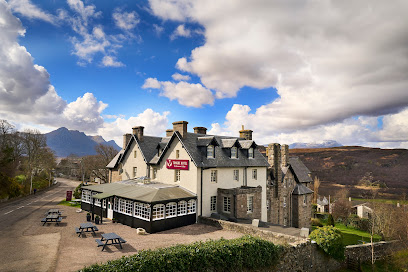
Tongue Hotel
17.8 km
Historic Highland lodge with modern luxury, stunning views, and authentic Scottish hospitality on the NC500.
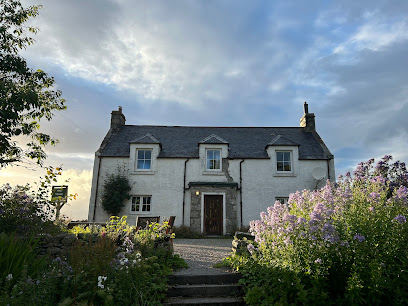
The Crask Inn
21.3 km
A remote Highland inn where simple rooms, hearty home-cooked meals, and genuine hospitality meet wild moorland and Munro country.
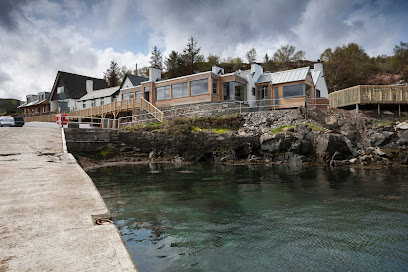
Kylesku Hotel
25.2 km
Experience Highland charm and fresh seafood with breathtaking views over Loch Glencoul at the welcoming Kylesku Hotel.
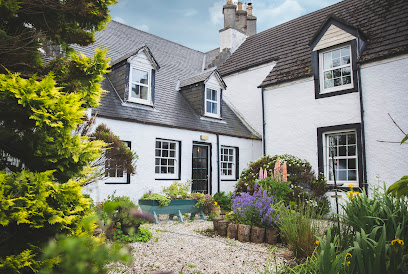
Eddrachilles Hotel
29.3 km
Charming Highland hotel with stunning sea views, authentic hospitality, and refined Scottish dining on the shores of Badcall Bay.
Shorehouse Restaurant
29.5 km
A cozy family-run seafood haven in Tarbet offering fresh catches, stunning Highland coast views, and a warm, welcoming atmosphere.
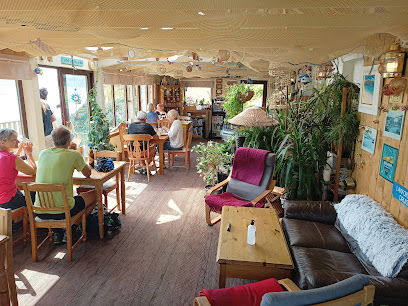
Scourie Hotel
30.0 km
A charming Highland fishing hotel on Scotland’s northwest coast, blending rustic tradition with cozy comfort and excellent local cuisine.
The Store Bistro & Bar
30.2 km
Charming Highland bistro with diverse menus, warm hospitality, and a cozy atmosphere in scenic Bettyhill, perfect for all-day dining and local flavors.
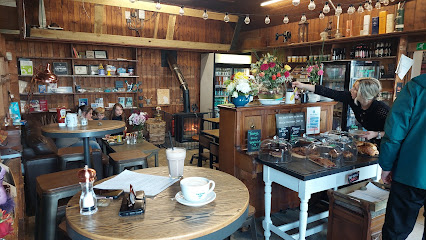
The Pier
40.1 km
A charming lakeside café in Lairg offering local produce, panoramic Loch Shin views, and a warm, family-friendly atmosphere.
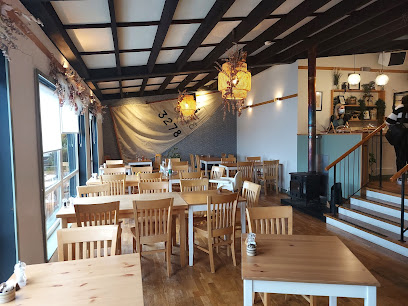
Lochinver Larder
42.2 km
Savor handcrafted Highland pies amid stunning Scottish scenery in the welcoming village of Lochinver.
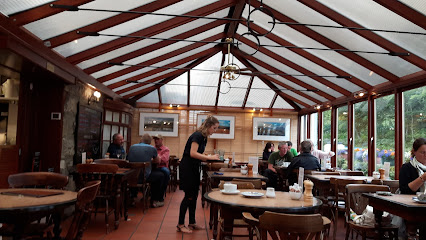
Delilah's
42.6 km
A lively, family-friendly Highland restaurant serving fresh, locally sourced seafood with stunning sea views and a buzzing atmosphere.
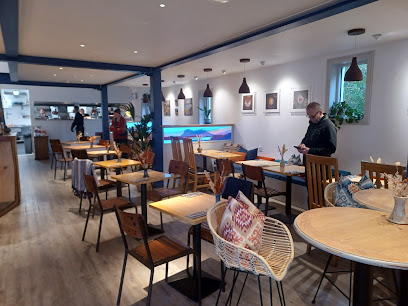
An Cala Café
42.9 km
Fresh seafood and hearty Scottish fare served year-round in a cozy café and bunkhouse nestled in Lochinver’s scenic Culag Park.
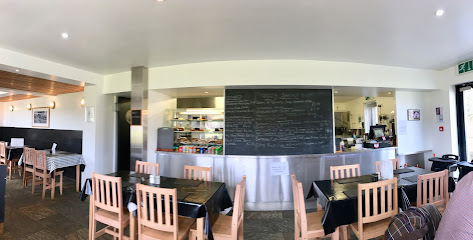
Halladale Inn
47.0 km
Cozy Highland inn and bistro in Melvich offering hearty Scottish fare, welcoming hospitality, and excellent touring park facilities.
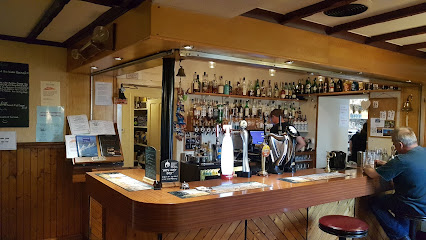
The Dipping Lugger
60.7 km
An intimate, Michelin-recognized restaurant in an 18th-century harbour manse, serving inventive tasting menus of hyper-local seafood and game in the heart of Ullapool.
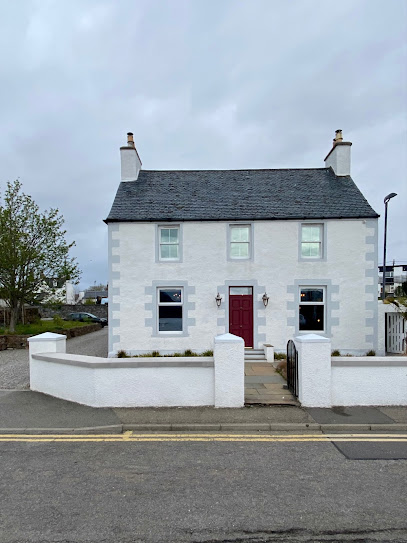
Thyme and Plaice
64.0 km
Cozy Helmsdale eatery serving fresh local seafood, hearty dishes, and gluten-free options in a welcoming BYO setting.
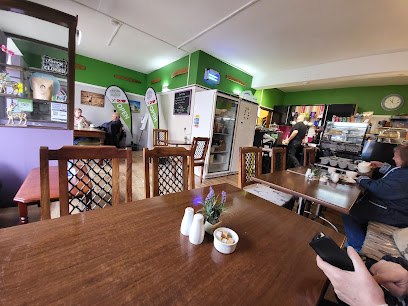
The Bannockburn Inn
64.2 km
Experience authentic Highland warmth, comfort, and home-cooked flavors at The Bannockburn Inn in scenic Helmsdale.
Markets, malls and hidden boutiques

London Stores
24.2 km
Discover local flavors at London Stores, the premier supermarket in Lairg, blending quality groceries with a warm, inviting atmosphere for every traveler.
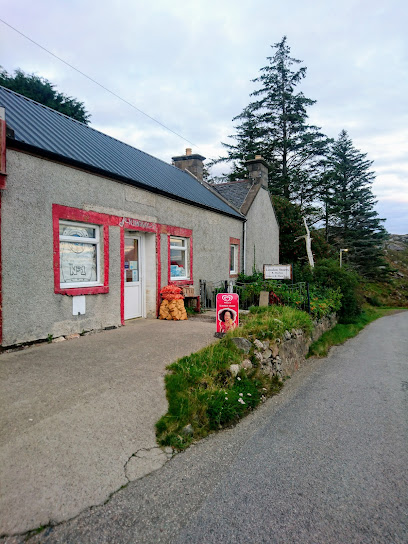
The Captain's Cabin
60.6 km
Discover a cozy treasure trove of Scottish gifts, crafts, and friendly service at Ullapool’s charming Captain's Cabin.
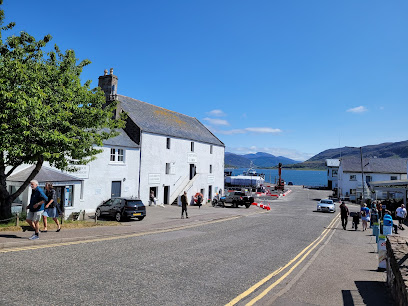
Co-op Food - Brora - Gower Street
60.6 km
Discover the convenience of Co-op Food in Brora, the perfect stop for all your travel essentials and local products.
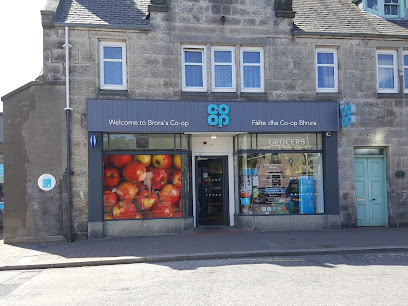
Jail Dornoch
64.9 km
Discover a historic former jail transformed into a charming gift shop with authentic Highland spirit and unique local treasures.
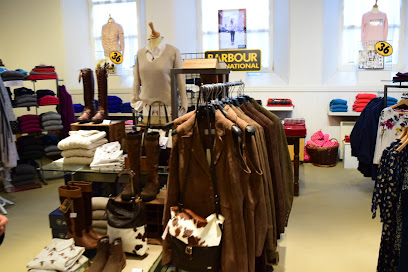
Simply The Best Fair Trade Gifts
65.0 km
Discover ethically crafted fair trade gifts supporting global artisans in the heart of Dornoch Retail Park.
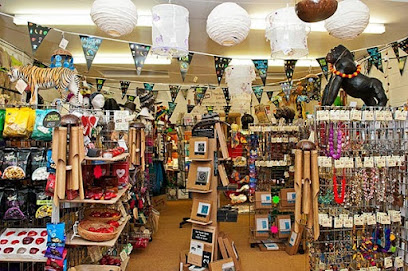
Spellbound Caithness
68.8 km
Discover Spellbound Caithness, Thurso’s magical gift shop blending Highland enchantment, artisan crafts, and spiritual community in a unique creative haven.
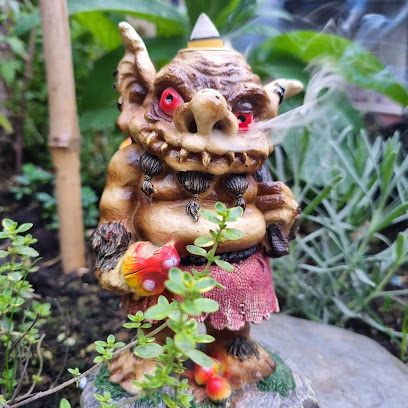
Hallmark
69.6 km
Charming Hallmark gift shop in Thurso offering quality cards and thoughtful gifts in a historic setting at Sir John's Square.
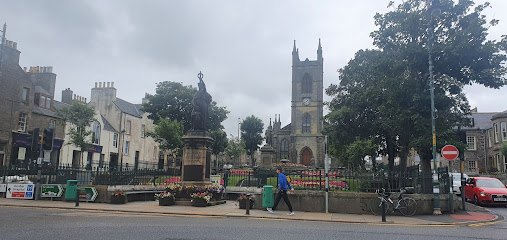
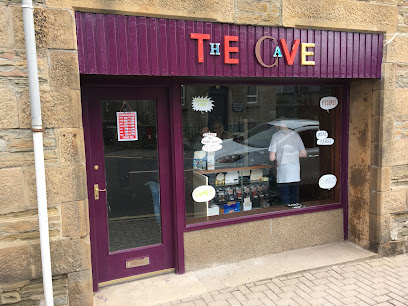
The Cave
69.7 km
Discover The Cave in Thurso, a vibrant comic book shop offering graphic novels, collectibles, and a welcoming atmosphere for fans and newcomers alike.
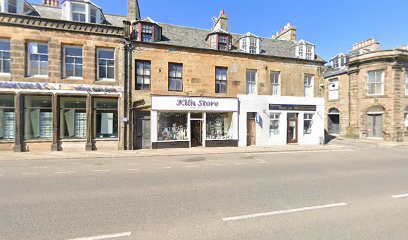
The Kiln Store
69.7 km
Discover unique local crafts and thoughtful gifts in the heart of Thurso at The Kiln Store, a family-run treasure trove of northern Scottish heritage.
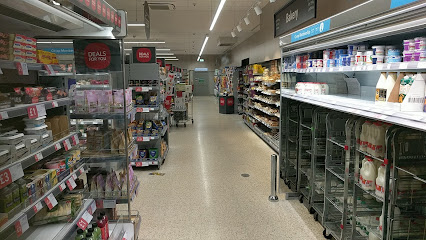
Co-op Food - Thurso - Meadow Lane
69.9 km
Discover the convenience of Co-op Food in Thurso for all your shopping needs, offering local products and friendly service.
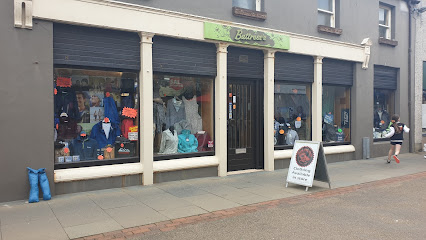
Buttress's
69.9 km
Discover unique fashion at Buttress's in Thurso, where style meets exceptional service in a cozy boutique setting.
Eye Candy
69.9 km
Discover unique gifts and local treasures in the heart of Thurso’s historic High Street at Eye Candy.
Nickel & Dime
70.0 km
Discover Nickel & Dime in Thurso: Your essential convenience store for snacks, drinks, and local flavors in the heart of the Scottish Highlands.
The Original Factory Shop (Thurso)
70.0 km
Discover unbeatable deals on branded fashion, beauty, and footwear at The Original Factory Shop in Thurso’s bustling High Street.
Caithness Gifts & Crafts
78.7 km
Discover authentic Highland artistry and unique handcrafted gifts at Caithness Gifts & Crafts in Thurso, celebrating the spirit of northern Scotland.
Essential bars & hidden hideouts

Mr C's Bar
69.8 km
Lively cocktail bar in Thurso crafting fresh drinks with hand-selected spirits in a fun, welcoming atmosphere.
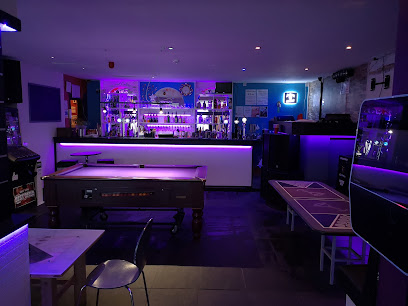
Top Joe's
69.8 km
A welcoming and lively pub in Thurso serving great Guinness, live sports, and a friendly Highland atmosphere.
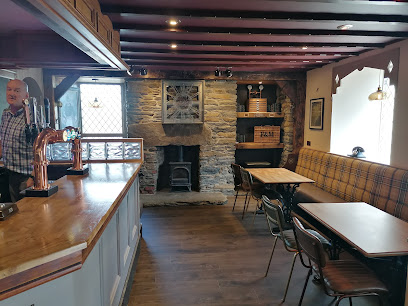
The Grove Lounge
69.9 km
A cozy and lively bar in Thurso offering hearty food, friendly service, and a welcoming atmosphere for locals and visitors alike.
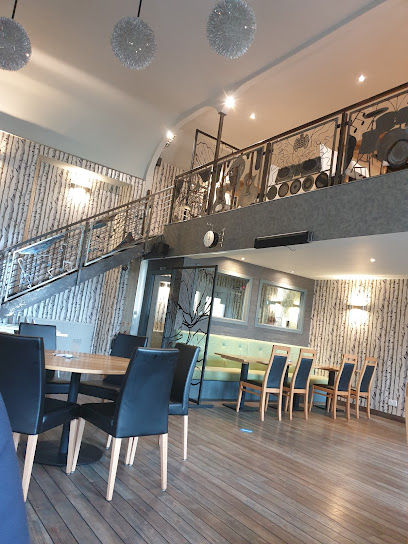
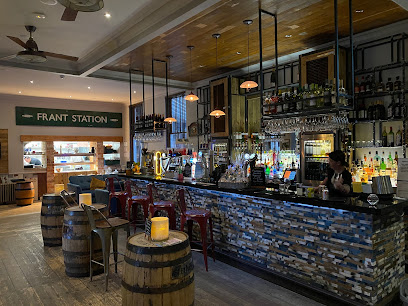
Platform 1864
70.4 km
Historic charm meets contemporary dining at Platform 1864, Tain’s beloved bar and restaurant in a stunning old train station.
The Inver Inn
74.2 km
Cozy, dog-friendly pub in Tain’s Inver village serving fresh Scottish fare with warm hospitality and scenic Highland charm.
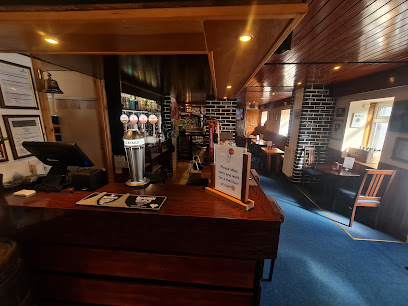
Dunnet Bay Escapes
80.3 km
Luxurious coastal retreat with stunning Dunnet Bay views, gourmet breakfasts, and serene hot tub relaxation in the heart of the Scottish Highlands.
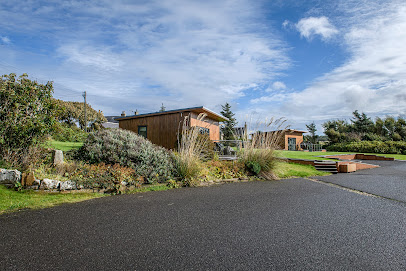
The Ship Inn
80.5 km
Experience warm Highland hospitality and home-cooked meals at The Ship Inn, your cozy retreat in Invergordon by the Cromarty Firth.
The Fishertown Inn
84.3 km
A cozy Georgian pub in Cromarty offering exceptional food, local ales, and a warm Highland welcome on historic Church Street.
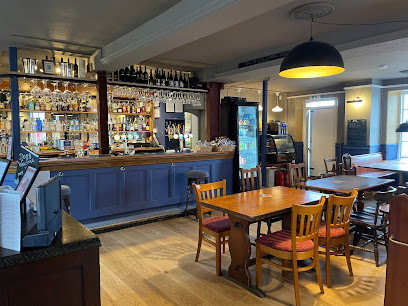
The Mey Hotel
87.2 km
Experience warm Highland hospitality, hearty Scottish fare, and cozy comfort at The Mey Hotel in scenic Thurso.
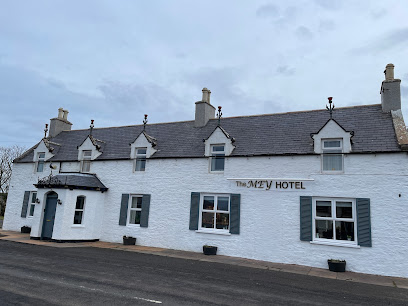
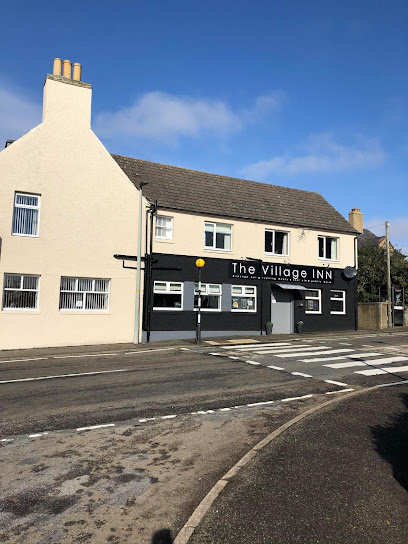
The Village Inn
90.2 km
A cozy Highland village pub offering hearty meals, real ales, and warm hospitality in the scenic community of Keiss.
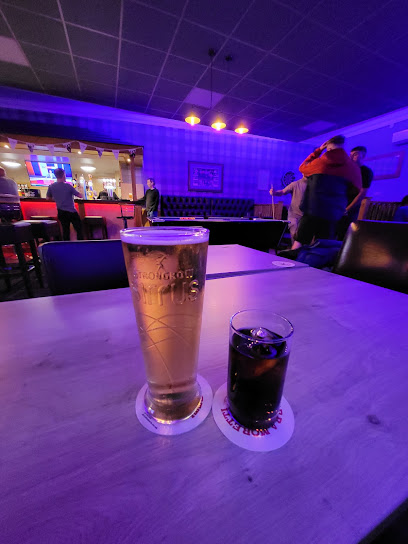
Harpers Bar
90.5 km
A lively and welcoming bar in Wick offering classic pub vibes, vibrant social scenes, and versatile event spaces.
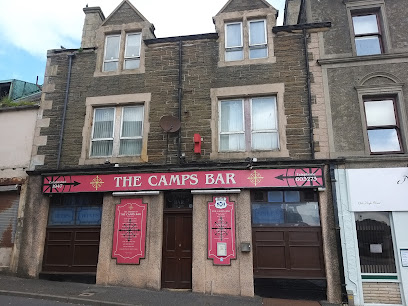
Camps Bar
90.7 km
Wick’s oldest pub where historic charm meets lively local spirit and affordable drinks in a welcoming Highland setting.
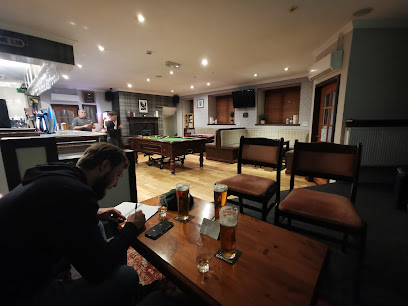
Blackstairs Lounge
90.7 km
A cozy and lively bar in Wick offering flavorful curries, warm hospitality, and a vibrant social atmosphere.
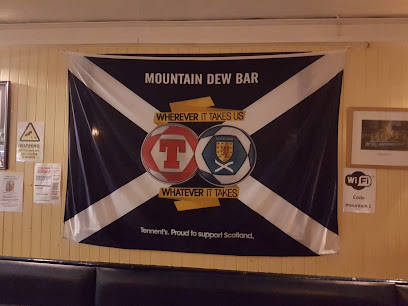
Mountain Dew Bar
90.9 km
A friendly, affordable local pub in Wick offering authentic Highland hospitality and a perfect pint in a cozy setting.
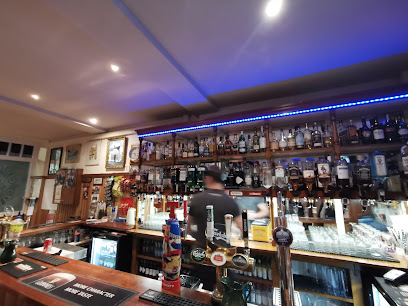
The Union Tavern
92.3 km
A cozy Fortrose pub offering local ales, live traditional music, and a warm, welcoming atmosphere on the Black Isle.
Nightclubs & after hour spots

Skinandi's Nightclub
69.7 km
Experience the vibrant nightlife at Skinandi's, the northernmost nightclub on Scotland’s mainland with two bars and two dance floors.
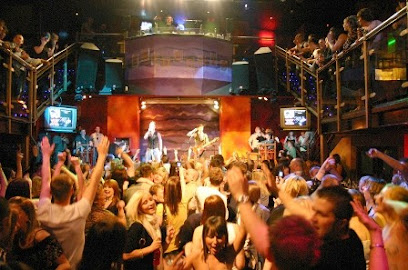
The Ross Shire Club
86.6 km
Experience Dingwall’s vibrant nightlife with a welcoming vibe, BYOB policy, and lively social scene at The Ross Shire Club.
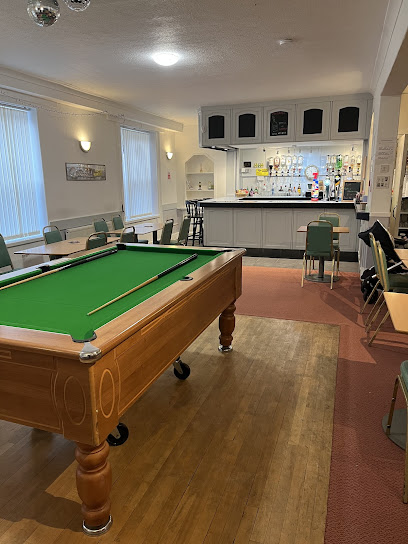
The Waterfront
90.8 km
Wick's vibrant nightlife heart with a lively dance floor, diverse music, and a welcoming atmosphere on the scenic Shore.
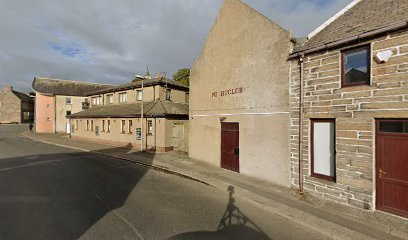
Seaforth Club
98.0 km
Experience Nairn’s vibrant social heart at Seaforth Club, where community spirit meets lively nightlife in a welcoming setting.
Xplosive Discos
98.2 km
Experience the vibrant nightlife at Xplosive Discos in Nairn, where unforgettable music and karaoke fun await every visitor.
For the vibe & atmosphere seeker
- Scenic
- Tranquil
- Unique
- Adventurous
- Relaxing
For the design and aesthetic lover
- Rustic Designs
For the architecture buff
- Historic
- Landmarks
For the view chaser and sunset hunter
- Iconic Views
- Panoramas
For the social media creator & influencer
- Instagrammable
- Photo Spots
For the eco-conscious traveler
- Protected Area
- Public-Transport Accessible
- Leave-No-Trace Critical
- Locally Managed
For the kind of experience you’re after
- Cultural Heritage
- Photowalk
- Nature Escape
- Day Trip
- Weekend Getaway
For how adventurous you want the journey to be
- Easy Access
- Requires Hike
Location Audience
- Family Friendly
- Senior Friendly
- Child Friendly
- Teen Friendly
- Solo Friendly
- Couple Friendly
- Vegetarian Friendly
- Vegan Friendly


