

Esha Ness Travel Guide
Free Guide: Explore Shetland’s volcanic cliffs, historic lighthouse, and wild Atlantic coast at Esha Ness, a landscape of raw natural power and ancient heritage.


A brief summary of Esha Ness
Explore Shetland’s volcanic cliffs, historic lighthouse, and wild Atlantic coast at Esha Ness, a landscape of raw natural power and ancient heritage.
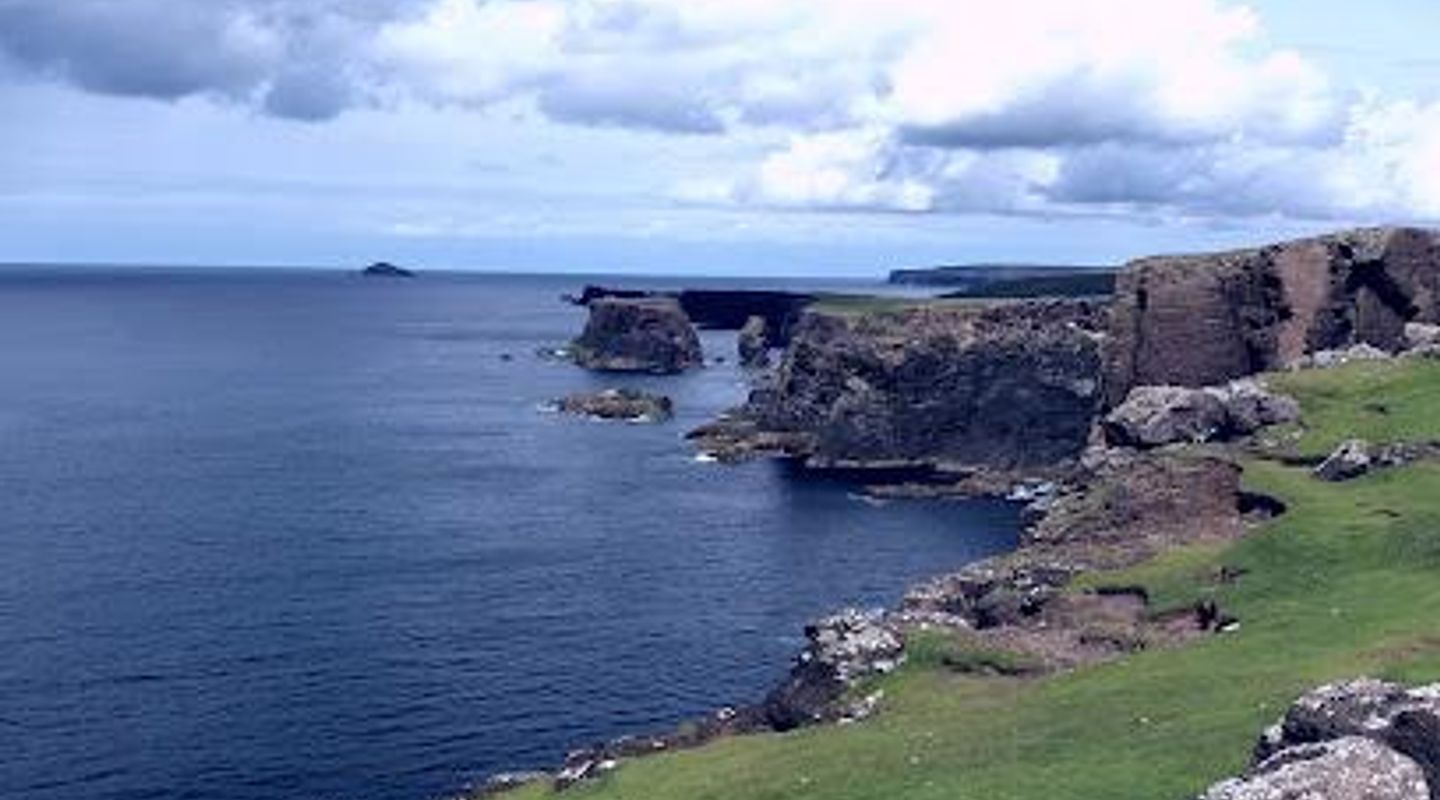
Esha Ness is a rugged peninsula on the west coast of Northmavine, Mainland Shetland, famed for its volcanic cliffs, powerful Atlantic waves, and the iconic 1929 lighthouse designed by David Alan Stevenson. Visitors can explore dramatic sea inlets, blowholes, and ancient archaeological sites amid windswept, treeless landscapes, with opportunities to witness seabird colonies and the raw force of nature along one of the UK’s highest-energy coastlines.
On-site amenities
 Restrooms
 Seating areas
 Information boards
- Address
- Esha Ness
Getting there
Car
Bus
Walking
Discover more about Esha Ness
Volcanic Origins and Geological Marvels
Esha Ness stands as a testament to ancient volcanic activity that shaped its rugged terrain some 360 to 420 million years ago. This peninsula is the exposed flank of a long-extinct strato-volcano, with striking layers of lava flows, volcanic ash, and agglomerate visible along its cliffs. The area around Calder's Geo reveals jagged rock formations and sea caves carved by relentless Atlantic storms. Notably, the Grind o da Navir amphitheatre showcases the ocean’s power, where waves have hurled massive boulders high above the sea, creating a dramatic storm beach inland.
Historic Lighthouse and Maritime Heritage
Perched atop 200-foot cliffs, the Esha Ness Lighthouse was built between 1925 and 1929 by David Alan Stevenson, the last manned lighthouse constructed by the Stevenson family. Its tapering square tower emits a white flash every 12 seconds, visible up to 25 nautical miles. The lighthouse was automated in 1974, and the former keeper’s accommodation now serves as unique holiday lodging. Nearby, the site of Hogaland Broch and the Neolithic March Cairn offer glimpses into the peninsula’s ancient human history.
Wildlife and Coastal Ecology
The cliffs of Esha Ness are home to numerous seabirds such as fulmars nesting in cliff crevices, while the grassy cliff tops bloom with sea pinks and wildflowers during summer. Offshore islands like Dore Holm and Muckle Ossa add to the scenic panorama. The area’s high-energy coastline supports diverse marine life and dramatic natural features like blowholes and sea stacks, making it a captivating spot for nature enthusiasts and photographers.
Walking Routes and Visitor Experience
Accessible from the lighthouse car park, the Esha Ness Circular walk offers an exhilarating journey along cliff tops and coastal paths with spectacular views of St Magnus Bay and the North Atlantic. The route passes through geos, boulder fields, and historic sites, rewarding walkers with a blend of natural beauty and cultural heritage. The terrain is mostly grassy and flat near the cliffs but requires fitness for longer explorations northward to the Grind o da Navir and beyond.
Atmosphere and Local Character
Esha Ness exudes a wild, windswept charm typical of Shetland’s northwestern coast, with its treeless moorlands and dramatic cliff faces shaped by millennia of oceanic forces. The area’s remoteness and raw natural beauty create a tranquil yet awe-inspiring environment, ideal for visitors seeking solitude, wildlife encounters, and a deep connection with Shetland’s rugged landscape.
Practical Information and Nearby Amenities
While Esha Ness is remote, accommodation options including self-catering cottages and the lighthouse keeper’s house provide comfortable bases for exploration. Facilities near the peninsula are limited, emphasizing the importance of preparation. The nearest settlements such as Stenness and Tangwick offer glimpses of local life, and the peninsula’s principal road, the B9078, connects these communities. Visitors should be mindful of weather conditions, which can change rapidly along this exposed coastline.
Evendo Review Centre
 Google
Guest reviews
Best time to go
Quietest: Jan, Feb & Dec · before 6am
Busy times are Evendo estimates for a typical year, to help you plan. Actual crowds vary with events, school holidays and the weather.
Explore Esha Ness on the map
A handpicked selection of must-see spots near Esha Ness, mapped for you.
Get your free copy of our complete guide to Esha Ness, delivered straight to you.
Everything on this page, from opening hours and how to get there to Eve’s tips and the best time to go, in one PDF you can read offline, print or share.
Already have an account? Sign in
Your Esha Ness guide is ready.
We'll send it to · Not you? Sign out

Getting your guide ready…
We are putting together a fresh copy of the Esha Ness guide. This can take up to a minute.
This can take a few moments. If your browser asks, choose Allow so the download can start. You'll find the guide in your Downloads folder.
Nothing happened? Download it again
Sorry, the guide is taking longer than usual. Please try again in a minute, or get it by email instead.
Other nearby places you may find interesting
The closest places of the same kind, if this one is not quite what you had in mind.
-
-
-
-
-


Swipe for more places
More to explore near Esha Ness

 Best experiences near Esha Ness
 Best hotels near Esha Ness
 Best landmarks near Esha Ness
 Best attractions near Esha Ness
 Best shops near Esha Ness
 Best restaurants near Esha Ness
 Best bars near Esha Ness
Do you manage this location?
Take control to get all the benefits, like improved information, better appearance, and stronger visibility across AI-powered discovery.
Explore more
Explore more of Shetland
Explore Shetland: A captivating blend of rugged landscapes, rich wildlife, and a unique cultural heritage between Scotland and Scandinavia.
Explore Shetland
Explore more of United Kingdom
Discover the United Kingdom: A blend of rich history, stunning landscapes, and vibrant cities, offering a unique travel experience for every visitor.
Explore United Kingdom
