

Hermaness National Nature Reserve: Shetland’s Seabird Sanctuary
A remote Shetland sanctuary where towering cliffs meet vast seabird colonies and wild moorland under the northern skies.
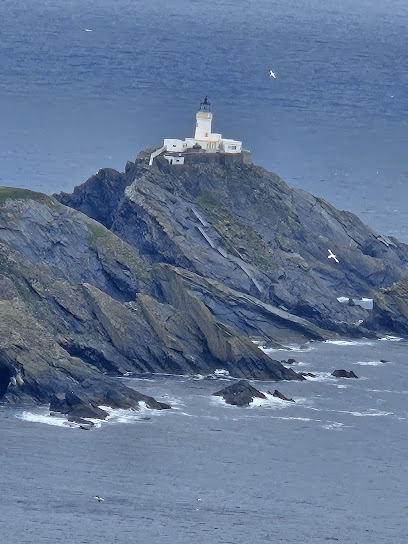
Hermaness National Nature Reserve, located on the northern tip of Unst in Shetland, is a dramatic coastal sanctuary famed for its towering sea cliffs, expansive moorland, and one of the world’s largest seabird colonies. Home to species like gannets, puffins, and great skuas (bonxies), the reserve offers spectacular wildlife viewing, rich peatland habitats, and breathtaking views of Muckle Flugga lighthouse. Well-maintained boardwalks and trails provide access while protecting fragile environments.
A brief summary to Hermaness National Nature Reserve
- Muckleflugga, Shetland, Haroldswick, ZE2 9EQ, GB
- +441463725000
- Visit website
- Duration: 3 to 5 hours
- Budget
-
 Outdoor
- Mobile reception: 3 out of 5
- Monday 12 am-12 am
- Tuesday 12 am-12 am
- Wednesday 12 am-12 am
- Thursday 12 am-12 am
- Friday 12 am-12 am
- Saturday 12 am-12 am
- Sunday 12 am-12 am
Local tips
- Bring binoculars to get close views of the seabird colonies, especially the elusive puffins and great skuas.
- Wear sturdy footwear for the mix of boardwalks and rugged paths, and be prepared for sudden weather changes.
- Visit between mid-May and late July to experience the peak seabird breeding season and vibrant moorland flora.
- Respect wildlife by keeping to marked trails and keeping dogs on a lead to avoid disturbing nesting birds.

For the on-the-go comforts that matter to you
- Restrooms
- Seating Areas
- Information Boards
Getting There
-
Bus and Ferry Combination
Take the bus from Lerwick to Toft, then the ferry to Yell (approximately 20 minutes). From Yell, catch another ferry to Unst (about 10 minutes). From Unst ferry terminal, a local bus or taxi can take you to Hermaness National Nature Reserve in around 30 minutes. Total travel time ranges from 3 to 4 hours depending on connections. Ferry fares range from £5 to £15 per crossing.
-
Car and Ferry
Drive from Lerwick to Toft (about 1 hour), take the ferry to Yell (20 minutes), then the ferry to Unst (10 minutes). From Unst ferry terminal, drive approximately 30 minutes north to Hermaness. Parking is available at the reserve’s car park. Ferry fares typically cost £5–£15 per crossing. Note that large vehicles over 6 meters are not permitted; motorhome spaces are limited.
-
Cycling and Ferry
Cycle the National Cycle Network Route 1 to Toft, then take the ferry to Yell and onward to Unst. From Unst ferry terminal, cycle or use local transport to reach Hermaness. The route offers scenic views but requires good fitness due to distance and terrain. Ferry fares apply as above.
-
Walking from Haroldswick
From the village of Haroldswick on Unst, a 10-mile (approx. 3.5–4 hour) hike north along marked roads and trails leads to Hermaness. The terrain is rugged and includes moorland paths and boardwalks. Suitable for experienced walkers; weather conditions can be challenging.
Hermaness National Nature Reserve location weather suitability
-
 Any Weather
-
 Rain / Wet Weather
-
 Windy Conditions
-
 Cold Weather
-
 Mild Temperatures
Discover more about Hermaness National Nature Reserve
Wildlife Haven at the Edge of Britain
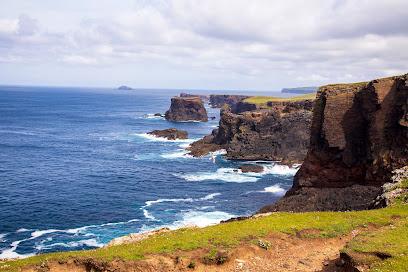
Hermaness National Nature Reserve occupies the northernmost headland of Unst, the most northerly inhabited island in Shetland. Established in 1955, the reserve spans nearly 1,000 hectares, including the peninsula and outlying rocky islets such as Muckle Flugga and Out Stack. This rugged landscape of towering sea cliffs—reaching heights up to 200 meters at Hermaness Hill—and vast moorland supports a spectacular diversity of wildlife. It is internationally recognized as a Site of Special Scientific Interest (SSSI) and a Special Protection Area (SPA), underscoring its importance for conservation.A Thriving Seabird Colony
Hermaness is renowned for hosting one of the largest seabird colonies in the world, with over 100,000 birds arriving each summer. The cliffs and ledges are alive with the sights and sounds of northern fulmars, kittiwakes, guillemots, and Britain’s largest gannet colony, with more than 25,000 pairs nesting here. Atlantic puffins waddle near their burrows along cliff edges, while great skuas, locally called bonxies, patrol the moorland fiercely during their breeding season from May to August. The reserve also supports red-throated divers, golden plovers, and other wading birds that nest in the blanket bogs.Landscape and Flora of Contrast
The reserve’s landscape is a tapestry of contrasting habitats. The moorland is carpeted with heather, crowberry, bog bilberry, and mosses, with spring squill and sea pinks adding vibrant blues and pinks to the coastal grasslands. The blanket bogs here are ecologically significant, preserving over 7,000 years of vegetation history. The cliffs reveal fascinating geology with veins of pink granite weaving through ancient grey gneiss, shaped by intense heat and pressure hundreds of millions of years ago.Visitor Experience and Trails
Visitors can explore Hermaness via two main trails: the Saito Trail, a linear walk to the dramatic western cliffs and gannet colony, and the longer Muckle Flugga loop, which offers panoramic views of the lighthouse and a return over Hermaness Hill. A recently installed recycled plastic boardwalk protects the fragile peatland and guides visitors safely through sensitive nesting areas. Facilities include a visitor hub with information panels and toilets, open seasonally. The reserve is best visited from mid-May to late July to witness the full spectacle of breeding seabirds, though its wild beauty endures year-round.Conservation and Management
Managed by NatureScot in partnership with local authorities, Hermaness is a protected area balancing public access with wildlife preservation. Visitors are encouraged to keep to paths, keep dogs on leads, and respect nesting birds to minimize disturbance. The reserve’s designation as a Category IV protected area by the IUCN highlights its role in habitat and species management, ensuring this unique environment remains a sanctuary for generations to come.Beyond the Reserve
From Hermaness, views stretch to Muckle Flugga, Britain’s most northerly point, and Out Stack, the northernmost islet. The surrounding waters are home to seals, dolphins, and occasionally whales, adding to the reserve’s rich natural tapestry. The sense of remoteness and exposure to the Atlantic’s powerful forces create an atmosphere of wild, untamed beauty, making Hermaness a profound experience for nature lovers and adventurous hikers alike.Iconic landmarks you can’t miss

Northernmost Point Of UK
5.3 km
Explore Skaw on Unst, the UK’s northernmost point, where rugged coastline meets rich Viking heritage and iconic maritime landmarks.
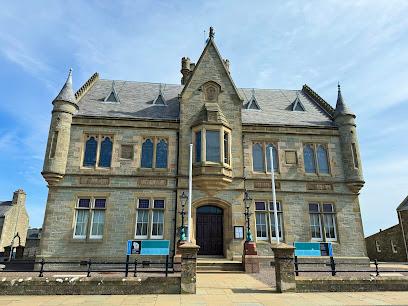
Lerwick Town Hall
74.7 km
Victorian civic masterpiece with breathtaking stained glass windows telling Shetland's historical narrative
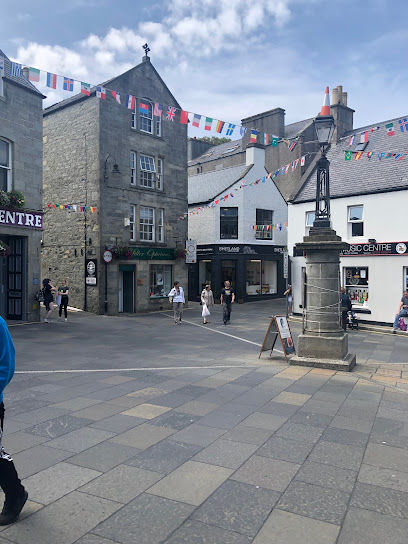
Market Cross
74.8 km
Historic Market Cross in Lerwick, the symbolic heart of Shetland’s trade, community, and civic life.
Unmissable attractions to see

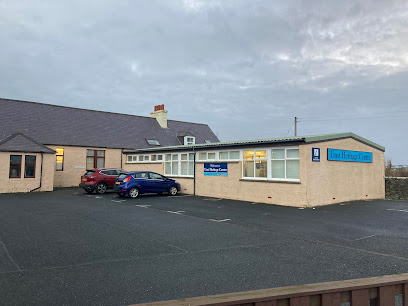
Unst Heritage Centre
3.3 km
Discover the rich history, crafts, and natural heritage of Unst at this engaging island museum in Haroldswick.
Hernaness National Nature Reserve
3.5 km
Experience the wild, windswept cliffs and vibrant seabird colonies of Hermaness National Nature Reserve at Shetland’s northern edge.
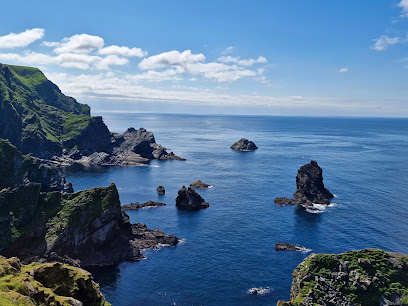
The Most Northerly Point of National Cycle Route 1
4.9 km
Discover the remote northern terminus of the iconic National Cycle Route 1, where rugged Shetland landscapes meet the sea.
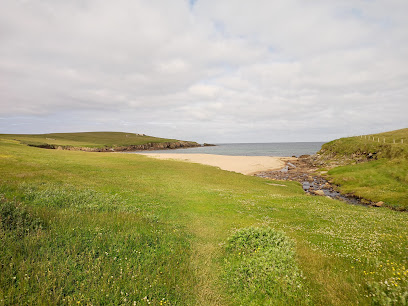
Skaw Beach
5.0 km
Britain’s most northerly sandy beach, Skaw Beach offers tranquil white sands, wildflower meadows, and stunning North Sea views in remote Shetland.
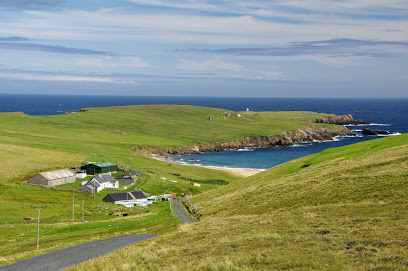
Hammers Ness - Gutcher Ferry
19.5 km
Historic Gothic mansion on Fetlar blending ancient Viking roots with Shetland’s cultural heritage and stunning coastal scenery.

The honesty box
25.7 km
Discover authentic Shetland flavors and community spirit at The Honesty Box, a charming self-service farm shop in tranquil Mid Yell.
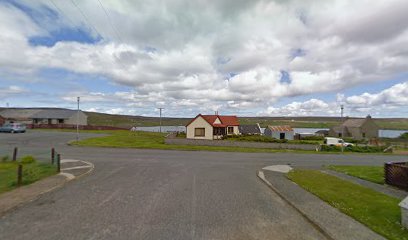
Shetland Rural Experience Centre
35.9 km
Working farm and sheepdog demonstrations celebrating Shetland's agricultural heritage and rural traditions.
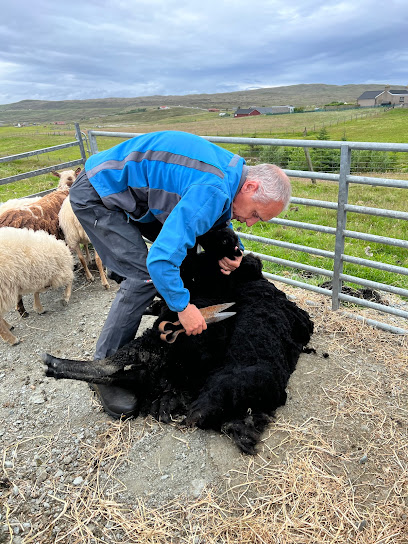
Beorgs of Housetter, Standing Stones
38.5 km
Ancient red-pink standing stones marking a Neolithic chambered cairn, offering a rare glimpse into Shetland’s prehistoric heritage.
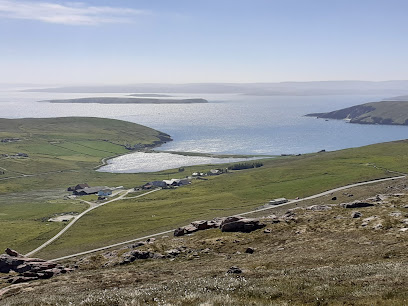
The Hollanders Graves
46.3 km
A quiet cairn on Shetland’s wild west coast marks the burial place of Dutch sailors from the 1674 Battle of Ronas Voe, one of the islands’ earliest known war graves.
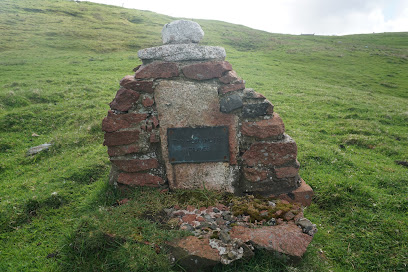
Eshaness
52.3 km
Discover Eshaness, Shetland’s wild volcanic peninsula with dramatic cliffs, a historic lighthouse, and breathtaking North Atlantic vistas.
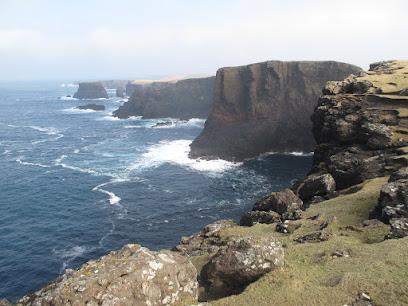
Tangwick Haa Museum
53.1 km
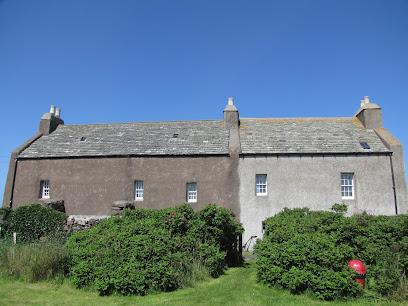
Explore Tangwick Haa Museum, a historic laird’s house preserving Northmavine’s rich heritage and maritime traditions in scenic Shetland.
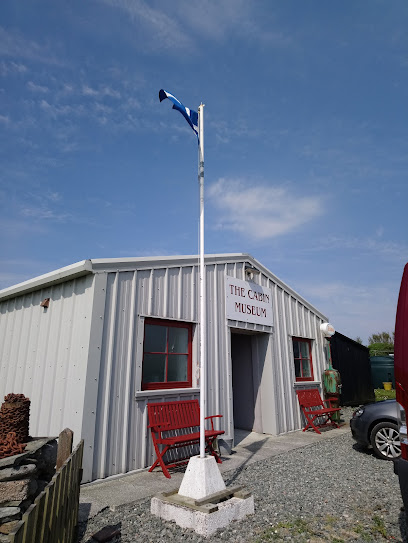
The Cabin Museum
53.1 km
Discover Shetland’s wartime stories and rural heritage in this intimate museum nestled in Mainland’s heartland.
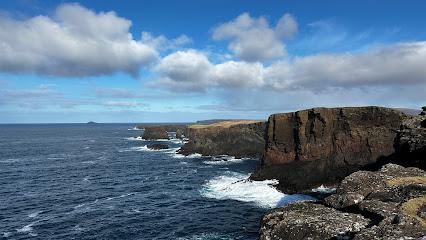
Eshaness Broch
53.4 km
Explore ancient Iron Age ruins on Shetland’s volcanic cliffs, where wild Atlantic seas meet breathtaking coastal history and nature.
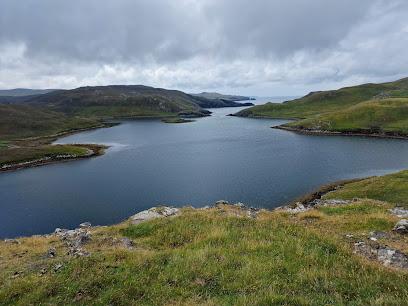
Mavis Grind
53.8 km
Discover Mavis Grind, the narrow isthmus where the Atlantic Ocean and North Sea nearly meet, steeped in Viking history and dramatic Shetland scenery.
Eshaness Lighthouse
54.5 km
Historic 1929 lighthouse perched on Shetland’s dramatic cliffs, guarding treacherous seas with stunning coastal views and rich maritime heritage.
Essential places to dine

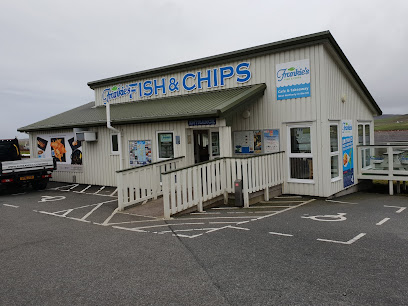
Frankie's Fish & Chips
53.4 km
Savor fresh, locally sourced fish and crispy chips at Shetland’s beloved Frankie's Fish & Chips in Brae.
The Waterfront Bar and Grill
74.0 km
A modern, informal grill in Lerwick serving fresh Shetland seafood and hearty dishes with warm hospitality every evening.
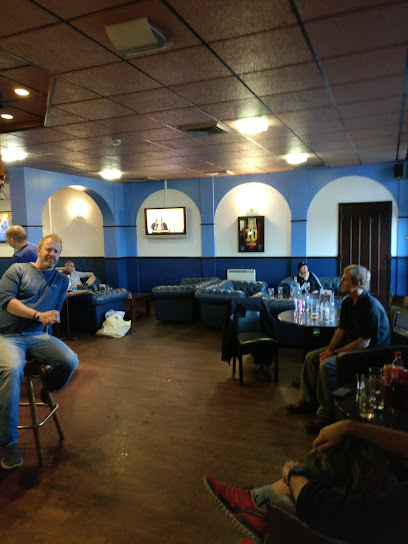
Hay's Dock By The Dowry
74.3 km
Historic waterfront dining at Lerwick’s last original dock, where Shetland’s maritime heritage meets cozy local hospitality.
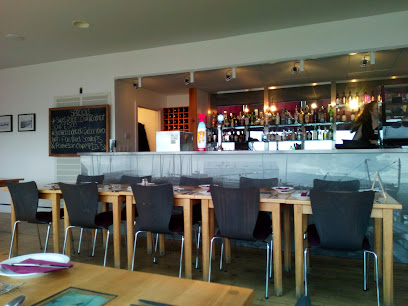
The Great Wall
74.4 km
Experience authentic Cantonese flavors at The Great Wall, Lerwick’s largest and most accessible Chinese restaurant in the heart of Shetland.
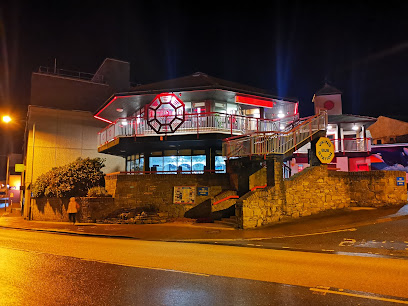
Téamoré
74.4 km
Cozy café and restaurant in Lerwick offering local seafood, Asian-inspired dishes, and homemade treats in a warm, inviting atmosphere.
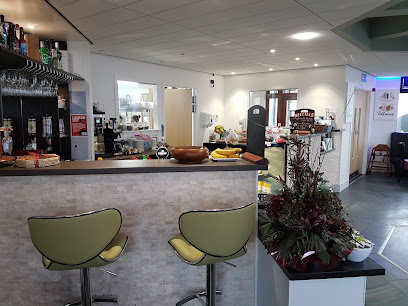
The Olive Tree
74.4 km
A cozy British café in Lerwick’s Toll Clock Shopping Centre, offering fresh, gluten-free-friendly dishes and a rich tea selection.
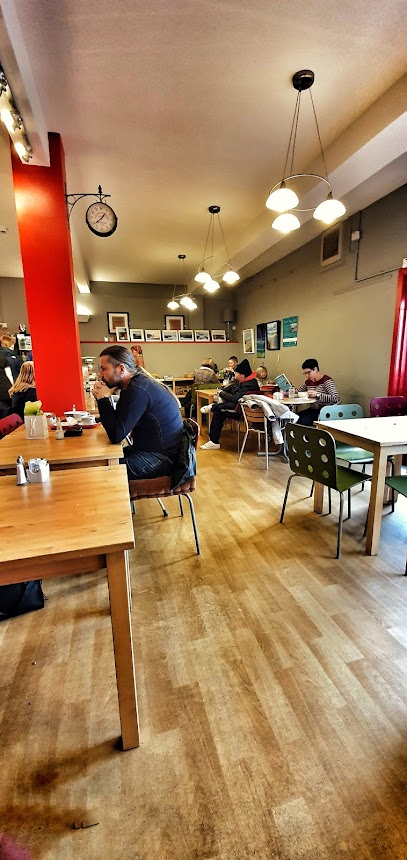
Saffron
74.5 km
Saffron brings authentic Nepalese and Indian flavors to Lerwick with warm hospitality and a relaxed dining atmosphere.
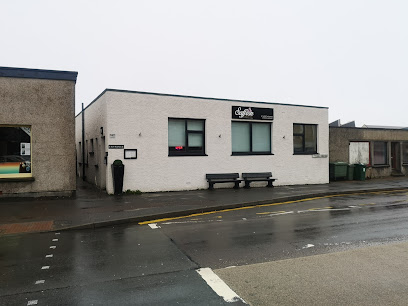
Golden Coach
74.5 km
Savor fresh, authentic Chinese cuisine in a welcoming, spacious setting at Golden Coach, Lerwick’s favorite for traditional flavors and friendly service.
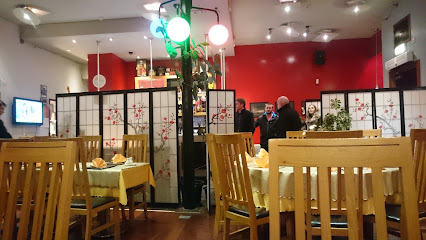
Gurkha Kitchen
74.5 km
Award-winning Nepali and Indian cuisine in the heart of Lerwick, where authentic Himalayan flavors meet island warmth.
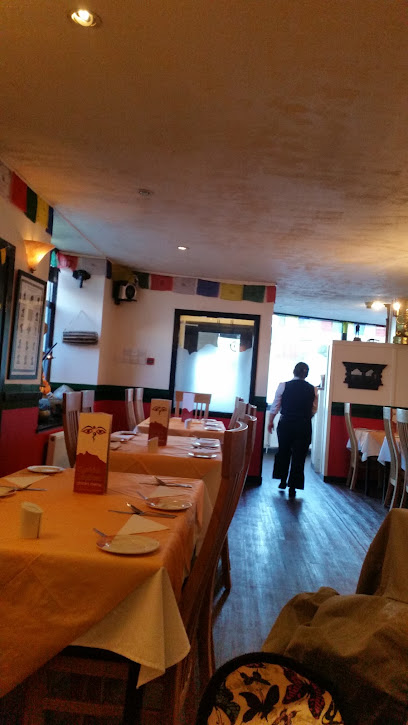
Fort Cafe & Take Away
74.6 km
Savor Shetland’s freshest fish and chips with friendly service at Lerwick’s beloved Fort Cafe & Take Away, a local culinary gem.
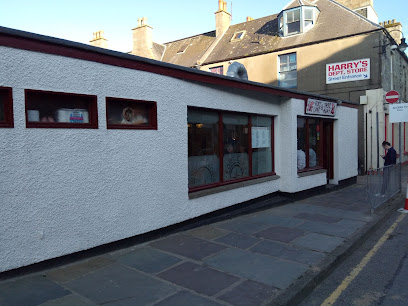
C’est la Vie
74.6 km
Cozy French bistro in Lerwick serving authentic Basque-style cuisine with warm hospitality and a charming eclectic interior.
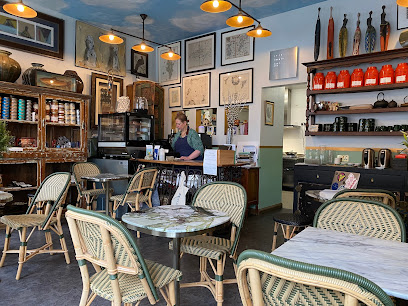
The New Harbour Cafe
74.6 km
Cozy cafe in Lerwick serving traditional Scottish breakfasts and Shetland specialties in a warm, inviting atmosphere.
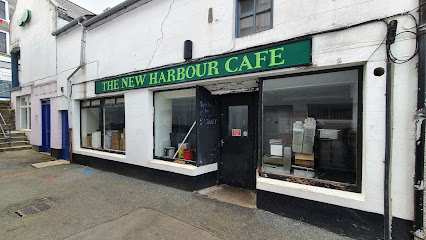
The Dowry
74.7 km
Quirky Lerwick gem serving inventive island cuisine in a warm, welcoming atmosphere.
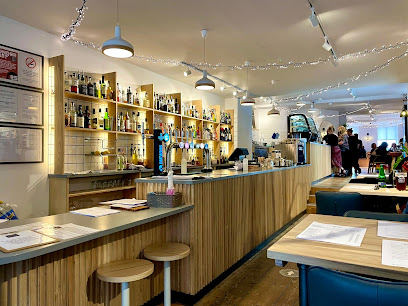
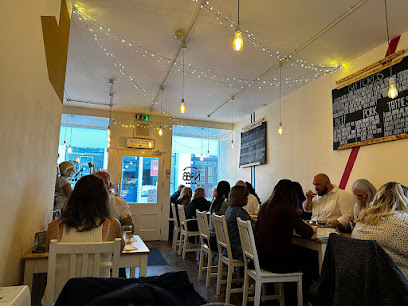
No 88 Kitchen and Bar
74.7 km
Savor Shetland’s freshest seafood and local lamb in a cozy, modern British restaurant at the heart of Lerwick’s vibrant dining scene.
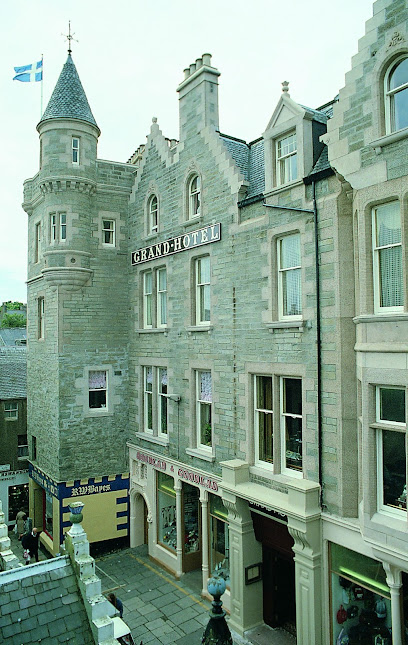
The Grand Hotel
74.7 km
Historic charm and warm hospitality meet in the heart of Lerwick at The Grand Hotel, your gateway to Shetland’s vibrant culture and stunning landscapes.
Markets, malls and hidden boutiques

Shetland Crafts
19.3 km
Discover authentic Shetland artistry at Shetland Crafts in Yell, where tradition meets inspired craftsmanship in a welcoming setting.
The Hillshop
26.1 km
A cozy local shop and café in Mid Yell offering Shetland crafts, home bakes, and a warm island welcome.
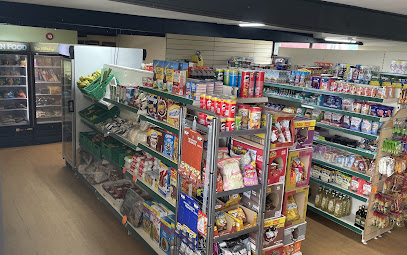
Aywick Shop
29.4 km
A beloved general store in East Yell, Aywick Shop offers an eclectic range of goods and a warm community atmosphere in the heart of Shetland’s northern isles.
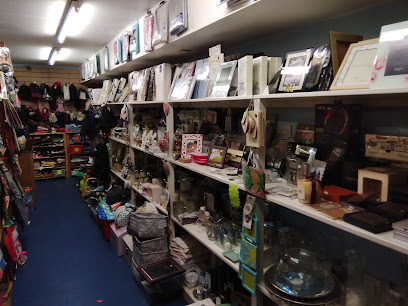
The Shetland Fairy
35.4 km
Discover handcrafted fairy gifts and ethically sourced crystals in Shetland’s northernmost village, where folklore and artistry meet.
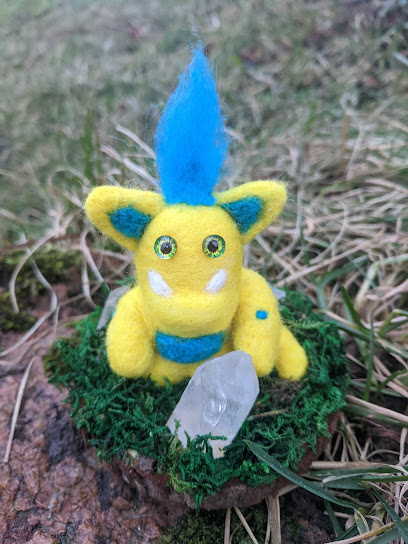
A Humphray and Co General Stores
43.8 km
Discover the heart of Shetland through A Humphray and Co General Stores, where local flavors and community spirit come together.
West Isle Shop
43.9 km
Essential island shop and post office in Skerries, Shetland, blending local heritage with community spirit and visitor convenience.
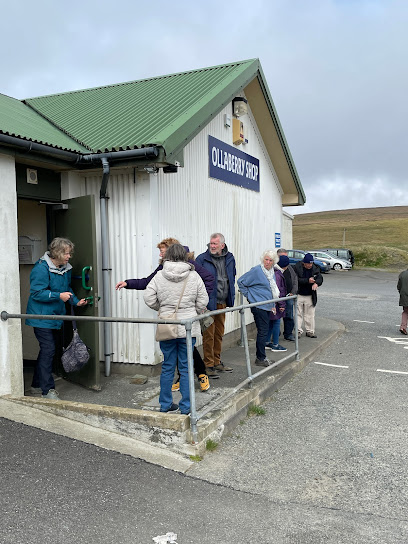
Ollabery Shop
44.5 km
A welcoming general store and fuel stop in Shetland’s scenic north, serving locals and travelers with essential goods and friendly charm.
Co-op Food - Shetland Brae - Hillside
53.1 km
Your friendly local Co-op Food store in Brae, Shetland, offering fresh groceries, bakery treats, postal services, and daily essentials from dawn till late evening.
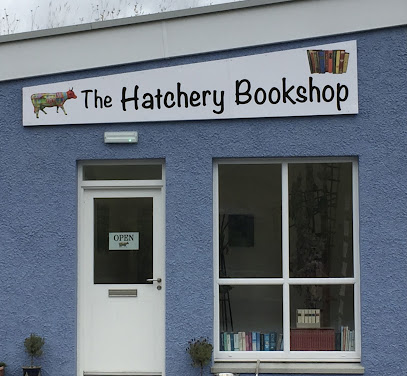
The Kergord Hatchery Bookshop
65.4 km
A charming second-hand bookshop in a former salmon hatchery, perfect for readers and dog lovers exploring Shetland’s peaceful Weisdale valley.
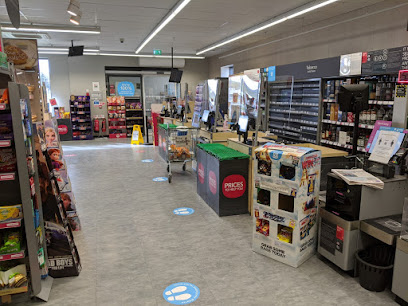
Co-op Food - Shetland Lerwick - Holmsgarth Road
74.2 km
Discover the convenience of Co-op Food in Lerwick - your one-stop-shop for local goods and essentials during your Shetland adventures.
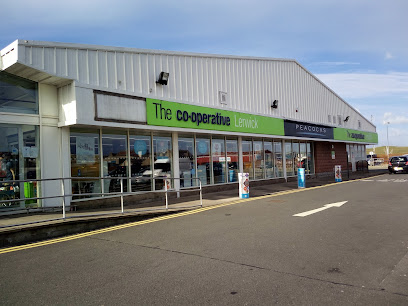
The Co-Operative Lerwick
74.2 km
Discover Shetland's flavors at The Co-Operative Lerwick, your go-to convenience store for fresh produce and local goods.
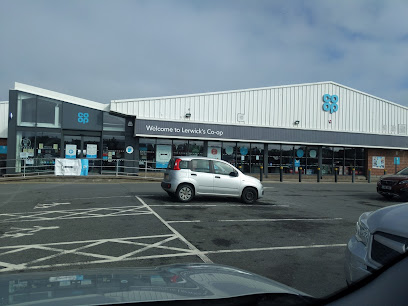
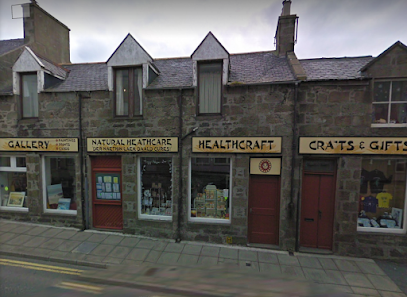
Health Craft
74.4 km
Discover Shetland’s finest health foods and crafts at Health Craft, Lerwick’s welcoming hub for wellness and local artistry.
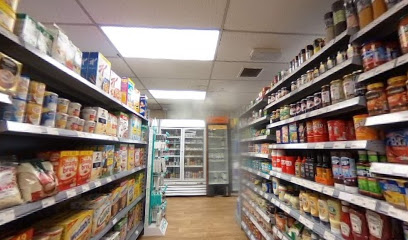
Bolts Minimarket
74.4 km
A friendly, well-stocked local minimarket in Lerwick offering Shetland flavors and essentials with welcoming service and convenient hours.
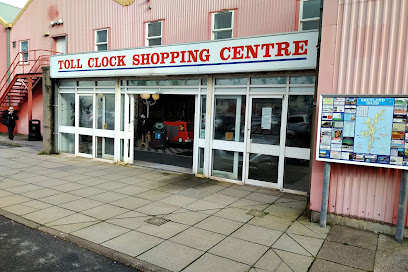
Toll Clock Shopping Centre
74.4 km
A vibrant indoor shopping hub in Lerwick offering local crafts, daily essentials, eateries, and community spirit in the heart of Shetland.
The Bop Shop
74.5 km
Discover Shetland’s beloved monthly vinyl haven and creative hub where music, community, and culture intertwine in Lerwick’s heart.
Essential bars & hidden hideouts

Balta Light
5.3 km
Experience authentic Shetland hospitality at Balta Light, the UK's northernmost pub nestled in Baltasound, Unst.
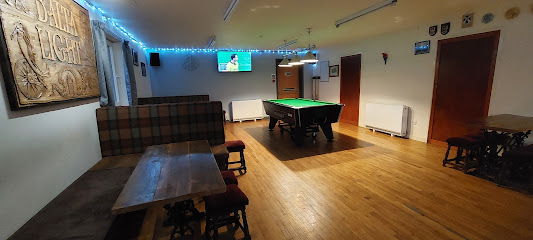
Welcome Inn
42.5 km
A welcoming Shetland pub and live music venue where community spirit and local culture come alive in Mossbank.
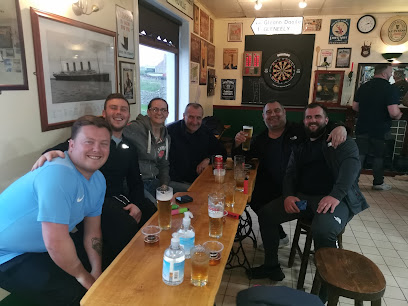
Mid Brae Inn
53.2 km
Cozy country pub in Brae, Shetland, serving hearty homemade food with warm local hospitality at moderate prices.
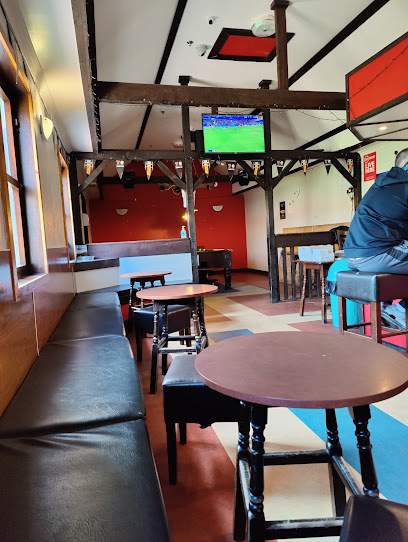
Brae Hotel
53.4 km
Comfortable and friendly hotel in Brae, Shetland, offering excellent local dining and a welcoming atmosphere for exploring the northern isles.
Busta House Hotel
54.9 km
Historic coastal retreat in Shetland with warm hospitality, local cuisine, and stunning North Atlantic views.
Maryfield House Hotel
74.0 km
Charming family-run hotel on Bressay Island with stunning sea views, local seafood dining, and easy ferry access to Shetland’s capital.
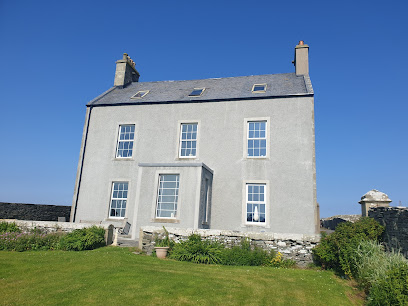
Trench bar and nightclub
74.4 km
Lerwick’s only nightclub open till 3 AM, offering vibrant late-night entertainment in the heart of Shetland’s capital.
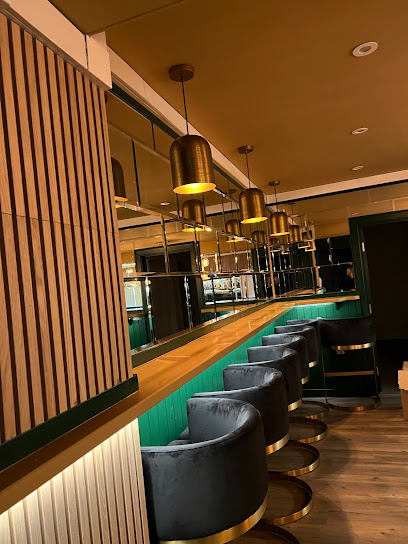
Douglas Arms
74.4 km
Cozy and welcoming, the Douglas Arms is Lerwick’s beloved traditional pub, offering local drinks, live music, and genuine Shetland hospitality.
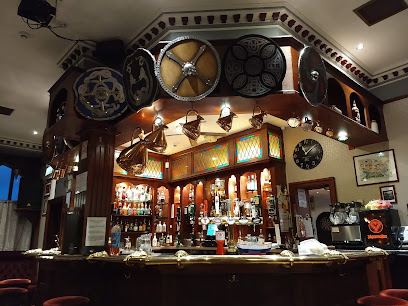
Thule Bar
74.6 km
Historic harbourfront pub in Lerwick offering local brews, lively vibes, and a cozy spot to unwind by the sea.
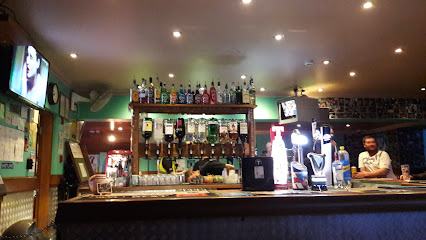
The Lounge Bar
74.8 km
A lively Lerwick pub famed for live traditional music, local camaraderie, and a wide selection of drinks in the heart of Shetland.
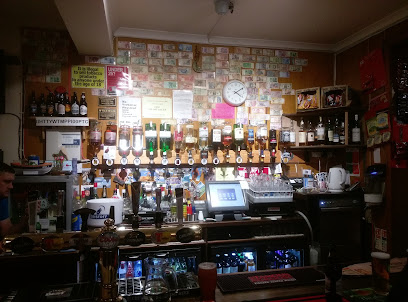
Fjarå Café Bar
75.6 km
Coastal charm meets local flavors at Lerwick’s Fjarå Café Bar, where sea views and seasonal dishes create an unforgettable dining escape.
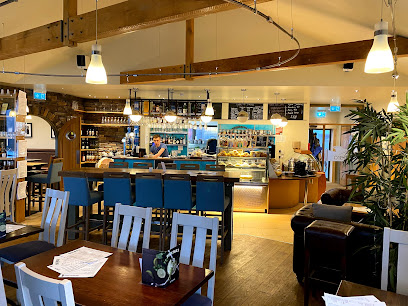
Scalloway Hotel
78.2 km
Experience Shetland’s charm with stylish sea-view rooms, fresh local seafood, and warm hospitality at Scalloway Hotel on the waterfront.
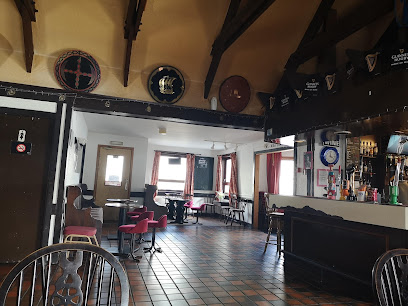
The Kiln Bar
78.2 km
A historic Shetland pub blending Viking heritage, local ales, and warm hospitality in Scalloway’s heart.
For the vibe & atmosphere seeker
- Scenic
- Relaxing
- Tranquil
- Unique
- Adventurous
For the design and aesthetic lover
- Rustic Designs
- Naturalistic
For the architecture buff
- Historic
- Parks & Gardens
- Viewpoints
For the view chaser and sunset hunter
- Iconic Views
- Panoramas
- Sunset Spots
For the social media creator & influencer
- Instagrammable
- Photo Spots
- Selfie Spots
For the eco-conscious traveler
- Protected Area
- Nature Reserve
- Public-Transport Accessible
- Locally Managed
- Leave-No-Trace Critical
For the kind of experience you’re after
- Nature Escape
- Cultural Heritage
- Photowalk
- Day Trip
- Weekend Getaway
- Myth & Legends
For how adventurous you want the journey to be
- Easy Access
- Requires Hike
Location Audience
- Family Friendly
- Senior Friendly
- Child Friendly
- Teen Friendly
- Wheelchair Access
- Pet Friendly
- Solo Friendly
- Couple Friendly
- Solo Female Friendly


