Pulteney Bridge, Somerset Travel Guide
An elegant 18th-century Palladian bridge in Bath with unique shops spanning both sides, blending history, commerce, and stunning river views.
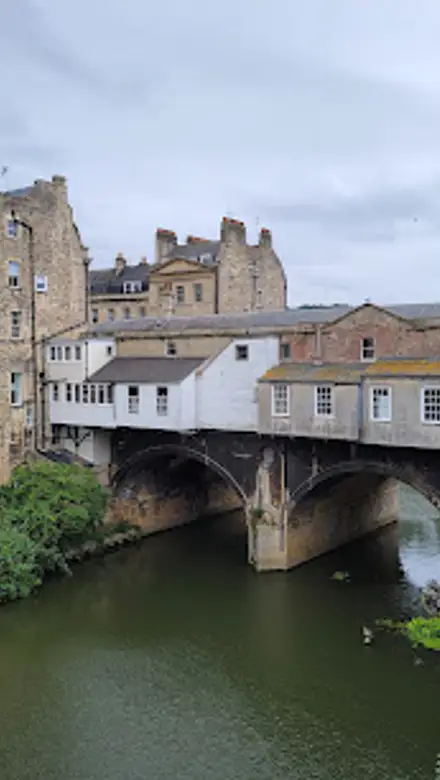
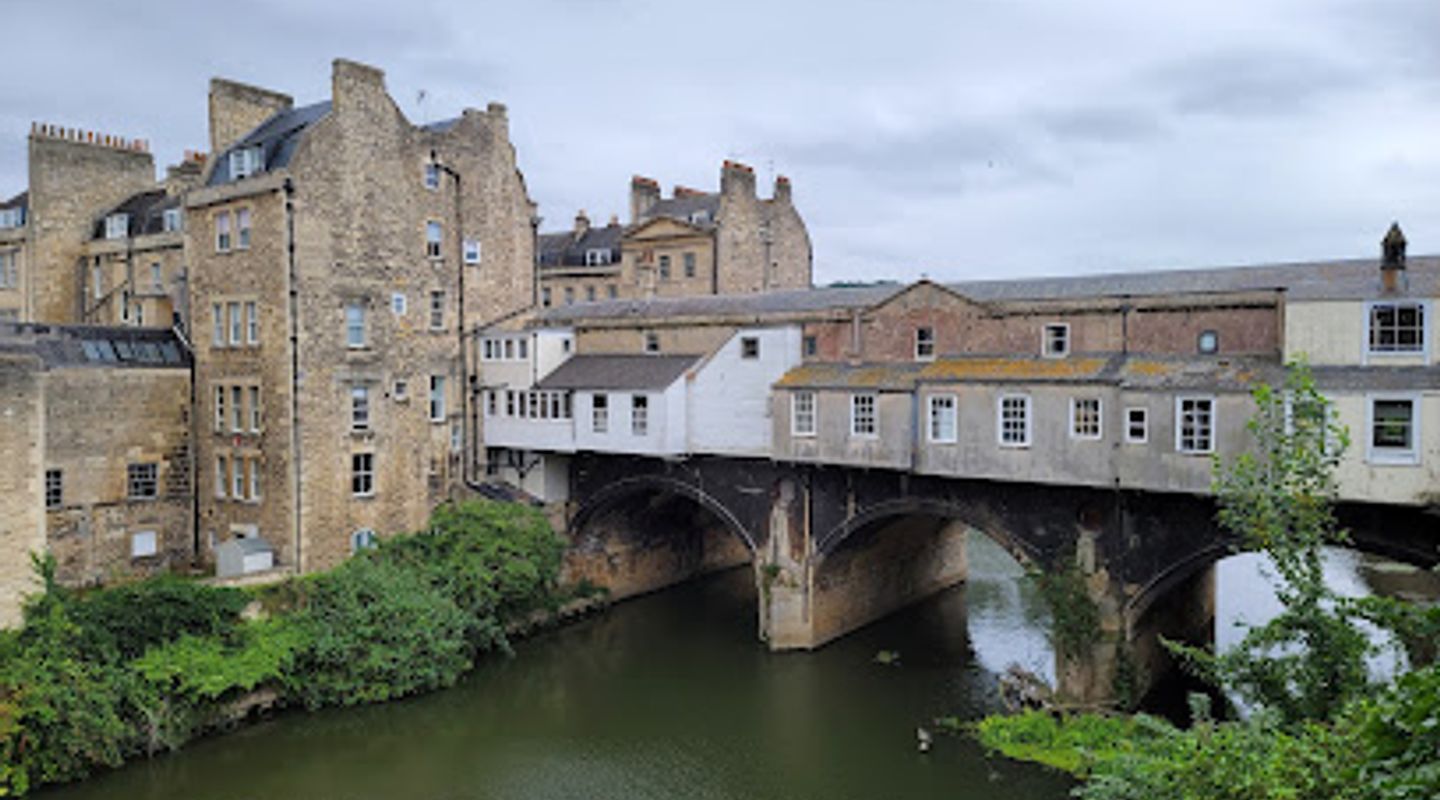
Pulteney Bridge in Bath, England, is a stunning 18th-century Palladian-style bridge completed in 1774. It uniquely features shops lining both sides across its full span, one of only four such bridges worldwide. Designed by Robert Adam, it connects Bath’s city center to the historic Bathwick estate, blending architectural elegance with commercial vibrancy. The bridge’s graceful arches span the River Avon, offering picturesque views and a glimpse into Bath’s rich heritage.
A brief summary to Pulteney Bridge
- Bridge St, Bath, BA2 4AT, GB
- Duration: 0.5 to 2 hours
- Free
-
 Outdoor
- Mobile reception: 4 out of 5

Know before you go
Hi, I'm Eve. Here are a few practical things to know before exploring Pulteney Bridge.
- Visit early morning or late afternoon to enjoy the bridge with fewer crowds and softer natural light for photography.
- Look closely at the differing façades on the north and south sides to appreciate centuries of architectural changes.
- Take time to enjoy the views of the crescent-shaped river weir and Bath skyline visible from the bridge.
- Explore the boutique shops and cafés on the bridge for unique local crafts and refreshments.
Do you manage this location?
Take control to get all the benefits, like improved information, better appearance, and stronger visibility across AI-powered discovery. Learn more about listing your business on Evendo
Activate your presenceOther nearby places you may find interesting
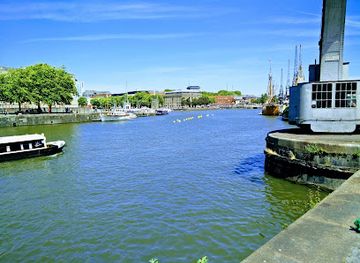
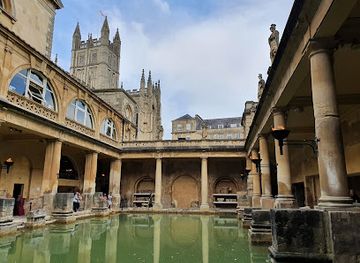
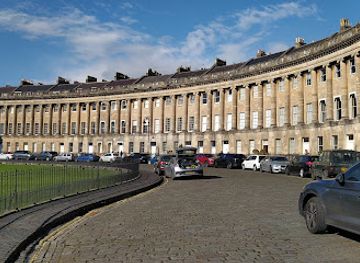
The closest places of the same kind, if this one is not quite what you had in mind.
Explore Pulteney Bridge on the Map
A handpicked selection of must-see spots near Pulteney Bridge, mapped for you.
Unlock the Best of Pulteney Bridge
Buy tickets
-
No tickets available
Book tours with entry


Getting There
-
Bus
Take the number 20 or 21 bus lines serving Bath city center, with stops within 500 meters of Pulteney Bridge. Buses run every 10-15 minutes, tickets cost approximately £2-£3. The area is pedestrian-friendly but parking is limited.
-
Train
Arrive at Bath Spa railway station, about 1.5 km from Pulteney Bridge. From there, a 20-minute walk through the city center or a short taxi ride costing around £5 will bring you to the bridge.
-
Walking
If staying within central Bath, walking to Pulteney Bridge is easy and scenic, taking 10-20 minutes on mostly flat, paved streets. The route is wheelchair accessible and well signposted.
For the on-the-go comforts that matter to you
-
 Seating Areas
-
 Information Boards
-
 Restrooms
-
 Food Options
-
 Drink Options
Discover more about Pulteney Bridge
A Visionary Bridge Linking Bath to Bathwick
Pulteney Bridge was conceived in the late 1760s to connect Bath’s bustling city center with the Bathwick estate, owned by the wealthy Pulteney family. The estate lay across the River Avon and was accessible only by ferry before the bridge’s construction. William Johnstone Pulteney, who inherited the estate through his wife Frances Pulteney, envisioned a grand crossing that would not only facilitate access but also inspire awe. Construction began in 1769 and was completed in 1774, marking a pivotal moment in Bath’s urban development.Architectural Elegance in Palladian Style
Designed by the renowned architect Robert Adam, Pulteney Bridge exemplifies Georgian Palladian architecture, inspired by classical Italian designs such as Andrea Palladio’s rejected plan for Venice’s Rialto Bridge. The bridge’s width of 15 meters allowed for the inclusion of shops on both sides, a rare feature globally. Its three elegant arches span the River Avon gracefully, while the use of local Bath stone ensures durability and harmony with the city’s architectural palette. The bridge’s façades, especially the cantilevered north side, reflect centuries of adaptations and restorations preserving its historic charm.A Commercial and Social Hub Through the Ages
From its early days, the bridge housed a variety of shops including milliners, booksellers, and jewelers, turning it into a lively commercial artery. Over time, the bridge became a social gathering place, offering visitors scenic views of the river weir and Bath’s skyline. Despite suffering flood damage in the 18th century and undergoing numerous modifications, including cantilevered shop extensions and façade restorations, Pulteney Bridge has retained its unique character as a vibrant pedestrian thoroughfare lined with boutique shops and cafés.Preservation and Heritage Recognition
In the 20th century, efforts were made to restore the bridge’s original Palladian appearance, particularly between 1938 and 1951, culminating in its designation as a Grade I listed building in 1955. The city council undertook restoration projects to remove unsympathetic alterations and stabilize the structure. Today, the bridge stands as a protected monument, celebrated for its architectural significance and as a symbol of Bath’s Georgian heritage.Experiencing Pulteney Bridge Today
Visitors crossing Pulteney Bridge experience a unique blend of history and commerce, with shops and cafés occupying the bridge’s span, often obscuring views of the River Avon below. The bridge’s location offers picturesque panoramas of the crescent-shaped river weir and Bath’s skyline. Its elegant arches and stonework invite close inspection, while the ambient buzz of shoppers and tourists creates a lively atmosphere. Pulteney Bridge remains a must-see landmark, embodying Bath’s blend of natural beauty, history, and urban charm.The Legacy of the Pulteney Family and Bath’s Urban Growth
The bridge not only symbolizes architectural innovation but also the ambitions of the Pulteney family to expand Bath eastward. Great Pulteney Street and surrounding Bathwick streets commemorate their influence. The bridge facilitated the development of a new suburb, shaping Bath’s growth beyond its historic core. Its enduring presence continues to connect Bath’s past with its present, inviting exploration and admiration from visitors worldwide.












Your all‑in‑one travel companion app
Explore expert travel guides, compare and book tours, experiences, hotels, and more—all from the palm of your hand. Download now for seamless trip planning wherever your wanderlust takes you.


Explore More of Somerset
Looking beyond Pulteney Bridge? Discover Somerset for broader travel guides, local hot-spots, and regional highlights.
Explore Somerset