Pulteney Bridge Travel Guide
Free Guide: Discover Bath’s unique 18th-century Palladian bridge with shops on both sides, blending history, architecture, and riverside charm.


A brief summary of Pulteney Bridge
Discover Bath’s unique 18th-century Palladian bridge with shops on both sides, blending history, architecture, and riverside charm.
Pulteney Bridge in Bath, England, is a stunning 18th-century Palladian-style bridge spanning the River Avon. Completed in 1774 and designed by Robert Adam, it uniquely features shops lining both sides across its full span—one of only four such bridges worldwide. Connecting Bath’s city center to the historic Bathwick estate, it offers picturesque views, rich history, and elegant Georgian architecture, making it a must-see cultural and architectural treasure.
On-site amenities
 Restrooms
 Drink options
 Food options
 Seating areas
 Information boards
Opening hours
- Every dayOpen 24 hours
Opening hours as listed on the venue’s Google Business Profile. Hours can change for services and special events, so check with the venue before you go.
- Address
- Bridge St, Bath BA2 4AT
Getting there
Bus
Walking
Taxi
Discover more about Pulteney Bridge
An Architectural Marvel Rooted in Georgian Elegance
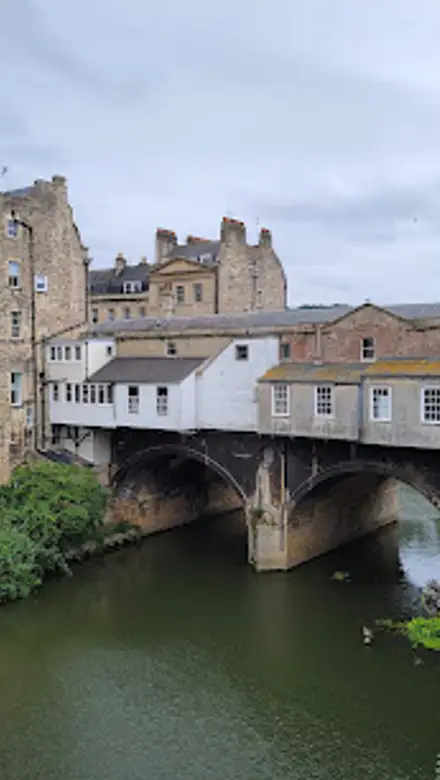
Pulteney Bridge stands as one of Bath’s most celebrated landmarks, completed in 1774 after construction began in 1769. Designed by the renowned architect Robert Adam, its Palladian style draws inspiration from Italian Renaissance bridges, notably echoing Andrea Palladio’s rejected design for Venice’s Rialto Bridge. The bridge’s width of 15 meters was a deliberate choice to accommodate shops on both sides, a rare feature globally, with only three other bridges sharing this characteristic. Built from durable local Bath stone, the bridge gracefully arches over the River Avon, showcasing three elegant spans that frame the crescent-shaped river weir nearby.
Bridging Bath and Bathwick: A Vision Realized
Originally commissioned by William Pulteney to connect Bath’s city center with the Bathwick estate, the bridge replaced a ferry crossing and facilitated the development of a new suburb. Named after Frances Pulteney, William’s wife and heiress to the Bathwick lands, the bridge quickly became a bustling commercial hub. Early shops included milliners, booksellers, and jewelers, turning the bridge into a lively social space where locals and visitors mingled while enjoying panoramic views of the river and cityscape.
Evolution Through Centuries: Alterations and Restorations
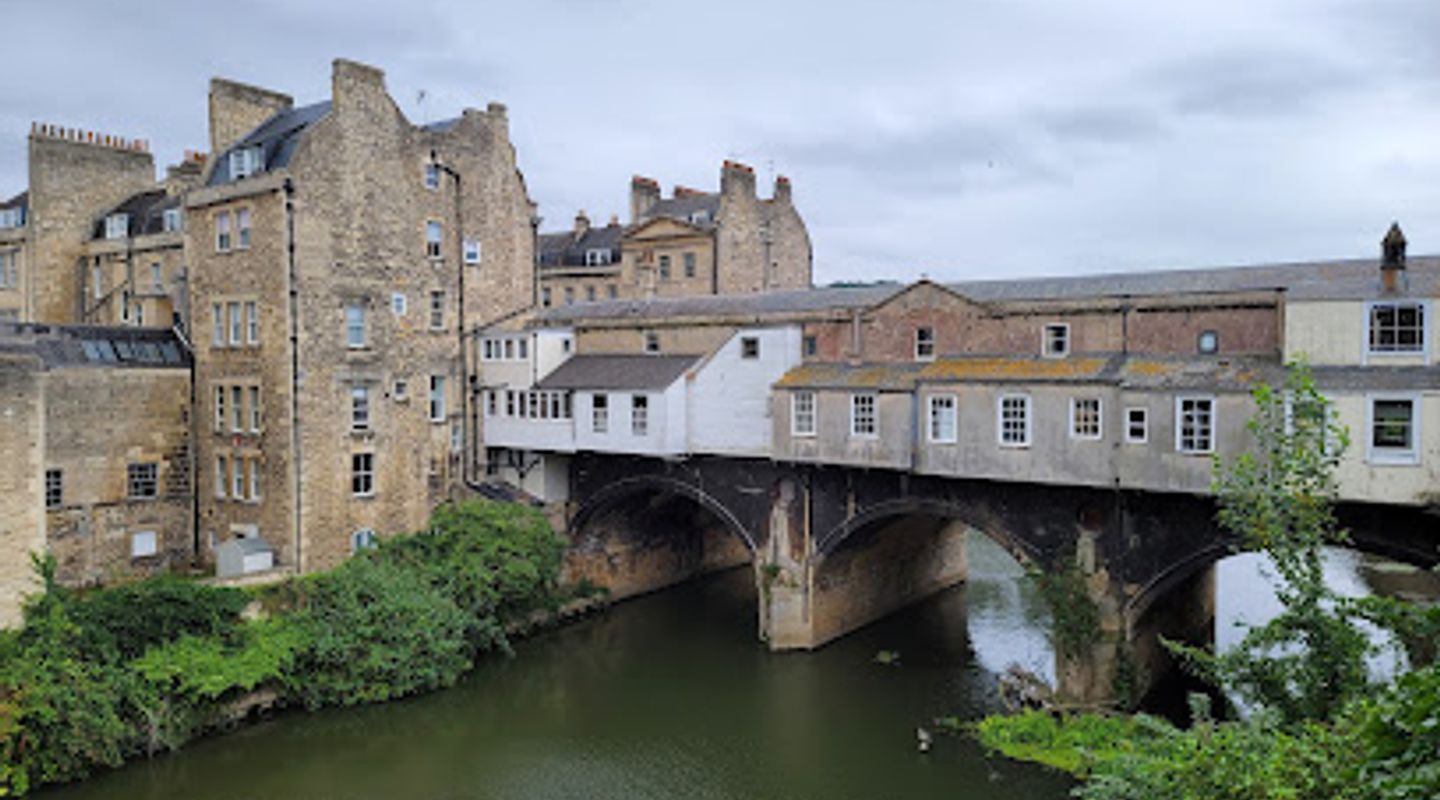
Throughout its history, Pulteney Bridge has undergone several modifications. Flood damage in the late 18th century prompted rebuilding efforts that preserved its original design. The 19th century saw the addition of cantilevered shop extensions on the north side, reminiscent of medieval inhabited bridges like Florence’s Ponte Vecchio. In the 20th century, significant restoration projects aimed to reverse unsympathetic alterations and restore the bridge’s Palladian façade. Notably, between 1938 and 1951, the city council undertook careful conservation work, culminating in its designation as a Grade I listed building and an ancient monument.
A Living Heritage and Tourist Attraction
Today, Pulteney Bridge remains a vibrant part of Bath’s urban fabric, attracting visitors with its unique combination of architectural beauty and commercial vitality. The shops continue to operate, offering a variety of goods and services, while the bridge itself serves as a picturesque vantage point over the River Avon. Its preservation reflects Bath’s commitment to maintaining its Georgian heritage and providing a tangible link to the city’s 18th-century expansion.
Visual and Cultural Significance in Bath’s Landscape
The bridge’s harmonious proportions and elegant arches complement Bath’s classical architecture, contributing to the city’s UNESCO World Heritage status. Its location near Great Pulteney Street and the crescent-shaped weir enhances its scenic appeal. Visitors often admire the contrasting façades—the original southern side and the cantilevered northern side—each telling a story of architectural adaptation and historical layers.
Experiencing Pulteney Bridge Today
Walking across Pulteney Bridge offers an immersive experience of Bath’s history and charm. The gentle flow of the River Avon beneath, the bustling shops, and the sweeping views of Georgian terraces invite contemplation and photography. The bridge’s enduring legacy as a functional and aesthetic masterpiece makes it a highlight for cultural heritage enthusiasts and casual visitors alike.
Evendo Review Centre
 Google
Guest reviews
Best time to go
Quietest: Jan, Feb & Dec · before 7am or at 9pm
Busy times are Evendo estimates for a typical year, to help you plan. Actual crowds vary with events, school holidays and the weather.
Explore Pulteney Bridge on the map
A handpicked selection of must-see spots near Pulteney Bridge, mapped for you.
Get your free copy of our complete guide to Pulteney Bridge, delivered straight to you.
Everything on this page, from opening hours and how to get there to Eve’s tips and the best time to go, in one PDF you can read offline, print or share.
Already have an account? Sign in
Your Pulteney Bridge guide is ready.
We'll send it to · Not you? Sign out

Getting your guide ready…
We are putting together a fresh copy of the Pulteney Bridge guide. This can take up to a minute.
This can take a few moments. If your browser asks, choose Allow so the download can start. You'll find the guide in your Downloads folder.
Nothing happened? Download it again
Sorry, the guide is taking longer than usual. Please try again in a minute, or get it by email instead.
Unlock the best of Pulteney Bridge
Skip-the-line tickets, guided tours with entry, and walking tours of the area, booked in a few clicks.





Other nearby places you may find interesting
The closest places of the same kind, if this one is not quite what you had in mind.
-
-
-
-
-


Swipe for more places
More to explore near Pulteney Bridge

 Best experiences near Pulteney Bridge
 Best hotels near Pulteney Bridge
 Best landmarks near Pulteney Bridge
 Best attractions near Pulteney Bridge
 Best shops near Pulteney Bridge
 Best restaurants near Pulteney Bridge
 Best bars near Pulteney Bridge
Do you manage this location?
Take control to get all the benefits, like improved information, better appearance, and stronger visibility across AI-powered discovery.
Explore more

Explore more of Somerset
Discover the timeless beauty and heritage of Somerset, where rolling hills, historic sites, and charming villages create an idyllic escape in the heart of England.
Explore Somerset
Explore more of United Kingdom
Discover the United Kingdom: A blend of rich history, stunning landscapes, and vibrant cities, offering a unique travel experience for every visitor.
Explore United Kingdom