Celtic Park, Stirling Travel Guide
Experience the passion and history of Scotland’s largest football stadium, home to Celtic FC since 1892 and a true Glasgow icon.
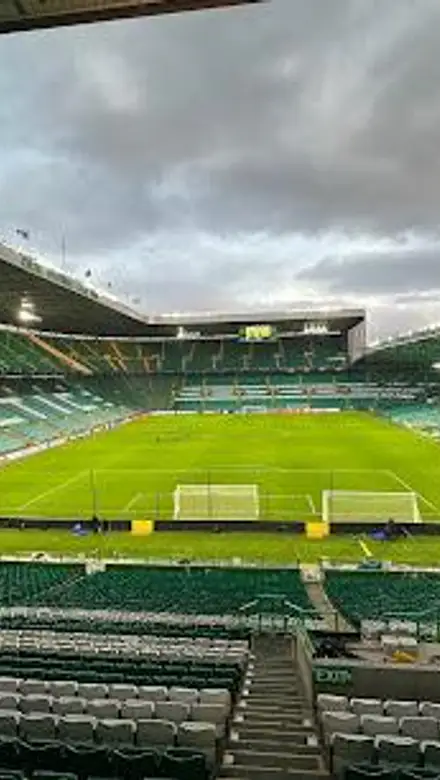
Celtic Park, also known as Paradise or Parkhead, is Scotland’s largest football stadium and the iconic home of Celtic Football Club since 1892. With a seating capacity exceeding 60,000, it stands as one of the UK’s premier sporting venues. Visitors can explore its rich heritage through guided tours that reveal the dressing rooms, tunnel, dugout, and extensive exhibitions celebrating the club’s history and passionate fan culture.
A brief summary to Celtic Park
- Janefield St, Glasgow, G40 3RE, GB
- Click to display
- Click to display
- Duration: 1 to 3.5 hours
- Mid ranged
-
 Outdoor
- Mobile reception: 4 out of 5

Know before you go
Hi, I'm Eve. Here are a few practical things to know before exploring Celtic Park.
- Book your guided stadium tour in advance to secure your spot and avoid disappointment, especially on weekends.
- Wear comfortable shoes and be prepared for walking and some stair climbing during the tour.
- Visit the Celtic Park Sports Bar at the South/West corner for a pre- or post-tour refreshment and atmosphere.
- Public transport is recommended as parking near the stadium fills quickly on matchdays and event days.
Do you manage this location?
Take control to get all the benefits, like improved information, better appearance, and stronger visibility across AI-powered discovery. Learn more about listing your business on Evendo
Activate your presenceOther nearby places you may find interesting
The closest places of the same kind, if this one is not quite what you had in mind.
Explore Celtic Park on the Map
A handpicked selection of must-see spots near Celtic Park, mapped for you.
Unlock the Best of Celtic Park
Buy tickets
-
No tickets available
Book tours with entry


Book tours without entry
-
No tours available
Getting There
-
Bus
Multiple bus routes including Nos. 2, 61, 64, 240, and 255 serve the Parkhead Forge Shopping Centre stop, about a 10-minute walk to Celtic Park. Buses run frequently from Glasgow city centre, with journey times of approximately 20-30 minutes. Tickets cost around £2-£4.
-
Car
Car access is via Janefield Street off Springfield Road, with stewarded parking for over 800 vehicles near the stadium’s North Stand. Parking is first-come, first-served and can fill quickly on matchdays. Expect to pay around £5-£10 for parking.
-
Train and Walk
The nearest train station is Bridgeton, about 1.5 km from Celtic Park. From there, it is a 20-minute walk through urban streets to the stadium. This option offers a scenic approach but involves some walking and is best suited for those comfortable with moderate urban terrain.
For the on-the-go comforts that matter to you
-
 Restrooms
-
 Drink Options
-
 Food Options
-
 Seating Areas
-
 Trash Bins
-
 Information Boards
Discover more about Celtic Park
Origins and Early Foundations
Celtic Park’s story begins with the original ground opened in 1888, built by Irish volunteers under the guidance of Celtic’s founder Brother Walfrid. Initially located near the Eastern Necropolis graveyard, the first stadium featured a modest uncovered stand and a cycling track around the pitch. After a rent hike in 1892, the club relocated to the current site on Janefield Street, a disused brickyard transformed into a grand stadium that quickly earned the affectionate nickname “Paradise.” This move marked the beginning of Celtic Park’s enduring legacy as a football fortress.Architectural Evolution and Expansion
The stadium’s design evolved significantly over the decades. Early features included Britain’s first double-decker stand built in 1898, though it was replaced after a fire in 1927 by the iconic Main Stand designed by Archibald Leitch. The stadium’s capacity once peaked unofficially at over 90,000 spectators, with official limits around 80,000. Mid-20th century additions included covered terraces such as the Celtic End and the famed “Jungle” terrace, known for its fervent supporters. A major redevelopment in the 1990s transformed Celtic Park into a modern all-seated arena with a capacity of approximately 60,800, featuring the Lisbon Lions and Jock Stein stands.Sporting and Cultural Significance
Celtic Park is much more than a stadium; it is a symbol of Glasgow’s East End and a cultural landmark for football fans worldwide. It has witnessed historic matches, including the club’s first treble win and countless Old Firm derbies against Rangers. The stadium’s atmosphere on matchdays is electric, fueled by passionate supporters who create an unforgettable experience. Beyond football, Celtic Park hosts concerts and events, cementing its role as a versatile venue within the community.Visitor Experience and Guided Tours
Visitors to Celtic Park can immerse themselves in the club’s history through guided tours that last about 90 minutes. These tours grant access to behind-the-scenes areas such as the home dressing room, boardroom, tunnel, and dugout, allowing fans to walk in the footsteps of legends. Informative exhibitions showcase Celtic’s heritage from its founding in 1888 to the present day. The stadium’s South/West corner houses the Sports Bar, the tour’s starting point, offering a lively atmosphere before and after visits.Location and Accessibility
Situated just two miles from Glasgow city centre, Celtic Park is easily accessible by public transport and car. The stadium offers stewarded parking for over 800 cars on Janefield Street, though public transport is recommended due to parking demand. Several bus routes serve the nearby Parkhead Forge Shopping Centre, a short walk from the stadium. The stadium’s location in Glasgow’s East End places it within a vibrant urban area rich in cultural heritage.Legacy and Community Impact
Celtic Park stands as a testament to community spirit, built initially by volunteers and continually supported by generations of fans. It reflects the club’s Irish roots and Glasgow’s working-class identity. The stadium remains a beacon of pride and unity, hosting not only football matches but also community events, exhibitions, and celebrations that strengthen its bond with locals and visitors alike.












Your all‑in‑one travel companion app
Explore expert travel guides, compare and book tours, experiences, hotels, and more—all from the palm of your hand. Download now for seamless trip planning wherever your wanderlust takes you.


Explore More of Stirling
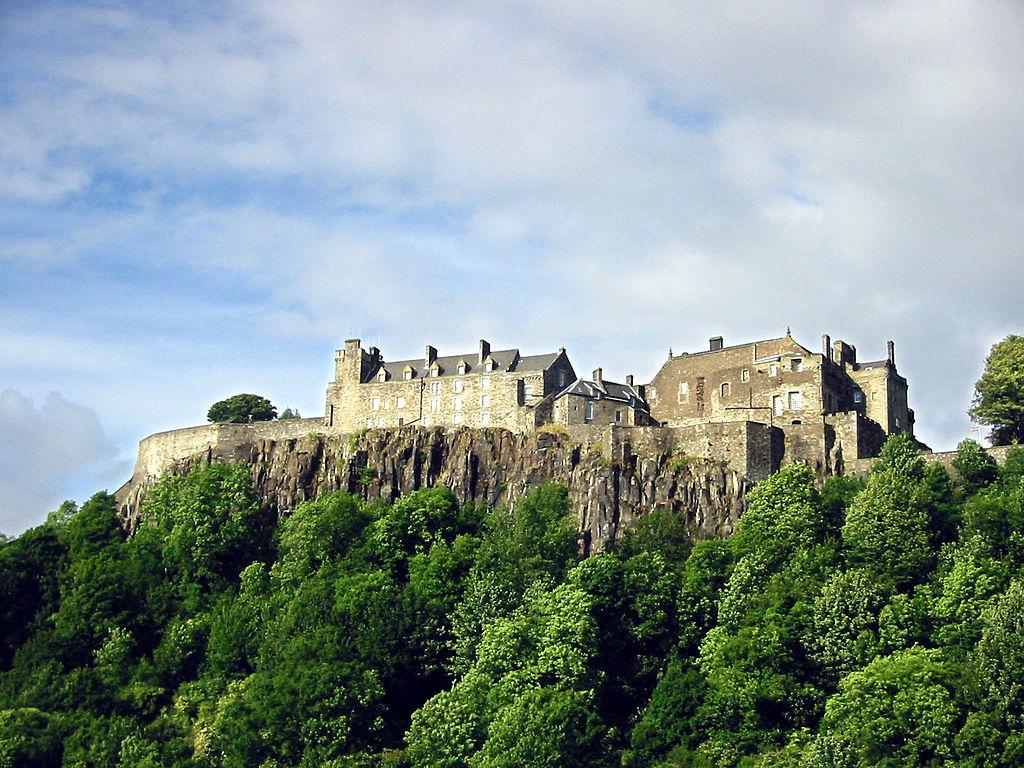
Looking beyond Celtic Park? Discover Stirling for broader travel guides, local hot-spots, and regional highlights.
Explore Stirling
Glasgow Green: Scotland’s oldest park blending rich history, vibrant culture, and expansive green spaces in the heart of Glasgow.
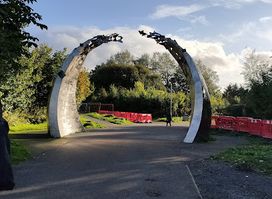
Discover Glasgow’s vibrant community woodland with adventure play, outdoor bouldering, scenic trails, and striking public art on the River Clyde.